
Sustainable Substitutions: Eco-Friendly Choices in the Kitchen for Greener Cooking
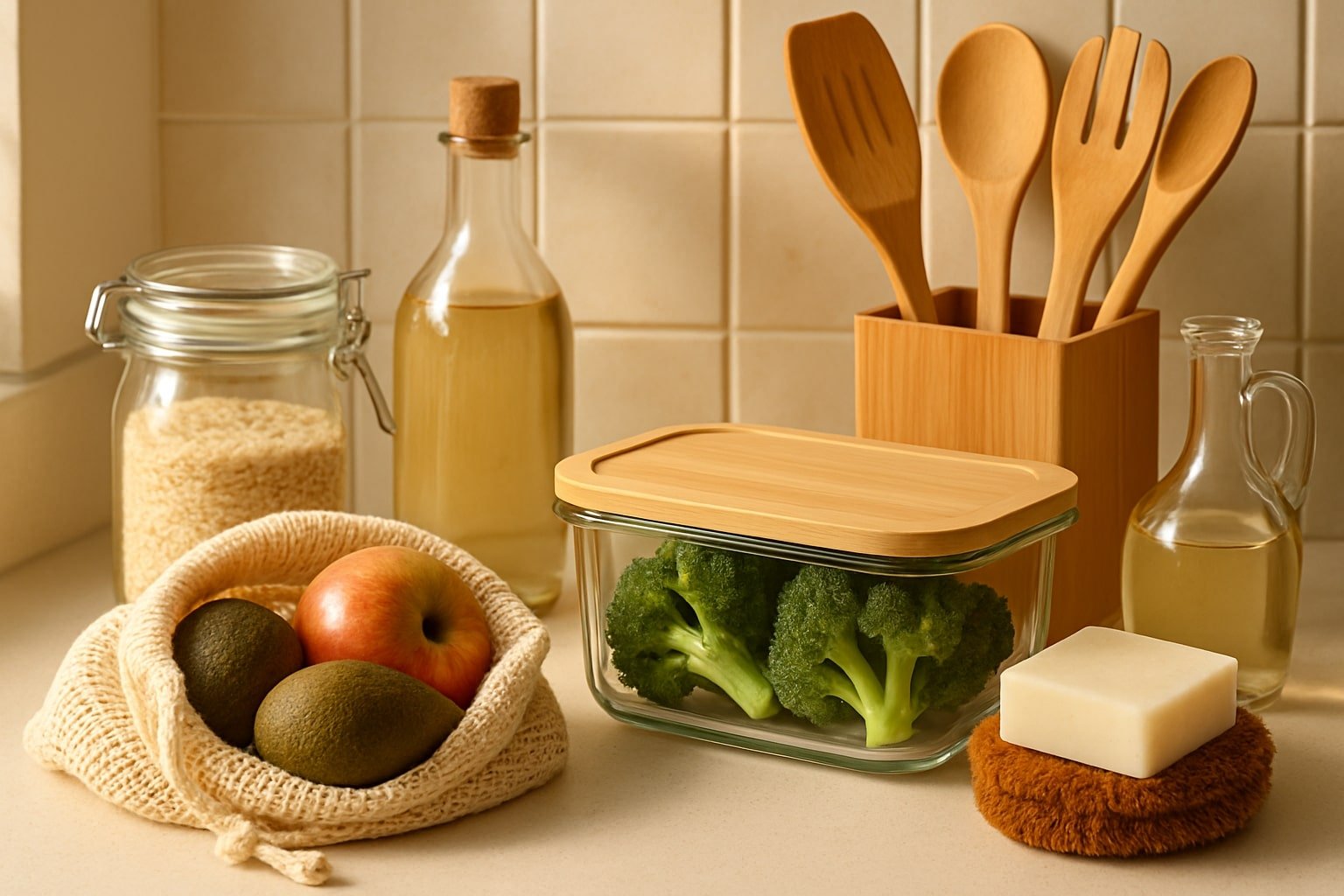
Making simple swaps in the kitchen can have a big impact on sustainability, making it easier for anyone to adopt a more eco-friendly lifestyle without major sacrifices. Choosing glass or stainless steel containers instead of plastic, using compost bins, and opting for reusable alternatives to paper towels can significantly reduce waste and promote sustainable living. Such straightforward changes help create a more sustainable kitchen while supporting the environment.
Eco-friendly alternatives, like silicone food storage bags and organic cotton towels, are readily available and designed to last. Those who are interested in making eco-friendly choices will find that these small adjustments support both personal values and environmental responsibility.
Exploring a range of practical substitutions allows individuals to maintain the convenience they’re used to while gradually building a more sustainable kitchen. With the right tools and information, a kitchen can become a key space in the journey toward more sustainable living.
Understanding the Environmental Impact of Kitchen Choices
Kitchen habits play a direct role in shaping environmental outcomes. Everyday decisions related to materials, waste, and resource management can either contribute to or help mitigate climate change and pollution.
Reducing Carbon Footprint
Actions in the kitchen often affect a household’s carbon footprint. Cooking with energy-efficient appliances, such as induction cooktops or ENERGY STAR-rated dishwashers, lowers electricity use and reduces greenhouse gas emissions.
Choosing ingredients with minimal transportation—like local and seasonal produce—also helps decrease emissions. Plant-forward eating has a measurable effect; producing vegetables, grains, and legumes typically results in lower emissions than raising beef or lamb.
Smart meal planning and batch cooking cut down repeated oven or stove use, saving both energy and time. By paying attention to these practices, individuals can lessen their environmental footprint without sacrificing nutrition or convenience.
Minimizing Plastic Pollution
Plastic waste from common kitchen products—plastic wrap, single-use containers, and utensils—has a far-reaching environmental impact. Most plastics are not biodegradable and often end up in landfills or waterways, where they persist for decades and harm marine life.
Switching to reusable alternatives, such as beeswax wraps, silicone lids, or glass storage containers, significantly reduces plastic use. These reusable items can last for years, dramatically cutting down single-use waste.
Proper sorting and recycling of plastic packaging is also important, but the most effective way to limit plastic pollution is by reducing reliance on disposable plastics in daily kitchen routines.
Addressing Food Waste
Food waste contributes directly to greenhouse gas emissions because discarded food usually decomposes in landfills and releases methane, a potent climate change driver. Estimates show that up to one-third of food produced globally is wasted, stretching the environmental footprint of agriculture and food distribution.
Keeping a detailed shopping list, using leftovers, and organizing refrigerators and pantries help people use food before it spoils. Composting unavoidable scraps, like peels and coffee grounds, further reduces landfill waste and supports soil health.
Efforts to reduce food waste are among the most effective kitchen strategies for sustainability and limiting climate change. Each small adjustment helps conserve resources and lowers overall emissions.
Sustainable Food Storage Solutions
Eco-friendly kitchen products help reduce waste and minimize exposure to harmful chemicals. Choosing sustainable food storage options leads to healthier meals and a lower environmental footprint.
Glass Food Storage Containers
Glass food storage containers rank high among eco-friendly alternatives to plastic. They are non-toxic, do not leach chemicals, and are safe for use in ovens, microwaves, and dishwashers. Durable borosilicate glass can withstand temperature changes and last for many years with proper care.
Reusable glass jars provide airtight seals, keeping dry goods like flour, sugar, nuts, and dried fruit fresh. Glass containers are also ideal for meal prepping and storing leftovers, as they do not retain odors or stain. Many containers feature bamboo or silicone lids for added sustainability.
Key Advantages:
Non-toxic and plastic-free
Dishwasher and microwave safe
Durable and long-lasting
Using glass also makes it easy to identify contents at a glance, reducing food waste and unnecessary purchases.
Beeswax Wraps and Bee’s Wrap
Beeswax wraps and similar products like Bee’s Wrap offer a practical substitute for plastic wrap. Made from organic cotton infused with beeswax, tree resin, and jojoba oil, these wraps are flexible and reusable.
They form a seal with the warmth of your hands, making them suitable for covering bowls, wrapping cheese, bread, and other perishable foods. After use, wraps can be rinsed in cool water, air-dried, and reused many times.
Benefits:
Compostable at end of life
Breathable, which helps preserve food
Plastic wrap alternative with less waste
Some wraps also use plant-based wax for vegan options, offering a wide range of eco-friendly alternatives for home storage needs.
Silicone Baking Mats and Food Huggers
Silicone baking mats replace disposable parchment paper and aluminum foil in the kitchen. Made from food-grade silicone, these mats are oven-safe, reusable, and easy to clean. They reduce single-use waste and work for baking, roasting, and even freezing foods.
Food huggers are reusable silicone covers designed to fit over half-used fruits, vegetables, jars, and cans. They form a tight seal to keep produce fresh longer and cut down on the need for plastic wrap or foil.
Highlights:
Heat-resistant and dishwasher safe
BPA-free, flexible, and available in multiple sizes
Fit a variety of containers and foods
Both products provide versatile, sustainable options that integrate easily into most kitchens.
Zero Waste Kitchen Practices
Adopting zero waste kitchen practices can minimize unnecessary waste and make daily cooking more efficient. By planning meals with intention and using leftovers creatively, people can significantly decrease food waste and reliance on single-use items.
Meal Planning for Waste Reduction
Thoughtful meal planning is essential for cutting down food waste. Creating a weekly menu lets households buy only what they need, reducing the chance of forgotten ingredients spoiling. Shopping with a list and checking pantry inventory beforehand helps avoid duplicate purchases.
Bulk buying dry goods and using reusable containers lowers packaging waste. Selecting versatile ingredients, such as rice, beans, or seasonal vegetables, enables multiple dishes to be created from the same base. This reduces spoilage and the temptation to opt for takeout.
Batch cooking and meal prep further support waste reduction. Preparing meals in advance and storing portions in airtight, reusable containers means leftovers are eaten before they can spoil. Composting unavoidable scraps, like vegetable peels or coffee grounds, addresses the small amount of organic waste remaining. Compost bins or community composting initiatives are effective for these items.
Creative Use of Leftovers
Turning leftovers into new meals is a practical part of a zero waste kitchen. Leftover vegetables can be turned into soups, stir-fries, or omelets. Cooked grains and meats easily become elements in salads or wraps.
A simple table can help visualize possible combinations:
Leftover Type Meal Idea Roasted Vegetables Frittata, Tacos Rice or Grains Fried Rice, Bowls Cooked Proteins Sandwiches, Wraps
Freezing portions is another way to extend food life. Clearly labeling containers with dates ensures items are used in time. Getting creative with recipes helps prevent food fatigue, making it more likely that leftovers will be consumed instead of discarded.
Smart Food Shopping and Storage
Making sustainable changes in the kitchen can start with choices as simple as the bags used to bring groceries home and the methods selected for food storage. Prioritizing reusable materials and streamlining pantry organization provides both environmental and personal benefits.
Reusable Grocery Bags and Cloth Napkins
Reusable grocery bags significantly reduce the amount of single-use plastic that ends up in landfills or polluting waterways. Materials such as organic cotton, jute, or recycled plastics provide sturdy, reliable options that can last for years with regular washing and care.
Cloth napkins are a practical swap for disposable paper napkins. They are easily washable, durable, and can be reused hundreds of times. Keep a small basket in the kitchen or pantry stocked with clean napkins for busy mealtimes.
Incorporating these reusable items into an eco-friendly kitchen minimizes waste. Labeling or color-coding bags and napkins can help households keep track of their use and avoid unnecessary washing. Some families even use designated napkin rings or clips to further reduce laundry. Bulk purchasing and thoughtful organization help support these sustainable practices.
Reusable Item Key Benefit Care Recommendation Grocery Bag Reduces plastic use Machine wash as needed Cloth Napkin Cuts paper waste Wash and air dry
Bulk Buying and Pantry Organization
Buying dry goods, grains, and snacks in bulk cuts down on excessive packaging. Many stores allow shoppers to bring their own containers, which supports a low-waste, eco-friendly kitchen. Glass jars, recycled bamboo containers with cork lids, or metal canisters are durable choices.
Effective pantry organization helps prevent food waste and supports sustainable practices. Store bulk goods in clear, labeled jars to make it easy to see what’s available and reduce the chance of overbuying. Rotate stock by placing older items in front and new purchases behind.
Keep a running inventory to streamline meal planning and shopping lists. This approach not only saves time and money, it also minimizes spoilage. Consider using stackable bins or baskets, made from bamboo or recycled materials, for items like root vegetables or packaged products.
Eco-Friendly Kitchen Products and Utensils
Switching to sustainable kitchen products can reduce single-use plastics, lower household waste, and support a healthier environment. Two popular and practical eco-friendly options are bamboo utensils and straws, and stainless steel water bottles.
Bamboo Utensils and Straws
Bamboo utensils are a renewable, biodegradable alternative to plastic or single-use cutlery. They are strong, lightweight, and naturally resistant to stains and odors. Because bamboo grows quickly without fertilizers or pesticides, its environmental impact is lower than hardwood or petroleum-based products.
Bamboo straws offer a similar benefit. They can be reused multiple times and are compostable at the end of their life cycle. Unlike paper straws, bamboo straws do not get soggy, and they do not contribute to landfill waste like plastic straws.
Comparison Table: Bamboo vs. Traditional Options
Feature Bamboo Utensils Plastic Utensils Reusable Yes Rarely Compostable Yes No Durability High Low Material Source Renewable Fossil Fuels
Keeping a set of bamboo utensils and straws at home or in a travel bag helps cut down on single-use products. Hand-washing extends their lifespan and keeps them in good condition.
Stainless Steel Water Bottles
Stainless steel water bottles are a long-lasting, reusable item designed to replace single-use plastic bottles. Unlike plastic alternatives, they do not leach chemicals, and their durability means they can last for years with proper care.
Most stainless steel bottles are insulated to keep drinks hot or cold for extended periods. This makes them practical for daily use—at home, at work, or during outdoor activities. Choosing a food-grade stainless steel option ensures safety and resists flavor retention.
Key Advantages:
Reduces plastic waste
BPA-free and non-toxic
Maintains beverage temperature
Easy to clean, dishwasher-safe
A single stainless steel bottle can prevent hundreds of disposable bottles from entering landfills each year. Replacing plastics with stainless steel is a straightforward step toward a more sustainable kitchen.
Energy-Efficient Appliances and Lighting
Upgrading kitchen appliances and fixtures to more efficient models saves both energy and water. Simple changes to lighting and faucets can also make a measurable environmental difference in everyday cooking and cleaning.
Choosing Energy Star Rated Appliances
Energy Star rated appliances use less energy than standard models, reducing electricity bills and environmental impact. When selecting a fridge, freezer, or dishwasher, Energy Star labels help identify units that meet strict efficiency guidelines. For example, an Energy Star refrigerator can use up to 15% less energy than non-certified options, while dishwashers often need less water per cycle.
Induction stoves are another efficient alternative, generally using 5-10% less energy than conventional electric cooktops according to government data. Many new dishwashers offer features such as air dry settings, further reducing electricity use. Choosing appliances with eco-modes or half-load wash options also conserves resources.
When comparing models, consider lifetime operating costs in addition to upfront price. Efficient appliances not only lower energy use but also often provide quieter operation and greater reliability.
LED Lighting and Water-Saving Faucets
LED lighting consumes significantly less electricity than traditional incandescent or halogen bulbs. LEDs have a longer lifespan, produce less heat, and offer a range of color temperatures suitable for kitchen tasks. Replacing all kitchen fixtures with LEDs can cut lighting energy use by up to 75%.
Installing water-saving faucets is another practical switch. Look for models with aerators, which mix air with water to reduce flow without sacrificing pressure. Some faucets include touchless controls or timers, further limiting unnecessary water use while washing dishes or preparing food.
Together, efficient lighting and modern faucets reduce both utility bills and environmental impact with minimal disruption to daily routines. These upgrades typically require little maintenance and integrate easily with existing kitchen designs.
Composting Systems for a Greener Kitchen
Composting kitchen scraps can turn food waste into valuable soil nutrients, helping reduce landfill contribution and supporting sustainable gardening. Modern composting systems range from simple bins to advanced electric processors, catering to different needs and kitchen sizes.
Kitchen Compost Bins
Kitchen compost bins are compact containers designed to collect everyday scraps such as vegetable peels, fruit cores, coffee grounds, and eggshells. These bins typically have tight-fitting lids and charcoal filters to minimize odors, making them suitable for countertops or under-sink storage.
A kitchen compost bin can hold waste for several days before it’s transferred to an outdoor pile or a municipal program. The most effective bins are made from materials like stainless steel, recycled plastic, or ceramic, ensuring durability and easy cleaning.
When using a composting system like this, avoid placing meat, dairy, oils, or processed foods in the bin, as they may cause odors or attract pests. Many models feature removable liners or buckets for hassle-free emptying. Regular cleaning and the addition of browns—such as paper towels or shredded newspaper—help balance moisture and reduce smells.
Food Cycler and Home Composting
Electric food cyclers are compact appliances designed for kitchens with limited space or no access to outdoor composting. These devices rapidly break down waste—such as vegetable scraps, small bones, and coffee grounds—into a dry, reduced form in a few hours.
Food cyclers operate using heat, agitation, and sometimes filters to speed up decomposition. They process a variety of kitchen scraps that traditional compost bins might struggle with, such as citrus peels and cooked leftovers. The output is not finished compost but a nutrient-rich, soil-ready amendment that can be further matured or mixed directly into garden soil.
Most units have user-friendly interfaces and require minimal maintenance. While a food cycler’s upfront cost is higher than a simple bin, it provides a clean, odor-free solution ideal for apartments or urban homes. These systems help reduce waste at the source, making sustainable living more accessible in different environments.
Eco-Friendly Cleaning Solutions
The kitchen is a hub for cleaning activity and often a source of chemical exposure. Sustainable alternatives help reduce waste, limit toxic chemicals, and maintain a safer environment.
Natural and Non-Toxic Cleaning Products
Many traditional cleaning products contain harsh chemicals that linger on surfaces and enter the air. A growing number of brands now offer natural, non-toxic alternatives that are effective for daily kitchen cleaning.
Common eco-friendly cleaning products include concentrated cleaning solutions, refill tablets, and plant-based sprays. Brands like Blueland and Koala Eco use ingredients that are safe for people, pets, and the planet. These products often come in reusable glass or durable plastic bottles to cut down on single-use plastic.
To compare at a glance:
Product Type Key Feature Typical Packaging Refills/Tablets Plastic-free, water-activated Reusable glass/plastic Multi-Purpose Sprays Plant-based, non-toxic Refillable bottles Dish/Laundry Solutions Biodegradable, zero-waste Compostable/washable
Switching to these alternatives can decrease exposure to toxic chemicals and cut down on non-recyclable packaging. Some solutions, like vinegar-based sprays or baking soda, allow for even greater control of ingredients and reduce overall household waste.
Reusable Paper Towels
Single-use paper towels are a significant source of kitchen waste. Reusable paper towels, typically made from bamboo, cotton, or cellulose fibers, offer a durable and sustainable alternative.
They can be washed and reused dozens or even hundreds of times, significantly reducing landfill waste. Many brands offer rolls that fit standard paper towel holders and can be machine-washed for convenience.
Key benefits of reusable options include:
Reduced waste: One reusable towel can replace dozens of disposable sheets.
Cost savings: Fewer single-use purchases over time.
Lower environmental impact: Less demand for water and trees compared to single-use paper products.
Regular laundering keeps reusable towels hygienic and ready for repeated use, making them a practical switch for eco-conscious kitchens.
Sustainable Cookware and Kitchen Design
Choosing the right cookware and materials can reduce environmental impact while also supporting a healthier home. Durable, non-toxic kitchen tools and mindful material choices in design contribute to long-term sustainability.
Sustainable Cookware Materials
Cast iron and stainless steel remain popular for their longevity and ability to withstand decades of use. Properly maintained, these materials rarely need replacement and are often fully recyclable.
Ceramic-coated cookware offers a non-stick surface without harmful chemicals, reducing the need for excess oils or disposable liners. Some brands use mineral-based coatings and produce less waste during manufacturing.
Bamboo utensils and recycled aluminum pans are additional options that cut down on resource extraction and promote circular manufacturing. Shoppers should check for third-party certifications like GreenGuard or Cradle to Cradle for assurance of product safety and sustainability.
Material Durability Recyclable Non-Toxic Common Products Cast Iron High Yes Yes Skillets, Dutch ovens Stainless Steel High Yes Yes Pots, pans, mixing bowls Ceramic-Coated Medium Sometimes Yes Frying pans, bakeware Bamboo Medium Yes Yes Utensils, cutting boards Recycled Aluminum Medium Yes Sometimes Saucepans, baking trays
Eco-Friendly Flooring and Finishes
Bamboo and cork are two leading choices for sustainable kitchen flooring. Both are renewable resources and offer durability for high-traffic areas. Cork is especially valued for comfort underfoot and resistance to moisture.
Linoleum, made from linseed oil, wood flour, and natural pigments, is biodegradable and less energy-intensive to produce than vinyl. It resists bacteria and is suitable for busy kitchens.
Low-VOC paints and water-based sealants reduce indoor air pollution. Reclaimed wood for cabinetry and furniture is another way to lower environmental impact. For countertops, recycled glass and paper composite surfaces provide durability and unique aesthetics with reduced resource extraction.
Selecting eco-friendly finishes can minimize toxins indoors and support a healthier household environment.
Responsibly Disposing and Recycling in the Kitchen
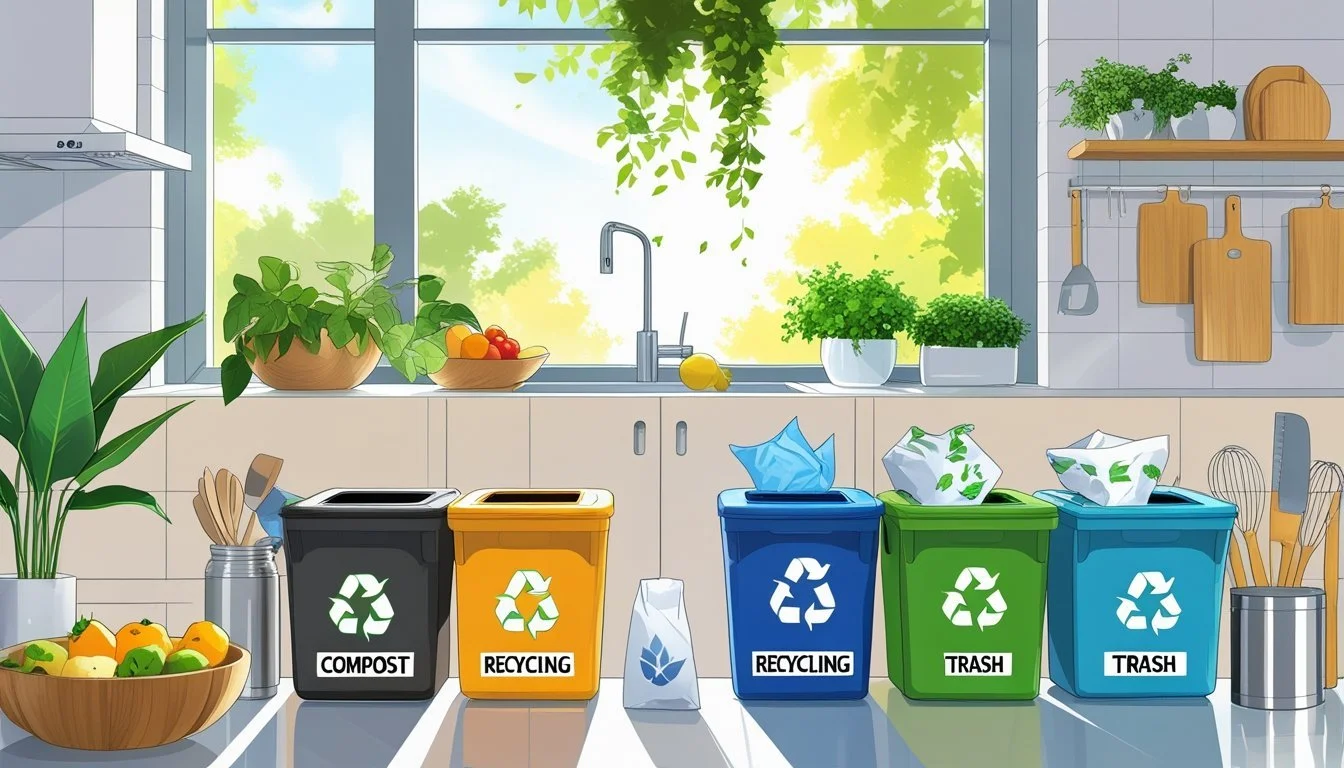
Managing kitchen waste requires organized recycling systems and a clear focus on minimizing single-use plastics. Informed choices lead to a more sustainable kitchen with less environmental impact.
Home Recycling Best Practices
Setting up designated bins for sorting recyclables streamlines the process and decreases contamination. Paper, cardboard, glass jars, and certain plastics should be rinsed and separated according to local guidelines. Clearly labeled bins or signs help everyone in the household participate correctly.
Avoid including greasy or food-soiled materials in the recycling bin, as these can disrupt recycling processes. Composting is an effective way to handle fruit and vegetable scraps, coffee grounds, and eggshells, reducing landfill waste and producing valuable soil.
A quick reference table can be useful:
Material Recycle Bin Compost Bin Trash Glass Bottles ✓ Plastic #1/#2 ✓ Food Scraps ✓ Soiled Pizza Box ✓ Styrofoam ✓
Staying updated with municipal recycling rules ensures proper disposal and maximizes what can be reused or repurposed.
Reducing Single-Use Plastics
Minimizing single-use plastics starts with practical substitutions. Reusable shopping bags, glass storage containers, and silicone food wraps replace disposable bags and wraps. Bulk bins allow shoppers to avoid packaging by using their own refillable containers.
Some product swaps include:
Stainless steel or glass straws instead of plastic.
Cloth produce bags in place of thin plastic bags.
Beeswax wraps as a substitute for plastic wrap.
Bar dish soap or refill stations for reducing bottles.
Selecting products with minimal or recyclable packaging lowers plastic waste at the source. Educating the household and leading by example encourages long-term habits that further reduce reliance on single-use plastics.
Incorporating Plant-Based Meals
Switching to plant-based meals allows home cooks to lower their carbon footprint and use fewer natural resources each day. Specific ingredient choices and meal planning strategies can help make this transition both practical and impactful.
Seasonal and Local Ingredient Choices
Choosing seasonal produce supports sustainability by reducing the need for energy-intensive transportation and storage. Local fruits and vegetables are often fresher and require less packaging, meaning less waste is generated. Adapting meal planning to what is in season can also lead to more nutritious and flavorful meals.
A simple way to begin is to check what’s available from nearby farms or at local markets each week. Some examples of seasonal options include:
Spring Summer Autumn Winter Asparagus Tomatoes Squash Kale Spinach Zucchini Mushrooms Leeks Strawberries Peppers Apples Cabbage
By focusing on what grows locally, cooks can support regional agriculture and help minimize energy and resource use in their kitchens.

