
Understanding Flavor Anchors in Substitution Decisions
How Key Tastes Guide Effective Ingredient Swaps

Flavor anchors are the key tasting notes or components in a dish that guide successful ingredient substitutions without changing the overall flavor profile. When cooks need to make a swap—whether due to dietary restrictions, allergies, or missing ingredients—identifying what drives the dish's flavor ensures the final result still meets expectations.
Many substitutions fail not because the replacement doesn't physically fit, but because it alters the flavor anchor, affecting taste and satisfaction. Examples include swapping fresh basil with parsley for color but losing the anise-like aroma, or using tofu instead of eggs and needing to mimic both structure and flavor.
Recognizing these anchors helps cooks choose alternatives that maintain both the desired taste and texture. Understanding the role of each ingredient in flavor development allows thoughtful decisions, so substitutions enhance rather than diminish the eating experience.
What Are Flavor Anchors in Substitution Decisions?

Flavor anchors shape how people perceive taste and guide choices when ingredients are substituted. They influence both the overall flavor profile of a dish and how flavors are evaluated during changes.
The Role of Flavor Anchors in Taste and Flavor
Flavor anchors serve as reference points that people rely on to interpret the taste experience. When swapping an ingredient—such as using a different herb or spice—individuals often compare the substitute to the well-known base flavor or original ingredient.
For example, if a dish is normally flavored with basil, basil’s unique profile becomes the flavor anchor. People expect substitutes to provide a similar aromatic or herbal note, anchoring their expectations for the resulting flavor perception.
The use of flavor anchors helps stabilize flavor profiles during substitutions. This stability matters because it assists both cooks and consumers in predicting how substitutions will impact not just taste, but also the overall acceptability of the food.
Defining Flavor Anchors and Their Impact
A flavor anchor refers to a key element in a dish's flavor profile that significantly shapes perception. This anchor could be a specific ingredient, a signature spice, or even a characteristic combination of tastes like sweetness or smokiness.
Flavor anchors affect substitution decisions by narrowing acceptable alternatives. If a flavor anchor in a recipe is recognized for delivering a certain expression of taste, only substitutes that replicate that aspect are considered suitable. This maintains consistency in flavor perception even when recipes change.
For food manufacturers and chefs, identifying these anchors is essential. It enables more accurate ingredient substitutions without overwhelming or losing the primary notes that define the dish’s identity. Substitutions based on flavor anchors help protect both flavor quality and consumer satisfaction.
Understanding Sensory Characteristics and Flavor Profiles
Identifying aroma, taste, and textural attributes is central to characterizing a food’s flavor profile. Structured sensory evaluation techniques help decode how volatile compounds and the food matrix interact to shape overall flavor perception.
Aroma and Volatile Compounds
Aroma is primarily determined by volatile compounds released from the food matrix, which travel to the olfactory receptors. These molecules drive recognizable scents ranging from fruity or floral to earthy or spicy notes. The type and concentration of volatile compounds change with factors such as processing, aging, or ingredient substitution.
Key aroma compounds, such as esters in fruits or sulfur compounds in alliums, serve as markers for specific flavor profiles. Identifying these is essential for predicting how a substitution might affect perceived aroma. For consistency, scientists often use gas chromatography and mass spectrometry to quantify volatile components in food products.
Analyzing Sensory Evaluation
Sensory evaluation uses trained panels or consumer testing to systematically measure sensory characteristics like aroma, taste, mouthfeel, and appearance.
Common methods include:
Descriptive analysis: Panelists score and describe intensity of specific attributes.
Hedonic testing: Consumers express preferences or liking for sensory profiles.
Difference testing: Participants identify perceptible changes after formulation adjustments.
Panels use reference standards and controlled conditions to reduce bias. The results guide product development by revealing which sensory attributes anchor a food’s identity, and which may shift after ingredient substitutions.
Mapping the Food Matrix
The food matrix—the physical and chemical environment binding all food components—shapes the release and perception of flavors. It impacts how volatile compounds migrate and interact with taste receptors.
For example:
Matrix Component Influence on Flavor Fats Trap or release aromas Proteins Bind flavor compounds Starches Affect texture and mouthfeel
When substituting ingredients, understanding the matrix is crucial. Changes in fat content, water activity, or protein structure can alter how sensory characteristics are experienced. Proper mapping of the food matrix clarifies which elements must be preserved to maintain a familiar flavor profile after substitutions.
Ingredient Substitutions and Substitutability
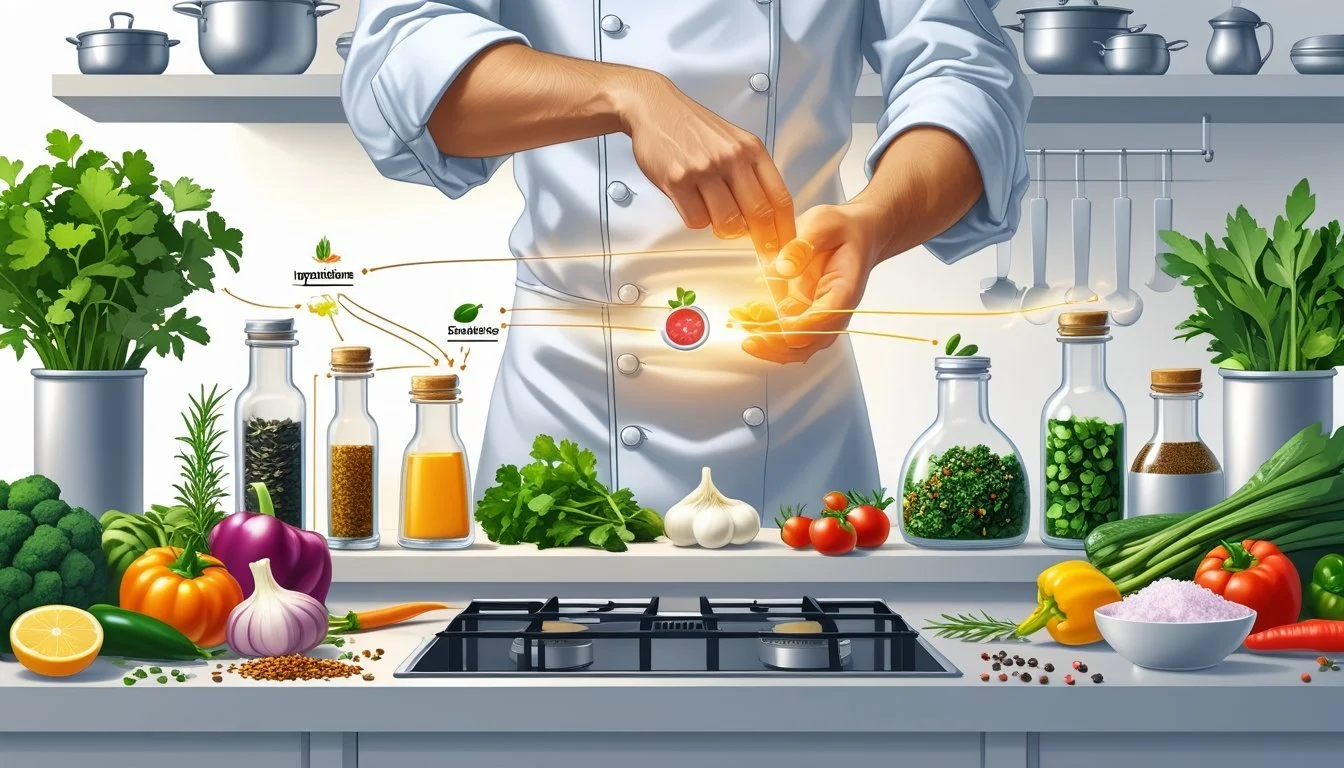
The practice of ingredient substitution relies heavily on understanding how and why alternatives can replace original ingredients. Critical factors include flavor compatibility, texture, function, and the ingredient taxonomy.
Principles of Ingredient Substitution
Ingredient substitution often depends on the functional role an ingredient plays in a recipe—such as binding, thickening, or flavoring. When selecting a substitute, cooks evaluate texture, intensity of flavor, and chemical behavior during cooking.
Flavor anchors, which are core notes or profiles that define an ingredient, must be matched closely to avoid unwanted changes in the dish. Ingredients grouped by taxonomy (e.g., alliums, dairy, or sweeteners) tend to share traits, making them typical starting points for substitutions.
A clear understanding of ingredient substitutability is essential. Poor matches can alter the outcome, while well-selected substitutes keep recipes consistent. For example, using yogurt for sour cream in baking often works because of similar acidity and moisture content.
Evaluating Common Ingredient Substitutions
Common ingredient substitutions can be divided based on purpose, such as allergy avoidance or convenience. The following table gives a sample of typical substitutions:
Original Ingredient Common Substitute Functional Match Butter Margarine / Oil Texture, Moisture Wheat Flour Almond / Oat Flour Structure (with limitations) Milk Soy / Almond Milk Moisture, Mild Flavor Eggs Flaxseed Meal + Water Binding, Structure (in baking)
Not all substitutes perform identically. For instance, almond flour lacks gluten, so the texture will differ from wheat flour.
Ingredient taxonomy helps identify which substitutes are most likely to maintain the desired characteristics. Substitution guides and knowledge graphs often categorize ingredients this way to improve the match and increase the success of the swap.
Dietary Restrictions and Personalized Substitution Decisions
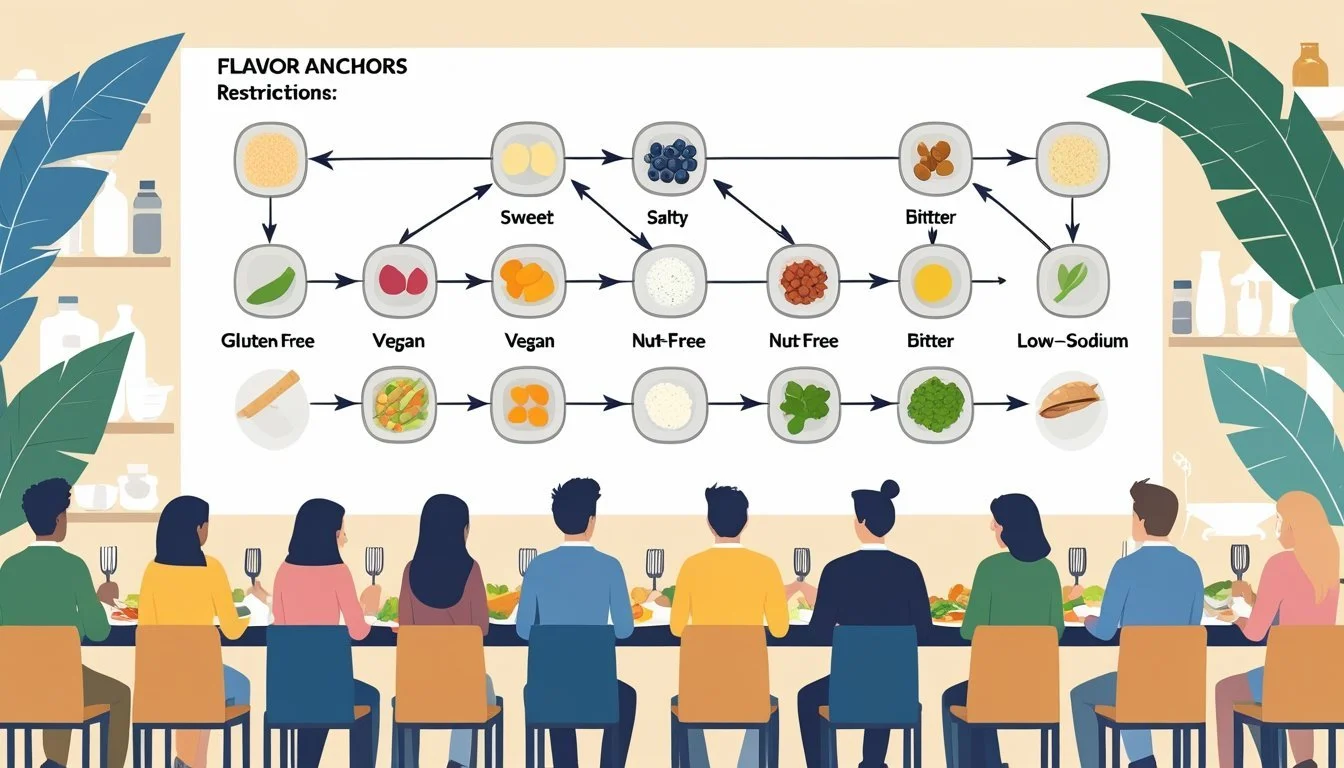
Substitution choices are shaped by both individual dietary needs and personal taste. Navigating these factors requires understanding the impact of specific restrictions and preferences on flavor and texture.
Addressing Dietary Restrictions
Many people manage dietary restrictions related to allergies, sensitivities, or ethical choices. Common restrictions include dairy, eggs, gluten, nuts, and animal products.
When substituting, it is essential to maintain nutritional balance. For instance, replacing cheese with a nut-based alternative provides both flavor and some healthy fats, but may miss out on certain vitamins or proteins found in dairy.
Tools such as ingredient lists and food knowledge graphs can help identify suitable replacements. These resources allow home cooks to match flavor and function while avoiding restricted components. Consistent attention to cross-contamination is necessary to prevent adverse reactions.
Gluten-Free Substitutions and Baking
Gluten-free baking poses unique challenges since gluten’s structure is essential for texture in many baked goods. Common substitutes for wheat flour include rice, almond, oat, and sorghum flours. Each has distinctive properties affecting rise, moisture, and mouthfeel.
To improve results, many gluten-free recipes blend several flours to mimic traditional textures. Binders such as xanthan gum, psyllium husk, or flax meal are often used to improve elasticity and moisture retention.
Here’s a quick comparison:
Substitute Best For Notes Almond flour Cakes, cookies Adds moisture, nutty flavor Rice flour Breads, pastries Light, often crumbly Oat flour Muffins, pancakes Slight sweetness, soft
Choosing the right blend impacts both flavor and final texture, making experimentation important for those new to gluten-free baking.
Taking Personal Preferences into Account
Personal preferences influence substitution choices just as much as dietary needs. Some may avoid certain ingredients due to dislikes or cultural traditions, even if not required by health.
Balancing flavor anchors is key. People may swap strong cheeses for milder ones, or use herbs and spices to boost taste without added allergens. Texture is also considered, especially in dishes where the mouthfeel is important, such as creamy sauces or crispy coatings.
Adapting recipes to fit preferences often involves trial and error. Over time, individuals build a set of preferred substitutions that align with their tastes, ensuring each dish meets both practical and personal criteria.
Health, Nutrition, and Recipe Adaptations
Modifying recipes for health often involves balancing nutritional value with maintaining appealing flavors. Understanding which components drive both taste and function helps guide more effective and satisfying substitutions.
Nutritional Value and Health Benefits
Making ingredient substitutions can significantly impact a dish's nutritional profile. For example, using whole grains instead of refined grains increases fiber and micronutrient intake. Switching from saturated fats like butter to unsaturated fats such as olive oil can support cardiovascular health.
Salt is frequently used to improve flavor by reducing bitterness and enhancing sweetness. However, reducing sodium is often necessary for certain health conditions. Choosing alternatives such as herbs, citrus, or spices helps lower sodium while preserving overall palatability.
Many common substitutions provide specific health advantages:
Substitution Health Benefit Greek yogurt for sour cream Added protein, less fat Plant-based milks for dairy Lower cholesterol, lactose-free Applesauce for oil Lower calories, more fiber
Recipe Adaptations through Flavor Anchors
Flavor anchors are key taste elements in a recipe that define the overall eating experience. When adapting recipes, it is critical to identify these anchors—such as umami from mushrooms, the sweetness of fruit, or richness from fats—before making changes.
Replacing an anchor ingredient requires choosing a substitute that preserves both flavor and function. For instance, coconut milk may work well in curries for both its creamy texture and distinct flavor, but is less suitable in recipes where a neutral taste is important. Vegan butters can mimic traditional butter in bakes without altering structure.
Careful adjustment ensures the new ingredient complements the dish rather than overpowering or diminishing its intended taste profile. Testing and refinement are often needed to achieve the intended balance of flavor and nutrition.
Science and Technology in Flavor Anchor Analysis

Scientific developments have improved the precision of flavor anchor identification and substitution in culinary and food industry settings. Key advances span analytical chemistry, sensor technologies, and computational data analysis.
Flavor Chemistry and Culinary Applications
Flavor chemistry investigates volatile compounds that contribute to aroma and taste. Analytical techniques such as gas chromatography-mass spectrometry (GC-MS) are commonly used to identify these key compounds.
Understanding the molecular profile of ingredients supports chefs and food technologists in predicting how substitutions will affect overall flavor. Flavor anchors, or the dominant compounds that define a food’s sensory character, guide decisions about replacement ingredients.
Tables mapping principal volatile profiles in foods can aid culinary professionals. For example:
Food Key Volatiles Flavor Anchor Strawberry Ethyl butyrate Fruity, sweet Tomato 2-Isobutylthiazole Green, earthy
Knowing which volatiles drive perception helps preserve intended sensory qualities during substitution.
Electronic Nose and Food Computing
The electronic nose is a technology designed to mimic human olfactory perception by using sensor arrays to detect volatile organic compounds. It translates complex aroma signatures into digital data, allowing for objective flavor profiling.
This technology, when integrated with food computing systems, enables rapid analysis of a product's volatile profile. Algorithms process sensor outputs, matching patterns to database entries for classification and quality control.
Key uses include:
Deconstructing flavor anchor signatures in processed foods.
Providing consistency in large-scale production environments.
Supporting data-driven substitution by identifying chemical similarities.
Electronic nose data improves reproducibility and reduces subjectivity in flavor anchor analysis.
Natural Language Processing and Knowledge Graphs
Natural language processing (NLP) enables automated extraction and categorization of flavor descriptions from scientific texts, recipes, and user reviews. NLP-based algorithms scan large datasets to identify descriptors correlated with specific ingredients and their substitutes.
Knowledge graphs visually map relationships between ingredients, flavor compounds, and sensory attributes. These graphs highlight which compounds act as flavor anchors and reveal suitable substitutions by showing overlaps in chemical structure and flavor notes.
For example, a knowledge graph might connect vanillin to both vanilla and certain aged spirits, illustrating a potential anchor-based substitution path. These data-driven tools support efficient, transparent substitution decisions based on robust scientific relationships.
Enhancing Culinary Outcomes with Cooking Techniques

Effective use of cooking techniques can impact the way flavor anchors function during ingredient substitution. The method chosen—such as roasting, sautéing, steaming, or grilling—can alter the perception of flavor and texture in a dish.
Key Cooking Techniques and Their Effects:
Technique Main Effect on Flavor Anchors Roasting Intensifies sweetness and adds depth Sautéing Creates complexity via browning Steaming Preserves delicate flavors Grilling Adds smoky, bold notes Blanching Softens harshness, enhances color
When considering a substitution, the selected technique may need to be adjusted. For example, substituting mushrooms for meat often works best with methods like roasting or grilling to develop umami-rich, savory flavors.
Consistent control over heat and timing ensures substitutes reach the right texture and do not overpower original flavors. Gentle methods like poaching or steaming suit delicate ingredients, while high-heat methods like broiling can bring new dimensions to robust substitutes.
Small changes—such as caramelizing onions before adding to a dish—can help anchor substituted flavors, maintaining balance and familiarity. Choosing the right technique strengthens the overall outcome and helps substitutes fit seamlessly into the intended dish.

