
How to Replace Binding Agents in Egg-Free Baking
Effective Alternatives for Perfect Texture
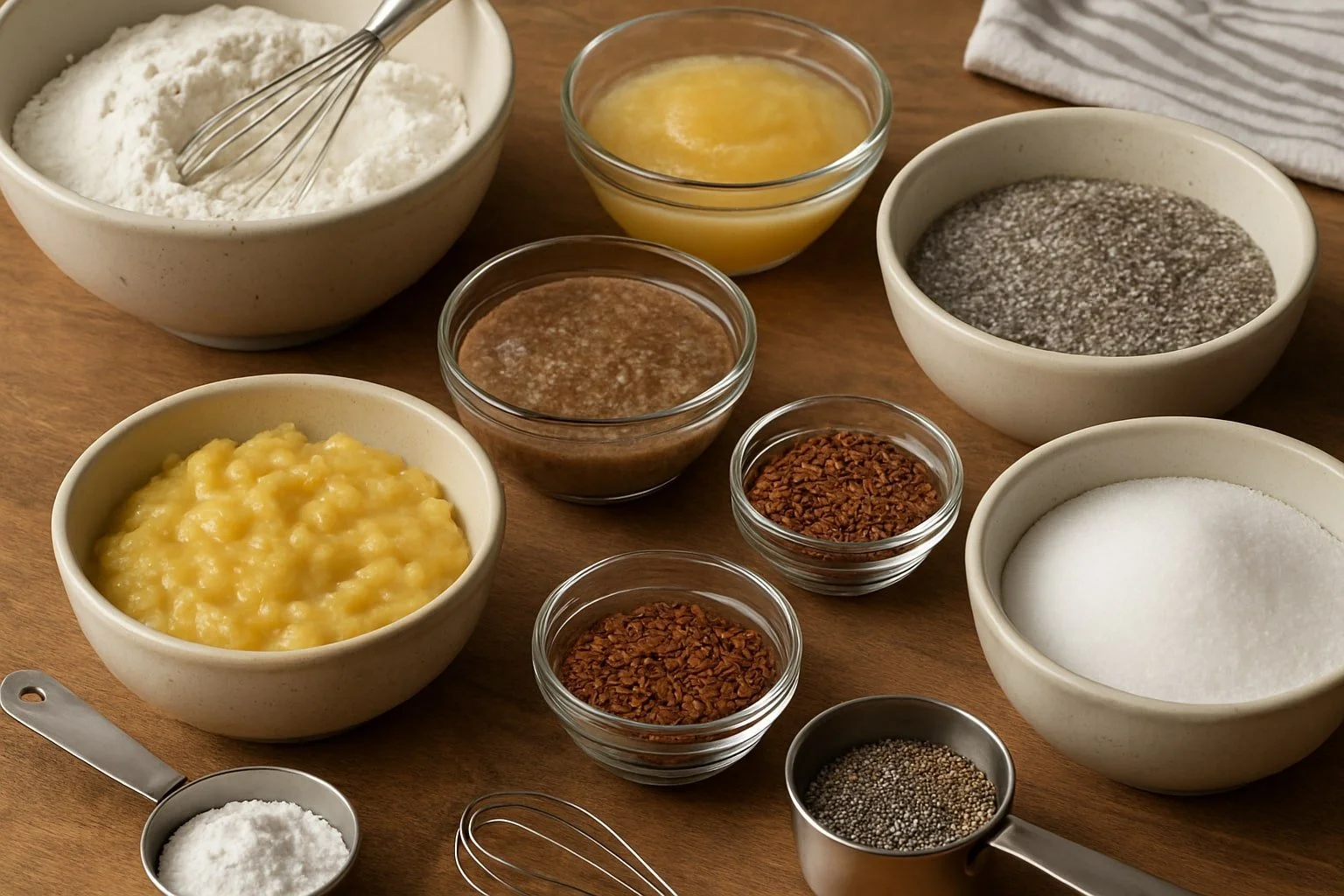
Baking without eggs doesn't have to mean sacrificing texture or structure—there are several reliable binding agents that can be used to achieve similar results. Whether someone is avoiding eggs due to allergies, dietary choices, or simply running out, understanding common egg substitutions makes egg-free baking more accessible.
Options like ground flaxseed mixed with water, xanthan gum, and starches such as cornstarch or arrowroot can serve as effective binders in cakes, cookies, and more. Each alternative offers its own unique benefits and works best in specific types of baked goods.
By learning the right replacements and how to use them, bakers can enjoy successful results in egg-free recipes while still maintaining the desired consistency, flavor, and cohesion in their baked treats.
Understanding the Role of Eggs in Baking
Eggs are multifunctional ingredients that significantly affect baked goods. Their unique components contribute to structure, binding, moisture, leavening, browning, and flavor, which makes understanding their roles crucial when seeking alternatives.
Binding and Structure
Eggs play a critical role as a binding agent in baking. The proteins in both the egg whites and yolks coagulate during baking, helping hold ingredients together and giving shape to cakes, cookies, muffins, and breads.
This process develops a stable, unified crumb and keeps products from crumbling. In gluten-free or egg-free recipes, achieving this same structure can be challenging because eggs are unmatched in how they connect fats, sugars, and flours.
Yolks contribute extra richness, helping create a tender, cohesive crumb. Whites add strength and a firmer structure since their proteins solidify more quickly at high heat.
Without eggs, baked goods may turn out fragile, dry, or prone to falling apart, making the search for effective binding substitutes important in egg-free baking.
Moisture and Texture
Eggs provide significant moisture to batters and doughs because of their high water content—approximately 75% for whole eggs. This moisture is vital for producing a soft, tender crumb and helps dissolve sugars and blend fats during mixing.
Egg yolks contain natural fats (mainly lecithin) that contribute to a smooth, velvety texture and a rich mouthfeel. Egg whites add moisture without fat, making them ideal in lighter baked goods.
The balance of moisture and fat from eggs reduces dryness and enhances the eating quality. Omitting eggs without appropriate replacements often results in cakes, cookies, or muffins that are dense, crumbly, or overly dry.
Leavening and Browning
Eggs are involved in leavening through the incorporation of air. When eggs are beaten, especially the whites, they trap air bubbles that expand during baking, producing lift and a lighter, fluffier structure in items like cakes, soufflés, and some breads.
Eggs also play a role in browning by facilitating the Maillard reaction. Their proteins and sugars interact at high heat to create a golden, appetizing crust.
Without eggs, baked goods may lack volume and appear pale or unappetizing. To replicate these effects, bakers often use both chemical leaveners (like baking soda or powder) and browning agents.
Flavor Enhancement
Eggs subtly enhance the flavor of baked goods. While their taste is mild, eggs round out sweetness and balance other flavors due to the fats and proteins in both yolks and whites.
The richness from egg yolks deepens flavors and lends a luxurious, satisfying quality to cakes, custards, or brioche. The clean profile of egg whites supports delicacy in lighter products without overpowering other flavors.
Additionally, eggs absorb and carry flavor compounds, ensuring they are distributed evenly throughout the batter or dough. The result is a harmonious blend, with no ingredient overpowering another. Without eggs, some recipes may taste flat or miss the complex notes eggs naturally bring.
Choosing the Right Egg Replacement
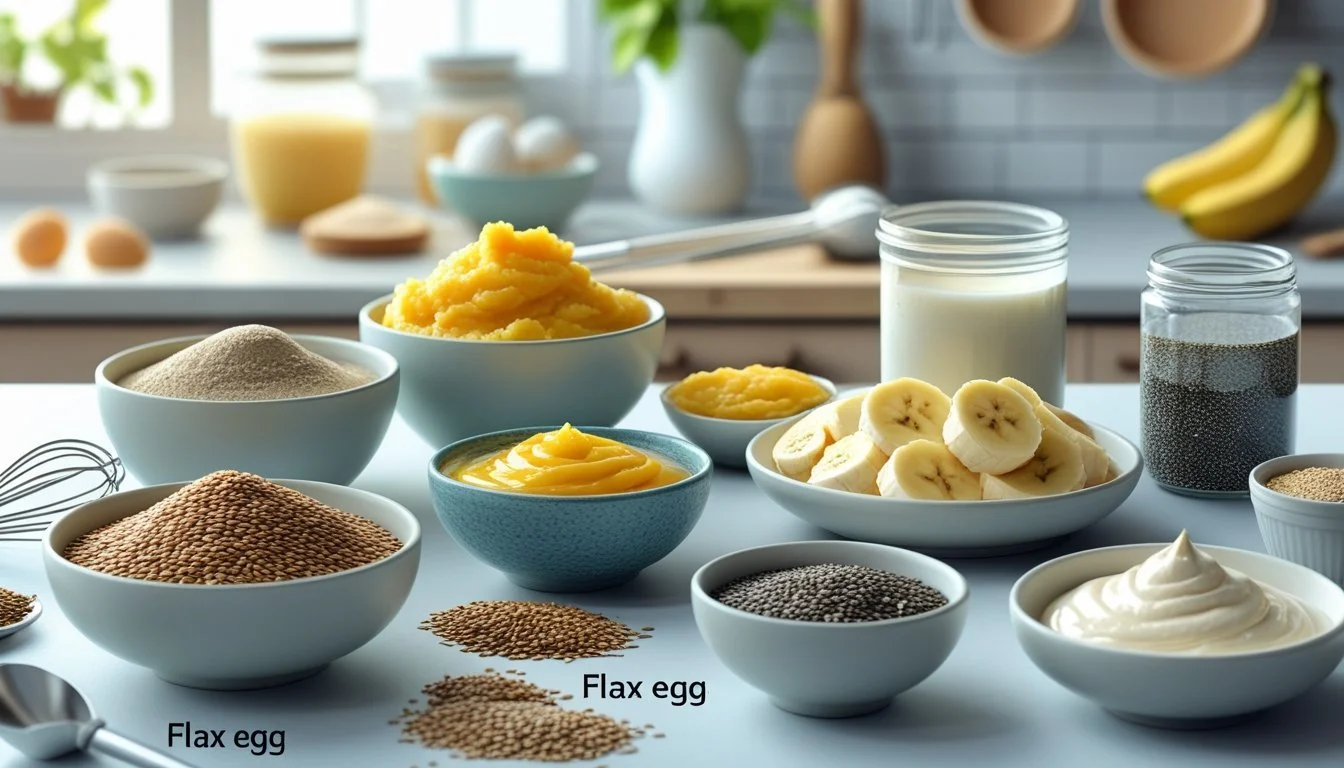
Selecting an effective egg substitute is crucial for achieving the right binding, structure, and texture in egg-free baking. Various factors such as dietary needs, the intended end result, and specific baking recipes play a significant role in making the best choice.
Factors to Consider
When choosing egg alternatives, the function of eggs in the recipe is key. Eggs can be used for binding, moisture, leavening, or adding richness. For those with allergies or on a plant-based diet, the replacement must also be free of common allergens and animal products.
Consider the recipe type and texture needed. For example, cakes often require substitutes that provide both structure and moisture, while cookies may only need a binding agent. Taste neutrality is another concern—some substitutes, like banana or applesauce, can add flavor undertones.
Convenience and availability matter as well. Store-bought egg replacer powders are easy to use but not always on hand, while options like flaxseed, chia seeds, or cornstarch are frequently found in most kitchens. The substitution ratio (e.g. 1 tablespoon ground flaxseed + 3 tablespoons water = 1 egg) impacts recipe consistency.
Comparing Egg Substitutes
There are several effective egg replacements for binding:
Flax egg: Mix 1 tablespoon ground flaxseed with 3 tablespoons water. Suits quick breads, muffins, and cookies. Offers a subtle nutty flavor.
Chia egg: Similar to flax but creates a thicker gel. Works well in cakes and denser desserts.
Commercial egg replacer: Readily available and formulated for various roles, including binding and leavening. Brands have different ingredients, so check for allergens.
Tapioca starch or cornstarch: Provides binding in recipes like pancakes or brownies, used at 1-2 tablespoons per egg replaced.
Chickpea flour: Mixed with water, it forms a batter ideal for savory baking recipes.
The table below summarizes key properties:
Substitute Best For Notes Flax/Chia Egg Cookies, Muffins Adds slight nuttiness Commercial Replacer Cakes, Breads Neutral flavor, reliable Cornstarch/Tapioca Pancakes, Brownies No flavor, good binder Chickpea Flour Savory Baking Slightly earthy flavor
Adapting to Specific Recipes
Each baking recipe may call for a different type of egg alternative. For delicate cakes, commercial replacers or aquafaba (chickpea water) provide better lift and structure without weighing down the crumb. For brownies or cookies, flax or chia eggs maintain chewiness and bind ingredients well.
Quick breads such as banana bread handle pureed fruit as a binder, but watch for flavor changes. In recipes demanding little rise, like pancakes, starches or flour-based replacements are adequate.
Adjusting liquid amounts may be necessary, as certain substitutes like mashed banana or applesauce increase moisture content. Testing small batches helps determine the ideal ratio for the desired texture in egg-free baking.
Common Binding Agents for Egg-Free Baking
Egg-free recipes rely on alternative binding agents to provide structure and stability. Ingredients like ground flaxseed, chia seeds, various starches, and nut butters are favored for their ability to mimic the cohesive properties of eggs in baking.
Ground Flaxseed and Flax Eggs
Ground flaxseed is frequently used as a substitute for eggs in baking, serving as a reliable binding agent. When mixed with water, flaxseed meal forms a gel-like consistency similar to egg whites. The typical ratio is 1 tablespoon of ground flaxseed meal to 3 tablespoons of water to replace one egg.
Flax eggs are best in recipes for muffins, pancakes, quick breads, and cookies. This method works especially well for baked goods that already have a hearty or nutty flavor profile. Flax eggs are gluten-free, high in fiber, and add omega-3 fatty acids.
Stir the flaxseed and water together, let it sit for at least five minutes to thicken, and use immediately. It is important to use ground flaxseed, not whole flaxseed, for an effective egg alternative.
Chia Seeds as a Binder
Chia seeds can also replace eggs and offer firm binding properties. The standard mixture is 1 tablespoon chia seeds (whole or ground) with 3 tablespoons water per egg. After stirring, allow the blend to sit for about 10–15 minutes until it forms a gel.
Chia can be used whole for visible seeds or ground for a smoother texture. This option is suitable for cookies, cakes, brownies, and pancakes. Chia seeds are neutral in flavor, making them practical for both sweet and savory recipes.
They also add nutritional benefits, including fiber and omega-3s. The gel created by chia seeds provides structure and prevents crumbling in finished baked goods.
Starches: Cornstarch, Arrowroot, Potato, and Tapioca
Starches such as cornstarch, arrowroot powder, potato starch, and tapioca starch act as versatile egg alternatives that assist in binding and thickening batters and doughs. To replace one egg, combine 1 tablespoon of starch with 3 tablespoons of water to form a slurry.
These starches work well in cakes, cookies, and brownies, especially in recipes where a neutral taste and smooth texture are desired. They help hold ingredients together and improve overall texture.
Different starches offer various benefits. Cornstarch is widely available and affordable, while arrowroot and tapioca provide a lighter, softer crumb. Potato starch offers excellent moisture retention.
Nut Butters and Nut-Based Options
Nut butters such as almond butter, peanut butter, and cashew butter can act as egg alternatives by binding ingredients and contributing richness. Use 3 tablespoons of nut butter to replace one egg in recipes.
They are particularly effective in cookies, brownies, and dense cakes. Nut butters create a moist, chewy texture and can impart a mild nutty flavor to baked goods.
It is important to use smooth nut butter for consistent mixing. Some recipes may benefit from combining nut butter with other binding agents, such as flax eggs, to enhance texture and structure. Always consider potential allergens when selecting nut-based binding agents.
Moisture-Rich Egg Substitutes
Moisture is essential in egg-free baking for ensuring a soft, tender crumb, especially in baked goods like muffins and cakes. Several alternatives, from fruit-based purees to cultured dairy products, help provide the right balance of moisture and structure.
Mashed Banana and Fruit Purees
Mashed banana is a versatile and popular egg substitute in recipes that need extra moisture and binding. Ripe bananas work best because they mash smoothly and add natural sweetness. Usually, 1/4 cup of mashed banana replaces one egg in most baked goods.
Fruit purees such as pumpkin, sweet potato, or pear sauce also perform well, especially in denser, moist recipes like brownies or quick breads. They help hold ingredients together while imparting subtle flavors and maintaining moisture. It’s important to note that using these substitutes may slightly alter the taste and color of the final product.
When using mashed banana or other fruit purees, bakers may need to adjust the sugar content in their recipes. These substitutes are best suited for baked goods where a mild fruit flavor complements the overall taste.
Applesauce and Unsweetened Applesauce
Applesauce, especially the unsweetened kind, is among the most common egg replacements for moisture and binding. It works well because of its smooth texture and neutral taste, making it suitable for cookies, cakes, and muffins.
A standard ratio is 1/4 cup unsweetened applesauce per egg. This substitute helps keep baked goods soft and moist without overpowering other flavors. If using sweetened applesauce, reduce added sugars elsewhere in the recipe to avoid over-sweetening.
The smooth nature of applesauce helps create a uniform crumb and prevents baked goods from drying out. It’s particularly beneficial in recipes needing a subtle boost of moisture without additional fat.
Yogurt, Buttermilk, and Sour Cream
Dairy products like yogurt, buttermilk, and sour cream provide both moisture and some leavening in egg-free baking. These ingredients can make cakes, muffins, and quick breads soft and flavorful due to their creamy texture and mild tang.
Plain yogurt or sour cream can typically be used at 1/4 cup per egg. Buttermilk, being more liquid, might require minor adjustments to other liquids in the recipe. All three options offer moisture that prevents dryness and contributes to a tender crumb.
Because of their acidity, these substitutes can also react with baking soda to help leavening, making baked goods lighter without eggs. Greek yogurt yields a denser result, while regular yogurt or buttermilk keeps the texture lighter. These ingredients do not add noticeable flavors when used in moderate amounts.
Specialty and Commercial Egg Replacers
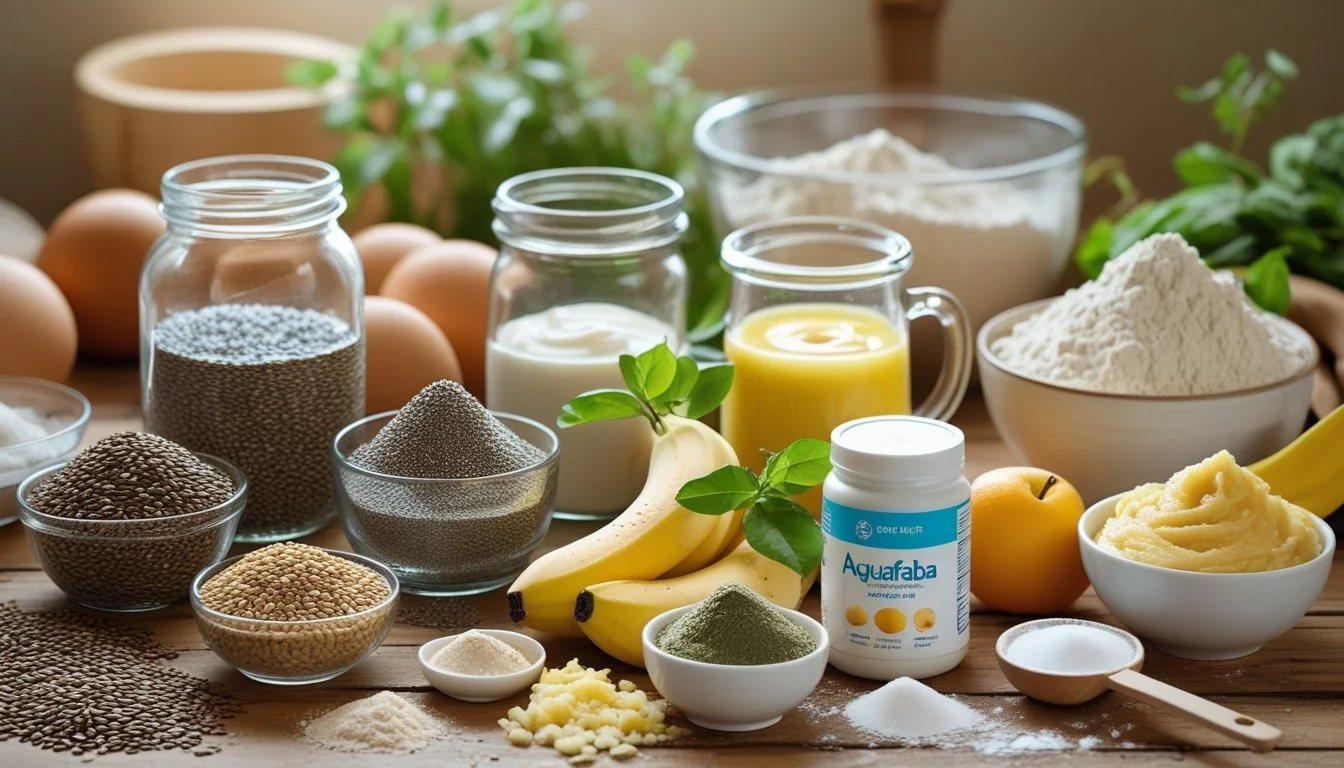
Binding agents in egg-free baking often rely on specialty ingredients to mimic the structure, moisture, and texture that eggs provide. Options like aquafaba, silken tofu, and commercial products each have specific benefits and uses, especially in recipes requiring particular textures.
Aquafaba for Whipping and Structure
Aquafaba is the liquid leftover from cooked or canned chickpeas. It acts as a replacement for egg whites, providing volume and structure. Bakers often use it for meringues, macarons, and cakes because it whips to soft or stiff peaks, just like egg whites.
To use, measure three tablespoons of aquafaba as a substitute for one egg. For one egg white, use about two tablespoons. It is flavor-neutral when baked but works best in recipes where leavening and a light crumb are important.
Aquafaba can be stabilized with a pinch of cream of tartar if a firmer structure is needed. It is especially useful for vegan or allergy-friendly baking.
Silken Tofu and Tofu-Based Options
Silken tofu provides moisture and binding in cakes, brownies, and custards. It has a smooth texture and is nearly flavorless, preventing it from overpowering baked goods. Use about 1/4 cup of blended silken tofu to replace one egg.
This option works well in recipes needing a dense texture, such as cheesecakes or rich chocolate cakes. Tofu’s protein helps retain structure during baking, though it does not whip or leaven.
Pressing tofu is not needed for this application; simply blend until smooth before adding to a batter. Avoid firm or extra-firm tofu, as these can create a grainy texture.
Commercial Products (e.g., Ener-G, Soy Lecithin)
Commercial egg replacers, such as Ener-G Egg Replacer, offer convenience and consistency. These products typically use blends of starches and leaveners to mimic eggs’ binding and rising properties. Most are neutral in taste and work in cookies, pancakes, muffins, and quick breads.
To use Ener-G, mix 1.5 teaspoons of powder with 2 tablespoons of water to substitute for one egg. The specific directions may vary by brand, so check the packaging for the correct ratios.
Soy lecithin is another commercial binding agent. It is an emulsifier often used in both vegan and non-vegan baking to help combine fats and liquids, improving texture and moisture retention in baked goods.
Leavening Alternatives Without Eggs
Leavening is important in egg-free baking to ensure cakes, muffins, and breads rise properly. Several common pantry ingredients can serve as effective substitutes for eggs’ leavening action when used correctly.
Using Vinegar and Baking Soda
A mixture of vinegar and baking soda creates a chemical reaction, producing carbon dioxide bubbles that help baked goods rise. This duo is best suited for recipes that need a light, airy texture, such as cakes and cupcakes.
How to use:
Combine 1 tablespoon of vinegar (such as apple cider vinegar or white vinegar) with 1 teaspoon of baking soda to replace each egg for leavening.
Add the baking soda directly to the dry ingredients and the vinegar to the wet ingredients, then mix just before baking.
The reaction is immediate, so the batter should be placed in the oven right after mixing to capture maximum lift. This method works well because the vinegar is neutralized by the baking soda, leaving no aftertaste and providing a tender crumb.
Baking Powder and Carbonated Water
Baking powder is a common commercial leavening agent that can be boosted by adding carbonated water for additional rise. This combination is valuable for egg-free recipes that require extra fluffiness or when the batter is dense.
How to use:
For each egg being replaced, add an extra 1 teaspoon of baking powder and 1/4 cup of carbonated water to the batter.
Stir gently to avoid losing the carbonation, which will help with aeration during baking.
Products such as pancakes or quick breads benefit from this method. Carbonated water helps introduce air while baking powder provides sustained leavening during baking. Always pour carbonated water in at the end and mix only enough to combine, as overmixing can reduce its effectiveness.
Tips for Successful Egg-Free Baking
Replacing eggs as binding agents in baking involves careful ingredient selection, adjustments to baking methods, and attention to texture and flavor. Using the right combinations and techniques can help ensure cakes, quick breads, and other recipes turn out well.
Combining Multiple Substitutes
No single egg replacer replicates the exact texture and binding of eggs in all recipes. For best results, bakers often mix two or more binding agents. For example, flaxseed meal combined with a small amount of applesauce or mashed banana offers both binding and moisture in quick breads and muffins.
Starchy binders, like cornstarch or arrowroot powder, give structure when paired with fat-rich substitutes such as nut butters or yogurt. This approach reduces crumbling and improves the mouthfeel in cakes and brownies. Bakers may need to test proportions, as each recipe responds differently to combinations.
List of common combinations:
1 tablespoon flaxseed meal + 3 tablespoons water (flax egg)
1/4 cup unsweetened applesauce or mashed banana for moisture
1 tablespoon chia seeds + 3 tablespoons water
2 tablespoons nut butter + 1 tablespoon cornstarch (for denser items)
Adjusting Bake Times and Temperatures
Egg-free batters often hold more moisture and may be denser, which affects cooking and baking times. Many egg substitutes can slow browning, so visual cues like color may be less reliable. It's important to perform the toothpick or skewer test in the center to check doneness.
Bakers may need to increase bake times by 5–15% for quick breads and cakes when using ingredients like mashed bananas or pumpkin. Lowering the oven temperature by 10–15 degrees Fahrenheit can encourage more even cooking and prevent over-browning at the edges before the center sets.
Using lighter-colored bakeware can also promote an even rise and prevent the bottom from becoming too dark prematurely. For smaller items like cookies, spreading may increase, so chilling the dough before baking can help control shape.
Flavor and Texture Adjustments
Ingredients that replace eggs often contribute their own flavors and can alter the expected texture of baked goods. Unflavored options such as silken tofu and commercial egg replacers contribute less flavor, making them preferable in neutral cakes or sandwich bread.
On the other hand, mashed banana, applesauce, or nut butters will add distinct flavors, which may complement or clash with recipes. In chocolate-based cakes, the assertive flavors mask fruitiness, while in vanilla-infused recipes the fruit notes may be pronounced.
Texture may also shift: baked goods might be denser or more crumbly without eggs. Using a mixture of starches and hydrocolloids (like agar agar or xanthan gum) helps maintain a more delicate crumb. For items traditionally browned by eggs, consider brushing with plant-based milk or oil to enhance color during baking.
Troubleshooting Common Issues in Egg-Free Baking
Egg-free baking often involves adjustments to replicate the binding, moisture, and leavening functions that eggs provide in baked goods. Awareness of common problems and practical solutions helps achieve the right texture, structure, and rise in recipes without eggs.
Texture and Structure Problems
Without eggs, baked goods can turn out crumbly, dense, or fall apart easily. The lack of protein and emulsifying properties in eggs means that alternatives must offer similar binding.
Common solutions include:
Using ground flaxseed or chia seeds mixed with water to create a gel that mimics egg binding.
Replacing each egg with 1/4 cup unsweetened applesauce or mashed banana for moisture and cohesion.
Trying products like commercial egg replacers or aquafaba (chickpea water), especially in recipes that need more structure or elasticity.
Over-mixing or under-mixing can also impact texture. Mix just until combined to prevent dense or gummy results.
Moisture Imbalances
Eggs contribute both liquid and fat to baked goods. In their absence, recipes can turn out too dry or, less commonly, overly moist.
If the product is dry or crumbly:
Add a tablespoon or two of plant-based yogurt, milk, or oil.
Increase the amount of applesauce, banana, pumpkin puree, or similar moist binders.
For items that are too wet or soft:
Reduce the amount of liquid slightly or use firmer substitutes like thick coconut yogurt.
Add extra flour, oats, or ground nuts to absorb excess moisture.
Carefully measure replacements and adjust as needed, since exact moisture content varies between substitutes and recipes.
Leavening and Rise Issues
Eggs help baked goods rise and become fluffy by trapping air. Their absence can lead to flat or dense results if no additional leavening is added.
To assist with rise:
Add 1/4 teaspoon extra baking powder or baking soda per egg replaced.
Combine acidic ingredients (like vinegar or lemon juice) with baking soda to enhance lift.
For recipes requiring whipped egg whites, use aquafaba whipped to stiff peaks.
Lightly mix leavening agents at the end. Bake immediately to prevent the loss of air bubbles and achieve the proper rise in egg-free baked goods.

