
Swapping for Satiety: Fullness Without Calories Through Smart Food Choices
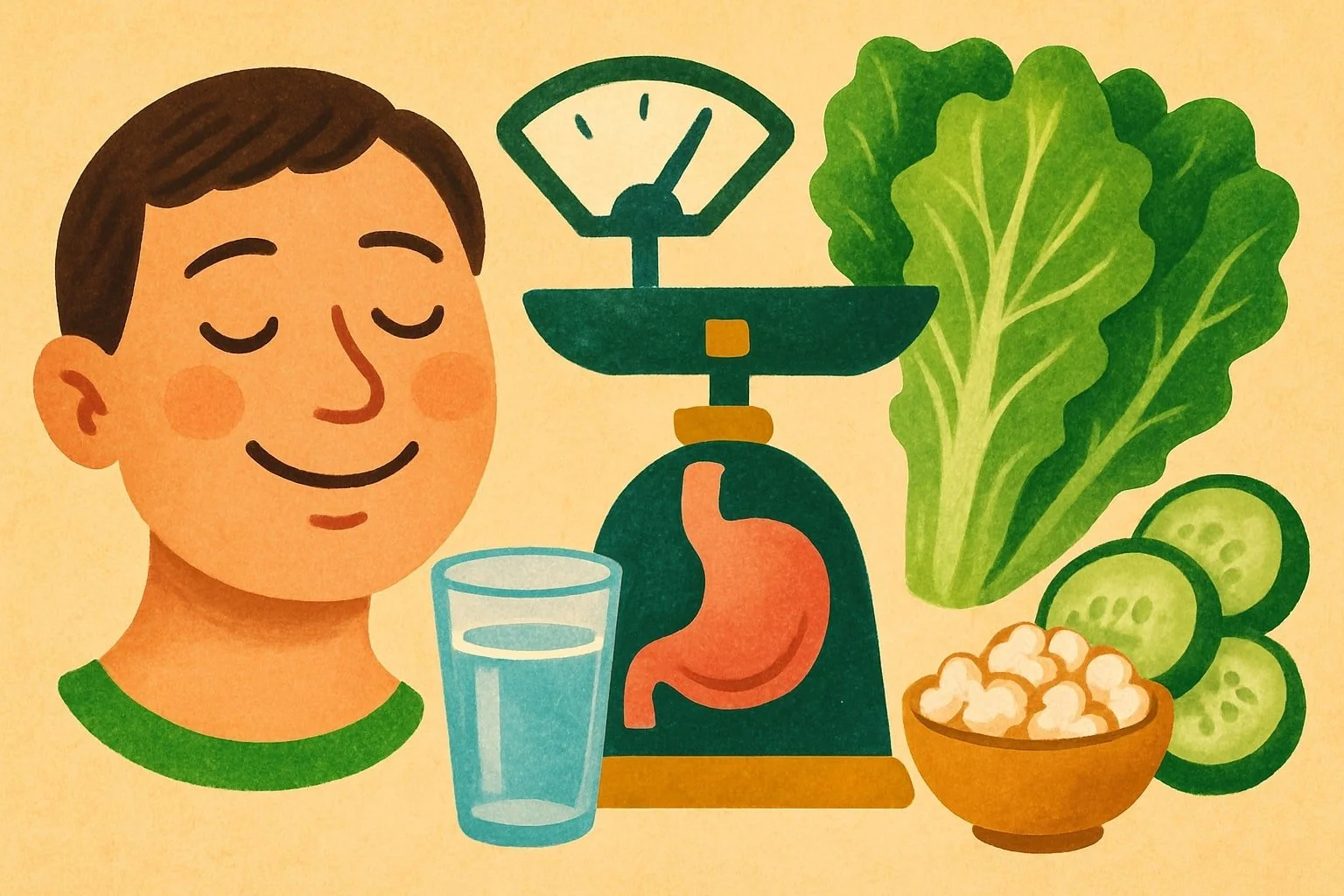
Many people want to feel satisfied after eating while still managing their calorie intake. Choosing foods that are naturally filling can help people eat less without feeling deprived. Swapping high-calorie foods for low-calorie options that promote fullness makes it possible to reduce calories while staying satisfied.
Research and nutrition experts consistently highlight foods high in fiber, water, or protein as top choices for this approach. These ingredients help create bulk in the stomach, slow digestion, and maintain stable blood sugar levels. Regularly choosing items like vegetables, fruits, or snacks such as almonds can contribute to fullness without adding excess calories.
Simple, strategic substitutions—like swapping berries for sweets or choosing high-satiety snacks—allow for enjoyable meals that support long-term goals. Incorporating these swaps can make healthy eating feel easier and more sustainable.
Understanding Satiety and Fullness
Satiety is a physiological response that plays a critical role in how much people eat and when they feel full. By understanding how food choices influence satiety and measuring fullness using scientific tools, individuals can make better dietary decisions for effective appetite control.
What Is Satiety?
Satiety refers to the sensation of fullness that develops after eating and helps suppress further food intake for a period of time.
Unlike simple stomach stretching, satiety results from a combination of physical, hormonal, and neurological signals. These signals can be triggered by the type and amount of food consumed, as well as by the nutrient composition of a meal.
Certain foods—such as those high in protein, fiber, or water content—tend to promote satiety more effectively. Foods that delay stomach emptying or stimulate specific hormones in the gut also contribute to prolonged feelings of satisfaction. As a result, stronger satiety may help with natural appetite control and support weight management efforts.
Satiety Versus Hunger
Satiety and hunger are related but distinct concepts in appetite regulation.
Hunger is the physiological drive to eat, triggered by an empty stomach, low blood sugar, or hormonal cues.
Satiety refers to the suppression of hunger after eating, making a person feel satisfied and less likely to seek more food.
Understanding the difference is essential for choosing foods that act as appetite suppressants, rather than simply filling up the stomach. This distinction allows individuals to select foods that help maintain longer intervals between meals without unwanted snacking or cravings. Managing these processes supports better control of caloric intake and can reduce the risk of overeating.
Satiety Index Explained
The satiety index is a tool developed to rate foods by their ability to satisfy hunger compared to a standard reference, such as white bread.
A higher score on the satiety index indicates that a particular food leaves people feeling fuller for longer, while a lower score means hunger may return sooner after eating. Researchers determine these values by giving test subjects equal-calorie servings of various foods and then tracking how long it takes before they want to eat again.
Examples of high-satiety foods include boiled potatoes, eggs, and oatmeal. Processed foods and items high in sugar or fat often receive lower satiety scores. Using the satiety index can help people identify foods that work as natural appetite suppressants, supporting better eating habits with less reliance on willpower.
The Science Behind Calorie-Free Fullness
Certain foods and physiological processes promote feeling full without adding many calories. Factors like how food is digested, hormonal responses, and effects on blood sugar play a central role in this calorie-independent satiety.
Role of Digestion in Satiety
How the body breaks down food influences how full a person feels. Foods high in water or fiber, such as leafy greens or broth-based soups, add bulk to the stomach without significant calories. This increased volume stretches the stomach lining, which in turn sends signals to the brain indicating fullness.
Chewing these foods takes more time and effort, further promoting satiety by slowing down eating and allowing more time for the body to register fullness. According to satiety index research, foods with low energy density (few calories per gram) tend to provide greater fullness per calorie.
Soluble fibers also slow gastric emptying, meaning food stays in the stomach longer, enhancing the feeling of fullness. Common examples include oats, beans, and some fruits. This extended digestion time supports longer-lasting satiety with minimal calorie intake.
Hormonal Signals and Appetite
Appetite is regulated by a network of hormones that respond to both the presence and absence of nutrients in the gut. After eating, the gut releases peptides like GLP-1, PYY, and CCK, which function as natural appetite suppressants by reducing hunger signals sent to the brain.
These hormones are stimulated not just by calorie-rich foods but also by volume and fiber, meaning calorie-light foods can promote similar chemical responses. Certain gut hormones respond specifically to the stretching of the stomach, highlighting the importance of meal size and form even when calories are low.
Ghrelins, on the other hand, signal hunger and are suppressed as the stomach fills, regardless of caloric content. The overall hormonal environment works together to impact satiety, supporting the effectiveness of high-bulk, low-calorie foods in controlling appetite.
Blood Sugar Levels and Fullness
Blood sugar fluctuations play a direct role in feelings of hunger or satiety. Foods that cause rapid increases in blood glucose, such as refined carbs, may lead to quick spikes and crashes, prompting renewed hunger and overeating.
In contrast, foods that have minimal impact on blood sugar—like non-starchy vegetables or foods high in soluble fiber—help maintain more stable glucose levels. This steadiness reduces feelings of hunger between meals.
Stable blood sugar levels are associated with less erratic appetite and can contribute to more predictable and longer-lasting feelings of fullness. Choosing foods with a low glycemic impact can be an effective way to manage satiety without added calories.
Smart Food Swaps for Satiety

Making intentional food swaps can help maximize feelings of fullness without increasing calorie intake. Choosing alternatives rich in fiber, protein, and healthy fats supports satiety, while replacing liquid calories lowers energy intake with minimal hunger.
High-Fiber Alternatives
Fiber slows digestion and increases the feeling of fullness, making it central to satiety. Swapping refined grains for whole grains, such as choosing oats over breakfast cereal or brown rice instead of white rice, boosts both fiber and nutrient intake.
Non-starchy vegetables like broccoli, cauliflower, and leafy greens can replace higher-calorie options to add bulk without extra calories. For snacks, replacing chips or crackers with raw carrots, celery, or a small apple increases fiber and reduces calorie density.
Below is a comparison:
Food Swap Calories Fiber (per serving) White bread → Whole wheat 70 vs 60 1g vs 3g Chips → Carrot sticks 150 vs 35 <1g vs 2g
Including foods such as beans and lentils in salads and soups further increases fiber, enhancing satiety across meals.
Protein-Packed Swaps
Protein is essential for feeling full and maintaining lean mass. Replacing low-protein choices with higher-protein foods sustains energy and delays hunger.
Opt for Greek yogurt instead of sweetened yogurt, or top toast with eggs rather than jam for more protein in breakfast. Trading out standard pasta for lentil or chickpea pasta increases both protein and fiber, helping control appetite.
Snack options like cottage cheese or turkey slices instead of pretzels or crackers deliver more protein with fewer empty calories. For lunch or dinner, consider grilled chicken, tofu, or fish in place of fatty cuts of meat.
A simple swap table:
Swap Protein (per serving) Standard yogurt → Greek 6g vs 15g White pasta → Lentil 7g vs 13g
Even small increases in protein per meal can make a noticeable difference in fullness.
Healthy Fats for Sustained Fullness
Healthy fats delay gastric emptying and provide lasting energy, contributing to long-lasting satiety. Swapping butter or creamy dressings for avocado, olive oil, or a small handful of nuts adds nutrition and helps control hunger between meals.
Replace mayonnaise on sandwiches with hummus or mashed avocado to boost fiber and healthy unsaturated fat. Incorporate a few olives or seeds into salads instead of croutons to provide crunch and satiety with fewer processed calories.
A visual guide:
Instead of: Creamy dressing
Try: 1 tbsp olive oil + balsamic vinegarInstead of: Chips
Try: A handful of almonds
Use portion control with fats, as calories add up quickly, but moderate amounts promote fullness and satisfaction.
Replacing Liquid Calories
Liquid calories, including sodas, fruit juices, and high-calorie coffee drinks, offer little satiety and can drive up daily calorie intake. Swapping sugary drinks for water, unsweetened tea, or sparkling water cuts hundreds of calories without increasing hunger.
Choose black coffee or tea over specialty lattes and avoid sweetened beverages during meals. If flavor is desired, infuse water with fresh citrus or cucumbers. Even diet beverages, though low in calories, may not curb hunger like solid foods do.
Table of typical swaps:
Drink Calories Satiety Soda (12 oz) 140 Low Water (12 oz) 0 Neutral Sweet latte (16oz) 250 Low Black coffee 5 Neutral
Prioritizing water and other non-calorie beverages supports hydration and helps prevent unintentional calorie intake.
Hydration and Hunger Signals
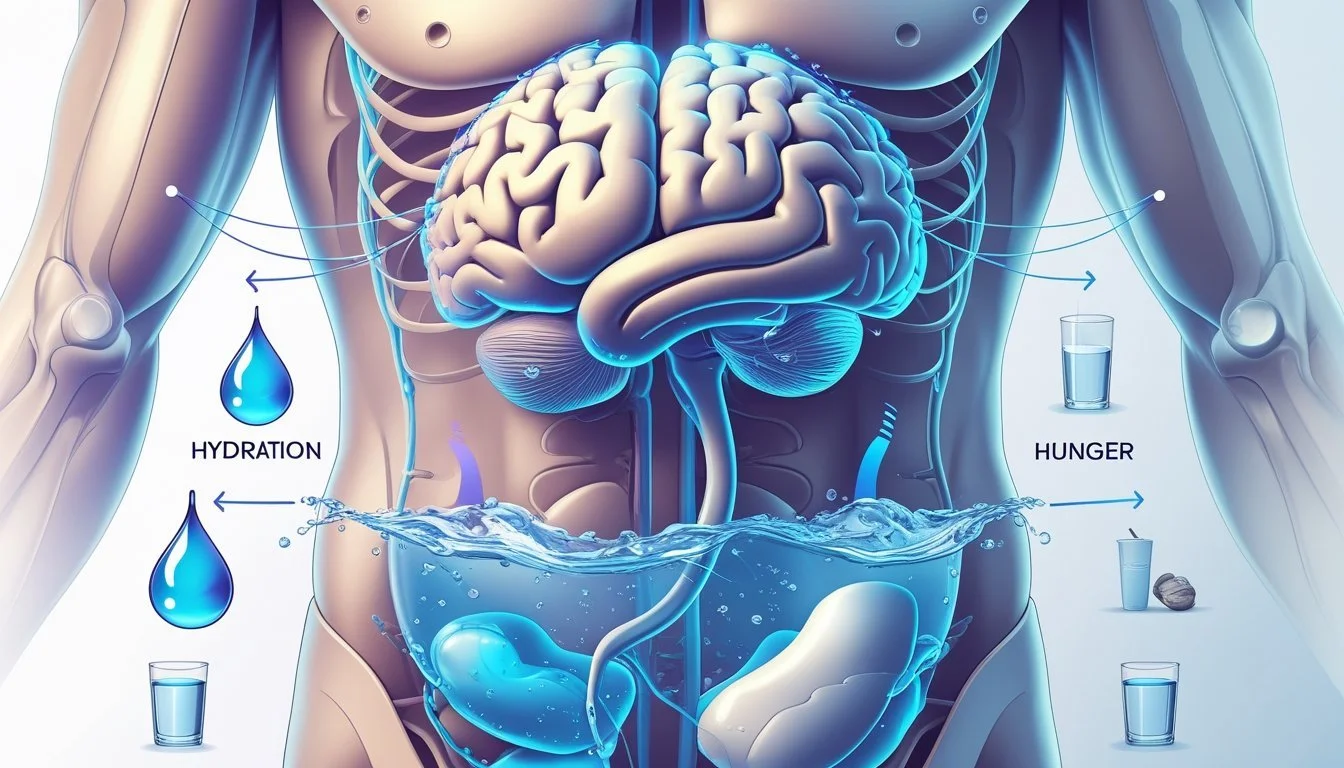
Hydration status can influence feelings of hunger and fullness. Drinking calorie-free beverages provides physical volume, which can help manage appetite and potentially reduce total energy intake.
Water as an Appetite Suppressant
Water can modestly suppress appetite for some individuals, particularly when consumed before or during meals. This effect is due in part to the stomach feeling fuller, which sends signals to the brain that reduce hunger. For many, a glass of water before eating can lead to consuming fewer calories at that meal.
Proper hydration also ensures that thirst is not misinterpreted as hunger. Mild dehydration can cause sensations that are similar to hunger, which may lead to unnecessary snacking. Monitoring urine color—aiming for a light yellow—can help ensure adequate hydration levels.
Additionally, water has no calories, so it adds bulk in the stomach without contributing to energy intake. Integrating regular water breaks throughout the day is a simple method for managing appetite without excess calories.
Herbal Teas and Infused Water
Herbal teas and naturally infused waters offer flavorful, calorie-free alternatives to plain water. Herbal ingredients such as peppermint, ginger, or hibiscus can add variety and may support digestion or comfort when managing reduced calorie diets.
Infused waters—created by adding fruits, vegetables, or herbs (mint, cucumber, lemon)—can make drinking water more appealing and support greater fluid intake. They contain virtually no calories if prepared without sweeteners. The aromatic qualities of certain herbs, like mint or basil, might also interact with hunger pathways, serving as subtle appetite suppressants for some individuals.
These options make it easier to maintain hydration and can be especially helpful for people who find plain water uninteresting. Including a range of herbal teas and infused waters in the diet supports hydration and gives a sense of satisfaction between meals.
Portion Control Strategies That Promote Fullness
Portion control techniques help individuals manage how much they eat by creating an environment and habits that naturally encourage eating less. These strategies emphasize ways to enhance feelings of fullness without increasing calorie intake.
Using Smaller Plates
The size of the plate can significantly affect the amount of food a person serves themselves. Research shows that eating from a smaller plate can lead to reductions in overall portion size. This visual trick creates the impression of a fuller plate, which helps the brain register a satisfying meal.
Smaller plates work by limiting the space available, preventing people from piling on excess food. This subtle change can lead to consuming fewer calories at each meal. People often underestimate how much they serve on larger plates, making this a practical step for those aiming to eat less.
Pairing smaller plates with slow eating encourages better attention to hunger cues. This strategy can be especially helpful in situations where calorie-dense foods are present. It supports the feeling of satiety while minimizing the risk of overeating.
Adjusting Portion Sizes
Fine-tuning portion sizes allows individuals to better match their servings to their actual hunger and energy needs. Focusing on lower-calorie, high-volume foods—such as vegetables, leafy greens, and fruits—lets people enjoy larger portions without consuming excess calories.
Dividing the plate into sections for proteins, vegetables, and whole grains promotes balanced meals that are filling but not overly high in energy. Tools like portion control plates or using measuring cups further help keep servings in check.
Reducing the portion of calorie-dense foods while increasing non-starchy vegetables offers a satisfying meal with fewer calories. Adjusting these serving sizes helps people eat less overall and keeps energy intake within healthy limits.
Visual Cues and Eating Behavior
Visual cues can influence both how much food is eaten and how satisfied a person feels after a meal. Food presentation, plate color, and even contrast between food and plate all play a role in perception of satiety. For example, a high contrast between the color of the food and plate helps people judge serving sizes more accurately.
Slowing down during meals and paying attention to food appearance can increase mindfulness. Chewing thoroughly and pausing between bites gives the brain more time to register fullness signals. Eating without distractions, such as television or smartphones, helps individuals become more attuned to these cues.
Simple strategies, like plating food in the kitchen rather than at the table, can also reduce the temptation for seconds. Aligning eating behaviors with visual cues helps reinforce portion control habits and improves the perception of fullness.
Mindful Eating and Behavioral Changes
Paying attention to food choices helps people notice how they eat and why. Small shifts in approach can reduce cravings and help manage hunger without extra calories.
Techniques for Mindful Eating
Mindful eating involves being present during meals, focusing on the taste, texture, and aroma of food. Turning off devices, sitting at a table, and eating slowly can help people recognize satisfaction before overeating occurs.
Key techniques include:
Chewing food thoroughly
Setting down utensils between bites
Noticing sensations and flavors
Bringing attention to each bite can reduce distracted or emotional eating. People may find that they need less food to feel content. Mindful eating also encourages a neutral attitude toward all foods, which can remove feelings of guilt associated with certain choices.
Recognizing True Hunger
Distinguishing real hunger from external cues is central to mindful eating. Many people eat in response to boredom, stress, or environmental triggers rather than physical hunger.
True hunger signals might include:
Stomach growling
Low energy
Difficulty focusing
By pausing and checking for these signs before a meal or snack, people can learn to respond to physiological needs rather than cravings triggered by emotions. This practice helps regulate food intake, supports balanced energy levels, and can reduce the frequency of overeating or unnecessary snacking.
Making Small Changes
Adopting mindful eating does not require an all-or-nothing approach. Several small changes can be implemented without disrupting daily routines.
Examples of small, practical changes:
Change Description Drink water first Reduces chances of eating out of thirst Use smaller plates Encourages appropriate portion sizes Eat without distractions Promotes awareness of fullness
Gradually incorporating one or two new habits at a time makes it easier to stick with them. Over time, these adjustments help decrease cravings and improve self-awareness around food—supporting long-term satisfaction without extra calories.
Fiber-Rich Foods and Their Benefits
Fiber provides significant support for prolonged fullness and balanced blood sugar levels. In addition, fiber-rich foods play a direct role in gut health, weight management, and digestive comfort.
Apples and Potatoes for Satiety
Apples are a practical source of dietary fiber, especially when the skin is included. A medium apple provides around 4-5 grams of fiber, making it a filling option for snacks or meals. The bulk from their insoluble fiber helps slow digestion and prolongs satiety.
Potatoes, particularly when eaten with the skin, also contribute a meaningful amount of fiber. For example, one medium baked potato with skin delivers about 4 grams of fiber. The combination of fiber and water in potatoes helps increase fullness, which can aid in calorie control.
Both apples and potatoes are widely accessible and affordable. Eating these fiber-rich foods instead of calorie-dense snacks may help reduce overall energy intake. Key nutrients, such as vitamin C and potassium, are also present in both, supporting overall health beyond just satiety.
How Fiber Supports Gut Health
Dietary fiber encourages the growth of beneficial gut bacteria. Specifically, soluble fiber, found in foods like apples, is fermented by bacteria in the colon, producing short-chain fatty acids that nourish gut cells.
Insoluble fiber, present in potato skins, adds bulk to stool and supports regular bowel movements. This can reduce the risk of constipation and may lower the likelihood of developing certain digestive conditions.
A fiber-rich diet is linked to reduced rates of digestive issues and may even support immune function through a healthier gut environment. Including a mix of soluble and insoluble fiber from whole foods is recommended for optimal digestive balance.
The Role of Protein and Fish in Satiety
Protein is widely recognized for increasing feelings of fullness, which can help control hunger and support weight management. Fish serves as a protein-rich food that offers specific advantages for satiety and overall nutrition.
Protein Sources for Fullness
Research consistently demonstrates that protein is more satiating than carbohydrates or fat. Eating protein increases the release of hormones such as peptide YY and GLP-1 that signal fullness, helping people eat less at subsequent meals.
Common high-protein foods include lean meats, eggs, dairy, beans, tofu, and fish. These foods require more time and energy to digest compared to simple carbohydrates, resulting in a sustained sense of fullness. Below is a quick comparison of typical protein sources and their average protein content per 100g:
Food Protein (g/100g) Chicken 27 Eggs 13 Tofu 8 Lentils 9 Salmon 20
Consuming a variety of these sources helps maintain satiety while providing diverse nutrients. This can be particularly helpful for those aiming to manage their calorie intake without frequent hunger.
Benefits of Including Fish
Fish stands out as a protein-rich option that is usually lower in calories and fat compared to many types of red meat. Besides quality protein, fish often contains omega-3 fatty acids, which have been linked to metabolism and appetite regulation.
Incorporating fish, such as salmon, tuna, or cod, into meals supports fullness with a moderate calorie load. Many fish varieties have a high protein-to-calorie ratio, making them an efficient choice for satiety and weight management goals.
Unlike processed meats, most fish options are naturally low in saturated fat, which fits well into balanced diet patterns. Preparing fish by baking, grilling, or steaming can further enhance its benefits for those seeking to feel full without excess calories.
Low-Calorie Snacks That Satisfy
Filling, nutrient-dense snacks can help curb cravings while keeping calorie intake in check. Choosing the right foods for snacking supports satiety throughout the day.
Vegetable-Based Snacks
Non-starchy vegetables such as cucumber, bell peppers, carrots, and celery are low in calories but high in water, fiber, and volume. These attributes make them filling even in moderate amounts.
Common options include:
Sliced cucumbers (about 16 calories per cup)
Carrot sticks (roughly 50 calories per cup)
Bell pepper strips (about 24 calories per cup)
Cherry tomatoes (under 30 calories per cup)
Vegetables can be portioned into snack bags for easy grabbing. A small cup of grape tomatoes or a handful of snap peas can satisfy hunger between meals. Their crunchy texture also helps on days when a snack needs to “feel” substantial.
Incorporating Hummus and Spices
Pairing raw vegetables with a small amount of hummus adds flavor, protein, and healthy fats. A couple of tablespoons of hummus contain approximately 50–70 calories and can make a snack more satisfying without significantly increasing caloric intake.
Adding spices like paprika, cumin, or black pepper to hummus or directly onto vegetables enhances taste variety without extra calories. Try sprinkling chili flakes onto carrots or mixing smoked paprika in hummus to keep flavors interesting.
This combination leverages the satiety of legumes in hummus with the bulk and crunch of vegetables for a more complete snack solution. Such pairings can reduce the urge for less nutritious options and support mindful snacking habits.
Lifestyle Factors Affecting Fullness
Daily routines play a significant role in how full a person feels after meals. Factors like sleep quality and personal health goals can change hunger cues, influence food choices, and alter overall well-being.
Quality Sleep and Appetite
Adequate sleep directly affects appetite regulation and satiety signals. When sleep is limited or inconsistent, hormone levels—especially ghrelin and leptin—can become imbalanced. Increased ghrelin may heighten hunger, while reduced leptin can weaken the sensation of fullness.
Sleep deprivation also impacts mood, energy, and decision-making, often leading to less mindful eating and higher-calorie foods. Studies note that people who get less than 7 hours of sleep per night may find it harder to control portions or recognize when they are truly full.
Key sleep tips:
Aim for 7–9 hours each night
Maintain a regular sleep schedule
Limit caffeine and screen use before bed
Quality sleep supports healthy food choices and helps the body accurately gauge hunger and fullness.
Setting Realistic Health Goals
Clear, achievable health goals can lead to more mindful eating and greater satisfaction at mealtimes. When people set overly strict or vague targets, they may ignore hunger cues or experience guilt after eating, making fullness harder to recognize.
Examples of realistic goals:
Goal Type Example Portion Size Eating until comfortably full, not stuffed Nutrition Adding protein to one meal daily Behavior Tracking meals or monitoring hunger scale
Setting goals that are specific and focused on positive change helps reinforce healthy habits. This can promote better awareness of fullness signals and encourage balanced food choices without unnecessary restriction.
Sustaining Weight Loss Through Satiety
Building and maintaining weight loss relies on making food choices that promote fullness without excess calories. Foods high in fiber and protein help regulate hunger, support calorie control, and make it easier to stick to healthy habits over time.
Avoiding Restrictive Diets
Highly restrictive diets often lead to quick weight loss but are rarely sustainable. These approaches can cause feelings of deprivation, trigger overeating, and disrupt natural hunger cues.
Instead of cutting out whole food groups, individuals are more successful when flexible eating patterns are encouraged. Including a wide variety of nutrient-dense foods—like fruits, vegetables, whole grains, lean proteins, and legumes—helps maintain fullness throughout the day.
Strategies for a balanced approach:
Aim for balanced meals with fiber and protein.
Focus on high-volume, low-calorie foods (like salads and broth-based soups).
Allow favorite foods in moderation to reduce cravings and improve satisfaction.
Managing Calorie Consumption
Sustained weight loss depends on consistently eating fewer calories than the body uses, while still feeling satisfied. Meals rich in fiber and protein slow digestion, increase fullness, and help limit excess calorie intake without hunger.
Useful comparisons:
Food Choice Satiety Level Calorie Density Baked potato High Low Potato chips Low High Oatmeal High Low Sugary cereal Low High
By choosing filling options with fewer calories, calorie consumption can be managed without feeling deprived or overly hungry. Paying attention to portions and eating mindfully also helps control intake.
Long-Term Weight Management Strategies
Effective weight management uses habits that prioritize satiety and overall well-being. Planning meals around foods that are naturally filling—like vegetables, whole grains, and lean protein—reduces reliance on willpower alone.
Long-term strategies include:
Batch-preparing meals with filling ingredients for convenience.
Tracking hunger cues and only eating when genuinely hungry.
Minimizing ultra-processed snack foods to avoid unnecessary calories.
Regular physical activity, adequate sleep, and stress management support these strategies for losing weight and keeping it off. Consistency in these habits makes it easier to maintain a healthy weight over the long term.

