
Ingredient Stretching as a Form of Substitution
Maximizing Meals with Limited Resources

Ingredient stretching uses less of a main ingredient by combining it with fillers or substitutes, making meals last longer without compromising nutrition or taste. This approach can save money, especially when certain ingredients are expensive or in short supply. People may turn to ingredient stretching to manage food budgets or reduce trips to the store.
Stretching ingredients opens the door to creative cooking. For example, mixing beans or vegetables with ground meat, or adding oats to meatloaf, can help extend the overall volume of a dish. This technique works in both home kitchens and commercial food preparation.
Many families and chefs rely on ingredient stretching to maintain meal variety and ensure nothing goes to waste. Simple substitutions and additions can lead to surprisingly satisfying results, making it a useful strategy for anyone looking to maximize what they have on hand.
Understanding Ingredient Stretching and Substitution
Ingredient stretching goes beyond basic swaps by extending the usability of ingredients to make recipes feed more people or last longer. This approach often results in subtle recipe modifications without sacrificing essential qualities such as flavor, structure, or nutrition.
Definition and Purpose
Ingredient stretching is the practice of making a primary ingredient go further in a recipe, often by pairing it with other items or modifying proportions. Unlike simply replacing one item with another, stretching makes use of complementary ingredients to maintain or even enhance volume, texture, and taste.
Common techniques include adding lentils or oats to ground meat, using breadcrumbs in meatloaf, or bulking out soups with extra vegetables or grains. The purpose is practical: reduce costs, minimize waste, and accommodate shortages without a noticeable drop in meal quality or satisfaction. Ingredient stretching allows for flexibility in meal planning and can benefit both home cooks and professional kitchens.
Historical and Cultural Context
Throughout history, ingredient stretching has been common during times of scarcity, rationing, or economic hardship. For example, during the World Wars, cooks blended meats with cereals and legumes, and added water or starchy vegetables to stews.
In many cultures, traditional recipes have evolved specifically to maximize limited resources. Dishes like casseroles, rice-based meals, and porridges often originate from creative ingredient stretching. Examples include Italian minestrone, where beans, pasta, and vegetables increase volume, or Asian fried rice, which uses leftover ingredients to supplement small amounts of protein.
These strategies reflect resourcefulness rather than mere substitution. People found ways to adapt recipes to available supplies, ensuring households remained nourished while stretching ingredients as far as possible.
Differences From Simple Substitution
Ingredient stretching and ingredient substitution are related but distinct concepts. Simple substitution replaces one ingredient with another of similar function, such as using yogurt instead of sour cream or oil instead of butter. The goal is to swap without significantly altering the recipe's integrity.
In contrast, ingredient stretching uses recipe modifications to extend the base ingredient’s reach. For instance:
Method Example Simple Substitution Milk for cream in sauces Ingredient Stretching Rice or beans added to taco meat Vegetables or grains added to stew
This distinction matters because ingredient stretching may adjust ratios, textures, and flavors to support greater yields, while substitution aims to maintain the original profile with minimal change. Both methods are useful, but stretching emphasizes efficiency and adaptability in meal preparation.
Key Principles of Ingredient Stretching
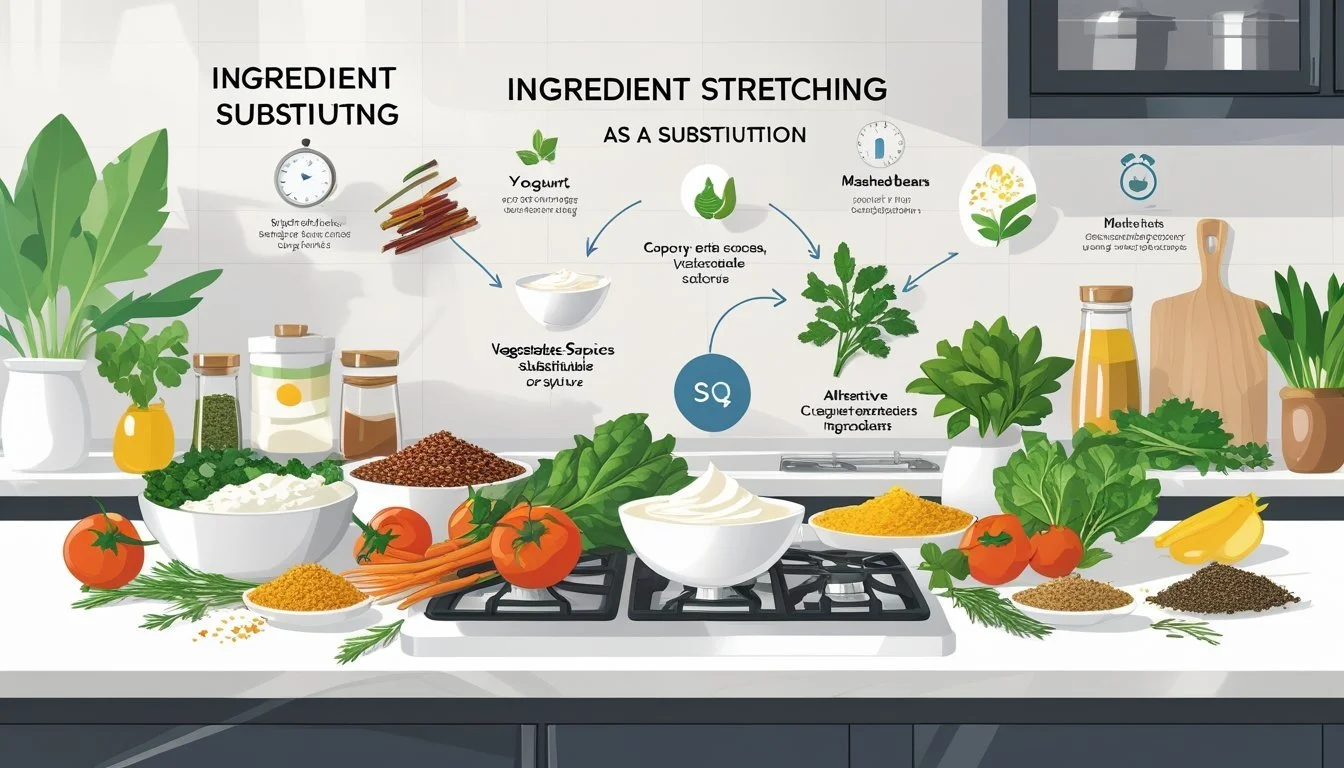
Ingredient stretching relies on selecting suitable ingredient replacements, evaluating the practicality of substitutions, and ensuring the resulting dish retains its intended taste and aroma. The core approach balances structural roles, flavor integrity, and culinary function when ingredients are adapted or extended.
Substitutability Heuristic
The substitutability heuristic focuses on assessing how an ingredient can be replaced without compromising the dish's structure or essential characteristics. For example, flour provides bulk and structure in baked goods, and any alternative must deliver similar functionality.
Structure-building ingredients typically include flour, eggs, or leavening agents. Swapping them demands that the substitute offers comparable physical or chemical properties. Utilizing plant-based milks instead of dairy, or puréed beans in place of eggs, should account for texture, moisture content, and stability for best results.
A useful approach is to categorize ingredients by role—structural, functional, or architectural. This evaluation helps ensure that the core purpose of the original ingredient is preserved when extended or exchanged. This step prevents texture loss or unwanted changes to the consistency of the finished product.
Plausible Substitutions
Not all substitutions are practical; some may significantly alter the dish or fail to replicate needed roles. Plausible substitutions are those that align closely with the original ingredient’s properties, from solubility to binding capacity.
A practical substitution should meet these criteria:
Criteria Example Texture compatibility Greek yogurt for sour cream in dips Flavor neutrality Unsweetened applesauce for oil in baking Functional similarity Baking soda for baking powder (adjusted)
Cooks must consider how changes in ratios, water content, or fat composition will affect the outcome. Sometimes, stretching is accomplished by blending two alternative ingredients to approximate the original function.
Maintaining Flavor Profile
Maintaining the intended flavor profile is critical in ingredient stretching. Successful substitutions must recreate or closely mimic the original aroma, taste, and aftertaste of the dish.
When substituting items like herbs, spices, or umami sources, replacements should be selected for their similar aromatic compounds and intensity. For example, using smoked paprika in place of bacon can maintain a smoky undertone in vegetarian recipes.
The impact of substitutions varies depending on ingredient category. Bold flavors, such as those provided by anchovies or fresh garlic, require nuanced alternatives (e.g., capers or garlic powder in appropriate quantities) to avoid unintended taste shifts. Proper seasoning adjustments may be required after substitution to maintain balance.
Ingredient Stretching for Dietary Needs

Ingredient stretching helps modify recipes to suit different diets while maximizing available resources. It makes it possible to address specific dietary needs and avoid potential allergens with careful substitutions and thoughtful planning.
Addressing Dietary Restrictions
Ingredient stretching is often used to tailor meals for vegetarian, vegan, and gluten-free diets. For example, adding lentils or beans can extend ground meat in recipes, reducing the meat amount while boosting fiber and protein.
Starch-based fillers like rice, quinoa, or potatoes stretch meat or dairy dishes, making meals suitable for lactose-sensitive or plant-based diets. Egg replacements such as flaxseed or chia seed mixtures are common in baking, supporting vegan or egg-free dietary patterns.
A table of popular ingredient stretches for dietary restrictions:
Diet Type Original Ingredient Stretch or Substitute Vegetarian Ground Meat Lentils, Mushrooms Vegan Eggs Flaxseed or Chia Seed Gel Gluten-Free Bread Crumbs Crushed Rice Crackers
These strategies allow for flexibility when certain ingredients are limited or need to be avoided due to dietary rules.
Adapting for Allergens
Families and individuals with allergies often rely on ingredient stretching to minimize exposure to common allergens without compromising flavor or texture. Substitutes such as oat or rice milk can replace cow’s milk, making recipes safer for those with lactose or dairy allergies.
Nut butters can be swapped with sunflower seed or pumpkin seed butter for individuals avoiding peanuts or tree nuts. In baked goods, replacing wheat flour with oat, rice, or chickpea flour helps address gluten sensitivity and wheat allergies.
Common Allergen Swaps:
Milk → Oat, soy, or rice milk
Peanuts → Sunflower seed butter
Wheat flour → Oat or chickpea flour
Adopting these alternatives enables safer meal preparation in households with multiple dietary needs, reducing the risk of allergen exposure. Ingredient stretching with allergen-safe options ensures meals remain inclusive and nutritious.
Popular Ingredient Stretching Techniques

Ingredient stretching helps maximize food supplies by getting more servings or meals from the same amount of ingredients. It can lower grocery costs and reduce waste, while still providing variety, flavor, and balanced nutrition.
Extending Protein Sources
A common method involves mixing less-expensive or plant-based foods with meat. For instance, adding cooked lentils, black beans, or finely chopped mushrooms to ground beef stretches a single pound across more servings without changing texture dramatically. This works well in taco fillings, meatballs, and burgers.
Chicken is often shredded and combined with vegetables, rice, or pasta. This turns a single chicken breast into a filling meal for several people. Pork can be diced small and added to stir-fries or fried rice with egg and tofu for added volume.
Vegetarian and vegan diets benefit from using beans, quinoa, or textured vegetable protein (TVP) alongside or instead of animal proteins. For gluten-free needs, rice or gluten-free breadcrumbs are viable fillers in meat mixtures.
Examples:
Beef chili stretched with kidney beans and maize
Tofu mixed into pork stir-fry
Chickpeas added to chicken curry
Vegetable-Based Substitutions
Vegetables serve as both primary and secondary ingredients, often replacing or stretching more expensive components. Carrots, zucchini, and cauliflower can bulk up sauces, casseroles, or stews by dicing or shredding them into dishes with grains and proteins.
Mashed cauliflower or sweet potato easily replaces a portion of mashed potatoes or thickens soups. Frozen peas and spinach bulk up fried rice or pasta, while shredded cabbage extends taco fillings or meat-based salads.
For vegan and vegetarian cooking, mushrooms and eggplant mimic the texture of meat when roasted, grilled, or finely chopped. Gluten-free cooks can substitute spiralized zucchini or riced cauliflower into pasta or grain dishes.
Ways to use vegetables:
Grated carrot in ground chicken meatloaf
Sautéed mushrooms in pork Bolognese
Riced broccoli or cauliflower for gluten-free stir-fry
Texture and Mouthfeel Adjustments
Getting the right texture is important when substituting or stretching ingredients. Oats, breadcrumbs, or cooked rice can be added to ground meats (beef, chicken, pork) to retain moisture and a satisfying bite.
For gluten-free dishes, almond flour or crushed rice cakes maintain body in cutlets or vegan patties. Silken tofu or blended beans are suitable for creamy, dairy-free sauces in vegan recipes.
Vegetarian and vegan cooks often blend nuts, seeds, or tofu into purees to thicken soups and stews. Jackfruit is a popular plant-based substitute in pulled pork recipes due to its shredded, fibrous texture.
Texture boosters include:
Oats in turkey burgers
Blended chickpeas in vegan sauces
Toasted rice crumbs for gluten-free breading
Common Ingredient and Substitution Pairs
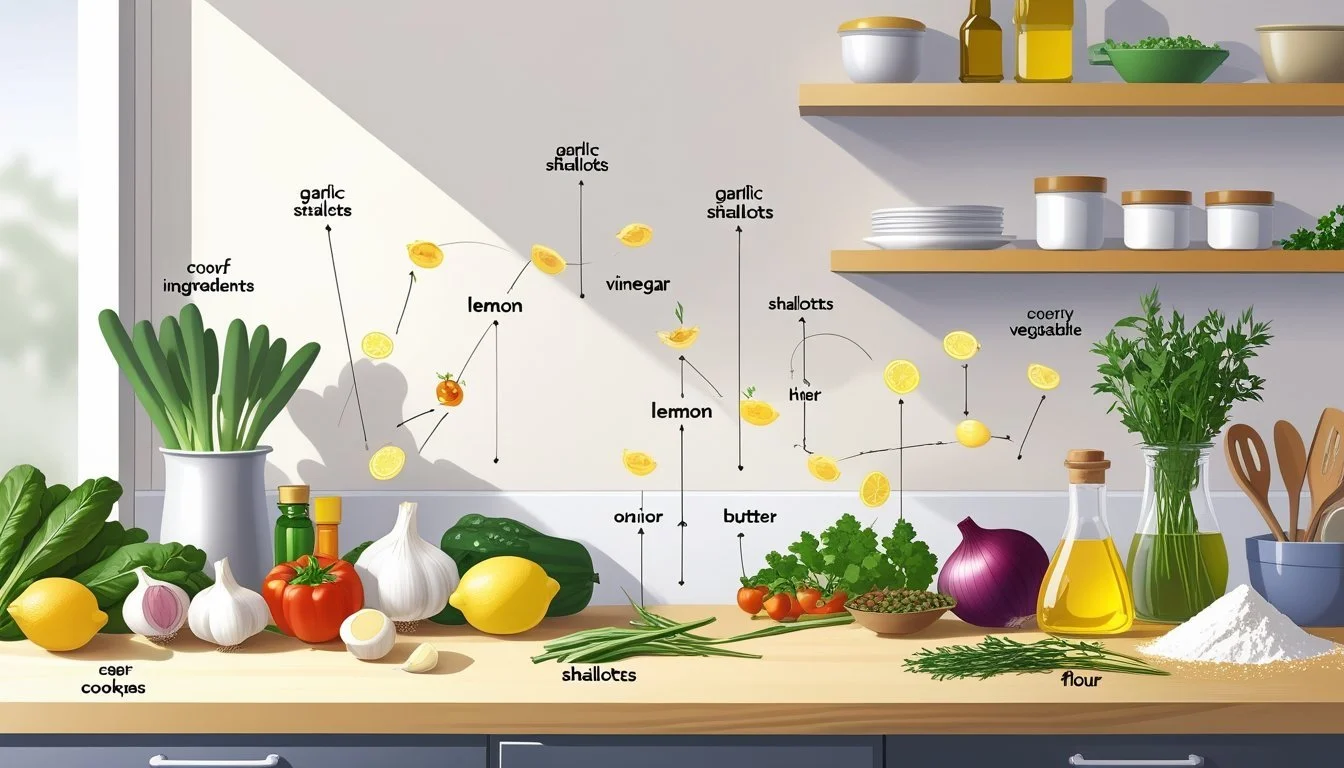
Finding effective substitution pairs is essential for ingredient stretching. Practical alternatives can help adjust recipes for dietary needs, allergies, or pantry shortages without sacrificing flavor or function.
Sugar Substitutes
Sugar is a versatile ingredient that can be replaced in various ways depending on the recipe. Honey, maple syrup, and agave nectar are commonly used as direct sugar substitutes in baking and cooking. For each cup of sugar, use 3/4 cup of honey or maple syrup, but reduce other liquids slightly.
Artificial sweeteners like stevia, sucralose, or erythritol offer sugar-free options. These often require different ratios; for example, 1 teaspoon of liquid stevia replaces 1 cup of sugar. Pureed fruits, such as mashed banana or applesauce, can substitute sugar while also adding moisture and nutrients—use 1/2 cup for every 1 cup of sugar and reduce liquid accordingly.
Example Substitution Table:
Original Ingredient Substitute Ratio Sugar (1 cup) Honey or Maple Syrup 3/4 cup + reduce liquid Sugar (1 cup) Applesauce or Banana 1/2 cup + reduce liquid Sugar (1 cup) Erythritol 1:1
Gluten-Free Options
For gluten-containing flours, several gluten-free substitutes are widely available. Almond flour, coconut flour, and gluten-free all-purpose blends are frequently used in baking and cooking. Each has different absorption properties; for instance, coconut flour requires more eggs and liquid due to its high absorbency.
When substituting wheat flour with a gluten-free blend, a 1:1 ratio often works, but it may be necessary to add a binding agent such as xanthan gum. For breading or thickening, options include cornstarch, rice flour, or chickpea flour, which function similarly to wheat flour.
Notable Substitution Pairs:
Wheat flour → Gluten-free all-purpose blend (1:1 ratio)
Bread crumbs → Crushed rice crackers or gluten-free oats
Wheat-based pasta → Rice noodles or lentil pasta
Gluten-free substitutions allow for flexibility, especially for those managing celiac disease or gluten sensitivities, without major sacrifices in taste or texture.
Personalizing Recipes With Ingredient Stretching
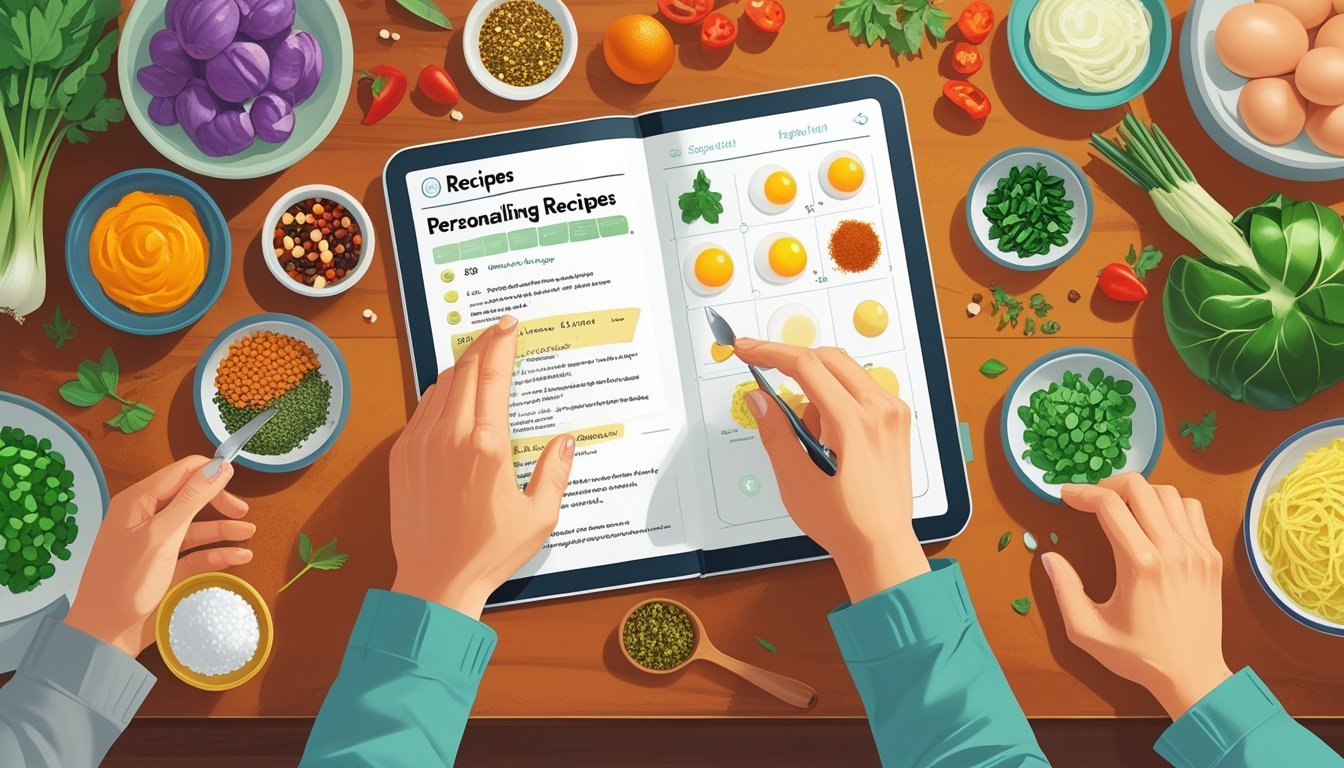
Ingredient stretching allows cooks to tailor recipes to their specific needs, making meals more resourceful and flexible. Using this approach, they can adapt their cooking strategies based on available ingredients and preferred flavors.
Recipe Context and Food Categorization
Recipe context is central to ingredient stretching. Understanding the dish type—such as soups, casseroles, or stir-fries—helps determine which ingredients can be added or replaced without changing the dish’s identity.
Food categorization enables easier substitution. For example, proteins like chicken, beans, or tofu can typically substitute for each other in salads or rice dishes. Starches (rice, pasta, potatoes) often act as bulk bases, stretching main ingredients further. A table like the one below can help in organizing substitutions:
Food Group Common Swaps Protein Beans, eggs, tofu Vegetables Spinach, peas, carrot Carbohydrates Rice, pasta, potatoes Dairy Coconut milk, yogurt
This approach lets cooks maximize flexibility and maintain the intended characteristics of the meal.
User Intervention and Tasting Experiences
Active user intervention is key to successful personalized cooking. Tasting the dish at each stage ensures ingredient substitutions match or enhance the expected flavor profile.
Feedback from tasting also informs adjustments in seasoning, texture, and consistency. For instance, when swapping out a dairy product for a non-dairy one, extra salt or seasoning might be needed to balance flavors.
It’s important for cooks to note the impact of stretched ingredients on taste and mouthfeel. Keeping a record of these tasting experiences supports future adjustments, helping to refine personalized cooking methods for consistently satisfying results.
Nutritional Considerations in Ingredient Stretching
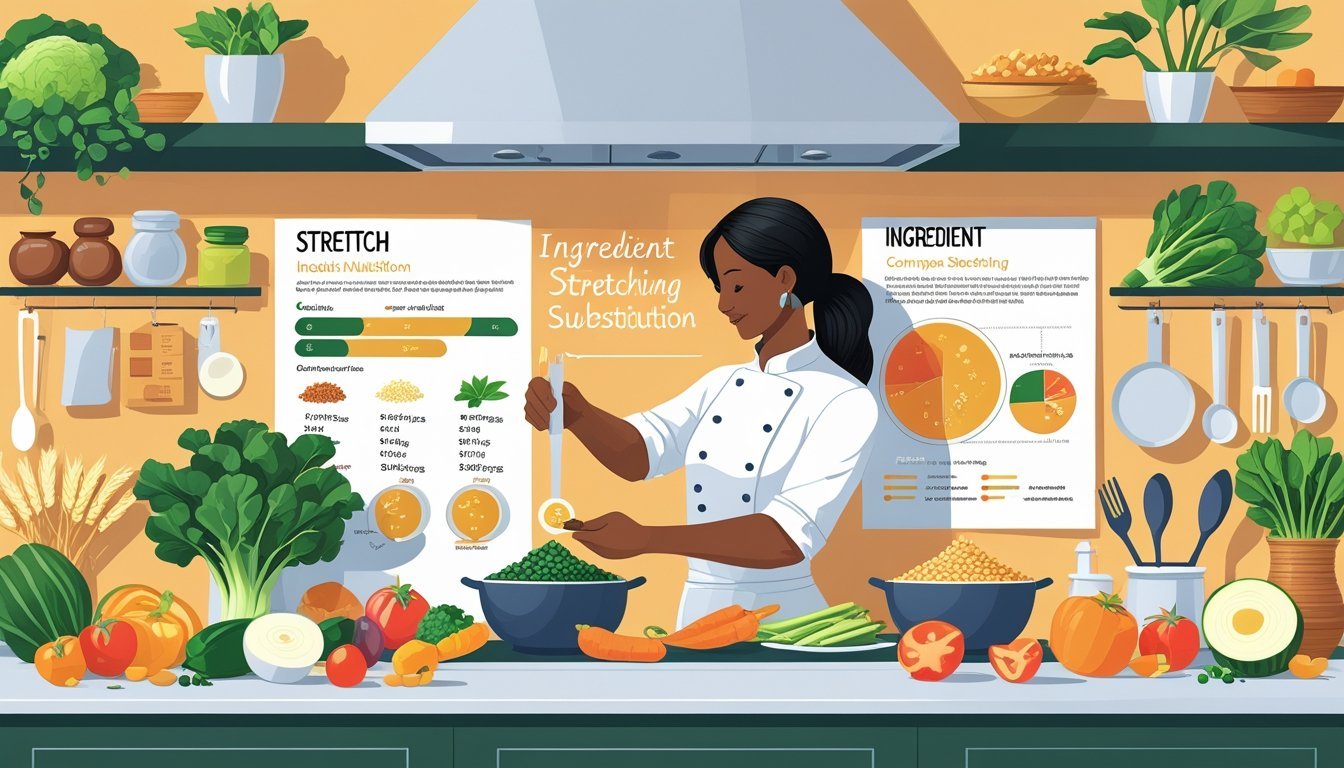
Ingredient stretching can impact overall nutrition as well as meal planning choices. Decisions about substitutions require careful analysis of nutrient profiles and an awareness of food groups and classifications.
Managing Nutritional Information
When replacing ingredients, it is essential to compare their nutritional contents. For example, swapping whole milk for almond milk will reduce saturated fat and calories, but may also decrease protein and calcium unless a fortified version is used.
People with specific dietary needs, such as those managing diabetes, must pay close attention to carbohydrate content and glycemic index. Using lentils instead of white rice can lower the glycemic load while adding fiber and protein.
Reading nutrition labels, using apps, or consulting databases can help ensure that substitutes provide similar or improved nutrients. Creating a simple reference table can support these decisions:
Original Ingredient Substitute Protein (g) Fiber (g) Carbs (g) Suitability for Diabetes White Rice Lentils 9 8 40 Yes Whole Milk Almond Milk* 1 1 2 Yes
*Values based on unsweetened, fortified almond milk.
Ingredient Taxonomy and Classification
Understanding food classification helps make informed substitutions. Foods are grouped by nutrient profiles, processing level, and culinary function. For example, legumes and grains are both staple carbohydrate sources but differ greatly in protein and fiber.
Taxonomies, such as those used in food ontologies, support ingredient substitution by organizing foods into classes. Substituting within the same class—like swapping chicken for turkey—retains similar nutrients and culinary properties.
Medical conditions like diabetes also benefit from clear classification. Categorizing foods by glycemic effect, fat content, and added sugars helps users choose healthier substitutes. This structured approach improves both the nutritional balance and practicality of ingredient stretching.
Technological Innovations in Ingredient Substitution

Recent advances in computational gastronomy have improved how ingredient substitutions are identified and recommended. New frameworks use structured data and algorithms to predict suitable alternatives, supporting both efficiency and personalization in recipe adaptation.
Knowledge Graphs and Ontology Design Patterns
Knowledge graphs and ontology design patterns provide a formal way to capture relationships between ingredients, recipes, and their properties. These structured representations, such as FoodKG and ontologies like Gismo, allow systems to model ingredient compatibility, nutritional content, and potential allergens.
By encoding ingredient analogues and hierarchies, these models support nuanced queries about substitutions. For example, an ontology may clarify that oat milk is a suitable substitute for cow’s milk in vegan recipes. Using subhierarchies and logical reasoning, developers can implement features like dietary compliance checks or flavor compatibility searches.
Tabular representations in knowledge graphs also assist in ranking substitute options by nutritional similarity or user preference. This structured knowledge is essential for building scalable and adaptable substitution modules in food technology solutions.
Machine Learning Applications
Machine learning plays a key role in predicting plausible ingredient substitutions beyond direct one-to-one mappings. Natural language processing techniques analyze thousands of recipes to identify implicit patterns in how ingredients are stretched or exchanged.
Graph-based models leverage large datasets to learn ingredient pairings, quantifying how often certain ingredients replace or supplement others. For example, supervised learning approaches can recommend economically efficient substitutes during shortages or suggest allergen-free alternatives.
Some systems fine-tune language models to generate context-aware substitution rules. Recent research also uses embedding techniques to evaluate chemical and flavor compatibility, refining results and personalizing recommendations based on dietary needs or culinary trends.
Evaluating Success of Ingredient Stretching
Assessing ingredient stretching requires careful measurement using established quantitative and qualitative approaches. Shortlists of common benchmarks and analytical tools allow clear comparisons between attempts and make progress in the field transparent.
Standardized Splits and Evaluation Metrics
Standardized splits are crucial for comparing ingredient stretching strategies across different datasets. Typically, data is divided into training, validation, and test sets to evaluate how well substitution methods generalize. This separation prevents bias and ensures that performance is not inflated by overfitting.
Evaluation metrics often include precision, recall, and F1-score to measure accuracy and completeness of suggestions. For ingredient stretching, these metrics track how often substitutes maintain functionality and acceptability in recipes. Specific application-based criteria, such as taste, texture, and availability, can be used in a scoring rubric to assess practical outcomes.
Researchers also use user ratings and reviews collected from real-world recipe testing. These help quantify satisfaction and practical success, adding an essential layer beyond automated metrics.
Baselines and Mean Reciprocal Rank
Baselines act as reference points to judge new ingredient stretching techniques. Common baselines include simple rule-based substitutions or frequently used ingredient pairs from large datasets. Comparing advanced strategies against these established methods reveals tangible improvements.
The mean reciprocal rank (MRR) is a key metric in assessing how quickly the correct substitute appears in a ranked list of candidates. It is calculated as the average reciprocal of the rank of the first correct answer across all cases:
Example Rank of Correct Substitute Reciprocal Rank A 1 1.0 B 3 0.33 C 2 0.5
A higher MRR indicates more effective stretching strategies, as preferred substitutes are recommended earlier and more reliably. This metric is especially useful when several options exist, highlighting the practical value of different approaches.
Challenges and Considerations

Ingredient stretching introduces both practical and creative challenges. Adapting recipes and participating in culinary discussions require careful balance between maintaining dish quality and using available substitutes.
Issues in Recipe Adaptations
Recipe adaptations involve finding suitable substitutions that maintain the structure, taste, and safety of a dish. Baking, for instance, often depends on specific ingredient ratios. Swapping staples like eggs or dairy may change texture, rise, or moisture.
Using alternative proteins or flours in savory dishes may also impact the overall balance of nutrients and flavor profiles. Cost, allergies, and access to ingredients can further complicate the process.
A key concern is that not all substitutions work equally well in every context. Some may result in unexpected reactions or require adjustments to other ingredients. Testing and documentation are essential for repeatable results.
Discussions and Events in Culinary Exploration
Culinary exploration around ingredient stretching is a topic at food-focused events, workshops, and online forums. Chefs and home cooks discuss successes and failures, often sharing insights into novel substitutions or methods.
Panel topics and workshop themes include:
Techniques for extending common proteins
Ways to balance flavor with alternative grains
Innovations in plant-based substitutions
Community-driven events often emphasize transparency and practicality. Participants highlight experiments, organize tasting sessions, and compare notes on ingredient availability, helping others approach ingredient stretching with more confidence and efficiency.
Future Trends in Ingredient Stretching and Recipe Modification
New methods in food technology are redefining how individuals approach ingredient stretching and recipe adaptation. Recent advances focus on visual analysis, step-by-step cooking processes, and the use of artificial intelligence.
Image-to-Recipe Generation
Image-to-recipe generation uses AI models to convert photos of food into a recipe, including potential substitutions for missing or limited ingredients. These systems analyze a food image to predict not only the ingredient list but also methods for stretching each item, such as diluting sauces or increasing volume with fillers.
Such technology allows home cooks to input an image of their meal and receive tailored suggestions for item swaps or recipe modifications that help stretch ingredients further. For example, a casserole image could lead to suggestions for adding lentils in place of half the meat or using extra vegetables to bulk up the dish.
This capability is valuable for those working with limited food supplies or dietary restrictions. Some platforms incorporate tables or lists of viable ingredient stretches based on visual cues, making the technology both practical and accessible.
The Role of Actions in Cooking
Understanding and modifying the sequence of actions in cooking plays a significant role in ingredient stretching. Systems using large language models now analyze the verbs and steps in recipes to identify where substitutions can occur or stretches can be executed.
For instance, a recipe step that calls for sautéing onions may be flagged for adding additional vegetables at this stage, effectively increasing bulk and nutrition without changing core flavors. Recognizing these adaptable "actions" enables more strategic ingredient use.
Lists of alternative techniques, such as thinning puree-based soups or layering grains, are sometimes provided by these systems. Integrating knowledge of cooking actions with ingredient substitutions leads to more creative and efficient recipe modification.

