
Emotional Attachment and Resistance to Food Swaps
Understanding the Barriers to Dietary Change

Many people find themselves struggling to accept food swaps, even when healthier choices are clearly available. This resistance often comes from a deeper place than just taste preferences or habits; emotional attachment to certain foods can play a major role. Emotional bonds with familiar foods can make change feel uncomfortable or even threatening, impacting a person's willingness to replace them with alternatives.
Attachment styles, shaped by early experiences and relationships, can influence how individuals use food for comfort and emotional regulation. Those with insecure attachment patterns may turn to specific foods in response to stress or discomfort, finding it hard to imagine missing out on those familiar sensations.
Understanding the link between emotional attachment and eating habits helps explain why food swaps are challenging for many. Exploring this connection allows for more effective strategies to support change, without overlooking the powerful emotions tied to food choices.
Understanding Emotional Attachment to Food
Emotional attachment to food shapes eating patterns, influences resistance to dietary changes, and is strongly linked with underlying attachment styles. How a person relates to food is rooted in their emotional needs, coping mechanisms, and established patterns developed over a lifetime.
Defining Emotional Attachment and Food Relationships
Emotional attachment in the context of food refers to the psychological bonds a person forms with certain foods or eating habits. These bonds may develop in childhood or later through repeated associations between food and comfort, stress relief, or social connection.
For some, specific foods evoke strong memories or feelings of safety. Individuals may rely on food not just for nourishment but also for managing emotions and maintaining a sense of security. This attachment can lead to resistance to changing familiar eating patterns, even when healthier options are available.
Emotional eating is a key aspect, where individuals eat in response to emotions rather than physical hunger. This pattern often perpetuates a cycle where food is both a source of comfort and a response to emotional distress.
Attachment Styles and Their Role in Eating Behaviors
Attachment style—formed through early relationships and interactions—significantly impacts a person’s relationship with food. Researchers commonly identify four main attachment styles: secure, anxious, avoidant, and disorganized.
Secure attachment: Individuals tend to have a balanced relationship with food. They can enjoy eating and respond to hunger cues appropriately.
Anxious attachment: People might turn to food for emotional reassurance, increasing the risk of emotional eating and difficulty managing cravings.
Avoidant attachment: These individuals may distance themselves from food as an emotional resource but can experience internal struggles around eating and self-control.
Disorganized attachment: Eating patterns may be more erratic, driven by confusion or conflicting feelings toward food and emotional comfort.
Understanding one’s attachment style can clarify why changing eating habits is challenging and why emotional eating persists even with awareness of healthier food choices.
How Emotional Needs Influence Food Choices
Food choices are often shaped more by emotional needs than nutritional goals. When emotional needs such as comfort, safety, or connection are unmet, individuals may use food as a coping tool.
Common triggers include stress, loneliness, or relationship conflict. In these moments, high-sugar, high-fat, and familiar foods provide immediate relief, reinforcing the emotional attachment. This creates a feedback loop where emotional eating becomes the default response.
To change food choices, it is necessary to first address the underlying emotional needs involved. Identifying these patterns can help break resistance to food swaps by reducing the emotional significance certain foods hold.
Recognizing Emotional Resistance to Food Swaps
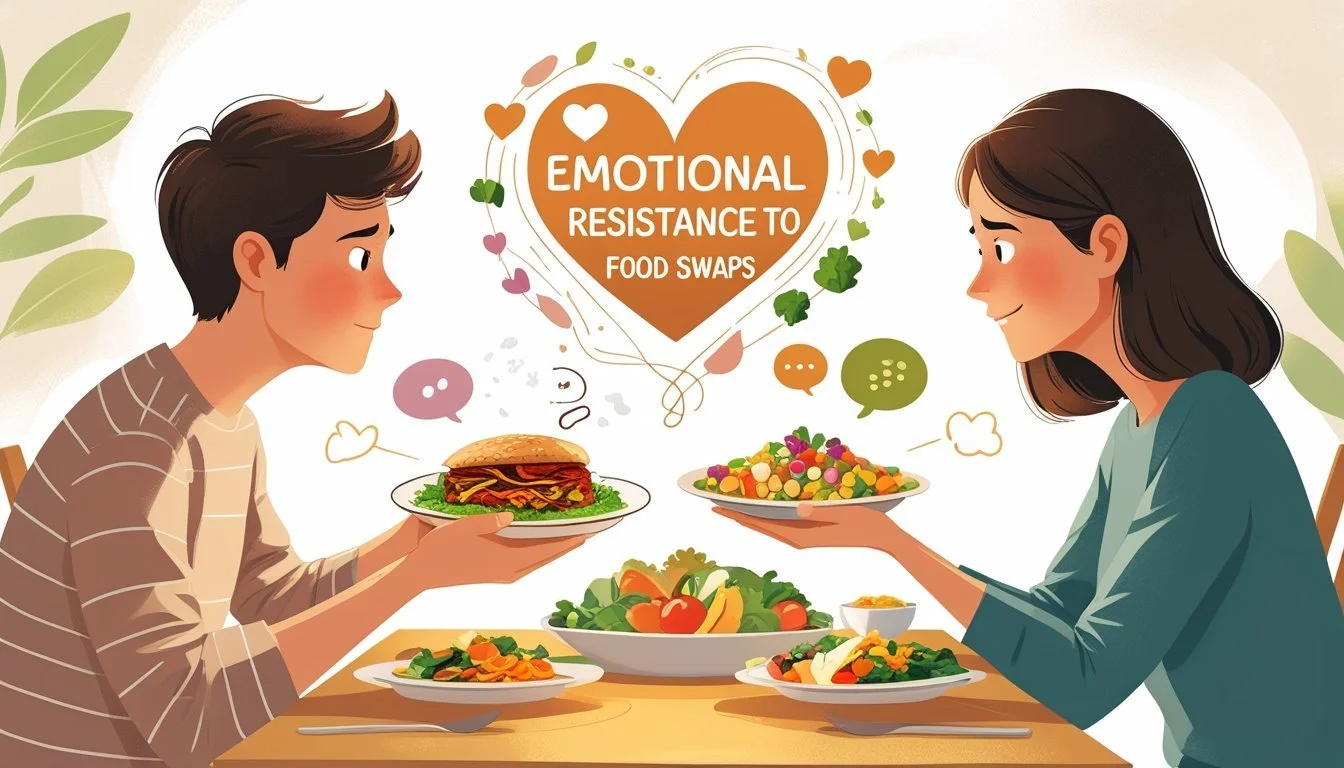
Emotional connections to food can create strong resistance to dietary changes. Patterns of comfort, security, and anxiety all influence eating behaviors and food choices in significant ways.
Emotional Responses to Dietary Change
Changes to eating habits can trigger a range of emotional responses. Many people experience sadness, frustration, or even grief when certain foods are removed from their diets.
Food often serves as a coping mechanism. When familiar foods are swapped out, individuals may feel deprived, leading to irritability or an increased desire for restricted items.
Emotional eating may spike during dietary transitions. Feeling anxious or unsettled about change can drive people to seek out foods that previously offered comfort.
Understanding these emotional reactions is key to recognizing and managing resistance to new eating patterns.
Sources of Resistance: Security, Anxiety, and Comfort
Resistance to food swaps often stems from a search for security. Familiar foods provide predictability, helping people feel safe and in control.
Anxiety plays a critical role. For some, anxiety about trying new foods or losing familiar ones triggers resistance. This can manifest as skepticism about the health or taste of alternatives.
Comfort is another major driver. Food routines offer reassurance and reduce stress, making change feel risky. The table below shows common sources of resistance:
Source Example Security Eating the same breakfast daily Anxiety Worry over unknown flavors Comfort Seeking specific foods during stress
Addressing these sources can support a smoother transition to new dietary choices.
The Role of Comfort Foods
Comfort foods fulfill emotional needs by providing pleasure, nostalgia, or a sense of well-being. These foods are often associated with childhood memories, cultural heritage, or meaningful relationships.
When trying to introduce food swaps, individuals may experience reluctance to give up comfort foods due to their soothing effects. Foods high in sugar or fat are often chosen for their ability to trigger neurochemical responses that temporarily enhance mood.
Replacing comfort foods can feel like losing a source of emotional support. This makes it important to acknowledge why these foods matter and how they serve personal or emotional needs.
Impact of Attachment Patterns on Food Preferences
Attachment patterns developed during childhood can shape food preferences and influence reactions to diet changes. People with secure attachment styles tend to approach food changes with less anxiety and more openness.
Those with attachment anxiety may use food to fill emotional voids or cope with uncertainty. This can result in dependence on certain foods for reassurance.
Avoidant or disorganized attachment styles can also disrupt eating patterns. They may lead to chaotic food choices or a detached attitude toward both food and emotions. Recognizing these patterns helps explain why some people find food swaps more emotionally challenging than others.
The Psychological Effects of Food Swaps

Food swaps often trigger strong mental and emotional responses. Changes in familiar food routines can impact food intake, stress levels, and overall consumption patterns.
Negative Emotions and Food-Related Stress
Swapping out familiar foods for healthier alternatives may lead to increased stress and frustration. People develop emotional attachments to comfort foods, often linking them to positive memories or coping mechanisms. Removing or replacing these foods can prompt feelings of deprivation and loss.
Common negative emotions include sadness, anxiety, and irritability. These reactions can be stronger for individuals who already struggle with strict dietary restraint or emotional eating behaviors. The added pressure of meeting dietary goals or resisting old habits may worsen mental health, leading to a cycle of negative feelings and a preoccupation with eating.
Table: Common Negative Emotions Linked to Food Swaps
Emotion Common Triggers Sadness Losing favorite foods Anxiety Fear of dietary failure Irritability Missing comfort or routine
Strong resistance to change and suspicion towards new foods may further increase the psychological burden during food swaps.
Binge Eating and Emotional Consumption
Forced changes to diet can contribute to binge eating episodes. When individuals resist food swaps yet comply for external reasons (such as dieting), the suppression of cravings can lead to overeating once self-control diminishes.
Binge eating is commonly linked to heightened emotional stress and anxiety. Studies show that individuals with high attachment to certain foods are more likely to engage in rebound consumption following restrictive periods. Emotional eating increases food intake, particularly of energy-dense or highly palatable foods.
These cycles of restriction and overconsumption can negatively affect both mental health and physical well-being. Monitoring behavioral responses during food swaps can help in managing risk factors for binge eating and emotional consumption.
Attachment Styles and Resistance to Healthier Eating

Attachment styles, especially insecure types, can directly influence how individuals respond to dietary changes. Patterns of emotional connection formed early in life often shape attitudes toward food, eating habits, and the willingness to accept healthier choices.
Insecure Attachment and Difficulties with Change
Insecure attachment, which includes anxious and preoccupied patterns, is linked to greater resistance when it comes to adopting new eating behaviors. Those with insecure attachment styles may view food as more than nutrition—often as a source of comfort or stability.
This may lead to a reluctance to swap familiar items for healthier alternatives. Many experience anxiety or distress when their routine foods are changed, as these selections can serve as coping mechanisms. Emotional bonds with certain foods may feel essential for self-soothing during stress, making dietary change seem threatening.
Research indicates people with insecure attachments are at higher risk for eating difficulties and less likely to succeed with diet modifications without targeted support. Addressing the underlying attachment issues can make transitions to healthier choices smoother and more sustainable.
Avoidant and Disorganized Attachment Patterns
Avoidant attachment is characterized by emotional distance and self-reliance, possibly leading individuals to minimize the importance of food or deny emotional needs related to eating. People who display avoidant attachment traits may resist advice or interventions, perceiving food changes as unnecessary or intrusive.
Disorganized attachment involves a lack of clear coping strategies, often marked by confusion or contradictory behavior. These individuals may fluctuate between rejecting and seeking comfort from food, creating unpredictable patterns around eating. Such inconsistency makes the adoption of healthier habits quite challenging.
Both avoidant and disorganized attachment styles are correlated with difficulties in self-regulation. This can manifest as inconsistent adherence to new diets or a tendency to abandon healthy swaps when faced with emotional discomfort.
Attachment Insecurity and Emotional Eating
Attachment insecurity is strongly associated with emotional eating. Individuals with insecure attachment styles are more likely to use food as a way to manage negative feelings, such as stress, sadness, or anxiety.
A pattern of using food for emotional regulation may reinforce resistance to food swaps, especially if healthier foods do not provide the same immediate comfort. Emotional eating can become a learned response, making nutritional changes seem more difficult and less appealing.
Interventions that target emotion regulation and help individuals recognize the role of attachment in their eating behaviors can support healthier eating and reduce reliance on food for comfort. This approach is especially important for those with chronic emotional eating patterns tied to attachment insecurity.
Emotional Triggers and Cravings
Emotional eating is shaped by personal experiences and brain processes that drive cravings. Understanding what prompts these urges and how the brain is involved can help explain patterns of resistance to healthy food swaps.
Understanding Triggers for Emotional Eating
Cravings often begin with emotional triggers such as stress, sadness, boredom, or anxiety. These emotions can create a psychological link to certain foods, usually those high in sugar, fat, or salt.
Some individuals develop a habit of reaching for food as a coping strategy. This repeated behavior reinforces the association between emotions and eating, making it harder to break the cycle. Events, locations, or social situations can also act as cues that prompt urges to eat, even when not physically hungry.
Research on food craving highlights several key areas:
Preoccupation with food
Loss of control
Emotional craving
Such psychological factors often lead to difficulty in choosing healthier options or accepting food swaps, as the original food is linked with comfort or relief from emotional discomfort.
Cravings and the Role of the Prefrontal Cortex
The prefrontal cortex is a central part of the brain involved in self-control and decision-making. When exposed to strong emotional triggers, its ability to regulate cravings can become impaired.
During periods of high emotion, such as stress or sadness, the prefrontal cortex may lose influence over impulsive behaviors. This makes it harder for a person to consider healthier alternatives and resist the desire for familiar, comforting foods.
Cravings tend to intensify when the prefrontal cortex is under strain, especially if emotional eating has become a routine response. The balance between emotional impulses and rational choices shifts, which can sustain cycles of emotional eating and resistance to change. Managing cravings often requires strategies that strengthen this brain region’s regulatory role.
Coping Mechanisms and Strategies for Change
Effective coping mechanisms support individuals as they navigate changes in their eating habits and overcome emotional resistance to food swaps. Understanding how to replace old patterns with healthier alternatives can increase resilience and lead to more sustainable decisions.
Developing Healthier Coping Strategies
People often turn to food as a way to manage stress, boredom, or emotional discomfort. Identifying specific triggers can help interrupt this cycle. Common triggers include feeling overwhelmed, loneliness, or social pressure.
Healthier coping strategies replace automatic eating behaviors with alternatives such as deep breathing, short walks, or talking to supportive friends. These approaches reduce the urge to use food as comfort.
A table of practical alternatives:
Trigger Healthier Coping Mechanism Stress Deep breathing, stretching Loneliness Calling a friend, journaling Boredom Reading, engaging in hobbies
Consistently practicing these alternatives builds long-term adaptive coping skills.
Mindful Eating and Self-Compassion Approaches
Mindful eating involves being present during meals and observing thoughts, feelings, and bodily cues without judgment. This reduces the likelihood of automatic or emotional eating and encourages healthier choices.
Practicing self-compassion is equally important. Individuals can acknowledge emotional attachments to food without self-criticism, making it easier to introduce new, healthier foods. For example, when a craving for comfort food arises, a self-compassionate response is, “It’s understandable to feel this way,” instead of feeling guilt or shame.
Short mindfulness exercises before meals, such as a minute of quiet breathing or expressing gratitude for the meal, can foster a more supportive eating environment.
Setting Boundaries for Healthier Choices
Setting boundaries helps individuals maintain new eating habits in challenging environments. This includes being clear about dietary choices in social situations or at home.
Practical boundaries could involve politely declining food offers, preparing healthy snacks in advance, or communicating preferences to family members. These boundaries reduce exposure to tempting foods and make it easier to stick to intended food swaps.
A list of boundary-setting tips:
Practice stating preferences calmly.
Prepare responses for common social scenarios.
Keep healthy alternatives accessible.
Boundaries protect against social or emotional pressures that often trigger old habits.
Managing Anxiety During Dietary Transitions
Anxiety is a normal response when old eating patterns are disrupted. This discomfort can be managed through a combination of coping mechanisms and self-awareness.
Techniques such as progressive muscle relaxation or guided imagery can decrease anxiety levels associated with adopting new dietary habits. Journaling feelings about food changes may offer additional perspective and reassurance.
If anxiety persists, seeking support from trusted individuals—including friends, family, or health professionals—can help. Addressing anxiety directly and accepting its presence as part of the change process often makes dietary transitions smoother and more manageable.
The Role of Trauma and Recovery in Eating Preferences
Experiences of trauma can strongly influence patterns of eating and emotional attachment to specific foods. Recovery from disordered eating involves understanding these attachments and providing emotional support that addresses both psychological and nutritional needs.
Influence of Past Trauma on Food Attachment
Traumatic experiences such as neglect, loss, or abuse often shape long-lasting beliefs about food and body image. Many people use food to manage distressing emotions, leading to attachments with certain textures, tastes, or rituals that feel safe or comforting. These attachments may become a form of self-soothing or control when other aspects of life feel unpredictable.
Emotional eating and food preferences can reflect deep-seated needs for comfort, connection, or a sense of normalcy. Some individuals may develop aversions or strong preferences based on negative associations from past trauma. For example, avoidant or restrictive patterns may emerge if a food is linked to a difficult memory.
This emotional tie to food often persists even when individuals recognize that their eating behaviors are no longer serving their health or well-being. Recognizing these links is an important step in both self-understanding and long-term change.
Pathways to Recovery from Disordered Eating
Recovery from eating disorders typically requires addressing both physical and psychological components. Building new, healthier food preferences is most effective when emotional support and trauma-informed care are included. Key approaches may involve:
Individual or group therapy focused on trauma
Supportive nutritional counseling
Gradual introduction of new foods with strong encouragement and patience
A focus on self-compassion and body image acceptance can help replace rigid beliefs about food. Encouraging the development of positive routines and safe coping strategies supports recovery while reducing fear and resistance to food swaps. Involving trusted individuals or community resources, such as support groups, can further reinforce healing and the ability to try unfamiliar foods in a supportive setting.
Making Sustainable and Healthier Food Swaps

Sustainable food swaps use small, manageable changes to replace less nutritious foods with healthier alternatives. This approach can support long-term health benefits while minimizing resistance and emotional attachment to favorite comfort foods.
Identifying and Choosing Healthier Alternatives
Identifying suitable food swaps starts with understanding which foods are frequently consumed and exploring comparable but more nutritious options. This could mean choosing whole-wheat bread instead of white bread, brown rice over white rice, or baked vegetables in place of fried snacks.
A helpful method is to keep a list of regular foods and research replacements that offer more vitamins, fiber, or protein with less sugar and saturated fat. For example, swapping regular soda for sparkling water with a splash of fruit juice reduces added sugar intake.
For those dealing with emotional eating, picking swaps that still feel satisfying is important. Foods high in fiber or protein, such as Greek yogurt or nuts, can provide a sense of fullness that may help with cravings.
Health Benefits of Balanced Food Intake
Integrating healthier choices leads to measurable benefits like improved blood sugar control, lower cholesterol, and more stable mood. Diets higher in whole grains, fruits, and vegetables support digestive health and can help reduce the risk of chronic diseases.
Replacing refined carbohydrates with complex carbs—such as lentils, quinoa, or oats—delivers more sustained energy. These foods have a lower glycemic index, supporting steady blood glucose levels throughout the day and reducing energy crashes that can trigger emotional eating.
Making frequent small swaps, like using olive oil instead of butter, may also support heart health. These choices can lead to improvements in weight management without the need for strict dieting.
Encouraging Positive Food Choices Over Time
Consistency in making healthier swaps is key to their success. Gradually introducing changes makes them less overwhelming and increases the likelihood they become permanent habits. For example, switching one or two items per week allows for a smoother transition.
Setting specific, achievable goals can motivate ongoing progress. Tracking meals or using a table of weekly food swaps can help maintain accountability:
Week Food to Swap Healthier Alternative 1 White rice Brown rice 2 Potato chips Roasted chickpeas 3 Soda Flavored sparkling water
Positive reinforcement, like celebrating small milestones, encourages continued healthier choices. Over time, these changes build a more balanced diet and support emotional well-being.

