
Replacing Ingredients When Traveling in Remote Areas
Practical Tips for Cooking Off the Grid
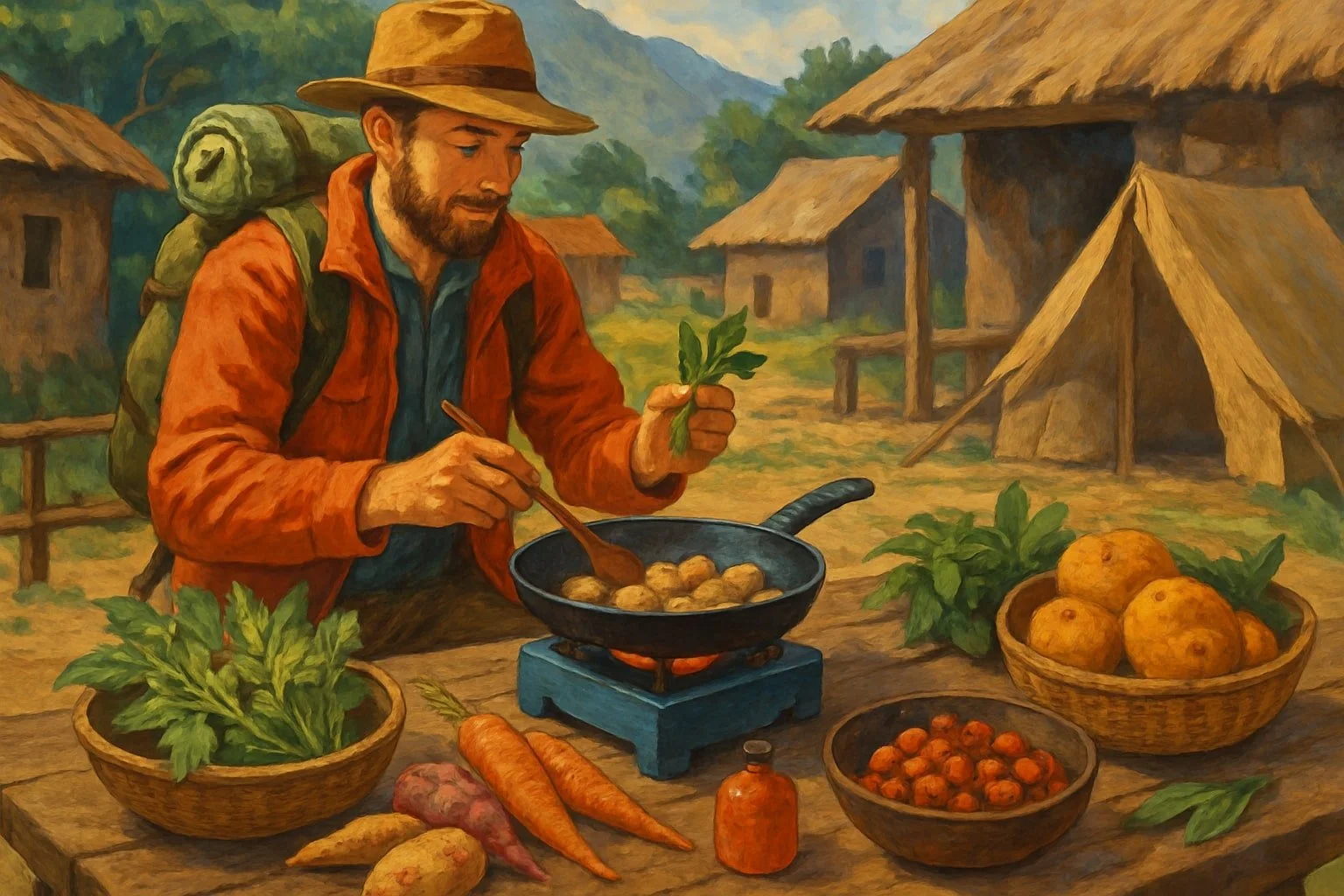
Traveling in remote areas often means limited access to certain ingredients and food staples, making meal preparation a unique challenge. Knowing how to effectively replace ingredients with safe, local, or alternative options ensures travelers can still create nutritious and satisfying meals, even far from supermarkets. This practical approach can make a significant difference in maintaining a healthy diet while exploring less accessible destinations.
Remote travel frequently requires adaptability and resourcefulness, especially when familiar items are unavailable. Ingredient substitutions not only support dietary needs but can also help avoid unfamiliar or potentially unsafe foods. With some planning and flexibility, travelers can enjoy their journeys without sacrificing the quality of their meals.
Understanding Ingredient Substitution in Remote Areas

Travelers in remote locations often face limited access to familiar foods and may need to adapt recipes using available ingredients. Ingredient substitution is influenced by restrictions in local stores, varying levels of health needs, and the unpredictable nature of travel conditions.
Reasons for Replacing Ingredients
Remote areas may not stock specialty products or staples common elsewhere. Travelers might not find items such as fresh dairy, eggs, or specific spices and must adapt recipes to suit what is locally available.
Substituting ingredients can address dietary restrictions or health challenges. Those managing allergies or chronic health issues such as diabetes must find suitable alternatives, sometimes turning to regional options like lentils instead of rice or fruit purees in place of eggs.
Price and preservation are key factors. Many remote stores prioritize shelf-stable items over fresh produce, making canned, dried, or powdered products common substitutes. This demands flexibility and an understanding of which ingredients can be swapped without compromising taste or safety.
Challenges of Remote Travel
Logistical limitations shape what food is accessible. Long supply chains, unpredictable weather, and gaps between delivery services lead to stock shortages. Rural and remote regions often lack refrigeration or storage for perishables.
Local stores may carry unfamiliar brands or alternative products. Ingredients can differ in moisture content, flavor, or texture, influencing final dish quality. Substitution often means adjusting cooking methods to accommodate these changes.
Health and dietary needs may be difficult to meet. Gluten-free, vegan, or allergy-friendly items are less common. This forces travelers to plan ahead, look for universally available swaps, and accept that some recipes may turn out differently.
Convenience and Flexibility
Successful substitution relies on adaptability and practical planning. Creating a list of versatile ingredients, such as powdered milk, canned beans, and all-purpose flour, makes meal preparation easier with limited resources.
A flexible approach allows individuals to prepare a wider range of meals. Swapping oils, grains, or sweeteners according to what’s on hand can keep meals balanced and appealing.
Convenience often outweighs exact replication of flavors. Maintaining nutrition and food safety is more important than strict adherence to recipes while traveling. Flexibility also reduces stress, supports health, and encourages resourceful, efficient cooking.
Essential Packing for Food and Cooking
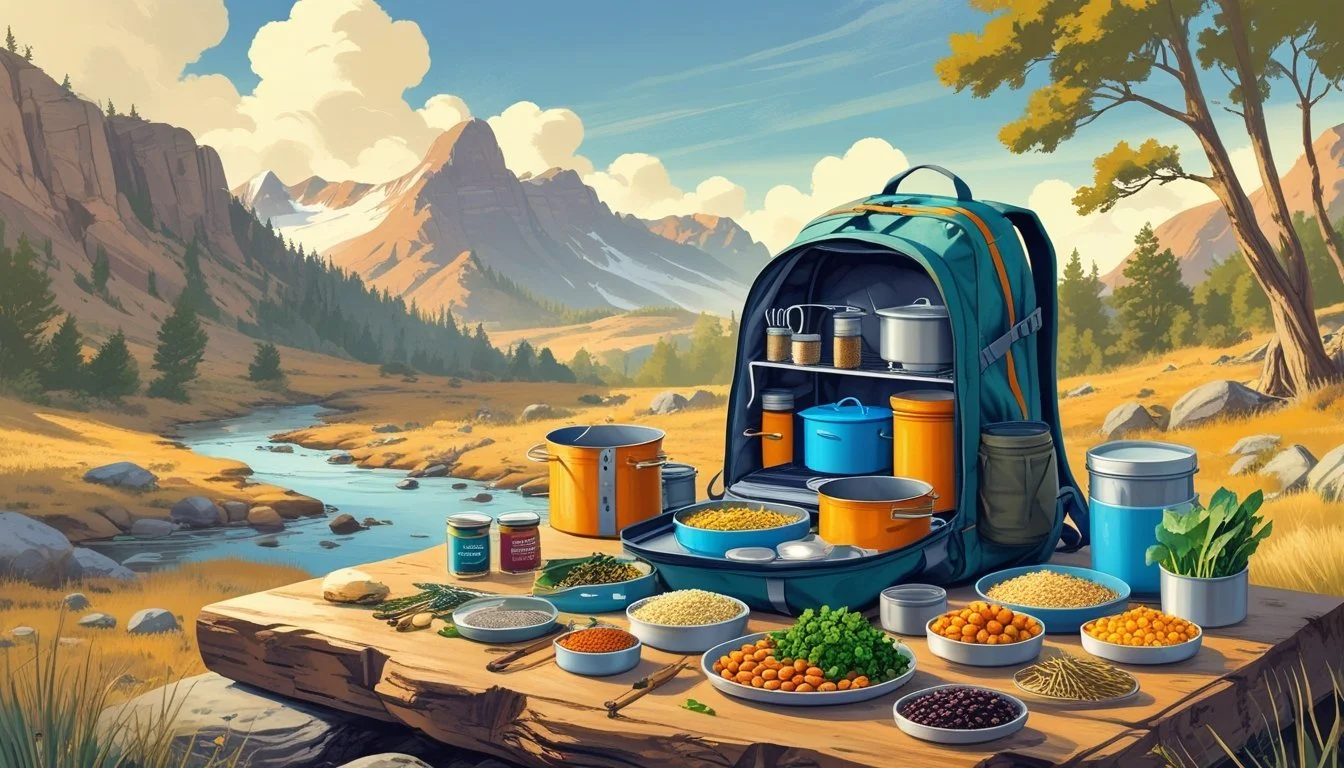
When traveling in remote areas, thoughtful packing helps ensure access to both versatile ingredients and reliable tools for cooking. Choosing stable foods and adaptable equipment makes it easier to substitute ingredients when options are limited.
Packing Non-Perishable Foods
Non-perishable foods serve as the foundation for remote area cooking. Items like canned beans, tuna, instant rice, and dehydrated vegetables offer longevity and convenience. Whole grain crackers and granola bars are easy to carry and require no preparation.
Packing foods in airtight containers helps prevent spoilage and contamination. Powdered soup mixes, ramen noodles, and dried pasta are compact, shelf-stable, and can be combined with local ingredients if available. Including a small bottle of oil and a few spice sachets supports varied meal preparation.
A sample non-perishable food packing list:
Food Item Quantity Suggestion Trail mix 2-3 large bags Whole grain crackers 1 box Canned protein (beans, tuna) 4-6 cans Dried pasta or noodles 2 packs
Nutrient-Dense Options
Prioritizing nutrient-dense foods supports energy and nutrition. Trail mix with nuts, seeds, and dried fruit offers healthy fats, protein, and minerals. Pumpkin seeds are especially high in iron and magnesium, making them useful for longer stays.
Single-serving packets of protein powder can supplement daily intake, especially if fresh protein is scarce. Shelf-stable nut butters, such as almond or peanut, add calories and nutrients without refrigeration.
Dried lentils and chickpeas can be cooked into filling meals and provide plant-based protein. Powdered milk or non-dairy alternatives contribute to balanced nutrition when mixed with water. Packing these makes it easier to create complete meals even with limited fresh produce.
Useful Kitchen Tools for Ingredient Substitution
A compact set of cooking tools increases flexibility. Essential items include a sharp knife, locking food containers, and a small cutting board. Lightweight utensils and a collapsible silicone bowl are helpful for preparation and serving.
A portable stove or small camping burner enables boiling, frying, and heating without access to a kitchen. A measuring cup and set of measuring spoons ensure recipe accuracy, which matters when substituting unfamiliar ingredients.
Reusable zip bags keep dry foods sorted and easily accessible. Bringing a small spice kit, can opener, and multipurpose pan allows travelers to adapt to available food and substitute ingredients with minimal inconvenience.
Sourcing Ingredients in Remote Locations

Securing ingredients while traveling in remote areas often means working with limited resources and adapting to local availability. Travelers may need to explore a range of strategies, from making use of small local markets to engaging in foraging or bartering.
Utilizing Local Markets
Local markets are the primary source for ingredients in most remote regions. Travelers will typically find fresh produce, regional staples like rice or grains, and preserved foods such as dried fish or cured meats. Prices, quality, and selection can vary from market to market.
Key benefits of local markets:
Access to seasonal and region-specific foods
Opportunity to interact with local vendors
Support for small businesses and farmers
Travelers should consider learning a few key phrases in the local language to help negotiate prices and ask about origins or freshness. Bringing cash is essential since card payments are rarely accepted. Checking ingredient quality before purchase is recommended, as turnover rates can be inconsistent.
Foraging and Wild Foods
Foraging is a practical option in many remote settings where markets may be distant or supplies irregular. Edible wild plants, berries, mushrooms, and herbs may be available, depending on the region and season. Knowledge of local flora and safe foraging practices is crucial to avoid poisonous species.
Some travelers carry a pocket guide for plant identification, while others seek advice from locals familiar with the area’s edible plants. Preparing wild foods often requires basic cooking skills and tools, and some foods may need special preparation to be safe.
Best practices for safe foraging:
Only harvest what is positively identified as edible
Be respectful of local laws and conservation efforts
Take only what is needed, leaving resources for wildlife and others
Bartering and Exchanges
In very remote regions, cash may be less useful than bartering. Locals may value items such as batteries, toiletries, small tools, or even packaged food. Establishing mutual trust and understanding local customs is essential during any exchange.
Simple items like soap or spices can often be traded for locally sourced eggs or dairy. Politeness and transparency in transactions help avoid misunderstandings. Bartering can foster community connections, but travelers should avoid offering goods that can disrupt local economies.
Before offering trades, it's a good idea to observe local exchange practices. They can vary widely, and adhering to local etiquette makes the process smoother for everyone involved.
Safety Considerations for Ingredient Replacement

Replacing ingredients while traveling in remote areas carries specific health and safety risks. Vigilance is necessary to avoid preventable illness, especially where access to medical care or clean water may be limited.
Allergic Reactions and Intolerances
When substituting ingredients, the risk of triggering allergic reactions or food intolerances increases, especially if foods are unfamiliar or labeling is unclear. Travelers should identify common local allergens such as nuts, shellfish, or dairy derivatives that may appear in substitutes.
Carrying a list of personal allergies, as well as local-language translations, helps communicate needs to vendors or hosts. Antihistamines or epinephrine auto-injectors should be packed and accessible, particularly for those with severe allergies.
Pay close attention to hidden ingredients in sauces or prepackaged foods. Ingredient replacement in unfamiliar environments can also increase the chance of accidental exposure. In remote regions, immediate access to emergency care may be limited, making self-management supplies even more critical.
Waterborne Diseases
Replacing water or water-based ingredients with alternatives requires an understanding of local water safety. Tap water in many remote locations can contain pathogens such as Giardia, E. coli, and Salmonella. Drinking and cooking should always use factory-sealed bottled water, boiled water, or reliable purification systems.
Beware that even seemingly safe water can be adulterated. Vendors may refill bottles with untreated water, so inspect seals carefully. Ice should be avoided unless made from purified water. The risk of waterborne illnesses, including diarrhea and in severe cases, dehydration, is heightened when preparing foods or replacing liquid ingredients from unsafe sources.
Vaccinations like the typhoid vaccine help mitigate some waterborne risks but do not eliminate them entirely. Keeping basic antibiotics designated for traveler’s diarrhea by prescription can be useful if recommended by a healthcare provider.
Foodborne Illness Prevention
Ingredient replacement can affect food safety by introducing undercooked or unfamiliar items. Meat, eggs, and dairy substitutes may carry bacteria or parasites if not stored and cooked at safe temperatures.
Key prevention steps include:
Only use ingredients from reputable vendors.
Check expiration dates when available.
Cook all replacement ingredients thoroughly—preferably until steaming hot.
Avoid raw produce and salads washed in local water.
Precautions extend to personal hygiene. Handwashing with soap before food preparation or eating reduces the risk of respiratory infections and other communicable diseases. Packing a travel health kit with hand sanitizers, disinfectant wipes, and oral rehydration salts adds an additional layer of safety when options are limited.
Maintaining Hydration and Clean Water Access

Travelers in remote areas can face significant challenges from limited access to safe drinking water, increased risk of dehydration, and the need to replace lost electrolytes. Effective hydration strategies and practical water purification solutions are vital for health and comfort.
Water Purification Methods
Access to clean water is not guaranteed in remote environments, making purification critical. Several purification methods can make water safer to drink:
Common Purification Methods
Method Pros Cons Boiling Reliable, kills most pathogens Fuel required, time-consuming Water Purification Tablets Lightweight, easy to use May leave aftertaste, not effective against all contaminants Portable Filters Removes bacteria and protozoa Filters may clog, limited virus removal UV Sterilizers Fast, eliminates many pathogens Requires batteries, less effective in cloudy water
Boiling is often the most accessible method if fuel is available. Water purification tablets provide a convenient backup but may not neutralize all viruses or toxins. Portable filters are a practical choice for hikers but require maintenance.
Electrolyte Alternatives
Electrolytes are essential for fluid balance, especially when sweating, experiencing illness, or exerting oneself. Pre-packaged electrolyte tablets or powders are convenient but may not always be available.
Other Sources of Electrolytes:
Salt: A small pinch can be added to water, but use sparingly to avoid excessive sodium.
Oral Rehydration Solutions (Homemade):
1 liter clean water
6 teaspoons sugar
0.5 teaspoon salt
Foods: Bananas (potassium), nuts (magnesium), and citrus fruit (potassium, vitamin C) can supplement dietary electrolytes when available.
Identifying foods or basic supplies that help restore minerals can be particularly useful when commercial products are scarce. Hydration should alternate between water alone and electrolyte-containing fluids, especially in hot climates.
Signs of Dehydration
Recognizing dehydration quickly is essential to prevent health risks. Common signs include:
Thirst and dry mouth
Headache
Dark yellow urine or reduced urination
Dizziness or weakness
Rapid heartbeat
Severe dehydration may lead to confusion, rapid breathing, or fainting. In remote areas, prompt identification of these symptoms is crucial since medical help could be far away. Travelers should monitor urine color and volume as a simple, reliable hydration indicator. Carrying a small checklist or reminder card of dehydration signs can assist in early detection.
Health and First Aid Essentials
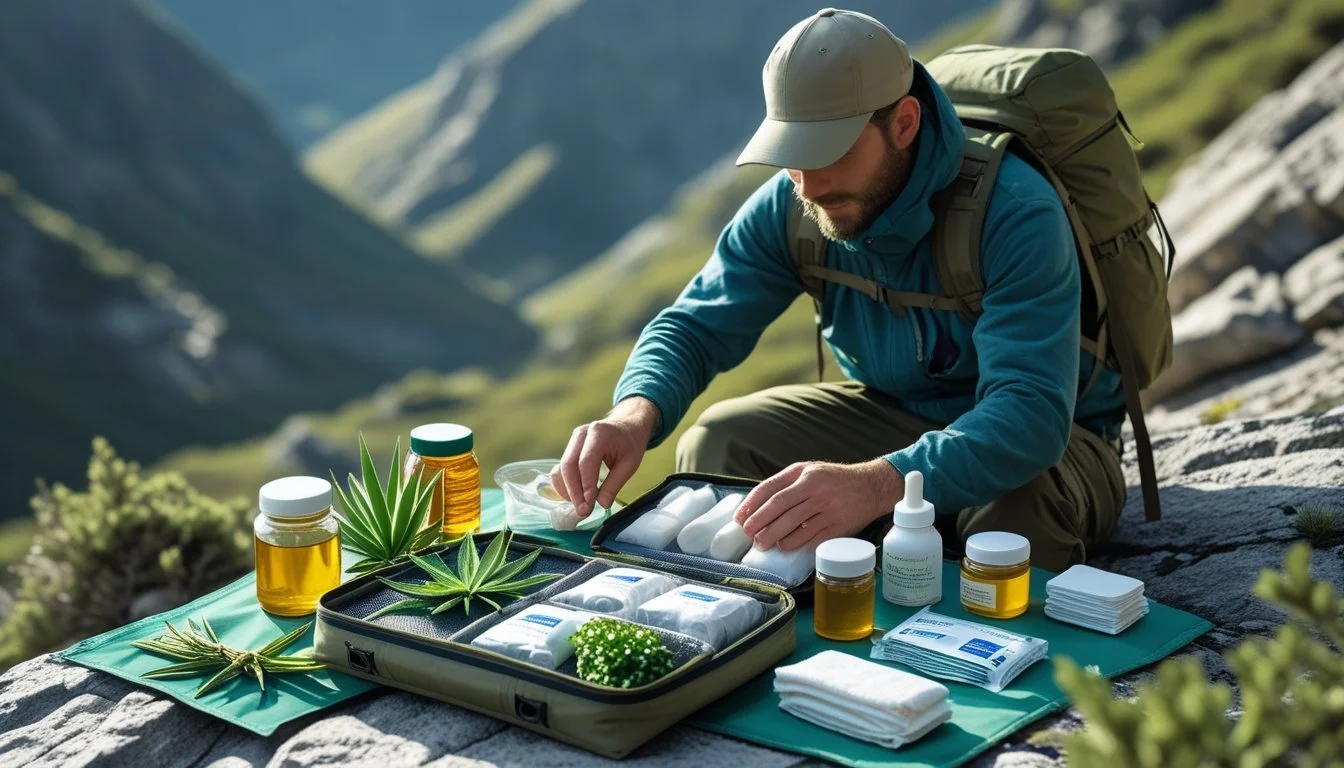
Travelers in remote areas must be prepared to address injuries, manage existing health conditions, and prevent common risks from the environment. The right planning helps ensure safer and healthier journeys, especially where medical help may be delayed.
First Aid Kit Components
A well-equipped first aid kit allows travelers to handle common injuries and ailments independently. Essential items include various dressings, bandages, sticking plasters (in multiple sizes), sterile gauze pads, adhesive tape, antiseptic wipes, and antibiotic ointment.
Additional supplies should include antihistamine tablets or cream, scissors, and tweezers for removing splinters or ticks. Personal medications and items specific to the traveler's medical history are vital.
For extended trips or greater isolation, consider adding sterile syringes, lancets, and prescribed oral antibiotics. It's practical to bring a basic guide to first aid procedures for reference as needed.
Replacing Prescription and Over-the-Counter Medication
Access to prescription and over-the-counter medication can be limited in remote areas. Travelers should calculate the duration of the trip and pack more than enough of any regular prescriptions, including common medicines like pain relievers, antihistamines, and antibiotics if prescribed in advance.
Refills may not be available. Bring original packaging and a copy of the prescription; this can help with customs or if a replacement is needed from a local clinic. Carrying a physician’s letter may prevent complications with authorities.
If a needed medicine is lost or runs out, consult local medical providers rather than buying unknown products from unregulated sources. Many countries have restrictions on certain drugs, so research local regulations before departure.
Protecting Against Insects and Sun
Exposure to insects and sun can lead to preventable illnesses and injury. Using insect repellent containing DEET or picaridin is recommended to prevent bites from mosquitoes, ticks, and other pests, reducing the risk of diseases such as malaria or Lyme disease.
Pack long-sleeved clothing, mosquito nets, and consider permethrin-treated fabrics for added protection. For sun safety, use a broad-spectrum sunscreen with SPF 30 or higher, and reapply regularly, especially after swimming or sweating.
Lightweight hats and sunglasses shield against sun exposure. Carry supplies to treat minor insect bites or mild sunburn, such as calamine lotion and after-sun care, within the first aid kit.
Adaptation Strategies for a Balanced Diet
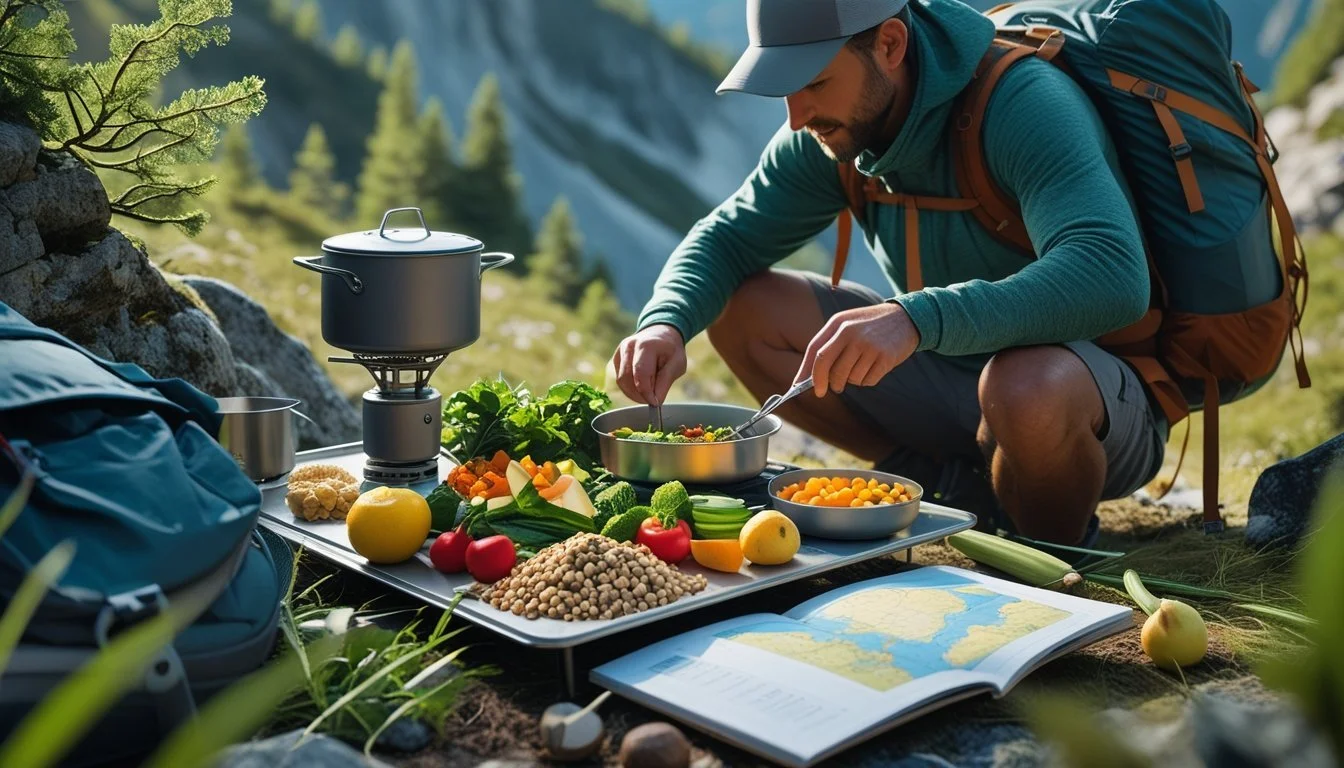
Remote travel can make accessing preferred foods difficult. Maintaining a balanced diet requires flexibility and a clear understanding of essential nutrients, plus effective substitution strategies for protein, fats, and carbohydrates.
Essential Nutrients in Limited Conditions
When options are few, prioritizing nutrient-dense foods helps ensure the intake of vitamins and minerals is not compromised. Dried fruits, nuts, seeds, and legumes pack nutrients into a small space, helping to meet daily needs for minerals and fiber.
Multivitamins can be a practical supplement but should not fully replace whole foods. Powdered greens or dried seaweed sheets offer compact sources of vitamins A, K, and iodine.
Wider variety is often absent, so it's important to maximize food value with limited selection. Proper hydration from safe water, and adding salt or oral rehydration solutions if sweating heavily, supports electrolyte balance.
Substituting for Protein, Fats, and Carbohydrates
Protein can be a challenge in remote areas. Portable sources include canned fish, jerky, beans, or shelf-stable tofu. Even peanut butter or mixed nuts provide a combination of protein and healthy fats.
Fats are crucial for energy and absorption of fat-soluble vitamins. Small packs of olive oil, coconut oil, or nut butter are compact and nonperishable options.
For carbohydrates, consider items like oats, rice, or dried pasta. These foods are lightweight and easy to prepare. Pairing them with beans or lentils increases their nutritional value.
When fresh produce is scarce, dried or powdered vegetables and fruits help fill the gap. Mixing these with grains or protein sources creates more complete, balanced meals.
Example Substitutions Table
Needed Nutrient Typical Sources Remote-Friendly Substitutes Protein Meat, eggs Legumes, canned fish, seeds Fat Butter, cheese Olive oil, nuts, shelf-stable spreads Carbohydrate Bread, potatoes Oats, rice, dried pasta
Managing Special Health Needs While Traveling

Individuals traveling to remote areas may face challenges related to altitude, food restrictions, and mental well-being. Proper preparation can prevent complications, ensure safe travel, and promote a more comfortable experience.
Altitude Sickness and Preventive Measures
Travelers to high elevations are at risk of altitude sickness, which can cause headaches, nausea, fatigue, and sleep disturbances. The risk increases with rapid ascents above 2,500 meters (8,200 feet).
Prevention includes:
Gradually ascending when possible.
Taking frequent rest days after every 600–900 meters gained.
Hydrating regularly and limiting alcohol and caffeine.
Considering acetazolamide (a prescription medication) as a preventive measure, after consulting a healthcare provider.
Recognizing symptoms promptly and descending if severe signs develop.
Preparation and knowledge of emergency contacts or evacuation procedures are essential.
Handling Food Allergies and Restrictions
Those with food allergies or dietary restrictions must be vigilant about ingredients and preparation methods, especially where labeling laws or cross-contamination standards differ. Language barriers may complicate communicating needs to local cooks or vendors.
Helpful strategies include:
Carrying translated dietary cards explaining allergies or restrictions.
Bringing backup snacks and safe food options.
Confirming preparation methods with staff and verifying unfamiliar foods.
Reading ingredient lists and discussing needs with chefs or guides can help avoid exposure and reduce health risks. Emergency medications like epinephrine auto-injectors should be accessible at all times.
Supporting Mental Health
Traveling in remote or unfamiliar environments can increase stress and anxiety. Lack of social support, language barriers, or unpredictable situations may further strain mental health.
Planning ahead is valuable.
Maintaining routines, such as regular sleep schedules or mindfulness exercises, can support mental stability.
Access to prescription medication, with adequate supplies and copies of prescriptions, is necessary for those managing mental health conditions.
Digital resources like meditation apps or regular check-ins with loved ones offer additional support.
Knowing how to reach mental health services before departure provides added security for travelers.
Emergency Preparedness in Remote Settings

Traveling in remote areas requires practical strategies for emergencies. Plans should cover how to contact help, reach medical professionals, and effectively handle urgent medical situations with the limited resources often available.
Emergency Contacts and Communication
Reliable communication is essential in remote regions, where cell coverage may be weak or non-existent. Travelers should research network coverage areas beforehand and consider carrying communication tools like satellite phones or personal locator beacons (PLBs). These tools can send distress signals and GPS coordinates to emergency services even when standard phones fail.
Maintain a physical list of emergency contacts, including local and national emergency numbers, embassy details, and nearby healthcare facilities. This list should be easily accessible and shared with any travel companions.
To improve coordination, travelers can use mobile apps that allow location sharing, or messaging apps that work over weak data signals. It’s also important to establish routine check-ins with a contact back home so someone is aware of the traveler's location and plans.
Accessing Healthcare Professionals
In remote areas, access to physicians or emergency medical technicians is often limited. Before departure, identify the nearest clinics or hospitals along the route and note their contact information and capabilities. Some regions offer telemedicine services, enabling travelers to consult healthcare professionals by phone or video, often through regional hotlines or specialized apps.
Carry a comprehensive first aid kit designed for remote conditions, containing wound care supplies, essential medications, antidiarrheals, and allergy treatments. A summary of personal medical history and a list of current medications should also be on hand.
When traveling with others, at least one person should have basic first aid and CPR training. Consider printing out or downloading visual first aid guides as references if professional help is out of reach.
Navigating Medical Emergencies
Situational awareness is critical when facing medical emergencies far from prompt care. Travelers should familiarize themselves with navigation tools such as maps, GPS units, or compass-based apps, as these can assist both in reaching medical help and in guiding rescue teams to their location.
If an emergency occurs, use the most effective available communication device to relay needed information: nature of the emergency, exact location (coordinates if possible), and the number of people affected. While awaiting assistance, begin basic first aid to stabilize the person’s condition and reduce risk of complications.
In areas far from hospitals, delays in care are common, and well-considered decisions—such as when to move an injured person or shelter in place—can make a significant difference. Travelers should prioritize keeping the patient safe, hydrated, and monitored until professional help arrives.
Sanitation and Food Safety Practices

Maintaining clean hands and ensuring proper food storage are critical for preventing illness and keeping meals safe in remote locations. Travelers need clear routines for hand hygiene and practical methods for protecting ingredients from contamination or spoilage.
Hand Hygiene and Sanitizer Use
Washing hands thoroughly with soap and clean water remains the most reliable way to reduce the risk of foodborne illness. In remote areas where water is scarce, using alcohol-based hand sanitizer (at least 60% alcohol) is essential, especially before handling food, after using the restroom, or touching communal surfaces.
Travelers should keep sanitizer accessible in cooking and eating areas. If hands are visibly dirty, they should first be wiped or rinsed to remove grime before applying sanitizer, as sanitizer is less effective on heavily soiled skin. Disposable wipes can help remove visible dirt when soap and water are unavailable.
Key times to prioritize hand cleaning include after handling raw foods, touching animals, and before eating. Good hand hygiene directly supports personal safety by lowering exposure to bacteria and viruses that may not be common in the local environment.
Storage Solutions in Remote Environments
Proper storage of ingredients reduces spoilage and the risk of food poisoning. In the absence of refrigeration, use coolers with ice packs, insulated bags, or store perishables in the coolest area available, such as shaded ground or a running stream in a sealed container.
Dry foods like grains and nuts should be kept in airtight containers to prevent moisture and insect intrusion. Perishable foods such as dairy, meat, or cooked items should be consumed quickly or avoided if storage is uncertain.
Keeping raw and cooked foods separate avoids cross-contamination. Always label containers with contents and date, using materials that protect from direct sun exposure. Careful storage choices can help maintain food quality and personal safety in challenging conditions.
Conclusion

Adaptability is key when ingredient substitutions become necessary in remote locations. Travelers benefit from planning ahead by packing versatile staples like dry beans, oats, canned proteins, and shelf-stable grains.
A simple table of common substitutions:
Original Ingredient Substitute Fresh Milk Powdered or UHT Milk Eggs Powdered Eggs, Flaxseed Fresh Veggies Dried or Canned Vegetables Fresh Meat Canned Meat, Lentils Butter Oil or Nut Butter
Using these substitutes allows meals to remain nutritious and enjoyable even with limited access to fresh products. Keeping a small kit of spices and multipurpose seasonings can also improve flavors and meal satisfaction.
Proper planning includes considering allergies or dietary needs. Travelers should review options for replacing ingredients like gluten or animal products based on individual requirements.
Choosing non-perishable items and compact substitutions makes meal preparation easier and waste minimal. This approach helps maintain energy, health, and comfort throughout remote travel experiences.

