
How to Replace Bulking Ingredients in Low-Cal Cooking
Healthier Alternatives and Simple Swaps
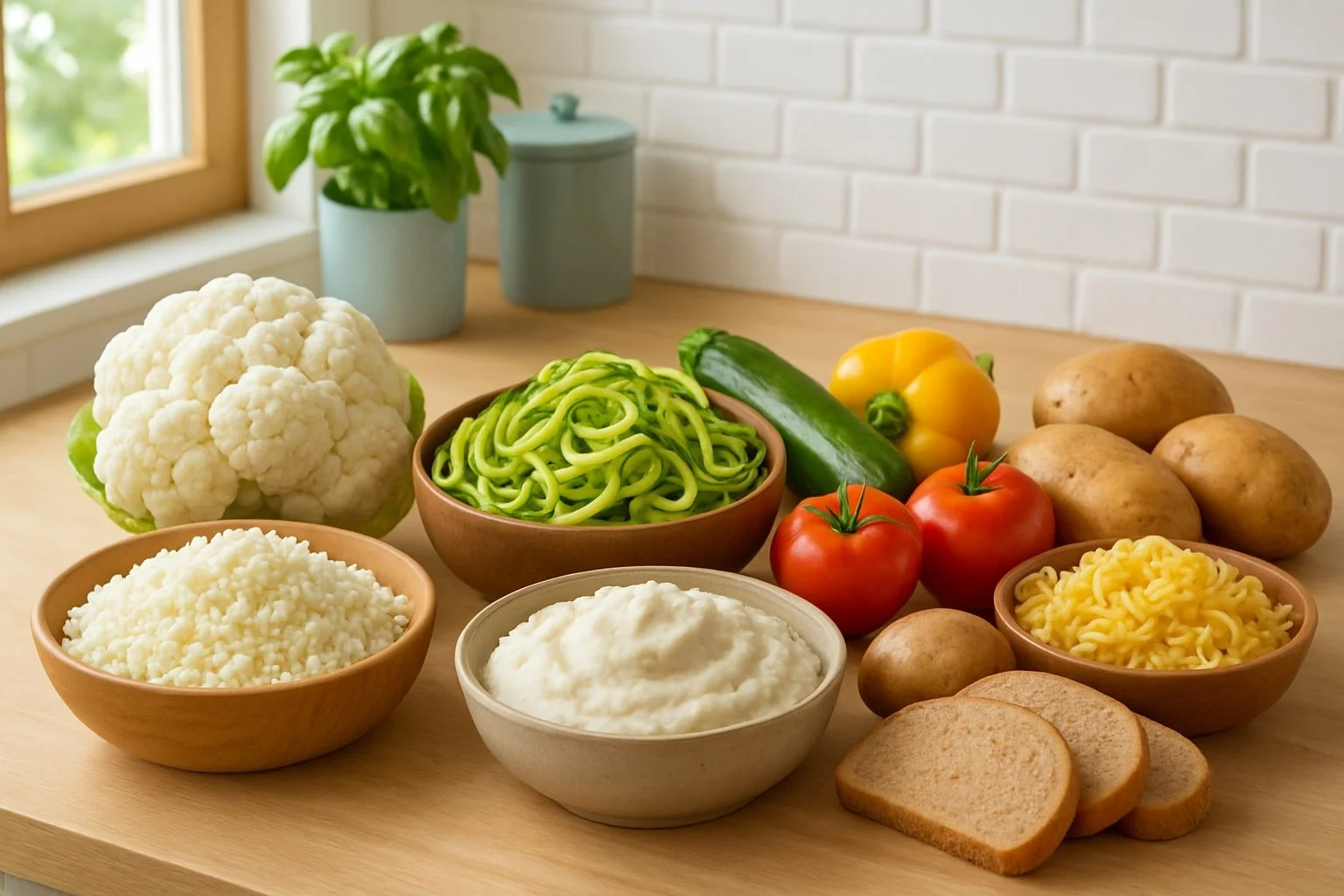
For anyone looking to eat lighter without sacrificing satisfaction, swapping out calorie-heavy bulking ingredients can make a noticeable difference. Choosing alternatives like zucchini noodles instead of pasta or cauliflower rice for white rice helps cut calories while keeping meals filling and flavorful. Simple changes such as using Greek yogurt instead of sour cream or opting for powdered peanut butter over the regular kind also lower calorie content without losing key textures and tastes.
These easy substitutions allow for enjoyable, hearty meals that support health goals. With a few straightforward swaps, anyone can create dishes that feel just as substantial as traditional recipes, but with far fewer calories.
Understanding Bulking Ingredients and Their Roles
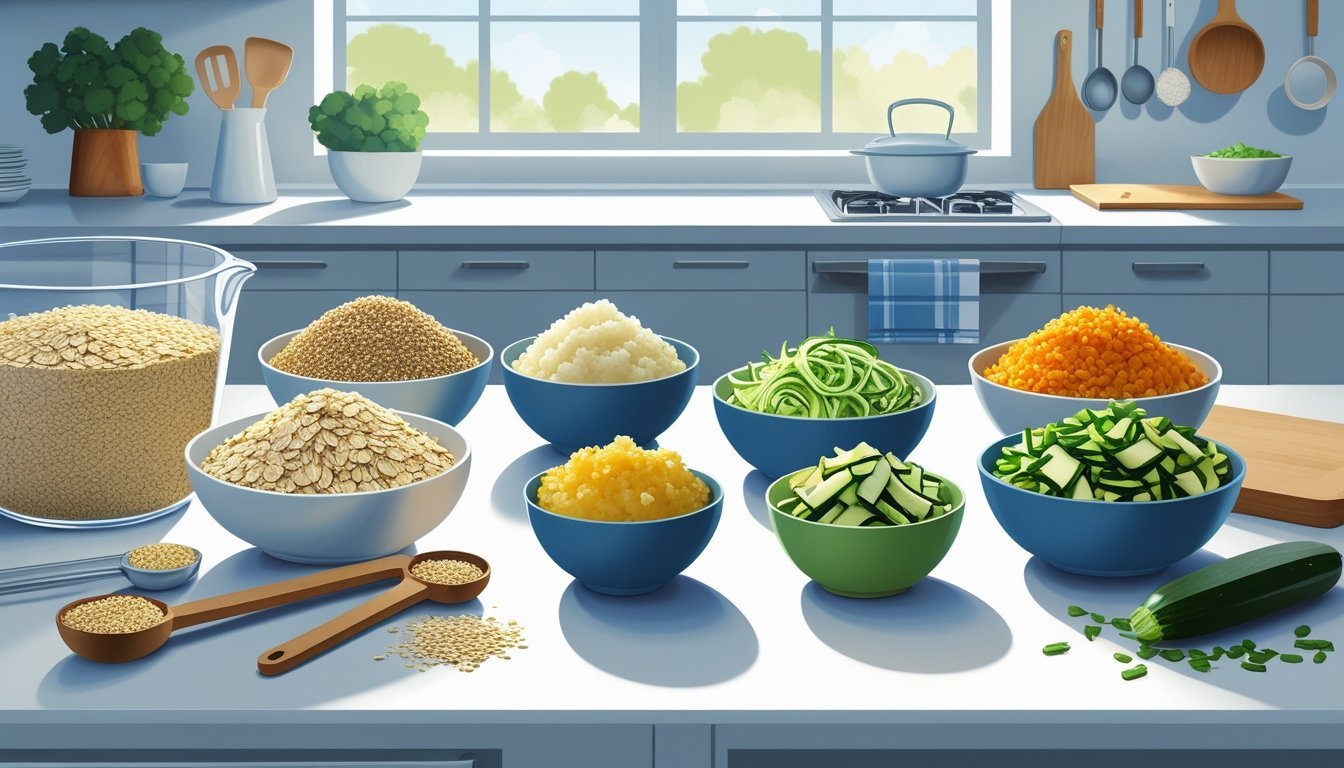
Bulking agents play a significant part in altering food volume, texture, and calorie density. They impact portion size, mouthfeel, and nutrition by adding bulk without always contributing extra energy.
What Are Bulking Agents in Cooking?
Bulking agents are components added to foods to increase volume or adjust texture while keeping calorie levels low. They are commonly used in processed foods, especially those marketed for weight control or fat loss.
Some examples include cellulose, gums, modified starches, and fibers. These ingredients help maintain a food’s structure and provide a satisfying portion size even after calorie reduction.
In baking and meal preparation, bulking agents prevent products from becoming too dense or small when primary ingredients such as sugar or flour are reduced. Their use is especially common in low-calorie, low-carbohydrate, and sugar-free recipes.
How Bulking Ingredients Affect Nutrition
The choice of bulking agent changes a food’s nutrient content. Many common bulking agents are sources of dietary fiber, which aids in satiety and digestive health. Adding fiber can also increase vitamin and mineral intake if unrefined forms are used.
Replacing high-calorie ingredients like sugar with low-calorie bulking agents helps reduce overall calorie intake. This change can support fat loss and help prevent obesity.
However, some bulking agents like refined grains and certain modified starches may be low in nutrients. It is important to select bulking agents that don’t displace essential nutrients from the diet, helping to maintain a balanced intake of carbohydrates, vitamins, and minerals.
Common Bulking Ingredients to Replace
Several traditional bulking ingredients may need replacement in low-calorie cooking. These typically include:
White flour and other refined grains
Table sugar
Syrups and other high-calorie sweeteners
Some processed starches
To maintain food structure and palatability, alternatives such as oat fiber, psyllium husk, xanthan gum, pectin, and inulin are often used. The table below illustrates possible swaps:
Bulk Ingredient Lower-Calorie Alternative White flour Oat fiber, psyllium husk Table sugar Erythritol + inulin Cornstarch Xanthan gum, guar gum
Adapting recipes with these substitutes helps maintain texture, support weight loss efforts, and keep meals rich in fiber and nutrients.
Key Strategies for Low-Calorie Ingredient Swaps
Reducing calorie intake without losing meal satisfaction is possible by making practical swaps and focusing on foods that help maintain fullness. Effective ingredient substitutions can support healthy cooking, weight loss, and nutritionally balanced meals.
Identifying High-Calorie Bulking Ingredients
Many classic recipes rely on ingredients like white flour, full-fat dairy, processed bread crumbs, and cooking oils for bulk and texture. These bulking agents can significantly increase overall calorie intake and add unnecessary fats or sugars.
Pay attention to foods such as heavy cream, butter, and sweetened yogurt in sauces and baked goods. Processed grains and starches like white rice and pasta, or even large amounts of cheese in casseroles and sandwiches, are common sources of hidden calories.
Scanning nutrition labels or tracking components in favorite meals can help pinpoint the most calorie-dense bulking ingredients. This step makes it easier to select targeted, impactful swaps.
Choosing Effective Low-Calorie Alternatives
Low-calorie swaps should match the original ingredient in texture and function where possible. For flour in baking, swapping part or all with nut flours mixed with whole wheat flour can reduce calories while retaining structure. Using mashed cauliflower or riced vegetables as a base for crusts, pizza, or rice dishes decreases calories and increases nutrients.
Substitute full-fat dairy with skim milk, Greek yogurt, or light cottage cheese. Replace mayonnaise or butter in sandwiches with hummus, which is lower in calories and higher in fiber. For bread crumbs, try using crushed puffed brown rice, oats, or blended whole grain cereals.
Table: Sample Low-Calorie Swaps
High-Calorie Ingredient Low-Calorie Alternative White flour Nut flour + whole wheat flour White rice Riced cauliflower or broccoli Heavy cream Nonfat Greek yogurt or milk Bread crumbs Oats or puffed rice Butter in baking Unsweetened applesauce or yogurt
The Role of Fiber and Protein in Satiety
Fiber and protein both increase feelings of fullness, which is critical when cutting calories. Lean proteins like chicken breast, turkey, tofu, and fish add bulk to meals with fewer calories per gram compared to many carbohydrates and fats.
Fiber-rich foods—such as legumes, vegetables, and whole grains—slow digestion and regulate blood sugar. Adding beans or lentils to soups and stews, or topping salads with seeds and roasted chickpeas, delivers lasting satiety.
Combining these nutrient-dense options allows for larger meal portions without extra calories. Including multiple fiber and protein sources helps manage hunger, making it easier to lose weight and avoid the sense of deprivation that often comes with dieting.
Vegetable-Based Substitutes for Popular Bulking Agents
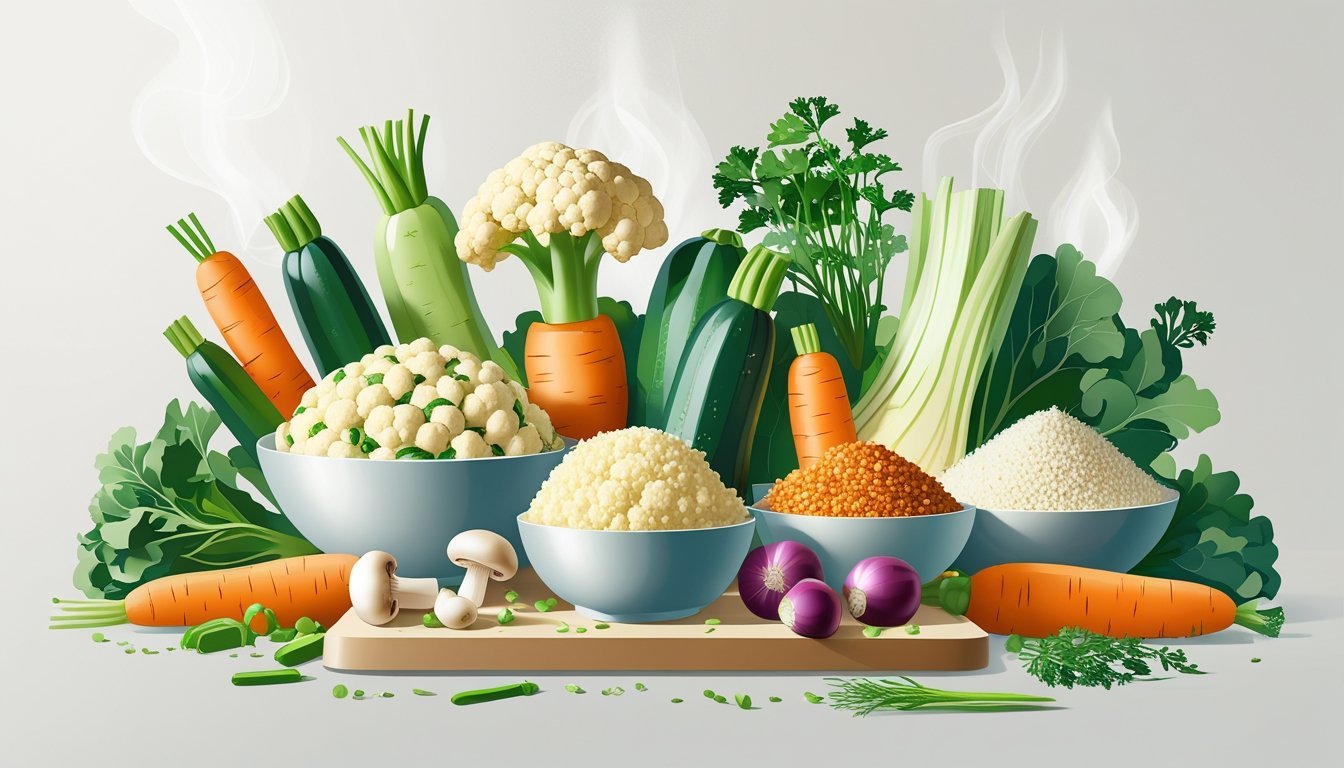
Vegetable-based substitutes can provide bulk, texture, and structure to dishes while reducing calories and increasing nutrient content. Many vegetables serve as practical alternatives to traditional carb-heavy bulking ingredients, making low-calorie cooking more accessible and satisfying.
Replacing White Rice and Pasta
Riced cauliflower stands out as a reliable substitute for white rice. It offers a mild flavor and takes on seasonings well, making it suitable for stir-fries, curry bases, and bowls. Simply pulse raw cauliflower florets in a food processor, then sauté for several minutes to achieve a tender, rice-like texture.
For pasta, zucchini noodles (“zoodles”) and spaghetti squash offer similar shapes and bite. Zucchini can be spiralized and briefly sautéed to remain firm. Spaghetti squash, when roasted and scraped with a fork, naturally separates into strands and pairs well with tomato or pesto sauces.
Quinoa is another gluten-free, plant-based option. Although it is technically a seed, it mimics the bulk and structure of rice while adding protein and fiber, supporting balanced, low-calorie meals.
Swapping Out Mashed Potatoes
Mashed cauliflower is the most well-known alternative to mashed potatoes. Steamed or boiled cauliflower, when blended, achieves a creamy consistency with fewer calories and carbohydrates. Flavor can be enhanced with roasted garlic, herbs, or a small amount of reduced-fat cheese.
Some root vegetables, such as turnips and rutabagas, blend well into smooth mashes. They contain fewer calories than potatoes and offer unique flavors and extra vitamins. Mixing a little bit of carrot or parsnip can add color and a touch of natural sweetness to the dish.
For an even lighter option, combining cauliflower with a small portion of potato reduces starch while retaining some traditional taste and texture.
Alternative Options for Bread and Pizza Crusts
Cauliflower is commonly used as the base for low-calorie pizza crusts. When pulsed and combined with egg and seasoning, it creates a dough-like texture that crisps up during baking. This method reduces carbohydrates and increases fiber in each slice.
For bread alternatives, lettuce wraps replace sandwich bread, providing structure without added grains. Large leaves of iceberg, romaine, or butter lettuce can hold fillings for handheld meals and snacks.
There are also gluten-free crusts using root vegetables like sweet potato or incorporating zucchini. Thinly sliced zucchini rounds can serve as mini pizzas or open-faced appetizer bases, lowering both calories and refined grains found in traditional bread.
Dairy and Cream Replacements in Low-Calorie Cooking
Low-calorie cooking often means finding alternatives to traditional high-fat dairy. Ingredient swaps like Greek yogurt, nonfat cottage cheese, and plant-based milks can offer similar textures and flavors with fewer calories and less fat.
Switching Out Heavy Cream and Sour Cream
Heavy cream and sour cream add richness, but are high in calories and saturated fat. Replacing heavy cream with plain Greek yogurt or a blend of Greek yogurt and skimmed milk provides creaminess with less fat and more protein.
For savory sauces and soups, low-fat cream cheese or pureed nonfat cottage cheese can mimic the consistency of cream. In baking, unsweetened soy milk or almond milk with a little cornstarch thickens well when heated, making a suitable alternative in recipes that call for dairy cream.
Sour cream can be swapped for plain nonfat Greek yogurt in dips, dressings, and toppings. This maintains tang while boosting protein and reducing calories.
Traditional Lower-Cal Substitute Notes Heavy Cream Greek yogurt + skim milk Best for sauces Sour Cream Nonfat Greek yogurt Good for dips/toppings Cream in soups Nonfat cottage cheese Puree for smoothness
Healthier Options for Cream Cheese and Mayonnaise
Regular cream cheese is dense in calories. Nonfat or reduced-fat cream cheese can replace it in spreads or baking. Blended cottage cheese is another substitute—it is lower in fat and blends smoothly for dips and frostings.
Mayonnaise is high in both fat and calories. Substitute half or all of the mayo in recipes with plain Greek yogurt. This works well in coleslaw, potato salad, and sandwich spreads. For egg-free or vegan needs, look for light vegan mayonnaise or use mashed avocado as a creamy, plant-based option.
In cheesecake and creamy sauces, combining low-fat cream cheese with Greek yogurt yields a balance of texture and flavor with a lighter nutrient profile.
Improving Texture With Non-Dairy Swaps
Non-dairy milks such as soy milk offer a protein content that allows them to thicken well in heated recipes. Unsweetened versions of almond or coconut milk add a subtle flavor and work best in both sweet and savory dishes.
For vegan and dairy-sensitive diets, silken tofu can be pureed until smooth and used as a cream or light cream substitute. Its neutral taste and creamy texture make it versatile in soups, sauces, and even desserts.
Pureed nonfat cottage cheese and blended cashews are two more options that can create body and richness without the extra calories of traditional cream. These non-dairy swaps suit many dietary needs and still enhance mouthfeel.
Boosting Nutrition With Protein and Legume Alternatives
Low-calorie cooking often requires swapping traditional bulking ingredients for more nutrient-dense options. Selecting appropriate protein sources and legumes can help maintain satiety, enrich nutrient intake, and support healthy eating habits.
Adding Lean Proteins to Increase Satiety
Lean proteins such as chicken breasts, egg whites, and ground turkey deliver high protein content with minimal calories and fat. Including these choices not only helps preserve muscle mass during calorie reduction but also promotes a sense of fullness, reducing the risk of hunger between meals.
Chicken breast is versatile—grilled, baked, or diced into salads and stir-fries. Turkey bacon and ground turkey offer alternatives that contain less saturated fat than pork. Egg whites provide nearly pure protein, making them ideal for omelets or as a mix-in to other dishes for an extra protein punch.
A comparison of lean protein options:
Food Protein (per 100g) Fat (per 100g) Calories (per 100g) Chicken Breast 31g 3.6g 165 Egg Whites 11g 0.2g 52 Ground Turkey 27g 8g 150 Turkey Bacon 20g 3g 125
Choosing these proteins lets cooks build volume and nutrition into dishes without excess calories.
Using Beans and Lentils for Extra Bulk
Legumes such as chickpeas, black beans, and lentils are rich sources of protein, fiber, and essential minerals. They add density to soups, salads, and casseroles, resulting in meals that are both filling and nutritious.
A cup of cooked lentils provides about 18 grams of protein, while black beans and chickpeas offer similar levels. Beyond their macronutrient content, they deliver beneficial fiber, promoting digestive health and slowing carbohydrate absorption. This aids in managing hunger and stabilizing blood sugar.
Some practical ways to incorporate legumes include:
Tossing roasted chickpeas onto salads for crunch
Mixing black beans into chili or grain bowls
Using hummus as a dip or spread for added protein and healthy fats
These swaps can be cost-effective and contribute to a balanced diet in low-calorie recipes.
Egg Whites and Plant-Based Protein Choices
Egg whites are valued for their high protein and virtually fat-free profile. They can be incorporated into scrambles, baked goods, or as a binding agent without adding cholesterol or extra calories. For those reducing animal products, plant-based proteins are an effective substitute.
Plant-based choices like tofu, tempeh, and edamame provide complete protein while introducing variety. Pulses and legumes deliver a range of amino acids, making dishes more satisfying and nutritious.
Nuts and seeds, such as chia or flaxseed, supply protein along with omega-3 fatty acids and healthy fats. Sprinkling them on yogurt or stirring them into smoothies helps boost nutritional value. These alternatives accommodate vegetarian and vegan preferences while ensuring protein needs are met.
Making Low-Calorie Swaps in Baking
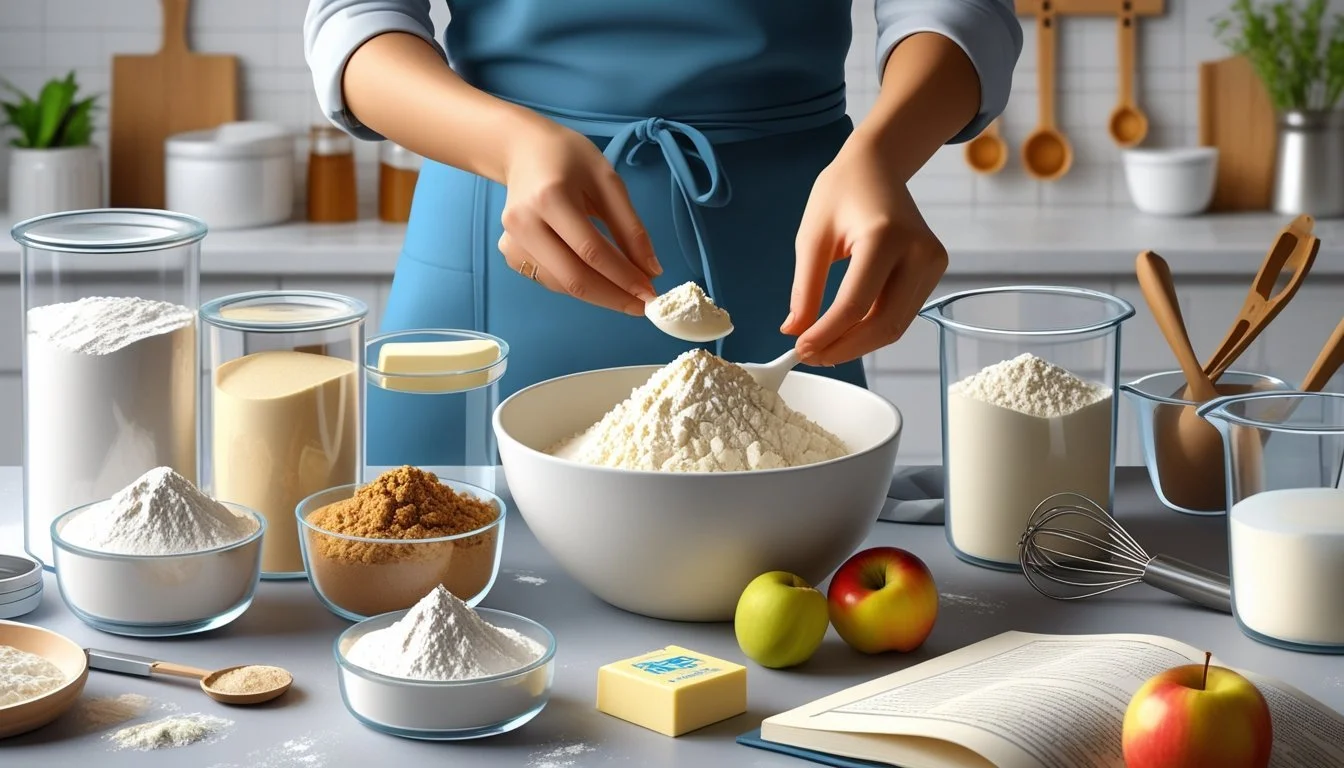
Low-calorie baking strategies often involve substituting high-calorie bulking ingredients with healthier, lower-calorie alternatives. These swaps can help reduce fat, calories, and sugar while maintaining good texture and flavor.
Replacing Flour and Breadcrumbs
Traditional all-purpose flour can be replaced with whole grain flours, like whole wheat or oat flour, to boost fiber and add nutrients. Using oatmeal, either ground or whole, is another option that offers a chewy texture and supports better blood sugar control.
Breadcrumbs in recipes like meatloaf or coatings can be swapped for ground oats, crushed whole grain cereal, or even finely chopped nuts. These alternatives not only lower calories but also add more vitamins and minerals. Flaxseed meal also works as a bulking agent with added omega-3s and fiber.
For gluten-free needs, almond flour or coconut flour can be used, although they may require recipe adjustments due to their absorbency and texture differences. Choosing bulking agents from whole grains over refined products is a central low-calorie baking method.
Substituting Sugar With Natural Alternatives
Refined sugar is often replaced with natural sugar substitutes to decrease calorie content. Stevia, monk fruit, and erythritol are common zero-calorie sweeteners that blend well into baked goods without the aftertaste of some artificial substitutes.
Natural sugars such as honey, maple syrup, and mashed fruits provide sweetness along with small amounts of vitamins and minerals. When using liquid sweeteners, the recipe's liquid content might need adjustment to balance the batter's consistency.
Some bakers opt for less processed sugars like coconut sugar, which has a lower glycemic index but similar calorie content. Often, reducing overall sugar by 25-50% and increasing the use of spices like cinnamon or vanilla can enhance sweetness perception without extra calories.
Incorporating Fruits and Oats
Fruits such as apples, bananas, and oranges can replace both sugar and some fats in baking. Mashed bananas or unsweetened applesauce maintain moisture and sweetness, reducing the need for oil or sugar. Orange zest can brighten recipes without adding significant calories.
Oats, whether used whole or as oat flour, act as a bulking agent and improve the nutrition profile with added fiber and complex carbohydrates. They also support satiety and a tender crumb in muffins, cookies, and bars.
Using fruits and oats not only cuts calories but introduces vitamins, antioxidants, and a satisfying flavor. For best results, fresh fruit should be finely chopped or pureed to distribute evenly in batters, ensuring even baking and taste in every bite.
Flavor Enhancers Without the Calories
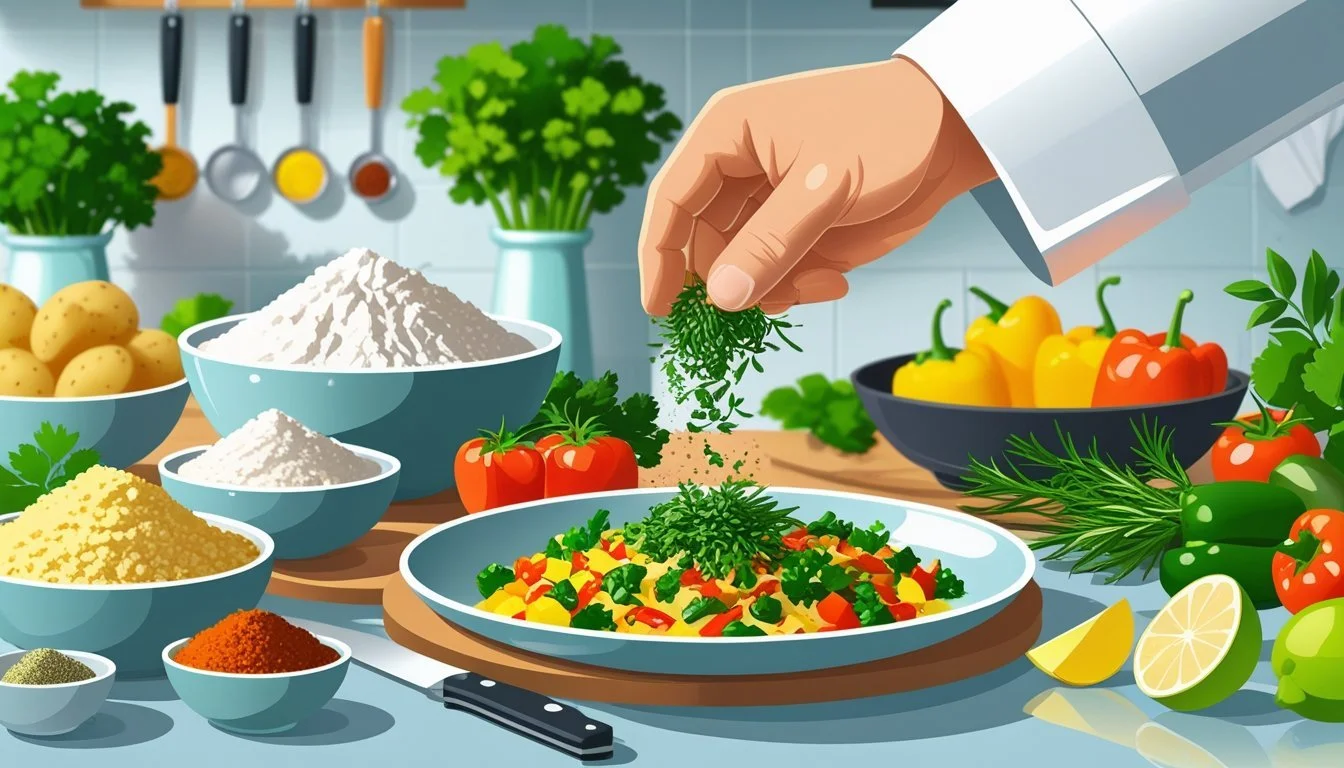
Enhancing flavor doesn’t require adding sugars, fats, or other bulking agents high in calories. Many methods and ingredients are naturally low in calories and can boost taste while supporting healthy, satisfying meals.
Using Herbs, Spices, and Vegetables
Herbs like parsley, cilantro, basil, and dill add freshness and complexity without extra calories. Spices such as black pepper, paprika, cumin, and turmeric enhance aroma and depth, making meals more interesting. Garlic, known for its strong and savory flavor, can transform the taste of vegetables, grains, and proteins with almost no calories.
Colorful vegetables like bell peppers, onions, and tomatoes not only contribute flavor but also valuable nutrients, such as vitamin C and vitamin K. Chopping or mincing vegetables and mixing them into salads, soups, and stir-fries creates layers of taste while keeping calorie counts low. A small amount of mustard can bring a tangy, sharp note to dressings and marinades.
Low-Calorie Sauces and Condiments
Low-calorie sauces and condiments are essential for adding taste when traditional, calorie-dense options are reduced. Mustard, vinegar (such as balsamic or apple cider), and hot sauces contain minimal calories but can dramatically change the profile of a dish.
Salsa, made primarily from tomatoes, onions, and peppers, is another low-calorie option that adds freshness and spice. Soy sauce is flavorful but can be high in sodium, so look for reduced-sodium versions for heart health. Cooking sprays, unlike traditional oils, provide a thin coating for roasting or grilling with a fraction of the calories.
Healthy Cooking Techniques for Extra Taste
Cooking techniques play a big role in flavor without adding significant calories. Steaming helps vegetables retain their nutrients, including vitamin C and vitamin K, while keeping them vibrant and crisp. Roasting at high temperatures caramelizes the natural sugars in vegetables, bringing out sweetness and richness.
Stir-frying uses minimal oil—especially when cooking spray is used—in a hot pan to create browned, flavorful dishes quickly. Grilling imparts smoky flavors to meats, fish, and vegetables, making even basic ingredients taste more robust. Each method can be combined with herbs, spices, or garlic for maximum effect without calorie overload.
Snack and Meal Planning Using Low-Calorie Alternatives
Choosing low-calorie ingredients makes it easier to maintain a balanced diet and manage calorie intake. Smart swaps for meals and snacks can help support fullness and nutrition while keeping flavors satisfying.
Quick Swaps for Everyday Snacks
Replacing high-calorie snacks with healthier options helps reduce excess calorie intake. Instead of chips, people can choose rice cakes topped with cottage cheese or nut butter for crunch and protein. Fresh fruit, such as sliced apples or grapes, offers natural sweetness and fiber.
Healthy Snack Alternatives Table
High-Calorie Snack Lower-Calorie Option Potato chips Rice cakes or air-popped popcorn Candy Fresh fruit (berries, oranges) Cheese and crackers Veggie sticks with hummus
Yogurt with sliced fruit provides flavor without the added sugars often found in desserts. For more protein, low-fat Greek yogurt or hard-boiled eggs are effective, filling choices.
Creative Low-Calorie Meal Ideas
Low-calorie meals can be creative and satisfying. Omelets made with extra vegetables and egg whites pack protein and fiber, keeping portions light. Cauliflower rice is a proven replacement for white rice, cutting calories and adding micronutrients.
Lettuce wraps, instead of sandwiches with bread, can save significant carbohydrates and calories. Roasted vegetables can replace fries or heavy sides, while grilled lean proteins like chicken breast or tofu provide balance without excess fat.
Zoodles (zucchini noodles), spiralized into pasta substitutes, allow for familiar meals with far fewer calories. Trying these swaps regularly helps build a varied and healthy eating routine.
Balancing Meals for Health and Fullness
A balanced meal keeps hunger in check and supports health. Combining lean proteins, vegetables, whole grains, and fruits provides steady energy and nutrients. Fresh fruit can be served as a side or dessert to increase fiber.
Large portions of vegetables add bulk to meals, giving a sense of fullness without a high calorie count. Swapping refined grains for whole ones—such as brown rice, quinoa, or whole wheat bread—offers longer-lasting satiety.
Balanced Meal Example:
Grilled chicken breast
Steamed broccoli
Quinoa
Sliced fresh fruit
Incorporating these components regularly makes it easier to maintain a nutritious and calorie-conscious diet.
Health Benefits of Replacing Bulking Ingredients
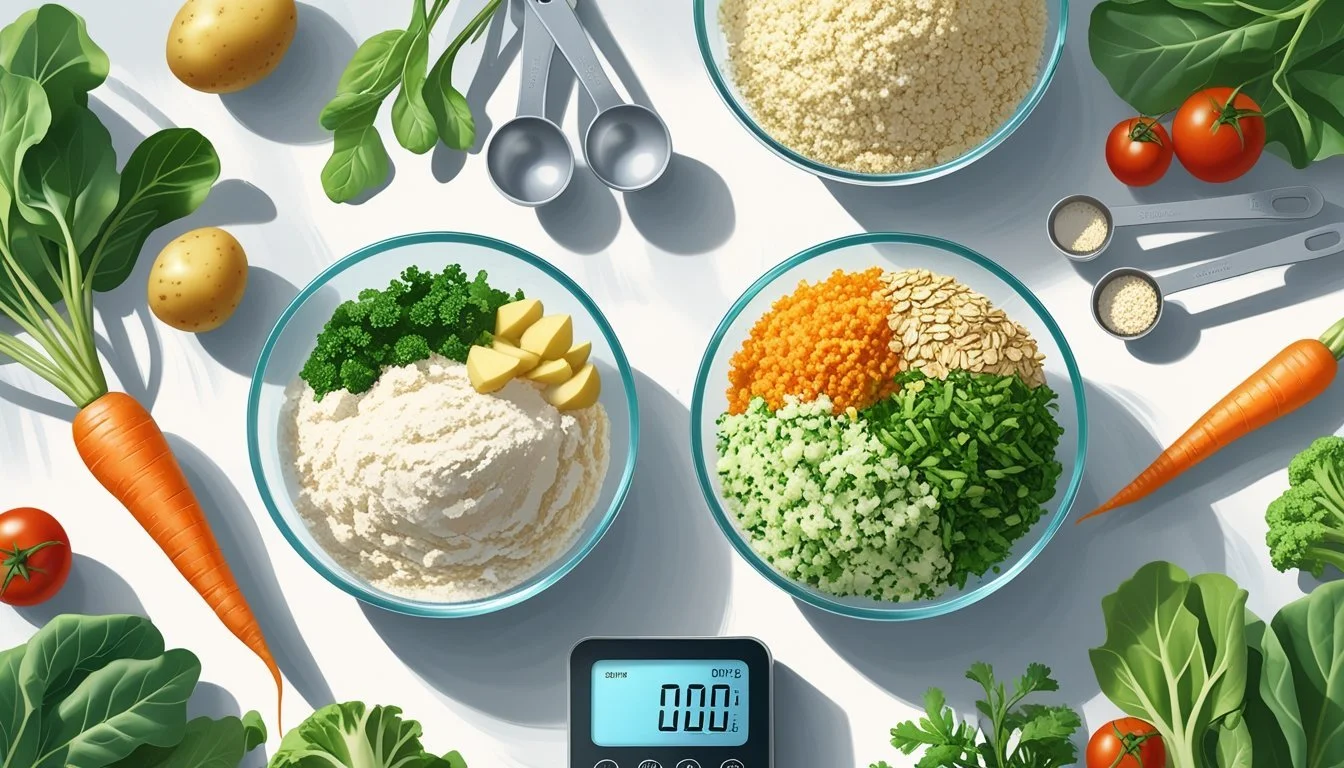
Choosing different bulking ingredients in cooking can lower calorie intake and improve the nutritional profile of meals. Many alternatives offer benefits that extend beyond calorie control, affecting long-term health and well-being.
Supporting Weight Loss and Fat Reduction
Replacing traditional high-calorie bulking agents, such as sugar and refined flour, with lower-calorie options can help individuals reduce their daily energy intake. Ingredients like dietary fiber, polyols, and certain natural sweeteners provide bulk but contribute fewer calories. This helps create satiety during meals while supporting calorie deficits needed for weight loss.
They also reduce spikes in blood sugar, which may help prevent cravings and overeating. Switching from saturated fats to healthy fats—such as using avocado or olive oil instead of butter—reduces calorie density and supports heart health. These choices often provide higher levels of essential nutrients, supporting metabolic health and making weight management more sustainable.
Reducing Disease Risk With New Cooking Habits
Using healthier bulking ingredients can lower the risk of chronic diseases, including heart disease, obesity, and certain cancers. Reducing added sugars and saturated fats in recipes decreases factors linked to heart problems and unhealthy weight gain.
Replacing sugars with alternatives like oligosaccharides, fibers, or polyols may also improve gut health and blood lipid profiles. Improved nutrient density from these changes increases antioxidant intake and may help reduce inflammation. By focusing on nutrient-rich ingredients, people can protect against metabolic disorders and better regulate cholesterol and blood pressure.

