
Substituting for Foam, Emulsion, and Aerated Textures
Effective Alternatives for Modern Recipes
Home cooks and professionals alike may need to substitute for foam, emulsion, or aerated textures due to dietary needs, ingredient availability, or health concerns. Achieving similar lightness or mouthfeel is possible by using alternatives such as xanthan gum and other modern thickeners, or by experimenting with different aerating techniques.
Foams and emulsions are created by introducing air or combining liquids with stabilizers or emulsifiers. When direct substitution is necessary, ingredients like aquafaba, agar, or certain oleogels can provide similar properties in both sweet and savory dishes. These replacements can help maintain texture without relying on traditional whipped creams, eggs, or dairy.
Substituting successfully often requires some trial and error to reach the desired result. Understanding the roles that foams, emulsions, and aerated ingredients play in recipes helps in choosing the right alternative for both stability and taste.
Understanding Foam, Emulsion, and Aerated Textures
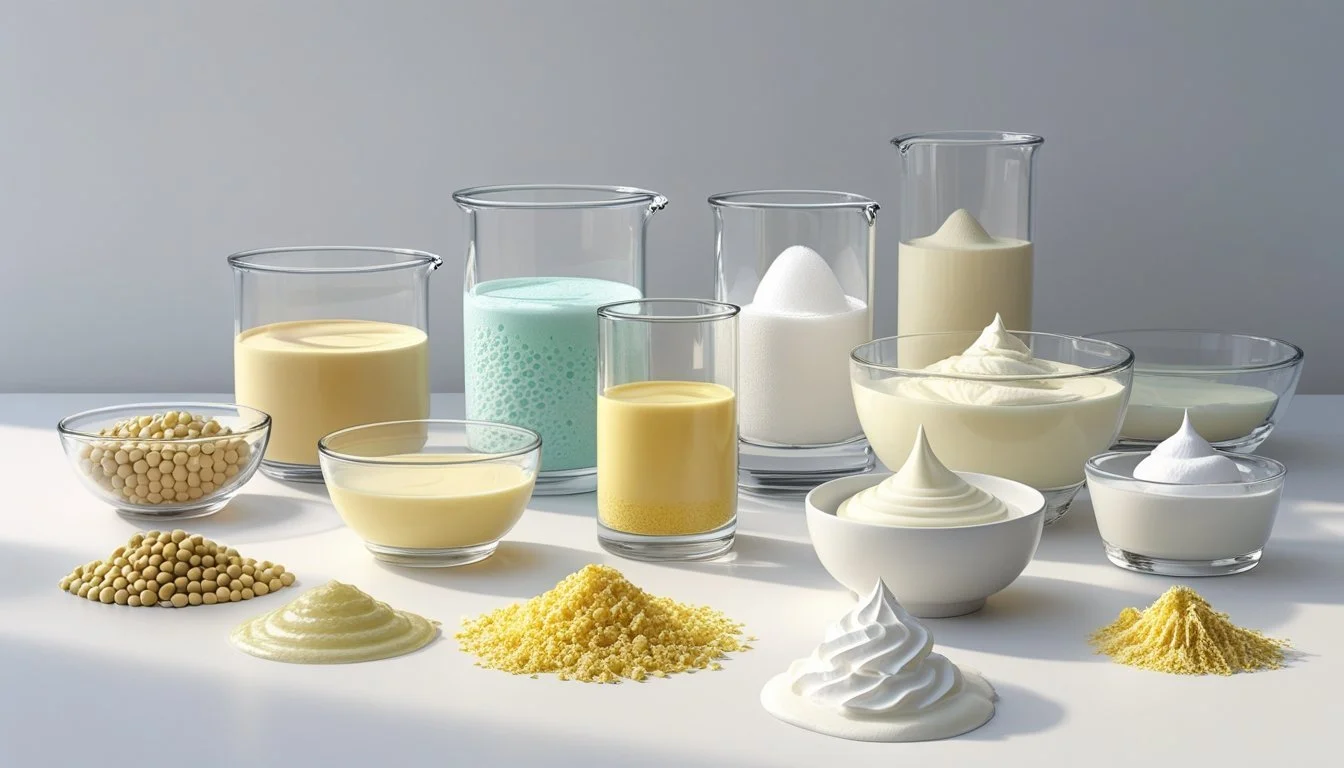
Foam, emulsion, and aerated textures play a crucial role in the sensory qualities of many foods. Their structure, stability, and function often depend on unique physical and chemical mechanisms that influence mouthfeel and appearance.
Defining Food Textures
Food texture refers to the physical feel of a food product, influenced by its structure and composition. Foams, emulsions, and aerated foods are defined by how air, water, and oil phases interact.
Foam textures contain dispersed air cells, resulting in lightness and volume.
Emulsion textures feature a stabilized mixture of oil and water, as seen in mayonnaise or vinaigrettes.
Aerated textures typically involve controlled air incorporation for sponginess or creaminess.
Texture affects consumer perception and is closely linked to product quality and acceptability.
The Science of Foaming
Foaming involves the dispersion of gas, commonly air, in a liquid or semi-solid matrix via whisking, siphoning, or chemical reactions. Stability is achieved when surface-active agents, like proteins or surfactants, reduce surface tension.
Key properties of foams:
Attribute Impact on Food Texture Air incorporation Increases lightness and volume Bubble stability Prevents collapse or separation Foam density Affects mouthfeel and appearance
Proteins and hydrocolloids are widely used for their foaming properties. In food, common foams include whipped cream and meringues.
Emulsion Fundamentals
An emulsion is a mixture where one liquid is dispersed in another with which it is immiscible, such as oil drops in water. Emulsifying agents, like lecithin in egg yolk, help stabilize these mixtures by reducing interfacial tension and preventing phase separation.
Functional properties important for emulsification include particle size distribution and droplet stability. Many sauces, dressings, and dairy products rely on stable emulsions for their creamy or smooth texture.
Imperfect emulsification can cause coalescence, where droplets merge, leading to textural defects and product instability.
Aeration in Culinary Applications
Aeration is the process of deliberate air incorporation to modify texture, affecting structure and mouthfeel. Achieving desired aeration depends on both the method and the ingredients used. Mechanical beating, whipping, and chemical leavening (such as baking powder) are common aerating methods.
Aerated structures—like mousses, whipped oleogels, and sponge cakes—rely on stable air cells distributed throughout the matrix. The presence, size, and distribution of these air cells are key to achieving the target texture.
In addition to volume, aeration impacts product stability. Ingredients such as proteins, hydrocolloids, or mono- and diglycerides can help stabilize air bubbles over time, reducing collapse and maintaining desired texture.
Common Ingredients in Texture Creation
Texture modification relies on a balance of specialized ingredients. Selecting the right component can influence stability, mouthfeel, and performance in foams, emulsions, or aerated systems.
Role of Hydrocolloids
Hydrocolloids are a versatile group of substances that modify food texture by trapping water and forming gel-like or viscous structures. Common hydrocolloids include xanthan gum, guar gum, agar, gellan gum, carrageenan, and pectin. Each brings unique properties—xanthan gum, for example, thickens liquids without adding flavor, while agar can create firm, heat-stable gels ideal for hot or cold preparations.
Sodium alginate enables spherification and forms elastic gels when combined with calcium ions. Methyl cellulose stands out for its ability to gel upon heating, making it useful for stabilizing hot foams. Locust bean gum and gum arabic are used for thickening and improving mouthfeel. Hydrocolloids are often mixed for synergistic effects or to achieve specific textures.
Emulsifiers in Food
Emulsifiers are additives that help oil and water mix by reducing surface tension, creating stable emulsions. Lecithin, sourced from soy or egg, is one of the most widely used emulsifiers in culinary applications, especially for making foams and emulsions such as hollandaise or mayonnaise.
Some recipes use mono- and diglycerides to stabilize fat and water mixtures in whipped toppings and certain desserts. Microcrystalline cellulose can disperse oil droplets, enhancing emulsion stability and texture. Emulsifiers may be combined with hydrocolloids when added structure or viscosity is desired, optimizing texture and shelf life. Their primary benefits include preventing separation and enhancing smoothness.
Stabilizers and Gelling Agents
Stabilizers and gelling agents work to maintain the consistency and integrity of foams, emulsions, and other aerated textures. Gelatin, while not a hydrocolloid, is a classic gelling agent that sets liquids into elastic gels suited for aerated mousses and whipped cream.
Plant-based alternatives like agar, carrageenan, pectin, and gellan gum offer a range of setting strengths and textures, from brittle to elastic. These agents prevent collapse by forming networks that trap air or fat droplets. Methyl cellulose and sodium alginate are valued for their unique thermal or setting properties, expanding options for both vegan and conventional preparations. The careful selection of a stabilizer ensures reliable, repeatable results in creating novel food textures.
Reasons for Substituting Traditional Foams, Emulsions, and Aerated Textures
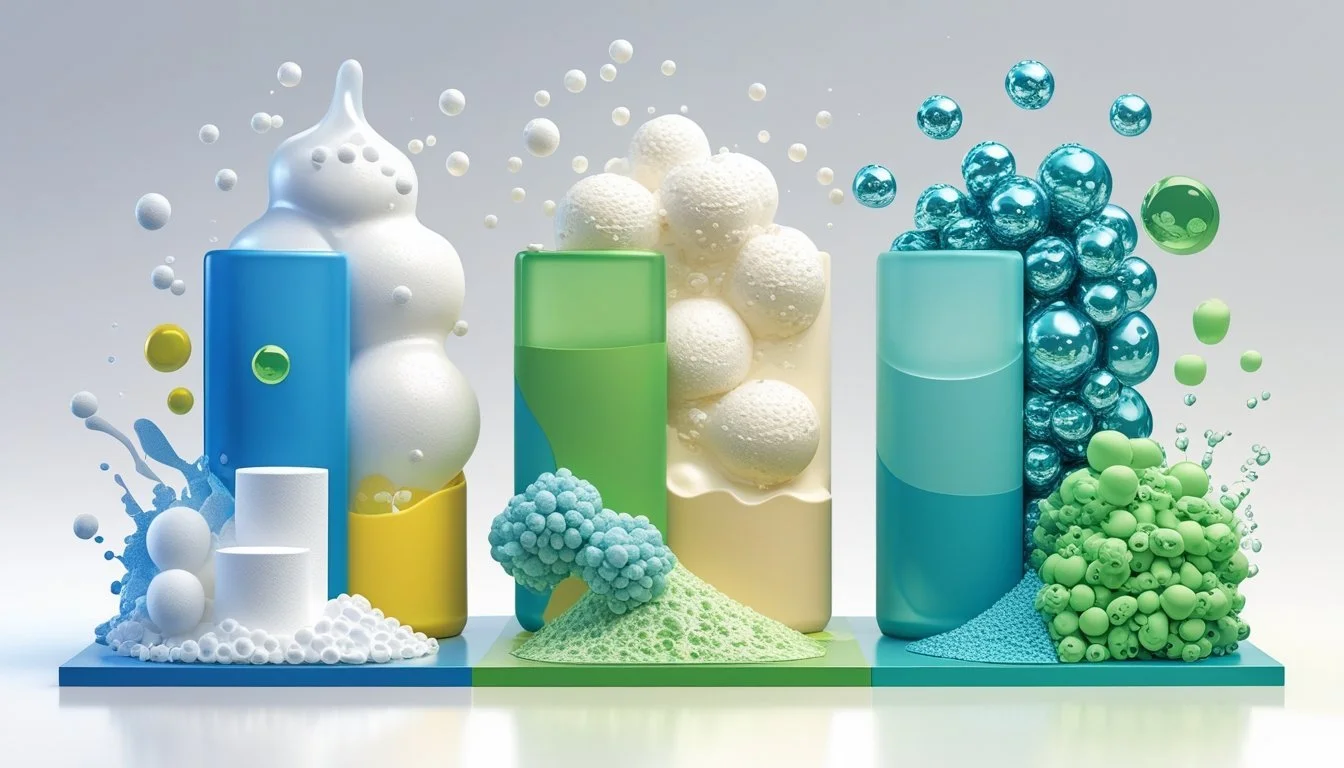
Food manufacturers and chefs often face challenges that make traditional foams, emulsions, and aerated textures less practical or desirable. Alternatives allow them to better tailor products for specific needs, especially in health, economics, and performance.
Allergen and Dietary Considerations
Traditional foams and emulsions often rely on ingredients like dairy products, eggs, or specific proteins. This is a problem for people with milk allergies, lactose intolerance, or egg allergies.
Substituting with plant-based or hypoallergenic proteins (e.g., soy, pea, chickpea proteins) can help address these needs. Milk powders, milk protein concentrate, or whey protein concentrates may need to be eliminated or replaced with products that do not come from animal sources or contain common allergens.
Benefits include:
Broader consumer accessibility
Easier product labeling for allergen-free foods
Better compliance with vegan or specialty diets
Replacing caseinates and other animal-derived proteins is also necessary in many formulations to avoid allergen exposure or to align with dietary trends.
Cost and Sustainability
Dairy ingredients like milk protein concentrate, whey protein concentrates, and caseinates can be costly. Their prices fluctuate based on supply, demand, and global dairy production issues.
Sourcing and processing dairy fats and related products impacts sustainability due to water use, greenhouse gas emissions, and land requirements. Some manufacturers favor plant-based emulsifiers or aerating agents because they may reduce both costs and the environmental footprint.
A simple table comparing a few key points:
Ingredient Cost Impact Sustainability Impact Typical Substitute Milk solids High High Soy or oat solids Whey protein Moderate Moderate Pea or rice protein Animal fats High High Plant or seed oils
Switching to cheaper, sustainable alternatives can help maintain pricing and meet sustainability targets.
Functional and Performance Goals
Not every recipe or processing environment is suitable for traditional animal-based foams or emulsions. For example, heat stability can be lower in dairy-based or egg-based foams compared to synthetic or plant-based alternatives.
Substituting lets producers fine-tune texture, stability, and shelf-life. Replacement agents can be optimized to retain foam for longer periods or to create different mouthfeels.
In some cases, avoiding milk-derived proteins or fats improves product performance in high-acidity, high-heat, or long-storage scenarios. Plant-based hydrocolloids, modified starches, and synthetic emulsifiers offer consistent results where dairy products might fail. This enhances product reliability and reduces manufacturing variabilities.
Substituting for Foams
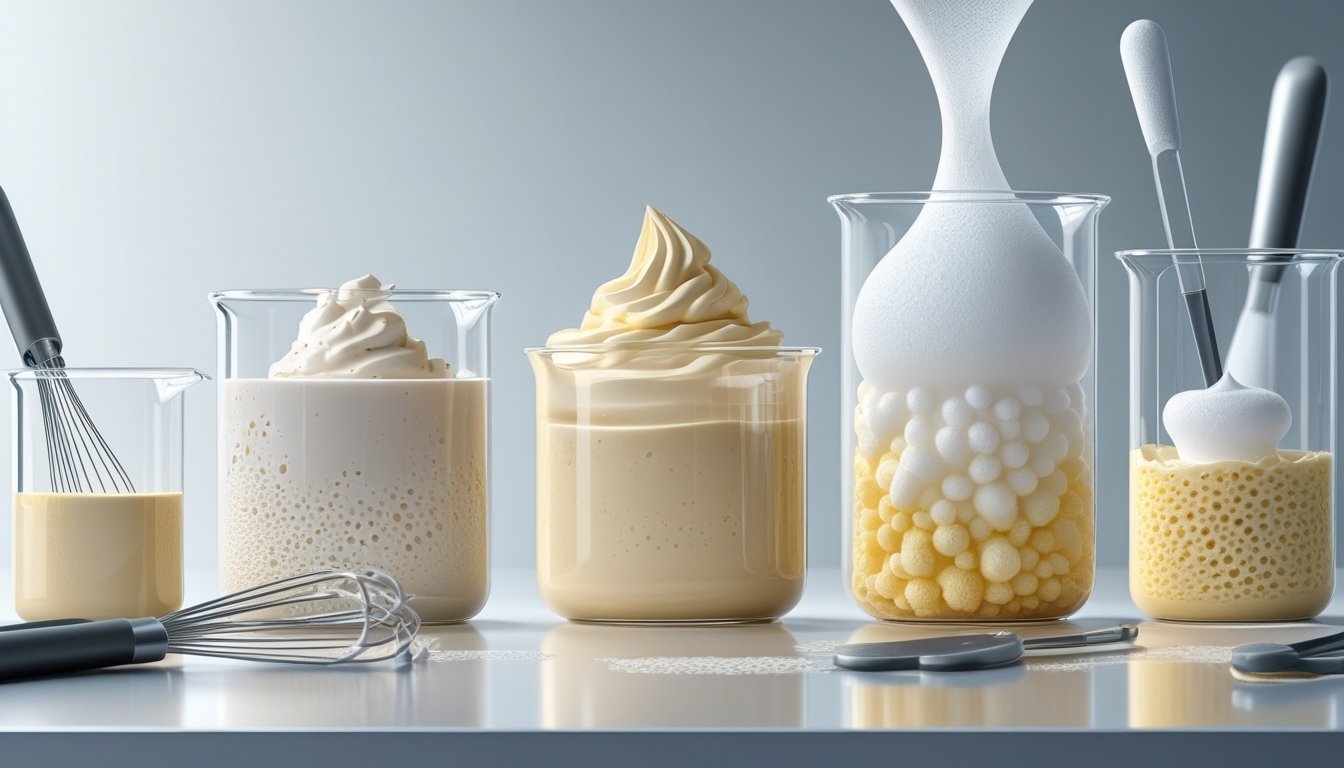
Culinary foams offer unique textures, lightness, and the sensation of air incorporation. Many classic foams depend on animal-based ingredients, but numerous plant-based and synthetically derived options are available for those with dietary restrictions.
Plant-Based Alternatives
Plant-based foams use ingredients such as aquafaba (the liquid from cooked chickpeas), soy protein isolate, and methylcellulose. Aquafaba, for example, can mimic the frothing and foaming properties of egg whites in whipping applications.
In desserts like mousses or vegan meringues, aquafaba whips to stiff peaks, allowing for substantial air incorporation. Soy lecithin adds stability for more persistent foams, especially in beverages or sauces. Gellan gum and xanthan gum improve mouthfeel and prevent the collapse of plant-based foams.
Other plant proteins, like pea or lentil protein isolates, sometimes create acceptable foams for savory purposes, such as vegan scrambled eggs. The choice of thickener or stabilizer adjusts the final texture and stability.
Egg-Free Foams
For those avoiding eggs, foaming can rely on both natural and commercially synthesized substitutes. Aquafaba remains a primary choice due to its ability to replicate peaks and volume in both sweet and savory recipes.
Cream of tartar is often added to improve structure during whipping, as it helps stabilize the foam matrix. In baking, combinations of cornstarch and baking powder generate leavened batters with a lighter crumb.
Store-bought egg replacers, typically starch-based, can be used in pancakes or cakes, providing some rise but less aeration than pure foams. Some products contain added foaming agents for better volume in whipped or scrambled applications.
Foaming Agents in Vegan Applications
Vegan foams make use of specific agents designed to encourage air incorporation and stabilize bubbles. Soy lecithin is popular for creating light, lasting foam on soups or cocktails when agitated with an immersion blender.
Other foaming agents include methylcellulose—especially valuable for hot foams, since it gels when heated—plus hydrocolloids such as xanthan gum and gellan gum, which help prevent bubbles from coalescing and bursting.
Professional kitchens sometimes use a siphon canister with nitrous oxide, making it easy to generate vegan foams from purées or juices blended with these agents. This method is precise for both sweet and savory presentations.
Substituting for Emulsions
Many substitutes are available for achieving stable emulsions in food, especially as demand rises for plant-based ingredients and cleaner labels. Key methods involve using plant derivatives, proteins, and optimal stabilizing strategies for oil-in-water emulsions.
Plant-Derived Emulsifiers
Plant-based emulsifiers such as lecithin (from soy or sunflower) and saponins are commonly used to stabilize food emulsions. Lecithin, rich in phospholipids, effectively lowers surface tension, enabling oil and water to mix.
Other options include mono- and diglycerides and gum arabic. This group of emulsifiers is valued for its ability to form strong interfacial films around fat droplets, promoting emulsion stability.
For those aiming to avoid animal products, plant-derived emulsifiers allow for vegan-friendly formulations. They frequently replace synthetic or animal-based emulsifiers in mayonnaise, dressings, and spreads.
Protein-Based Alternatives
Proteins such as whey, casein, and various plant proteins (pea, soy, lupin) serve as effective emulsifiers due to their surface activity.
These proteins orient at the oil–water interface, forming a protective film that prevents coalescence of dispersed droplets. In some cases, hydrolyzed proteins enhance emulsifying properties by increasing solubility and surface area coverage.
Protein-based emulsifiers are crucial in foods that require both stabilization and nutritional enhancement. For allergen-free or vegan products, proteins from pulses or grains are commonly utilized.
Stabilizing Oil-in-Water Emulsions
Maintaining a stable oil-in-water emulsion requires managing droplet size, selecting the right emulsifier, and controlling the emulsification process. Proper homogenization—for example, using high-speed dispersers—ensures uniform droplet distribution.
Food emulsifiers like lecithin, proteins, and stabilizing gums work by reducing the energy required to form and maintain the emulsion. Achieving low moisture content and controlling pH can further improve stability.
A combination of emulsifiers is often used for more robust results. For example:
Ingredient Role Common Use Lecithin Emulsifier, surface activity Chocolate, margarine Pea Protein Emulsifier, texture Vegan mayo, sauces Gum Arabic Stabilizer, film-forming Beverages, flavor emulsions
Ensuring proper stabilization is essential in products where texture, mouthfeel, and shelf life depend on emulsion integrity.
Substituting for Aerated Textures
Aerated textures are crucial for delivering lightness, volume, and a creamy mouthfeel in many desserts and foods. Key substitutes rely on physical techniques and ingredient choices that mimic traditional overrun and richness without relying on dairy cream or high-fat content.
Non-Dairy Aeration Methods
Non-dairy aeration methods usually involve mechanical incorporation of air into plant-based or protein-rich mixtures. Ingredients such as aquafaba, soy protein isolate, and modified starches can trap air bubbles and stabilize foams. For example, aquafaba—liquid from cooked chickpeas—whips into stable meringues and mousses with acceptable overrun and foam retention.
Hydrophobins, a class of proteins, can also stabilize aerated emulsions and foams by strengthening the air-water interface. Xanthan gum and other hydrocolloids help maintain structure and mouthfeel, even at low fat contents. These methods are commonly used in non-dairy frozen desserts, where overrun is necessary for a creamy scoop and reduced iciness in ice creams and sherbets.
Short whipping times, specific temperatures, and high-shear mixers optimize the amount of air incorporated, maximizing lightness while minimizing collapse. These techniques achieve a recognizable richness without dairy cream.
Reduction of Fat and Sugar
Lowering fat and sugar while maintaining pleasing aerated textures presents specific challenges. Fat provides stability, creaminess, and a slow melt, while sugar affects sweetness, freezing point, and texture. Substituting with plant-based oils and alternative sweeteners can support aerated texture but requires balancing to prevent coarseness or excessive firmness.
Vegetable fats such as coconut or palm lend body, while emulsifiers increase dispersion and mimic the creamy texture. Sugar alcohols (like erythritol) or fibers (like inulin) serve as bulking agents, maintaining the overrun and mouthfeel of conventional ice cream or water ice. Stabilizers—such as guar gum or cellulose—prevent large ice crystals and maintain a smooth, creamy structure with lower fat and sugar.
Reducing fat and sugar often increases the risk of ice crystallization and loss of aeration. Careful ingredient blending and process control are needed to counteract this and retain richness.
Creating Overrun Without Cream
Overrun is the percentage of air whipped into a product, essential to the texture of frozen desserts and mousses. Achieving high overrun without cream requires aggressive mechanical aeration and optimized formulations. High-powered mixers, continuous aerators, and nitrogen infusion can introduce fine air bubbles in plant-based or low-fat bases.
Proteins such as pea, soy, or even certain whey hydrolysates form stable foams that can retain air. Table: Common Ingredients for Overrun Without Cream
Ingredient Function Notes Aquafaba Foam stabilizer Best for egg-free dishes Stabilizers (gums) Hold air/froth Improve creaminess Vegetable proteins Bulk & stability Enhance mouthfeel
Controlling the consistency, particularly the water phase, is key to preventing collapse and supporting a lasting aerated texture. This approach supports the creation of vegan ice creams, sherbets, and water ices with appealing overrun and mouthfeel, ensuring the finished dessert isn't dense or icy despite the absence of cream.
Key Properties When Substituting Textures
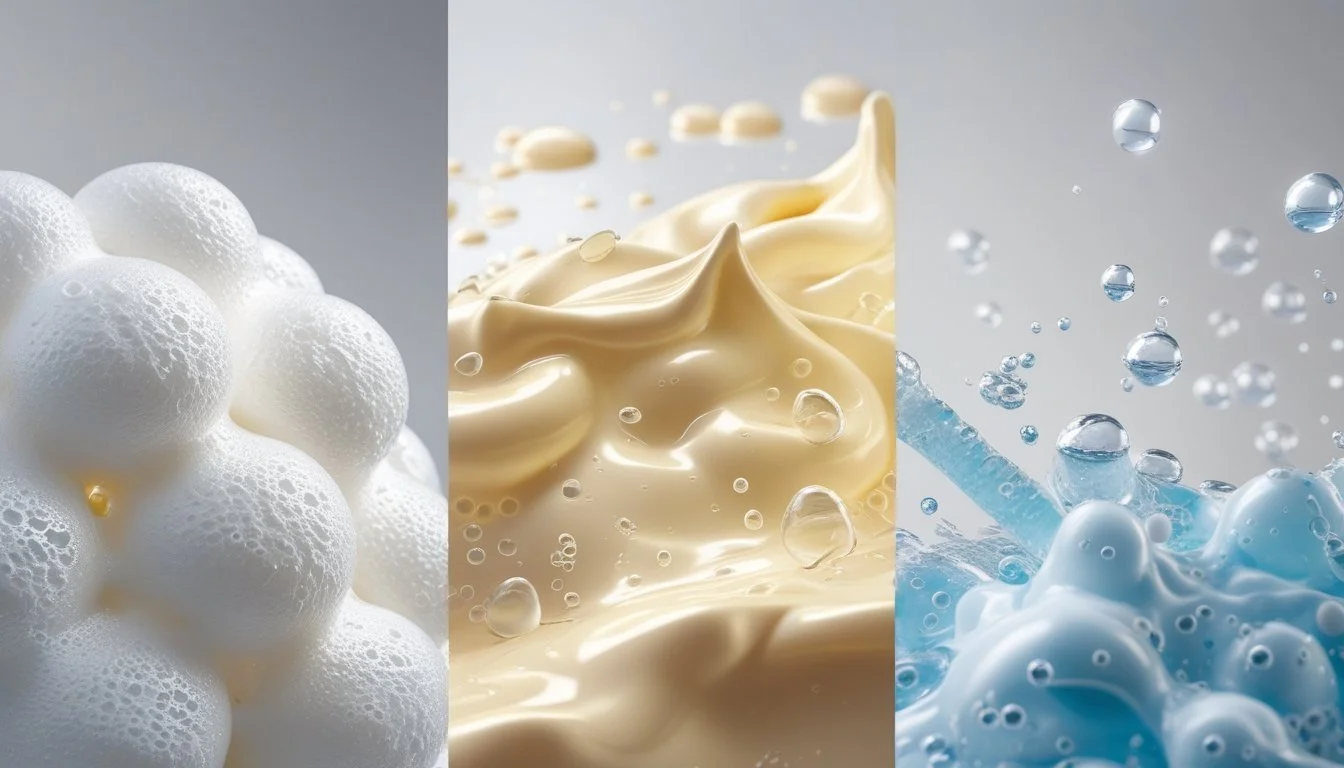
Selecting the right substitute for foam, emulsion, or aerated textures requires understanding the characteristics that define each product’s texture and performance. Paying attention to how viscosity, consistency, and mouthfeel interact with ingredients is essential to achieve the desired result.
Viscosity and Thickness
Viscosity refers to a fluid’s resistance to flow, while thickness describes a product’s perceived body or heaviness. Substitutes for aerated or emulsified textures must replicate the viscosity of the original to maintain functional and sensory qualities.
For example, using hydrocolloids like xanthan gum or modified starches can increase viscosity, allowing liquids to hold air or fat more effectively. This helps prevent drainage and collapse in foams or emulsions.
Thickness impacts not only texture but also properties like melting point and freezing point. For whipped toppings or low-fat creams, adjusting viscosity ensures stability at different temperatures. Monitoring surface tension is also critical, as it influences the ability to incorporate and retain air or emulsify fats.
Consistency and Stability
Consistency measures how a product holds its shape and performs during storage and use. For substitutes, maintaining homogeneity and resistance to separation is crucial.
Key variables include the capacity to form stable bubbles or droplets, which affects retention of air in foams and distribution of fat in emulsions. Proteins and emulsifiers can improve stability by strengthening the structure at the air-liquid or oil-water interface.
Foams are especially vulnerable to drainage, coalescence, or collapse if consistency is not managed correctly. Ingredient substitutions can alter microstructure, so testing stability over time is important for shelf life and quality. Ingredient type and amount greatly influence these outcomes.
Mouthfeel and Palatability
Mouthfeel describes the physical sensations in the mouth, such as creaminess, lightness, and smoothness, while palatability addresses the overall acceptability and enjoyment of the product.
When substituting textures, matching the sensory attributes of the original is a priority. The presence of fine bubbles in foams or uniform fat droplets in emulsions can create a creamy or airy effect. Improper substitutes may result in grainy, watery, or sticky sensations that negatively impact palatability.
It is valuable to use sensory panels or instrumental analysis to compare mouthfeel. Consistent bubble or droplet sizes help achieve a uniform perception. Adjusting melting and freezing points can also affect how the product feels and releases flavors in the mouth.
Functional Ingredients for Improved Texture
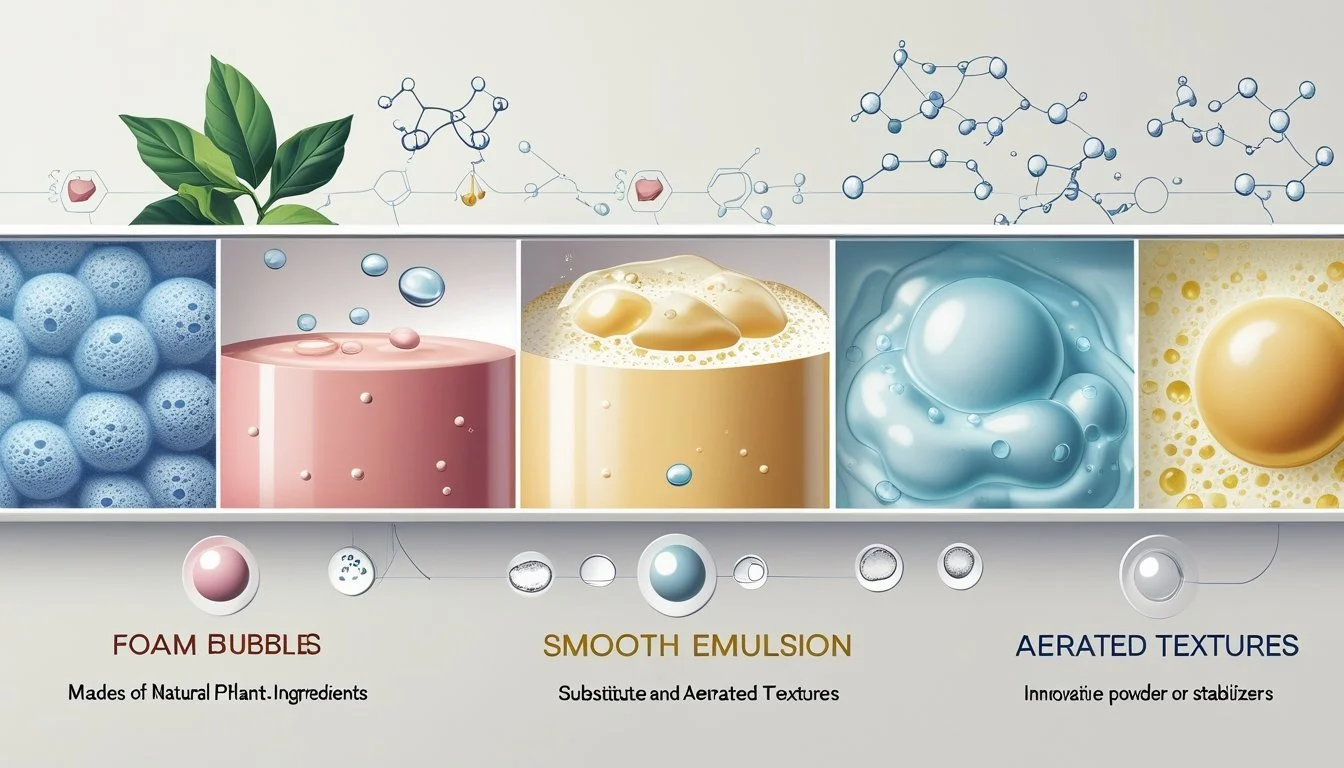
Foams, emulsions, and aerated products require precise selection and handling of ingredients to establish desirable stability, mouthfeel, and overall performance. Understanding how these key agents influence texture is fundamental for achieving consistent results in product development.
Solubility and Water Binding
The ability of an ingredient to dissolve or disperse impacts the formation and stability of foams and emulsions. Solubility affects how well proteins, fibers, and polysaccharides interact with water, forming a continuous phase that supports air or oil droplets.
Water binding is closely tied to total solids—higher solid concentrations can lead to improved texture and reduced syneresis in gels and foams. Ingredients rich in dietary fiber, such as inulin or modified cellulose, act as strong water binders and also enhance mouthfeel. Certain starches and maltodextrin are effective at binding water and increasing viscosity, providing bulk while minimizing off-flavors.
A comparison of common water-binding agents:
Ingredient Water Binding Capacity Typical Use Inulin High Dairy alternatives Methylcellulose Very High Foamed desserts Maltodextrin Moderate Bakery, beverages
Gelling and Setting Agents
Gelling agents play a critical role in the structure of aerated gels and emulsions. These ingredients provide set and firmness, allowing for stable air incorporation and retention. Gelatin remains a classic option, but plant-based choices like agar, carrageenan, and pectin are increasingly favored.
The gelling strength depends on factors such as concentration, hydration, and the presence of ions or other co-ingredients. For vegan applications, agar or gellan gum is widely used for their efficient gelation at low concentrations.
A key point is the balance between gelling agent level and total solids; too much can result in a brittle texture, while too little may compromise stability. The right gelling agent also preserves clarity and does not mask flavors.
Innovative Texture Solutions
Innovative ingredients offer new opportunities for tailoring texture and improving stability in low-fat or plant-based systems. Proteins from soy, peas, and milk excel as foam stabilizers and emulsifiers, often used in combination with low molecular weight emulsifiers or fat crystals for added resilience.
Natural waxes like candelilla, carnauba, and rice bran wax can strengthen aerated emulsions by enhancing interfacial behavior and providing additional rigidity. Maltodextrin is valuable for building bulk and controlling mouthfeel, especially in reduced-sugar and high-solids formulations.
Bringing these new tools together allows for creative textures, such as aerated gels with long shelf life or creamy, stable emulsions in both sweet and savory products.
Tools and Techniques for Achieving Desired Textures
Specialized equipment and careful control over conditions are essential for creating foams, emulsions, and aerated textures. Factors such as particle size, heat stability, and the choice between solid and liquid phases directly affect the result.
Mechanical Equipment for Aeration
Mechanical tools transform textures by incorporating air or dispersing particles. Common equipment includes immersion blenders, hand blenders, stand mixers, whisks, and whipping siphons.
For light foams, an immersion blender or hand blender is often sufficient. These devices increase aeration by rapidly mixing the liquid phase and introducing air bubbles. Stand mixers offer more control and can produce stiffer peaks, useful in desserts and creams.
A whipping siphon, charged with gas, creates stable foams. Siphons work well with mixtures containing stabilizers like gelatin or agar-agar.
For foods involving a solid phase, such as batters or mousses, mixers with balloon whisks are valuable. Fine particle size helps maintain an even texture and prevents breakdown.
Temperature and Mixing Considerations
Temperature management is critical for foam and emulsion formation. Most foams are heat-sensitive and can collapse if subjected to high temperatures.
For cold foams, ingredients should be well-chilled to retain structure after aeration. In hot preparations, heat-stable gelling agents like agar-agar or certain proteins are often added.
Mixing speed also affects texture. High-speed mixing produces smaller bubbles and a finer texture, while slower mixing results in larger bubbles and a lighter feel.
Maintaining a balance between the solid phase and liquid phase impacts stability. Excess liquid can cause drainage, while too much solid imparts heaviness.
Home and Industrial Applications
At home, immersion blenders and hand blenders are popular for whipping cream, making meringues, or blending sauces. Siphons are used for producing culinary foams, both sweet and savory.
Industrial kitchens employ rotor-stator homogenizers and specialized whipping equipment for consistency. These ensure reproducible particle size, improving both mouthfeel and appearance.
Heat stability demands careful recipe design in large-scale operations. Emulsifiers and stabilizers help maintain structure during processing and storage.
The choice of tool depends on the desired result and the volume being produced. Each setting, home or industrial, adapts the technique for efficiency and quality.
Applications in Culinary and Food Product Development
Foams, emulsions, and aerated textures play critical roles in food structure, appearance, and sensory experiences. Substitution strategies are tailored to specific product types and their desired texture, stability, and ingredient restrictions.
Baked Goods and Confections
Aerated textures are central to products like soufflés, meringues, and sponge cakes. Ingredients such as egg whites or chemical leaveners provide lift by trapping air, but substitutes are needed for allergen-free and vegan items.
Common alternatives include aquafaba (chickpea brine), which mimics the foaming ability of egg whites, and methylcellulose, often used to stabilize air within vegan confections. Plant proteins, such as pea or soy, can also enhance volume and structure.
For chocolate mousses or marshmallows, hydrocolloids like agar, pectin, and gelatin (or vegan gelatin alternatives) help stabilize aerated matrices without animal products. Short summary tables help developers compare foaming agents and stabilizers for different recipes:
Product Traditional Ingredient Substitute Meringue Egg white Aquafaba, pea protein Sponge cake Eggs Methylcellulose Marshmallow Gelatin Agar, pectin
Dairy and Non-Dairy Whipped Foods
Whipped cream and mousse owe their airy texture to dairy fat and proteins, but non-dairy alternatives are in demand for dietary, ethical, and shelf-stability reasons.
Stabilizers such as carrageenan and guar gum help maintain aeration in plant-based whipping creams. Coconut cream and soy-based preparations offer fat content suitable for whipping, while emulsifiers like mono- and diglycerides are essential in maintaining stable emulsions and foam.
In frozen desserts like ice cream, air is incorporated during churning to improve texture. Here, locust bean gum or tara gum can be used to retain air after freezing. Mechanical aeration or nitrogen infusion is sometimes used in both dairy and plant-based whipped toppings to replace conventional approaches.
Dressings, Jams, and Sauces
Many dressings, such as mayonnaise and vinaigrettes, depend on stable oil-in-water emulsions. Instead of egg yolk, substitute emulsifiers like lecithin, mustard, and modified food starches are common in egg-free or vegan dressings.
Jams and fruit sauces often use pectin or agar instead of gelatin for gelling and aeration. Fruit foams for plated desserts may use sucrose esters or protein isolates to stabilize air bubbles.
For salad dressings and low-fat spreads, hydrocolloids such as xanthan gum and guar gum help mimic mouthfeel and thickness in reduced-oil formulations. The table below highlights some common substitutes:
Food Traditional Ingredient Substitution Options Mayonnaise Egg yolk Soy lecithin, aquafaba Jam stabilizer Gelatin Pectin, agar Stable sauce Full fat or egg Xanthan, modified starch
Innovations in Baby Food
Texture and safety are strong priorities in baby foods. Traditional foams and emulsified products are often avoided due to potential allergenicity and choking risks.
Modern baby food development uses mild hydrocolloids (such as carboxymethyl cellulose and guar gum) to achieve smooth, safe, and stable emulsions without eggs or dairy. Plant-based proteins and natural emulsifiers support nutrient delivery without artificial additives.
Flavorants in infant formulations must be mild, and aeration is limited to ensure spoonability and easy swallowing. Texture modification through gentle blending and use of hypoallergenic gelling agents ensures that substitutes cater to developing palates and restricted ingredient lists. Safety regulations also dictate what ingredients and processing aids can be used, favoring clean-label and natural-origin substitutes.
Nutritional and Labeling Considerations

Ingredient substitutions in foams, emulsions, and aerated textures directly affect nutrition labeling and regulatory compliance. Changes to sugar, fat, or calcium can impact claims and how products meet dietary needs.
Sugar and Sweetener Impact
Reducing sugar in foamed or aerated products changes sweetness, texture, and stability. Replacing sugar with alternative sweeteners such as stevia, sucralose, or monk fruit can help lower caloric content. However, some sweeteners may alter the mouthfeel or structure of foams and emulsions.
Manufacturers must carefully choose sweeteners that are approved for food use and consider their effect on bulk, browning, and crystallization. The ingredient list and Nutrition Facts panel should reflect these changes, including any added or non-nutritive sweeteners. Clear labeling is crucial, especially if the product is marketed as "sugar-free" or "reduced sugar."
Fat Reduction Options
Aerated and emulsion-based foods often use fats for stability and flavor. Replacing or reducing fat can decrease calories but may weaken foam structures or create a denser texture. Common fat replacers include plant proteins, polysaccharides, or modified starches, which help maintain aeration and mouthfeel.
Labeling must accurately state any fat or calorie reductions and identify fat substitutes. Claims like "reduced fat" or "low fat" must meet regulatory criteria. A table comparing fat content in the original versus substituted product can provide transparency:
Component Original Modified Total Fat (g) 6 3 Saturated Fat (g) 2 1
Calcium Content and Fortification
Substitutions in foam or emulsion products may lower natural calcium, especially if dairy is reduced or replaced. To maintain calcium content, fortification can be considered. Common sources include calcium carbonate or tricalcium phosphate, but bioavailability and solubility should be reviewed for each ingredient.
Labeling requirements stipulate listing all added calcium sources and updating the Nutrition Facts panel to reflect actual content. Accurate calcium claims, such as "excellent source of calcium," must align with regulatory guidelines to avoid misleading consumers. Proper fortification supports nutritional labeling and helps maintain intended health benefits.
Advanced Scientific Perspectives on Food Texture Substitution
Modern approaches to substituting foam, emulsion, and aerated textures focus on manipulating proteins, investigating surface properties, and applying advanced analytical tools. These methods rely on a combination of engineered functional ingredients and nuanced control over physical and chemical interactions.
Protein Modification Processes
Proteins are key functional ingredients in food foams and emulsions, as they stabilize gas bubbles and droplets. They can be modified by processes such as ultrafiltration, ion exchange, and enzymatic hydrolysis. These methods alter protein size, charge, and hydrophobicity.
For example, milk protein concentrates produced via ultrafiltration are widely used for their superior foaming capability. Ion exchange allows the separation and concentration of proteins with specific properties, customizing them for different texture applications. Enzymatic treatment can improve solubility and flexibility, enhancing foam stability and emulsion formation.
Protein modifications impact the electrostatic interactions at interfaces, affecting their ability to reduce surface tension and stabilize dispersed phases. Adjusting these properties enables targeted texture creation in products like whipped toppings and plant-based foams.
Interfacial Rheology and Surface Phenomena
The stability of foams and emulsions depends on the behavior of molecules at the interface between phases. Interfacial rheology studies how proteins and other surfactants form viscoelastic films around gas bubbles or droplets, affecting the system’s resistance to deformation and collapse.
Surface tension reduction is a critical role of emulsifiers, allowing for the creation and stabilization of fine bubbles or droplets. Functional proteins, hydrophobins, or small-molecule surfactants can be engineered or selected for optimal interaction at these interfaces.
Electrostatic interactions between charged molecules at the interface influence the film’s stability. Understanding these effects enables the replacement or enhancement of animal-derived proteins with plant-based or synthetic alternatives in textured foods, ensuring similar mouthfeel and appearance.
Applications of Analytical Techniques
Analytical methods are essential to evaluate and optimize food structure. Electrophoresis helps characterize protein modifications and identify components contributing to texture. Magnetic resonance imaging (MRI) visualizes gas bubble distribution in aerated matrices without destroying samples.
Interfacial rheology measurements reveal how different proteins or surfactants behave at interfaces, guiding ingredient choices for texture substitution. Techniques like particle size analysis and microscopy are also used to assess foam and emulsion microstructure.
These tools provide quantitative data, supporting the rational design of substitutes that achieve desired textures in both traditional and novel food formulations. They allow rapid screening and quality control when developing new functional ingredients.

