
Substitutes That Work Better in Cold Dishes
Expert Ingredient Swaps for Fresh Meals
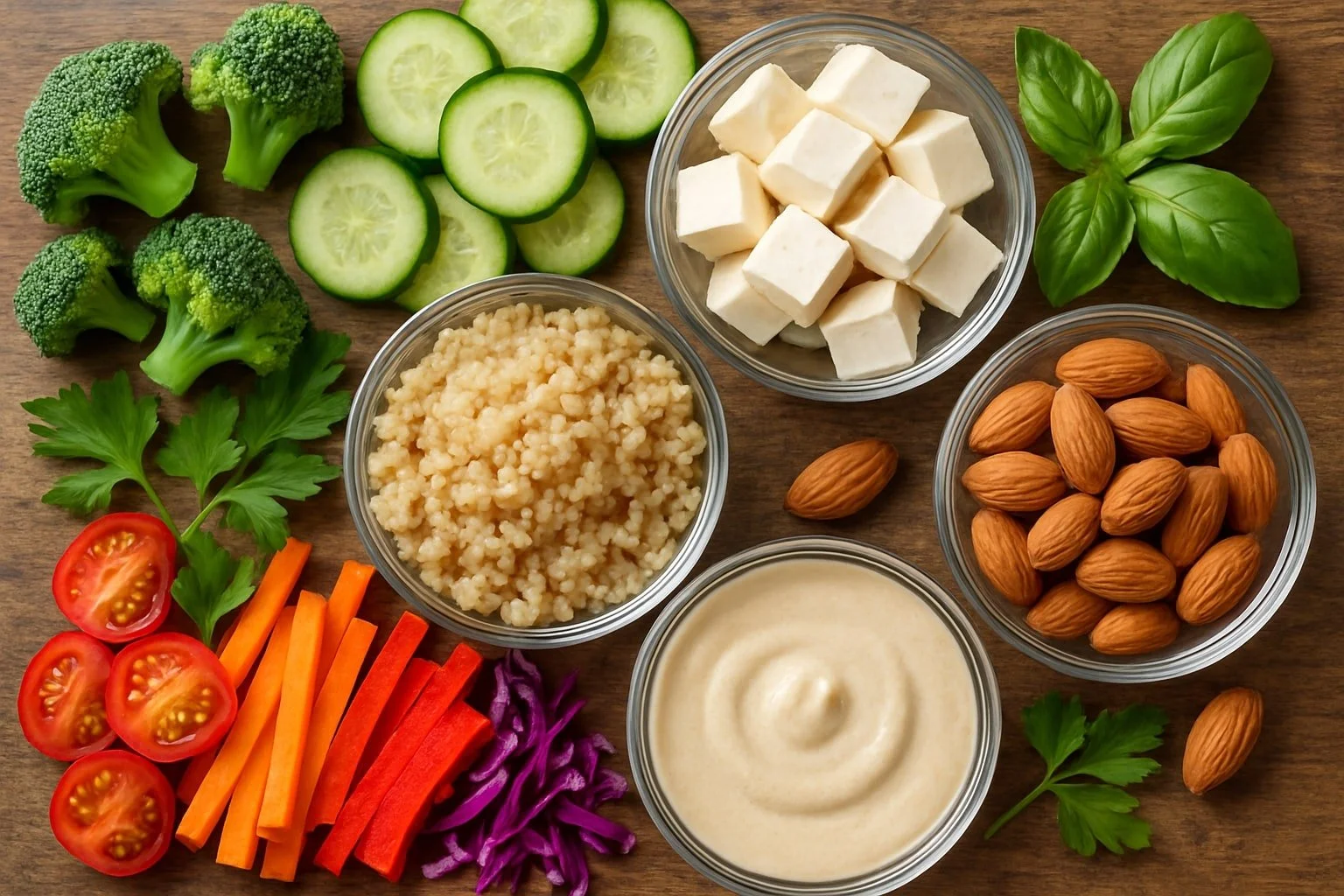
Finding the right substitutes for cold dishes can make a noticeable difference in both taste and texture. Some ingredient swaps, like using rolled oats instead of breadcrumbs in meatloaf or opting for alternative pasta in salads, actually improve the overall quality of the dish. These alternatives often bring added nutrition, maintain moisture, or create a fresher bite compared to traditional ingredients.
Choosing substitutions that work especially well in cold dishes is key because not all replacements hold up or blend as smoothly when served chilled. With a few smart swaps, everyday meals like pasta salads, no-bake desserts, and cold dips can become lighter, healthier, or even more enjoyable. Readers looking to upgrade their favorite recipes with practical, effective ingredients will find several options that go beyond just being “good enough”—they’re better suited to cold preparations.
Understanding Cold Dishes and Ingredient Substitution
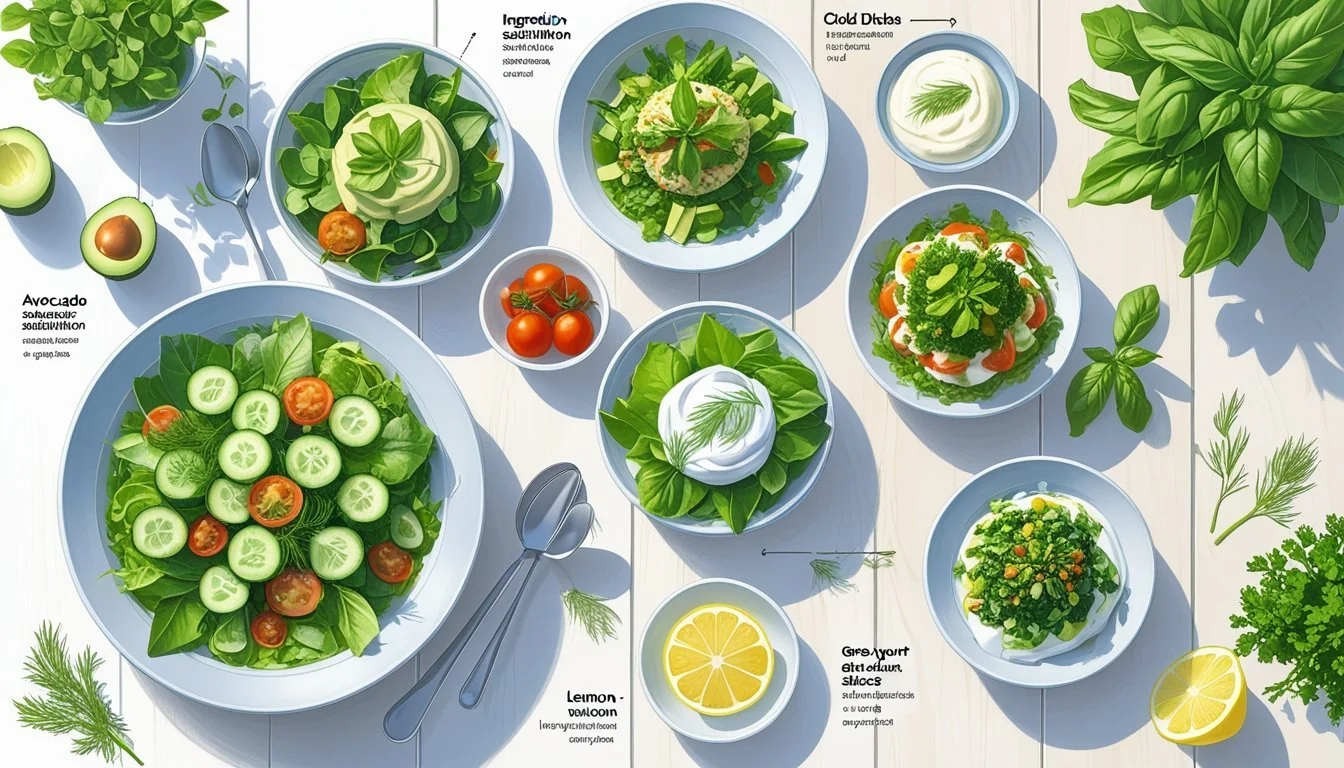
Substituting ingredients in cold dishes requires attention to texture, flavor, and how each substitute interacts without the benefit of heat. Ingredient choices in these recipes can impact the final presentation, consistency, and overall success of the dish.
What Qualifies as a Cold Dish
Cold dishes include salads, chilled soups, dips, spreads, sushi, gazpacho, ceviche, and desserts like parfaits or fruit salads. These foods are prepared or served at room temperature or chilled, not heated or cooked just before serving.
The absence of heat means flavors and textures are experienced as they are. Unlike hot recipes, where cooking can meld or soften ingredients, cold dishes retain their distinct taste and mouthfeel.
Examples of common cold dishes:
Greek salad
Pasta salad
Hummus
Sushi rolls
Cold noodle bowls
Ingredients like vegetables, proteins, cheeses, and dressings maintain sharper contrasts. This makes the choice of substitute especially sensitive to both flavor and texture.
Common Challenges With Substitutes
Substituting ingredients in cold dishes poses unique challenges not seen in hot foods. Because ingredients are not cooked together, sharp or imbalanced flavors can stand out. For example, a peppery green like arugula might easily overpower a mild lettuce in a salad.
Texture is another key issue. Swapping an ingredient that has a crisp or creamy quality with one that is chewy or grainy can change the dish entirely. Moisture content also matters—as watery vegetables can dilute dressings or make salads soggy.
Common substitution pitfalls:
Mismatched flavors (e.g., substituting sweet corn with pickles)
Texture conflicts (e.g., using shredded carrots instead of diced apples)
Poor visual appeal (e.g., brown avocado substituting for cucumber)
Careful selection and proportioning help avoid these common problems.
Key Factors in Choosing Substitutes
The most critical factors are the flavor profile, texture, and how the substitute reacts with other ingredients at low temperatures. Since flavors don't mellow or blend as they might in a stew or soup, choose substitutes with similar intensity and complimentary notes.
Key criteria when selecting a substitute for cold dishes:
Factor What to Look For Flavor Profile Match subtlety, sweetness, acidity, or bitterness Texture Crisp, crunchy, creamy, or tender as needed Color and Appearance Keep visual appeal and contrast Moisture Content Prevent sogginess or dryness Interaction Ensure ingredients don't clash when cold
When an ingredient is essential for structure (e.g., cheese in a cold pasta salad), a substitute should offer similar firmness or creaminess. Substitutes should also be compatible with remaining components, as cold dishes usually highlight contrasts rather than blend flavors.
Dairy Substitutes That Shine in Cold Dishes

There are several dairy alternatives that work particularly well in cold applications where texture, taste, and mouthfeel are crucial. Options like Greek yogurt, plant-based cream cheese, and specific milk substitutes deliver results very close to traditional dairy in salads, dips, and chilled desserts.
Greek Yogurt Versus Sour Cream
Greek yogurt offers a creamy texture with higher protein content when compared to sour cream. It adds a slight tang to dishes such as potato salads, coleslaw dressings, and cold dips. Non-dairy Greek-style yogurts made from coconut, almond, or soy milk provide a similar richness and can be used in equal measure.
Sour cream alternatives include dairy-based low-fat versions and vegan options made from cashews or tofu blended with lemon juice and vinegar. These versions maintain the desired mouthfeel and flavor for use in sauces, layered salads, and cold toppings. When picking between Greek yogurt and sour cream substitutes, the choice depends on whether added protein or a more distinct tang is needed.
Cream Cheese Replacements
Cream cheese plays a key role in cold applications like no-bake cheesecakes, fruit dips, and sandwich spreads. Common substitutes include blended silken tofu, which can be whipped smooth and combined with lemon juice for acidity.
Neufchâtel cheese—slightly lower in fat—resembles traditional cream cheese but with fewer calories. For dairy-free options, almond-based or cashew-based cream cheeses offer a creamy consistency and a neutral taste that works well in both sweet and savory cold dishes.
Mascarpone can serve as a mild alternative with a softer texture, though it is less tangy than cream cheese. Vegan products often use cultures to deliver a flavor profile close to dairy, making them suitable for recipes like vegan cheesecakes or creamy cold dips.
Buttermilk and Milk Alternatives
Cold soups, salad dressings, and beverages often rely on buttermilk or regular milk for body and mild acidity. For buttermilk, plant-based milk—such as soy, oat, or almond—can be combined with a teaspoon of vinegar or lemon juice per cup to replicate the tang and consistency.
Oat milk stands out in cold preparations due to its slightly sweet taste and thicker mouthfeel, ideal for dressings and cold cereals. Almond milk remains a lighter option with a subtle flavor and is best in smoothies or cold dessert bases. Pea milk is higher in protein, matching dairy milk's content, making it a suitable base for protein-rich shakes or iced drinks.
Mayo Alternatives for Cold Recipes
Certain substitutions not only mimic the creamy texture of mayo but also enhance flavor and nutrition in cold salads. The right choice will depend heavily on the type of salad and personal dietary needs.
Best Swaps for Tuna Salad
In tuna salad, Greek yogurt stands out as a top substitute for mayo. It delivers a similar creaminess with less fat and added protein. The tanginess of Greek yogurt complements the briny flavor of tuna well. Use it in an equal ratio to mayo for a lighter result.
Mashed avocado is another excellent option. It provides healthy fats and a subtle, buttery flavor. For those seeking a vegan alternative, hummus is a reliable pick due to its smooth texture and savory notes.
Some also use cream cheese for a thicker, richer tuna salad. If a bit of tang is desired, mixing sour cream with mustard can brighten the overall flavor.
Quick Comparison Table
Substitute Texture Flavor Note Best For Greek Yogurt Creamy Tangy Light, high-protein mix Avocado Smooth Mild, buttery Heart-healthy salads Hummus Spreadable Savory, nutty Dairy-free, vegan salads
Healthier Options for Pasta Salad
Plain Greek yogurt or low-fat yogurt can seamlessly replace mayo in pasta salad. These options lower overall calorie count while still binding ingredients together. Blending yogurt with a splash of lemon juice boosts freshness.
Sour cream offers a milder, cool tang and a creamy body, making it a common swap, especially in salads with eggs or potatoes. For an extra health boost, some combine Greek yogurt with mustard or a bit of olive oil for a richer, silkier dressing.
Vegan options such as plant-based yogurts (coconut or oat) suit those avoiding animal products. These substitutes deliver similar mouthfeel and consistency as mayonnaise.
To add extra flavor, chopped herbs or garlic can be stirred into any of these bases before mixing into the salad.
Plant-Based and Allergy-Friendly Cold Dish Substitutes
Plant-based and allergen-friendly ingredients offer practical solutions for cold dishes, focusing on both texture and nutrition. Substitutes like chickpeas and gluten-free options make it easier to accommodate dietary needs without losing flavor or appeal.
Using Chickpeas for Creamy Texture
Chickpeas are widely used as a base for creamy cold dishes due to their mild taste and adaptable texture. When blended, chickpeas create a thick, smooth consistency suitable for dips, dressings, and spreads, such as hummus or plant-based ranch.
These legumes are naturally high in protein and fiber, making them a nutritious alternative to dairy or eggs in salad dressings and sandwich fillings. For even greater creaminess, canned chickpeas (rinsed and drained) can be combined with a small amount of olive oil or tahini.
Benefits of chickpeas in cold dishes:
Add protein and fiber
Create a satisfying mouthfeel
Suit vegan and allergen-free diets
Gluten-Free and Vegan Solutions
For those needing gluten-free and vegan alternatives in cold recipes, several grains, seeds, and legumes stand out. Quinoa and brown rice work well in salads and provide balanced nutrition without gluten. These grains keep their shape and texture even when chilled, preventing dishes from becoming soggy.
Nut-free pesto can be made by replacing pine nuts with sunflower or pumpkin seeds, keeping sauces safe for allergies. When baking for cold desserts, gluten-free flours like rice flour or oat flour help maintain structure and flavor.
Table: Common Gluten-Free, Plant-Based Swaps for Cold Dishes
Item Replaced Allergy-Friendly Substitute Wheat pasta Rice noodles, chickpea pasta Nut butter Sunflower seed butter Cheese Hummus or cashew cheese (if no nut allergy) Mayonnaise Vegan mayo, blended tofu
These substitutes make it possible to cater to different dietary needs while retaining taste and quality in every cold dish.
Innovative Options for Consistency and Flavor
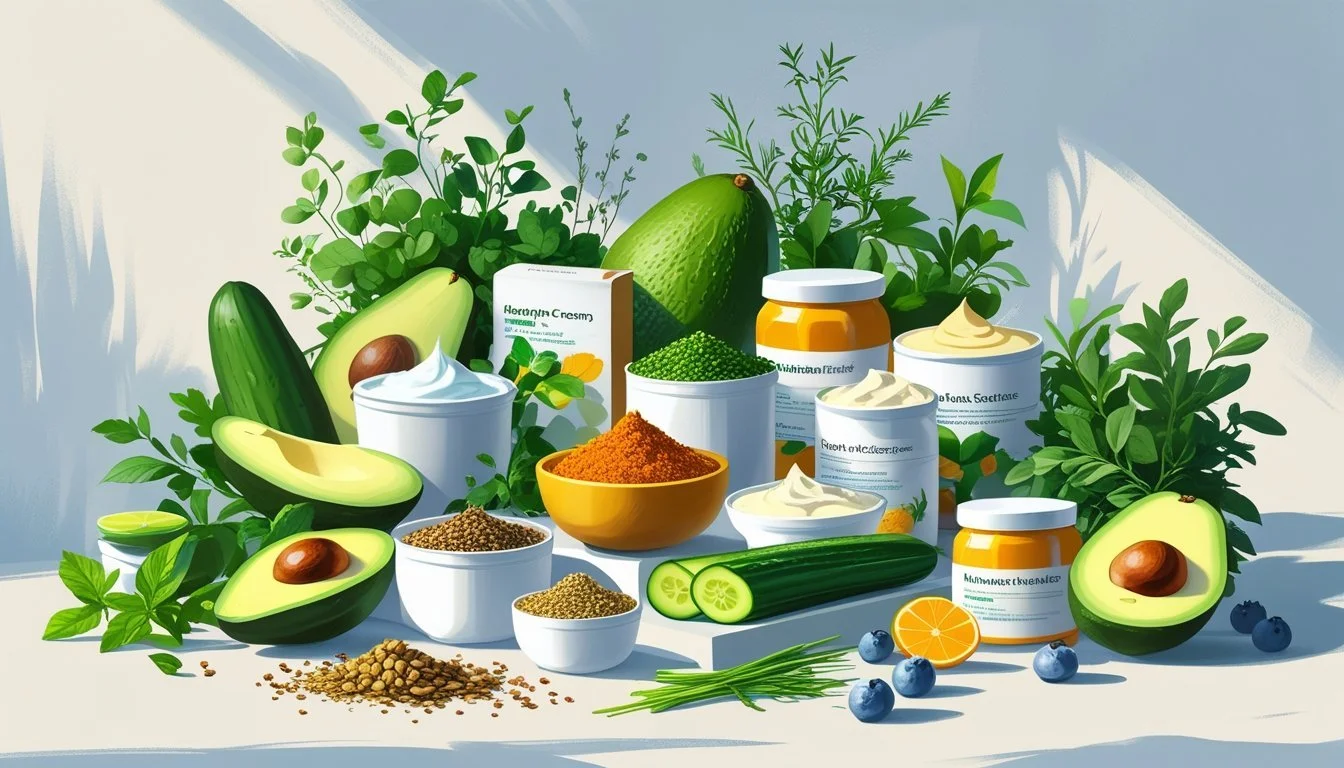
Selecting the right substitute can significantly impact both the texture and the flavor profile of cold dishes. Certain agents are preferred for their seamless blending, while others can boost taste without the need for heat or complex preparation steps.
Thickening Agents Like Cornstarch
Cold dishes often require thickening agents that dissolve easily and do not alter taste or color. Cornstarch is common, but it must be cooked to thicken fully. For cold preparations, alternatives such as arrowroot powder or instant clear gels can be more effective.
Arrowroot powder delivers a neutral flavor and clear finish. It mixes best with cold liquids, forming a glossy, lump-free texture. For yogurt-based desserts or salad dressings, instant clear gel thickens quickly without the need for heat.
Other options include xanthan gum, which thickens at low concentrations and requires no heating. It is flavorless, making it suitable for fruit purees and chilled sauces. Each thickener below offers different advantages:
Thickener Works in Cold? Flavor Profile Notes Arrowroot Yes Neutral Glossy, smooth texture Xanthan Gum Yes None Powerful, only small amount needed Potato Starch Sometimes Neutral Can clump if not mixed well Instant Clear Gel Yes Neutral No cooking required
Flavor Enhancers Without Cooking
Flavor can fade in cold dishes, so choosing enhancers that dissolve easily and boost taste is crucial. Citrus juice, vinegar, and flavored oils quickly disperse, adding brightness and depth with no heat required.
Use citrus zest for a concentrated aroma. Herbs like basil or mint release flavor when finely chopped, making them ideal for salads, cold pastas, or dips. Fermented ingredients such as miso paste or soy sauce can be added in small amounts to deepen umami without overpowering.
For sweet dishes, fruit purees and extracts mix in effortlessly. Vanilla extract, for example, boosts flavor complexity in chilled puddings or creams. A blend of these options can elevate both savory and sweet cold dishes, encouraging experimentation for balanced results.
Adjusting for Cold Dishes in Classic Recipes
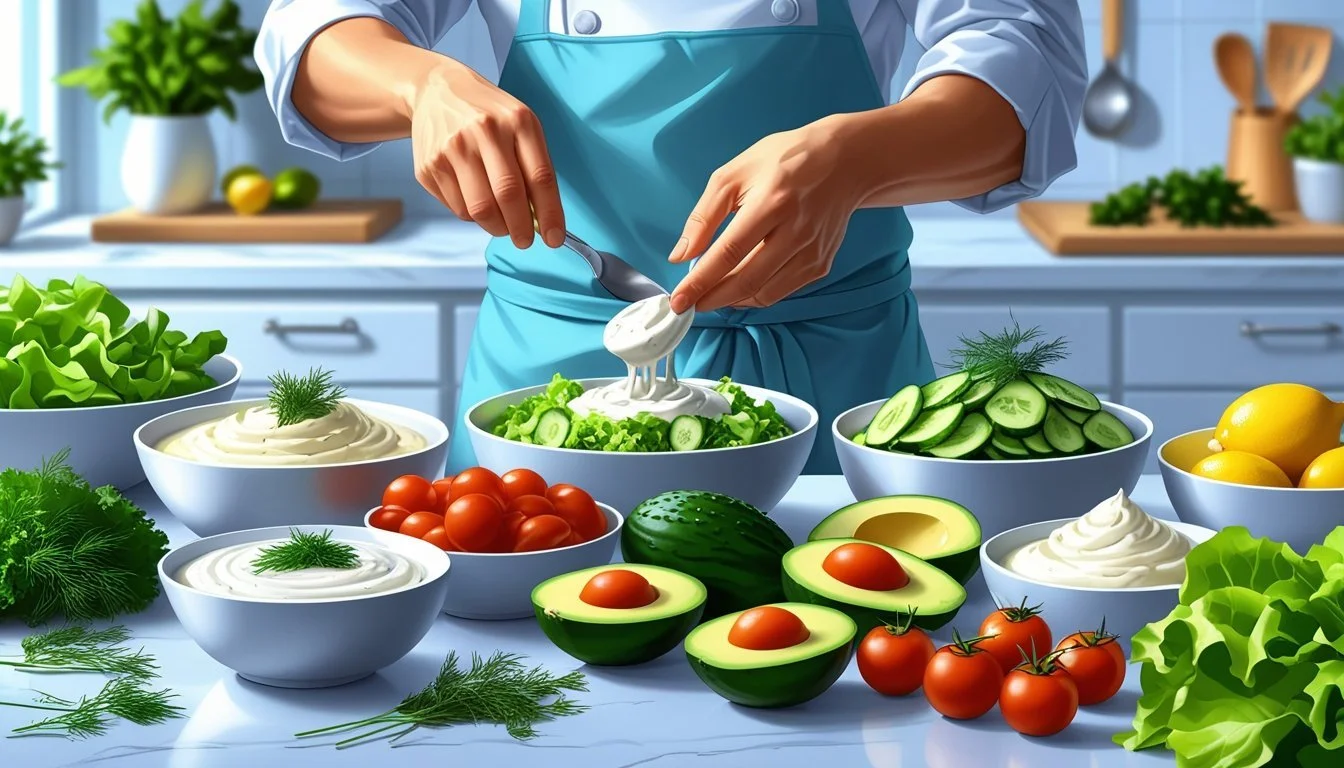
Classic stew, soup, and casserole recipes often rely on heat for flavor and texture, but cold versions require several targeted adjustments. Ingredient swaps, changes in seasoning, and different cooking methods all impact how well these dishes translate to a cold format.
Converting Hot to Cold Recipes
Transforming hot dishes like stews or casseroles into cold options starts by reconsidering foundational ingredients. Use firmer vegetables such as celery or bell peppers instead of those that turn mushy when cooled, like potatoes or zucchini. Switch richer dressings or sauces for lighter vinaigrettes or citrus-based dressings to prevent heaviness.
Seasonings need to be more pronounced in cold dishes because cold temperatures can dull flavors. Increase the amount of herbs and spices by about 25% compared to hot recipes, and try adding a splash of acid such as lemon juice or vinegar just before serving. For proteins, opt for poached or grilled chicken, shrimp, or beans, as they retain texture and flavor when chilled.
Tips for replacing key ingredients in cold adaptations:
Hot Dish Ingredient Cold Substitute Cream-based sauce Greek yogurt or vinaigrette Soft cooked pasta Al dente or chilled pasta Cooked root vegetables Raw or blanched veggies
Adapting Italian Pasta and Seafood Pasta
When making Italian pasta or seafood pasta recipes into cold dishes, texture and seasoning are especially important. Use short pasta shapes like penne, fusilli, or farfalle because they hold up better when served cold. Always rinse the pasta under cold water after cooking to stop the process and prevent sticking.
Substitute heavy cream or butter sauces with olive oil-based dressings, lemon juice, or pestos. For seafood, choose quick-cooking options like shrimp, crab, or canned tuna—avoid delicate fish that become mushy or lose flavor when cold. Add ingredients like capers, olives, fresh herbs, and grated parmesan for a boost in flavor intensity.
Key steps to enhance cold Italian and seafood pasta dishes:
Increase acidity with extra vinegar or citrus.
Fold in ingredients only after everything is fully cooled.
Taste for seasoning just before serving and adjust as needed.
Nutritional and Practical Benefits of Using Substitutes

Substitutes in cold dishes can decrease preparation time, cut ingredient costs, and improve the overall nutritional value. Selecting the right alternatives often results in meals that are both easier to make and healthier to eat.
Improving Cooking Time and Cost
Many common substitutes save both minutes and money. For example, using Greek yogurt instead of sour cream requires little preparation and is often less expensive, especially in bulk. Canned beans or cooked lentils can replace prepared meats in cold salads, eliminating longer cooking or marinating steps.
Readily available alternatives, such as low-fat cottage cheese, can be blended to take the place of cream cheese or mayonnaise in cold dips and spreads. Bulk purchase of items like oats, beans, or plant-based spreads lowers grocery bills.
A simple table summarizes typical substitutions and their practical benefits:
Traditional Ingredient Substitute Time Savings Cost Impact Sour Cream Greek Yogurt No cooking Lower cost Tuna White beans No prep Cheaper Mayonnaise Avocado Ready-to-use Moderate Cream Cheese Low-fat cottage cheese Easy blend Lower cost
Substitutes suited for cold dishes also eliminate the need for additional cooling or reheating, speeding up meal prep.
Enhancing Nutritional Value
Ingredient swaps in cold dishes often boost nutrition without sacrificing flavor. Adding Greek yogurt in place of sour cream lowers saturated fat and increases protein and probiotics, supporting gut health. Swapping out mayonnaise for mashed avocado offers more fiber and heart-healthy unsaturated fats.
Using low-fat dairy or plant-based products can reduce overall calorie and fat intake. Chickpeas or white beans in cold pasta salads contribute protein, fiber, and essential minerals, replacing higher-fat deli meats.
Key nutritional benefits include:
Lower saturated fat*
Increased dietary fiber and protein
More vitamins, minerals, and healthy fats
Fewer calories and added sugars
These swaps are especially helpful for those managing cholesterol, weight, or specific dietary needs without losing taste or texture.
Creative Uses and Experimentation With Substitutes

Creative substitution can open new possibilities in the kitchen, especially in cold dishes. Some swaps are straightforward, while others may enhance flavor or even improve texture. Experimenting with different ingredient replacements can also help with dietary needs and ingredient shortages.
Incorporating Substitutes Into Baking Recipes
When baking cold dishes like no-bake brownies or chilled cheesecakes, common substitutions include using applesauce or Greek yogurt instead of eggs. These not only ensure moisture but also contribute a unique, subtle sweetness.
Oat flour or almond flour can often stand in for all-purpose flour in recipes that will not be baked, such as refrigerator bars. These substitutes create a slightly denser texture, but many find the flavor profile richer.
Sugar in cold desserts can sometimes be replaced with honey, agave, or stevia. These liquid sweeteners work best when mixed thoroughly and can subtly alter the final taste and consistency. A simple table like the one below summarizes some practical swaps:
Original Substitute Result in Cold Recipes Eggs Greek yogurt Softer, creamy texture Flour Oat flour Mild, nutty flavor Sugar Honey Slightly floral note, adds depth
Trying new combinations encourages experimentation without major risk of spoilage, since cold dishes don't rely on baking reactions.
Unexpected Flavor Pairings
Unexpected ingredients can transform cold dishes, making them more dynamic. For instance, substituting traditional dairy with coconut milk in chilled pudding offers a subtle tropical flavor and creamy mouthfeel.
Incorporating a splash of white wine into cold fruit salads or granitas can add acidity and complexity. Wine works especially well when matched to the fruit—such as pairing Riesling with peaches or Sauvignon Blanc with citrus.
Adding savory elements, like miso, to cold chocolate brownies can surprise the palate. A small amount of miso enhances chocolate’s depth without overpowering sweetness.
Bean purees, like black bean or chickpea, can replace fats in certain no-bake brownies for a boost of nutrition and a creamy finish. Using herbs such as basil in chilled desserts with strawberries or lemon zest can also provide a fresh twist.
Not every experiment succeeds, but approaching substitutes with curiosity often leads to discoveries that improve both taste and texture in cold dishes.

