
Replacing Umami-Rich Ingredients Without MSG
Effective Flavor Alternatives for Home Cooking
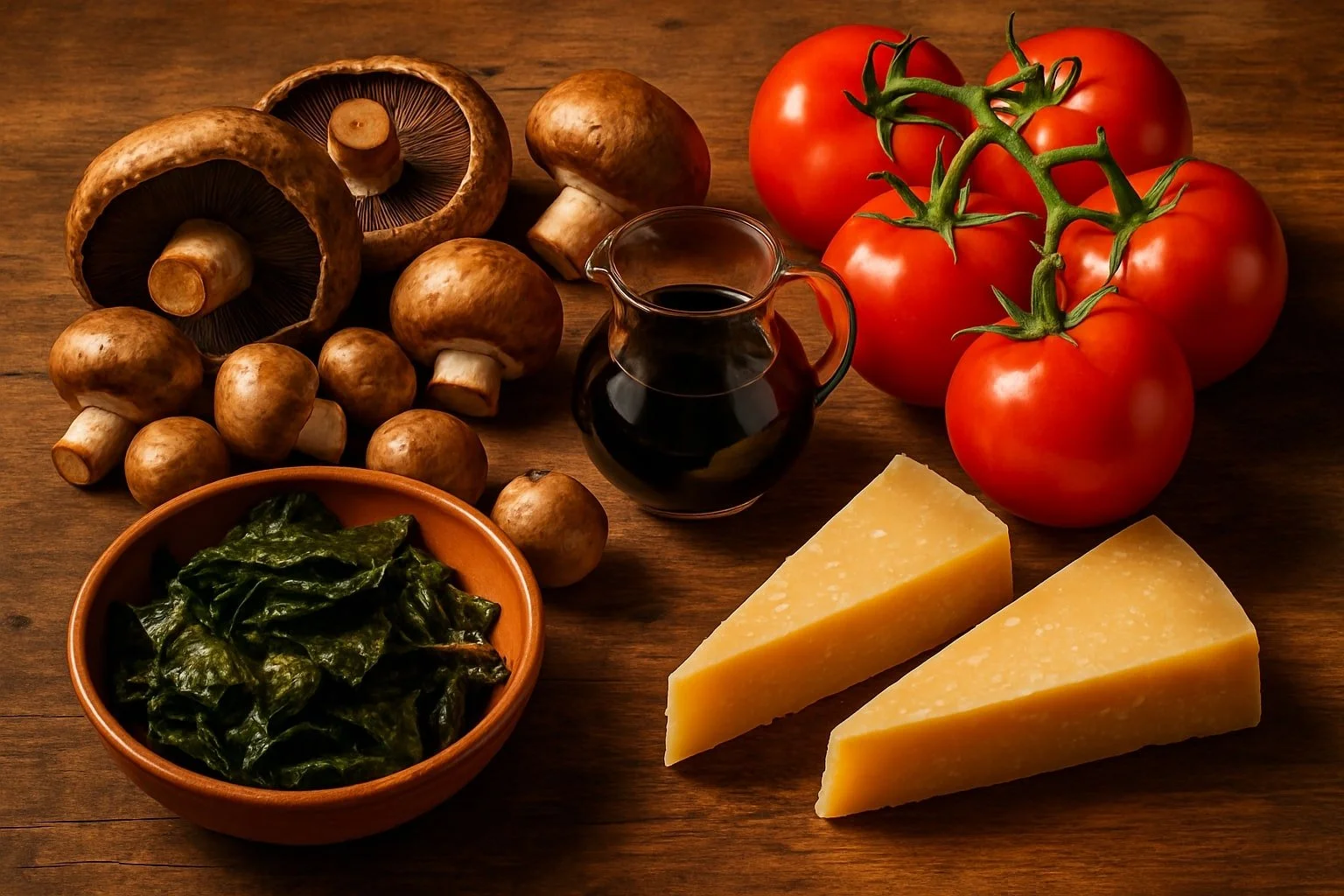
People can create deep, savory flavors in their dishes without using MSG by incorporating natural umami-rich ingredients like mushrooms, tomatoes, aged cheeses, soy sauce, and miso. These alternatives add complexity and richness, allowing for a satisfying taste experience while meeting dietary preferences or restrictions.
Many home cooks are looking for ways to enhance flavor while avoiding additives. Whether for health reasons or personal choice, exploring natural sources of umami delivers results that appeal to a wide range of palates.
Readers interested in making their food more delicious without relying on MSG will benefit from learning which ingredients to swap in and how to use them effectively in everyday cooking.
Understanding Umami and Its Role in Cooking
Umami is recognized as the “fifth taste” alongside sweet, sour, bitter, and salty. Its presence signals protein-rich foods, deepening flavors and adding a satisfying, savory quality to countless dishes.
The Science Behind Umami
Umami arises primarily from glutamates, such as glutamic acid, and nucleotides naturally found in many foods. These compounds send signals to the brain through special taste receptors, differentiating the umami taste from salty or sweet flavors.
The sensation is often described as “savory” or “meaty.” It enhances complexity without adding actual salt or sugar, making food more enjoyable and balanced. When heat or fermentation breaks down proteins, more glutamates are released, boosting umami in cooked, aged, or fermented foods.
This taste helps the body identify sources of protein and is vital for making dishes taste full and round. Umami not only increases palatability but also promotes satisfaction with less reliance on sodium or added fats.
Sources of Umami Flavor
Umami-rich ingredients are found in both plant-based and animal foods. Common natural sources include tomatoes, mushrooms, seaweed, aged cheeses, cured meats, fish sauce, and fermented products like soy sauce or miso.
Table: Common Umami-Rich Ingredients
Source Type Notes Parmesan cheese Dairy High glutamate content Shiitake mushrooms Vegetable Contains nucleotides, glutamates Tomato paste Vegetable Concentration boosts umami Soy sauce Condiment Fermentation develops umami Seaweed (kombu) Sea vegetable Natural glutamate source
Dry-heat cooking methods—such as roasting or grilling—intensify umami by concentrating flavors and breaking down proteins. Foods with natural glutamates often serve as the base for broths and sauces, lending depth and a satisfyingly rich taste.
Why MSG Is Used in Savory Dishes
Monosodium glutamate (MSG) is a purified form of sodium glutamate, one of the most effective flavor enhancers used in cooking. It is popular because it delivers an immediate and recognizable umami taste, boosting the savory profile of foods without adding other flavors.
MSG is especially valued in processed or restaurant foods where deep, rich tastes are desired consistently. Its use allows cooks to reduce sodium by substituting some salt with MSG while maintaining full, rounded flavor.
For those avoiding MSG, understanding its purpose helps highlight the need to seek alternative methods to bring out the natural umami found in whole ingredients—achieving savory complexity without additives.
Reasons to Replace MSG in Cooking
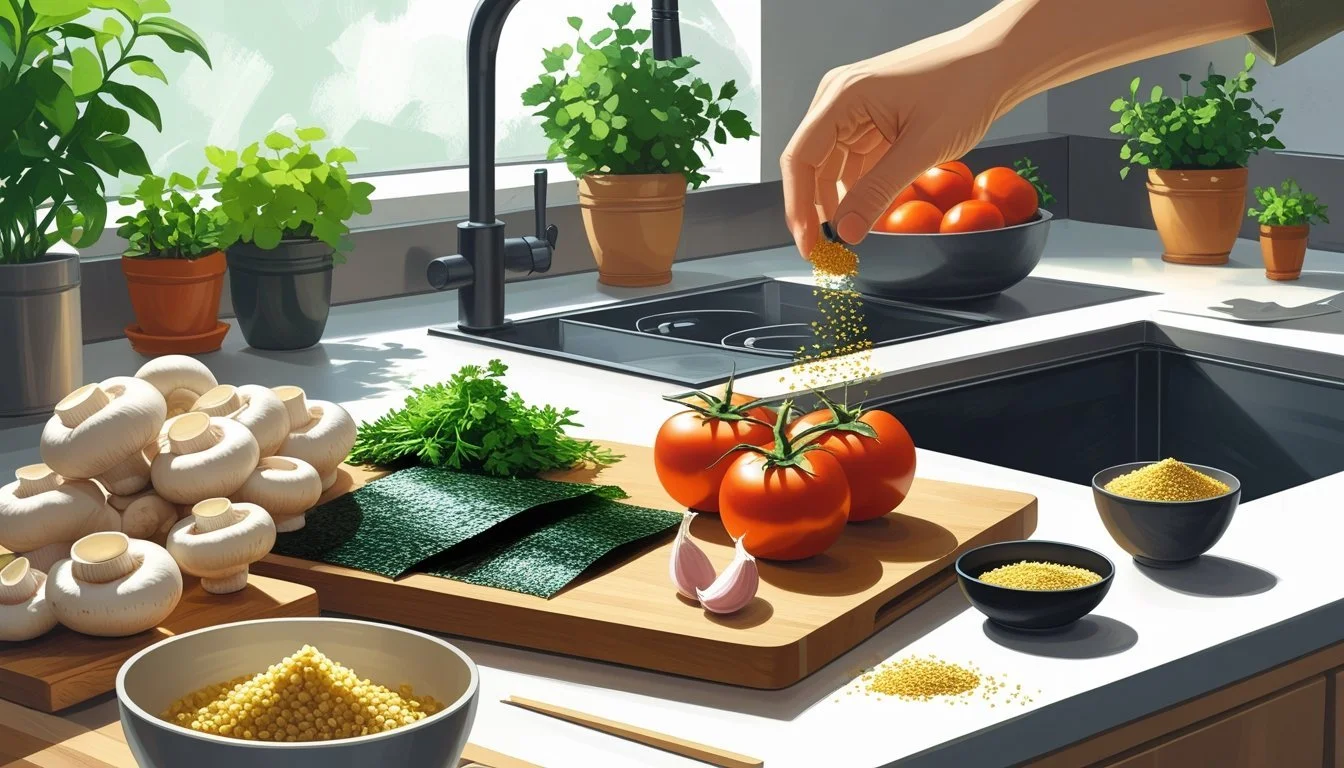
Some people avoid monosodium glutamate (MSG) due to possible health effects, while others have dietary or cultural reasons for choosing alternatives. This has led to a demand for MSG-free options in both home and commercial kitchens.
Health Concerns and Dietary Restrictions
Health concerns, especially regarding sensitivity to MSG, have prompted many cooks to seek substitutes. While authorities like the FDA consider MSG safe for most people, a small portion of the population may experience symptoms sometimes called “Chinese restaurant syndrome."
These symptoms might include headaches, flushing, or dizziness after consuming large amounts of MSG. Although responses are rare and often mild, those affected may choose to remove MSG entirely from their diets.
MSG is commonly found in processed foods, snack items, and some premade seasonings. People with certain dietary restrictions, such as those on low-sodium diets, may also avoid MSG since it can be paired with salty additives. Other individuals pursue a whole-foods approach to eating and want to avoid food additives, including MSG.
Restaurants and packaged food brands have responded by increasing MSG-free menu and product options. This change helps accommodate people with sensitivities and preferences for natural flavor enhancers like herbs, spices, and umami-rich vegetables.
Cultural and Consumer Preferences
Cultural attitudes influence how MSG is perceived and used in cooking. Some consumers associate MSG with overly processed or artificial foods and prefer meals prepared from scratch.
Certain cuisines and health-conscious trends prioritize natural ingredients and simple seasonings, avoiding additives like MSG even if there is little evidence of harm for most people. Claims about MSG often stem from misinformation, but consumer demand still drives restaurants and food brands to offer MSG-free labeling and alternatives.
Some religious or ethical diets might prohibit additives or processed ingredients, making MSG unsuitable for specific groups. Preferences for clean-label, minimally processed foods further contribute to the shift toward natural umami sources, such as mushrooms, tomatoes, and seaweed.
Chefs and food manufacturers may replace MSG with yeast extract, liquid aminos, or naturally umami-rich foods to cater to these preferences. This approach supports broader acceptance and appeal across diverse dietary and cultural backgrounds.
Natural Alternatives to MSG for Umami Flavor
Many natural ingredients act as effective MSG substitutes. By choosing items like fermented sauces, mushrooms, aged cheeses, and plant-based seasonings, it is possible to boost umami depth in both traditional and vegan dishes.
Fermented Foods and Sauces
Fermented products are rich in glutamates, which are responsible for the savory taste found in MSG. Soy sauce and tamari are classic choices, with tamari offering a gluten-free alternative. Miso paste, made from fermented soybeans, provides a deep and complex umami note ideal for soups and dressings.
Liquid aminos and coconut aminos are plant-based options suitable for those avoiding soy or gluten. Fish sauce and Worcestershire sauce bring layers of umami to savory recipes, though they contain fish or anchovies and may not be suitable for vegetarians.
Popular fermented foods such as kimchi and sauerkraut can also enhance umami, adding tang and probiotics. For extra convenience, some cooks use concentrated bouillon or yeast extract spreads like Marmite and Vegemite as seasoning bases.
Sauce or Food Suitable for Notes Soy Sauce Most diets High sodium Tamari Gluten-free Mild flavor Miso Paste Vegetarian, vegan Adds body to broths Liquid Aminos Soy/gluten-free Less salty Coconut Aminos Soy/gluten-free Slightly sweet Fish Sauce Not vegetarian Strong umami
Dried and Fresh Mushrooms
Mushrooms are packed with natural glutamates, especially shiitake mushrooms. Dried shiitake are particularly potent because the drying process intensifies their umami compounds. Sliced or powdered dried mushrooms dissolve easily in soups, stir-fries, and sauces.
Fresh mushrooms, such as porcini, cremini, and oyster varieties, offer a milder umami effect. Mushroom powders, often found in Asian markets, are simple to mix into any dish for a fast umami upgrade.
For those looking to make stocks or broths, simmering dried mushrooms with昆布 (kelp) enhances flavor without animal products. Combining different mushroom varieties can deliver a full-bodied, satisfying taste similar to MSG-laden foods.
Shiitake mushrooms: Most concentrated umami
Porcini: Strong, woodsy scent
Mushroom powder: Easiest to blend
Aged Cheeses and Dairy Products
Aged cheeses are among the most concentrated dairy sources of naturally occurring glutamates. Parmesan cheese is especially high in umami, making it a favored ingredient in pasta, risotto, and even roasted vegetables.
Other cheeses like aged gouda, cheddar, and Grana Padano also add depth when grated or melted. These cheeses are useful for finishing dishes and replacing salty, MSG-heavy bouillon in Western cooking.
Yeast extract spreads such as Marmite and Vegemite, though not technically cheese, are derived from brewer’s yeast and supply a similar rich savoriness. They dissolve quickly in soups, stews, and sauces, giving body and umami in vegetarian recipes.
Worcestershire sauce contains anchovies and other umami enhancers that work well as a cheese alternative in marinades and dressings, though it is not suitable for vegans.
Creative Vegan and Vegetarian Substitutes
Plant-based eaters can achieve umami without MSG or animal ingredients using products such as nutritional yeast, miso paste, and coconut aminos. Nutritional yeast is a flavorful, non-dairy topping for popcorn, pasta, or salads; it is rich in B vitamins and imparts a cheesy taste.
Miso paste is not only a soup base but can also be mixed into sauces, vinaigrettes, and spreads. Mushroom bouillon cubes, yeast extract, and tomato paste are simple ways to add complexity to vegan dishes.
For even more variety, choose fermented foods like kimchi, sauerkraut, or tempeh to introduce tang and depth. Combining several plant-based options increases umami synergy, making vegetarian and vegan dishes satisfying without synthetic additives.
Vegetable-Based Sources of Umami
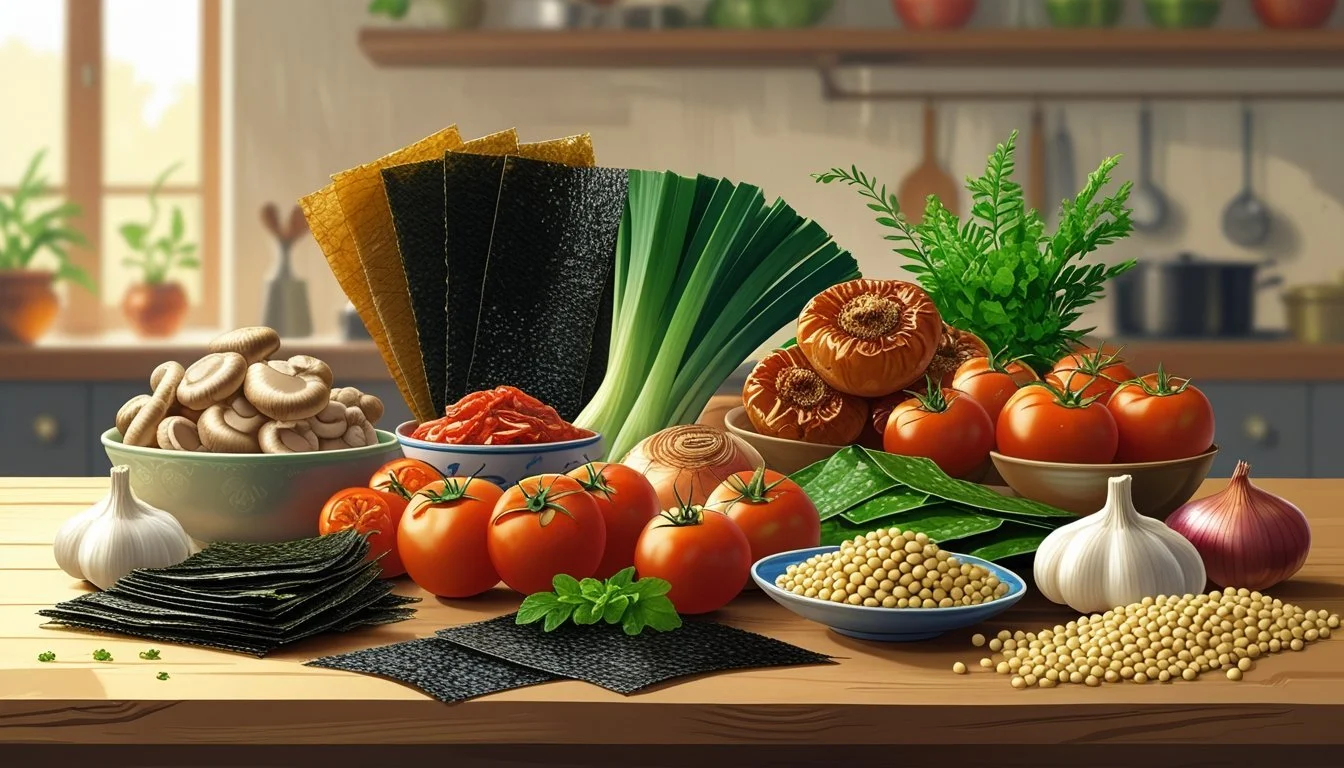
Certain vegetables add significant depth and richness to meatless dishes. These natural ingredients bring savory complexity without the need for added MSG.
Tomatoes: Fresh, Dried, and Paste
Ripe tomatoes and their concentrated forms deliver potent umami notes. Fresh tomatoes, especially when well-ripened, boost natural glutamate content, enhancing soups, sauces, and salads. Sun-dried tomatoes offer even higher levels of umami due to moisture loss and flavor concentration.
Tomato paste is made by cooking tomatoes for long periods, resulting in a product with densely packed umami flavor. Even a small amount of tomato paste enriches stews, braises, and chili with a savory base. Roasting or slow-cooking tomatoes intensifies these effects, making them versatile in various cuisines.
Seaweed Varieties and Their Culinary Uses
Seaweed is a leading plant-based umami source, with kombu, nori, and dulse offering distinct profiles. Kombu, commonly used in Japanese broths, contains glutamates that form the backbone of dashi and enrich plant-based stocks. Its savory effects are noticeable even in small strips simmered in water.
Nori, used in sushi and snacks, is milder but adds depth to rice dishes and vegan soups. Dulse offers a briny umami flavor that pairs with vegetables, grains, and salads. These seaweeds are not only flavorful but also provide nutrients like iodine and minerals, making them useful additions to plant-based diets.
Alliums: Onions and Garlic
Onions and garlic are essential for building umami in vegetable dishes. Sautéing or caramelizing onions develops complex sweetness and deepens savory flavors due to the Maillard reaction. Both yellow and red onions are suitable, and green onions offer a subtler effect.
Garlic, when roasted or sautéed, mellows in sharpness and delivers earthy, robust depth. Combining onions and garlic at the start of cooking forms a flavorful base for soups, curries, and sauces. Together, these alliums help create layers of taste without relying on animal products or added MSG.
Culinary Techniques to Enhance Umami Without MSG
Achieving a strong savory depth in dishes is possible through careful preparation and classic cooking methods. Both time and technique play crucial roles in maximizing umami flavors from natural ingredients.
Slow Cooking and Roasting
Slow cooking allows proteins and vegetables to release complex compounds that deepen the flavor profile of soups and stews. Beef broth or beef stock prepared over several hours will develop a natural richness and umami quality.
Roasting meat or root vegetables at high heat creates a browned, savory exterior through the Maillard reaction. This process intensifies the inherent flavors, making even simple ingredients more satisfying. Roasting tomatoes or mushrooms enhances their natural glutamates, adding savory notes to a wide range of savory dishes.
For best results:
Ingredient Technique Used Umami Boost Type Beef bones Slow simmering Deep, meaty savory depth Mushrooms Roasting Earthy, concentrated umami Root vegetables Roasting Sweet, caramelized undertones
Reduction and Concentration Methods
Reduction is a technique where liquids are simmered to evaporate water, concentrating the remaining flavors. Reducing beef stock, tomato sauce, or even vegetable broths amplifies umami and adds intensity to the dish.
Careful concentration ensures that each component stands out. For example, allowing a mushroom sauce to gently reduce will create a robust, layered sauce ideal for pairing with grains or proteins. This method is often used in professional kitchens to heighten the culinary experience without the need for MSG or artificial enhancers.
Essential steps for flavor concentration:
Simmer broths uncovered until thickened
Stir occasionally to prevent scorching
Taste as reduction progresses to avoid bitterness
Seasonings and Spices That Boost Savory Flavor
Removing MSG does not mean losing depth or complexity in cooking. Many herbs, spices, and tangy liquids naturally provide rich savory notes and can be combined for layered umami effects.
Herbs for Enhanced Umami
Certain fresh and dried herbs help round out the savory profile of dishes. Thyme is often used in slow-cooked meals for its earthy, almost meaty undertone. Rosemary pairs well with roasted vegetables, poultry, and meats, adding resinous and pine-like flavors that mimic aspects of umami.
Other herbs such as oregano and sage contribute to a sense of fullness in sauces and soups. Using a blend of these can create a more complex base, particularly in vegetarian or vegan meals where traditional umami sources like meat or MSG are avoided.
A sprinkle of finely chopped herbs at the end of cooking adds fresh aromas and reinforces savory notes. Parsley and chives may not offer direct umami, but they support and enhance flavors, especially when used in combination.
Table: Common Savory Herbs and Uses
Herb Flavor Profile Best Uses Thyme Earthy, subtle Stews, soups, beans Rosemary Pine, resinous Roasts, breads, potatoes Sage Warm, peppery Stuffings, sauces, poultry Oregano Bold, slightly bitter Pizza, tomato sauces
Spices and Their Impact on Taste
Spices deepen savory qualities and enrich taste. Cumin gives an earthy, slightly nutty note that works especially well in Middle Eastern, Mexican, and Indian cooking. Turmeric adds color and a mild, bitter warmth, often found in curries and rice dishes.
Smoked paprika and black pepper provide layers of complexity. Smoked paprika introduces smoky notes reminiscent of cooked meats, which enhances the savory taste in plant-based recipes.
Spices like coriander and fennel seed can be toasted to release essential oils before grinding, bringing out richer, rounder flavors. Using spice blends is another way to create harmony without MSG, ensuring depth and interest in each bite.
List: High-Impact Savory Spices
Cumin (adds warmth and earthy undertones)
Turmeric (slight bitterness and gold color)
Smoked paprika (smokiness, mild heat)
Black pepper (pungent, sharp heat)
Vinegar and Tangy Flavor Enhancers
Acidic ingredients like vinegar amplify flavors by brightening dishes and highlighting natural umami. Balsamic vinegar in particular brings both sweetness and depth to dressings, glazes, and roasted vegetables.
Other vinegars—such as red wine, sherry, or apple cider vinegar—serve as excellent finishers for stews and sauces. Adding a dash at the end of cooking can balance richness and make savory components stand out more.
Fermented products such as soy sauce and tamari, although salty, also provide tang alongside umami. A splash of either can substitute for MSG in soups, stir-fries, and marinades, delivering complexity without artificial additives.
When cooking without MSG, it’s important to add acids sparingly and taste frequently to avoid overpowering delicate flavors.
Choosing the Right Umami-Rich Ingredients for Dietary Needs
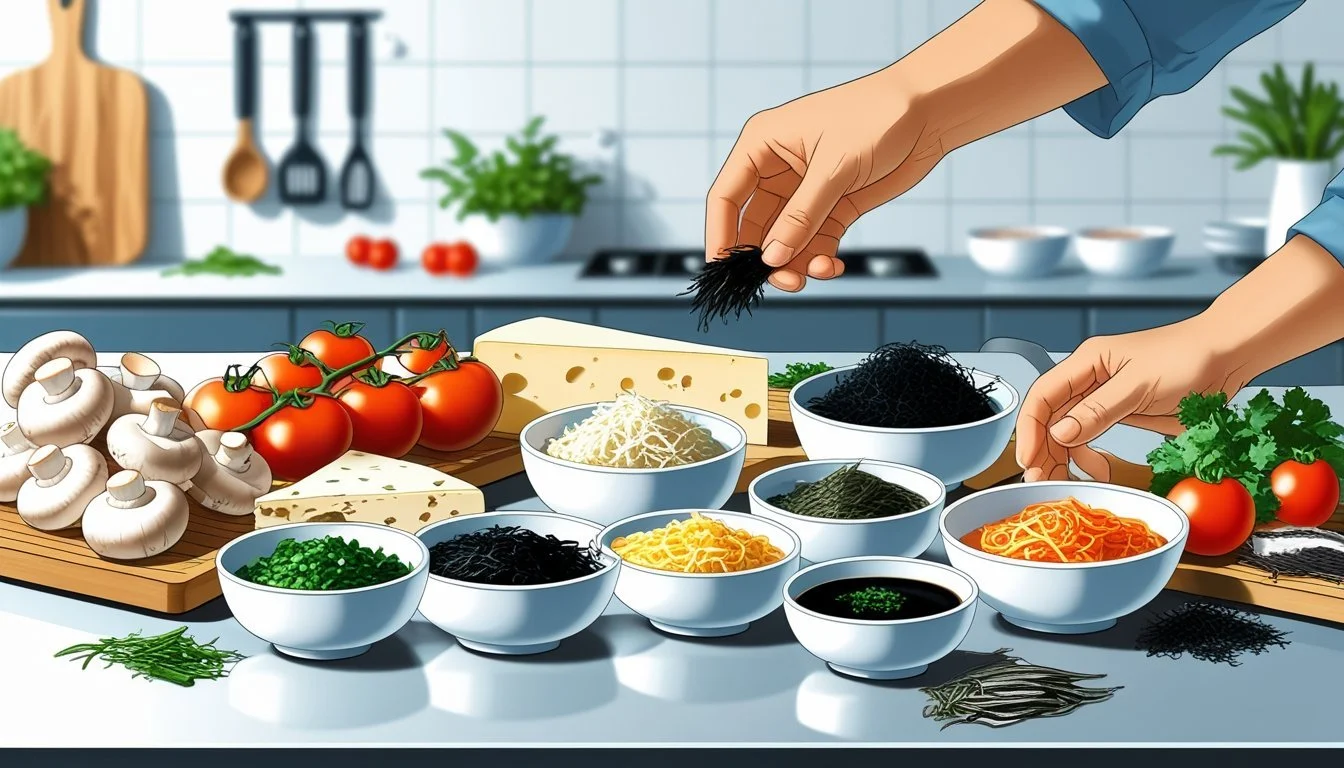
Selecting umami-rich ingredients that fit specific dietary requirements can improve both the flavor and health profile of meals. It's important to consider both allergies and ingredient sensitivities, as well as salt intake, when making these choices.
Gluten-Free and Allergy-Friendly Options
For those avoiding gluten, tamari is a key alternative to traditional soy sauce, as it is typically brewed without wheat. Coconut aminos offer another gluten-free and soy-free choice, bringing a slightly sweet umami flavor useful in stir-fries and marinades.
Miso paste can be gluten-free if made from rice or chickpeas instead of barley. Shoppers should always check labels to ensure products are free from cross-contamination with allergens.
Other safe, umami-rich foods include mushrooms (like shiitake or porcini), sun-dried tomatoes, and roasted seaweed. These options allow those with common allergies to enjoy snack mixes or homemade broths without worry.
A summary table for common gluten-free umami sources:
Ingredient Gluten-Free Soy-Free Allergen Notes Tamari Yes No Check for soy content Coconut Aminos Yes Yes Rare coconut allergy Chickpea Miso Yes Yes Check for fermentation Mushrooms Yes Yes Check for additives Roasted Seaweed Yes Yes Sometimes packed with sesame
Low Sodium Approaches
Many umami-rich condiments such as soy sauce are high in salt, which may not suit low-sodium diets. A good alternative is homemade stocks made with vegetables, mushrooms, or animal bones—these give umami flavor without excess sodium if unsalted.
Kombu (dried kelp) can be added to soups and stews for depth while allowing the cook to control salt additions. Likewise, tomato paste gives a savory taste with minimal sodium if using no-salt-added varieties.
When shopping for snacks or ready-to-eat items, look for labels marked "low-sodium" or "no salt added." Table listing lower sodium options:
Ingredient Approximate Sodium (per serving) Notes No-salt-added Tomato Paste <30 mg Great for sauces Homemade Vegetable Stock Varies, often <50 mg Control salt at home Roasted Mushrooms ~0 mg Watch for salted packaging Kombu <100 mg (unless salted) Rinse before use
Choosing the right ingredient helps meet dietary needs while preserving a rich, savory profile in both main meals and snacks.
Incorporating MSG Alternatives in International Cuisines
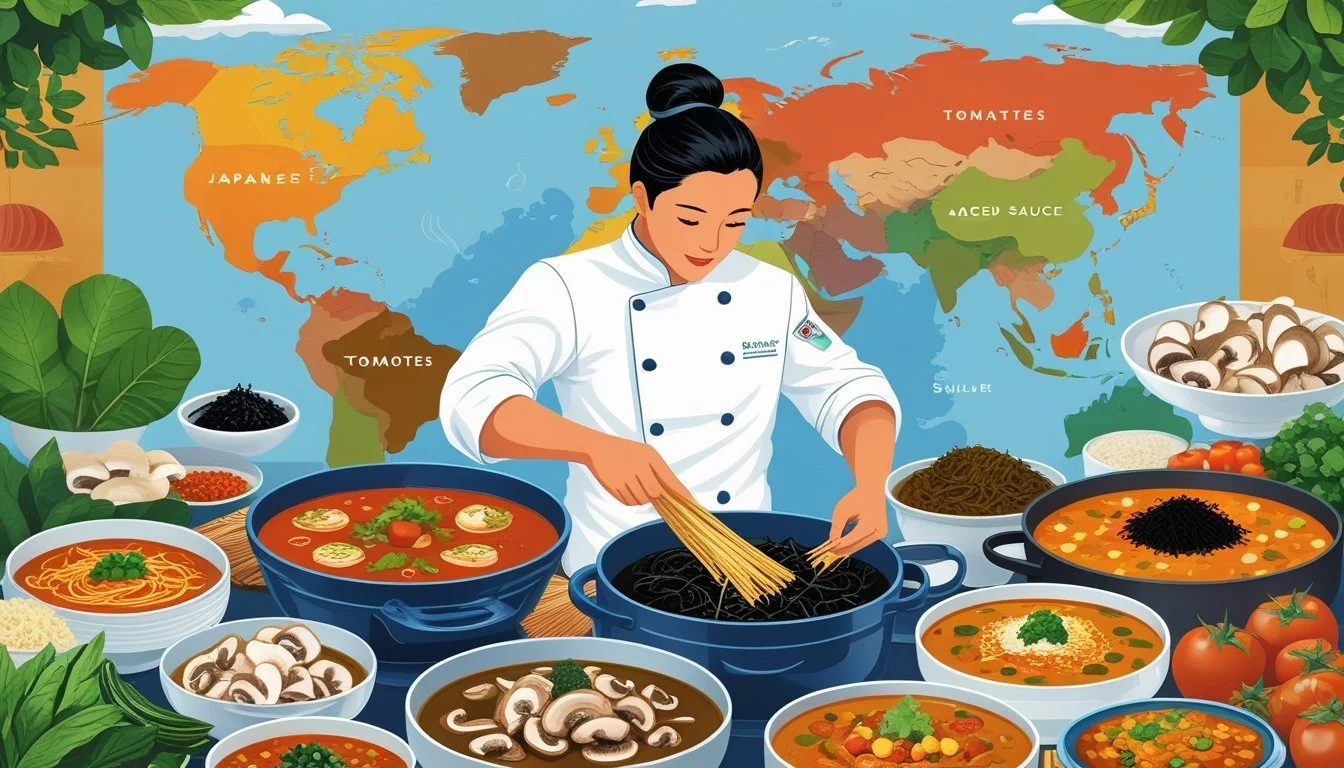
MSG alternatives offer a range of options to boost umami flavors in both Asian and Western savory dishes. By selecting the right ingredients, cooks can create deep, satisfying flavor without added monosodium glutamate.
Asian Cuisines Without MSG
In Asian cooking, umami is crucial for depth and balance. Instead of MSG, soy sauce, fish sauce, and fermented bean paste deliver a natural umami punch. These ingredients bring out the savoriness in stir-fries, noodles, and soups.
Other options include dried mushrooms, particularly shiitake, which infuse broths with rich umami notes. Seaweed, such as kombu, is widely used in Japanese cuisine for making dashi—a fundamental savory broth. Miso and fermented tofu are also relied on for depth in vegetarian and vegan preparations.
A simple table of popular MSG alternatives in Asian cuisines:
Ingredient Typical Use Soy sauce Stir-fries, marinades Fish sauce Soups, dipping sauces Dried shiitake Broths, rice dishes Kombu (seaweed) Stocks, soups Miso Soups, dressings
Western Recipes with Natural Umami
Western dishes often seek umami through aged cheeses, tomatoes, and meat stocks. Parmesan and Grana Padano, when grated or melted into dishes, supply a concentrated boost of natural glutamates.
Roasted or sun-dried tomatoes add complexity to pasta sauces, stews, and casseroles. Bouillon cubes and rich homemade stocks from beef, chicken, or vegetables also function as potent flavor enhancers. Worcestershire sauce, combining anchovies and tamarind, delivers multifaceted umami and is common in marinades and sauces.
For plant-based cooking, sautéed mushrooms and caramelized onions stand out as key ingredients to replace MSG while still achieving savory depth. Supplemental options such as nutritional yeast offer nutty, umami undertones, especially in vegan recipes.
Evaluating the Health Benefits of Natural Umami Sources
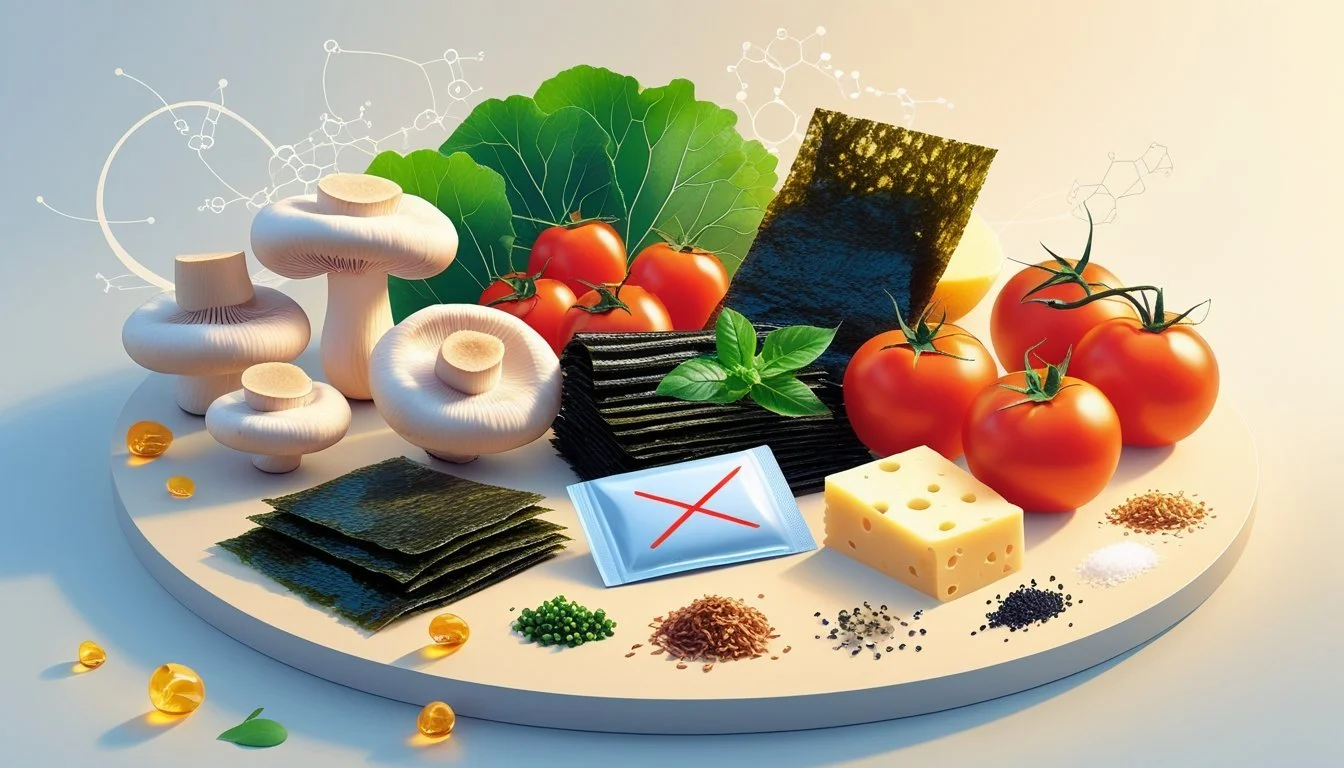
Natural umami sources, such as fermented foods and savory vegetables, provide flavor as well as potential health advantages. Many of these ingredients offer specific nutrients, live cultures, or compounds that may influence gut function and digestion.
Probiotics and Gut Health
Fermented umami-rich foods—such as miso, kimchi, tempeh, and certain aged cheeses—often contain live probiotics. These beneficial bacteria may help support the balance of gut microbiota, which is linked to various aspects of digestive health.
Improved gut health has been associated with better nutrient absorption, enhanced immune response, and reduced inflammation. The process of fermentation can also make some nutrients more bioavailable, aiding in digestion and overall nutrient uptake.
Choosing natural umami sources that are minimally processed and retain live cultures can contribute both to flavor enhancement and to potential gut health benefits. These foods generally contain little added sodium compared to commercial seasonings like MSG, making them a preferred option for those watching salt intake.

