
How to Replace Missing Ingredients in Emergency Situations
Quick Substitutions for Critical Moments
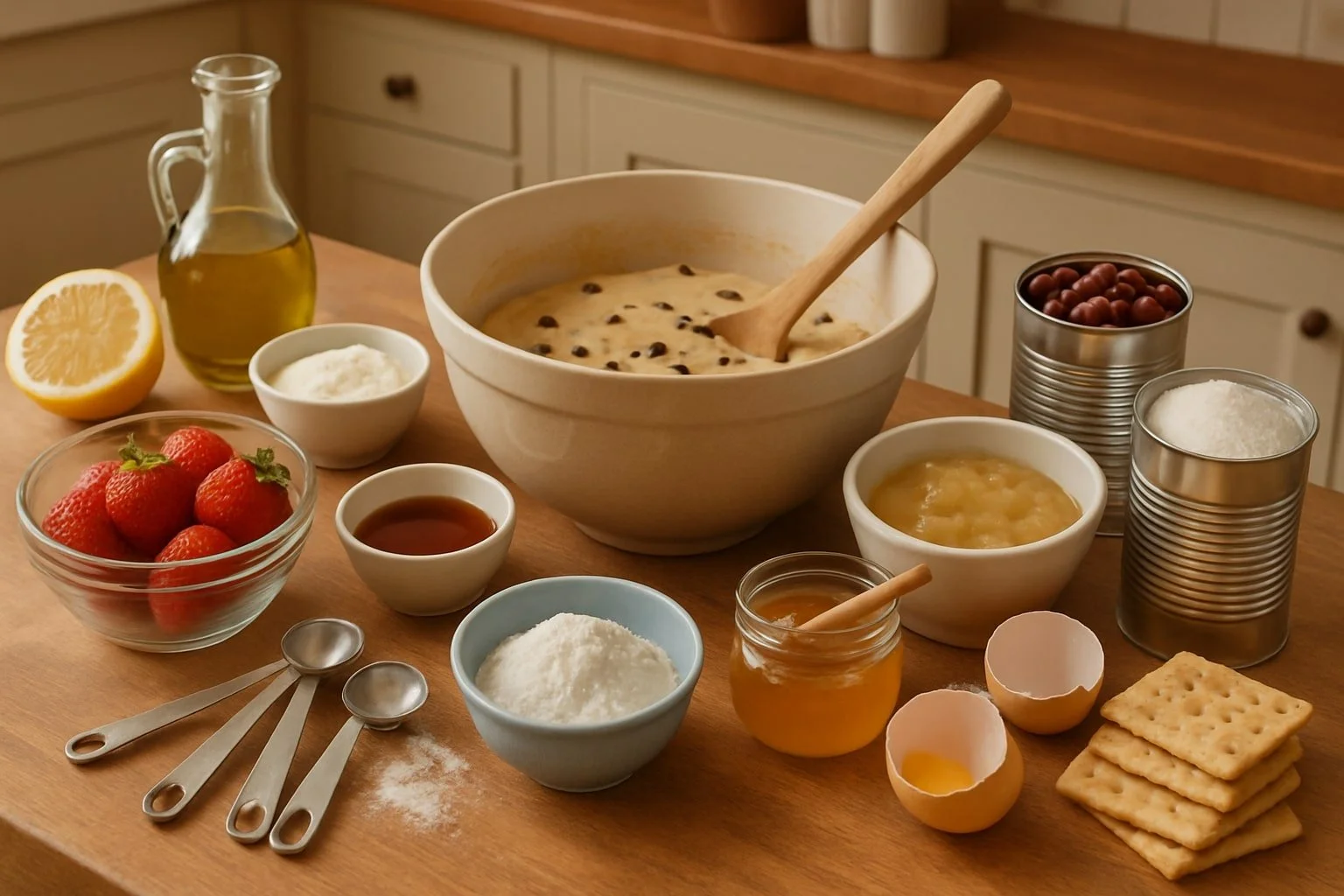
Running out of a key ingredient can bring meal prep to a halt, but knowing how to make effective substitutions can keep any recipe on track. Swapping missing ingredients with suitable alternatives allows cooks to finish their dishes without sacrificing too much on flavor or texture. With the right knowledge, anyone can adapt in the kitchen and avoid unnecessary trips to the store.
Many common pantry items can serve multiple purposes when needed, and understanding which ingredients can stand in for others is especially valuable during emergencies or unexpected shortages. Whether baking or cooking, quick substitutions can preserve both the meal and the cook’s peace of mind.
Understanding Emergencies and Ingredient Shortages

Emergencies can disrupt food supplies and make certain ingredients difficult or impossible to obtain. Knowing the types of events that cause shortages, why supplies run short, and how to evaluate what is needed most can help maintain emergency preparedness.
Types of Emergency Scenarios
Emergencies that impact ingredient availability may include natural disasters, public health crises, and supply chain breakdowns. Events such as hurricanes, earthquakes, and floods can damage infrastructure, delay deliveries, and disrupt transportation routes.
Other scenarios include pandemics or disease outbreaks, which may limit workforce availability or cause increased demand for certain items. Civil disturbances or localized power outages can also affect access to both fresh and packaged foods.
Emergency planning often considers both short-term incidents lasting days and longer events stretching over weeks or months. Food businesses and households should design emergency preparedness strategies to match the most likely scenarios for their region.
Common Causes of Ingredient Shortages
Ingredient shortages can arise from several sources, sometimes overlapping during emergencies. Physical damage to roads and bridges impedes supply deliveries, while shutdowns at farms or factories interrupt production of essentials like flour or canned goods.
Other causes include sudden surges in demand—such as people stocking up before storms or during public health warnings. Trade restrictions or transportation delays add further stress to the supply chain, causing some items to run out faster than others.
Understanding the underlying cause, whether it is production, distribution, or demand, can guide the best emergency plan for sourcing substitutes and managing inventory.
Assessing Immediate Needs
When faced with missing ingredients, it is important to quickly assess which items are most critical. Prioritize foods and ingredients that provide key nutrients, such as proteins, carbohydrates, and fats.
A checklist of essential food groups and their emergency substitutes can assist in making these decisions:
Food Group Emergency Substitute Examples Protein Canned beans, canned meats Carbohydrates Crackers, rice, pasta Dairy Shelf-stable milk, powdered milk Vegetables/Fruit Canned, dried options
Emergency planning includes evaluating current supplies, projected needs for each household member, and any special dietary requirements. This ensures immediate needs are met while maintaining flexibility during ingredient shortages.
Immediate Actions When Essential Ingredients Are Missing
When a key ingredient is unavailable during an emergency, acting quickly and making safe choices is critical. Identifying safe substitutes, protecting health, and following up-to-date emergency guidance help prevent harm and support well-being.
Evaluating Available Alternatives
Start by reviewing all food and nonfood items that might serve as a substitute. For instance, if baking powder is missing, a mixture of 1/2 teaspoon cream of tartar plus 1/4 teaspoon baking soda can work in most recipes. If bread crumbs are unavailable, crushed crackers or dry cereal are common replacements.
Use the chart below for common substitutions:
Missing Ingredient Possible Substitute Eggs Flaxseed + water, applesauce, mashed banana Milk Evaporated milk (diluted), plant-based milk Wheat flour Oat flour, rice flour, ground cereal Butter Vegetable oil, margarine
Always check packaged foods for expiration dates. Only use items that are within their safe-use period to reduce the risk of foodborne illness. In unfamiliar situations, refer to official resources or guides on emergency substitutions.
Safeguarding Health During Substitutions
Substituting ingredients must never compromise food safety. Avoid using ingredients that are spoiled, past expiration, or show signs of contamination. Do not consume canned goods that are bulging, leaking, or rusted.
Check for allergens when substituting, especially in shared kitchens or family settings. If a household member has food allergies, use substitutions that do not introduce new allergens. Review labels carefully and store allergens away from ready-to-eat foods.
Safe water is equally essential. In case of uncertainty, boil water for at least one minute before consuming or mixing with foods. Avoid raw eggs or undercooked meats unless certain of their safety. Never taste food to check for spoilage.
Consulting Emergency Alerts and Health Services
Monitor official emergency alerts via radio, local news, government websites, or designated mobile apps. These can provide instructions if there are specific advisories about contaminated water, recalls, or hazardous ingredients after events like floods or power outages.
If unsure whether a substitute is safe or if symptoms of foodborne illness develop, contact health services or poison control for guidance. Seek immediate medical attention in case of allergic reactions or if someone shows signs of severe food poisoning, including persistent vomiting, difficulty breathing, or unconsciousness.
Keep first aid supplies readily available, especially in scenarios where new or unfamiliar ingredients are being used. Documentation on first aid for allergic reactions or foodborne illness should be kept with the kit for reference.
Safe Replacement of Hazardous or Sensitive Ingredients
When replacing hazardous or sensitive ingredients, understanding the specific risks, safety documents, and storage or handling protocols is essential. Careful identification prevents harm, while proper use of safety data sheets and procedures manages potential dangers.
Identifying Hazardous Chemicals
Many common household and industrial ingredients may be hazardous, including strong acids, bases, solvents, or items with allergenic properties. Identification starts by reviewing product labels for hazard symbols, warning statements, and ingredient lists.
Common hazard categories include flammable liquids, corrosives, oxidizers, and toxic substances. In some cases, seemingly harmless products can pose risks if inhaled, ingested, or mixed with other chemicals.
Safer alternatives should be selected by prioritizing ingredients with lower toxicity, reduced allergenic potential, and minimal environmental impact. Established databases, such as CleanGredients®, help users find options meeting strict safety criteria. When in doubt, avoid substitutions that are not well documented or carry significant warnings.
Using Safety Data Sheets
Safety Data Sheets (SDS) provide essential information about the properties, hazards, and safe use of chemical ingredients. Before attempting to substitute any hazardous or sensitive ingredient, users should obtain and review the SDS for both the original and any potential replacement.
Key SDS sections include hazard identification, handling and storage recommendations, and first aid measures. These details inform users of flammability, reactivity, potential routes of exposure, and safe disposal guidelines.
Always ensure the replacement ingredient matches the desired safety standards and that all storage, handling, and labeling protocols are followed precisely. Failure to consult the SDS can result in allergic reactions, chemical burns, or other emergencies.
Handling Flammable or Reactive Items
Flammable or reactive ingredients require extra caution when substituted. Never store flammable liquids near heat sources or open flames, and ensure adequate ventilation when using volatile substances.
Reactivity hazards may arise if incompatible chemicals are mixed or stored together. For example, some cleaning agents react violently with bleach, producing toxic gases. Check compatibility charts or SDS reactivity sections before making substitutions.
Wear appropriate personal protective equipment (PPE) such as gloves, goggles, and lab coats. Use spill containment and fire suppression equipment as recommended for both the original and replacement ingredient. Always keep emergency contact numbers and first aid instructions nearby.
Guidelines for Food and Cooking Ingredient Substitutions
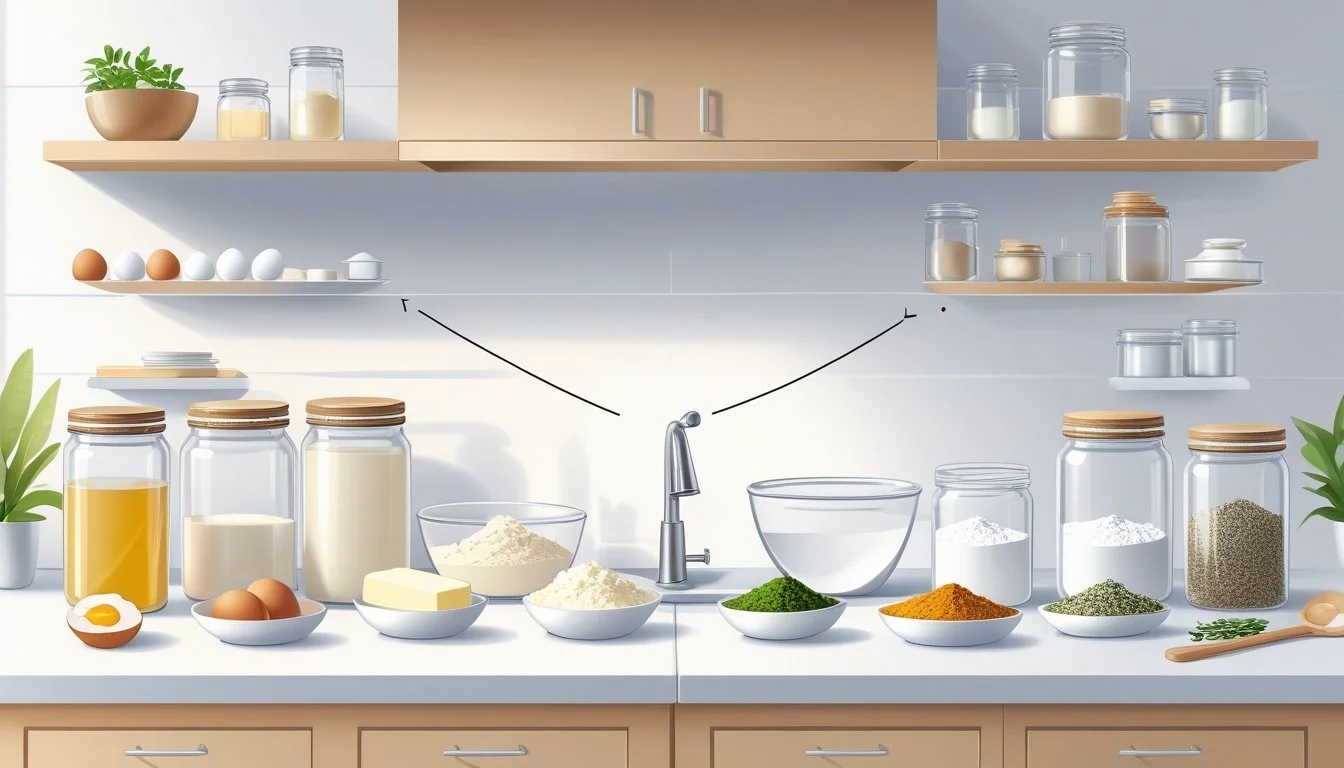
Making ingredient substitutions in an emergency comes down to understanding safe, reliable swaps. The focus is on maintaining nutrition, flavor, and food safety when the original ingredient is not available.
Common Food Substitutes
Substituting ingredients effectively starts with knowledge of staple replacements. For example, baking powder can be replaced with ½ teaspoon cream of tartar plus ¼ teaspoon baking soda per teaspoon needed. Butter can be substituted at a 1:1 ratio with oils like canola, olive, or sunflower oil.
Cooking oils can also be swapped out for applesauce or bacon fat in some recipes, using the same amount. To thicken soups or sauces, use 1 tablespoon cornstarch or potato flour instead of 2 tablespoons flour. Arrowroot is another option—1 tablespoon arrowroot replaces 2½ tablespoons flour.
For flour shortages, partial substitutions with whole wheat or other alternative flours are possible, but they may affect texture. Consider adding foods to the emergency kit that are versatile, like dry milk, canned beans, or powdered eggs, as these are adaptable for many kinds of recipes.
Dealing With Allergies and Dietary Restrictions
When preparing emergency supplies, those with allergies or dietary restrictions need to be extra careful. Keeping alternatives such as gluten-free flour, non-dairy milk, or egg replacers in the emergency kit helps address common dietary needs.
For dairy allergies, non-dairy alternatives like oat, soy, or almond milk are suitable in most recipes. Chia seeds or flaxseeds mixed with water can serve as an egg substitute when baking. Nut and soy butters can often take the place of peanut butter if nut allergies aren't present.
Reading labels is essential, especially in stressful situations. It’s important to stock up on shelf-stable foods that match specific dietary needs, and to update emergency supplies annually to ensure all products are safe and effective for the household.
Replacing Medical and First Aid Items
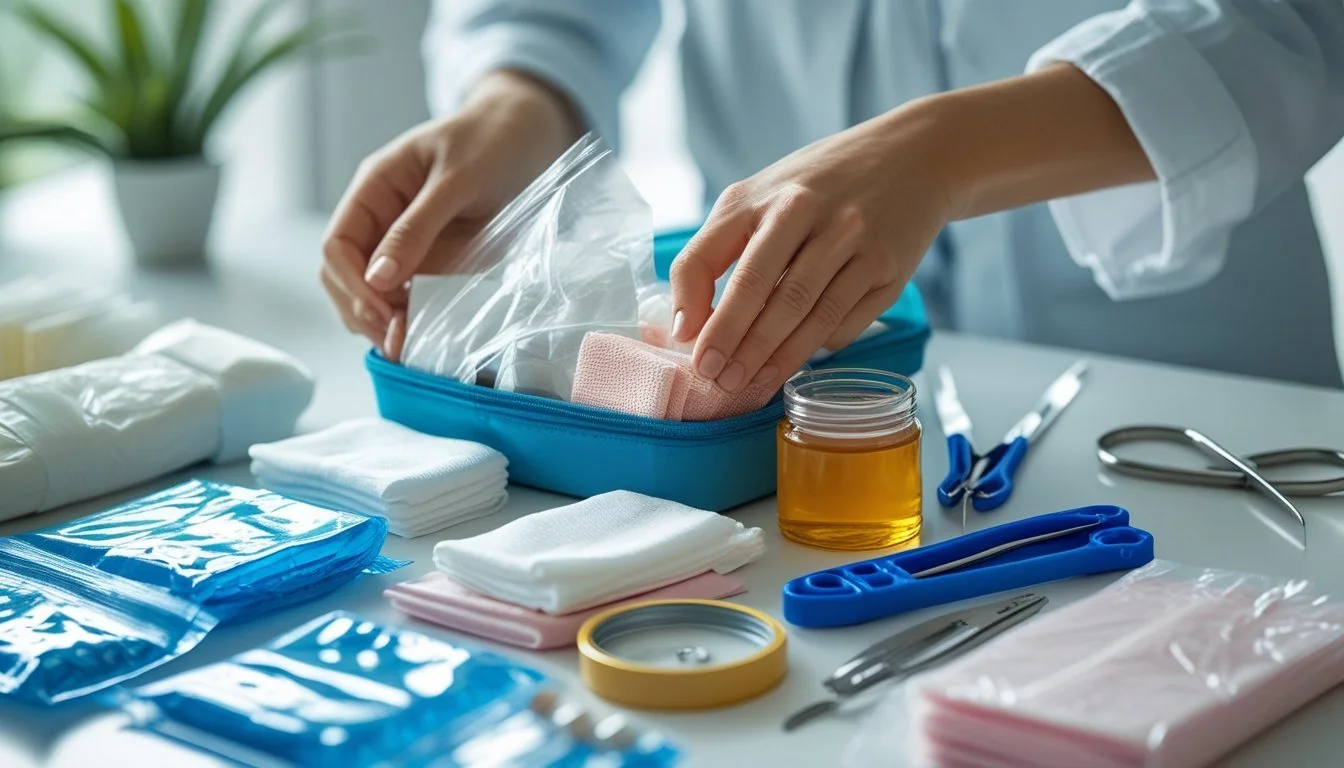
Having the right medical and first aid supplies can prevent a treatable injury from becoming an emergency. It is important to know how to quickly restock essential items, as well as how to improvise when supplies are limited.
Essential Medical Replacements
When maintaining an emergency kit, used, expired, or missing items must be replaced promptly. First aid kits should be checked at least twice a year. Critical supplies to inspect and restock include:
Bandages and gauze pads
Adhesive tape
Antiseptic wipes
Non-latex gloves
Pain relievers and topical ointments
Prescription medications (check expiration dates)
Expired items can lose effectiveness or pose health risks. Damage or contamination is also a reason for replacement. Store any replacements in waterproof packaging to protect them from moisture.
Having an organized kit, with items grouped by use (e.g., wound care, medication), helps everyone find what they need quickly. Missing items should be replaced before the kit is needed in an emergency.
Improvised First Aid Solutions
When standard medical supplies are not available, improvised alternatives can be used. For bleeding, clean cloths or clothing can function as bandages. Plastic bags or clean food wrappers may serve as makeshift gloves.
In place of medical tape, strips of fabric can secure dressings. For cleaning wounds, boiled and cooled water or a saline solution (mix 1 teaspoon salt per liter of clean water) is a safe alternative if antiseptic wipes are unavailable.
To splint a limb, use rolled newspapers, sturdy sticks, or any rigid object. Pain can be managed with cool cloths or, if available, over-the-counter options from an emergency kit. Always use the cleanest materials possible to reduce the risk of infection.
Storing and Managing Substitute Ingredients
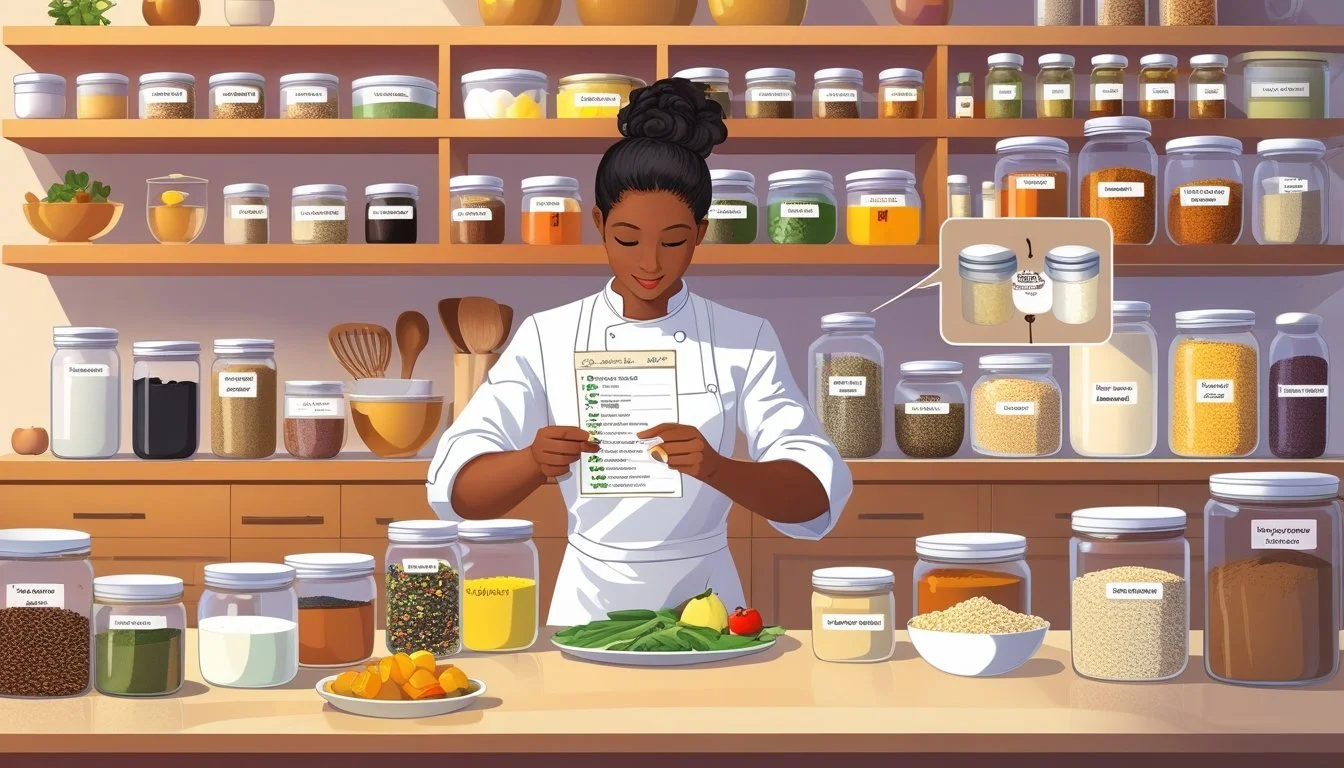
Proper storage and handling of substitute ingredients help maintain their quality and safety. Using sealed containers and monitoring for signs of damage or chemical changes is crucial, especially in environments with high humidity or potential exposure to hazardous materials.
Best Practices for Sealed Containers
Storing substitute ingredients in airtight, sealed containers prevents moisture, pests, and air exposure, which can spoil or contaminate ingredients. For powders like baking soda or flour substitutes, food-safe plastic or glass jars with tight-fitting lids are recommended.
Label each container with the ingredient name and date opened. This helps track freshness and minimizes the risk of using expired or deteriorated substances.
Bulk ingredients such as oil or vinegar should be kept in their original packaging if possible, as these are often designed to limit light and air exposure. For long-term storage, choose containers with gaskets or silicone seals, which offer extra protection.
If the ingredients are sensitive to light or temperature, such as plant-based oils, store them in dark, cool places. Check periodically for leaks or broken seals, and discard any ingredient that shows signs of spoilage.
Preventing Corrosion and Degradation
Many substitute ingredients, especially acidic or salty substances like salt, vinegar, or lemon juice alternatives, can cause corrosion in metal containers. Use non-reactive materials like glass, food-grade plastic, or ceramic to avoid chemical reactions.
Avoid storing acidic ingredients in unlined metal containers, which can leach metals into the food and damage the container. Stainless steel is better than aluminum, but non-metallic storage is safest when dealing with potentially reactive or hazardous materials.
Check containers regularly for any signs of rust, discoloration, or unusual odors. If any damage occurs, transfer the contents to a new, safe container immediately.
Keep dry substitutes away from humidity by storing them off the ground and in cool, ventilated spaces. This helps preserve their texture and prevents clumping or degradation, ensuring substitutes remain effective when needed.
Disposing of Hazardous or Unusable Substances

Handling hazardous or unusable substances safely prevents health risks and protects plumbing and the environment. Distinguishing between ordinary waste and hazardous waste is essential, and disposal must always follow safe methods based on the substance involved.
Recognizing Hazardous Waste
Hazardous waste includes substances that are toxic, flammable, corrosive, or reactive. Common examples in a kitchen or workshop can be old cleaning chemicals, solvents, batteries, and waste oils. Recognizing potential hazards involves checking labels for warnings like “Danger,” “Poison,” or symbols indicating flammability or toxicity.
Substances that give off strong fumes, react violently with other materials, or burn easily—even after drying—should be treated as hazardous. Improper disposal may result in toxic fumes, contamination of soil and water, clogged plumbing, or even risk of fires. Mixing incompatible wastes can also cause dangerous reactions, so it’s critical to separate them upon identification.
Safe Disposal Methods
Safe disposal starts by keeping hazardous waste in original or clearly labeled, leak-proof containers. Never pour chemicals or oils down drains, as this can block pipes and pollute water systems. Use local hazardous waste collection programs or designated drop-off sites for items such as batteries, solvents, or expired chemicals.
Before disposal, store hazardous substances in a secure, ventilated area away from heat sources and open flames. Maintain a physical barrier, such as locking cabinets, to keep children and pets away. For emergencies where formal disposal is not possible, use temporary chemical-resistant containers and label them with the contents and hazard level for future safe handling.
Common hazardous wastes and disposal tips:
Substance Do Not Do Safe Action Motor oil Pour down drains or on ground Take to recycling center or HHW site Bleach Mix with ammonia or other cleaners Use up or take to hazardous site Batteries Throw in regular trash Use battery drop-off points

