
How to Replace Ingredients Based on Cooking Method
Expert Tips for Effective Substitutions
The key to successfully replacing ingredients while cooking is matching the ingredient’s properties to the cooking method—swap lean for lean, fatty for fatty, and choose items that behave similarly under heat. Understanding how different ingredients react to various techniques like roasting, frying, or baking helps maintain texture, flavor, and overall results.
By focusing on what the ingredient does in the recipe (adds moisture, thickens, provides flavor), cooks can make smart substitutions using items they already have in the kitchen. Substituting effectively not only saves time but also allows for more creativity and flexibility in everyday cooking.
Understanding Ingredient Substitutions
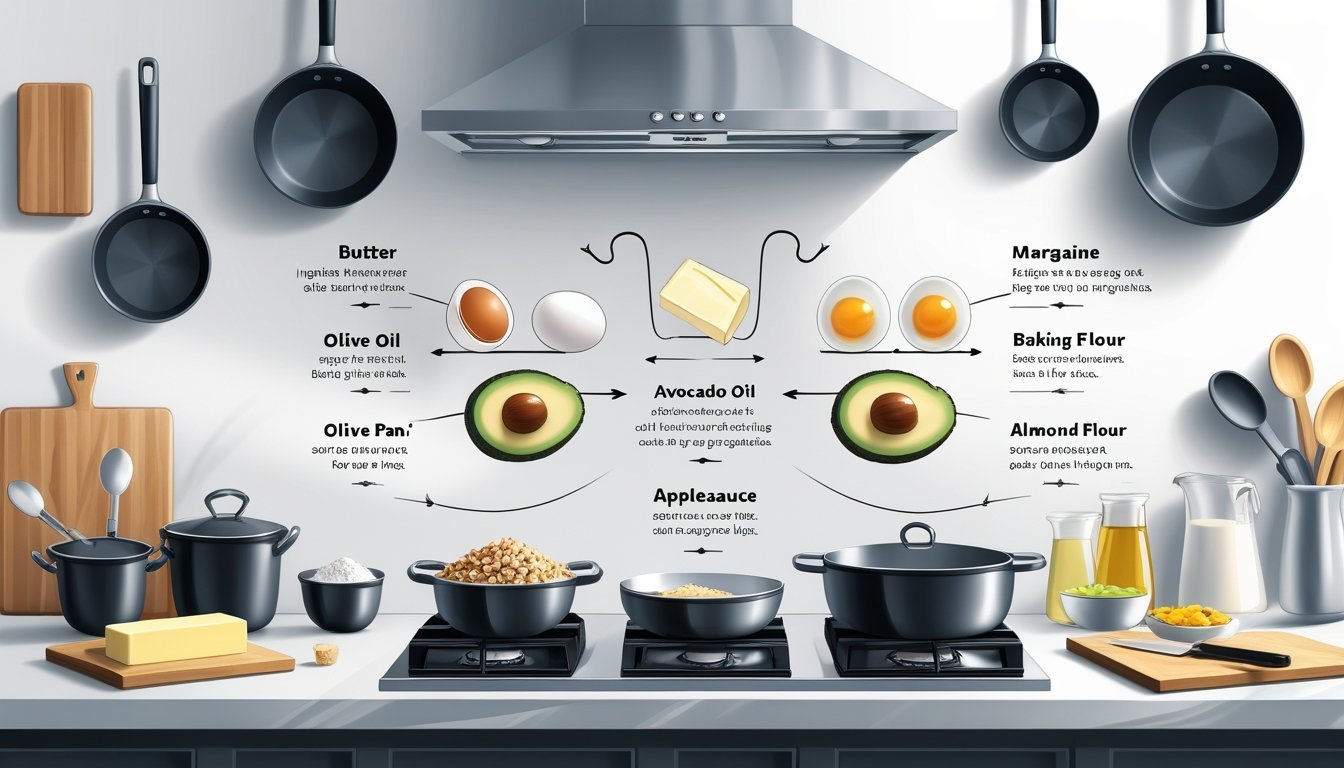
Ingredient substitutions allow cooks to adapt recipes when certain items are unavailable, when dietary needs change, or when different cooking methods are used. The success of a substitution often depends on understanding ingredient roles, how preparation methods affect outcomes, and the balance between flavor and texture.
Why Substitute Ingredients?
People substitute ingredients for several reasons, including allergies, intolerance, ingredient shortages, and personal preferences. For someone with a dairy allergy, replacing butter with coconut oil enables them to enjoy baked goods without risk. If someone runs out of eggs, flaxseed meal mixed with water can provide structure in muffins or pancakes.
There are also times when ingredient substitutions are necessary for cost reasons or convenience. For instance, using yogurt instead of sour cream in dips maintains a similar tangy flavor with potentially less fat and calories. In some cases, substitutions can make classic dishes accessible to those with restricted diets or specific health needs, such as gluten-free flour blends in baking.
Assessing Cooking Methods
The type of cooking influences which ingredient substitutions will work. Baking, for example, often requires precise chemical reactions, so any changes in ingredients (like flour, leaveners, or fats) should closely mimic the originals in structure and moisture content. For a cake, using a blend of all-purpose flour and cornstarch to replace cake flour helps achieve the right crumb.
Cooking techniques like sautéing or roasting offer more flexibility, allowing for a wider range of substitutions, such as swapping olive oil for butter. Broiling and grilling may require substitutes with higher smoke points, like avocado oil, to avoid burning.
Table 1: Sample Substitutions by Cooking Method
Method Common Substitution Baking Applesauce for Oil/Butter Roasting Canola oil for Olive oil Grilling Chicken for Pork Sautéing Vegetable broth for Wine
Flavor and Texture Considerations
Matching both flavor and texture is essential for successful ingredient substitutions. If substituting brown sugar with white sugar, adding a bit of molasses can restore the lost depth and moisture. When replacing milk with non-dairy alternatives, choosing an unsweetened option keeps flavors balanced and prevents an overly sweet dish.
Texture can change noticeably depending on the substitute. If using mashed bananas in place of eggs, baked goods may be denser and have subtle fruit notes. Care should be taken in savory dishes too; for example, swapping Greek yogurt for mayonnaise in salads changes the creaminess and tanginess.
Taste testing is key. Adjust seasoning as needed when making cooking substitutions, such as adding herbs or acids to compensate for lost complexity or brightness. Taking small sample bites during cooking can help refine the result and ensure a pleasing final dish.
Choosing Substitutes by Cooking Method

Selecting the right ingredient substitutes depends on how each item behaves during cooking. Texture, flavor, and chemical reactions all play a role in whether a swap will work as intended.
Baking Methods
Baking requires precise substitutions because chemical reactions are key. Leavening agents like baking powder and baking soda can’t always be swapped directly. For example, 1 teaspoon of baking powder can often be replaced with ¼ teaspoon baking soda plus ½ teaspoon cream of tartar, if there is enough acid in the batter.
Flour substitutes need special attention. Alternatives like almond flour, oat flour, or gluten-free blends behave differently than wheat flour. Almond flour, for example, absorbs less moisture and often benefits from extra binding agents such as eggs.
If replacing fats like butter or oil, consider moisture and flavor. Unsweetened applesauce can work for oil in some cakes, but it will not brown the same way, and texture may be softer.
Baking times may need adjustment when using substitutes, especially with denser batters or alternative flours. Checking with a toothpick for doneness offers a reliable test.
Sautéing and Stir-Frying
Quick-cooking methods like sautéing and stir-frying need substitutes that maintain structure and taste at high heat. When swapping proteins such as shrimp or chicken, it helps to substitute with another protein that cooks quickly and stays tender, such as thinly sliced pork or tofu.
Oils used for high-heat cooking should have a high smoke point. If a recipe calls for vegetable oil, canola, peanut, or grapeseed oil are good substitutes. Avoid butter in high-heat stir-fries, as it burns easily.
Vegetable substitutions should consider water content and texture. Snap peas can substitute for green beans, but may cook faster, so adjustments to cooking times are sometimes needed.
Adding aromatics like garlic or ginger late in the process prevents burning, which can be especially important if oils with different smoke points are used.
Grilling and Roasting
Grilling and roasting emphasize flavor from caramelization and browning. Protein substitutions must hold up to dry, intense heat; robust options like tofu, tempeh, or portobello mushrooms can replace meats, but benefit from marinating to avoid drying out.
For vegetable swaps, root vegetables like carrots or parsnips can stand in for potatoes, but cooking times will vary. A quick reference table helps:
Original Substitute Time Adjustment Potato Sweet Potato -10 minutes Chicken Firm Tofu Same or +5 min
Oil choices impact flavor and smoke. Extra virgin olive oil isn’t ideal for high-heat roasting; instead, use neutral oils like avocado or grapeseed.
If a recipe includes a glaze or sauce, make sure the substitute can withstand the oven temperature without burning or separating.
Slow Cooking and Braising
Slow methods like braising use low, gentle heat to break down proteins and fibers. Choosing protein substitutions with similar connective tissue, like beef stew meat for pork shoulder, maintains the dish’s texture.
Flour substitutes for thickening, such as cornstarch or arrowroot, behave differently than wheat flour. Cornstarch should be mixed with cold liquid first and added at the end to prevent clumping.
Oil is less critical in slow cooking, so any neutral oil can usually replace another. If omitting fat entirely, monitoring for dryness is important, especially with leaner protein swaps.
Cooking times may slightly decrease for tender cuts or meat alternatives. Taste and texture tests become especially important so as not to overcook substitutes.
Dairy Substitutions and Alternatives
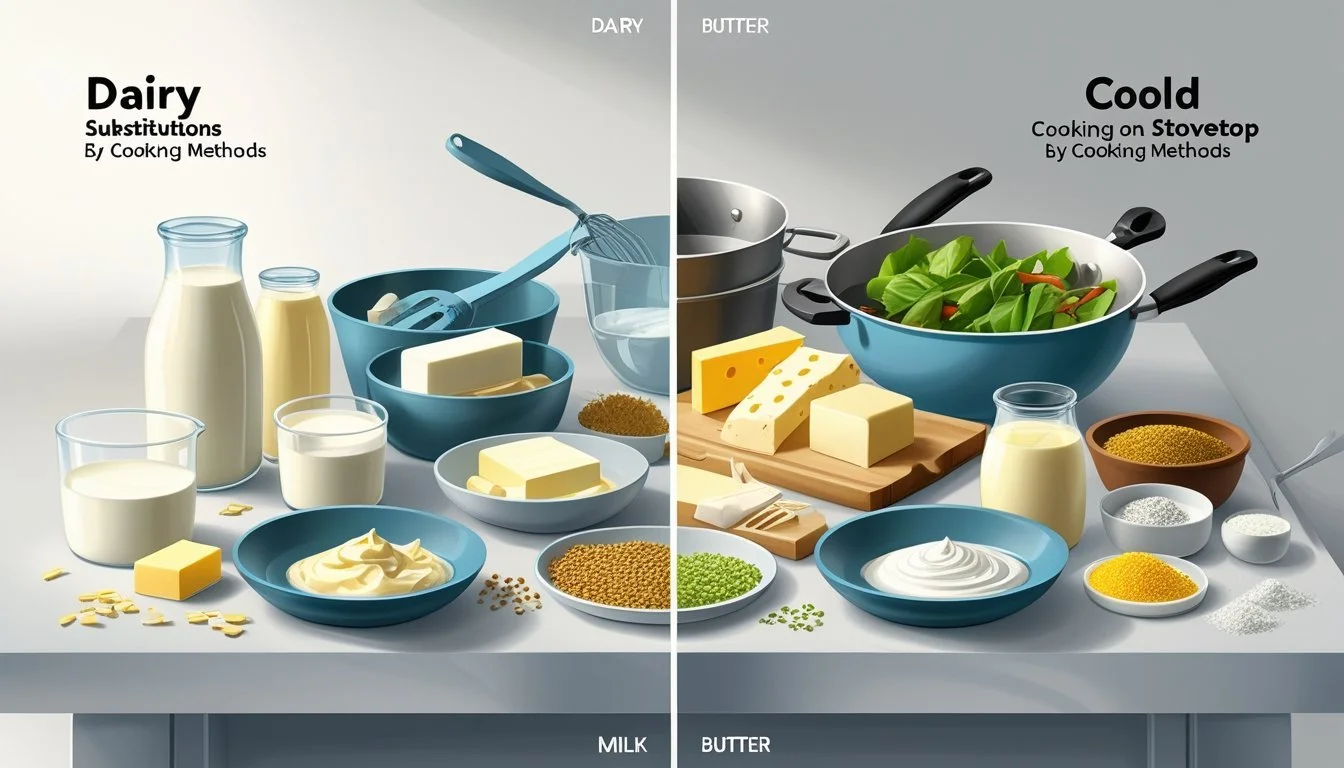
Dairy-based ingredients like milk, cream, and cheeses have unique properties, but several alternatives offer similar textures and flavors. Selecting the right substitute often depends on the dish, cooking method, and whether a dairy-free option is needed.
Replacing Milk and Cream
For regular milk, unsweetened plant-based options such as almond, oat, soy, and coconut milk can be used in equal amounts for most cooking and baking tasks. They vary in flavor and fat content—soy and oat milk are closest to cow’s milk in texture.
Evaporated milk can be replaced by simmering plant milk to reduce water content, or by using canned coconut milk for richer recipes. Sweetened condensed milk can be mimicked by mixing non-dairy milk with sugar and simmering until thickened, or by diluting the canned version 1:1 with water for recipes where less sugar is required.
Half-and-half can often be substituted with a blend of equal parts plant-based milk and coconut cream, or by using commercial dairy-free creamers. For buttermilk, combine 1 cup non-dairy milk with 1 tablespoon lemon juice or vinegar and let it sit for a few minutes to curdle.
Butter and Margarine Alternatives
Butter can typically be swapped with vegan butters, margarine (check for dairy in ingredients), or plant oils like olive oil, avocado oil, or melted coconut oil. For baking, try a 1:1 ratio of vegan butter or margarine to regular butter.
For sautéing or lower-heat uses, refined coconut oil and olive oil perform well and offer neutral or mild flavors. In pastries and cakes, chilled coconut oil or vegan shortening helps achieve flakiness and texture similar to butter.
If a recipe calls for melted butter, any neutral oil can work. For spreads, mixes of olive oil and avocado spread offer a creamy texture and mild flavor without dairy.
Cream Cheese and Ricotta Substitutes
Cream cheese can be replaced with store-bought vegan cream cheese or homemade versions made from blended cashews, tofu, or soaked sunflower seeds with a bit of lemon juice for acidity. Softened silken tofu pureed with a splash of plant milk creates a smooth, tangy alternative for dips or frostings.
For ricotta cheese, combine crumbled firm tofu, olive oil, nutritional yeast, and lemon juice in a food processor for a moist, spreadable blend. Mashed white beans or blended soaked cashews can also mimic the consistency and mild flavor of ricotta. Use these alternatives in everything from lasagna to desserts without major textural changes.
Egg and Egg Substitute Options
Eggs provide structure, stability, and moisture in many recipes. When eggs are unavailable or must be avoided, several substitutes can achieve similar results, especially depending on the cooking method and desired outcome.
Egg Substitutes for Baking
When baking, eggs can be replaced to maintain both texture and rise. For binding, ground flaxseed or chia seeds can be combined with water to mimic the viscosity of eggs. The typical ratio is 1 tablespoon of ground flaxseed or chia seeds plus 3 tablespoons of water to replace one egg. Stir together and let sit for 5-10 minutes before use.
For moisture, mashed banana or applesauce are common replacements. Use 1/4 cup of either to substitute one egg in cakes or muffins, though they may slightly alter flavor. Silken tofu also works well, especially in dense or chewy baked goods; use 1/4 cup of blended silken tofu per egg.
If a recipe relies on eggs for leavening, combine 1 teaspoon baking soda with 1 tablespoon vinegar per egg needed. This helps puddings, cakes, and cupcakes rise properly, providing airiness and structure.
Egg Substitute Egg Function Ratio Flaxseed or Chia Binding 1 tbsp meal + 3 tbsp water / egg Mashed Banana Moisture 1/4 cup / egg Applesauce Moisture 1/4 cup / egg Silken Tofu Structure 1/4 cup / egg Baking Soda+Vinegar Leavening 1 tsp soda + 1 tbsp vinegar / egg
Plant-Based Egg Alternatives
For those seeking vegan options, plant-based substitutes perform specific roles in recipes. Aquafaba, the liquid from canned chickpeas, is notable for its ability to mimic egg whites. Use 3 tablespoons of aquafaba in place of one egg or egg white. It whips and binds, making it effective for meringues, macarons, and mousses.
Ground chia seeds and flaxseed meal remain among the most versatile vegan choices. Both can be used in savory and sweet dishes, including pancakes and brownies, providing structure and moisture.
Silken tofu is virtually tasteless and works best in creamier baked goods or custards. For binding and richness, mashed banana or applesauce are used, though both may influence flavor. Each alternative has specific strengths, so choosing the right option depends on the desired texture and taste of the final dish.
Sugar and Sweetener Alternatives

Sugar plays a crucial role in baked goods and other dishes, not just for flavor but also for texture and moisture. Choosing the right substitute can impact the finished product, so it is essential to select alternatives that suit the dish’s needs and the desired outcome.
Replacing Granulated Sugar
Granulated sugar provides sweetness, structure, and browning. Common alternatives include erythritol, stevia, and monk fruit sweetener. Erythritol can usually be swapped 1:1 for sugar, but it only supplies about 70% of the sweetness of regular sugar, so recipes may require a slight adjustment to taste.
For more natural options, mashed bananas or blended dates add sweetness as well as moisture. These work well in quick breads, muffins, cookies, and pancakes. However, fruit-based substitutes can change texture and flavor, often making baked goods denser.
Stevia is intensely sweet, so only a small amount is needed. Most stevia products come with conversion directions. Generally, 1 teaspoon of stevia powder replaces 1 cup of sugar, but always use manufacturer guidelines for the best results.
Substitutes for Brown Sugar
Brown sugar contains molasses, giving it a soft texture and rich, caramel-like flavor. If brown sugar is unavailable, mix 1 cup of granulated sugar with 1 tablespoon of molasses to create a homemade version. Alternatively, maple syrup or honey can mimic some of the depth, though they also add liquid.
When substituting with dry natural sweeteners like coconut sugar, use a 1:1 ratio with brown sugar. Coconut sugar has a similar moisture content and flavor profile, making it the most straightforward replacement.
For recipes where texture is critical—such as cookies—adding a moist ingredient, like applesauce or yogurt, can help replicate the chewiness that brown sugar delivers.
Liquid Sweetener Replacements
Maple syrup, honey, and agave syrup are popular liquid sweeteners. When swapping a liquid sweetener for granulated sugar, reduce the other liquids in the recipe by about 1/4 cup for each cup of sweetener used.
Honey is sweeter than sugar,* so use 3/4 cup honey for each cup of sugar and adjust baking times, as honey causes browning more quickly. Maple syrup can be used in a 1:1 ratio for sugar, but brings a distinct maple flavor.
Molasses has a powerful taste and is best in recipes like gingerbread where its flavor is welcome. Use 1 cup of molasses to replace 1 cup of sugar, but expect a much denser, darker baked good. Each sweetener’s consistency and taste will subtly change the final product, so choose based on both function and flavor preference.
Flavor-Boosting Ingredient Replacements
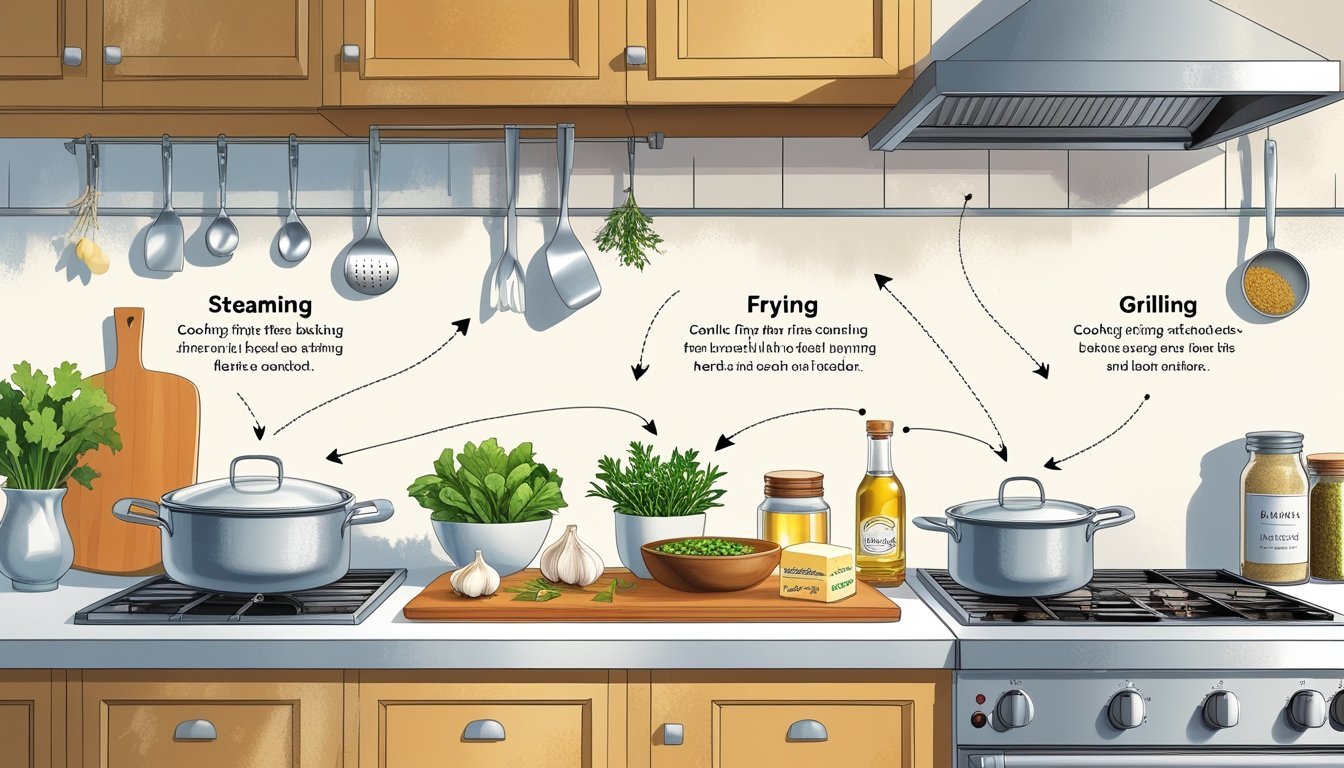
Swapping seasonings and herbs can help maintain essential flavors in recipes, even when missing key ingredients. Knowing which substitutes best match both taste and texture is useful for everyday cooking and baking.
Spice and Seasoning Substitutions
For common spices, choosing replacements that closely mimic both heat and flavor depth is vital. Onion powder and garlic powder can substitute for fresh onion or garlic at a ratio of about 1/4 teaspoon powder to 1 clove or 1 tablespoon chopped fresh.
When Italian seasoning is unavailable, a mix of dried basil, oregano, thyme, and marjoram works well. One tablespoon Italian seasoning can be swapped with equal parts of these herbs.
Chili powder can be replaced with a blend of paprika, cumin, and a little cayenne pepper when milder heat is desired; adjust quantities for spiciness. Substitute curry powder by combining turmeric, coriander, cumin, and ginger, or use a garam masala blend for similar complexity.
For less common spices, such as allspice, a mixture of cinnamon, nutmeg, and cloves (equal amounts) closely matches the taste. Refer to the table below for quick swaps:
Spice Needed Substitute Onion Powder 1 tbsp chopped onion = 1/4 tsp powder Garlic Powder 1 clove = 1/4 tsp powder Chili Powder Paprika + Cumin + Cayenne Allspice Equal parts cinnamon, nutmeg, and cloves
Herb Swaps: Fresh and Dried
Fresh and dried herbs are often interchangeable, though their potency differs. Generally, use three times as much fresh herb as dried (1 tablespoon fresh = 1 teaspoon dried). This ratio helps maintain balanced, consistent flavor.
When lacking fresh basil, dried basil or even oregano can offer similar undertones. Parsley can be replaced with fresh cilantro for a brighter note, while dried tarragon or thyme makes a suitable alternative for dill in savory dishes.
To mirror Italian seasoning, combining dried basil, oregano, rosemary, and thyme in equal measure gives a classic Mediterranean profile. For fresh herb garnishes, chopped chives or green onions work well in place of parsley or dill for added color and a mild bite.
Remember to add dried herbs earlier in cooking to allow flavors to develop, while fresh herbs should be used near the end for their aroma and color. This helps maximize both flavor and visual appeal in finished dishes.
Protein and Meat Substitute Solutions
Selecting the right protein or meat substitute can depend heavily on the cooking method, flavor profile desired, and nutritional needs. Precision in substitution ensures that texture and taste meet expectations, especially in recipes where animal protein is central.
Chicken and Ground Meat Alternatives
For chicken replacements, cooks often choose firm tofu, tempeh, or seitan. These options absorb marinades well and hold up during grilling, sautéing, or baking. Jackfruit is another popular choice, especially in shredded recipes like tacos or sandwiches, due to its meat-like texture.
Plant-based ground beef alternatives include lentils, textured vegetable protein (TVP), and commercial meat substitutes such as Beyond Meat or Impossible Burger. These have similar fat content and bind well in dishes like chili, tacos, and meatballs. Mushrooms can also mimic ground beef’s texture and add umami flavor.
Common Methods for Substitution
Original Substitute Best used in Chicken Tofu, Tempeh, Seitan Stir-fry, grilling Ground beef Lentils, TVP, Mushrooms Chili, pasta sauce
Non-Meat Protein Sources
Non-meat protein sources often used in cooking include beans, lentils, chickpeas, and edamame. These ingredients provide protein and fiber, making them suitable in soups, salads, and casseroles.
Grilled or roasted chickpeas and baked tofu can replace diced or shredded meats in wraps and bowls. Zucchini noodles and cauliflower rice are commonly used as lower-carb, plant-based bases that complement protein-rich toppings, providing diverse textures and added nutrients.
When using these protein sources, seasoning and preparation are key. Roasting with spices or marinating adds depth and boosts flavor. This approach ensures plant proteins are satisfying and palatable regardless of the cooking method.
Grain, Flour, and Bread Replacements
When baking or preparing savory dishes, choosing the right grain or bread substitute is essential for taste and texture. Adjustments may be needed based on gluten content, moisture, and flavor to achieve the best results with alternative ingredients.
Flour Alternatives for Baking
Baking requires flour with suitable protein levels and texture. For all-purpose flour substitution, self-rising flour can be used, but baking powder and salt in the recipe should be reduced or omitted. To make cake flour at home, combine ¾ cup plus 2 tablespoons all-purpose flour with 2 tablespoons cornstarch for each cup needed. This mixture is sifted several times to reduce protein and lighten the texture.
For higher nutrition, mix graham flour plus wheat gluten as a bread flour alternative. Gluten-free options like almond flour, rice flour, or oat flour can be used, but binders such as xanthan gum or eggs may be required for structure. Always check absorption rates, as non-wheat flours vary in liquid needs and baking times.
Substitution Measurement Notes Self-rising flour 1 cup minus 1½ tsp baking powder Omit added salt/baking powder Cake flour (from all-purpose) 1 cup less 2 tbsp + 2 tbsp cornstarch Sift 4-5 times Graham flour + wheat gluten 1 cup graham + 1 tbsp gluten For bread dough
Breadcrumbs and Pie Crust Substitutes
Breadcrumbs add texture to coatings and fillings. Crushed crackers, panko, or ground oats can be used if standard breadcrumbs are unavailable. For gluten-free needs, opt for crushed cornflakes or ground nuts. Texture and browning may differ from traditional wheat breadcrumbs, but they still provide crunch and structure.
In pie crusts, use a mixture of ground nuts, granola, or gluten-free graham crackers as substitutes for traditional flour-based options. When avoiding wheat, a combination of almond flour and butter will form a tender, crumbly crust. These alternatives can be pressed into pans and baked as usual, though watch for shorter baking times due to higher fat content. Adjust sugar and seasoning for sweet or savory pies accordingly.
Liquid and Alcohol Ingredient Swaps
Swapping liquid and alcohol ingredients often impacts flavor, structure, and texture in recipes. Specific substitutions can help match these properties and maintain the intended taste for both savory and sweet dishes.
Replacing Wine and Spirits
When substituting white wine in recipes, try an equal amount of chicken broth or vegetable broth. Add a splash of lemon juice to replicate the acidic brightness. For red wine, opt for beef broth mixed with a teaspoon of tomato paste for every cup, lending both depth and acidity.
Beer can be swapped with equal parts chicken or beef broth. For baking, a bit of carbonated water adds the needed lift. If a dish calls for rum, use apple juice or pineapple juice with a dash of vanilla extract to mimic the sweet, aromatic quality.
For cooking where wine or spirits are central, it is important to consider acidity and sweetness. Adjust with a little extra lemon juice or a touch of vinegar if the substitute seems too mild.
Non-Alcoholic Cooking Liquids
Non-alcoholic swaps often rely on common pantry staples. Replace stock or broth with water and a bit of tomato paste for added depth. In stews and sauces, use a combination of beef broth and tomato paste to boost umami, especially when alcohol-free richness is needed.
For flavor and acidity in deglazing, mix equal parts apple cider vinegar and water or use diluted lemon juice. Unsweetened grape or cranberry juice works well when color is important, such as in dishes originally calling for red wine.
Soy sauce or Worcestershire sauce can substitute small amounts of alcohol for savory, complex undertones. Always taste and adjust salt, as these alternatives can increase sodium content.
Cheese and Dairy-Based Flavor Enhancers
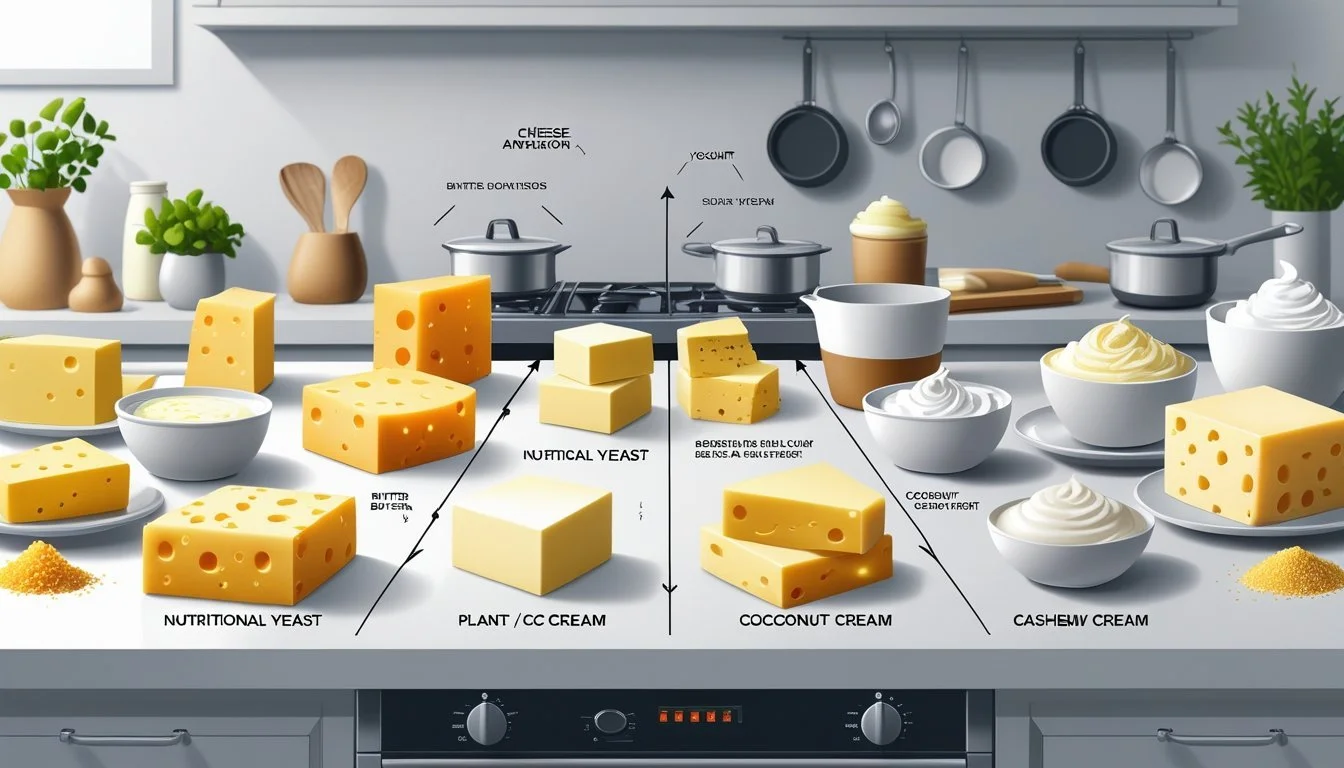
Cheese and dairy-based flavors can be mimicked or replaced for different recipes, depending on desired taste, texture, and cooking method. Finding suitable substitutes can help adapt dishes for dietary needs or ingredient shortages.
Parmesan and Cheddar Replacements
Parmesan and cheddar are valued for their intense, savory profiles. Nutritional yeast is a widely used substitute for parmesan due to its nutty, cheesy flavor and dry, flaky texture. It works well sprinkled over pasta, roasted vegetables, or in sauces.
For cheddar, strong-flavored plant-based cheeses, such as cashew-based or soy-based cheddar alternatives, can be used. Blending cooked carrot, potato, and cashew with nutritional yeast also mimics cheddar's sharpness in baked dishes and sauces.
When maintaining flavor intensity, using concentrated dairy flavor pastes or flavor enhancers can boost authenticity in both vegan and non-vegan recipes. For melting or grating applications, pay attention to meltability and moisture content, as store-bought plant-based cheeses often perform differently than traditional ones.
Ricotta Cheese Alternatives
Ricotta’s mild flavor and creamy texture make it ideal for lasagna, stuffed pasta, and desserts. Silken tofu blended with a touch of lemon juice and salt can be whipped into a spreadable, subtle ricotta replacement. Rinsed, mashed white beans or blended cottage cheese also work in cooked dishes.
For a nut-based alternative, mixing soaked cashews with lemon juice, a dash of vinegar, and water provides a creamy, neutral option suitable for both savory and sweet dishes. When heat stability is necessary, tofu and bean-based options tend to retain structure better during baking compared to some nut blends.
These alternatives can be seasoned with herbs, garlic, or nutritional yeast to more closely replicate the dairy-based original’s flavor in specific recipes.
Adapting Recipes for Dietary Restrictions

Adapting recipes for dietary restrictions means selecting proper substitutes that maintain taste and texture. Attention to the specific cooking method and ingredient purpose helps achieve desired results.
Gluten-Free and Vegan Swaps
For gluten-free needs, substituting wheat flour is common. Use almond flour, coconut flour, oat flour (certified gluten-free), or commercial gluten-free flour blends. These alternatives behave differently in baking. For example, coconut flour absorbs more liquid, so recipes may require adjustments in the amount of eggs or liquid.
Vegan swaps often mean replacing dairy, eggs, and sometimes honey. Eggs can be replaced with chia seeds or flax seeds mixed with water, applesauce, or mashed banana. Dairy milk is commonly substituted with soy, almond, or oat milk. Butter can be swapped with vegan margarine or coconut oil.
When making savory dishes, substitute animal-based broths with vegetable broth for similar depth of flavor.
Ingredient Replaced Gluten-Free Option Vegan Option Flour Almond/oat/coconut blend — Egg — Flax or chia “eggs” Milk — Almond/soy/oat milk Butter — Coconut oil/margarine
Taste preferences vary, so it may take a few tries to find the preferred substitute.
Low-Carb and Low-Sugar Replacements
Low-carb adaptations focus on reducing grains and starchy foods. Replace pasta with spiralized zucchini, spaghetti squash, or shirataki noodles. Substitute potatoes with cauliflower or turnips in mashes and salads.
For low-sugar recipes, traditional sugar is often swapped for erythritol, stevia, monk fruit sweetener, or xylitol. Each sweetener differs in strength and aftertaste, so adjust to taste and check manufacturer guidelines for ratios. When baking, moisture content may change, so add extra liquid if necessary.
Breadings can be replaced with almond meal or crushed pork rinds to cut carbs. Choose high-fiber vegetables to add substance and texture while limiting carbohydrates. Always look at ingredient lists for hidden sugars, as taste preferences will guide which low-sugar replacement works best for each dish.
Culinary Creativity and Flavor Profiles
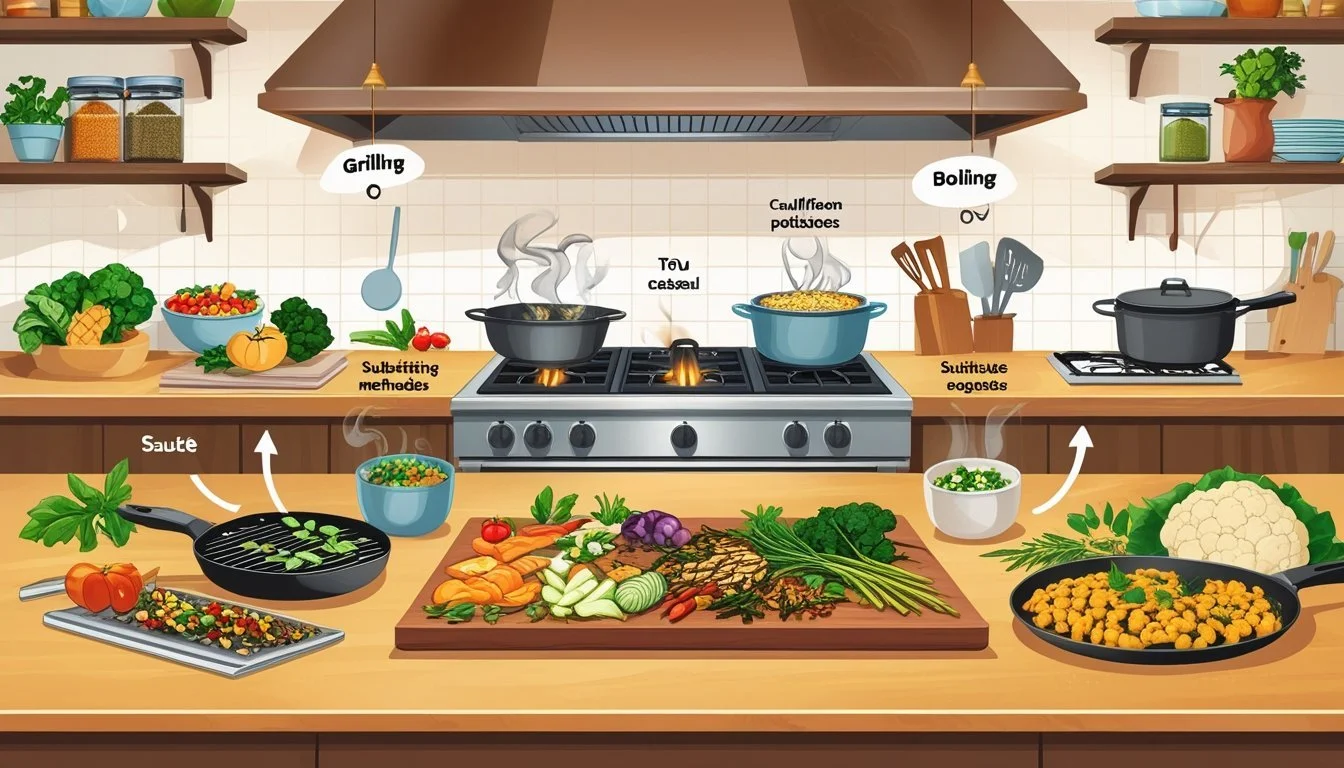
Ingredient replacement offers an opportunity to adapt recipes, allowing cooks to maintain or enhance both taste and texture. By understanding the role of each component, cooks can create food that meets dietary needs and personal preferences without sacrificing quality.
Experimenting With Ingredient Swaps
Swapping ingredients requires attention to the purpose of the original component. For example, replacing butter with olive oil in sautéing will alter both flavor and mouthfeel, but still provides the necessary fat for cooking. Substituting chicken broth with vegetable stock can be a way to create vegetarian dishes without changing the general flavor direction.
Culinary creativity encourages experimentation with ingredient function. Some substitutions work best when similar properties are matched: yogurt can sometimes replace sour cream for tanginess and creaminess in baking or sauces. A table of common swaps is helpful:
Original Possible Swap Function Eggs Flaxseed "egg" Binding Heavy cream Coconut cream Creaminess, fat Soy sauce Coconut aminos Salty, umami
Trying new combinations is also a way to personalize food and use available ingredients efficiently.
Balancing Flavors and Textures
Flavor profiles are central to successful ingredient swaps. It’s important to consider categories such as sweet, salty, sour, bitter, and umami to keep the dish balanced. For example, when replacing a strong ingredient like garlic, choosing onion or shallot maintains depth and complexity.
Texture matters alongside taste. Swapping crunchy nuts for seeds in baking preserves crunch, while exchanging mashed banana for oil in muffins keeps them moist.
Strategies for balance include:
Combining acid (lemon, vinegar) for brightness if citrus is unavailable.
Adding a pinch of sugar when using a more bitter substitute.
Adjusting seasoning after introducing a new ingredient.
Small adjustments can uphold the intended mouthfeel while delivering harmonious flavors throughout the dish.

