
Substitution Techniques for Campfire and Outdoor Cooking
Creative Alternatives for Every Ingredient
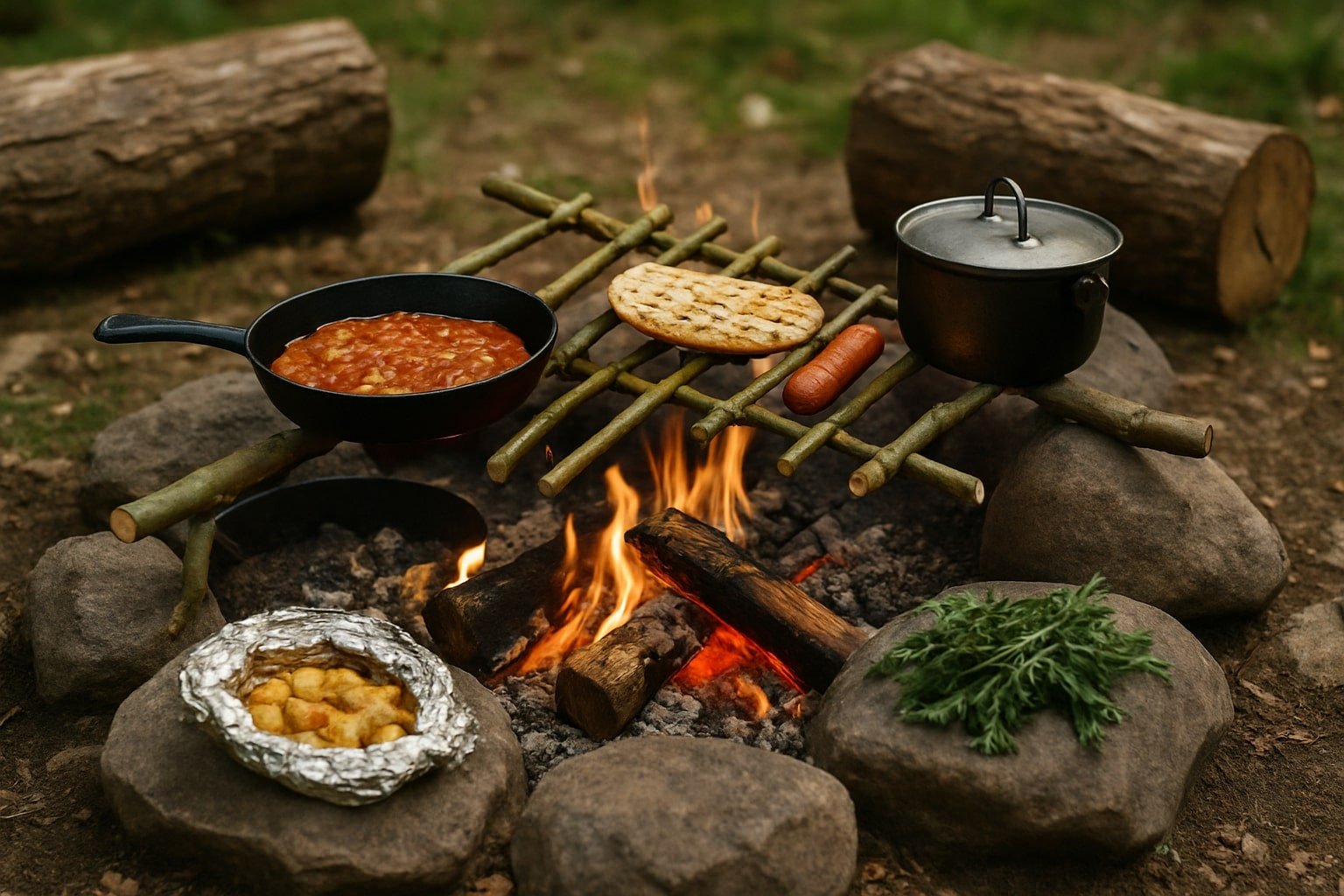
Cooking outdoors is a cherished part of camping and gathering in nature, but open flames are not always practical or allowed. Effective substitution techniques for campfire and outdoor cooking ensure everyone can enjoy hot meals regardless of fire restrictions or weather challenges. Campers and outdoor enthusiasts can use tools like portable stoves, solar ovens, or even cold soak methods to prepare satisfying dishes without relying on traditional campfires.
These alternatives are lightweight, easy to use, and can be safer for both people and the environment. Exploring different outdoor cooking methods broadens the possibilities for meal planning and makes outdoor adventures more accessible. By understanding the range of substitution options, individuals can confidently adapt their cooking style to suit any situation.
Fundamentals of Campfire and Outdoor Cooking
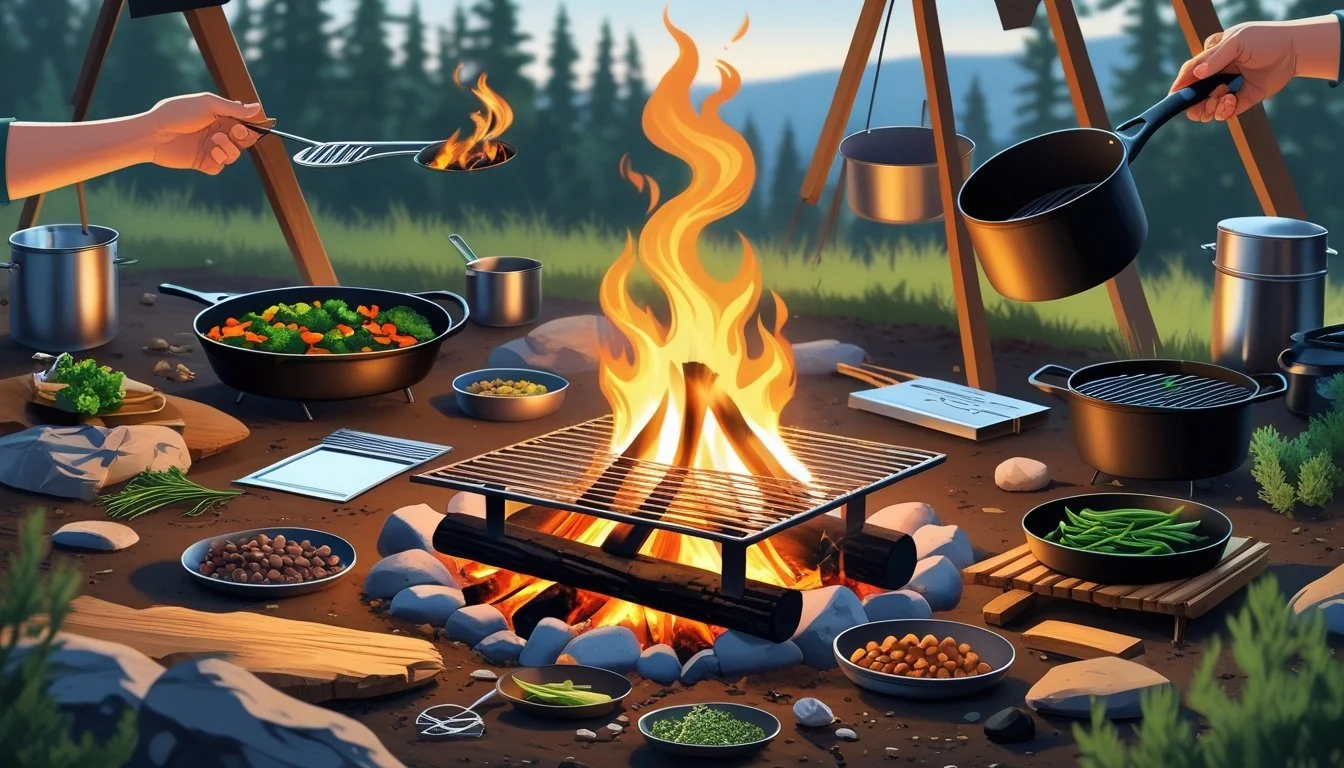
Mastering campfire and outdoor cooking relies on understanding effective techniques, having the right equipment, and practicing safety. Each element plays a direct role in producing successful and enjoyable meals during any camping trip.
Essential Cooking Methods
Campfire cooking presents several time-tested methods. Direct grilling places food above open flames or hot coals and is ideal for meats, vegetables, and flatbreads. For gentler, more even heat, indirect cooking uses the heat radiating from coals set off to the side.
Simmering and boiling in pots or Dutch ovens are classic outdoor cooking techniques, especially for stews, soups, and one-pot meals. Cooking in foil packets lets campers steam fish, potatoes, or vegetables directly in the fire.
Here’s a comparison table of common outdoor cooking techniques:
Method Best For Equipment Grilling Steaks, veggies Grate, skewers Simmering Stews, soups Pots, Dutch oven Foil Packets Fish, potatoes Foil Roasting Bread, marshmallows Long stick
Adapting methods to suit the campfire and conditions helps create varied and satisfying meals outdoors.
Key Cooking Equipment for Outdoors
Reliable equipment is essential for safe and effective outdoor cooking. The cast iron skillet is valued for its even heat distribution and durability, making it suitable for frying or baking over coals. A Dutch oven is versatile, allowing both slow-cooking and baking when nestled among hot embers.
Campfire grills or grates elevate food above flames for direct grilling. Portable stoves provide controlled heat and are useful where open fires aren’t permitted. Other practical items include long-handled tongs, spatulas, heat-resistant gloves, and a sturdy pot for boiling water.
A well-organized cooking kit often includes the essentials: lightweight utensils, fuel, reliable cookware, and fire-starting tools.
Importance of Safety in Outdoor Cooking
Safety is vital in any campfire or outdoor cooking setup. Building a stable fire ring using rocks or soil creates a controlled space for flames. Campers should always keep water or sand nearby to extinguish flare-ups or fully put out the fire after cooking.
Heat management is crucial: using long-handled tools protects hands when adjusting food or adding fuel. Wearing gloves reduces the risk of burns. Never leave the fire unattended, and ensure children and pets are supervised around the cooking area.
Properly disposing of hot coals and storing equipment in fire-safe zones prevents accidents. Care and preparation significantly reduce common outdoor cooking hazards.
Direct and Indirect Heat Substitution Techniques
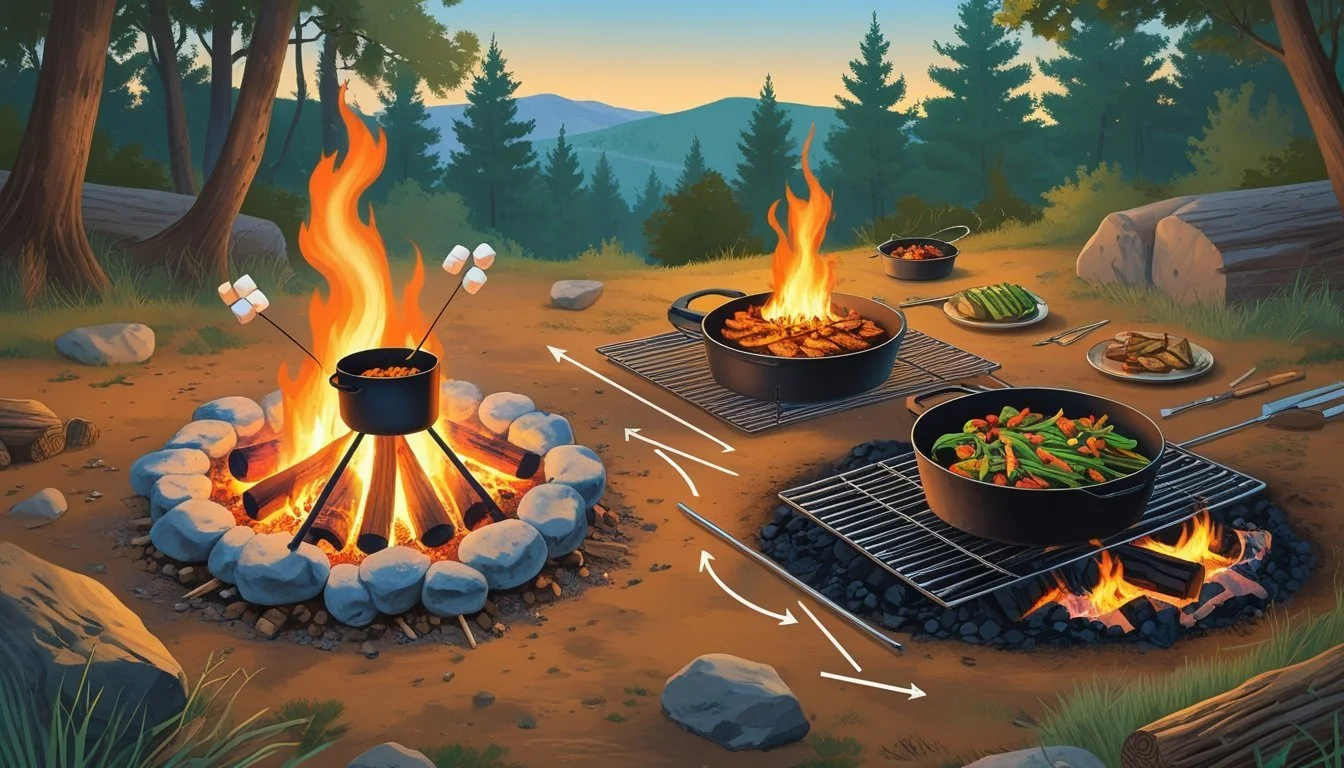
Selecting the appropriate heat source and technique affects cooking times and food texture. Outdoor cooks can adapt to limited equipment by substituting between direct and indirect methods, making use of basic tools like grill grates, skewers, foil packets, and pie irons.
Cooking Over an Open Fire
Cooking directly over an open fire provides high, intense heat, which is suited to quick-grilling items such as burgers, skewered vegetables, and sausages. This method works well when direct contact with heat gives food a flavorful char.
Indirect heat can be created by pushing coals to one side of the fire pit or allowing flames to die down, positioning food away from the hottest part. This approach is best for items needing slower, even cooking like whole potatoes, chicken, or fish fillets. A stick, log, or large rock can serve as a makeshift heat barrier for indirect techniques.
Key differences:
Method Food Placement Usage Direct Heat Directly over flames/coals Quick-cooking, searing, browning Indirect Heat Beside or above coals Roasting, baking, cooking thick cuts
Using Grill Grates and Skewers
A grill grate placed over the fire can simulate both direct and indirect grilling techniques. Placing food directly above the coals provides a strong sear, while shifting food to the edge of the grate offers milder, more even heat for gentle cooking.
Skewers can be held over the flames for direct grilling of small, fast-cooking foods such as kebabs or shrimp. For indirect results, skewered items can be positioned at an angle near the fire rather than above it, or turned frequently to avoid burning while allowing thorough cooking.
Stainless steel or wooden skewers both work, but soaking wooden skewers in water before use reduces burning.
Improvising with Foil Packets and Pie Irons
Foil packets enable both direct and indirect heat techniques. Placing packets directly on hot coals cooks food quickly with direct heat. Moving packets away from the main heat source slows cooking, acting as an indirect method suitable for vegetables or fish.
Pie irons can be filled and placed in or near the coals. Resting the pie iron right on the embers gives a toasted surface and rapid cooking. Keeping it above, beside, or near the heat source slows the process, acting as an indirect oven for baking sandwiches or desserts.
These methods let campers cook a range of foods, from delicate fillets to robust casseroles, with minimal gear.
Equipment Substitutions for Outdoor Cooking
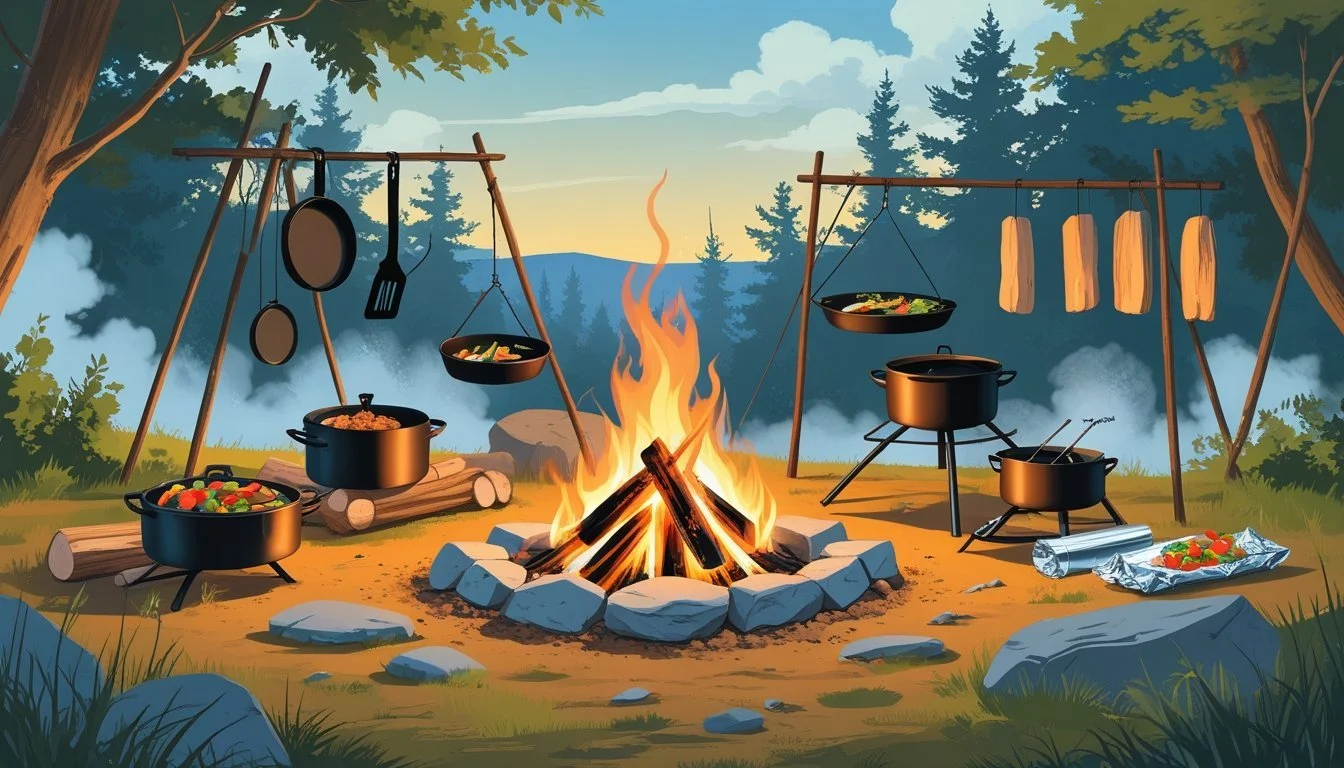
Campers often adapt their cooking setups based on available tools. Selecting suitable gear or improvising with basic equipment can help maintain versatility and efficiency when outside.
Dutch Oven Versus Cast Iron Skillet
Both the Dutch oven and cast iron skillet are popular choices for outdoor meals, but they aren't always interchangeable. A Dutch oven, with its thick walls and tight-fitting lid, excels in slow-cooking, baking, and making stews. Its ability to hold heat and allow for coals on the lid enables uniform cooking from all sides.
However, if a Dutch oven is unavailable, a cast iron skillet can be used for many tasks, such as frying and sautéing. While it does not have a lid for baking bread or roasting, aluminum foil or a flat metal plate can work as an improvised cover.
When cooking over a campfire or with gas, users should note that a skillet heats up and cools down faster than a Dutch oven. This makes it better for quick searing and frying but less ideal for thick stews or baking.
For those with limited packing space, the skillet’s lighter weight may be preferable, though it requires more attention to avoid burning food.
Comparison Table:
Feature Dutch Oven Cast Iron Skillet Slow Cooking Yes Limited Baking Bread Yes No (unless covered) Weight Heavy Lighter Versatility High Moderate
Improvised Rotisserie and Grill Systems
A rotisserie setup allows for even roasting, especially with whole poultry or large cuts. If specialized rotisserie gear isn’t available, strong green branches or metal skewers can substitute as a spit. Balancing the spit safely over stable rocks or forked sticks lets users turn meats by hand at intervals.
For a grill, a commercial grate is best, but alternatives exist. A metal cooling rack, oven rack, or a set of closely spaced rods can hold pots or food over a fire.
Campers using portable propane or gas stoves can use wire grids or grill baskets designed for stovetops. Cooking this way requires careful monitoring to maintain even heat and prevent spills.
If necessary, flat stones set over coals can also work as a cooking surface when no metal racks are available, though food should be wrapped in foil to stay clean. Each substitution has specific strengths and is often dictated by available tools and meal requirements.
Fuel and Heat Source Alternatives
Campfire substitutes offer reliable, easy-to-control heat for outdoor cooking, with each method providing unique benefits and requirements. The best alternative depends on fuel availability, environmental restrictions, and the type of cooking planned.
Gas Stove and Alcohol Stove Methods
Gas stoves (including canister and white gas types) provide precise temperature control and fast setup. These stoves are valued for their efficiency and lightweight design, making them a preferred choice for backpackers and campers who need quick meal preparation.
White gas stoves are well-suited for colder conditions and high altitudes, performing reliably when butane or propane might falter. For those seeking an even lighter option, alcohol stoves are compact, simple, and often made from recycled materials.
Alcohol stoves work best for boiling water or cooking simple one-pot meals. Fuel (such as denatured alcohol or methylated spirits) is widely available. However, alcohol stoves tend to have lower heat output, so they're not ideal for grilling or high-heat cooking.
Stove Type Fuel Source Weight Best Use Cases Gas Stove Canister/white gas Light/medium Versatile, quick, precise Alcohol Stove Denatured alcohol Ultralight Boiling, simple meal prep
Charcoal Grill and Camp Cooking with Charcoal
Charcoal grills provide a classic method for outdoor cooking, offering robust flavor and versatility. Charcoal is widely available, affordable, and burns at high, steady temperatures suitable for grilling, roasting, and baking.
Campers choose camp cooking with charcoal for its predictable heat and ability to cook multiple items at once. Foil packets, Dutch ovens, or grill grates can be used to prepare everything from meats to vegetables.
Charcoal can be messy and heavy to transport. Proper disposal of ashes and compliance with local fire regulations are important safety considerations. Charcoal grills often require more time to reach cooking temperature compared to gas stoves but reward users with enhanced flavor.
Tip: Starting charcoal with a chimney starter reduces the need for lighter fluid and promotes an even burn.
Wood-Burning and Rocket Stoves
Wood-burning stoves and rocket stoves use small twigs, sticks, and natural biomass as fuel. They are popular where wood is abundant and gathering fuel is allowed. These stoves channel airflow to burn fuel efficiently, producing less smoke than an open campfire and reducing the risk of wildfire.
Rocket stoves excel in fuel efficiency and quick boil times. Their insulated design helps maintain a strong, focused flame, making them suitable for boiling water, simmering, and basic frying.
Using a portable wood-burning stove reduces the need to process large pieces of firewood. However, they may be restricted during fire bans or in dry areas, so always check local regulations. Rocket stoves are often homemade, but commercial versions are available for campers looking for a compact, durable option.
Solar and Electric Cooking Solutions
Solar and electric cooking offer practical ways to prepare food outdoors with minimal fuel and smoke. Both methods allow for low-maintenance and cleaner cooking options for campers and off-grid users.
Solar Ovens and Solar Cookers
Solar ovens and solar cookers use direct sunlight to cook food without any need for traditional fuel. These devices include parabolic cookers, which focus sunlight for fast, high-heat cooking, and panel cookers, which are lightweight and fold flat for easy portability. Vacuum tube cookers trap heat to maintain consistent cooking temperatures even when sunlight is indirect or weak.
Key considerations:
Efficiency depends on sunlight. Solar ovens can bake, roast, and boil, but work best in direct sun.
Sustainability: No fuel is required, reducing the impact on the environment and eliminating smoke.
Capacity: Most household solar ovens can accommodate enough food for several people, but cooking times are usually longer than with standard stoves.
Their simple operation and portability make solar ovens and cookers suitable for camping, hiking, and emergency situations when fuel is scarce.
Solar-Powered Grills and Electric Grills
Solar-powered grills convert sunlight into heat for grilling and searing meats or vegetables. Some designs use photovoltaic panels to generate electricity for electric heating elements, while others direct solar heat to the grill's surface. These grills offer smoke-free cooking and can be a dependable option in areas with good sunlight.
Electric grills, including small plug-in or battery-powered units, are another convenient substitute when campfires are not allowed or practical. They offer precise temperature control and are easy to clean. However, these require access to solar power stations, batteries, or electrical hookups.
Below is a comparison:
Feature Solar-Powered Grills Electric Grills Fuel Needed Sunlight only Electricity/battery Portability Moderate to High Varies by model Cooking Style Grilling and Searing Grilling, Pan-Frying Limitations Dependent on sunlight Needs power source
Both methods allow outdoor cooks to prepare meals where open flames are restricted or where environmental concerns are a factor, making them reliable alternatives in diverse conditions.
Simulating Smoky and Grilled Flavors Without a Campfire
It is possible to recreate the essence of campfire cooking with careful ingredient choices and simple techniques. Home cooks can achieve smoky flavors and a satisfying grilled taste using accessible tools and pantry staples.
Using Wood Chips and Alternative Smoker Methods
Wood chips can be used in a standard oven or on a stovetop to infuse foods with smoky notes. To do this, small amounts of pre-soaked wood chips are wrapped in foil, poked with holes, and placed near a heat source. When heated, they emit smoke that flavors meats, vegetables, or cheeses placed nearby.
Charcoal can also be used in a similar way. A piece of hot charcoal set in a small, heat-safe bowl with a drizzle of oil or butter, then covered with the target food, allows the smoke to work its way into the dish. This works well for infusing flavor when grilling is not an option.
For electric or gas grills, a smoker box filled with wood chips is a practical addition. These techniques are useful for simulating the smoky taste without needing an open campfire. The type of wood—such as hickory, mesquite, or applewood—significantly impacts the final flavor profile.
Replicating Flavors with Oils and Marinades
Liquid smoke is a concentrated product that imparts smoky flavor and is available in most grocery stores. A few drops mixed into marinades or brushed onto proteins are generally enough to mimic that smoke-kissed taste. This method offers control over intensity and is ideal for those who need a quick alternative.
Smoked olive oil provides another effective shortcut. Drizzling it on grilled vegetables or meats brings a subtle yet clear smokiness. Combining smoked paprika, chipotle powder, or smoked salt in rubs also elevates depth of flavor without relying on complicated equipment.
For best results, let foods marinate in smoky oils or spice blends for at least 30 minutes. This allows flavors to penetrate and adhere, giving a more authentic campfire-cooked result even when using ovens or stovetops.
Cooking Techniques for Various Outdoor Scenarios
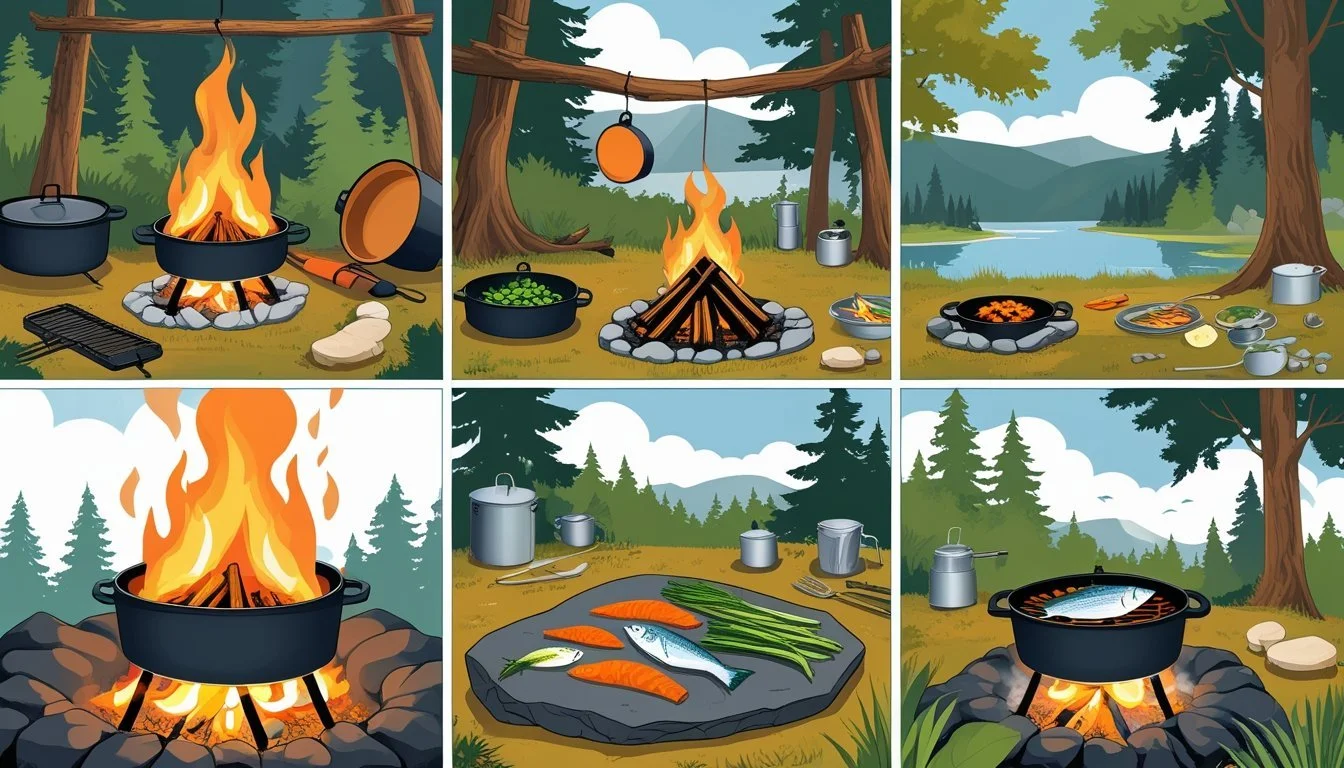
Campers and outdoor cooks face unique challenges when preparing food outside. Successful outdoor cooking depends on thoughtful meal planning, ingredient selection, and techniques to streamline cooking time.
Quick Meals for Busy Camping Days
On days packed with activities, campers often need quick meals that require minimal prep and cook times. Sandwiches with deli meats, cheese, and fresh vegetables can be assembled fast and eaten cold or slightly warmed on a pan or griddle.
Pre-chopped vegetables, canned beans, and pre-cooked meats can save time. One-pot dishes, such as chili or pasta, allow for efficient meal preparation using a single pot over a camp stove or fire. Cooking with foil packets is another effective strategy, as it bundles ingredients together and allows for even cooking in just a few minutes.
A simple camping meal plan may include:
Breakfast: Oatmeal or scrambled eggs with pre-cut veggies
Lunch: Cold wraps or tuna salad sandwiches
Dinner: Foil-packet chicken and vegetables
Cooking gear should be easy to clean, reducing time spent on chores.
Incorporating Local and Seasonal Ingredients
Using local and seasonal ingredients can enhance outdoor meals and reduce the need to carry heavy supplies. Campers finding wild herbs, berries, or mushrooms (only if properly identified) can add fresh flavors and variety to their dishes.
At farmer’s markets or local roadside stands, fresh produce is often available. These ingredients not only taste better but can be prepared simply—think grilled corn, sautéed greens, or a salad of local tomatoes and cucumbers.
When planning meals, consider base items like rice, bread, or pasta that can pair easily with in-season fruits and vegetables. Emphasizing fresh finds means embracing the place and time, often leading to more memorable outdoor cooking experiences.
Tips for Managing Cooking Times
Cooking outdoors often means juggling multiple dishes with different cooking times and temperatures. It's important to prioritize tasks: start with items that take longest, such as potatoes or stews, and add quicker-cooking foods like fish or tender greens later.
A simple table for managing cooking order:
Food Type Typical Cook Time (min) Root Vegetables 20–30 Chicken 15–20 Fish 7–10 Leafy Greens 3–5
Maintain a steady heat source and adjust it as needed—moving coals, lifting pots, or using windshields around stoves. For best results, monitor doneness and avoid overcooking by using timers or checking regularly, as outdoor conditions can cause unpredictable cooking rates.
Adapting Substitution Techniques to Suit Different Needs
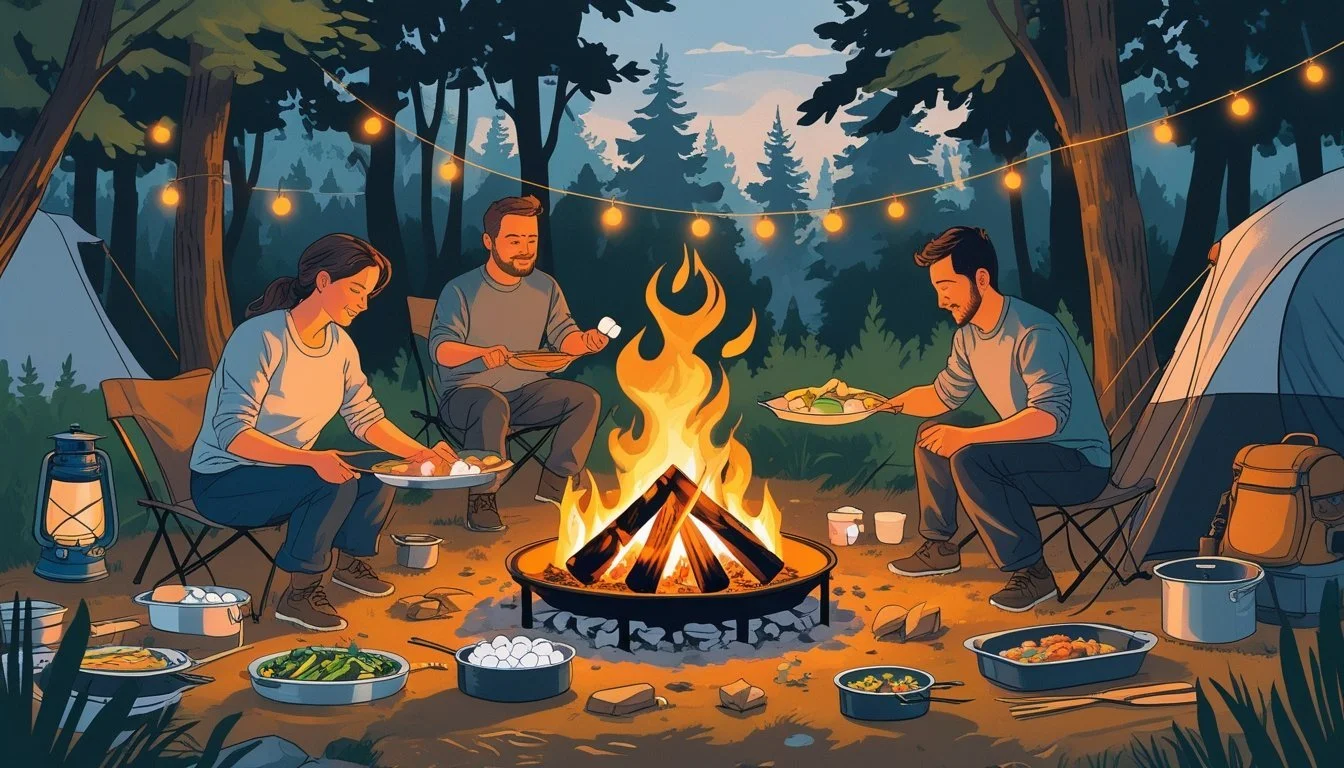
Selecting the right approach for campfire and outdoor cooking often depends on available equipment, group size, and desired food quality. Choosing adaptative methods can impact both the process and the experience.
Choosing the Right Cooking Tools for Your Trip
The choice of cooking gear shapes which substitution techniques are possible. A cast iron skillet or Dutch oven allows for a wider range of recipes, including baked and roasted dishes, while basic gear like a grill grate or foil suits grilling, steaming, and packet meals.
For trips with space limitations, lightweight options such as foldable stoves or silicone utensils can substitute heavier items without greatly changing the cooking outcome. Multipurpose tools, like a pot that acts as both boiler and pan, minimize gear requirements and still support various camp cooking methods.
The environment can also affect tool selection. For instance, fire bans may restrict open flame usage, requiring substitutions such as gas stoves for tasks typically performed over a fire. It’s helpful to make a gear checklist matching tools to planned meals for efficient preparation:
Tool Substitution Example Dutch Oven Heavy Pot or Deep Skillet Grill Grate Flat Rocks or Folding Grate Skewers Green Branches or Metal Forks Foil Parchment or Reusable Pouches
Balancing Convenience and Authenticity
Balancing convenience and authenticity is often necessary, especially when time, space, or skill are limited. Pre-cut or instant meal ingredients may substitute for scratch-prepared versions if quick setup is a priority.
Some campers prefer traditional methods, like cooking food directly on coals or rocks, for flavor and experience. Those seeking faster results or easier cleanup may use foil packet meals or portable stoves instead of open-fire techniques.
Key substitutions include using canned beans instead of soaking dried ones, or swapping fresh dough with pre-made wraps or flatbreads. In each case, the cook must weigh desired authenticity against factors such as cleanup time, food safety, and the capacity of their cooking tools to handle substitutions.

