Solar Oven Sweets
Effortless Dessert Recipes Using Sunlight

Utilizing a solar oven to prepare desserts harnesses renewable energy, which can be an exciting and environmentally friendly experience. Solar ovens work by converting sunlight into heat, a method that doesn't require electricity or gas, making it a sustainable choice for baking. They reach temperatures high enough to bake a wide range of sweet treats, from cakes to crisps. The essence of solar cooking lies in its simplicity; it's a matter of preparing the dessert and letting the sun do the rest, all while keeping the kitchen cool and conserving energy.
The variety of desserts that can be made in a solar oven is surprisingly diverse. One can create rich chocolate pecan bars, which are as simple to make as brownies. For those who love fruity desserts (What wine goes well with fruity desserts?), apples can be cored, filled with sugar, and sprinkled with cinnamon, then solar-baked to perfection. Even crowd-pleasers like pineapple coconut poke cake, which is ideal for summer gatherings, are possible to bake using the power of the sun. The process is not only straightforward, but it also offers the satisfaction of using a clean and abundant energy source.
Preparing desserts in a solar oven requires patience as the cooking time can be longer compared to conventional ovens. However, it's a rewarding waiting game that yields delicious results without spiked energy bills or added environmental costs. As solar ovens gain popularity among outdoor enthusiasts and eco-conscious bakers, solar oven sweets are carving out their own niche in the culinary world where taste and sustainability go hand in hand.
Essentials of Solar Oven Cooking
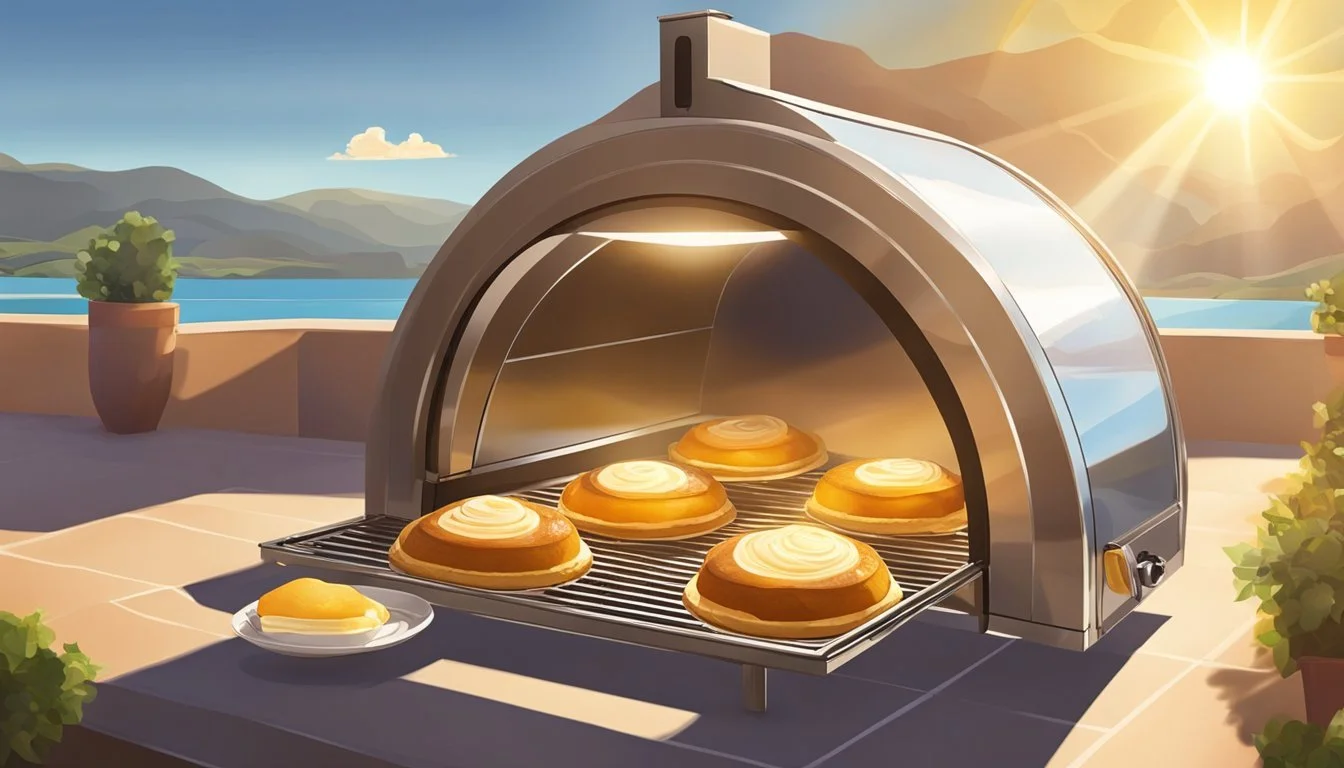
Cooking with solar ovens harnesses sunlight as the primary energy source. This sustainable practice turns solar energy into thermal energy to prepare various dishes, including sweets.
Understanding Solar Ovens
Solar ovens rely on the basic principle of converting light to heat. They use reflective materials to focus sunlight onto a cookpot that absorbs the energy. Insulation is crucial as it helps maintain the oven's internal temperature, allowing for effective solar cooking even when there's mild cloud cover. The design of solar cookers varies, but all aim to maximize the capture of sunlight and retain heat efficiently.
Benefits of Using Solar Ovens
The use of solar ovens presents several advantages:
Sustainability: They utilize renewable solar energy, reducing reliance on traditional electricity or fossil fuels.
Economy: After the initial purchase or build cost, there are no ongoing fuel expenses.
Convenience: These ovens can be used in various settings, particularly where conventional energy sources are unavailable or expensive.
Health and Safety: Solar cooking is smoke-free, reducing the risk of respiratory problems and providing a safer cooking environment without open flames.
Basic Components and Design
Reflective Surfaces: These are essential to direct as much sunlight as possible into the cooking area, typically made from materials like aluminum foil or mirrored surfaces.
Absorptive Surfaces: Dark-colored pots or pans are preferable as they absorb solar energy more effectively.
Insulation: This helps to retain the heat within the solar cooker; common materials include wool, foam, or even newspaper.
Sealing: A transparent cover or glazing usually seals the cooking area, allowing sunlight to enter while preventing heat escape.
A well-designed solar oven optimizes each component to maintain cooking temperatures ranging from 200°F to 400°F, sufficient for baking a variety of desserts using the power of the sun.
Building Your Own DIY Solar Oven
Creating a DIY solar oven is a sustainable way to bake sweets using the sun's energy. The process involves gathering specific materials, following detailed assembly instructions, and adhering to safety guidelines for operational use and ongoing maintenance.
Gathering Materials
To build a solar oven, one will need:
Two cardboard boxes: One larger than the other.
Aluminum foil: For reflecting sunlight.
Plastic wrap or glass: For the oven's window.
Tape: To secure the structure.
Binder clips: For holding components in place.
Black construction paper: To absorb heat.
Thermometer: To monitor the temperature inside the oven.
Step-by-Step Assembly Instructions
Insulating the Boxes: Place the smaller box inside the larger one. Fill the space between them with crumpled newspaper, straw, or foam for insulation.
Lining with Aluminum Foil: Completely line the interior of the smaller box with aluminum foil, using tape to keep it in place. The shiny side should be facing inwards to maximize sunlight reflection.
Creating the Window: Cover the top of the large box (which now contains the smaller box) with plastic wrap or position a glass pane securely on top to create a heat-trapping window.
Adding the Absorber: Fit the interior bottom of the small box with black construction paper. This absorbs the heat from the reflected sunlight.
Sealing for Heat Retention: Ensure the oven is airtight—seal any openings with tape to prevent heat from escaping.
Positioning the Oven: Angle the oven towards the sun for maximum exposure. Use binder clips to adjust and maintain the position of the reflector flaps.
Safety Tips and Maintenance
Safety with Materials: Avoid using any flammable adhesives or materials that can emit toxic fumes when heated.
Usage: Place the solar oven on a stable, flat surface to prevent accidents and monitor the temperature to prevent overcooking.
Maintenance: After usage, clean the glass or plastic window and check for any damage to the structure. Store the oven in a dry place to protect the cardboard.
Remember to position your DIY solar oven during peak sunlight hours, typically between 11 a.m. and 3 p.m., for optimal heating and baking efficiency.
Preparing for Solar Sweets Cooking
Embracing the power of the sun for baking sweets not only offers an eco-friendly alternative but also introduces unique flavors and textures. This section provides insights into the optimal dessert choices for solar oven baking and tips for preheating your sun-powered appliance efficiently.
Best Desserts for Solar Oven Cooking
When selecting desserts for solar oven cooking, one should prioritize recipes that traditionally require slow baking. Baked goods like brownies and bar cookies are outstanding choices due to their dense nature, which allows them to cook evenly in the gentle heat of a solar oven. Recipes featuring chocolate, such as chocolate pecan bars or Almond Joy brownies, perform well as the solar oven can melt the chocolate gently, integrating it seamlessly into the dessert.
Here's a concise list of desserts that adapt well to solar cooking:
Brownies
Bar cookies
Fruit crisps
Solar Oven Preheating Tips
Preheating a solar oven is essential to achieve the internal temperature required for successfully baked sweets. It is generally recommended to preheat the solar oven for at least 30 minutes; however, this can vary based on the intensity of the sun. An oven thermometer can be a valuable tool for determining when your solar oven has reached the desired temperature. Here are some tips for preheating:
Position the solar oven to face the sun directly, ensuring maximum exposure.
Preheat the solar oven until it reaches an internal temperature of around 350°F, which is suitable for most dessert recipes.
Remember, unlike conventional ovens, the temperature in a solar oven can fluctuate, so it’s important to monitor the thermometer regularly to maintain the correct cooking environment.
By following these suggestions, one can master the art of making desserts in a solar oven, providing delightful treats without the carbon footprint of traditional baking.
Practical Solar Oven Cooking Techniques
Mastering the use of a solar oven involves understanding how to effectively harness sunlight for cooking and to manage heat variation for different dessert recipes.
How to Maximize Sunlight Absorption
To efficiently absorb sunlight, one must position the solar oven so that it faces the sun directly. A reflective lid or reflector panels play a crucial role—they should be angled to bounce sunlight into the oven, increasing internal temperatures. Using dark-colored pans can further aid in absorbing more heat, which is beneficial for desserts that require higher temperatures.
Adjusting Cooking Times and Temperatures
Temperatures in a solar oven can fluctuate, thus pre-heating the oven is necessary for precise cooking. Individuals should monitor the temperature closely and make adjustments to the oven's orientation with the moving sun. Cooking times will often be longer than traditional ovens—patience is key. For instance, a slow cook approach is perfect for desserts like brownies, allowing for a thorough bake without scorching.
Low heat (200°F-250°F): Ideal for delicate desserts like custards.
Medium heat (250°F-350°F): Suitable for cakes and cookies.
High heat (350°F and above): Best for quicker baking and crisping pastry shells.
Tips for Even Cooking and Baking
To ensure even cooking and baking, one should rotate the dish periodically inside the oven. This compensates for the uneven heat distribution that can occur in solar ovens. It is also critical to maintain a tight seal with the lid of the oven to prevent heat escape. For best results, especially in desserts, bake during peak sunlight hours, typically from 11 a.m. to 3 p.m., ensuring the sun's rays are most directly hitting the oven.
Delicious Solar Oven Dessert Recipes
Harnessing the power of the sun, solar oven desserts not only offer a sustainable way to indulge in sweet treats, but they also guarantee flavor and fun in every bite. These recipes leverage the consistent and gentle heat of a solar oven to produce delectable desserts that are sure to be crowd-pleasers.
Solar Oven Chocolate Cake
A classic dessert is simply transformed in a solar oven. For a Solar Oven Chocolate Cake, one can start by melting butter directly in the solar oven, then mixing it with sugar, eggs, and vanilla for a rich base. Incorporating flour, unsweetened cocoa powder, and baking powder creates a smooth batter. Once combined, pour into a greased pan and place in the pre-heated solar oven, baking until a toothpick inserted in the center comes out clean. Remember, solar oven baking times may vary, so it's essential to check the cake periodically.
Sweet S'mores with Sun Power
Sweet S'mores with Sun Power are a twist on the classic campfire treat that one can enjoy with the heat of the sun. They'll start by placing graham crackers on a solar oven-safe tray, each topped with a square of chocolate and a marshmallow. Cover with solar oven-safe glass or a clear lid to trap heat. The solar oven will slowly melt the chocolate and soften the marshmallow, making for a perfectly gooey s'more. Once done, top with another graham cracker and enjoy.
Baked Fruits and Sweet Treats
The gentle cooking process of a solar oven is perfect for Baked Fruits and Sweet Treats. For a simple yet delicious option, one can bake cored apples sprinkled with cinnamon and stuffed with a mix of white and brown sugar. Alternatively, pears or peaches will also caramelize beautifully in a solar oven. Baked fruits are a healthier dessert option that still satisfies the sweet tooth. For those seeking inspiration, Pinterest offers numerous baked fruit recipes specifically tailored for solar oven cooking.
Advanced Solar Oven Techniques
Mastering the art of solar cooking requires understanding the nuanced methods that can produce a variety of delicious desserts. Precise temperature control and timing are critical for advanced techniques such as roasting, slow-cooking, and baking precise sweets in a solar oven.
Solar Roasting and Slow-Cooking
Solar roasting utilises the oven's ability to concentrate heat to develop flavors through caramelization and Maillard reactions. Users must monitor the oven's internal temperature, aiming for a range of 300-350°F, ideal for roasting nuts or coffee beans which impart a rich flavor profile onto desserts.
For slow-cooking, maintaining a consistent lower temperature over several hours is vital. Slow-cooked desserts, such as baked beans or fruit compotes, incorporate depth of flavor that only prolonged, gentle heat can provide. These recipes often require additional time but offer a robust and tender result.
Key Slow-Cooking Temperatures and Times:
Stews: ~225°F for 4-6 hours
Baked Beans: ~250°F for 2-4 hours
Baking and Steaming in Solar Ovens
Baking in solar ovens can achieve similar results to traditional ovens with sufficient preheating. For cakes and delicate pastries, maintaining an even temperature between 325°F and 375°F is essential. Users should keep the solar oven's lid closed throughout the baking process to prevent heat loss.
Steaming involves placing the dessert or ingredients into a heatproof container with a small amount of liquid. Desserts such as puddings or soft bread can benefit from this method. The container is then sealed and placed into the solar oven, ensuring there is enough solar energy to generate sufficient steam.
Tips for Successful Baking and Steaming:
Preheat: At least 30 minutes before adding dessert items
Insulation: Maintain even temperature using insulation materials
Timing: Check for doneness earlier than conventional recipes suggest due to variable oven temperatures
Solar Cooking Beyond Desserts
While solar ovens are excellent for baking sweet treats, they are equally capable of handling savory dishes. These sun-powered appliances provide an energy-efficient alternative to traditional cooking methods.
Cooking Savory Dishes in Solar Ovens
Solar ovens can reach temperatures sufficient to cook a wide range of savory dishes, from melting cheese on a pizza to roasting vegetables. They are versatile, allowing users to prepare meals without the need for conventional fuel sources.
Cheese: Solar ovens can melt cheese effectively, making them suitable for dishes like quesadillas and pizza. The key is to preheat the oven and monitor the dish to prevent burning.
Vegetables: Roasting vegetables in a solar oven can concentrate their flavors. Vegetables can be seasoned and placed in a covered dish or wrapped in foil to roast until tender.
Chicken: Solar ovens can cook chicken thoroughly, given enough time. For optimum results, it's best to use a dark, covered pot and allow the chicken to cook slowly, which can also make it more tender.
Pizza: With a solar oven, one can bake pizza with a crispy crust and perfectly melted cheese. A preheated solar oven will cook pizza evenly; just be mindful of the cooking time to avoid overcooking.
Quesadillas: A simple yet delicious dish, quesadillas need a solar oven to be preheated to ensure the cheese melts properly and the tortillas achieve a slight crispiness.
By harnessing the sun's energy, cooking with a solar oven presents a sustainable option for preparing savory dishes, not just desserts. They allow cooks to experiment with traditional recipes or innovate new dishes while being kind to the environment.
Accessorizing Your Solar Oven
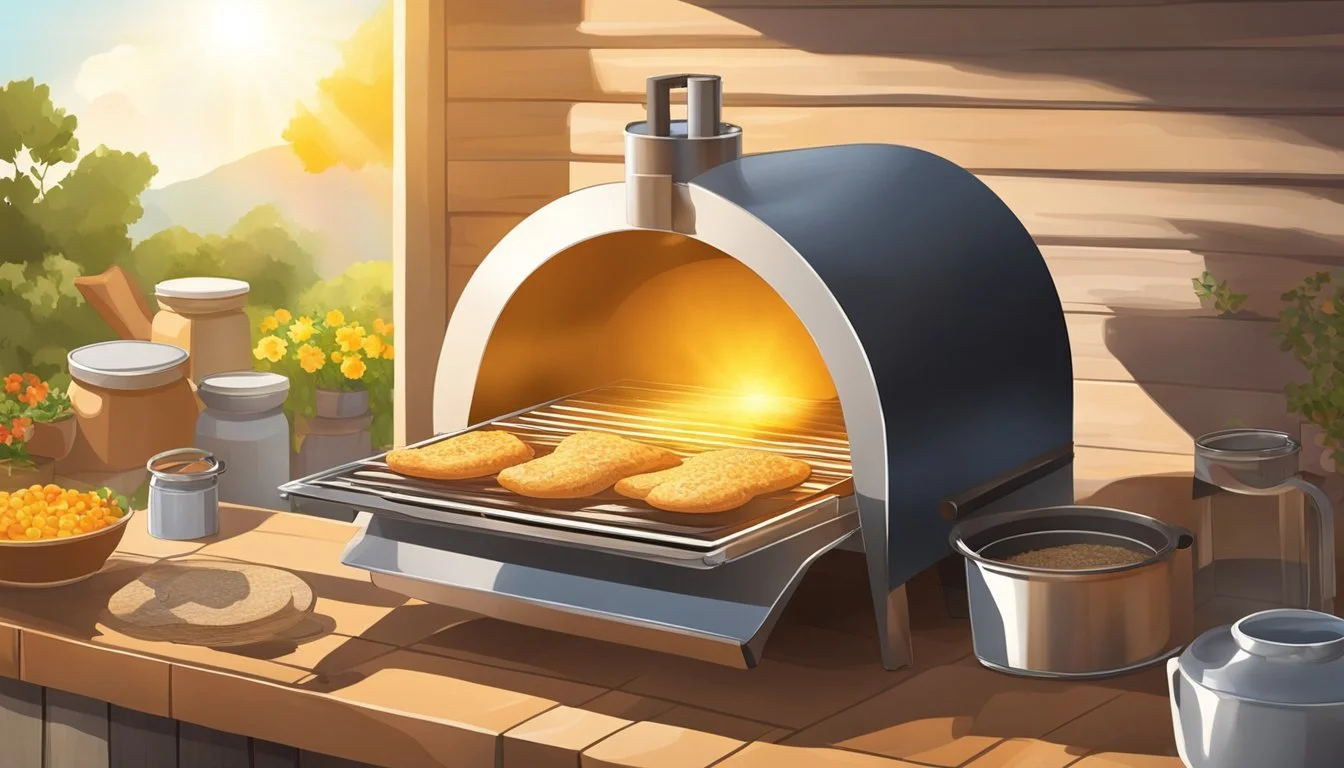
Equipping your solar oven with the right accessories can greatly enhance its efficiency and your cooking experience. The right tools ensure that the solar cooker can reach and maintain the optimal temperatures required to cook food.
Must-Have Tools for Solar Oven Cooking
Cookware: Select dark-colored, thin-walled pots for maximum heat absorption. Ideally, one should use pans with lids to contain the heat. Avoid shiny pots as they reflect sunlight.
Cookware Type Description Cooking Pots Dark, cast-iron pots retain heat well. Baking Pans Choose non-reflective metal pans for even baking.
Thermometer: A solar oven thermometer helps monitor the temperature to ensure food is cooking correctly.
Thermometer Type Description Oven Thermometer Sturdy, high-temperature ones are preferred.
Potholders: Solar cooking can reach high temperatures, making potholders essential for handling hot cookware.
Potholder Type Description Heat Resistant They should withstand high temperatures without damage.
Utensils: Long-handled utensils prevent burns from the hot interior of the cooker. Opt for wooden or heatproof silicone.
Utensil Type Description Spoons Wooden spoons prevent heat conductivity. Spatula Silicone spatulas are durable and resist high heat.
Lids: Always use a lid to cover your cooking pot or pan to retain heat within the cookware.
Lid Type Description Tight-Fitting Lids These are crucial to maintain cooking temperatures.
By selecting the appropriate accessories, one can ensure that their solar cooking experience is effective and enjoyable.
Troubleshooting Common Solar Oven Issues

When using a solar oven, enthusiasts may encounter environmental challenges that can affect cooking efficiency. This section provides guidance on maintaining the performance of your solar oven when faced with such difficulties.
Dealing with Weather and Environmental Challenges
Windy Conditions: On a windy day, a solar oven can lose heat due to drafts and frequent gusts. To mitigate this, users should secure the oven by weighing it down with heavy objects like bricks or large stones. Additionally, setting up a windshield using items like a large board can help block the wind and maintain a consistent temperature inside the oven.
Variable Sunlight: The sun's power may fluctuate throughout the day due to passing clouds or the changing angle of the sun. Users should adjust the orientation of the solar oven frequently to follow the sun's path, maximizing sunlight exposure. On days when sunlight is less intense, extending the cooking time can ensure desserts are baked thoroughly.
Oven Material: A lightweight solar oven may struggle to retain heat. It is important to use materials with good insulation properties to enhance temperature stability. Users should also check the seal of the oven to avoid heat escaping. Regular cleaning of the reflective surfaces is vital to ensure they effectively concentrate solar power.
By addressing these issues with appropriate adjustments, one can maintain the performance of their solar oven and ensure the successful preparation of desserts using this eco-friendly cooking method.
The Impact of Solar Cooking on the Environment
Utilizing solar ovens for dessert preparation offers a significant eco-friendly advantage by reducing reliance on traditional energy sources. This shift has a cascading benefit on the environment, from the conservation of resources to the mitigation of pollution.
Sustainability and Energy Conservation
Solar power is a renewable resource, in contrast to finite resources such as firewood or coal that are commonly burned to create heat for cooking. By harnessing the sun’s rays, solar ovens convert light into thermal energy without the need for electricity or combustible fuels. This direct translation of sunlight into heating energy bypasses the environmental costs of producing and distributing conventional energy.
Solar cooking alleviates the pressure on forest resources by reducing the demand for firewood, helping to combat deforestation and habitat destruction.
The utilization of solar ovens diminishes the production of air pollutants and greenhouse gases that would have been generated from burning firewood or coal.
Solar energy is inexhaustible within a human timescale, providing a clean cooking method that conserves energy and promotes a sustainable living practice. By adopting solar cooking, one can make desserts and other meals while contributing to the preservation of precious natural resources and protecting the integrity of the ecosystem.
Expanding Your Solar Cooking Experience
Incorporating solar oven cooking into outdoor activities enhances one's culinary skills while fostering a sustainable lifestyle. They can explore the multifaceted joys of solar cuisine, from backyard gatherings to camping adventures.
Events and Community Involvement
Community events are an ideal platform for individuals to showcase and share their expertise in solar oven cooking. Tailoring the experience to different contexts, such as local fairs or camping trips, broadens the appeal and encourages communal learning. Participation in such events not only allows for the exchange of recipes and techniques but also promotes environmental awareness.
Camping: Solar ovens are highly portable, making them a perfect match for campers looking to enjoy homemade sweets without the need for fuel. They can easily bake treats like S'mores Brownies in the middle of nature, provided there is sufficient sunlight.
Backyard: One's own backyard can serve as a personal testing ground for solar oven desserts. Whether it's trying out Pineapple Coconut Poke Cake or experimenting with Chocolate Pecan Bars, the backyard is an accessible space for refining solar cooking skills.
Community: Joining a local group focused on solar cooking or initiating community gatherings geared towards sustainable cooking methods can significantly expand one's experience. It offers a chance to learn from others and contributes to a larger movement of environmentally conscious cooking.
By embracing solar oven cooking in various settings, enthusiasts can simultaneously savor delicious desserts and lead by example, showcasing the practicality and enjoyment of solar-powered culinary practices.