
When to Use Processed Substitutes vs Whole Foods for Balanced Nutrition Choices
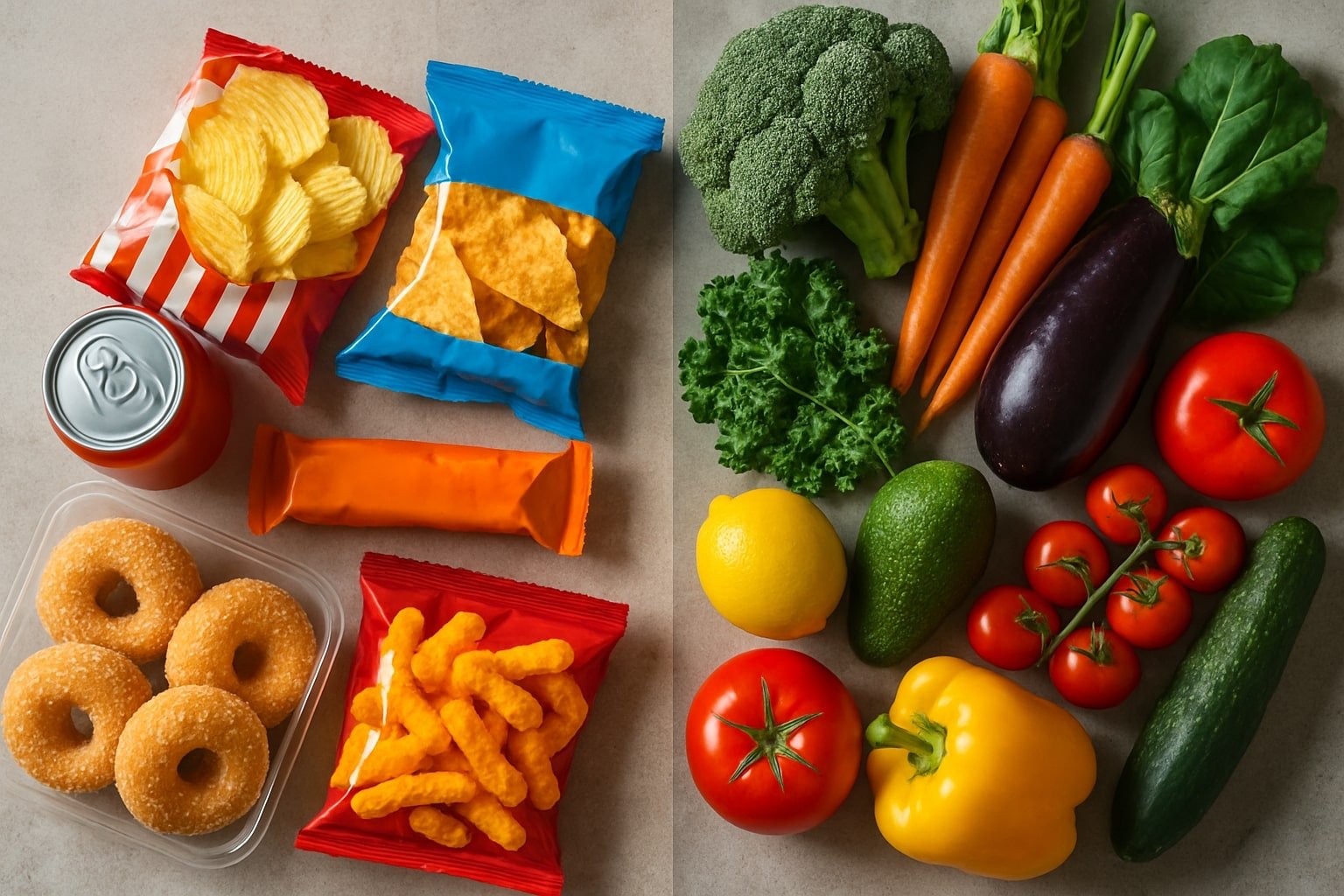
Processed substitutes can be convenient and practical in certain situations, but whole foods often offer more nutritional benefits and fewer added ingredients. Many people reach for processed options when they need foods that are quick, portable, and have a longer shelf life, while whole foods are ideal for those looking to maximize nutrients and minimize additives.
There are times when processed substitutes are useful, like meeting dietary needs, saving time, or handling food allergies. Still, understanding when to use each type can make it easier to maintain a healthier eating pattern and make choices that fit individual lifestyles. Both choices have a place, but knowing the differences helps people make informed decisions about what works best for them.
Defining Whole Foods and Processed Substitutes
Whole foods and processed substitutes differ in their nutrient content, preparation methods, and impact on dietary choices. Recognizing how foods change from their original state through processing helps individuals make better decisions for taste, nutrition, and convenience.
What Are Whole Foods?
Whole foods are foods that remain in their natural, unprocessed state or have undergone minimal changes after harvesting. These foods include fresh fruits, vegetables, whole grains, nuts, seeds, and legumes. They are typically free from added sugars, sodium, preservatives, or artificial ingredients.
Nutritionally, whole foods provide fiber, vitamins, and minerals without unnecessary additives. Common examples are brown rice, fresh apples, spinach, and raw almonds. Choosing whole foods allows individuals to benefit from ingredient transparency and a lower risk of added unhealthy substances.
Consuming a variety of whole foods supports balanced nutrition and may reduce the risk of chronic diseases. These foods are found around the perimeter of most grocery stores and usually require basic preparation before eating.
Understanding Food Processing
Food processing refers to any method that changes the physical or chemical nature of a food from its original state. This can include washing, chopping, cooking, freezing, drying, or canning. Some processing is essential for safety—such as pasteurizing milk or canning beans—to destroy harmful bacteria.
Processing can also extend shelf life or make foods more convenient and accessible. However, not all processing diminishes nutritional value. Minimal processing, like cleaning and cutting vegetables, keeps most nutrients intact. On the other hand, certain processes can strip foods of fiber and vitamins, or add excess salt, sugar, and preservatives.
Consumers should check labels for added ingredients, especially in habits where processing is more intensive.
Types of Processed Substitutes
Processed substitutes are foods created or altered to stand in for the original, often for convenience, dietary needs, or shelf life extension. There are several common types:
Canned Foods: Canned beans, vegetables, and tuna are notable processed substitutes. These options are practical for quick meal preparation and long-term storage.
Frozen Foods: Frozen fruits and vegetables are processed soon after harvest to lock in nutrients and simplify meal planning.
Fortified Foods: Breakfast cereals and plant-based milk may be enriched with vitamins, minerals, or fiber to mirror their whole food counterparts.
Meat Alternatives: Products like soy burgers or plant-based deli slices often use legumes or grains to replicate meat products.
Each processed substitute varies in how closely it matches the nutritional profile of the original whole food.
Minimal and Ultra-Processed Foods
Foods fall along a spectrum of processing. Minimally processed foods retain most of their original structure and nutrients. Examples include pre-washed salad greens, bagged baby carrots, and plain frozen vegetables.
In contrast, ultra-processed foods undergo extensive industrial formulations. They often contain added flavors, colors, preservatives, and emulsifiers. Processed meats, packaged snacks, and sugar-sweetened cereals fit this category.
Ultra-processed foods frequently contain higher amounts of sodium, sugars, and unhealthy fats. These additions can increase palatability but may contribute to poor health outcomes if consumed in excess. Checking ingredient lists and nutrition facts can help distinguish between minimally and ultra-processed products.
Nutritional Differences Between Whole Foods and Processed Substitutes
Whole foods and processed substitutes differ in key ways, notably in nutrient density, presence of additives, and how nutrients are absorbed. These differences can impact overall diet quality and health outcomes.
Nutrient Content Comparison
Whole foods often provide a broader range of essential nutrients, including dietary fiber, antioxidants, healthy fats, vitamins, and minerals. For example, whole grains contain more fiber and micronutrients compared to their refined or processed counterparts.
Processed substitutes may lose some nutrients during manufacturing. For instance, white bread has less fiber and fewer vitamins than whole grain bread.
A simple comparison can be found in this table:
Nutrient Whole Foods Processed Substitutes Dietary Fiber High Low to moderate Protein Often higher Varies Healthy Fats Present Often replaced Added Nutrients Natural Often synthetically added
The removal or addition of nutrients through processing changes the food’s nutritional profile. Sometimes, processed foods are fortified, but they generally do not have the full spectrum of nutrients found in their whole food versions.
Additives, Preservatives, and Their Impact
Processed substitutes frequently contain additives and preservatives to extend shelf life and improve appearance or taste. These can include emulsifiers, artificial flavors, colorings, and stabilizers.
Preservatives like sodium benzoate or nitrates are common in packaged and pre-prepared foods. While approved for use, some additives have been linked with digestive discomfort or allergic reactions in sensitive individuals.
Whole foods, in contrast, are typically free from artificial additives. Consuming a diet high in whole foods generally reduces intake of these substances. For those trying to minimize exposure to synthetic ingredients, limiting processed substitutes can be important.
Vitamins and Minerals Bioavailability
Bioavailability refers to how well the body absorbs and uses nutrients from food. In many whole foods, vitamins and minerals are more bioavailable because they are accompanied by naturally occurring enzymes and compounds that aid absorption.
Processing can strip foods of these helpful compounds. Some vitamins, like vitamin C and certain B vitamins, are particularly sensitive and may degrade during heating or refining processes.
While some processed substitutes are enriched or fortified (for example, adding iron and B vitamins to breakfast cereals), the body may not absorb these added nutrients as effectively as from whole foods. This can lead to differences in how much nutritional benefit is actually provided.
Added Sugars and Unhealthy Fats
Processed substitutes often contain added sugars and unhealthy fats to enhance flavor or texture. These additions can significantly increase calories without contributing essential nutrients, leading to excess energy intake.
Trans fats and high levels of saturated fat are more common in heavily processed foods. These fats have been linked to higher risks of heart disease and other health conditions. Whole foods, like nuts, seeds, fruits, and vegetables, typically provide healthy fats and natural sugars in appropriate amounts.
Reading ingredient lists and nutrition facts panels helps identify added sugars such as high-fructose corn syrup, sucrose, or various syrups. Choosing whole foods over processed alternatives can help reduce intake of unwanted ingredients and improve overall diet quality.
Health Benefits of Whole Foods
Whole foods supply essential vitamins, minerals, and other nutrients that support optimal health. Choosing nutrient-dense options like fruits, vegetables, whole grains, and legumes can improve well-being through disease prevention, better digestion, and more balanced dietary choices.
Role in Disease Prevention
Eating whole foods such as fruits, vegetables, whole wheat, brown rice, and quinoa is associated with a lower risk of chronic diseases like heart disease, diabetes, and certain cancers. These foods are naturally rich in antioxidants, fiber, and phytonutrients that help reduce inflammation and oxidative stress.
A plant-based diet based on whole foods helps regulate blood pressure, cholesterol, and blood sugar levels. Unlike processed foods high in empty calories, sugar, and unhealthy fats, whole foods provide protective compounds that strengthen the body’s defense systems.
Those who prioritize whole foods tend to have improved long-term health outcomes and a reduced risk of obesity. The combination of fiber, vitamins, and minerals supports the immune system and lowers chronic disease risk.
Supporting Digestive Health
Whole foods promote a healthy digestive system primarily through their fiber content. Dietary fiber from vegetables, fruits, and whole grains like brown rice and quinoa supports bowel regularity and prevents constipation. Soluble fiber helps feed the intestinal microbiome, promoting beneficial gut bacteria.
A healthy microbiome impacts nutrient absorption and immune function, both vital for overall health. Processed substitutes often lack the fiber needed for digestive health, which can lead to imbalances and discomfort.
Eating a variety of plant-based whole foods also encourages greater microbial diversity. This is linked to better digestive function, lower inflammation, and improved responses to healthy eating patterns.
Nutrient Density and Satiety
Whole foods deliver higher levels of nutrients per calorie compared to most processed substitutes. Nutrient-dense options, such as leafy greens, beans, and whole grains, supply essential vitamins, minerals, and antioxidants important for daily function.
Their natural fiber and protein content promote satiety, helping individuals feel full and satisfied after meals. This can aid in weight management by reducing the likelihood of overeating and supporting balanced dietary choices.
Example table comparing nutrient density:
Food Type Nutrient Density Satiety Level Whole Wheat Bread High High White Bread Low Low
Choosing whole foods ensures a better balance between energy intake and nutritional value, essential for those aiming for healthy eating and optimal health.
When to Choose Processed Substitutes
Processed substitutes can be beneficial in specific contexts, helping to address modern challenges related to time, access, and individual dietary needs. Selecting the right processed options requires reading ingredient lists and understanding the advantages they offer in everyday situations.
Convenience and Accessibility Factors
Busy schedules make meal prep challenging. Processed substitutes like pre-sliced vegetables, canned beans, or ready-to-eat grains save time and effort. These items reduce the barriers to preparing meals from scratch and fit into meal planning when fresh foods are unavailable or out of season.
For people living in food deserts or areas with limited grocery options, packaged snacks and minimally processed choices increase accessibility to essential nutrients. Frozen fruits and vegetables often provide year-round access to produce.
Examples of processed products that aid convenience:
Bagged salads
Shelf-stable lean proteins like canned tuna or rotisserie chicken
Single-serve unsweetened yogurts
These choices help ensure meals are balanced, even with a tight schedule or limited access to fresh foods.
Food Safety and Preservation
Processing is often essential for food safety and preservation. Canning, freezing, and pasteurization protect against spoilage and harmful pathogens. Ready-to-eat products such as vacuum-packed meats or pasteurized dairy have longer shelf lives, reducing the chances of foodborne illness.
Shelf-stable items like canned beans and boxed broths are practical for emergency situations or times when refrigeration is unreliable. Preserved foods extend how long nutritious ingredients remain usable.
Consumers benefit by having more options to store and prepare food safely, especially in settings with limited refrigeration or when stocking up for emergencies. Reading ingredient lists to choose products without excessive additives is important.
Meeting Dietary Needs and Preferences
Processed substitutes can play a key role in meeting specific dietary restrictions or preferences. Individuals seeking low-fat, low-sodium, or plant-based diets may find packaged foods designed to meet these requirements.
For those with allergies, intolerances, or medical needs, specialty processed items—such as gluten-free breads, lactose-free milks, or fortified cereals—provide essential alternatives not always found in whole foods. This enables personalized meal planning.
Some people rely on processed substitutes to achieve consistent portion control or micronutrient intake during busy weeks. Choosing products that list minimal, recognizable ingredients can help individuals align processed choices with broader health goals.
Health Risks Associated With Processed Substitutes
Processed substitutes often contain added ingredients such as excess sodium, refined grains, and artificial sweeteners. These components can increase the risk of several chronic conditions and may disrupt natural body functions.
Increased Risk of Chronic Diseases
Regular consumption of processed substitutes is linked to a higher chance of developing chronic diseases, including heart disease, type 2 diabetes, and certain types of cancer. Ultra-processed products such as snack foods, sodas, and packaged meals often contain high levels of unhealthy fats, sugars, and preservatives.
These foods can cause spikes in blood sugar and contribute to insulin resistance, increasing the risk of type 2 diabetes. The frequent intake of additives and low-fiber ingredients also raises the likelihood of cardiovascular problems. Multiple studies have reported that people with diets high in ultra-processed foods face elevated disease risk compared to those who prioritize whole foods.
Highly processed substitutes can also have higher energy densities, leading to excess calorie consumption. Studies have connected ultra-processed diets with increased rates of certain cancers, possibly due to the presence of artificial additives or low nutritional quality.
Impact on Weight Management
Processed substitutes are often higher in calories, added sugars, and unhealthy fats compared to whole foods. These characteristics make it easier for individuals to consume more calories than they need, which increases the risk of obesity over time.
Many of these foods have low fiber and protein content, making them less filling than whole food alternatives. As a result, people may feel hungry sooner and eat larger portion sizes. High-glycemic foods such as sugary drinks and refined grains can lead to rapid spikes and drops in blood sugar, promoting overeating and weight gain.
Dietitians note that sodium-packed processed products can also cause water retention and further mask true weight changes. Over time, frequent use of such substitutes can disrupt healthy weight management strategies and raise the risk for obesity-related conditions.
Influence on Inflammation and Microbiome
Processed substitutes often contain artificial sweeteners, emulsifiers, and other food additives that may influence inflammation and harm the balance of gut bacteria. High intake of these substances is associated with elevated levels of chronic inflammation—a key factor in the development of heart disease, metabolic disorders, and some cancers.
These foods are also typically low in fibers and nutrients that support a diverse gut microbiome. Changes in gut bacteria can negatively impact digestion, immune response, and even mood regulation. Some studies suggest that the regular consumption of ultra-processed products may contribute to “leaky gut” and worsen inflammatory conditions.
A diet high in refined grains, added sugars, and industrial ingredients creates an environment in the gut that favors less healthy bacteria. This imbalance can amplify the negative health risks already associated with chronic diseases and poor weight management.
Balancing Whole Foods and Processed Options in Your Diet
Balanced diets use both whole and processed foods for convenience, nutrition, and personal preference. Focusing on nutrient density and food quality can help support better health, performance, and weight management.
Practical Strategies for Healthy Dietary Choices
In planning meals, it can help to prioritize unprocessed or minimally processed foods like fruits, vegetables, whole grains, legumes, nuts, and seeds. These provide essential nutrients and fiber, supporting digestive health and reducing the risk of chronic disease.
Processed substitutes—such as fortified breakfast cereals, canned beans, or frozen vegetables—can offer convenience without sacrificing nutritional quality. However, it is important to read labels and avoid options high in added sugar, sodium, or unhealthy fats.
Simple meal planning steps can make balanced choices easier:
Make a list of whole food staples before shopping.
Use pre-washed salad mixes or pre-cut vegetables for quick preparation.
Limit packaged snacks and ready-to-eat meals, especially those with long ingredient lists.
Maximizing Nutritional Value Everyday
Eating for optimal nutrition means selecting foods with a high nutrient-to-calorie ratio. Whole foods, such as fresh produce and intact grains, generally offer more vitamins, minerals, and phytochemicals per serving compared to highly processed alternatives.
Plant-based diets benefit from using more whole foods and minimally processed substitutes. For example, choosing edamame or lentils over processed vegetarian patties gives higher fiber and protein, with less added sodium.
A comparison can help with daily choices:
Food Choice Whole Food Example Processed Substitute Key Differences Snack Fresh fruit Fruit snacks More fiber, less sugar Protein Grilled chicken Deli meat Less sodium, fewer additives Carbohydrate Brown rice Instant white rice More fiber, more nutrients
Performance and Healthy Living Goals
For those with specific goals in fitness, weight management, or athletic performance, the quality of food choices makes a significant difference. Unprocessed foods support stable energy, muscle recovery, and satiety.
Whole grains, lean proteins, and healthy fats deliver the nutrients needed to train, recover, and avoid energy crashes. Processed options, like protein bars or electrolyte drinks, can be useful for timing or convenience during training but should not replace the bulk of the diet.
Meals built around whole foods help support long-term weight management by promoting fullness and providing steady energy. Combining these with thoughtful use of minimally processed foods ensures nutritional needs are met without relying on highly processed items.

