
Understanding Binding Agents to Swap Like a Pro
Essential Tips for Efficient Material Blending
Knowing how binding agents work allows cooks and scientists to effectively swap them for different purposes, whether it's perfecting the texture of a homemade veggie burger or ensuring a protein assay in the lab yields accurate results. Binding agents hold mixtures together or enable interactions at the molecular level, playing an essential role in fields as varied as food preparation and molecular biology.
The science behind binding agents covers a wide range, from using eggs or flour in recipes to specialized chemicals for research or manufacturing. Understanding their functions, strengths, and limitations helps users choose the right substitute, maintain desired outcomes, and troubleshoot issues when they arise.
Accurate swapping isn't just about replacement—it's about matching the binding type and performance to your specific needs. This knowledge empowers anyone to approach binding agent swaps with confidence and achieve reliable, consistent results.
What Are Binding Agents?
Binding agents are essential for holding ingredients together during cooking and baking. They support the structure of mixtures and prevent separation, making recipes stable and easy to handle.
Definition and Role in Cooking
A binding agent is a substance that combines various ingredients to form a cohesive mixture. Common examples include eggs, flour, breadcrumbs, starches, and certain proteins. Each binding agent works differently depending on its properties and the recipe’s needs.
Their primary role is to prevent mixtures from falling apart. For instance, in meatballs, a binder keeps meat, herbs, and seasonings intact during cooking. Without a binder, dishes often become crumbly or lose their intended shape.
Binders also contribute to the appearance and texture of food. They can promote moisture retention or create a firmer bite, depending on the chosen ingredient. Selecting the right binder is crucial for the outcome and handling of both savory and sweet preparations.
Understanding Bindings and Structure
Bindings in cooking relate directly to the texture and strength of a dish. When a binder is used, it reinforces the structure, ensuring that foods retain their form during preparation, shaping, and serving.
Some strong binders, like eggs or gluten, form networks that provide elasticity and stability. This is essential in baked goods or anything shaped by hand. Softer binders, such as mashed vegetables or dairy, add moisture and a gentler hold, offering comfort in softer textures.
Understanding the structural impact of binders helps with ingredient swaps. A table summarizing common binders and their typical strength:
Binder Typical Strength Texture Impact Egg High Firm, cohesive Flour Medium-High Structured, chewy Breadcrumbs Medium Loose, moist Starch Medium Smooth, gel-like Dairy Low-Medium Creamy, soft
Choosing the appropriate binder supports both the mechanical and textural requirements of the dish.
Fundamental Properties of Effective Binders

Effective binders determine the texture, integrity, and finished appearance of foods and other materials. Their performance depends on key factors like weight contribution, moisture interaction, and effects on the leavening process.
Weight and Texture Considerations
Binders add both weight and structure to a recipe or mixture. Their density affects the final product’s mouthfeel and bulk. For example, flour-based or starchy binders such as rice flour and bread crumbs contribute notable weight and firmness, leading to products that feel dense, structured, or chewy.
Using lighter binders like egg whites or gelatin results in a more delicate or lighter result. Binders can be selected or swapped based on desired texture—from the dense binding of oat or chickpea flour to the airy finish supported by whipped egg whites. The choice has a marked effect on the integrity of the dish.
Selecting the correct binder requires an understanding of how it affects both the structural aspect and total mass of the finished item. A mismatch can cause food to be too heavy, dense, or fall apart.
Moisture Management
Binders are crucial for managing water retention and controlling how wet or dry a product will be. Some binders, like starches and flours, absorb liquid and hold ingredients together, reducing sogginess. Others, such as eggs, coagulate during cooking, trapping moisture while firming up the texture.
Gelatin and pectin are used primarily for their ability to set and stabilize high-moisture environments, as in jams or gummies. Too much moisture can lead to weak binding and structural breakdown, while too little may result in crumbly or dry products.
The binder chosen should correspond to the moisture demands of the recipe. For instance, a dry meat mixture may benefit from breadcrumbs, while batters that need to retain moisture do better with eggs or dairy-based binders.
Leavening Interactions
Some binders directly affect how batters or doughs rise during cooking. Eggs contribute to both structure and leavening due to their ability to trap air, especially when beaten. Starchy binders generally contribute less to leavening and more to density.
Certain binders react with baking soda or baking powder, influencing the rise. For example, buttermilk or yogurt used as binders can create carbon dioxide when combined with baking soda, resulting in a lighter product. Gelatin can also be used in small quantities to help set and stabilize the rise in mousses or marshmallows.
Not understanding the role of the binder in leavening can lead to heavy, flat, or unevenly risen baked goods. Selecting a binder with known leavening properties is essential for achieving the intended lift and crumb.
Common Natural Binding Agents
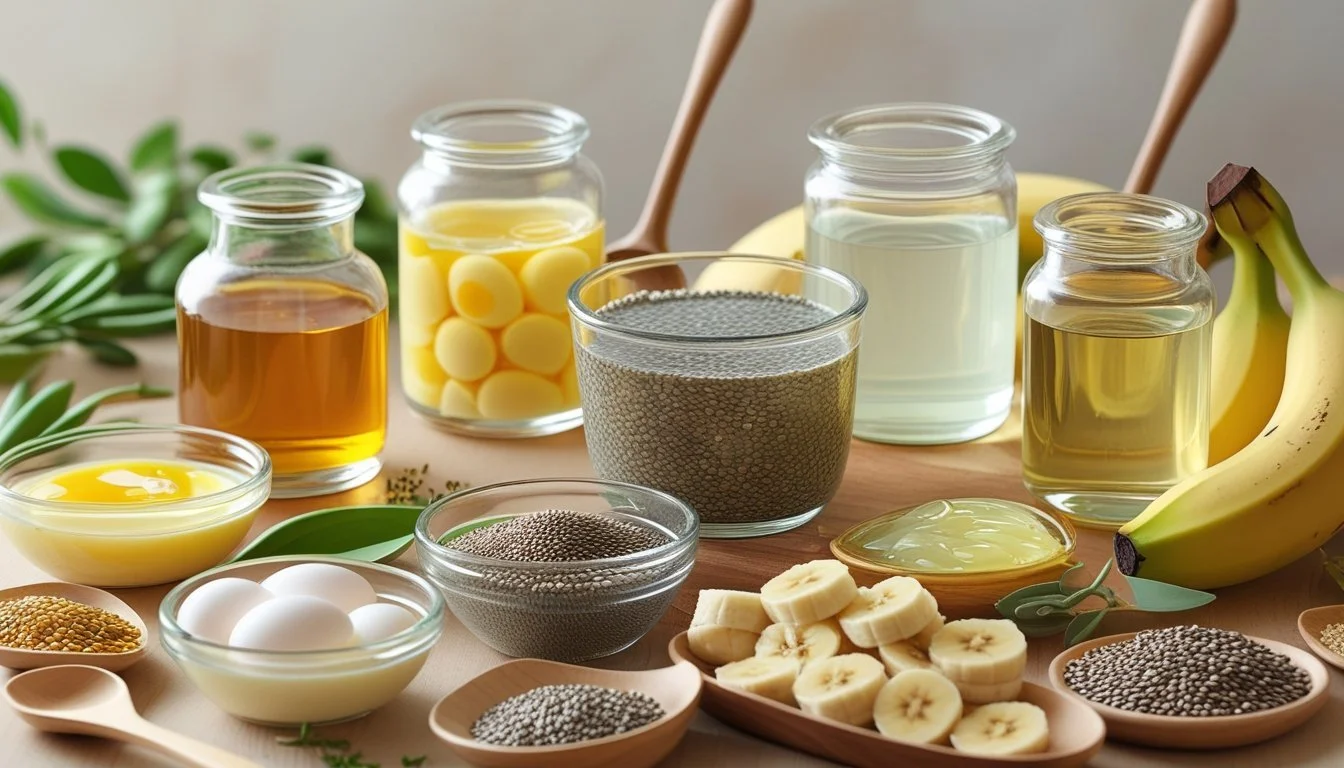
Natural binding agents often function as essential tools in recipes that need to be egg-free. These alternatives frequently provide structure, moisture, and stability to baked goods and other culinary creations.
Egg Substitutes Overview
Eggs serve as classic binding agents in recipes, but suitable substitutes are widely available for those avoiding eggs due to allergies, diet, or preferences. Common egg substitutes include flaxseed meal, chia seeds, commercial replacers, and certain fruit purées.
Flaxseed meal can be combined with water to form a gel-like mixture. This mixture mimics the consistency and binding properties of eggs in baked recipes such as muffins and pancakes. The standard ratio is 1 tablespoon ground flaxseed with 3 tablespoons water per egg.
Chia seeds function similarly when soaked. Commercial egg replacers, often made from starches or plant fibers, are also available and can be measured and mixed according to package instructions. Each option has mild flavor and works best in recipes where tenderness and moisture are needed over leavening.
Mashed Banana as a Binder
Mashed banana stands out as a natural, easily accessible binder, especially for sweet baked goods. To substitute for one egg, use 1/4 cup of ripe, thoroughly mashed banana.
The starches and fibers in banana help hold ingredients together during baking. This substitution not only binds but also imparts mild banana flavor and moisture to the final product. For recipes where banana flavors would complement the outcome, such as quick breads, brownies, or pancakes, this is an effective choice.
While mashed banana offers structural and binding support, it may alter the overall taste and color of the dish. It is less effective in savory recipes or those needing a neutral taste.
Unsweetened Applesauce and Applesauce
Unsweetened applesauce is commonly used as a neutral binding agent in both baking and cooking. The mild taste blends well with most recipes, making it a versatile replacement for eggs and oil.
Use 1/4 cup unsweetened applesauce to substitute for one egg. This amount helps retain moisture and adds softness to baked goods. Applesauce works especially well in cakes, muffins, and cookies.
Using sweetened applesauce is possible, but it may add unwanted sugar and alter the recipe's balance. Always choose unsweetened varieties for best results and adjust liquid amounts as needed to prevent overly moist textures.
Plant-Based and Specialty Alternatives
Plant-based binders are key tools when replacing eggs or other animal-derived agents in recipes. Aquafaba, silken tofu, and chia seeds each offer unique binding properties that can improve the structure, appearance, and nutritional profile of both savory and sweet dishes.
Aquafaba and Its Applications
Aquafaba is the viscous liquid drained from canned chickpeas. Its ability to whip and emulsify makes it a favored alternative to egg whites in recipes like meringues, macarons, and mousses.
A standard substitution guideline is 3 tablespoons of aquafaba to replace 1 whole egg, or 2 tablespoons for 1 egg white. It performs well in baked goods and some dressings due to its protein and starch content, which mimic the binding and foaming functions of eggs.
Aquafaba is neutral in taste and works especially well where a light texture is desired. However, it does not add fat like eggs, so recipes requiring richness may need added oil. Many users prefer canned over homemade aquafaba for consistency.
Silken Tofu in Swapping
Silken tofu works well as a binder in recipes that benefit from moisture and a creamy texture. It is especially effective in dense baked goods, custards, vegan cheesecakes, and even sauces.
To use, blend 1/4 cup silken tofu until smooth to substitute for 1 egg. It binds ingredients by providing both moisture and structure, thanks to its protein and water content.
Unlike firmer tofu varieties, silken tofu is soft and blends easily into batters, making it ideal for brownies and muffins. Its flavor is mild, so it will not overpower recipes, but it may slightly alter the final texture to be softer or creamier.
Chia Seeds and Their Effects
Chia seeds swell and form a gel when mixed with liquid, allowing them to bind ingredients in baked items such as cookies, pancakes, and muffins.
The typical replacement ratio is 1 tablespoon ground chia seeds + 2.5 tablespoons water for 1 egg. This mixture should be left to sit for about 5-10 minutes until a gel forms.
When used whole, chia seeds add a slight crunch and speckled appearance. When ground, they disappear into the mixture. Chia seeds are rich in fiber and omega-3 fatty acids, contributing subtle nutrition and texture changes to the finished dish.
Dairy and Fermented Binding Options
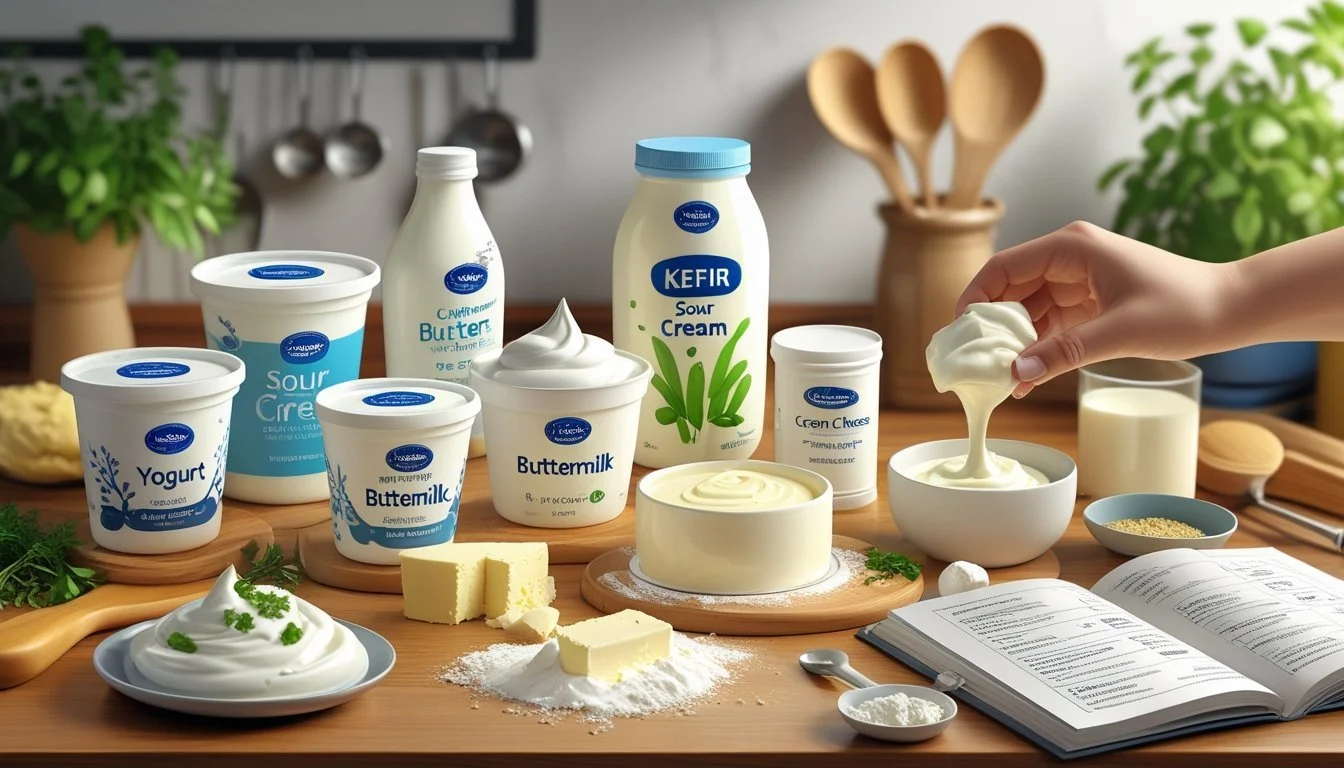
Certain dairy products, especially buttermilk and yogurt, serve as effective binding agents in cooking and baking. These ingredients add structure and improve texture while also contributing subtle flavors.
Buttermilk for Structure
Buttermilk works as a binder because of its acidity and protein content. When combined with baking soda or baking powder, buttermilk activates leavening agents, which leads to better structure in baked goods.
Its acidic nature also tenderizes dough and helps prevent a dry, crumbly texture. In recipes like pancakes, scones, and cakes, buttermilk keeps the batter together and improves moisture retention. For meat mixtures or veggie patties, buttermilk can be used as a wet binder mixed with breadcrumbs or flour, which then forms a cohesive mixture.
Buttermilk is also useful for batters and coatings. Dipping ingredients in buttermilk before adding a flour-based coating helps the breading stick more evenly and remain attached during cooking.
How to use buttermilk as a binder:
Replace 1 egg with ¼ cup buttermilk in most baked recipes.
Combine with dry binding agents for extra hold.
Yogurt’s Unique Binding Quality
Yogurt offers binding power due to its thickness and protein. Its creamy consistency supports a range of dishes, from baking to savory patties.
Greek yogurt, in particular, is high in protein and excels at holding mixtures together without making them runny. In baked goods, yogurt provides moisture, creating a tender crumb while preventing the mix from falling apart. In burger or fritter recipes, mixing yogurt with dry ingredients like oats or breadcrumbs helps maintain structure during cooking.
Flavored or plain yogurt can also add tang and subtle richness, enhancing both taste and binding performance. When using yogurt:
Substitute ¼ cup yogurt for 1 egg in baked recipes.
Thicker varieties give stronger binding results.
Blend with dry ingredients to reach desired texture and cohesiveness.
Powders, Starches, and Gels for Binding
Binding agents such as arrowroot powder and cornstarch are commonly used to improve texture and hold ingredients together in various recipes. Each offers unique advantages related to thickening, clarity, and suitability for different cooking applications.
Arrowroot Powder Versatility
Arrowroot powder is a starch derived from tropical plant rhizomes. It is naturally gluten-free and valued for creating clear, glossy sauces and mixtures. Unlike some thickeners, arrowroot does not break down when combined with acidic ingredients like citrus or vinegar.
It is best used in recipes that require gentle thickening, such as fruit sauces, pies, glazes, or custards. Arrowroot works at lower temperatures compared to cornstarch, making it useful for recipes sensitive to heat. Mix arrowroot with cold liquid first to form a slurry before adding to hot mixtures to prevent clumping.
Key points about arrowroot powder:
Neutral flavor, so it does not affect the taste of delicate dishes
Results in a smooth texture, with no gritty residue
Functions effectively at low heat and in acidic environments
Not suitable for dairy-heavy recipes, as it can turn slimy when mixed with milk
Cornstarch as a Thickener
Cornstarch is made from the starchy part of corn kernels and is widely known for its thickening power. It is most effective added to dishes late in the cooking process, after being combined with a small amount of cold liquid to prevent lumps.
Cornstarch produces a translucent, glossy finish in sauces and gravies. It works best in recipes without a lot of acid or prolonged cooking, as acids and extended heat can weaken its thickening ability. Bakers use cornstarch in pie fillings, custards, and puddings to set consistency.
Highlights of using cornstarch:
Works quickly at higher temperatures to form gels
Gluten-free, making it safe for many diet types
Not as stable as arrowroot with acidic or frozen foods
Adds smoothness and body without altering flavor
Leavening Agents’ Impact on Bindings
Leavening agents play a critical role in the structure of baked goods, especially when substituting binding agents. Their contribution not only helps baked products rise but can also influence how ingredients hold together.
Baking Soda in Swaps
Baking soda, a common leavening agent, is frequently used in binding swaps due to its ability to react with acidic ingredients. This reaction produces carbon dioxide, which aids expansion and lightens the texture of doughs. When replacing eggs or traditional binders, baking soda is often paired with an acid to maintain structural integrity.
Important guidelines when using baking soda in swaps:
Always use the recommended ratio. Typically, 1/4 teaspoon of baking soda is paired with 1/2 to 1 tablespoon of acidic liquid per egg replaced.
Ensure all ingredients are well mixed to evenly distribute the leavening effect.
Overuse of baking soda can lead to a bitter taste and uneven texture.
For gluten-free or vegan recipes, baking soda provides extra lift but should be balanced to avoid crumbly or dense results.
Baking Powder and Its Combinations
Baking powder contains both an acid and a base, making it a convenient one-step leavening agent. Double-acting baking powders release gas twice—once when mixed, again when baked—helping maintain structure in egg-free batters. Single-acting powders release gas only when mixed, requiring immediate baking.
Key considerations:
Baking powder is often used in conjunction with other binding agents like flaxseed meal or applesauce.
Standard substitution is 1 teaspoon of baking powder per cup of flour when swapping for eggs.
Double-acting varieties are preferred in most binding swaps as they provide longer support for structure.
Mixing and baking steps should be prompt with single-acting powders to avoid losing leavening gases.
Vinegar as an Activator
Vinegar is often used to activate baking soda during egg or binder swaps. It reacts instantly with baking soda, releasing carbon dioxide and giving mixtures a lighter, airier quality. White vinegar and apple cider vinegar are the most common choices in baking.
Vinegar’s role and considerations:
Effective in vegan and dairy-free recipes where other acids may be absent.
Usually combined at a ratio of 1 teaspoon vinegar with 1/4 teaspoon baking soda per substitute egg.
Minimal impact on flavor when used in small amounts.
This combination not only helps with lift but also bolsters the cohesiveness of doughs and batters.
Functional Additions: Fats, Nut Butters, and Lecithin
Binding agents like oils, nut butters, and soy lecithin each provide distinct structural and textural roles in recipes. Incorporating these ingredients can alter not only the cohesiveness of mixtures but also flavor, mouthfeel, and nutritional content.
Oil for Flexibility
Oils such as canola, olive, sunflower, and coconut are frequently used to add moisture and structure to baking and cooking applications. They coat dry particles, helping to bind mixtures and prevent them from becoming crumbly.
Oils also allow for easy mixing and spreading, making doughs more pliable. Neutral-flavored oils are best for recipes where flavor shouldn’t dominate, while robust oils like olive can be used when a pronounced taste is desirable.
For vegan or allergen-free swaps, plant-based oils provide a direct alternative to butter or animal fats. Measuring carefully is crucial because excess oil may lead to greasy or dense outcomes. Adjust amounts based on recipe type to maintain the desired texture and structure.
Using Nut Butters
Nut butters including almond, peanut, and cashew bring more than stickiness—they contribute both fat and protein. Their creamy consistency helps combine ingredients like oats or seeds into solid forms, often seen in bars or cookies.
Flavor is a focal point; peanut butter offers a strong, recognizable taste, while cashew and almond butters are milder. These butters can enhance richness and nutrition but may require recipe adjustments due to their density and natural oils.
Some nut butters contain added sugars or salt. It is worth noting ingredient labels and considering unflavored, unsweetened options if aiming for control over recipe sweetness or sodium. Those with allergies can opt for sunflower seed butter as a substitute.
Soy Lecithin Integration
Soy lecithin is a versatile emulsifier used widely in both commercial and home kitchens. It binds water and fat, preventing separation and creating a smooth, even texture. Lecithin is often used in vegan baking, chocolate making, and salad dressings.
Powdered or granulated soy lecithin blends easily with liquids or dry ingredients. It’s especially useful when dealing with mixtures that tend to split, such as sauces or vegan cheeses. A small amount—typically 0.5–2% by weight—can produce noticeable improvements in consistency.
In gluten-free and egg-free baking, soy lecithin acts as a partial egg substitute, supporting structure and moisture retention. It is widely available and cost-effective, but those with soy allergies should consider sunflower lecithin instead.
Gelatin and Other Gelling Binders
Gelatin is a common gelling binder used in both food and pet food products. It is derived from animal collagen and is prized for its ability to create a firm, yet tender gel structure. Gelatin is often chosen because it melts at a temperature close to body heat, making textures smooth in the mouth.
Other popular gelling agents include agar, pectin, starch (like potato or tapioca), and guar gum. These come from plant or microbial sources and offer a range of textures, from soft gels to thick pastes.
Not all gelling agents work the same way. For example:
Binder Source Gel Texture Melting Point Gelatin Animal Soft, elastic Low Agar Seaweed Firm, brittle High Pectin Fruit Smooth, spreadable High Starch Plant Thick, pasty Medium Guar Gum Legume Jelly-like High
When swapping binders, it’s helpful to remember that gelatin's unique melt-in-the-mouth feel isn’t fully mimicked by most plant-based gelling agents. Some, such as agar and pectin, form gels that stay solid at room temperature and don’t melt as easily. This affects both the eating experience and the appearance.
Product developers may use a combination of these binders to achieve desired results. Assessing the finished texture and stability is key when substituting one for another.
Best Practices to Swap Like a Pro

Selecting the right binding agent and knowing precise swap ratios are key steps for reliable results. Every recipe has different requirements, and common mistakes can affect texture or flavor.
Mastering Exchange Ratios
Determining correct exchange ratios is essential when replacing binding agents. A swap must mimic the original agent’s properties—such as moisture retention or structure.
For example, 1 tablespoon of ground flaxseed plus 3 tablespoons of water is often used to replace 1 egg in baking. Yet, results can vary with recipe type.
Consumers should consider how swaps affect overall hydration, fat content, and stability. It's helpful to create a reference table:
Original Agent Typical Binder Swap Ratio Example 1 Egg Flaxseed + Water 1 tbsp flax + 3 tbsp water 1 Egg Chia Seeds + Water 1 tbsp chia + 2.5 tbsp water Bread Crumbs Oats or Cracker Crumbs 1:1
Testing preferred ratios before serving to others is recommended.
Tailoring Binders to Recipes
Different dishes require binding agents with unique properties. A meatloaf may need a binder for moisture, while cookies may prioritize cohesion.
Starch-based binders (such as cornstarch) work well for sauces, while gelatin excels in desserts requiring a firm set. Consumers who are vegan or gluten-free must pay close attention to recipe ingredients to avoid allergens.
Small batch tests make it easy to see how well a binder works without wasting ingredients. Adjustments to cooking time and liquid content may also be needed depending on the swap.
Troubleshooting Common Issues
When swaps fail, common problems include separation, dryness, or poor structure. Excess moisture may require extra dry binding ingredients, while crumbly mixtures could use more liquid or a different binder.
If a swap creates off-flavors, select a neutral-tasting agent. For dense textures, using an aerating agent like beaten aquafaba can improve results.
Consumers should keep notes on changes and outcomes for each swap attempt. Tracking what works ensures more consistent results with future exchanges.

