
Cultural Adaptation: Replacing Ingredients Abroad for Authentic Global Recipes
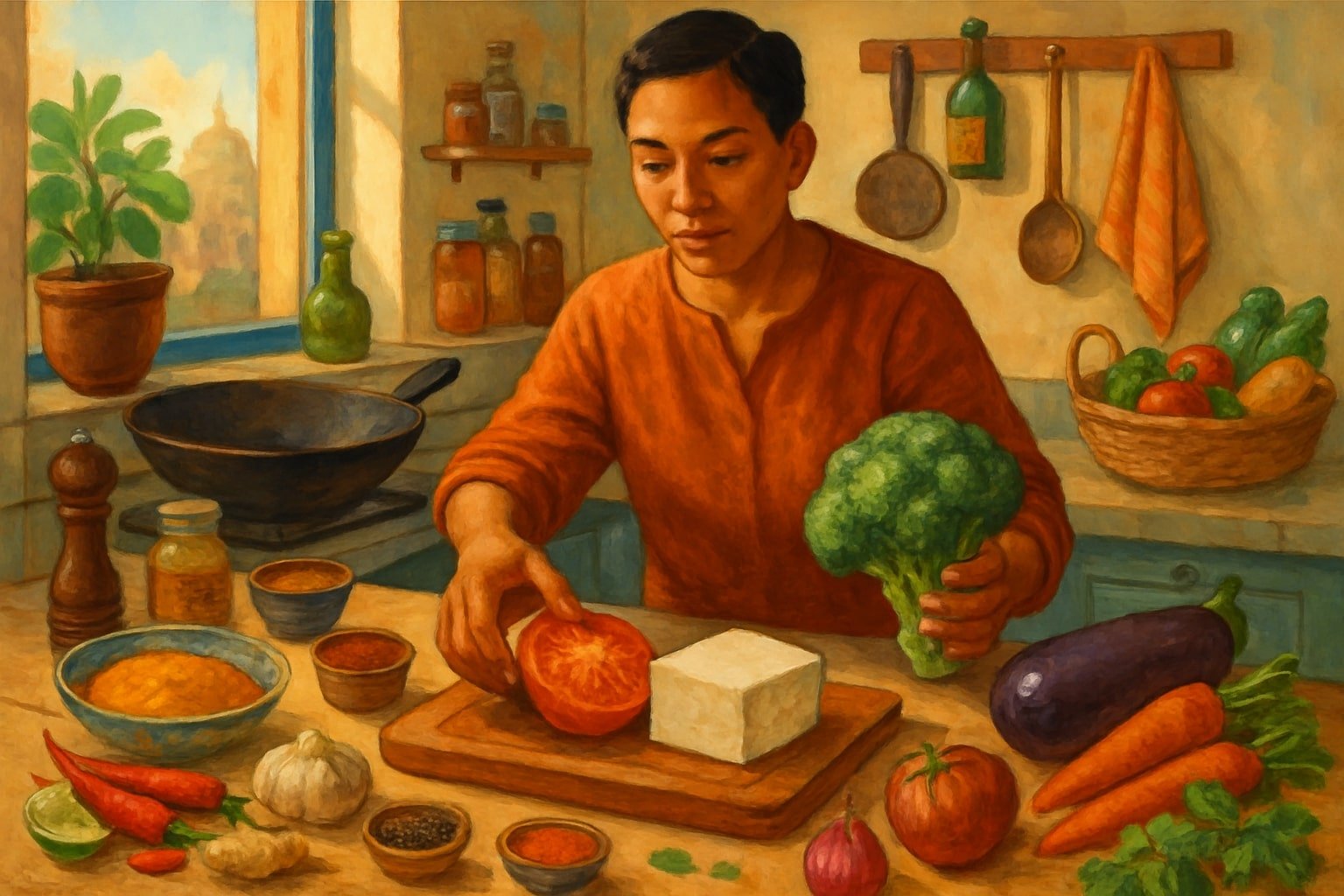
Moving to a new country often means encountering unfamiliar foods and ingredients, which can challenge anyone trying to maintain their traditional recipes and dietary habits. Cultural adaptation frequently involves replacing unavailable ingredients with local alternatives, allowing people living abroad to preserve familiar flavors while embracing their new environment. This practical approach not only supports everyday cooking but also helps newcomers connect with local culture by experimenting with different products and flavors.
For many migrants and expatriates, adapting dishes by substituting ingredients is both a necessity and an opportunity for creativity. Whether it’s using local vegetables in place of familiar ones or finding substitutes for spices, each choice reflects a blend between preserving culinary heritage and embracing new cultural surroundings. This process highlights how food can serve as a bridge, helping individuals adjust to life abroad while staying connected to their roots.
Understanding Cultural Adaptation in Food Practices
Cultural adaptation in food is a process shaped by migration, identity, and the practical realities of living in a new environment. Food choices often reveal how individuals and communities navigate cultural norms and respond to the challenges of sourcing familiar ingredients abroad.
The Importance of Food in Cultural Identity
Food is a core aspect of cultural identity. It connects individuals to their heritage, traditions, and family histories. For migrants and expatriates, cuisine serves as a daily reminder of home, offering comfort and continuity in unfamiliar surroundings.
When people move to new countries, their food habits become visible markers of their cultural background. These habits are not only personal but often observed by others, shaping perceptions and social interactions. Food can also become a site of negotiation between preserving cultural identities and adapting to new cultural contexts.
Ethnobotanical research highlights how migrants often retain traditional plant-based dishes while also experimenting and substituting ingredients due to local availability. This process maintains cultural ties but requires ongoing adjustment and selective adaptation.
Stages of Cultural Adaptation
Cultural adaptation typically unfolds in distinct stages. Initially, newcomers may try to preserve their original food habits as closely as possible, seeking out familiar shops or importing ingredients. This stage often reflects a desire to retain cultural identity in the face of change.
With time, individuals may begin substituting local ingredients for those from home, adjusting recipes to fit what is available. This stage involves both practical and emotional adjustments, as habits evolve but cultural understanding deepens. Adaptation may advance further as host country foods and preparation methods are incorporated more regularly into daily life.
These stages of adjustment are affected by access to resources, budget constraints, and prior intercultural experience. The process is not always linear, and individuals may revisit earlier stages, especially during significant cultural or family events.
Culture Shock and Food Habits
Culture shock often expresses itself through food habits. Unfamiliar flavors, preparation methods, and eating schedules can initially cause discomfort or reluctance to try new things. For many, the inability to find or afford familiar ingredients amplifies feelings of displacement.
The experience of food-related culture shock can vary. Some individuals respond by seeking community connections or specialty stores that cater to their traditional tastes. Others may embrace local foods, gradually developing new food preferences and routines as a form of cultural adjustment.
Cultural adaptation strategies are influenced by both personal resilience and access to social support. Over time, these strategies lead to a blend of practices drawn from both the culture of origin and the new environment, reflecting a balance between tradition and adaptation.
Key Challenges in Replacing Ingredients Abroad
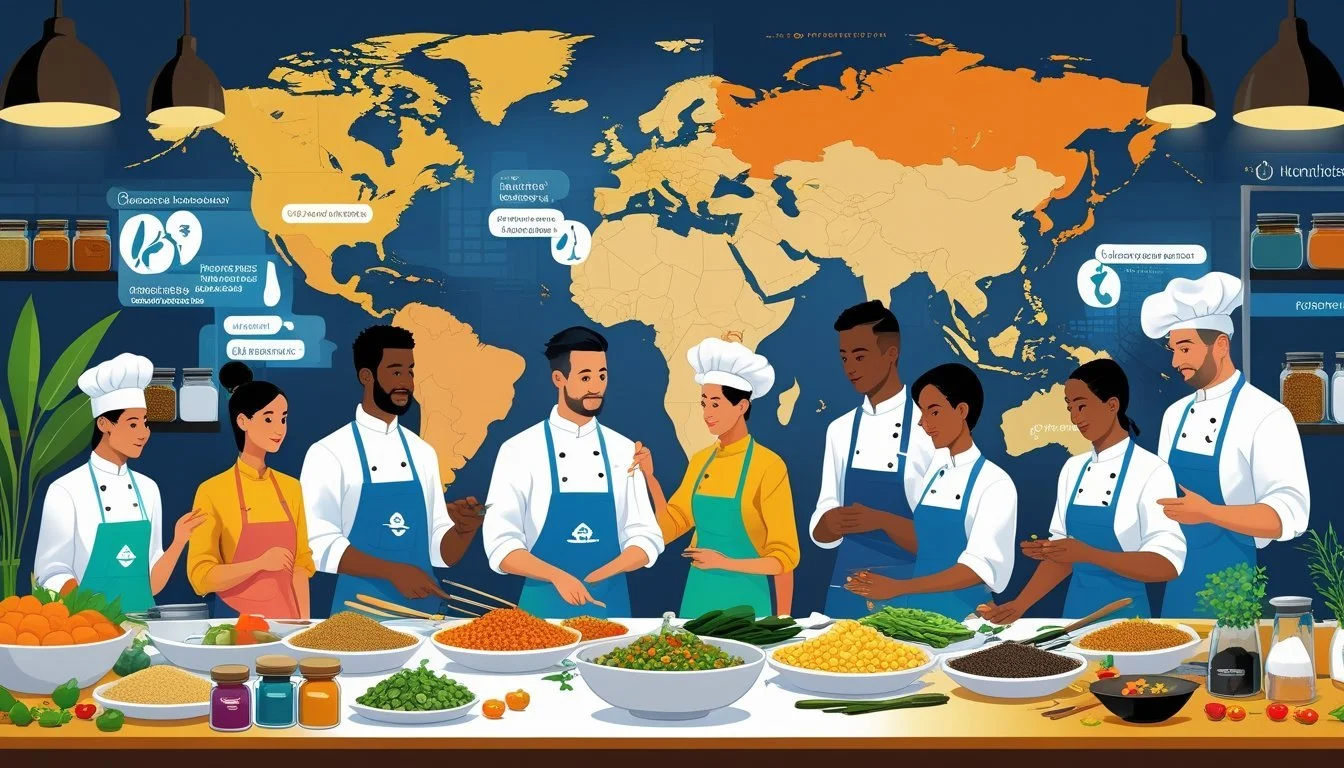
People who relocate often encounter issues sourcing familiar foods, especially in regions with distinct culinary traditions and local customs. Ingredient replacement depends heavily on cultural norms, market availability, and adjusting to new expectations about taste and cooking practices.
Cultural Differences in Ingredient Availability
Ingredient availability is shaped by local agriculture, dietary traditions, and import policies. For example, certain herbs, spices, and grains common in one country might be rare or nonexistent elsewhere. This can limit the ability to prepare traditional dishes as intended.
Folk plant knowledge plays a role in what is considered edible or desirable. Migrants may discover that some familiar items are replaced by local equivalents or substitutes that behave differently in recipes. Maintaining original flavors can be difficult due to differences in freshness, processing, and quality.
Local cultures also influence what is stocked in markets and supermarkets. Requests for unfamiliar products may be met with confusion or simply not accommodated in smaller stores. This gap between expectation and reality can lead to frustration and culinary adaptation challenges.
Impact of Social and Cultural Norms
Social and cultural norms determine what is eaten, how food is prepared, and which ingredients are valued. Strong traditions often guide meal planning, influencing both residents and newcomers.
Substitution of ingredients may clash with local customs or be considered inappropriate by host communities. For instance, using imported spices for a staple dish might not align with accepted norms in a conservative rural area. Adapting meals to avoid cultural missteps becomes a crucial consideration.
Additionally, dietary acculturation can involve negotiating family preferences and expectations. International students, migrants, and expatriates must balance maintaining original foodways with integrating into the host culture, sometimes resulting in blended cuisines or new food traditions.
Navigating Local Markets
Navigating local markets demands market research, observation, and flexibility. Shoppers must learn the rhythms of local bazaars, grocery stores, and specialty shops to locate possible substitutes.
Often, labels and product names are in unfamiliar languages, making it difficult to identify ingredients. This can be overcome by building relationships with local vendors, asking questions, and sometimes sampling products directly.
Price, quality, and availability may vary widely between markets and seasons. Access to certain foods may depend on regional trade networks or supply chains, requiring shoppers to adapt their expectations and regularly explore alternative sources in pursuit of suitable replacements.
Strategies for Ingredient Substitution

Successful ingredient substitution depends on practical adaptation strategies. Considering both the availability of local resources and the nuances of local cuisine is key for preserving the essence of dishes while responding to the realities of a new domestic arena. Flexibility and meaningful connections enhance the process.
Leveraging Ethnic Shops and Local Resources
Ethnic grocery shops provide access to specialty ingredients from the home country, making them a major resource for cultural adaptation. Shoppers often find unique spices, specialty grains, and imported condiments that are not available in mainstream supermarkets.
When ethnic shops are absent, exploring local markets becomes essential. Local markets can offer seasonal produce and native products that stand in for traditional ingredients. For example, cassava leaves might substitute for spinach, or regional beans can replace varieties from abroad.
Tips for effective resource use:
Compare product labels and ingredients carefully
Form relationships with local vendors for recommendations
Research which local items have similar flavor, texture, or purpose
This blend of ethnic and local resources maintains recipe integrity while adapting to the foreign context.
Product Adaptation and Flexibility
Adapting recipes requires a balance between authenticity and practicality. Flexibility means being open to substituting similar tasting or textured local items when home country ingredients are unavailable.
Below is a sample table of common substitutions:
Home Ingredient Possible Local Substitute Thai Basil Italian or Holy Basil Cassava Flour Potato, Corn, or Rice Flour Queso Fresco Feta or Farmer’s Cheese
Market research, such as talking to locals or researching online, helps identify potential swaps. Some substitutions might slightly alter flavor but still preserve the character of the dish.
Adapting also involves testing recipes and logging outcomes. This process allows cooks to refine substitutions, ensuring that adaptations fit both the dish and the local palate.
Building Meaningful Relationships with Local Communities
Establishing connections with the local community facilitates more effective ingredient substitution. Experienced home cooks or market vendors can share practical knowledge about local products and traditions.
Listening to how residents approach cooking builds cultural understanding and helps identify substitutions that are widely accepted. For migrants, joining community cooking groups or cultural associations can foster this exchange.
Meaningful relationships lead to recommendations for the best places to shop and creative ways to adapt recipes. Over time, these bonds create pathways for incorporating traditional techniques while honoring both home and host cultures.
Role of Globalization and Cultural Exchange
Globalization and cultural exchange have changed how people interact with food, introducing new ingredients and food products to different regions. These changes are seen in what is sold in stores and restaurants, and also in how consumers respond to marketing and adapt their habits.
Influence of Global Brands on Food Choices
Global brands like McDonald’s, Nestlé, and Coca-Cola have a strong influence on local diets by making familiar products widely available. They standardize some food items across countries, but also adapt menus to fit regional tastes and available ingredients.
For example, McDonald’s offers the McAloo Tikki burger in India, which uses potatoes and local spices, reflecting the adaptation of its brand to suit Indian consumers. In Japan, KitKat has over 300 local flavors, adapting the product profile to match Japanese preferences and cultural trends.
This blending of global and local elements often leads to fusion cuisine and the replacement of traditional ingredients with ones that are easier to source or more familiar to local people. While this makes international foods more accessible, it can also cause a shift in local food cultures toward more homogenized diets.
Marketing Strategy and Consumer Behavior
Marketing strategies used by global brands often rely on promoting convenience, novelty, or a cosmopolitan identity associated with their products. They create tailored advertisements and campaigns that resonate with regional values and customs, encouraging consumers to try products that are new or foreign.
Consumer behavior shifts in response, as exposure to global advertising leads to the adoption of new eating habits and preferences. The younger generation is particularly influenced by social media campaigns and international trends, which drive demand for products like bubble tea, Korean snacks, and plant-based meat substitutes.
Local companies may also emulate these strategies to retain market share, sometimes replacing traditional ingredients in their own products to align with changing consumer tastes. This cycle of adaptation and response reinforces the diversity seen in global food culture, while also raising concerns over the erosion of unique culinary traditions.
Ethnobotany and Folk Plant Knowledge in Ingredient Adaptation
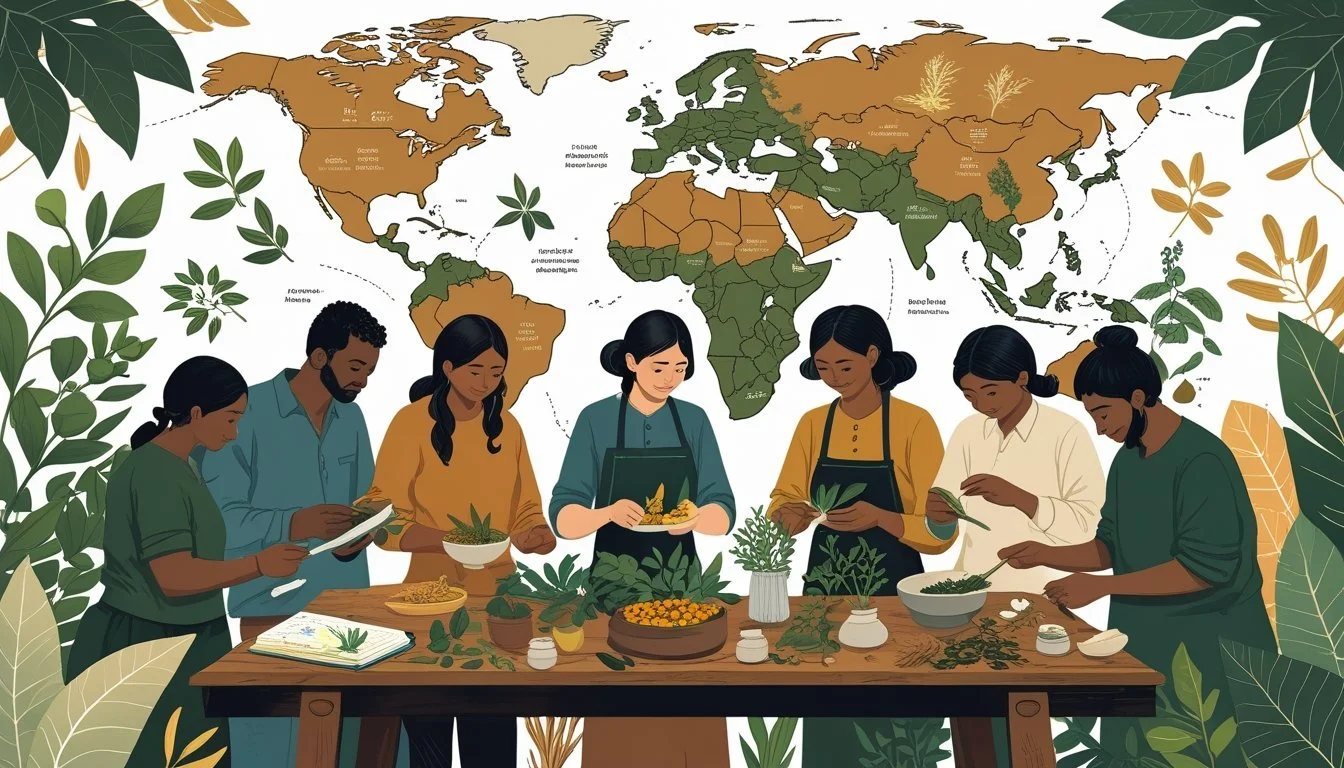
Ingredient substitution among migrants often relies on in-depth local plant knowledge, shaped by ethnobotanical understanding. When communities relocate, they draw from both traditional and new botanical resources to preserve dietary and medicinal customs.
Ethnobotanical Field Studies and Migration
Ethnobotanical field studies show that migrant groups adapt to new environments by identifying local plants that resemble or functionally substitute those from their place of origin. These studies combine anthropology, botany, and cultural observation to reveal how migrants balance tradition with availability.
For instance, migrants in Italy and London have been documented searching regional markets or wild landscapes for familiar species or close alternatives. Migrants may keep, modify, or replace their traditional plant-based ingredients based on what is accessible in the host country.
A structured approach to ingredient adaptation often involves:
Consulting local experts or older community members
Participating in local markets and botanical gardens
Experimenting with native plants for similar taste or nutritional value
Fieldwork highlights that ingredient choices are not random but informed by a shared cultural memory and ongoing observation.
Herbal Practices and Medicinal Foods
Migrants also transfer herbal practices and knowledge of medicinal foods to new locations. Ethnobotanical research documents that many communities retain key folk remedies using available or analogous plants, adjusting traditional recipes for new flora.
For example, Colombian migrants in London maintain herbal remedy traditions by sourcing both imported and local species, selecting substitutes that match original medicinal or culinary properties. Plant identification and use are guided by dialect, cultural familiarity, and observed effectiveness.
A typical adaptation process includes:
Verifying local plant safety and efficacy
Comparing taste, aroma, or therapeutic qualities
Developing new routines for harvesting, preparing, or sharing remedies
These practices ensure the continuity of essential folk plant knowledge, supporting health and cultural identity during migration.
Case Studies: Immigrant Communities Adjusting Food Habits

Immigrant communities often face challenges replicating traditional dishes when familiar ingredients are unavailable. They use local substitutes and adapt recipes, contributing to evolving food identities in the host country.
Chinese Immigrants and Ingredient Substitutions
Chinese immigrants frequently encounter difficulties sourcing regional ingredients like specific leafy greens, spices, or sauces. When traditional items such as Chinese chives or Sichuan peppercorns are unavailable, they often replace them with locally available vegetables like spinach or celery, and substitute spices with black pepper.
Supermarkets in the host countries may not carry items central to Chinese cuisine. In response, immigrants establish specialty grocery stores or utilize online markets. Cooking techniques might remain unchanged, but flavor profiles shift slightly due to ingredient differences.
It is common for dish presentations to adapt—dumplings might use wheat flour readily available locally, and fillings shift to accessible meats or vegetables. These substitutions reflect a blend of necessity and creativity and can influence broader culinary trends in the wider community.
Albanians, Moroccans, and Culinary Adaptation in Italy
In Italy, Albanian and Moroccan immigrants maintain many of their traditional food habits despite challenges. Studies in northern regions like Piedmont reveal that families substitute local Italian produce—such as using Swiss chard in place of traditional Balkan greens or Italian flatbread when regional breads are not available.
Spices and herbs familiar in Albania or Morocco, like sumac or ras el hanout, may be replaced with Italian herbs or omitted entirely if not found in local stores. Some communities form informal trade networks or shop at ethnic markets in urban hubs to acquire preferred ingredients.
These adaptations can result in hybrid recipes mixing Italian and traditional methods. Meals, while retaining cultural meaning, evolve through the integration of new tastes and accessible resources, reflecting the changing landscape of food culture with migration.
Second-Generation Migrants and Food Culture
Second-generation migrants—those born or raised in the host country—often balance traditional family recipes with influence from local cuisines. They may adjust inherited dishes by incorporating available ingredients or adopting local cooking techniques, sometimes blending flavors from both backgrounds.
Food choices can serve as a way to embrace multiple identities. For example, younger family members might use Italian pasta instead of rice in a classic Moroccan dish, or switch to supermarket cheese when traditional options are unavailable.
These changes are shaped by both necessity and cultural context. Second-generation migrants often play a key role in innovating new forms of food culture that reflect their dual heritage and the resources of their local environment.
Health and Public Services Impacting Ingredient Choices

Ingredient choices while adapting recipes abroad are shaped by health needs, local regulations, and available public resources. The presence or absence of certain medicinal foods or herbal ingredients can affect daily cooking and personal dietary management.
Role of Public Health Services
Public health services often set policies on food safety, acceptable additives, and labeling. These regulations can make certain ingredients unavailable or provide alternatives that align with local health priorities.
Services may promote the use of fortified or reduced-sodium ingredients for chronic disease prevention. For example, in some countries, iodine-fortified salt or vitamin D-enriched dairy are easier to find due to these recommendations.
Access to medicinal foods or traditional herbal ingredients can vary significantly. In some regions, herbal products are regulated as medicines, requiring prescriptions or limiting sales. This can restrict a cook’s choice of familiar natural remedies and flavors.
Public services also facilitate nutrition education, guiding consumers on safe substitutions. Reliable public resources may offer lists or tables of safe swaps for dietary restrictions or allergies, supporting healthier adaptation of traditional dishes.
Enhancing Cross-Cultural Communication Around Food
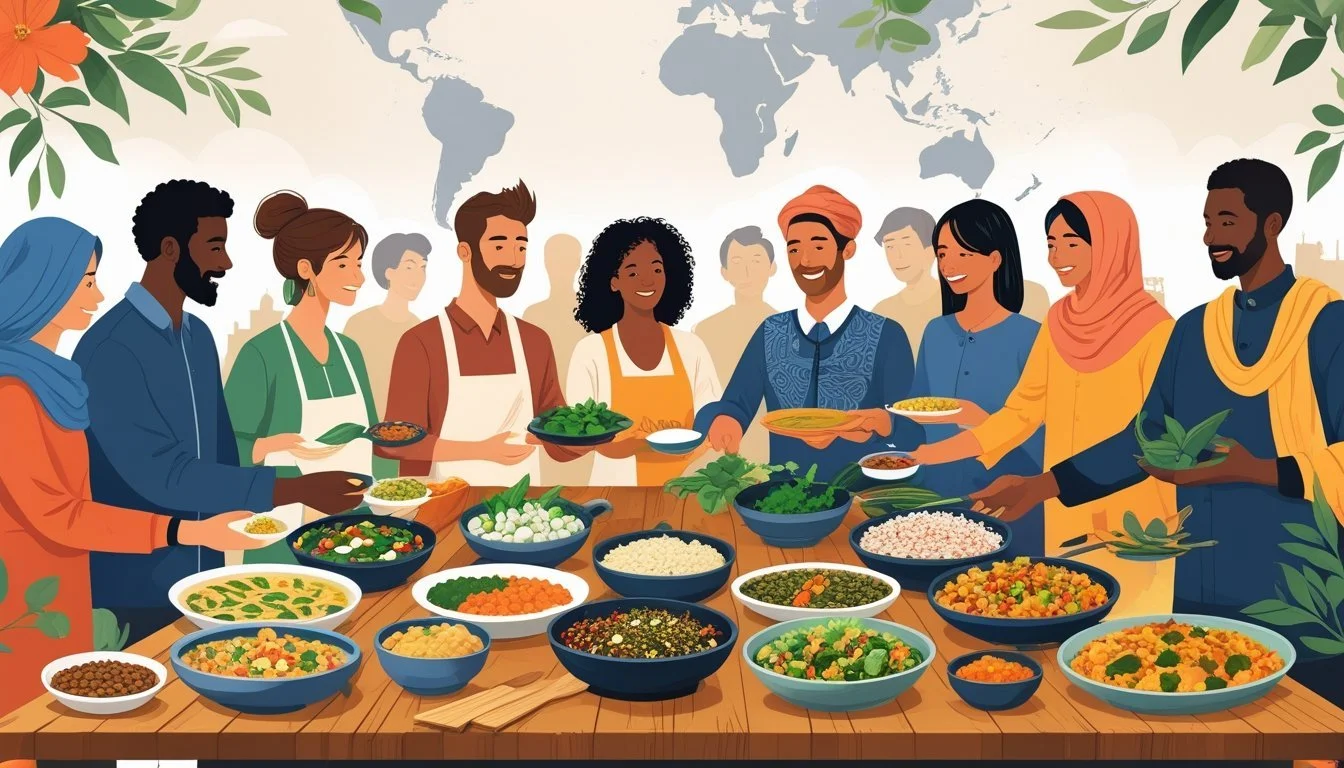
Cross-cultural communication about food often requires more than just language translation. Success depends on understanding both communication styles and the depth of local culinary traditions.
Adapting Communication Styles
Effective communication in multicultural food settings often involves adjusting tone, formality, and the balance between directness and indirectness. Some cultures value explicit explanations and open discussion about recipes or substitutions, while others expect more subtle cues and polite negotiation.
Understanding these preferences can prevent misunderstandings when discussing ingredient replacement or menu choices. For example:
Culture Preferred Style Common Pitfall Japan Indirect, Formal Too direct can offend US Direct, Informal Overly formal seems cold France Nuanced, Detailed Oversimplification
When adapting to local norms, using active listening and observing non-verbal cues are crucial. Recognizing these patterns helps to build trust and foster smoother interactions.
Cultural Awareness and Immersion
True adaptation goes beyond learning names of dishes or ingredients. Immersion—attending local markets, joining group meals, and observing how locals cook—builds practical cultural awareness and helps identify acceptable ingredient substitutions.
Local knowledge reveals which food swaps are considered respectful or authentic. For migrants and travelers, participation in communal eating or cooking rituals often increases acceptance of adapted dishes.
Key practices include:
Trying unfamiliar foods alongside locals
Asking questions about traditional preparation methods
Noting food taboos or sacred ingredients
This close engagement not only enhances communication but also respects culinary heritage while navigating ingredient changes.
Long-Term Impacts on Food Culture and Identity
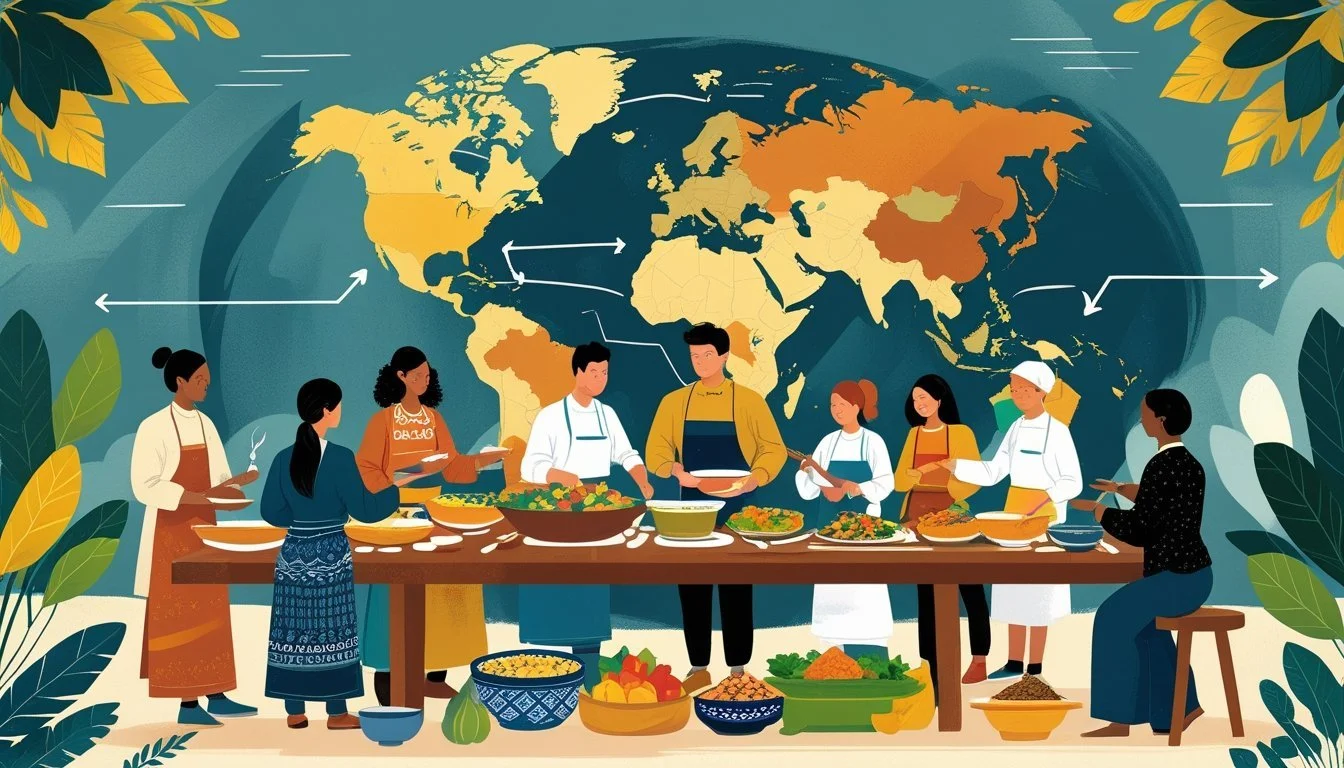
Ingredient substitution abroad affects more than just the taste of dishes. These changes influence how individuals perceive tradition and shape the daily cultural practices that communities maintain over time.
Cultural Assimilation and Food Practices
Replacing traditional ingredients with locally available options often leads to gradual shifts in food preparation and ritual. Over several years, communities may adopt new flavors, adapt recipes, or even invent new dishes by necessity or preference.
This process can support cultural assimilation, as individuals adjust their diet to local norms or available foods. Over generations, such adaptations may cause original recipes to become less common, potentially altering the collective memory of traditional cuisine.
Food remains a powerful marker of identity. For many, maintaining certain food practices—even with substitutes—is a way to express and preserve cultural ties despite the influences of a new environment. However, the methods and meanings attached to these foods can shift, producing blended identities that reflect both heritage and adaptation.

