
Substituting in Traditional Recipes Without Losing Heritage
Balancing Authenticity and Modern Needs

When updating beloved family recipes, cooks often wonder if making ingredient swaps can maintain the dish’s original character. Modifying traditional recipes is sometimes necessary to meet dietary needs, use healthier options, or adapt to available ingredients. The key to substituting in classic dishes without losing heritage is to honor the original flavors and essential techniques that define the recipe’s identity.
Modern families can reduce saturated fat by choosing lean meats like ground turkey in place of beef, or use olive oil instead of lard, while still preserving cherished flavors. Small changes such as these allow traditional meals to fit evolving lifestyles without erasing their emotional and cultural significance.
Adapting recipes thoughtfully creates a bridge between generations. Each substitution should respect the story and sentiment tied to the original dish, letting families share both heritage and health at the table.
Understanding the Significance of Traditional Recipes
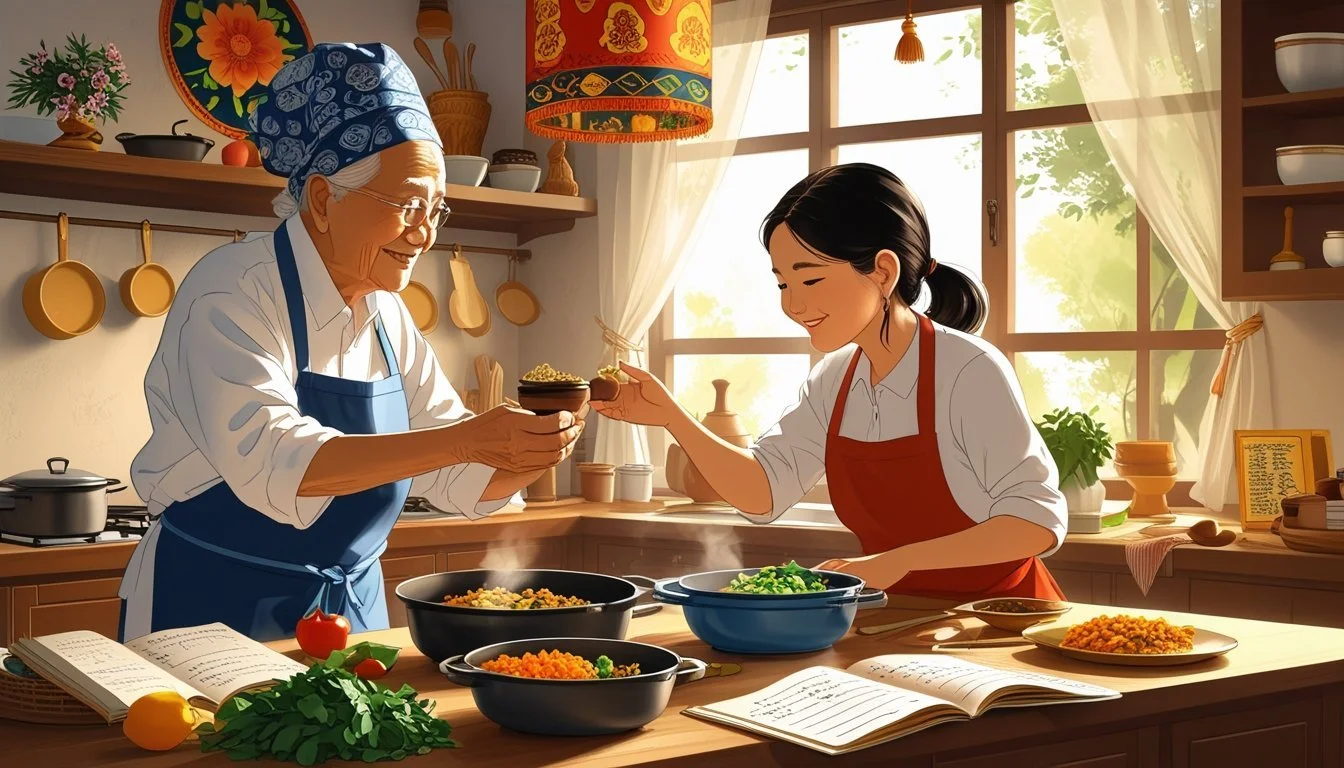
Traditional recipes are central to both family and cultural identity, preserving history and customs through meals. They serve as vessels for culinary heritage and help maintain connections between generations, communities, and regions.
Cultural Heritage and Culinary Identity
Traditional recipes are tightly bound to cultural heritage. Communities often identify with particular dishes that reflect unique histories, local ingredients, and regional cooking techniques.
Each classic dish tells a story about its place of origin, bearing the influences of trade, migration, and adaptation.
For example, the Cornish pasty or Yorkshire pudding in Britain is more than food; it is a symbol of local pride and shared experience.
By preserving traditional recipes in family cookbooks and community gatherings, groups celebrate and sustain their culinary identity.
Food heritage is not static; it's shaped by collective memory and evolving tastes.
This ongoing process anchors people to their cultural roots, even as lifestyles change.
Family Bonds and Culinary Legacy
Traditional family recipes often represent strong family bonds and act as vessels for transmitting family traditions and history.
The process of cooking together, sharing secret techniques, and passing down handwritten recipe cards all contribute to a sense of unity and belonging.
Key ways traditional recipes reinforce family connections:
Shared family meals
Creating holiday or celebration dishes
Teaching children cooking methods
Preserving beloved recipes in family cookbooks
These practices keep culinary legacies alive and foster continuity across generations.
Even when ingredients or methods are adapted, the essential memories and values tied to the dish remain central.
Classic Dishes and Time-Honored Recipes
Classic dishes—ranging from stews to breads—are more than just popular recipes; they are preserved forms of culinary tradition.
These time-honored recipes often rely on specific ingredients and techniques that have been refined and handed down over decades or centuries.
Role of classic dishes in culinary heritage includes:
Protecting regional food knowledge
Documenting local history through food
Providing models for responsible adaptation
When modifications are needed, understanding the original methods helps retain the character and intent of the dish.
This respect for the past ensures the preservation of both flavors and cultural meanings for future generations.
Reasons for Ingredient Substitutions in Traditional Cooking
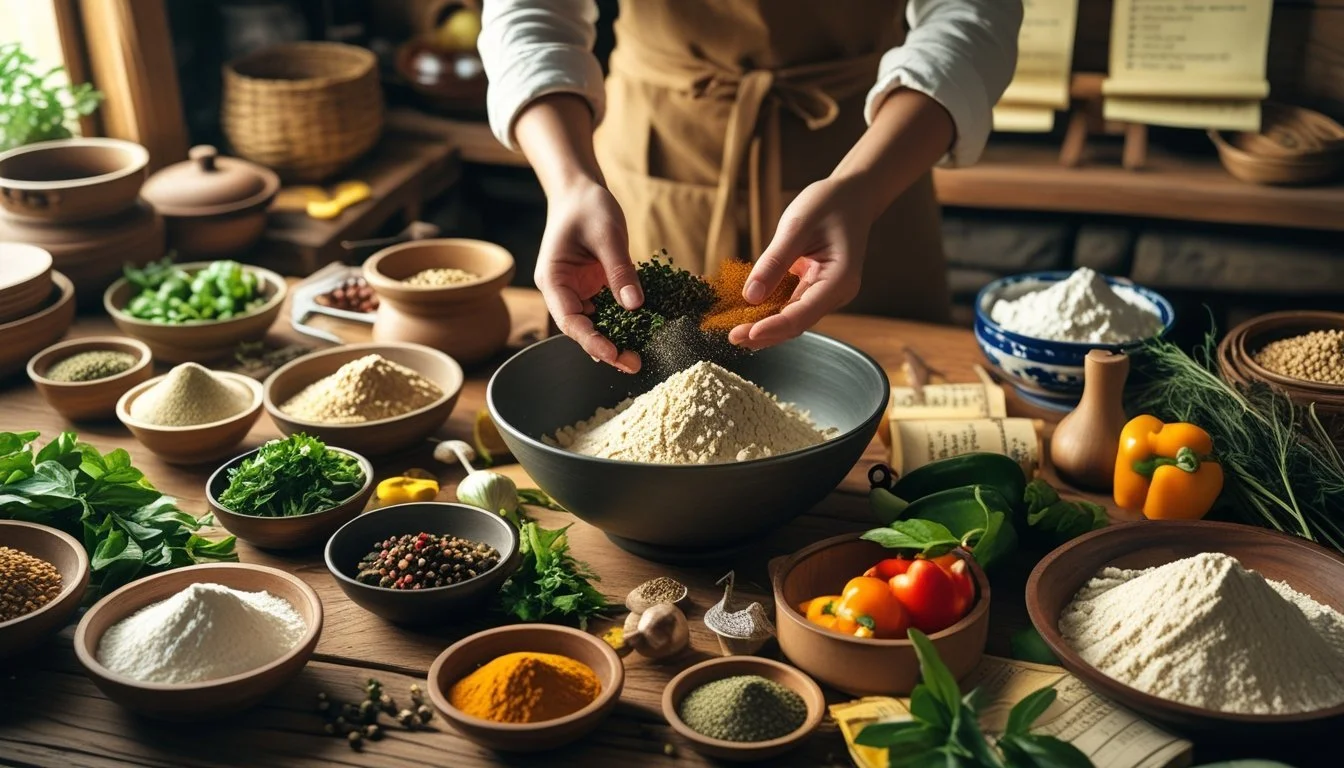
Traditions in cooking adapt over time due to changing health needs, availability of food, and evolving dietary habits. When people substitute ingredients in classic recipes, they often do so for practical, personal, or health-related reasons.
Dietary Restrictions and Allergies
Many classic recipes contain common allergens such as wheat, dairy, nuts, or eggs. For families with food allergies or sensitivities, substitutions are necessary to prevent serious health risks.
Lactose intolerance, for example, can require replacing regular milk with lactose-free or plant-based alternatives like oat or almond milk. Celiac disease or gluten sensitivities push cooks to swap wheat flour for gluten-free flours such as rice flour or chickpea flour.
Religious practices also influence ingredient choices. For example, some observances prohibit pork, shellfish, or alcohol, making it important to have accessible substitutes. Ingredient substitutions in these circumstances help maintain both safety and inclusivity at the table.
Modern Dietary Preferences
Changing attitudes toward food have led to increases in vegetarian, vegan, low-carb, and high-protein diets. Because traditional dishes often rely on animal products or specific carbohydrates, modern cooks look for creative ways to update classics while respecting flavor and texture.
Popular swaps include using tofu or tempeh instead of meat, or plant-based oils in place of butter or lard. Some choose ancient grains like quinoa or millet for added nutrition in place of white rice or pasta.
This process allows recipes to fit with current health goals, such as reducing saturated fat or increasing fiber and plant-based nutrients. Flexibility in ingredient choices can help beloved recipes remain relevant for today’s diverse diets.
Access to Quality Ingredients
Globalization has changed access to ingredients, but many cooks still face challenges due to location, seasonality, or cost. Small towns, rural areas, or certain regions may lack specialty herbs, spices, or fresh produce used in traditional dishes.
Seasonal variation can also affect the availability of fresh items like berries or greens. In these cases, frozen or preserved options, or different types of produce, are often used as alternatives.
Additionally, economic considerations might prompt the use of cheaper substitutes when originals are hard to find or too expensive. This approach helps keep recipes accessible without sacrificing core flavors or cultural meaning.
Original Ingredient Substitute Common Reason Butter Vegetable oil, margarine Dairy-free or cost Wheat flour Rice flour, cornmeal Gluten-free, availability Fresh herbs Dried herbs, local greens Seasonality, access
Selecting Suitable Ingredient Substitutions
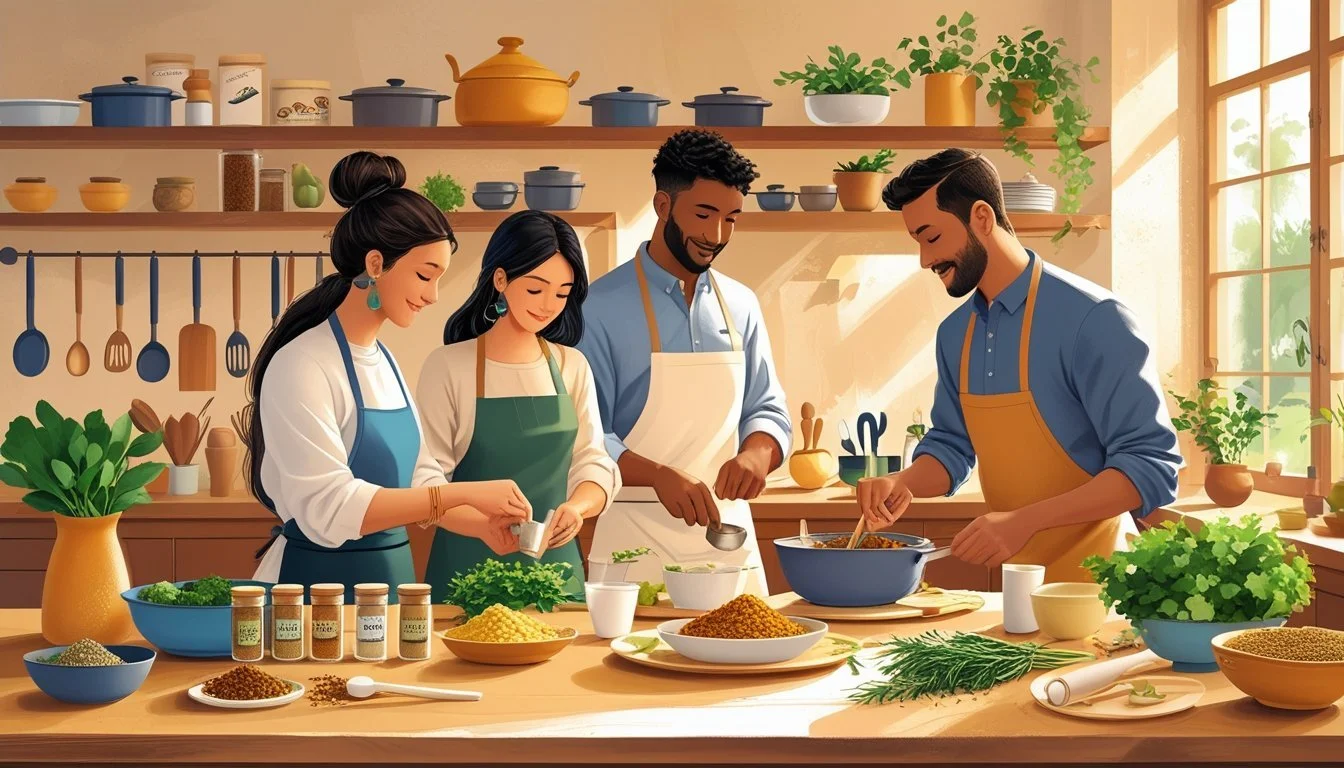
Traditional recipes often rely on ingredients that may be high in saturated fat or sodium, or lack dietary fiber and certain micronutrients. Making thoughtful substitutions allows for dishes to be both true to heritage and improved for nutrition and dietary preferences.
Plant-Based Alternatives
Choosing plant-based alternatives for meats and dairy can help reduce saturated fat while still maintaining texture and flavor. For example, lentils, chickpeas, or black beans can stand in for ground meat in stews, patties, or stuffed vegetables.
Oat, almond, or soy milk can replace cow’s milk in baking and desserts, sometimes with minor adjustments for consistency. In many baked goods, flaxseed or chia seed mixed with water can substitute for eggs, providing binding without animal products.
Key Spices Commonly Used in Traditional Recipes
Dish Type Meat Substitute Dairy Substitute Egg Substitute Savory Stews Brown lentils Coconut cream Flaxseed/water mixture Baked Goods Walnuts, tofu Oat milk Chia seed/water mixture Stuffed Vegetables Mushrooms Soy-based cheese Mashed banana (in cakes)
Reducing Saturated Fat and Sodium
Many classic ingredients such as butter, cream, cheese, and cured meats contain high levels of saturated fat and sodium. Unsaturated oils like olive or canola oil can replace butter in sautéing or baking, helping reduce saturated fat without a drastic flavor change.
For sodium, choose herbs, citrus, vinegar, or salt-free seasoning blends to replace some or all added salt. Processed meats like sausage or bacon can be swapped for roasted or grilled lean chicken or turkey breast. When using canned goods, opt for low-sodium versions and rinse beans or vegetables to remove excess sodium.
Tips for Lowering Saturated Fat & Sodium:
Use extra-virgin olive oil instead of butter.
Add fresh lemon juice or chopped herbs to enhance flavor.
Select low-sodium broth for soups and sauces.
Enhancing Nutritional Value with Fiber, Vitamins, and Minerals
Increasing the fiber, vitamin, and mineral content of traditional recipes is possible by adding or exchanging certain ingredients. Whole grains such as brown rice, quinoa, or whole wheat flour can substitute for white rice or refined flour, boosting fiber content and B vitamins.
Incorporate more vegetables—like carrots, spinach, or bell peppers—into soups, casseroles, and side dishes. Legumes such as lentils, black beans, and chickpeas are also rich sources of fiber, iron, and potassium, making them valuable additions or stand-ins.
Simple ways to increase nutrients:
Replace half the white flour with whole wheat flour in breads or pastries.
Add chopped greens to baked pasta dishes or pies.
Include grated root vegetables in sauces, stews, or even meatballs for extra fiber and micronutrients.
Maintaining Authentic Flavors and Textures
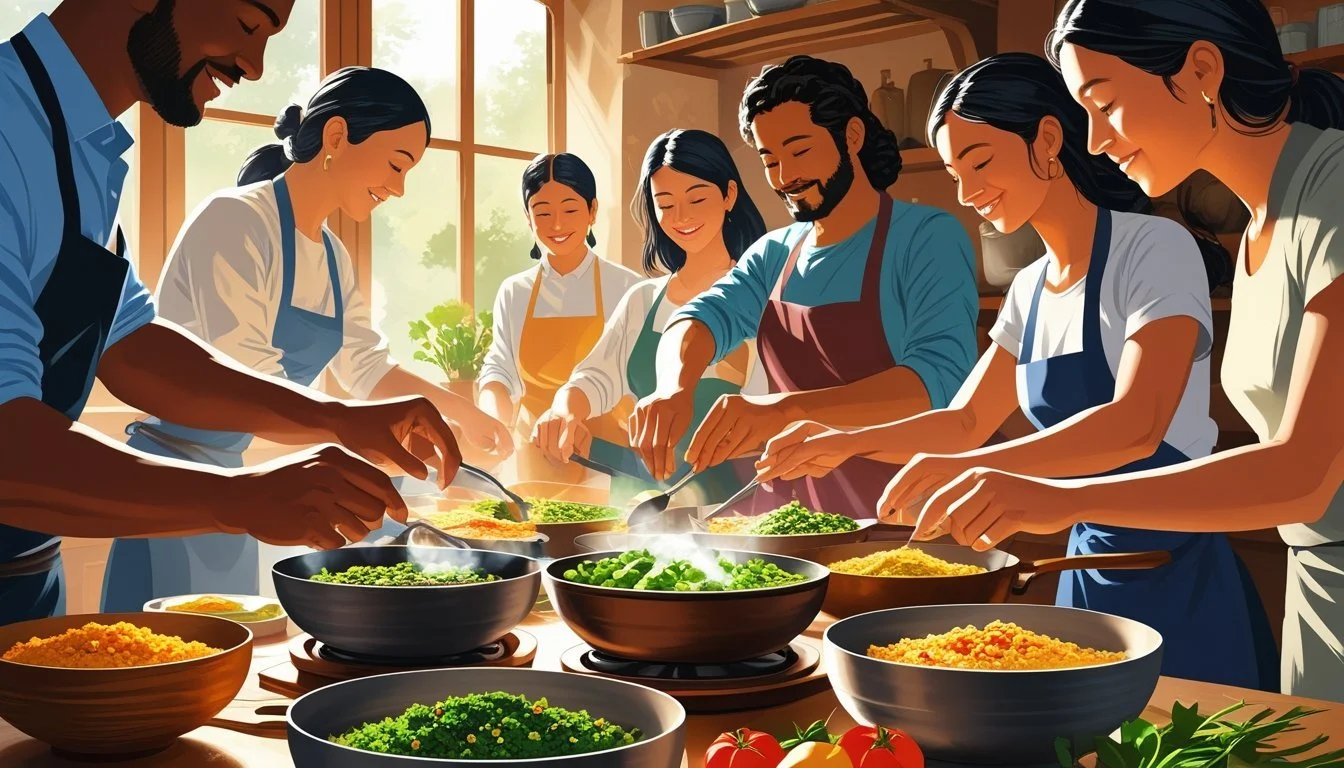
Carefully chosen substitutes can honor both taste and tradition if every change considers the essential roles of spices, seasoning, and balanced flavors. Achieving this requires a practical understanding of how specific ingredients function within familiar comfort foods.
Choosing Appropriate Spices and Seasonings
Selecting spices is fundamental to respecting a recipe’s origins. Each cuisine depends on a specific set of spices—like cumin in Indian curries or oregano in Italian sauces—to create its signature profile. When substituting, attention must be paid to both flavor and function.
For example, swapping Mexican oregano for Mediterranean oregano can noticeably shift both aroma and taste. In cases where exotic spices are hard to find, it’s vital to select alternatives with similar flavor notes and heat profiles.
A helpful method is to reference spice tables that list main flavor compounds, such as:
Spice Flavor Notes Good Substitute Oregano (Mexican) Earthy, citrusy Marjoram, Mediterranean oregano Garam Masala Warm, aromatic Mild curry powder Sumac Tangy, lemony Lemon zest
This ensures substitutions do not overpower or mute the intended taste.
Understanding Flavor Combinations
Authenticity also depends on how ingredients interact. Traditional recipes often pair spices and ingredients that are both complementary and familiar. If one element changes, the overall balance can shift dramatically.
Maintaining harmony may mean replicating combinations such as tomato and basil in Italian dishes or garlic and ginger in many Asian cuisines. When a spice or seasoning is replaced, reviewing its role in the layering of flavors is crucial.
Substitutes should match not only taste but also timing in the cooking process—for example, whether a spice is best added early to infuse oil or sprinkled as a finishing touch.
Careful tasting during cooking helps to ensure that the dish maintains its characteristic depth.
Retaining Comfort Food Appeal
The texture and familiarity of comfort food play a major part in cultural identity. Even when ingredients change for dietary or availability reasons, preserving the sensory experiences—such as the chewy bite of handmade pasta or the fragrant steam rising from seasoned rice—remains essential.
When substituting components, prioritize those that have similar moisture content and structure. For example, using cauliflower rice instead of traditional rice can replicate texture in many dishes while maintaining flavor if well-seasoned.
Mindful seasoning is critical to evoke nostalgia.
It is also important to avoid overwhelming familiar flavors by introducing too many unfamiliar spices at once. Subtle changes help maintain the emotional connection to heritage recipes, especially for classics considered comfort food.
Adapting Traditional Cooking Methods
Traditional recipes can be adapted with new techniques and tools without losing their culinary heritage. Efficient cooking methods and visual presentation play a key role in maintaining authenticity while introducing innovation.
Modern Cooking Techniques
Modern cooking techniques, such as sous vide, induction cooking, and steam ovens, offer more precise control over temperature and timing. These methods help preserve the flavor and texture of ingredients often central to traditional dishes.
For example, sous vide allows proteins to be cooked evenly and remain juicy—beneficial when preparing classic recipes like stews or roasts. Steam ovens retain moisture while reducing nutrient loss, which is useful when modernizing vegetable-based recipes.
Many chefs use induction stovetops for energy efficiency and faster heating. These approaches not only improve consistency but also align with newer sustainability goals. Traditional flavors remain intact while methods become more streamlined and reliable.
Incorporating Air Frying and Slow Cooking
Air frying and slow cooking are popular adaptations for traditional recipes seeking health and convenience. Air fryers use rapid air circulation to create crisp textures similar to deep frying but with less oil.
A traditional samosa or empanada can be air-fried, lowering fat content without greatly altering taste or appearance. Slow cookers make it easy to prepare staple dishes like soups or braised meats with minimal monitoring, tenderizing tougher cuts and allowing flavors to meld over hours.
A comparison table:
Method Benefit Example Dish Air Frying Less oil, crisp result Potato fritters Slow Cooking Tender, rich flavor Beef stew
These methods integrate smoothly into home kitchens, supporting busy lifestyles while respecting the essence of inherited recipes.
Balancing Visual Appeal in Modern Dishes
Modern adaptations rarely ignore presentation. Visual appeal influences how diners perceive and connect with food, especially when updating familiar recipes. Colorful plating, defined shapes, and layered textures enhance the dining experience.
Substituting traditional serving styles with bento boxes, glass jars, or minimalist plating can make dishes more inviting. Creative garnishes, such as microgreens or edible flowers, offer a fresh look without straying from core ingredients.
When altering presentation, the key is to respect the original’s character and meaning. This ensures the heritage remains visible, even as the dish evolves visually for today’s table.
Case Studies: Substituting Staple Ingredients
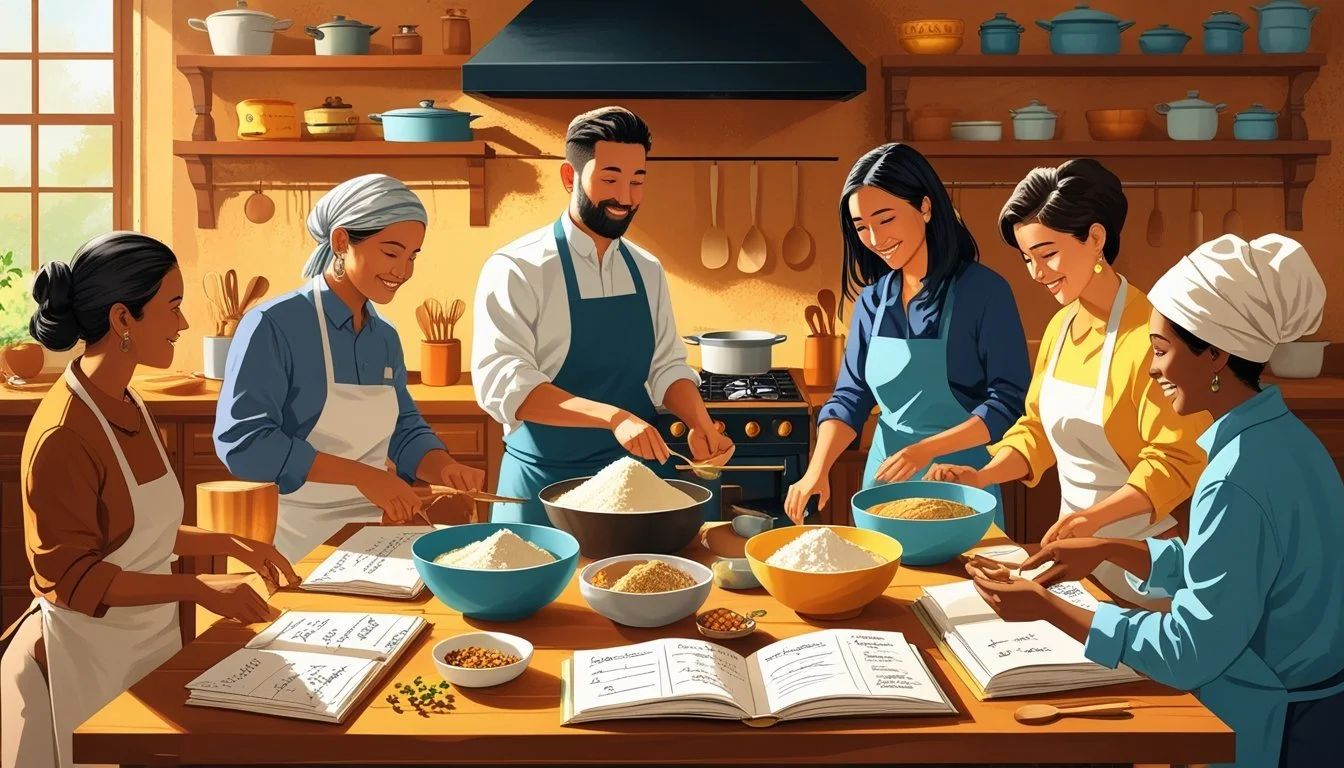
Ingredient substitutions in heritage recipes can honor tradition while addressing dietary needs, local availability, or modern preferences. Careful choices and tested techniques ensure that taste and cultural significance are respected.
Revamping Shepherd’s Pie with Root Vegetables
Traditional shepherd’s pie commonly uses mashed potatoes as a topping. However, root vegetables such as parsnips, turnips, and carrots can replace some or all of the potatoes for different flavors and textures. This substitution reduces the glycemic index and can cater to dietary restrictions, like low-carb diets.
A common approach is to mash equal parts potato and parsnip, which retains the expected creamy texture while introducing a subtle sweetness. Roasting the root vegetables before mashing adds depth of flavor. Below is a sample substitution table:
Original Ingredient Substitute Note Potatoes Parsnips Sweeter, lighter texture Potatoes Cauliflower Lower carb, milder flavor Potatoes Turnips Peppery flavor, firmer texture
These substitutions maintain the spirit of shepherd’s pie, offering a modern nutrition profile without losing the comforting roots of the original.
Innovating Homemade Pasta and Bread
Wheat flour is the backbone of pasta and bread, but alternatives are gaining ground due to gluten sensitivity and interest in ancient grains. Spelt, buckwheat, and chickpea flours are common replacements that bring new flavors and nutrients without compromising structure.
Homemade pasta can successfully use semolina mixed with spelt flour, preserving the chewiness valued in Italian cuisine. For bread, blending whole wheat with rye or oat flour provides a distinct taste and improved fiber content. The fermentation process used in sourdough masks some of the differences in these grains, smoothing out texture variation.
Attention to hydration and kneading times ensures results comparable to classic wheat-based products, allowing traditions to evolve for contemporary eaters.
Reimagining Classic Recipes like Chocolate Chip Cookies
Chocolate chip cookies are a staple of home baking, recognized for their combination of buttery dough and sweet chocolate. Substitutions like using coconut oil instead of butter, or almond flour instead of wheat flour, can align the cookies with dairy-free or gluten-free diets.
Dark chocolate chunks can be swapped for traditional milk chocolate chips for a richer flavor with less sugar. Nut butters are sometimes used to replace part of the fat content, resulting in a moist crumb. The following quick list shows common swaps:
Butter → Coconut oil or vegan margarine
Wheat flour → Almond, oat, or gluten-free blends
White sugar → Coconut sugar or maple syrup
Thoughtful substitution preserves the beloved identity of chocolate chip cookies while making them accessible for varying dietary needs and preferences.
Preserving Culinary Tradition While Embracing Change
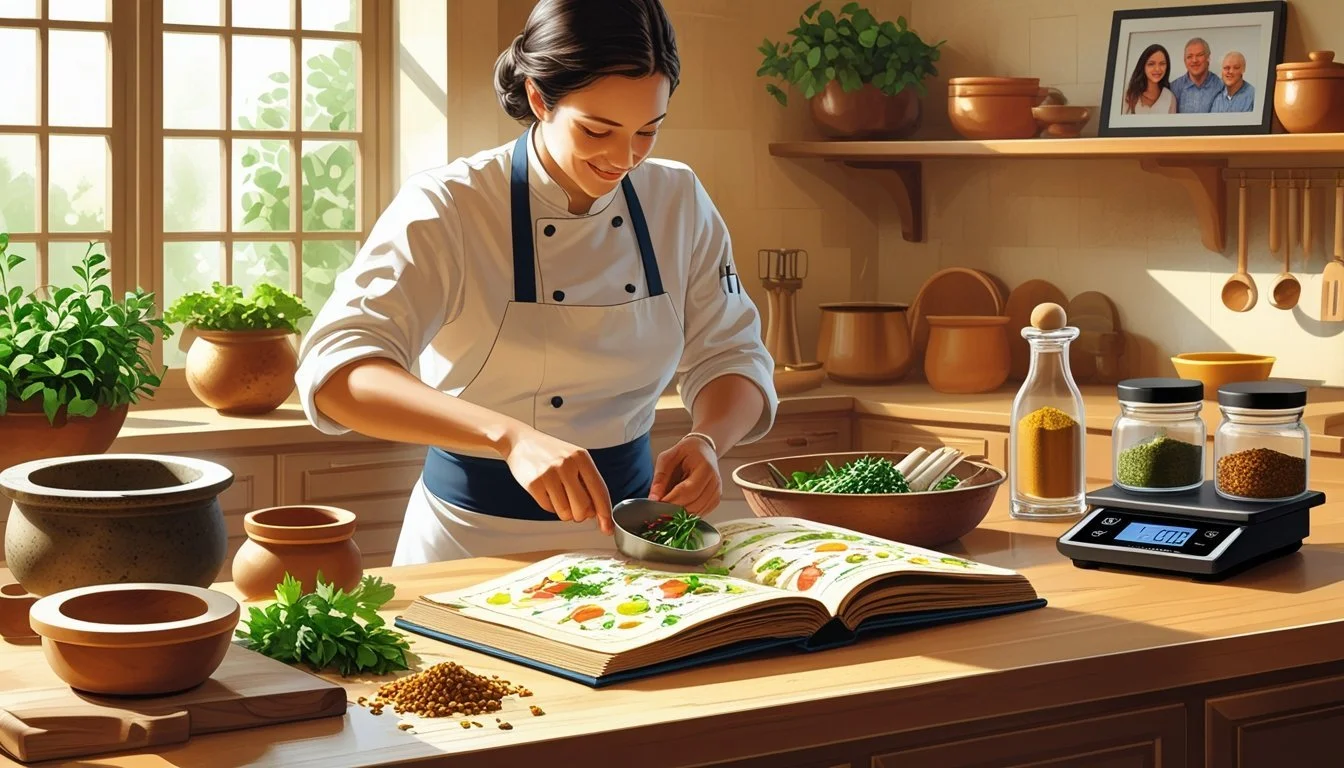
Preserving culinary heritage calls for a balance between honoring the past and adapting for the future. The way recipes are recorded, shared, and experienced within families can safeguard treasured dishes despite necessary changes in ingredients or cooking methods.
Documenting Recipe Preservation and Family Recipe Collections
Accurate documentation is key to preserving traditional recipes. Family recipe collections often take the form of handwritten notes, notebooks, or digital files passed between generations. Detailed records should include ingredient lists, preparation steps, and personal notes about substitutions and variations.
Creating digital archives can help prevent loss due to damage or misplacement of physical copies. Methods such as scanning, cloud storage, and recipe management apps allow for easy sharing among relatives in different locations. Organizing recipes by occasion, main ingredient, or origin helps family members find what they need quickly.
Lists, tables, and photos can enhance clarity. For example:
Dish Name Main Ingredient Special Notes Kugel Egg noodles Grandma’s favorite Beef Stew Chuck roast Swap with lamb Apple Pie Granny Smith Use pears if needed
Maintaining such collections ensures future generations will have access to their culinary roots even when adapting to new realities.
Passing Down Culinary Treasures
Passing down culinary treasures relies on more than just sharing written recipes. Oral storytelling and hands-on demonstrations give context and meaning to traditional dishes. Elders often share memories of how recipes were developed, along with the techniques that distinguish them from standard versions.
Children and younger family members learn by observation, often picking up subtle tips not always recorded, such as the right texture of dough or proper seasoning to taste. These interactions can highlight culturally significant rituals linked to food, such as prayers, specific utensils, or celebratory customs.
Choosing trusted substitutes when an ingredient is unavailable, while explaining the reason for the change, helps reinforce respect for tradition. It demonstrates how adaptability and heritage can coexist without diminishing the original spirit of the recipe.
Family Gatherings and Cooking Together
Cooking together at family gatherings keeps culinary traditions alive. These occasions foster collaboration and create an environment where all generations can contribute. Each member may take a role, from washing vegetables to handling complex steps like kneading or seasoning.
Sharing kitchen tasks encourages the exchange of culinary knowledge. Small adjustments and substitutions are often discussed in real time, so newcomers learn both the original techniques and acceptable alternatives. This collaborative process turns a family gathering into a practical lesson on tradition and adaptation.
Photographs, shared meals, and joint cooking sessions build collective memories. These experiences reinforce the value of family recipe collections and the ongoing evolution of treasured dishes.
Role of Chefs and Culinary Creativity in Honoring Heritage
Chefs are central to preserving culinary heritage when adapting traditional recipes. Their creativity shapes how dishes evolve while ensuring that cultural connections remain visible.
Balancing Classic Inspiration with a Modern Twist
Chefs often draw from the original flavors and methods of a recipe as a foundation for change. Classic dishes are analyzed for their unique traits—spices, cooking processes, presentation, or symbolism. By understanding these key aspects, chefs know which elements must remain for the dish to be recognizable and respectful of its roots.
Introducing a modern twist might involve substituting hard-to-find ingredients with accessible ones or streamlining preparation techniques. Examples include using local produce instead of imported goods or modifying slow-cooked dishes for quicker service in restaurants. Chefs may employ new tools, such as sous vide or induction cooking, to enhance consistency without sacrificing authenticity.
Successful results occur when innovation fills gaps without overshadowing tradition. Modern touches—such as healthier substitutions or updated presentations—can help older recipes appeal to present-day diners while maintaining a sense of history and pride.
Innovative Approaches to Traditional Family Recipes
Family recipes often embody personal and regional stories. Chefs approach these classics with sensitivity, identifying which parts of the dish evoke specific memories or cultural significance. They may interview elders, study archived menu notes, or research alternative ingredients that align closely with the original profile.
Creativity is shown through careful testing of modern alternatives for rare spices, flours, or vegetables. AI tools and online databases are sometimes used to reconstruct or interpret lost components. Chefs document changes, noting the reason for each substitution and the impact on taste and texture.
Transparency with diners through menu notes or storytelling builds trust and honors the dish’s lineage. When changes are explained clearly, families and guests better appreciate the thoughtful preservation and creative expansion of culinary heritage.

