
Mastering Substitutions in No-Bake Recipes
Essential Tips and Best Ingredients
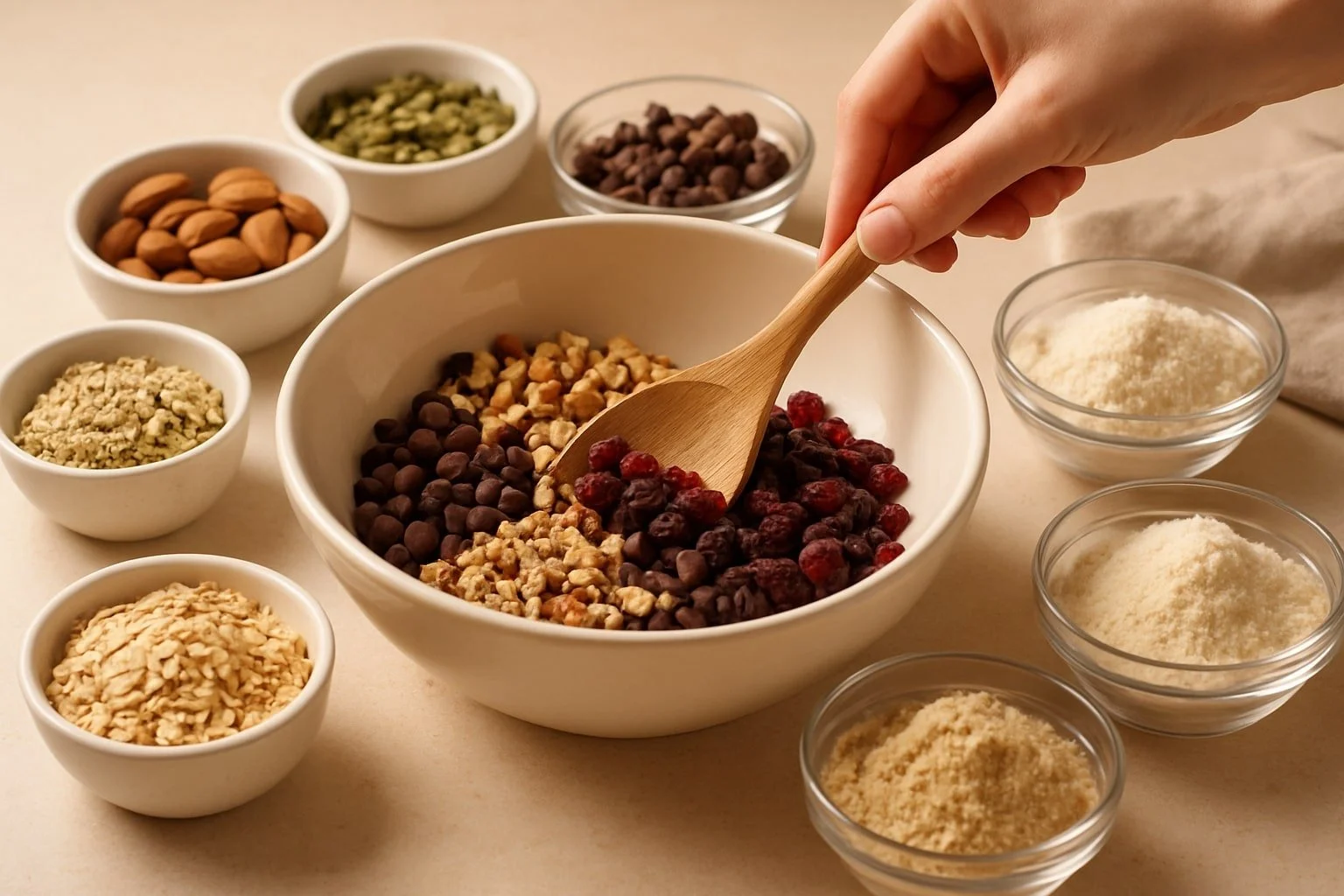
Mastering ingredient substitutions in no-bake recipes allows for flexibility in the kitchen, even when the pantry isn’t fully stocked. Swapping ingredients with confidence helps anyone continue with a recipe and achieve good results, without making unnecessary trips to the store. Whether it’s replacing a type of sweetener, switching out the base of a crust, or finding an alternative to dairy, knowing reliable substitutions keeps no-bake treats accessible and adaptable.
Many common swaps work well in no-bake recipes, as precision is often less critical than in baking. By understanding how specific ingredients function—such as binders, sweeteners, and textures—home cooks can adjust their recipes to suit dietary needs, preferences, or what’s available on hand. Readers will discover that these strategies not only save time and money, but also encourage creativity and resourcefulness in the kitchen.
Understanding Ingredient Substitutions in No-Bake Recipes
Ingredient substitutions in no-bake recipes make it easier to adapt to ingredient shortages, dietary needs, and taste preferences. They also let home cooks maintain flavor and texture without relying on heat or baking.
The Importance of Substitutions in No-Bake Cooking
No-bake recipes depend heavily on ingredients that bind, sweeten, and provide structure without heat. This makes reliable substitutions essential when key items are missing or need to be swapped for allergies or health reasons.
When a recipe calls for honey or nut butter to hold a mixture together, using a suitable alternative prevents the final product from falling apart. Swapping dairy for non-dairy milk or butter helps keep no-bake treats inclusive for different diets.
Flexibility with substitutions allows cooks to avoid unnecessary trips to the store. It also ensures that recipes can be completed even if a main ingredient runs out. This skill has a direct impact on how successful and enjoyable the final dish will be.
Flavor and Texture Considerations
Ingredient changes in no-bake recipes directly impact flavor and texture. For example, replacing honey with maple syrup may subtly change both the taste and the way a bar sticks together.
Some substitutes are chosen for a similar mouthfeel rather than just flavor. Nut butters like almond or cashew can swap for peanut butter, but the end texture might differ—from creamy to slightly chunky.
When using pantry staples as replacements, it is important to check the moisture content. Using coconut oil instead of butter can lead to a firmer set, while liquid sweeteners in place of sugar might make the mixture too sticky or loose.
Texture is especially critical in no-bake cheesecakes or bars, where the right balance prevents the product from being too soft or too dense.
Common Pantry Staples for Swaps
Many no-bake recipes allow for easy substitutions using common kitchen staples. For sweetness, maple syrup, agave nectar, or molasses can often replace honey, each affecting the taste and stickiness a bit differently.
For binding, options like almond butter, sunflower seed butter, or coconut oil can often step in for peanut butter or regular butter.
Below is a quick reference table for common no-bake swaps:
Ingredient Substitute Notes Honey Maple syrup, agave Affects flavor, stickiness varies Peanut butter Almond, sunflower butter Alters nutty flavor Butter Coconut oil, margarine May impact texture and taste Brown sugar White sugar + molasses Replicates depth of original Milk Almond, soy, oat milk Choose unsweetened for best control
Having these versatile ingredients on hand streamlines the process of adapting recipes. It reduces stress and supports more creative, resourceful cooking.
Replacing Dairy in No-Bake Treats
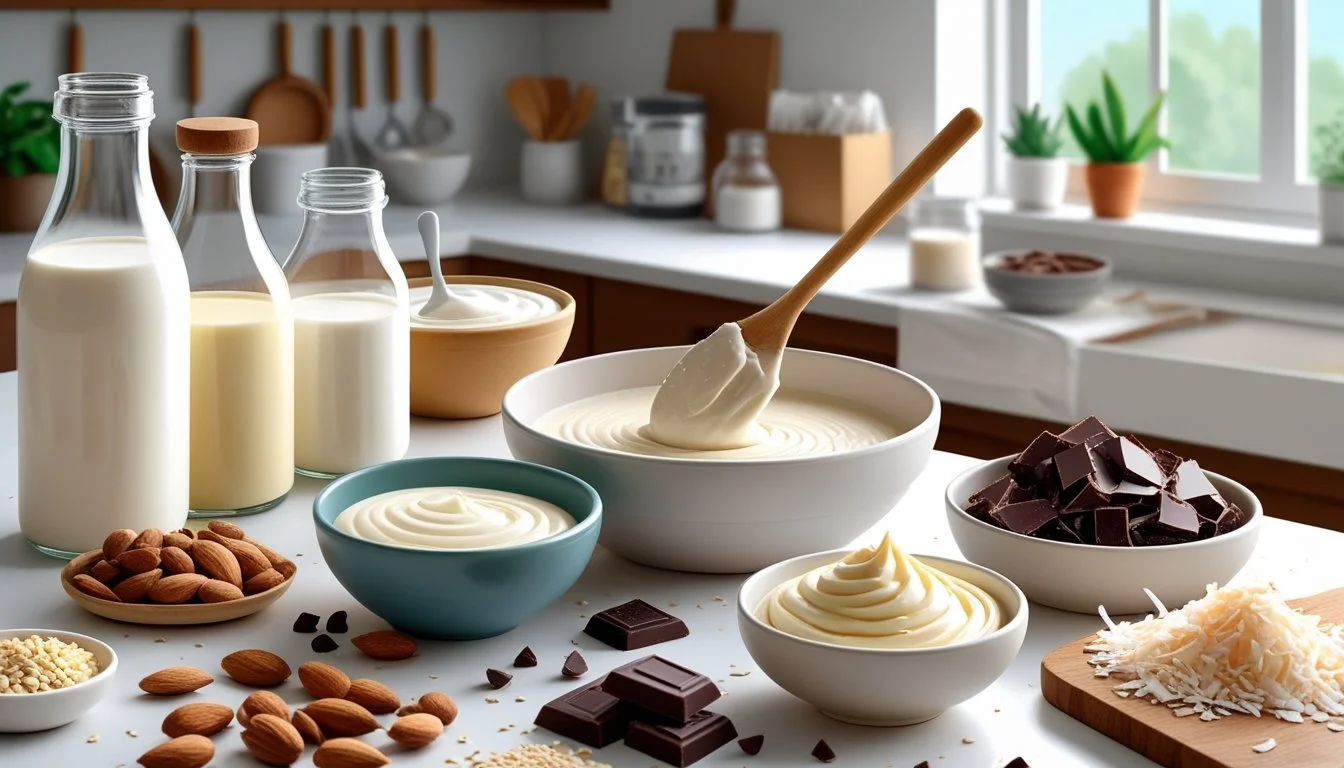
Switching out dairy in no-bake desserts often requires careful choice of substitutes to maintain texture, flavor, and consistency. Different milk alternatives and products such as coconut milk and soy milk can deliver similar results if chosen properly.
Milk Substitutes and Alternatives
Many plant-based milks can replace dairy milk in no-bake recipes without a major change in taste or structure. Options like almond, oat, and soy milk are commonly used. Soy milk is often preferred for its thicker consistency, which works well in creamy fillings and puddings.
When swapping, use unsweetened varieties to control the final sweetness. For the closest match, keep the fat content in mind. For example, oat milk and cashew milk typically have a creamier body, making them suitable for mousses and frostings.
Certain recipes may require adjusting the thickening agents, like gelatin or agar, depending on the substitute. For layered bars or cheesecakes, full-fat versions of plant milks help with setting and richness. Always check labels to avoid unexpected flavors or added sugars that might impact the treat.
Using Coconut Milk, Soy Milk, and Greek Yogurt
Coconut milk is often used for its high fat content and natural creaminess. In no-bake cheesecakes and pies, canned full-fat coconut milk can mimic the rich texture of dairy cream. It provides a mild coconut flavor that usually blends well, but always taste-test, as it can be pronounced in milder recipes.
Soy milk is popular because its protein structure reacts similarly to dairy in thickened desserts. It can bind ingredients together for puddings or custard-like fillings. Use plain, unsweetened soy milk to avoid altering the dessert’s flavor.
For those who tolerate dairy, Greek yogurt offers a tangy flavor and dense texture useful in layered parfaits and pie bases. For a dairy-free twist, use coconut milk yogurt or soy-based yogurt with similar fat content. This swap is effective in maintaining creaminess while keeping recipes free of traditional dairy.
Substituting Sweeteners for No-Bake Success
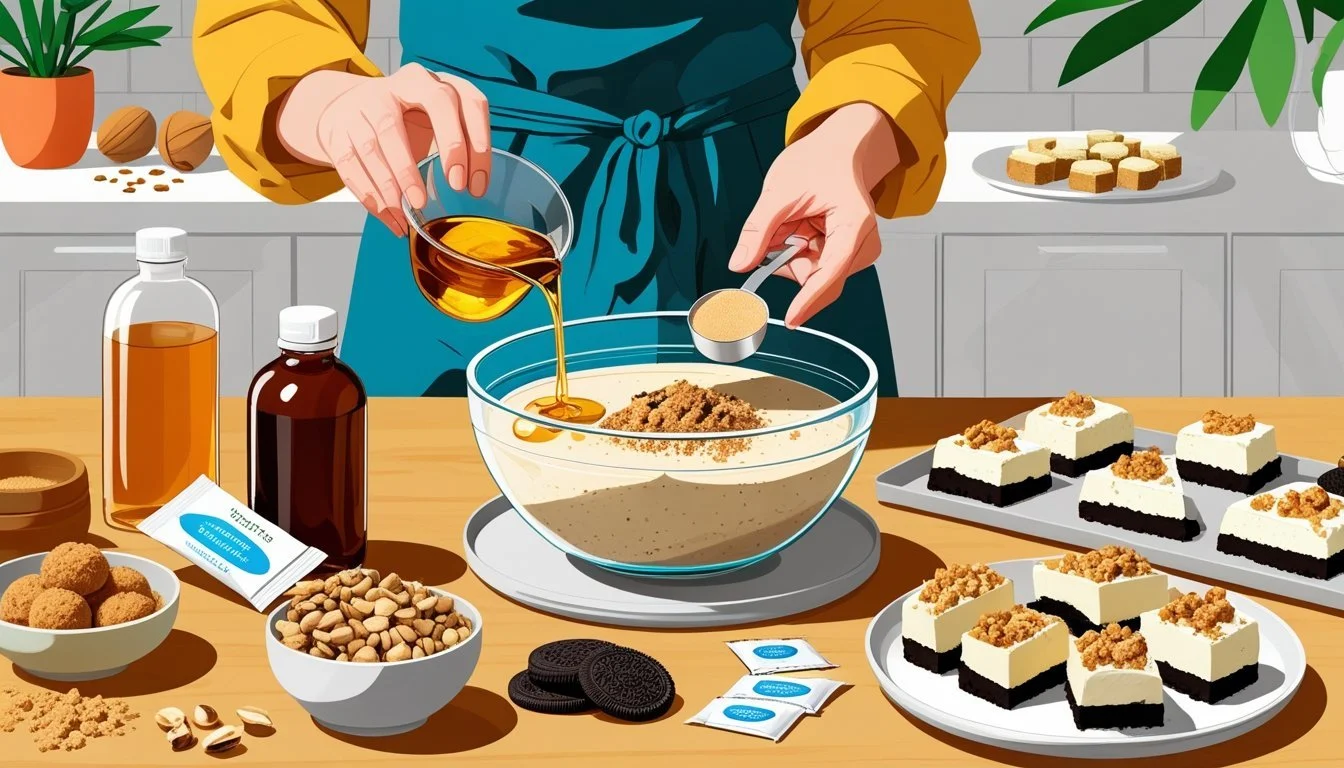
Choosing the right sweetener heavily impacts the taste, texture, and moisture of no-bake recipes. Each sweetener comes with unique characteristics, so understanding their differences is key for consistent results.
Switching Between Sugar, Honey, and Maple Syrup
Granulated sugar, honey, and maple syrup are common sweeteners, but they behave differently in no-bake recipes. Granulated sugar adds sweetness and some texture but may not dissolve fully, leading to a grainy mouthfeel.
Using honey or maple syrup instead of sugar increases moisture content. For every 1 cup of sugar replaced, use 3/4 cup honey or maple syrup. Reduce the other liquid ingredients by about 1–2 tablespoons to keep the mixture from being too wet.
Honey has a distinct flavor and can add a chewy texture, while maple syrup lends a subtle, earthy taste. Both mix well without extra heating, making them reliable for blending into batters, crusts, or fillings.
Naturally Sweet Options: Dates and Sweetened Condensed Milk
Dates are often used as a natural sweetener and binding agent in no-bake bars and truffles. Soaked and blended dates provide sweetness and moisture, as well as a caramel-like taste. Use equal parts blended dates to replace sugar by volume, but always check consistency since dates add thickness.
Sweetened condensed milk combines sugar and milk, offering both creaminess and sweetness. It’s best for recipes where a smooth, cohesive texture is important, like cheesecakes or fudge. If substituting for sugar, reduce or eliminate other liquids in the recipe, as condensed milk is already very moist and rich.
Comparison Table:
Sweetener Adds Moisture Distinct Flavor Best Use Sugar No No Crusts, basic fillings Honey Yes Yes Bars, chewy treats Maple Syrup Yes Yes Creams, crumbles Dates Yes Yes Bars, energy bites Sweetened Condensed Milk Yes Yes Fudge, cheesecakes
Creative Fats and Oil Replacements
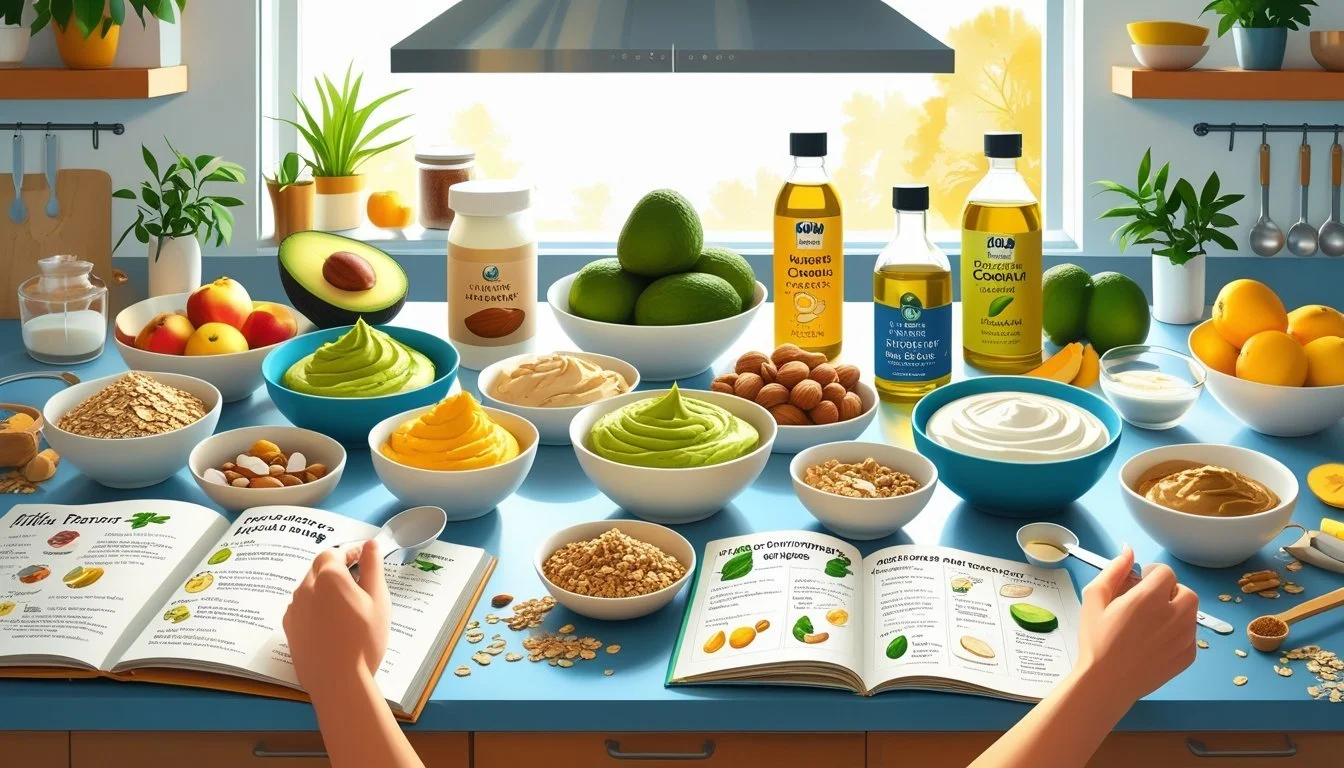
Finding the right fats and oils for no-bake recipes affects both taste and texture. Ingredients like butter, avocado, and coconut can each offer unique properties, depending on the specific recipe requirements.
Butter Alternatives in No-Bake Recipes
Butter is often chosen for its mouthfeel and binding qualities in no-bake treats. Replacing butter requires ingredients that give similar moisture and cohesion. Nut butters—such as almond or peanut—are a common choice, providing rich flavor, fat content, and a creamy consistency ideal for bars or crusts. Sunflower seed butter and tahini also work well when nut allergies are a concern.
Coconut oil serves as a direct swap for butter, especially because it solidifies at cooler temperatures, which helps set no-bake desserts. Applesauce is another option, though best suited to recipes where a softer, chewier finish is desirable. Use a 1:1 ratio when substituting most nut butters for butter, but adjust sweetness and liquid ingredients as needed.
Butter Alternative Texture Contributed Best Use Cases Nut Butters Creamy, rich Bars, cookie doughs Coconut Oil Firm at cold temp Cheesecakes, crusts Applesauce Moist, chewy Energy balls, bars
Utilizing Avocado and Coconut
Avocado offers a neutral flavor and creamy texture, making it suitable for many no-bake recipes. Its healthy fat content provides structure and moisture, particularly in mousse-style desserts, puddings, and frostings. Mashed avocado blends easily and can be measured in equal parts to replace butter by volume.
Coconut can be used in several forms. Coconut oil is common, but coconut cream or full-fat coconut milk are also valuable, contributing richness and mild sweetness. In recipes requiring firmness, coconut oil’s ability to solidify at cooler temperatures helps set the mixture. Coconut cream works well in no-bake cheesecakes and pies, while shredded coconut can add mouthfeel and light sweetness.
When selecting between avocado and coconut, consider the desired flavor profile and whether the firmness or creaminess is more important. Both offer plant-based solutions that avoid animal fats and processed oils.
Grains and Base Ingredient Swaps
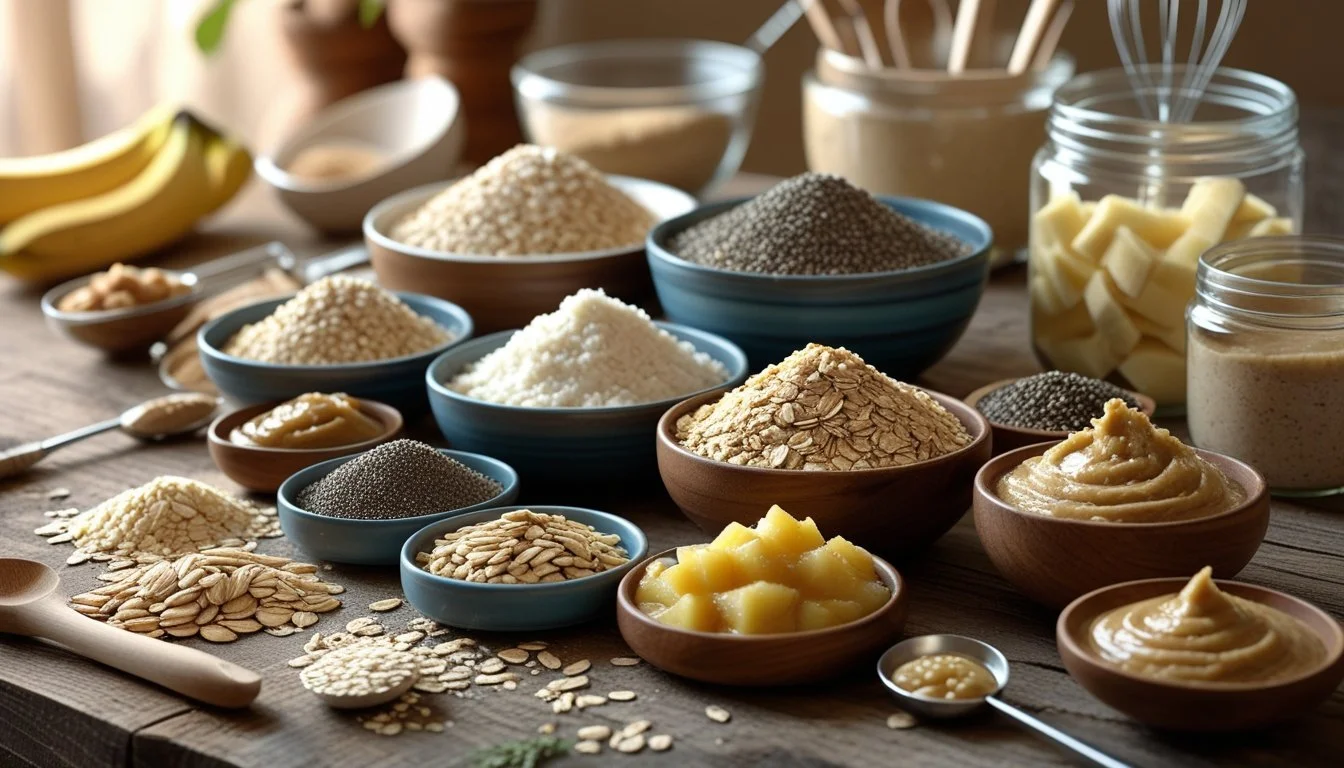
Choosing the right grain or base for no-bake desserts is essential for structure, texture, and flavor. Swapping base ingredients often affects how well a recipe holds together and tastes.
Almond Flour and Graham Crackers as Substitutes
Graham crackers are a classic, mild, and sweet base for no-bake crusts. When crushed, they provide good structure and pair well with butter to bind the crust together. Almond flour, on the other hand, is finely ground and creates a denser base with a distinct nutty flavor.
For anyone avoiding gluten or grains, almond flour is a popular choice. It's best to use almond flour in recipes where a firmer, slightly chewy texture is acceptable. When substituting for graham crackers, ratios often change—use about 1 cup almond flour for every 1 ½ cups of graham cracker crumbs, and increase fat slightly for better cohesion.
Common substitutes for graham crackers include vanilla wafers, oat cookies, or digestive biscuits. For each, aim for a fine, uniform crumb to create a stable, sliceable crust.
Rice Cereal and Their Role in Texture
Rice cereal (such as crisped rice) is valued in no-bake treats for its crunch and lightness. It can be used as a direct base or mixed into the dessert for contrast. Unlike graham crackers or almond flour, rice cereal brings minimal flavor but provides a crisp bite.
To retain texture, stir rice cereal into the binding mix gently. Over-mixing or adding too much liquid can lead to soggy results. For bars or clusters, use enough syrup or chocolate to coat each grain without creating a wet mixture.
Rice cereal is naturally gluten-free, making it suitable for a range of dietary needs. For optimal results, always use fresh, crisp cereal to avoid stale or chewy textures.
Achieving Egg-Free No-Bake Creations
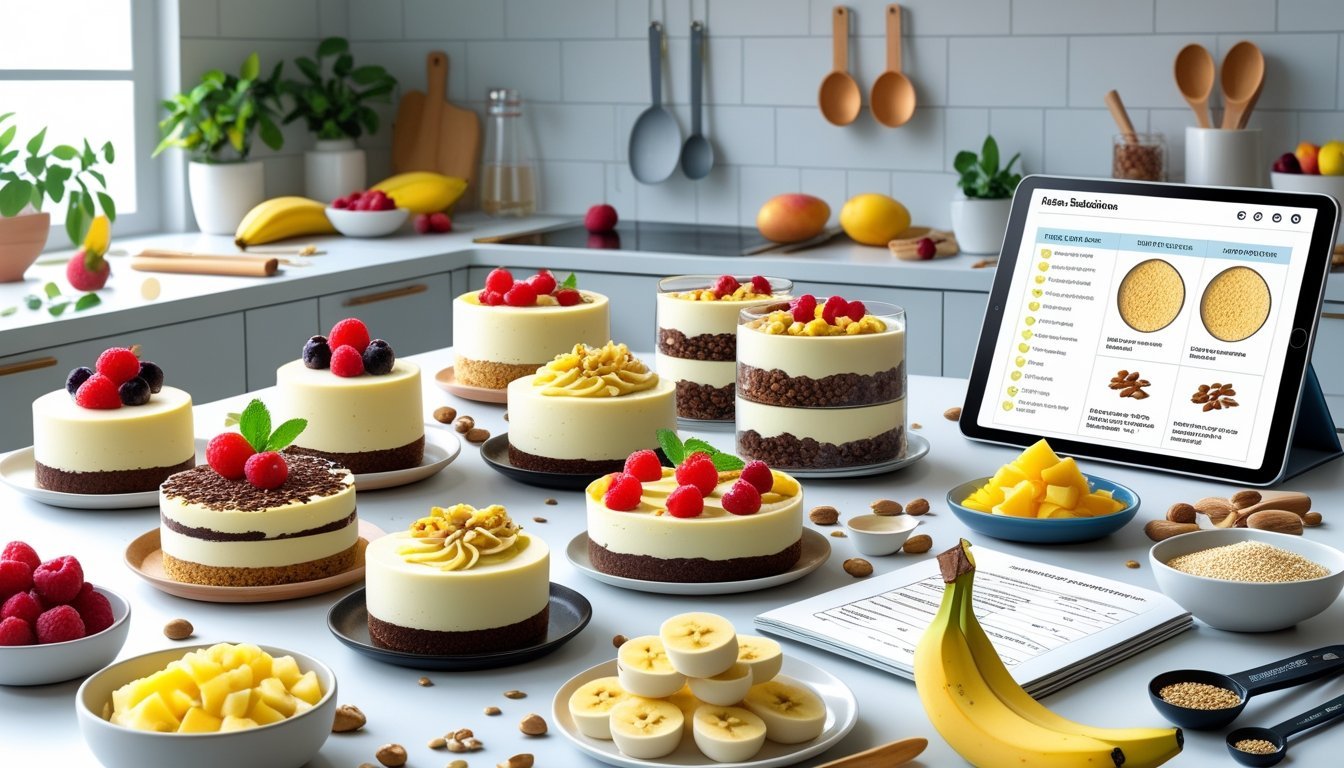
Egg-free no-bake recipes rely on different methods to deliver structure and texture. Common replacements focus on providing the same binding and moisture that eggs would otherwise contribute.
Binding Agents Beyond Eggs
Eggs often act as binders in both baked and no-bake recipes, but several alternatives can fill this role, particularly in egg-free baking. Options such as flaxseed meal and chia seeds, when mixed with water, create gels that help ingredients stick together.
Nut butters (like almond or peanut butter) and sweet syrups (such as maple syrup or agave) also add both cohesion and richness. Crushed cookies or graham crackers, with melted butter, form sturdy crusts in many no-bake cheesecakes and bars.
Incorporating mashed fruits, like bananas or avocados, brings natural moisture and helps unify the mixture for a smooth, palatable result. Each substitute lends its own flavor profile, so choice should match the dessert’s intended taste and texture.
Enhancing Flavor with Extracts and Spices
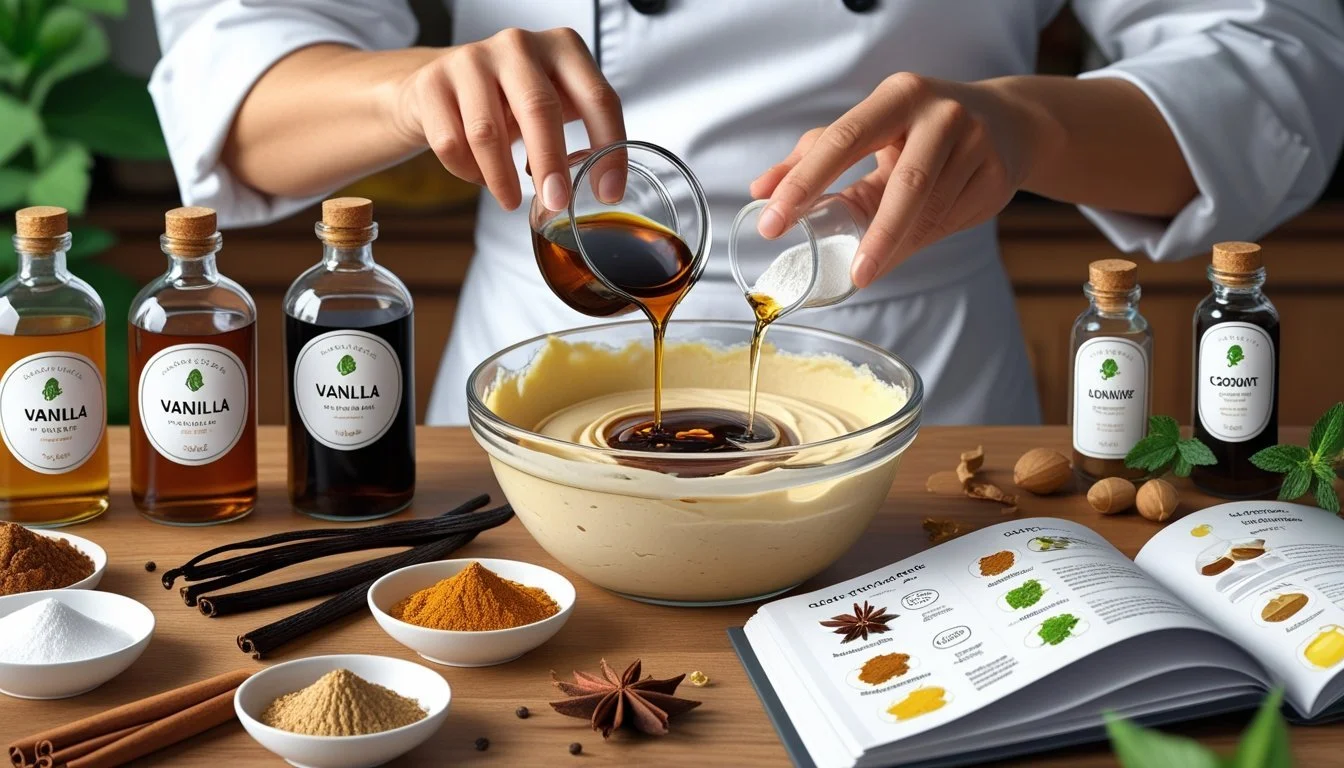
Flavor extracts and spice blends can dramatically shape the taste of no-bake desserts, offering depth and character without any oven time. Proper use of these ingredients ensures a finished product with a balanced, appealing profile.
Vanilla Extract and Pumpkin Pie Spice Options
Vanilla extract is a staple in no-bake recipes because it brings warmth and mild sweetness. It blends smoothly into creams, batters, and fillings—masking any raw notes. Use pure vanilla extract for best results. If using imitation vanilla, slightly reduce the amount to avoid harsh overtones.
Pumpkin pie spice is a blend of cinnamon, nutmeg, ginger, allspice, and cloves. This blend works well in cheesecakes, bars, and energy balls, giving a complex aroma and flavor. If pumpkin pie spice is unavailable, use a mix of cinnamon and nutmeg as a substitute.
When combining extracts and spices, start with small amounts and taste as you go. Both can overwhelm if used in excess, especially in no-bake preparations where flavors don’t mellow during baking. Below is a table of rough substitution ratios:
Ingredient Typical Use per 1 Cup Base Notes Pure Vanilla Extract 1–2 teaspoons Use less for imitation vanilla Pumpkin Pie Spice 1/2–1 teaspoon Substitute with cinnamon/nutmeg
Incorporating Cocoa Powder for Richness
Cocoa powder lends deep color and chocolate flavor to no-bake desserts. It dissolves best in liquids or fats, such as melted butter or cream cheese, which helps avoid clumping. Natural cocoa powder provides a sharp taste, while Dutch-processed cocoa is milder and darker.
In no-bake recipes like chocolate truffles, bars, or mousse, start with 2 to 3 tablespoons per cup of base ingredients. Adjust to taste if a more intense chocolate flavor is desired. Unsweetened cocoa powder keeps sugar levels in check, letting bakers control sweetness.
Pairing cocoa powder with vanilla extract can heighten overall flavor complexity. For a spiced chocolate profile, a small pinch of cinnamon or pumpkin pie spice can be blended with cocoa powder for added warmth. Always sift cocoa powder to ensure even distribution throughout the mixture.
Innovative Ingredient Substitutions by Recipe Type
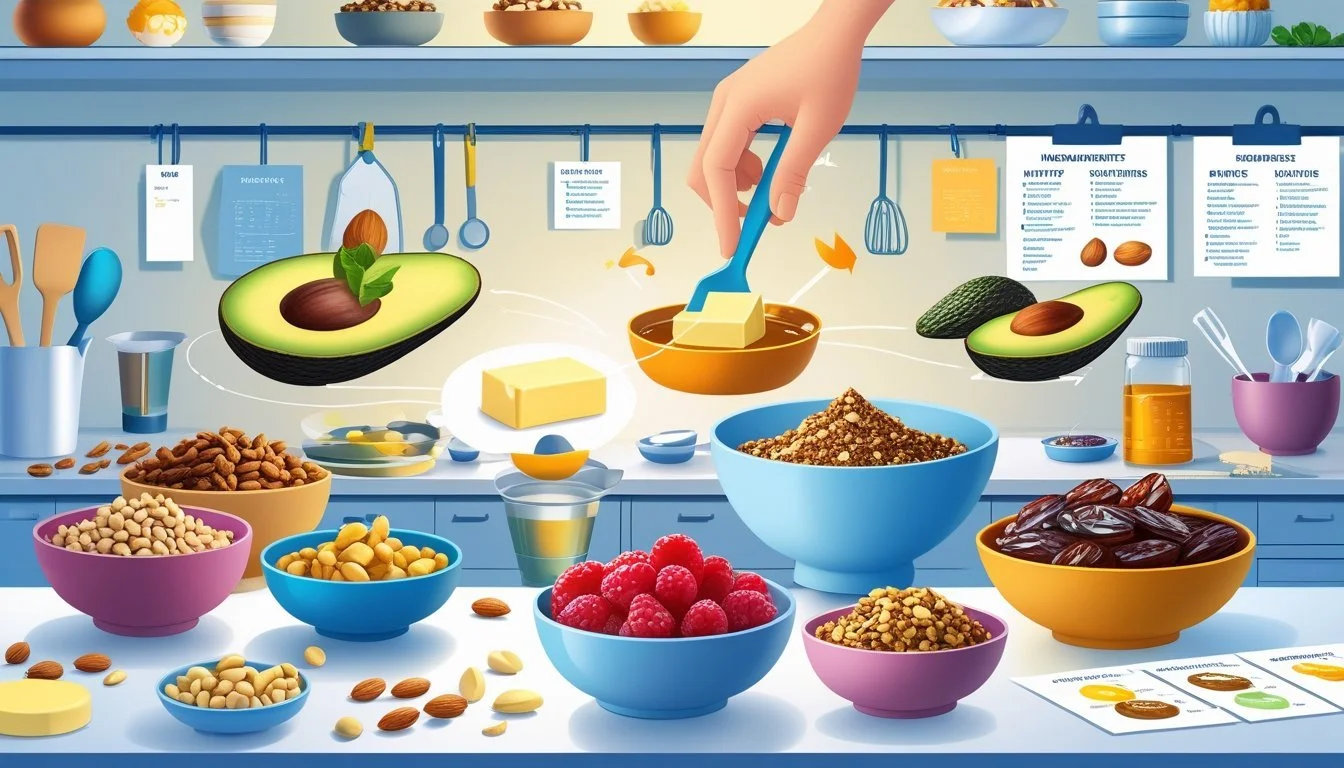
Ingredient substitutions in no-bake desserts often require specific attention to texture, flavor, and structure. Adapting tried-and-true recipes with creative swaps makes them accessible to a wider range of dietary restrictions and pantry limitations.
Adapting No-Bake Cookies
No-bake cookies rely on binding agents and cohesive mixtures. A common base involves oats, nut or seed butters, and sweeteners.
For oats: Swap rolled oats for quinoa flakes or puffed rice for a gluten-free or lighter texture.
For peanut butter: Almond butter, sunflower seed butter, or tahini are suitable alternatives for those with nut allergies.
Instead of honey, try maple syrup or agave for a vegan option. For richer flavor, add cocoa powder or shredded coconut. These ingredients maintain structure while accommodating dietary needs.
Dried fruits and seeds can replace chocolate chips or nuts. Keep portion sizes consistent when substituting to ensure cookies hold their shape and don't crumble.
Modifying Chocolate Chip Cookies
Classic no-bake chocolate chip cookies can be made without dairy or eggs by changing the base ingredients.
Butter: Coconut oil or plant-based margarine create the same creamy texture.
Sweeteners: Coconut sugar or date syrup are good alternatives to refined white sugar.
Chocolate chips: Use dark chocolate chunks or vegan chips for dairy-sensitive eaters.
If flour is called for, almond flour or oat flour can be substituted for all-purpose flour. Each imparts a slightly different flavor and moisture level, so adjustments may be needed.
A pinch of salt enhances chocolate flavor, while vanilla or orange extracts provide extra depth. Chopped nuts or toasted seeds bring crunch and variety to the mix.
No-Bake Bean-Based and Dairy-Free Options
Beans add protein and a creamy texture to no-bake desserts, especially when avoiding dairy.
Chickpeas or white beans: Pureed, these provide a neutral base for bars or cookie doughs.
Milk replacements: Unsweetened almond, soy, or oat milk pair well with beans, ensuring moisture without overpowering flavor.
Dates or figs offer natural sweetness and help bind ingredients. For structure, add a bit of coconut flour or ground flaxseed; they absorb excess moisture and help set the mixture.
In chocolate desserts, black beans can replace some fats and add richness without altering taste when combined with cocoa powder and sweetener. Small additions of vanilla, espresso powder, or cinnamon mask any bean flavor, resulting in a smooth, appealing no-bake treat.

