The Campfire Dutch Oven
Crafting Hearty Stews in the Great Outdoors
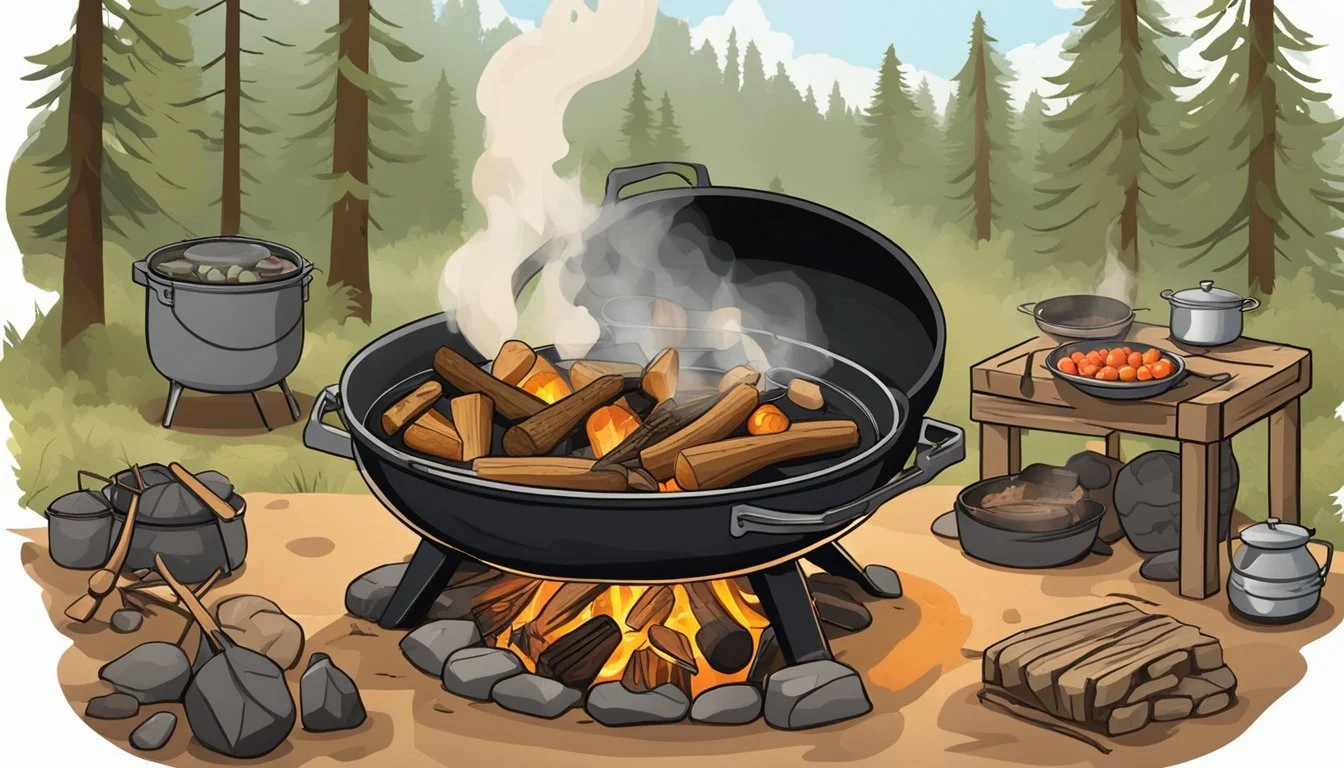
Venturing into the great outdoors provides an opportunity to reconnect with nature and rediscover the joy of cooking over a campfire. A Dutch oven, a thick-walled cooking pot with a tight-fitting lid, is a versatile piece of camping gear that excels in transforming raw ingredients into hearty stews. The combination of cast iron material and a campfire's radiant heat makes the Dutch oven ideal for creating slow-cooked, flavor-rich meals that can be enjoyed under the stars.
Campfire cooking with a Dutch oven does more than just simmer stews (What wine goes well with stews?); it's a culinary tradition that harks back to frontier days, blending the rustic feel of open-flame cooking with modern recipes. Campers relish the simplicity of tossing in meats, vegetables, and a rich broth to create a comforting stew that cooks to perfection over embers. There’s no need for a kitchen when these heavy pots can braise, boil, fry, and bake, making them an essential tool for any camping trip.
Recipes for campfire Dutch oven stews often include a variety of meats and root vegetables, seasoned to taste with herbs and spices. By learning the technique of cooking over a campfire, enthusiasts can ensure their stews are perfectly seared, simmered, and served with minimal fuss. Whether it's the sizzle of bacon beginning a beef stew (What wine goes well with beef stew?) or the aroma of onions and garlic sautéing in preparation for a savory broth, the sensory experience of Dutch oven cooking is unmatched in outdoor dining.
Understanding the Dutch Oven
The Dutch oven, a thick-walled cookware made of cast iron, is renowned for its durability and versatility in cooking, especially during campfire cooking where consistent heat distribution is imperative.
History and Significance
The Dutch oven has a storied history dating back to the 17th century, where it was first developed by the Dutch and later adapted by the English. It quickly became a valuable tool for settlers in America for its ability to cook over an open fire. The Dutch oven was essential for pioneers and is still cherished today for outdoor cooking.
Types of Dutch Ovens
Dutch ovens can be broadly categorized into two types:
Camp Dutch Oven: Specifically designed for outdoor cooking, it typically has three legs to stand over coals, and a flanged lid to hold coals on top for even heat distribution.
Kitchen Dutch Oven: Designed for indoor use, it sits flat on a stovetop and typically does not have the legs or flanged lid but offers similar cooking properties.
Benefits of Cast Iron
Cast iron offers several benefits in cookware, particularly in the construction of Dutch ovens:
Heat Retention and Distribution: Cast iron excels in retaining heat and distributes it evenly, preventing hot spots which are crucial for even cooking especially over a campfire.
Durability: Given proper care, a cast iron Dutch oven is remarkably durable and can last for generations.
Versatility: It can be used for a multitude of cooking methods including baking, frying, stewing, and roasting.
Flavor Enhancement: Over time, cast iron becomes seasoned and enhances the flavor of food cooked in it.
Dutch ovens require seasoning and maintenance to prevent rust and maintain the non-stick surface that develops with regular use. Whether by campfire or kitchen, the cast iron Dutch oven remains a vital part of cookware for chefs and outdoor enthusiasts alike.
Essential Tools and Ingredients
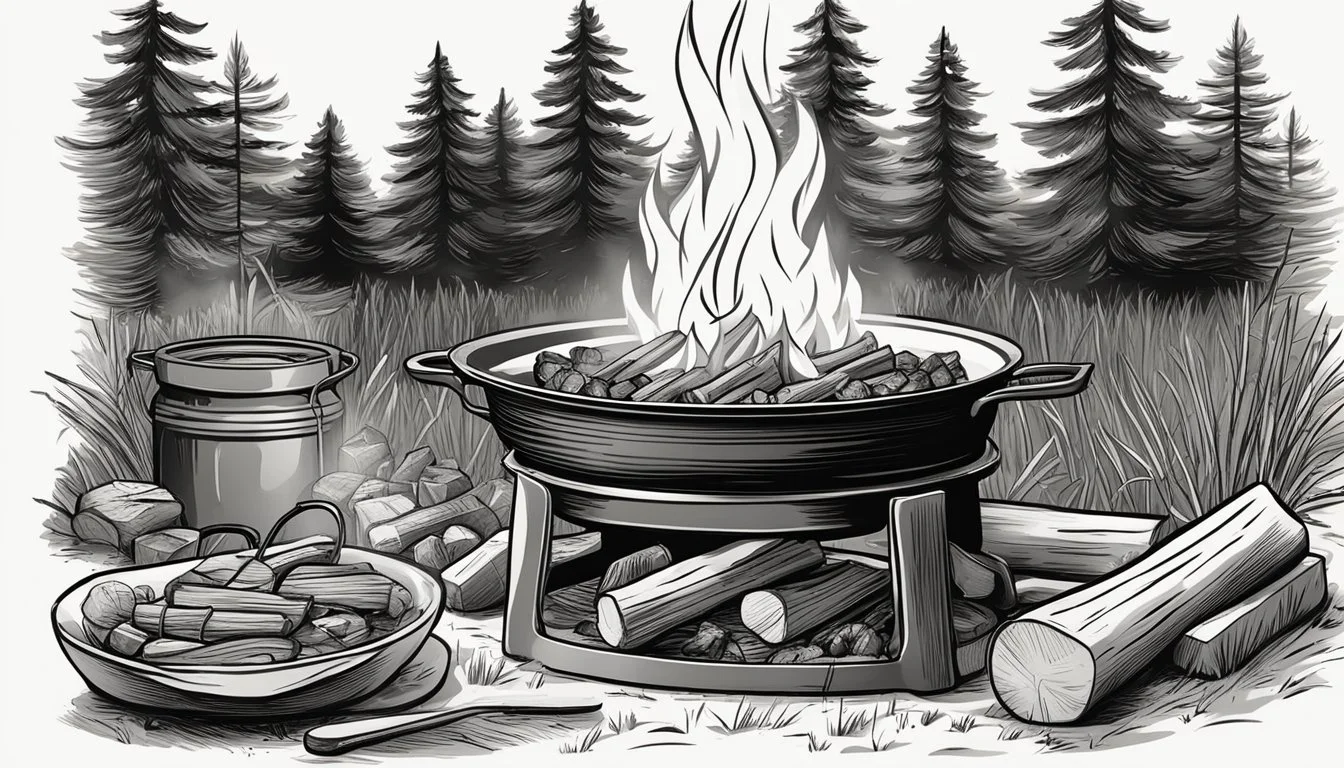
To create a heartwarming stew beside the campfire, one needs the right set of tools and a selection of quality ingredients. By preparing effectively, campers can look forward to a delicious meal in the great outdoors.
Gathering Cooking Equipment
The cornerstone of campfire cooking is a 12-inch cast iron Dutch oven, which withstands direct fire and distributes heat evenly. Ensure the Dutch oven comes with a lid to cover the stew as it simmers. Other necessary equipment includes a heat-resistant serving spoon for stirring and dishing out the stew, and heatproof gloves for handling the hot cookware. Campers should arrange for a heat source, such as a campfire with a sturdy grill grate or hot coals, and consider a lid lifter for safety when checking on the stew.
Selecting Quality Ingredients
A successful stew starts with fresh, quality ingredients. Beef, trimmed and cut into bite-sized cubes, serves as a robust protein base. One should include an array of vegetables like diced potatoes and sliced carrots, which contributes sweetness and substance. Onions and minced garlic are essential for a flavor foundation. For seasoning, have on hand salt and black pepper. Boost the savory aspect of the stew with a tablespoon of tomato paste, and use flour to thicken the broth, if desired. To sauté ingredients, olive oil is a preferred choice due to its high smoking point and the rich flavor it imparts.
Here's an organized list of ingredients for reference:
Protein: Beef (bite-sized cubes)
Vegetables: Potatoes, Carrots, Onions
Flavor Enhancers: Garlic, Salt, Black Pepper, Tomato Paste
Other: Flour for thickening, Olive Oil for sautéing
Preparation Before Cooking
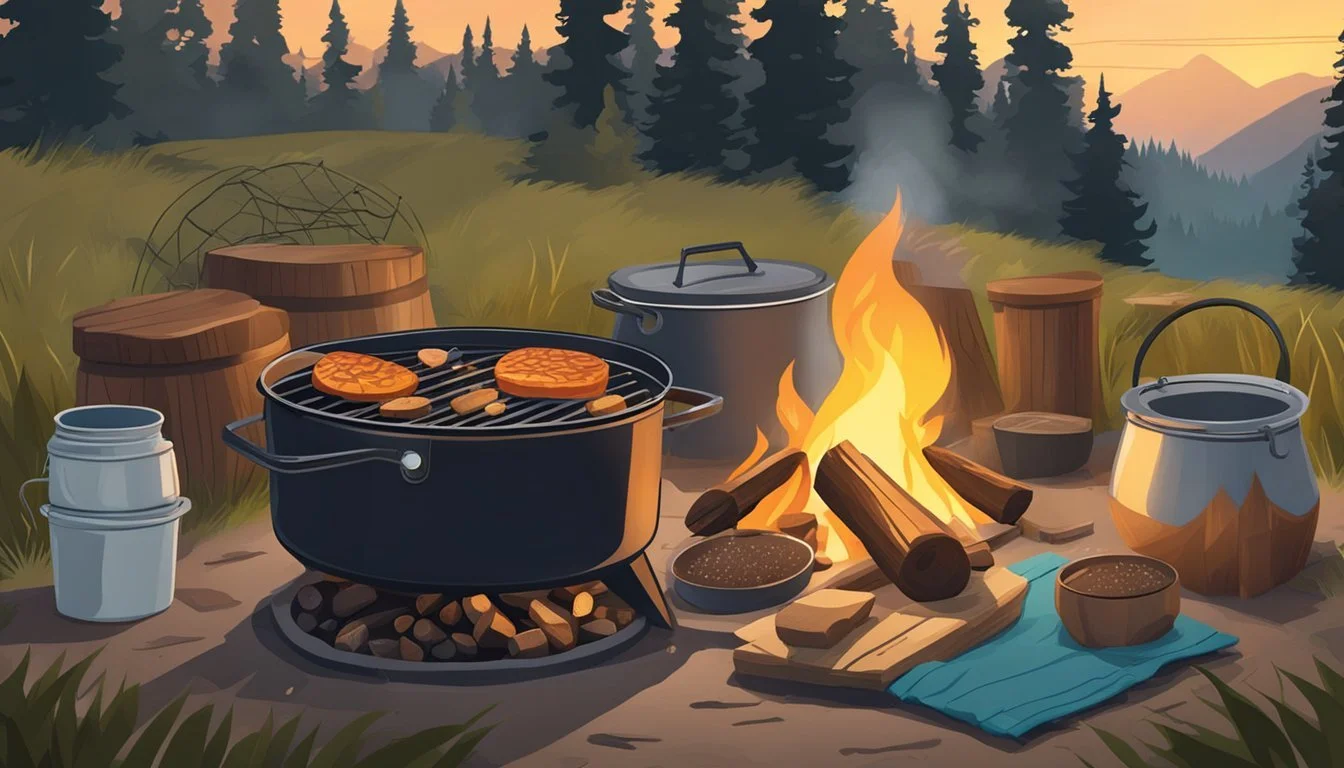
Preparing for a campfire Dutch oven stew involves a couple of crucial steps that ensure flavor and ease during the cooking process. Users must ready their Dutch oven and ingredients before they commence cooking.
Cleaning and Seasoning the Dutch Oven
The key to a well-made campfire stew starts with the Dutch oven itself. One should ensure the cast iron is clean and adequately seasoned. This means it has been thoroughly scrubbed with warm water and a brush to remove any debris or rust, dried completely, and coated with a thin layer of vegetable oil. This process should be done evenly both inside and out, and the Dutch oven is then heated until the oil has baked into the surface, forming a protective and non-stick layer.
Prepping Vegetables and Meat
Before igniting the campfire, it's important to prep all the stew ingredients. For the meat, typically beef, one should cut it into bite-sized cubes, trimming any excess fat or sinew. Season the beef generously with salt and pepper. If desired, one might coat the beef lightly in flour to help thicken the stew later on. After the beef, attention turns to the vegetables. Essential aromatics like garlic and onions should be peeled and finely chopped to release their flavors into the stew. Root vegetables, which are hearty and stand up well to long cooking times, should be cleaned, peeled if necessary, and cut into even chunks to ensure they cook uniformly. This aids in creating a cohesive dish where every element reaches the perfect tenderness.
Building a Proper Campfire
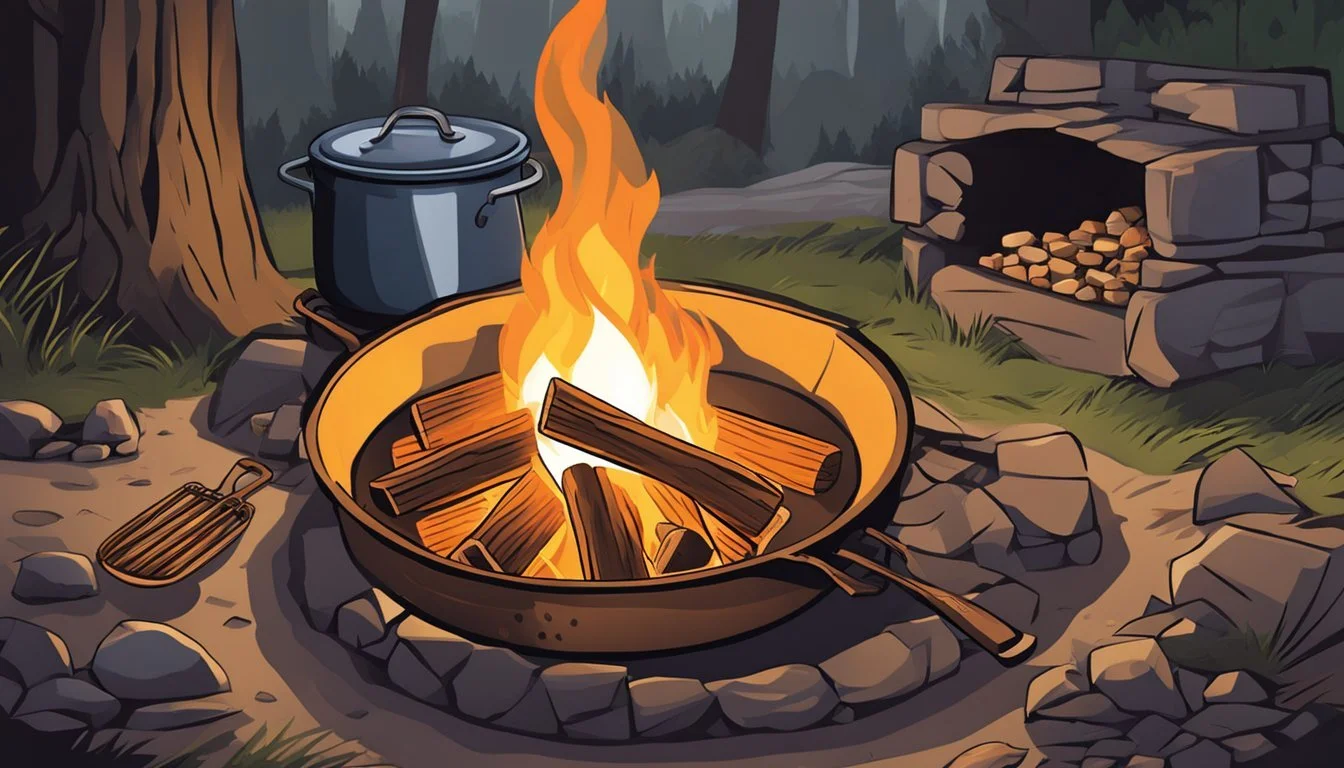
When preparing to cook with a Dutch oven over a campfire, one must focus on setting up a stable fire area and understanding the nuances of fire and heat distribution to ensure an evenly cooked stew.
Setting up the Fire Area
To establish an efficient fire area, one should first clear a flat space free of flammable materials and surround it with a ring of rocks. The cleared area should be at least 10 feet away from overhead tree branches and other flammable objects. Safety is paramount; the individual should have water or a fire extinguisher on standby in case the fire needs to be extinguished swiftly.
Within the cleared zone, it's recommended to dig a shallow pit to contain the fire. The pit typically forms the base of the fire area. Key factors to remember include:
Size: The fire's size should match the cooking task, with an area large enough for the Dutch oven to sit comfortably.
Ventilation: Proper airflow is crucial, thus leaving space between the rocks for air to circulate is essential.
Understanding Fire and Heat Distribution
Fire and heat distribution are critical when cooking with a Dutch oven. Before placing the pot on the fire, one should allow a robust bed of coals to develop - the campfire coals will provide a consistent and controllable heat source.
Here are some specific strategies to manage heat:
Hot Coals: They should be evenly spread in the pit for a uniform cooking temperature.
Tri-Pod Setup: Some campers use a tripod over the fire to suspend the Dutch oven, adjusting height for temperature control.
Heat Adjustment: To increase heat, one can simply stoke the fire or add more wood. To decrease heat, spread out the coals or allow the fire to die down slightly.
Understanding these principles ensures that campfire recipes are not left to chance, with heat being directed where it's needed most for a perfectly stewed dish.
Cooking with a Dutch Oven
In outdoor cooking, the Dutch oven is unparalleled in its versatility, especially for creating robust stews and soups over an open flame.
Techniques for Stews and Soups
One commences with browning meats such as beef; this foundational step imbues the stew with deep flavor. For soups, sautéing aromatics like onions and garlic is crucial before adding liquids. Both stews and soups benefit from a low and slow simmering process, allowing flavors to meld and meats to become fork-tender.
Managing Heat and Cook Times
Heat management is paramount: a campfire stew needs consistent, moderate heat to simmer without burning. For a 10" Dutch oven, a general ratio is ⅓ coals on the bottom and ⅔ on the top to maintain an even cook. Cook times vary; typically, beef stew requires up to an hour before adding vegetables like carrots and green beans to cook through.
Tips for a Hearty Beef Stew
For a hearty beef stew:
Brown the beef first for a flavorful base.
Use beef broth to enrich the stew; add enough liquid to be one inch above the meat.
When adding beans or other vegetables, such as carrots and green beans, ensure that they are added later in the cooking process to maintain their texture and color.
Proper seasoning with salt, pepper, and other spices is the key to a robust final flavor.
Dutch Oven Recipe Guides
Dutch oven cooking offers versatility for campers who want to enjoy hearty meals by the fireside. This section outlines step-by-step recipes and adaptable variations for creating delicious stews and one-pot meals to enhance the outdoor dining experience.
Classic Campfire Beef Stew
For a traditional beef stew, one begins by browning diced bacon in the Dutch oven, then searing seasoned beef, typically chuck cuts, in the bacon fat to develop a rich flavor. Carrots and onions are added, sautéed until tender, then a mixture of beef broth, Worcestershire sauce, and tomato sauce is poured in. Bay leaves provide a subtle aromatic backdrop. The stew should simmer until the beef is fork-tender, then potatoes and green beans or other seasonal vegetables can be included until cooked through.
Vegetable Variations and Vegan Options
Vegetarians and vegans have a multitude of options with a Dutch oven. A veggie version replaces meat with hearty alternatives like mushrooms or chickpeas. Mushrooms, especially portobello, are an excellent substitute for beef due to their meaty texture and umami flavor. One can begin by sautéing a blend of mushrooms, onions, and garlic, then adding a rich broth made from vegetable stock. Seasonal vegetables like carrots and green beans add nutrition and taste, while bay leaves and Worcestershire sauce (vegan version) infuse traditional flavors into the plant-based stew.
Innovative One Pot Camping Meals
Campers seeking variety can explore one-pot meals beyond the classic stew. These recipes often include ingredients like chicken or beef, mixed with rice or pasta, and a combination of seasonings. To create an all-in-one meal, one layers ingredients in the Dutch oven, starting with a base of seasoned chicken or beef. Rice or pasta is added with a liquid component like broth or water, and then a selection of vegetables—like carrots and green beans—is nestled in. The pot is covered and the meal is allowed to simmer, with the steam cooking all ingredients to perfection. This method is ideal for locking in flavors and minimizing campsite clean-up.
Nutrition and Health Benefits
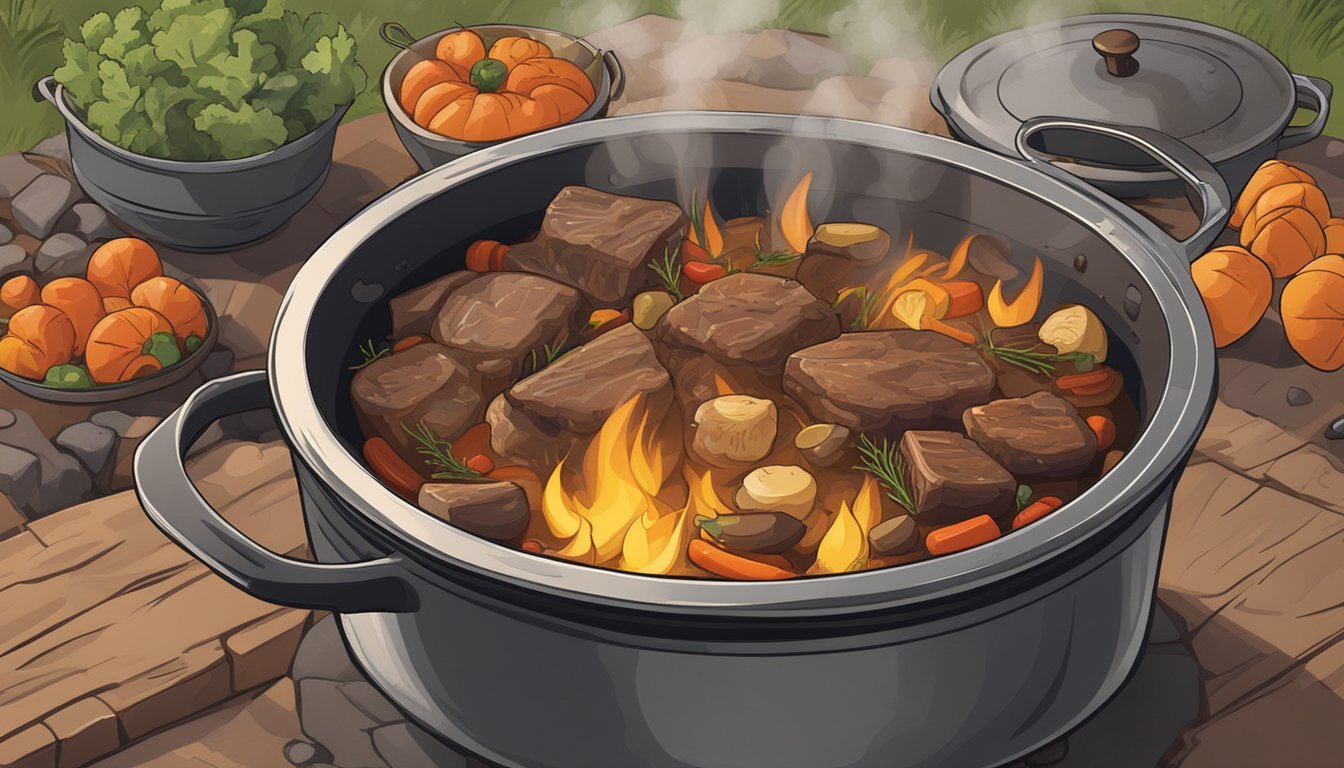
Preparing stews in a campfire dutch oven can be immensely satisfying, offering nutritional value and the health benefits of a hearty, homemade meal cooked outdoors.
Macronutrients in Stews
Dutch oven stews are typically rich in proteins, important for muscle repair and growth, due to the inclusion of stew meat. These stews also offer a substantial amount of carbohydrates from vegetables like potatoes and carrots, providing the necessary energy for outdoor activities. Fiber, another crucial component found in the vegetables, aids digestion and enhances heart health. The macronutrient balance in stews contributes to sustained energy levels and comfort, perfect for those enjoying the great outdoors.
Protein: Essential for bodily repair and muscle maintenance.
Carbohydrates: Serve as the primary energy source.
Fiber: Supports digestive health and can promote satiety.
Benefits of Homemade Meals Outdoors
Cooking homemade meals such as stews over a campfire offers more than just the pleasures of outdoor cooking; it allows control over ingredients, ensuring balanced nutrition intake and potentially reducing calories when compared to store-bought options. One is more likely to use natural, whole food ingredients, which can increase one's intake of vitamins and minerals. Dutch oven stews can be considered comfort food, providing warmth and satisfaction, while also encouraging healthy eating habits even when away from the modern conveniences of a kitchen.
Safety and Cleanup
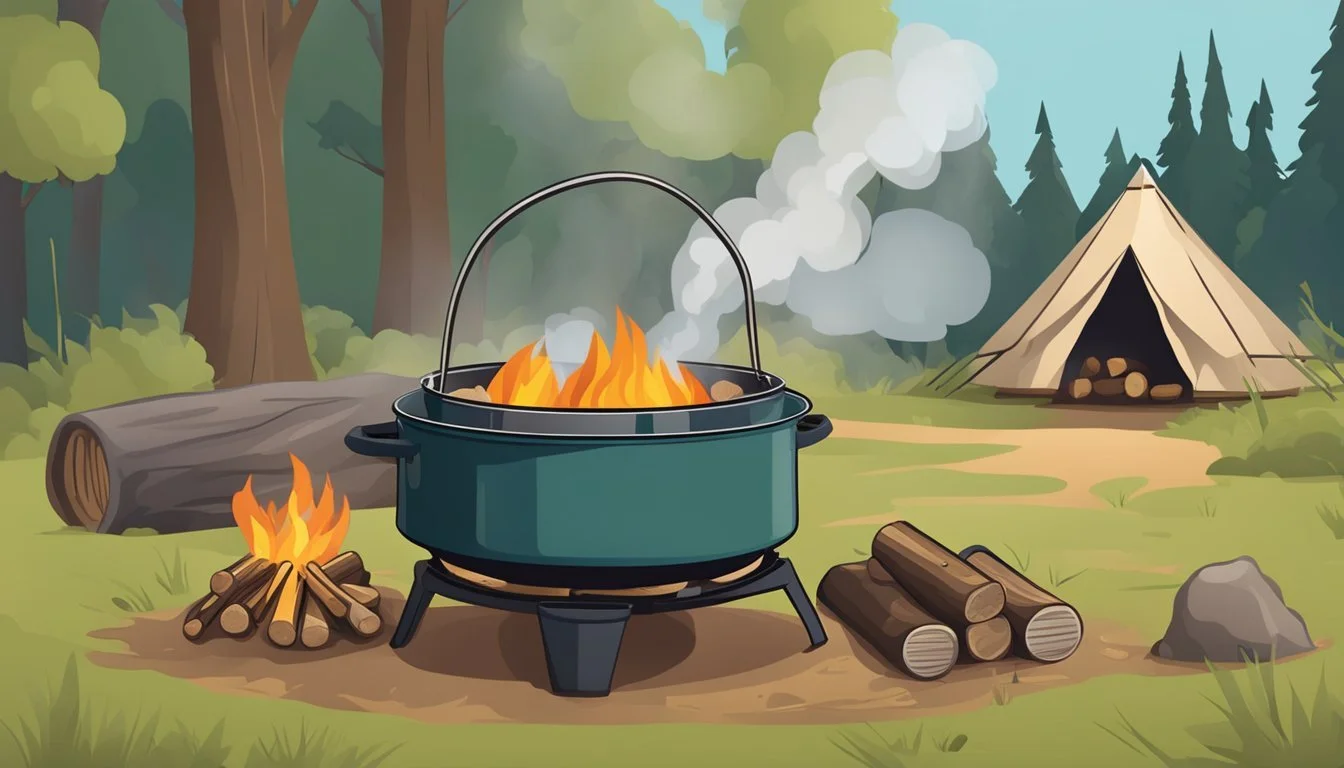
When it comes to enjoying the delicious rewards of a Dutch oven stew at the campsite, priority must be given to safety during cooking and thoroughness in cleanup. A cook's vigilance ensures the longevity of their equipment and the well-being of their campmates.
Ensuring Safe Cooking Practices
Safety is paramount when cooking with a Dutch oven over an open flame. Cooks should always place the oven on a stable, non-flammable surface and keep combustible materials away. It is vital to:
Monitor the heat carefully, using gloves or a lid lifter to handle hot equipment.
Maintain a clear area around the campfire to prevent accidents.
Keep a fire extinguisher or water nearby in case of emergency.
Never leave the cooking unattended to prevent unwanted fire spread.
Efficient Cleaning and Maintenance
Cleanup and maintenance of cast iron Dutch ovens are essential steps post-cooking. Proper care ensures a long lifespan for the equipment and safety for future use. The cook should:
Allow the oven to cool completely before attempting to clean.
Use hot water and a stiff brush to scrub the cast iron; detergents are not recommended as they can strip the seasoning.
Dry the Dutch oven immediately and thoroughly to prevent rust.
For maintenance:
Apply a light coat of cooking oil to the surface of the Dutch oven to maintain its seasoning.
Store the Dutch oven in a dry place with the lid off to allow air circulation and prevent moisture build-up.
Regular upkeep prevents the deterioration of the cast iron, keeping it non-stick and rust-free for future campfire cooking adventures.
Conclusion and Further Tips
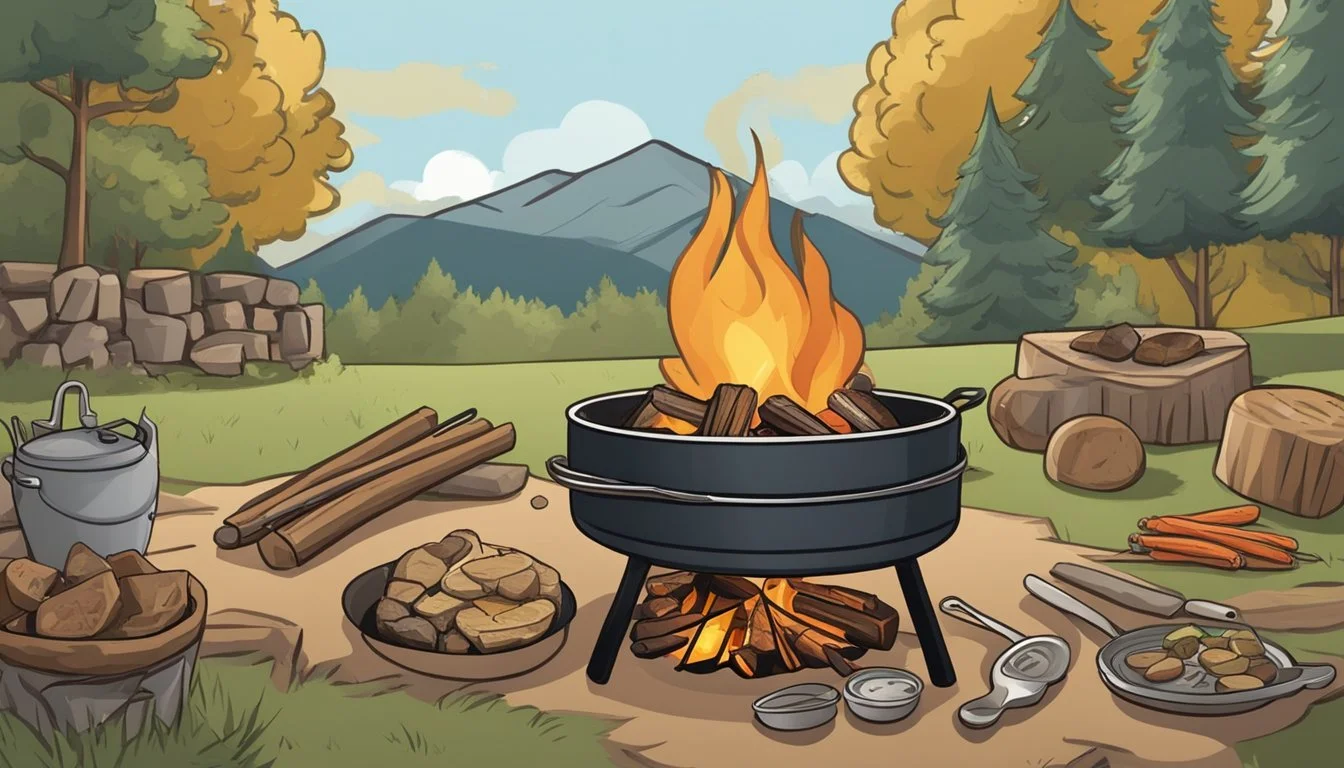
In wrapping up the art of crafting stews with a Dutch oven, the emphasis is on technique and adaptability for a comforting, savory outcome. The following will serve as a guide to refine the process and amplify the flavor of campfire stews.
Summary of Cooking with a Dutch Oven
The Dutch oven is an indispensable tool for campfire chefs aiming to deliver rich, flavorsome stews. The process begins with browning meats thoroughly to unlock deep, savory flavors. Layering ingredients and consistent heat management are pivotal. A well-maintained bed of coals provides the consistent, radiant heat necessary for cooking, akin to a kitchen oven. Regular stirring and checking for doneness ensure ingredients meld flavors seamlessly while maintaining the ideal texture.
Additional Tricks for the Campfire Chef
Pre-season and marinate meat to intensify flavors.
Use a reliable heat source: Stable campfire coals or embers yield the best heat. Adjust the number of coals to control temperature.
Enhance stews with a variety of herbs and spices for a more complex flavor profile. Fresh herbs can be added toward the end of cooking to preserve their potency.
Maintain a stock of essentials like onions, garlic, and quality broth to bolster the stew's base.
Practice safety: Always use heat-resistant gloves to handle the hot Dutch oven.
By applying these methods, a campfire chef can elevate their outdoor cooking from simple to spectacular.