The Campfire Dutch Oven Pizza
Crafting Delicious Pies in the Great Outdoors
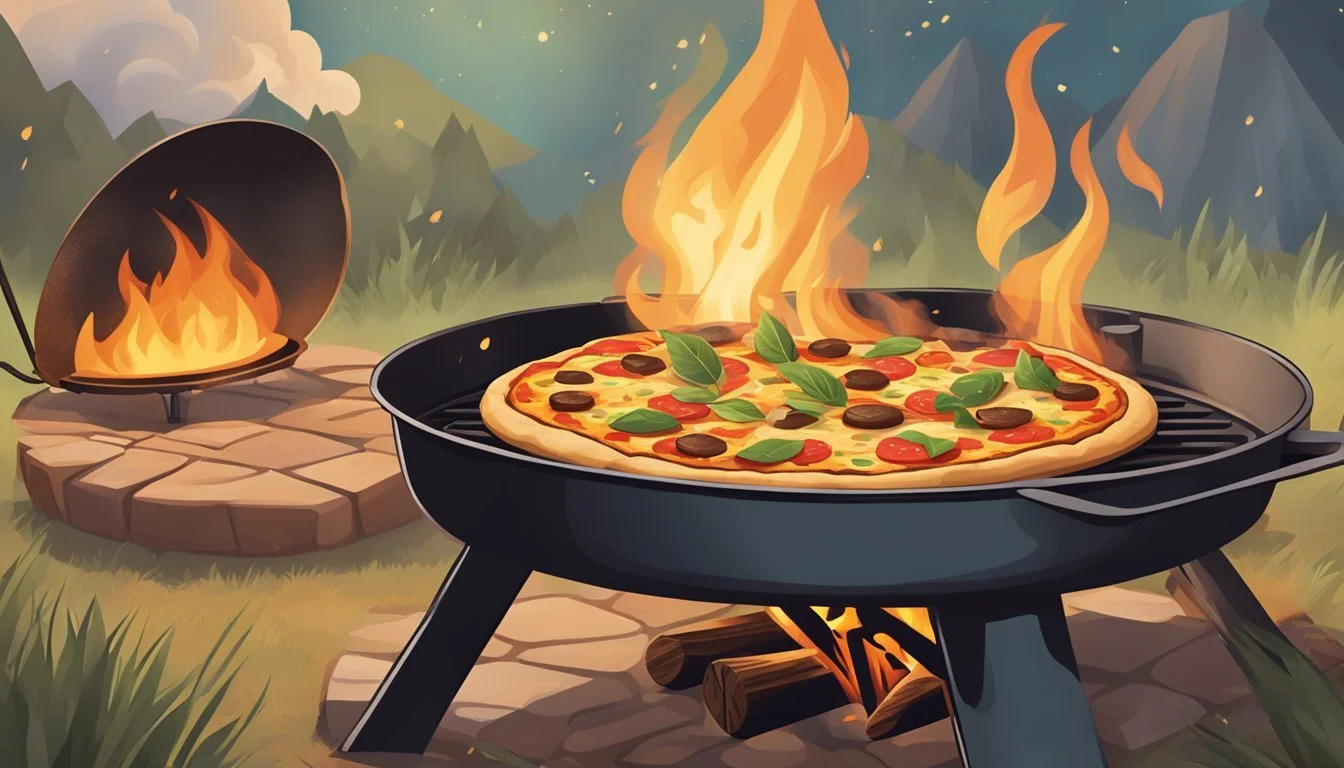
Crafting delicious pizza (What wine goes well with pizza?) outdoors by the campfire doesn't require a pizza stone; instead, avid campers and outdoor enthusiasts have embraced the versatility of the dutch oven as an indispensable cookware item. The dutch oven, a thick-walled cooking pot typically made of cast-iron, proves to be excellent for baking due to its ability to hold and evenly distribute heat. With the lid on, the dutch oven mimics a traditional oven's environment, making it possible to achieve a golden, crispy crust on pizzas even when you're amidst nature.
The process of cooking a pizza in a dutch oven involves creating dough that can withstand the less controlled heat of a campfire. As the dutch oven is placed over the coals, a makeshift oven is established without the need for specialized equipment. This method not only infuses the pizza with a smoky flavor unique to outdoor cooking but also opens up opportunities for campers to customize their pies with a variety of toppings.
Campfire dutch oven pizza has grown in popularity, providing a way to enjoy this beloved dish while partaking in the great outdoors. Whether it's a simple cheese and tomato sauce combination or an assortment of toppings tailored to personal tastes, the ability to bake pizza over a campfire appeals to those seeking the home comforts of a hearty meal under the stars.
Essentials of Campfire Dutch Oven Pizza
Making a campfire Dutch oven pizza requires specific equipment and a methodical approach to ingredient prep and dough creation. The keys to success are a quality Dutch oven, well-prepared ingredients, and pizza dough that holds up to the rigors of campfire cooking.
Choosing the Right Dutch Oven
The foundation of a great campfire pizza is the Dutch oven. Cast iron is the ideal material because it evenly distributes heat and maintains the high temperature needed to cook the dough thoroughly. One must ensure that the Dutch oven is well-seasoned to prevent sticking and to enhance flavor. Sizes vary, but a 10 to 12-inch Dutch oven typically provides ample space for a standard pizza.
Preparing Your Ingredients
High-quality ingredients will elevate a campfire pizza. Start with a pizza sauce made from ripe tomatoes or a store-bought variety with a robust flavor. Mozzarella cheese should be freshly grated for the best melt and coverage. Pizza toppings (What wine goes well with pizza toppings?) like pepperoni or vegetables must be prepped in advance for ease of assembly. Keep ingredients organized and within reach for a swift and efficient pizza-building process.
Creating the Perfect Pizza Dough
A resilient and pliable pizza dough is essential, as it sets the stage for the toppings. Start by mixing all-purpose flour, which offers a good balance between chewiness and structure, with dry yeast, salt, and warm water. The dough should be kneaded until smooth, then left to rise until it's doubled in size. An optimal dough will be easy to handle and stretch, yet sturdy enough to hold the weight of the sauce and toppings. Before assembling, ensure the dough reaches room temperature for best results.
The Pizza Assembly Process
When assembling a Dutch oven pizza while camping, one's focus should be on sequence and distribution of ingredients to ensure an even cook and balance of flavors. A good pizza foundation involves a careful layering of sauce and carefully chosen cheese, followed by strategic placement of toppings.
Layering the Sauce and Cheese
Begin by spreading a layer of pizza sauce onto the pizza dough. It should be even, leaving a small border around the edges to create a crust. Typically, about 2–3 tablespoons of sauce will suffice for a medium-sized pizza. Once the sauce is in place, sprinkle mozzarella cheese generously over the sauce to ensure the entire surface is covered. For a richer flavor profile, campers can opt for a mix of cheeses such as combining mozzarella with cheddar.
Adding Toppings Strategically
The next step is to add pizza toppings. If using pepperoni, distribute the slices evenly, allowing for a bit of space between each piece to prevent them from overlapping after the cheese melts. Other toppings like mushrooms, bell pepper, and additional cheeses can be layered on next. To ensure uniform cooking and to prevent soggy patches, it's important not to overcrowd the pizza with toppings. Just before closing the Dutch oven, drizzle a bit of olive oil over the toppings to give them a slight crispiness and enhance their flavor when they cook.
Mastering the Campfire Cooking Technique
Making a perfect campfire pizza requires understanding how to manipulate the heat source. The two critical aspects are arranging hot coals for consistent heating and effectively managing the cooking temperature and time.
Arranging Hot Coals for Even Heating
For even heating, campers need to arrange the hot coals beneath and around their Dutch oven strategically. A uniform coal bed mimics the consistent heat of a kitchen oven. Here is a step-by-step process:
Light the coals: Ignite charcoal briquettes or hardwood coals until they are glowing red with a layer of white ash.
Prepare the coal bed: Lay out a bed of coals slightly larger than the circumference of the Dutch oven to ensure the sides of the oven are also heated.
Layer for control: Use a shovel or pair of heat-resistant gloves to handle coals. Place a layer beneath the Dutch oven for the bottom heat, and reserve some coals to place on the lid for top-down heating.
Managing Temperature and Cooking Time
Controlling the temperature of a campfire can be challenging but is essential when cooking with cast iron. Here are some pointers:
Understand ideal temperature: Aim for a temperature of around 450 degrees Fahrenheit, ideal for pizza baking.
Use an oven thermometer: If available, place it inside the Dutch oven to monitor the temperature.
Adjust coals as needed: Add coals for more heat or allow the oven to cool slightly by spreading coals.
Rotate the oven: Every 10-15 minutes, rotate the Dutch oven 90 degrees to avoid hot spots, ensuring even cooking.
By keeping these factors in mind, campers can master the art of campfire cooking and enjoy evenly cooked, delicious campfire pizza.
Enhancing the Outdoor Pizza Experience
When it comes to outdoor cooking, pizza is a dish that offers endless versatility and the possibility for gourmet experimentation right at the campsite. Applying the right tools and flavor combinations can elevate a simple dutch oven pizza, turning it into a memorable culinary highlight of any camping trip.
Innovative Equipment and Tools
Using a Dutch oven for pizza while camping allows for even heat distribution, resulting in a consistently cooked crust. To optimize the cooking process, campers should consider a dutch oven lid lifter and metal tongs, which aid in safely managing hot cookware over an open flame. For those looking to diversify their outdoor cooking methods, employing a pie iron can lend a unique, toasted quality to smaller pizza pockets, perfect for individual servings.
A well-established campfire provides a base of coals ideal for Dutch oven cooking. Tools such as Lodge camp ovens are specially designed for such tasks, with features like flanged lids to hold coals for baking. This controlled heat scenario is crucial for melting cheese to perfection and crisping the dough's bottom without burning.
Essential tools for enhancing Dutch oven pizza:
Dutch Oven
Lid Lifter
Metal Tongs
Pie Iron (optional for pizza pockets)
Flavorful Variations and Combinations
Dutch oven pizza thrives on creative toppings. For a truly robust flavor profile, campers should consider fresh, high-quality ingredients like fresh basil, olives, ham, or sausage. Adventurous outdoor chefs might top their pizzas with unconventional choices such as pineapple, chicken, bacon, and other combinations commonly found in gourmet pizzerias.
A simple table to combine flavors could be:
Base Ingredients Complementary Toppings Mozzarella Cheese Basil, Olives Tomato Sauce Ham, Sausage Barbecue Sauce Chicken, Bacon Cheese Blend Pineapple, various meats
By experimenting with these ingredients, every campfire cook can discover a favorite blend that pays homage to the traditional pizza while incorporating the essence of the great outdoors into each slice.
Safety and Clean-Up
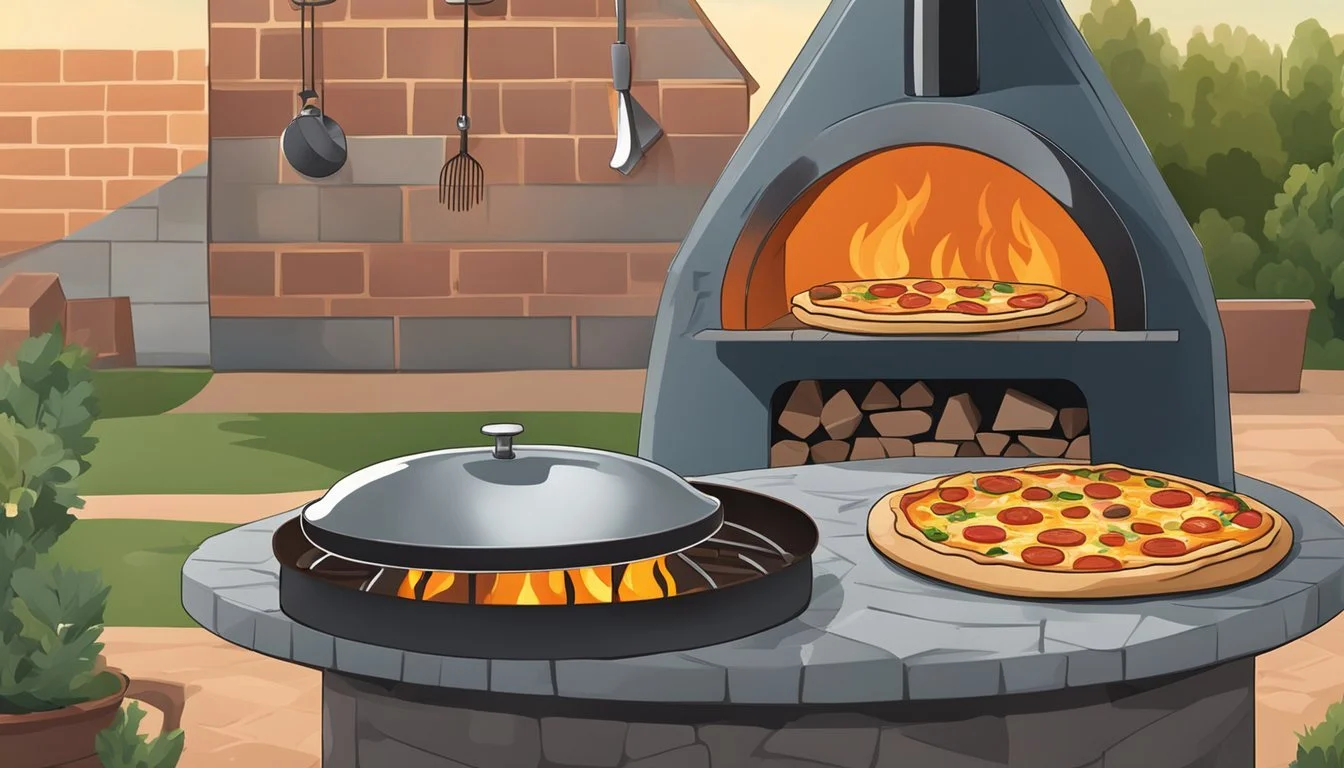
Making Dutch oven pizza while camping can be a delicious endeavor, but it requires attention to safety and proper cleaning methods to ensure the experience is enjoyable from start to finish.
Handling Dutch Ovens Safely
When preparing pizza in a Dutch oven, maintaining safety is paramount. Campers should always wear heat-resistant gloves to protect hands from high temperatures when moving the Dutch oven or handling coals. Due to the weight and heat retention of the oven, it's crucial to lift with care, using both hands to avoid spills and burns. One should never place a hot Dutch oven on flammable surfaces or leave it unattended.
Post-Cooking Clean-Up Tips
After the pizza is enjoyed, it’s important to clean the Dutch oven properly to preserve its lifespan. To begin, allow the oven to cool completely. Then, scrape out any leftover food residue; for tougher bits, one can use a rough vegetable scrubber. It’s vital to season the surface of the Dutch oven after cleaning, which involves applying a thin layer of cooking oil and heating the oven slightly to create a protective barrier. This helps prevent rust and maintains a non-stick cooking surface. Finally, store the Dutch oven in a dry place, with the lid slightly ajar to prevent moisture accumulation.
Serving and Nutritional Considerations
When enjoying campfire Dutch oven pizza, one must consider the best methods for serving and the nutritional impact of the meal. Ensuring each guest receives a hot, satisfying slice is just as important as understanding the caloric and macronutrient makeup of the pizza.
Slicing and Serving Your Pizza
Once the campfire Dutch oven pizza is cooked to perfection with a golden-brown crust and molten cheese, it should be transferred to a cutting board. If space allows, utilize a pizza cutter or a sharp knife to slice the pizza into even portions, ensuring each piece has an equal amount of toppings. The number of slices will dictate the serving size, which typically ranges from one to two slices per person, depending on the pizza's diameter and the appetites of your campers.
Understanding the Nutritional Content
Nutrition information is crucial for those monitoring their dietary intake, even while enjoying the great outdoors. A typical slice of Dutch oven pizza may contain:
Calories:
Sharing Your Dutch Oven Pizza Online
After mastering the art of making Dutch Oven Pizza at the campfire, sharing the culinary creation online can inspire and connect with fellow outdoor cooking enthusiasts. Here's how to showcase that perfect pie.
Capturing the Perfect Pizza Photo
Taking the right photo is crucial. The image should convey the delectable textures and the rustic outdoor cooking process. One should aim to capture natural light and the authentic campsite backdrop. Feature the pizza prominently, using a high-resolution camera or smartphone, to highlight the golden crust and melted cheese. Consider an overhead shot to show the toppings and a side angle to emphasize the thick, bubbly crust.
Engaging with the Online Community
Sharing the pizza photo online is more than just posting; it involves interaction. Here are effective ways to engage:
Pinterest: Create a ‘Campfire Cooking’ board and pin the pizza photo. Use descriptions with relevant keywords to improve discoverability. Encourage others to 'Pin it for later' which helps in reaching a wider audience.
Facebook: Post the photo on personal or community pages dedicated to Dutch oven cooking. Craft a compelling story of the cooking experience to accompany the image. Ask followers for a 'five star review' if they try the recipe themselves, as this feedback can boost the post’s visibility and credibility.
Engagement Tips:
Reply to comments to foster a sense of community.
Use hashtags that resonate with outdoor cooking, camping, and pizza enthusiasts.
Host a share-and-tell session inviting others to post their Dutch Oven pizza stories and photos.