The Camp Stove Paella
Mastering Outdoor Cooking Without a Paellera
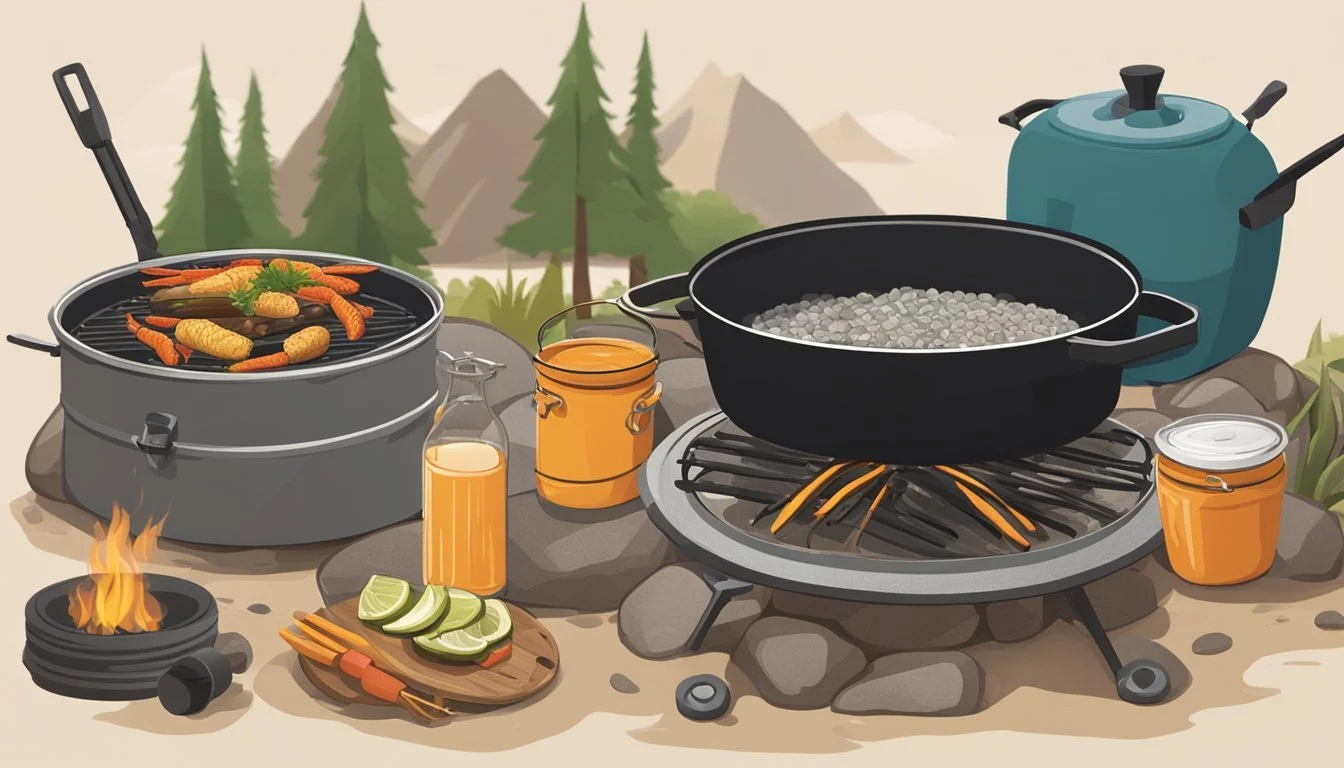
Paella, the quintessential Spanish dish, is traditionally cooked in a wide, shallow pan that allows for the perfect socarrat, the crispy rice bottom that is a hallmark of a good paella. However, culinary adventurers have taken this classic outside the kitchen, adapting the method for outdoor cooking. Cooking paella over a campfire presents an opportunity to enjoy the convivial spirit of creating an outdoor feast, infused with the smoky flavors that only open flame can impart.
When one takes to the outdoors, the luxury of having a traditional paella pan may not be an option. This calls for improvisation, inviting outdoor enthusiasts to cook paella over their camp stoves. The challenge lies in replicating the even heat distribution and surface area that the classic pan provides. Enthusiasts have found that with the right techniques and adjustments, authentic and delicious campfire paella is attainable, even without traditional equipment.
The experience of making paella outside is about more than just the taste; it's a celebration of the environment and the joy of cooking in the open air. The camp stove method allows for flexibility and creativity, ensuring that each paella is as unique as the outdoor setting in which it is cooked. It proves that with some culinary ingenuity, an outdoor feast featuring this beloved dish is possible, bringing a touch of Spanish tradition to the campsite.
History and Origin of Paella
Traditional paella is a testament to its rich cultural tapestry, evolving from simple means to a beloved culinary symbol of Spain.
Valencia: The Birthplace of Paella
Valencia is recognized as the cradle of authentic paella. Originating in the 14th century, the dish epitomizes the fusion of local ingredients and culinary practices. Historically, Paella Valenciana was a meal for farmers and laborers, crafted from accessible components over open flames in the fields. The term 'paella' itself stems from the Old French word for pan, 'paelle', which points to the importance of the cooking vessel in its development.
Evolution of Paella
Over the centuries, paella evolved, incorporating a wider variety of ingredients to reflect regional tastes. By the mid-19th century, what began as a humble repast had become widely recognized as a quintessential Spanish dish. The traditional paella consists predominantly of rice and may include a combination of rabbit, chicken, snails, beans, and green vegetables. It's noteworthy that the version known as paella valenciana, which is often revered for its authenticity, adheres to these specific ingredients. Yet, as paella proliferated across Spain and beyond, it assimilably morphed to feature an assortment of proteins, including seafood—a deviation from the Valencian prototype.
Ingredients for a Perfect Paella
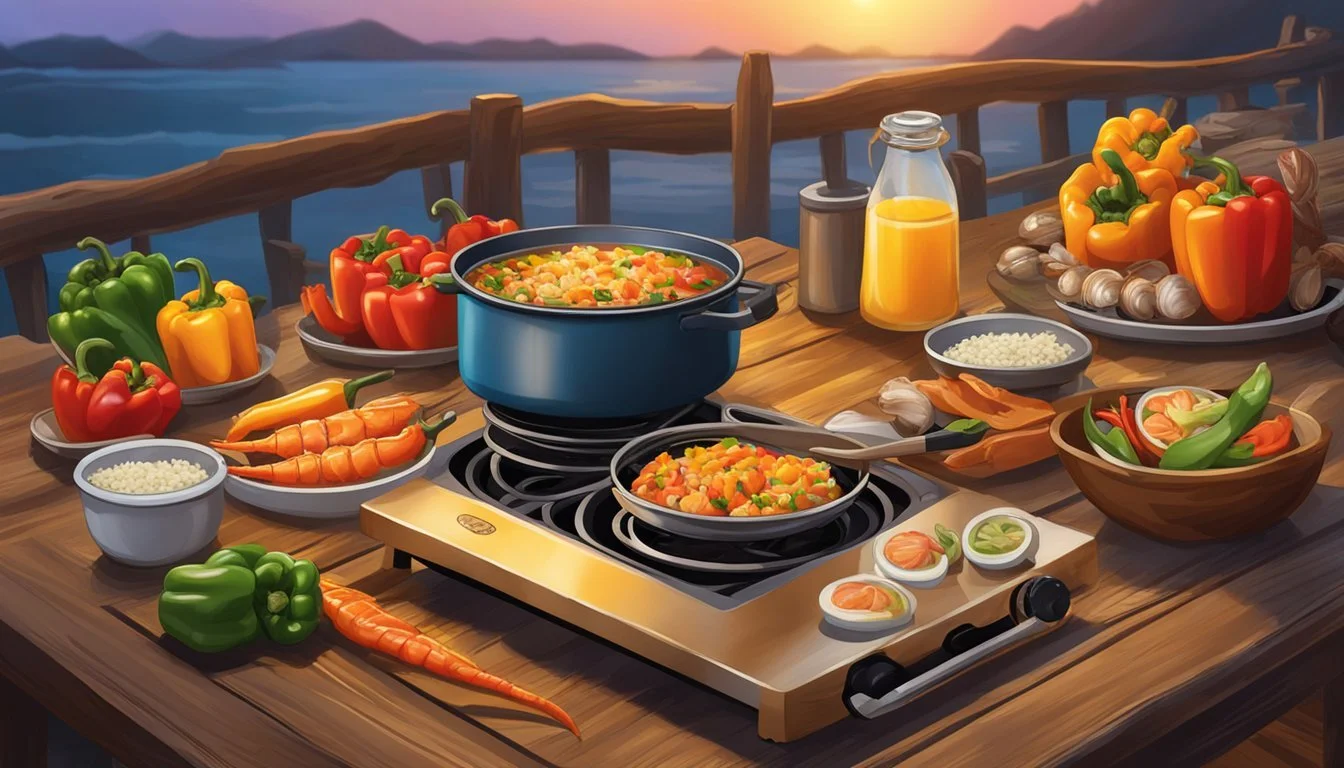
Crafting the perfect paella centers on the harmony of its ingredients, from the choice of rice to the blend of proteins and spices. Key components work in concert to create the iconic Spanish dish's distinct taste and texture.
Choosing the Right Rice
The foundation of any paella is the rice; it absorbs flavors and provides the essential texture. Bomba rice is the traditional choice due to its ability to swell without becoming mushy. Arborio rice can serve as a substitute, though it is less absorbent. The key is choosing a short-grain variety that maintains its integrity throughout the cooking process.
Top Picks for Rice:
Bomba rice (traditional)
Arborio rice (substitute)
Paella rice (general term for appropriate varieties)
Proteins: Seafood, Chicken, and Rabbit
Paella's versatility is evident in its proteins. Seafood paella typically features shrimp and mussels, (What wine goes well with mussels?) while meats like chicken and rabbit anchor more land-based versions. Mixing proteins is common, though tradition dictates that they should echo the regional flavors of Spain.
Common Protein Choices:
Seafood: Shrimp, Mussels
Meat: Chicken, Rabbit
Combinations often include chorizo for a smoky flavor.
Vegetables and Spices Essential for Flavor
Vegetables like green beans, peppers, and tomato form the aromatic base, while spices such as saffron and paprika offer the dish its signature color and warmth. Aromatics like garlic cloves and rosemary provide depth, often sautéed in extra virgin olive oil to release their full flavors.
Essentials for Vegetable and Spice Mix:
Spices: Saffron, Paprika, Salt
Vegetables: Green Beans, Cherry Tomatoes, Bell Peppers (What wine goes well with bell peppers?)
Aromatics: Garlic Cloves, Rosemary
Cooking Fat: Extra Virgin Olive Oil
Infusing the olive oil with these spices and vegetables at the start ensures a flavorful foundation for building the layers of the paella. A squeeze of lemon towards the end of cooking can add a bright, acidic counterpoint to the rich flavors, while a garnish of parsley provides a fresh, herbal note.
Equipment: Beyond the Traditional Pan
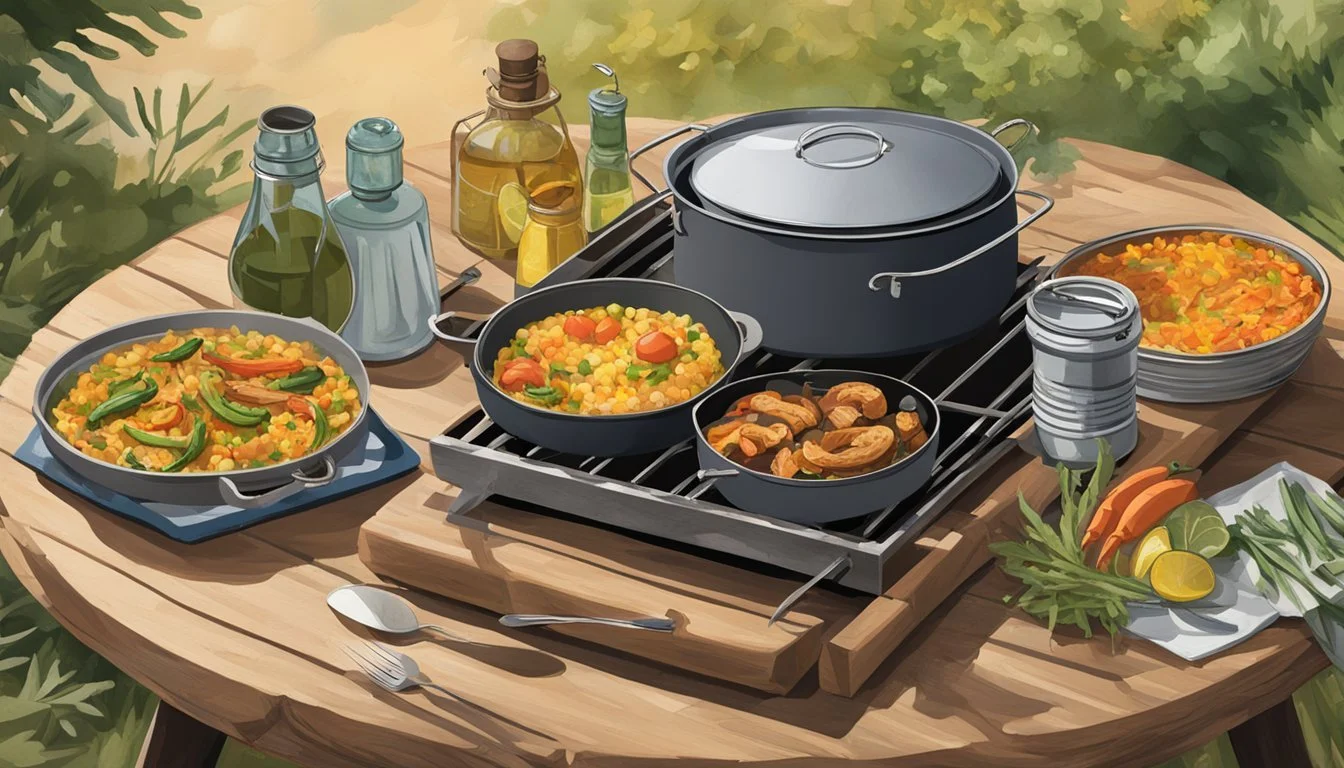
When cooking paella outdoors, the cookware one chooses can have a significant impact on the outcome. The following sections discuss the best types of skillets to use over a campfire and explore alternatives to the traditional paella pan.
Selecting the Best Skillet for Campfire
Choosing a skillet for campfire paella involves considering material durability and heat distribution. A cast iron skillet is a worthy substitute for a traditional paella pan due to its ability to withstand high temperatures and maintain even heat, crucial for achieving the coveted 'socarrat' at the bottom of the paella. It’s important to select a skillet that is at least 12 inches in size to provide enough surface area for the rice to cook evenly.
Alternatives to Paella Pans
Carbon steel pan: This is a versatile and durable option that can handle the intense heat of an open fire while also being useful for various other camping dishes.
Enameled steel skillet: For those who prefer a low maintenance option, enameled skillets resist rust and are easier to clean, although they may not distribute heat as evenly as carbon steel or cast iron.
An alternative to a dedicated paella pan must be chosen with camp cooking in mind; it should be ample in size, heat tolerant, and multi-functional to adapt to the varied conditions of outdoor cooking.
Culinary Techniques for Campfire Paella
Crafting paella in the great outdoors is a blend of technique and adaptation. The following section outlines key methods for successfully preparing campfire paella, focusing on mastering the fire, achieving the coveted socarrat, and managing cooking time and liquid for optimal results.
Mastering the Fire: Wood, Coal, and Heat
The foundation of any campfire paella is the heat source. One must decide between wood or coal; each offers a unique flavor and heat profile. Wood can impart a smoky essence to the paella that is highly prized, but it requires careful monitoring to maintain consistent heat. On the other hand, coal provides a steadier, more manageable heat. When using wood:
Hardwoods: Provide long-lasting heat and a robust flavor.
Softwoods: Burn quickly, suitable for initial heating.
For coal:
Briquettes: Offer uniform heat, ideal for even cooking.
Lump Charcoal: Burns hotter and faster, good for initial browning.
Achieving the Perfect Socarrat
Socarrat, the crispy crust that forms at the bottom of the paella, is the hallmark of a well-made dish. To achieve this:
Olive oil: Begin with a generous amount to coat the bottom of the pan.
Heat management: Adjust the fire to create a hot spot under the center of the pan, where the socarrat will develop.
The telltale sign is a toasty aroma without a hint of burning.
Managing Cooking Time and Liquid
Ensuring that the paella cooks evenly and to the correct doneness revolves around balancing the cooking time and the liquid. Too much liquid and the rice becomes soggy, too little and it burns. To maintain control:
Start with a specified amount of liquid, usually a ratio of 2:1 to the rice.
Do not stir after the initial mixing to avoid disrupting the socarrat.
Simmer gently, allowing the rice to absorb the liquid evenly.
One must adapt to the variables of campfire cooking, such as wind and ambient temperature, which can affect cooking times. A watchful eye and periodic checks can lead to a desirable texture and flavor in the paella.
Types of Paella
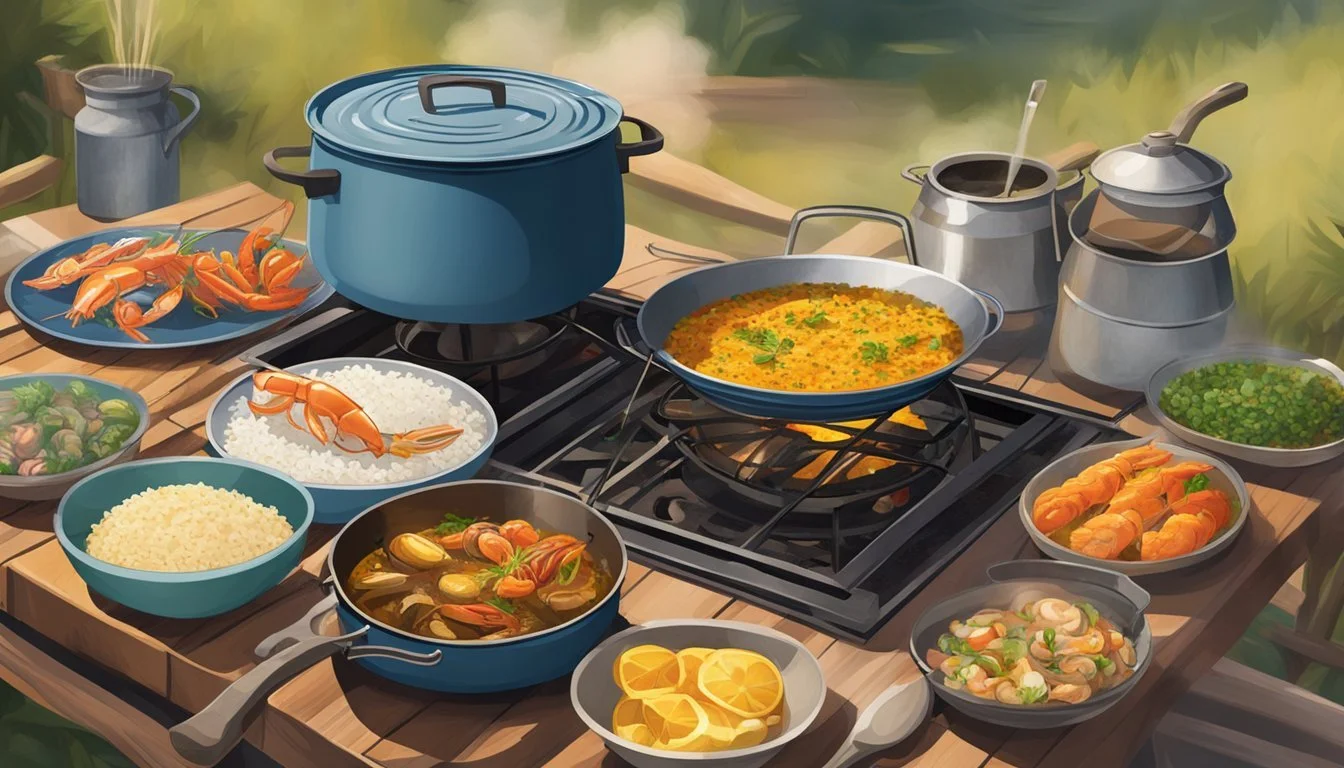
Paella, a classic Spanish dish, has numerous variations that cater to different tastes and preferences. Whether it's seafood, vegetables, or meat, paella can be customized while maintaining its traditional essence.
Authentic Seafood Paella
The Authentic Seafood Paella is a staple in Spanish cuisine, primarily featuring a combination of shellfish and fish. Traditionally, it includes shrimp, mussels, and sometimes calamari, immersed in a rich broth made from chicken stock and infused with saffron. The dish is cooked in a wide, shallow paella pan which allows the rice to absorb flavors evenly.
Vegetarian Paella Variations
Vegetarian Paella Variations offer a meat-free twist while still encapsulating the essence of the classic paella. Ingredients such as bell peppers, artichokes, (What wine goes well with artichokes?) and beans replace meats, providing a diverse texture and flavor profile. It adheres to the principles of Valencian paella but swaps proteins with hearty vegetables.
Meat Lovers' Paella
For those who prefer hearty meat in their meals, the Meat Lovers' Paella incorporates various meats like chicken, rabbit, or chorizo. This version takes inspiration from traditional paella, which often features a combination of land meats, and is cooked in a way that the meats contribute a savory depth to the overall dish.
Serving and Presentation
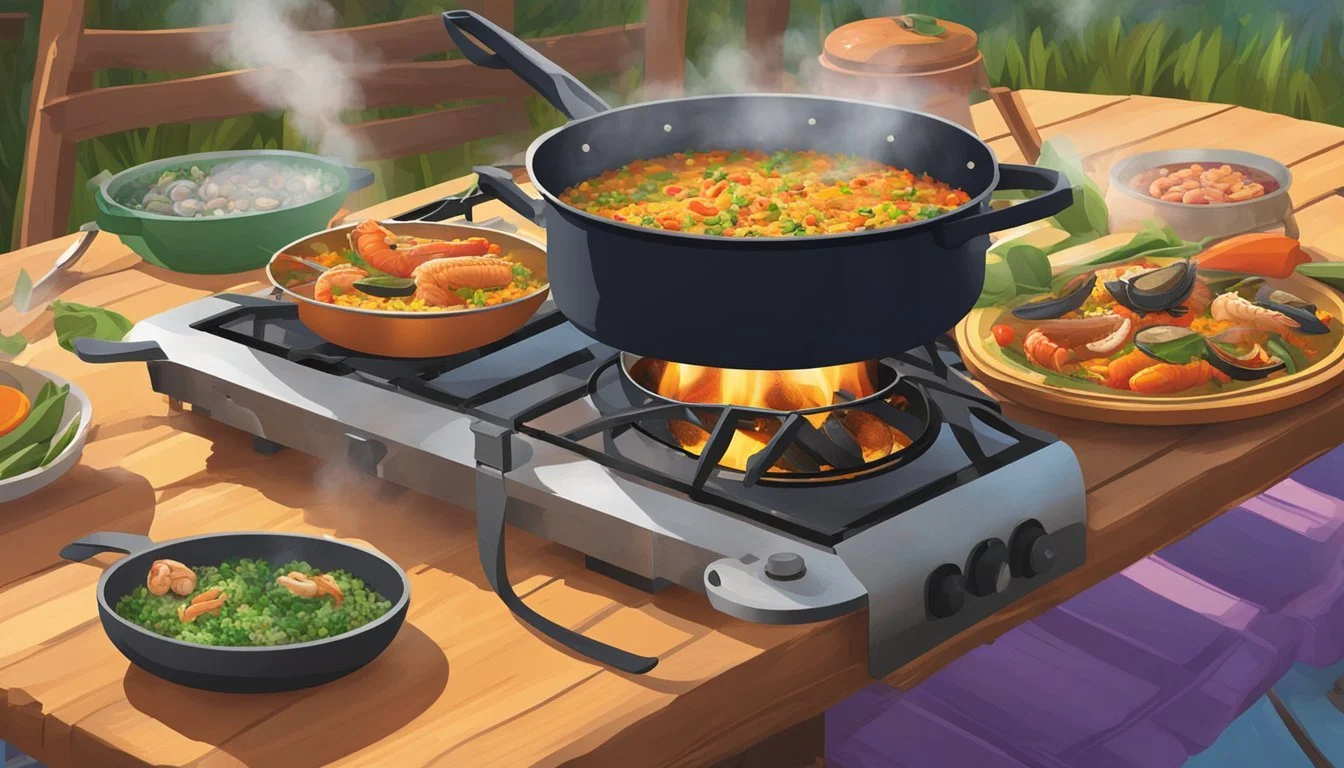
After crafting a camp stove paella, presentation enhances the rustic charm and flavor of the dish.
Adding Garnishes and Final Touches
A well-prepared paella brims with vibrant colors and enticing aromas. The moment before serving is crucial for adding aesthetic appeal and bursts of flavor. Lemon wedges artfully arranged around the edge of the pan introduce a fresh, citrus scent and provide guests with the option to heighten the zest as per their taste. A sprinkle of parsley offers a fresh, herbaceous note and a splash of green that contrasts with the golden rice and the reddish hue of meats and paprika.
Plating with Lemon Wedges and Fresh Herbs
When plating the paella, ensure each portion has a harmonious mix of rice, proteins, and vegetables, topped with a lemon wedge to be squeezed over just before eating. Fresh herbs, like parsley, can be lightly scattered for a refreshing touch. The optimal presentation on the plate not only guarantees a feast for the eyes but also evenly disperses the flavor. Images of such a dish are likely to garner appreciation on social platforms like Instagram and Twitter, where vibrant, well-plated dishes are a visual feast.
Paella Variations for Dietary Restrictions
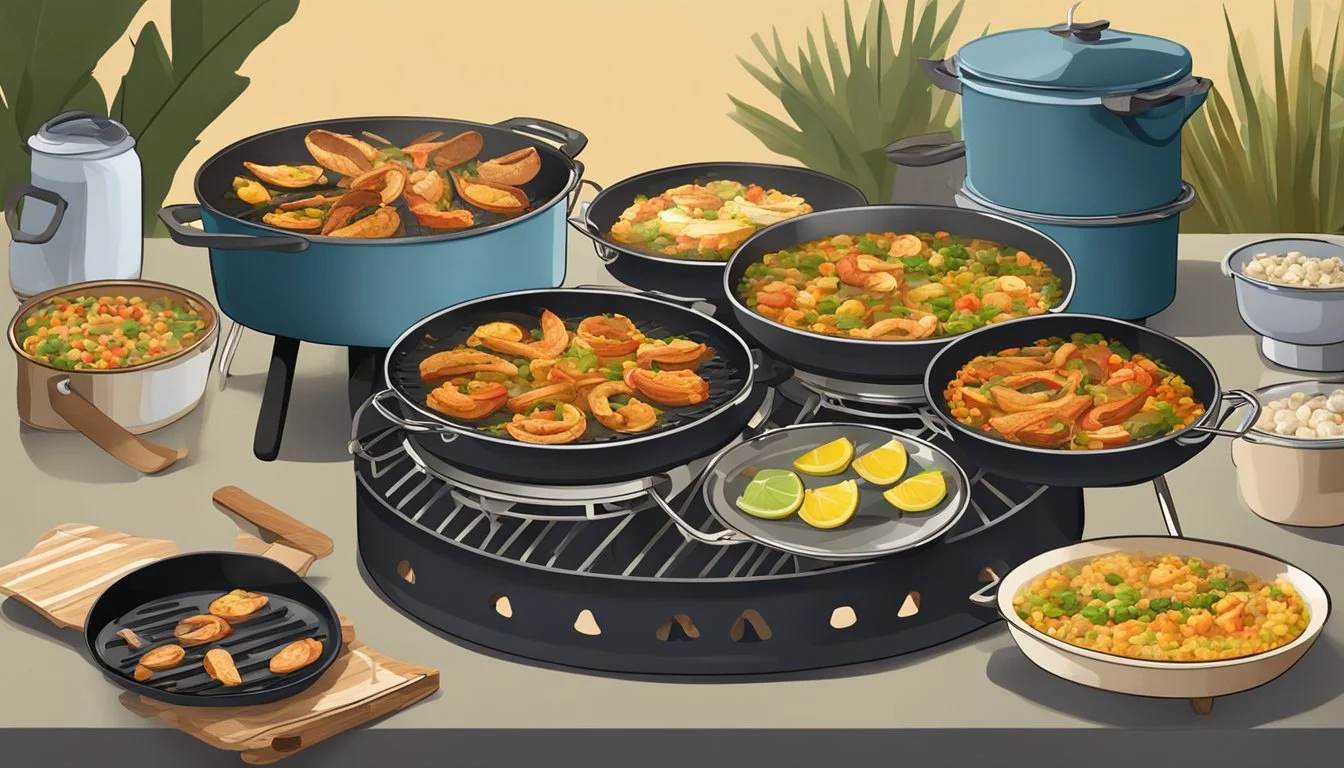
Paella's adaptability makes it ideal for campers with dietary restrictions. By substituting or omitting certain ingredients, one can create gluten-free and allergy-friendly dishes, as well as satisfying vegan versions that adhere to these dietary requirements.
Gluten-Free and Allergy-Friendly Options
For those avoiding gluten, paella is a rice dish that inherently serves as an excellent base. The key is to:
Use gluten-free stock or bouillon cubes.
Ensure any cured meats (What wine goes well with cured meats?), such as chorizo, are certified gluten-free.
Replace soy-based products with tamari or liquid aminos, which are typically gluten-free.
Allergy-friendly adjustments can include:
Omitting shellfish or nuts and replacing them with diced chicken or rabbit.
Using vegetable oil instead of olive oil for those with olive allergies.
Incorporating an abundance of vegetables, like bell peppers and artichokes, to maintain a hearty and nourishing profile.
Creating a Vegan Paella Experience
A vegan paella not only meets dietary restrictions but also aligns with sustainable food choices. It highlights:
Vegetable stock as the base flavor.
A variety of seasonal vegetables, such as artichokes, peppers, and tomatoes, to introduce texture and taste.
Legumes or tofu for protein, ensuring a fulfilling and balanced meal.
Optional protein additions could be:
Marinated tempeh or seitan (What wine goes well with seitan?) in place of traditional meats.
Chickpeas or beans to substitute for animal protein, adding richness and depth.
By carefully selecting ingredients, campers can easily tailor their paella to be inclusive of all dietary needs while maintaining the essence of this iconic dish.
Tips for Outdoor Paella Cooking
Embracing the robust flavors and communal spirit of paella doesn't require a traditional pan. A camp stove and some adjustments can still result in an outdoor feast to remember.
Packing and Preparation for Camping
Before setting out, planning is crucial for creating a memorable paella experience at the campsite. One's checklist should include:
A portable camp stove or grill.
A large, flat-bottomed skillet as a paella pan substitute.
Skewers for grilling ingredients if preferred.
Ingredients pre-measured and packed in reusable containers to minimize waste and protect nature.
For ingredients, they need to consider the perishability and carry options that are conducive to backpacking scenarios:
Rice: Arborio or a similar short-grain variety.
Proteins: Ideally pre-cooked chicken, sausages, and de-shelled seafood.
Vegetables: Bell peppers, onions, and peas, pre-chopped.
Stock: Cartons of chicken or vegetable stock, or cubes to save space.
Seasonings: Saffron, paprika, garlic cloves, and salt.
Cooking Safely and Responsibly in Nature
While enjoying the great outdoors, one must prioritize safety and sustainability:
Fire safety: Only use designated areas for setting up camp stoves or grills. Always have water or a fire extinguisher nearby.
Fuel: Prefer environmentally friendly fuel options, such as sustainable wood or eco-friendly briquettes, especially when using a campfire.
Cleanliness: Keep the area clean with biodegradable soap, and ensure all traces of food are removed to avoid attracting wildlife.
Waste management: Use containers for waste, and carry everything out of the campsite, leaving no trace.
Always respect nature and the other people who will be using the campsite by keeping it as pristine as when you arrived, ensuring a sustainable environment for all.
Pairing and Side Dishes
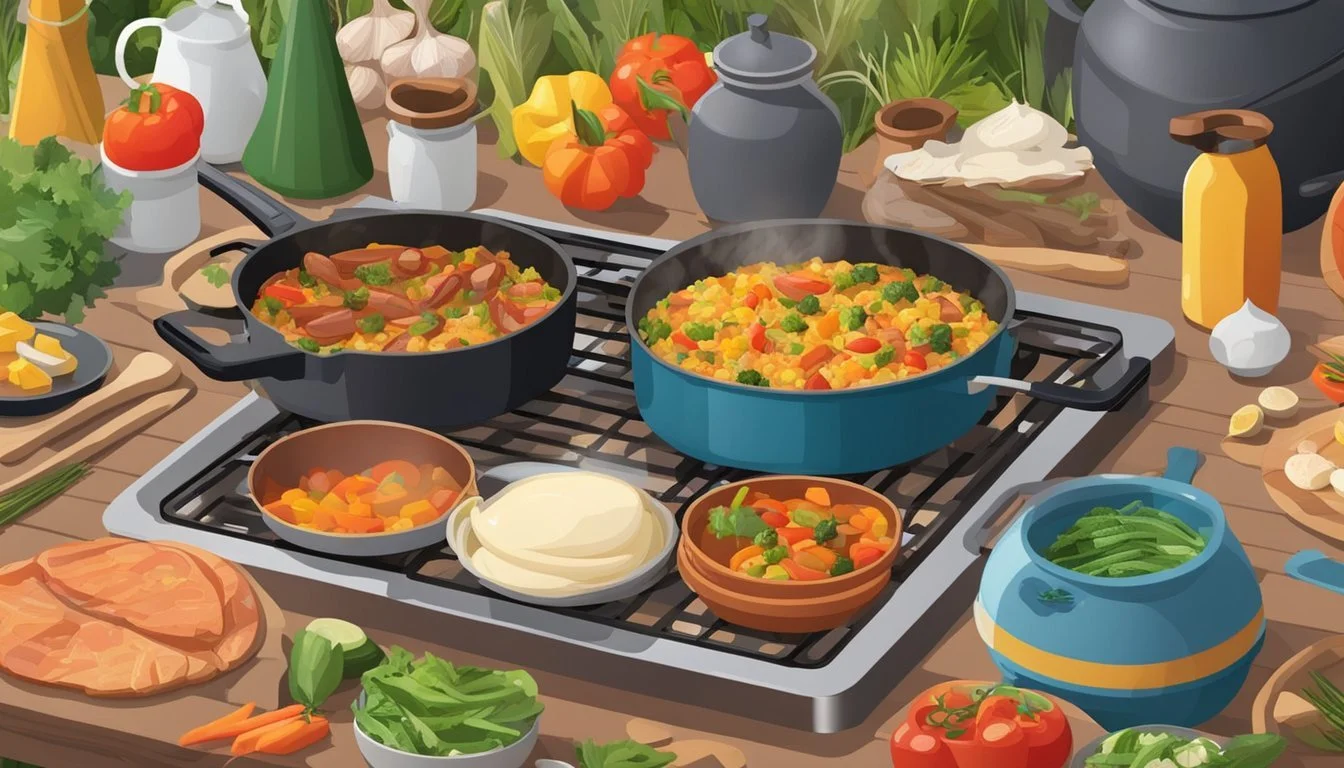
When crafting an outdoor feast featuring the camp stove paella, selecting the right pairings and side dishes is crucial. Thoughtful choices complement the rich flavors of the Spanish paella, turning a simple meal into a gourmet experience.
Complementing Paella with Spanish Wines
Spanish paella's myriad flavors pair excellently with a variety of wines, particularly those from the same region. For seafood paella iterations, a crisp white wine like Albariño or Verdejo offers acidity and freshness that cuts through the dish's richness. Its zesty notes can accentuate the succulent seafood and enhance the subtle sweetness of the peas.
Seafood Paella Pairing Wine Characteristics Albariño Crisp, acidic, notes of lemon, under-ripe stone fruit, and salinity Verdejo Floral, hints of green almond, citrusy brightness
For heartier versions featuring meats like rabbit or chicken, one could opt for a light to medium-bodied red, such as a Rioja. The gentle tannins and berry aromas support the savory components without overwhelming the palate.
Meat Paella Pairing Wine Characteristics Rioja Berry aromas, soft tannins, well-balanced acidity
Side Dishes to Enhance Paella
Paella's robust flavors can be accompanied by a variety of side dishes that respect the meal's essence yet provide a delightful contrast. Roasted red peppers, drizzled with a touch of olive oil, add a sweet and smoky layer that effortlessly harmonizes with the paella's saffron-infused rice. Meanwhile, a simple sauté of yellow onions and peas can offer a gentle sweetness and freshness, providing a subtle textural counterpoint.
Side Dish Preparation Suggested Pairing Roasted Red Peppers Oven-roasted, olive oil, sea salt Complements smoky paella flavors Sautéed Peas & Onions Lightly sautéed, seasoned with salt and pepper Balances paella with sweetness and freshness
These side dishes not only intensify the paella experience but also adhere to the traditional Spanish culinary spirit, making for an authentic and harmonious outdoor feast.