The Boxed Wine Sangria Secret
Mastering Fruit Infusion Sans Pitcher
Boxed wine sangria is an inventive twist on the traditional Spanish beverage, characterized by its rich flavors and ease of preparation. While sangria traditionally relies on a bevy of fresh fruits steeped with wine in a pitcher, this modern rendition simplifies the process without compromising on taste. By embracing the convenience and consistent quality of boxed wine, enthusiasts can enjoy a sangria that is both easy to make and delightful to sip. Infusing fruits directly into the wine glass liberates the drinker from the need for large containers, making it an ideal choice for smaller gatherings or individual indulgence.
The process of infusing fruits without a pitcher allows for a customizable approach to this classic drink. Instead of the common scenario where fruits are haphazardly fished from a communal vessel, potentially leaving drinkers with sticky fingers or awkward rinds, incorporating fruit into each glass ensures a cleaner and more elegant experience. The method allows each glass to develop a nuanced flavor profile that reflects the individual's preferences, whether that includes a bold citrus burst or the subtle sweetness of stone fruits.
Embracing boxed wine as the foundation for sangria speaks to the confident and knowledgeable drinker who is unafraid to step outside tradition. They recognize the practical benefits without succumbing to the misconception that quality is compromised. Boxed wine's shelf stability and reduced oxidation process make it a suitable base for sangria, ensuring that every glass poured is fresh and vibrant. This clear and neutral perspective opens the door to a world where convenience and quality coexist harmoniously in the realm of casual yet sophisticated at-home beverages.
Understanding Boxed Wine
When it comes to creating a delightful Sangria, the type of wine used is paramount. Boxed wine offers a practical solution, providing both quality and convenience for any Sangria concoction.
Benefits of Using Boxed Wine
Boxed wine proves to be an eco-friendly choice, often boasting a smaller carbon footprint compared to traditional glass bottles. The key to its environmental edge lies in the innovative packaging called Bag-in-Box (BIB), which is more compact and lighter to transport. This factor alone makes boxed wine a smart option for those conscious about their environmental impact, particularly for summer parties or large gatherings where the volume of wine needed is higher.
Furthermore, the BIB design of boxed wine allows it to stay fresh longer after opening due to the reduced exposure to air. This can be instrumental when making Sangria in advance, as it preserves the wine's quality over the duration of an event.
Selecting the Best Boxed Wine for Sangria
When picking out boxed wine for Sangria, a few key considerations should guide the selection:
Flavor Profile: Choose a wine that is fruit-forward and medium-bodied to complement the addition of fresh fruits and spirits.
Sweetness: Typically, a drier red wine is preferable as Sangria involves the addition of other sweet components.
Price Point: Boxed wines offer an excellent balance between quality and cost, making it possible to buy in larger quantities without compromising too much on taste, which is ideal for parties.
Brand Reputation: Look for brands that are known for their consistency and flavor to ensure your Sangria is delicious every time.
By opting for boxed wine in the Sangria-making process, consumers not only enjoy the benefits of convenience and eco-friendliness but also tap into a resource that is ideal for entertaining during the summer and beyond.
The Basics of Sangria
Sangria, traditionally a fruity wine-based cocktail, is a beloved refreshment that often symbolizes conviviality and relaxation. Its versatility and refreshing qualities have made it a staple at social gatherings, particularly during the warmer months.
History and Origin
Sangria's roots trace back to Spain and Portugal, emerging as a popular drink centuries ago. The name "sangria" stems from the Spanish word "sangre," meaning blood, which references its typical deep red color. This beverage was historically consumed by the lower classes but has since risen in popularity across all societal levels and has spread internationally.
Essential Components of Sangria
The foundation of any sangria is wine—traditionally red, though white (blanco sangria) and rosé variations exist. A true sangria blends the following components:
Wine: Red is classic, but white and rosé provide a lighter base.
Fruit: A variety of fruit flavors complements the wine, often citrus and berries.
Sweetener: Often sugar, honey, or syrup to balance the fruits' tartness.
Liquor: Commonly brandy, adding depth and strength to the drink.
Carbonation (optional): Sparkling water or soda can add a refreshing effervescence.
A typical Sangria recipe includes chopping fruit, adding it to wine, mixing in liquor and sweetener, and allowing the flavors to infuse, resulting in a harmonious and refreshing beverage.
Popular Sangria Varieties
While red sangria is the most familiar, wine enthusiasts and mixologists explore beyond tradition with various types:
Red Sangria: Full-bodied, with red wine and robust fruits like oranges and apples.
White Sangria: Lighter and more citrus-forward, utilizing white wine.
Rosé Sangria: A happy medium between red and white, offering a delicate flavor.
Each variant can be customized for any season, with summer sangrias often featuring lighter wines and an array of seasonal fruits.
Fruit Infusion Techniques
In crafting Boxed Wine Sangria, the essence of flavor comes from how the fruits are infused, ensuring a balanced and robust sangria even without the traditional pitcher.
Optimizing Fruit Flavors
Selecting the correct fresh fruit is crucial for an optimal sangria. Citrus fruits like oranges, lemons, and limes release essential oils and a refreshing zestiness, enhancing the sangria’s aroma and profile. For a balanced taste, apples and pears offer a sweet contrast and absorb the wine effectively. To optimize flavors:
Prep Time: Reduce infusion prep by cutting fruits into smaller pieces to expedite the infusion process.
Use a combination of fresh fruits for complexity:
Citrus: Thinly slice to release essential oils.
Apples/Pears: Chop into chunks to absorb wine.
Strawberries: Cut into halves or slices to infuse sweetness.
Advanced Infusion Methods
For a more profound fruit essence, one can employ advanced techniques that go beyond simple slicing and dicing:
Maceration: Before adding them to the wine, macerate citrus fruits with a bit of sugar to break down the fruits and release their juices.
Alternate Liquid Use: Briefly soak fruits in orange juice or a mix with other spirits to pre-infuse flavors before adding to the sangria.
Infusing fruits in boxed wine for sangria without a pitcher demands careful consideration of fruit types, sizes, and infusion techniques. The key lies in the prep and method to extract the desired flavors, making the sangria vibrant and fruit-forward.
Recipe and Preparation
Creating a delicious Boxed Wine Sangria centers around a combination of robust red wine and an assortment of fresh fruit flavors, chilled to perfection. Mastery of this recipe's preparation ensures a refreshing beverage ideal for any gathering.
Classic Boxed Wine Sangria Recipe
Ingredients:
Boxed red wine: 1 (3-liter box)
Orange juice: 2 cups (pulp-free)
Brandy: 1 cup
Triple sec: 1/2 cup
Simple syrup: 1/2 cup (adjust according to taste)
Fresh fruit (oranges, lemons, and apples): 3 cups, chopped
Ice cubes: as needed for serving
Preparation Steps and Timing
Prep Time: 15 minutes
Chill Time: 2 hours to overnight (overnight recommended for best flavor infusion)
Fruit Prep: Begin by chopping the fresh fruit into bite-sized pieces.
Mix: In a large container that fits in your refrigerator, combine the boxed red wine, orange juice, brandy, triple sec, and simple syrup. Stir the mixture thoroughly until the simple syrup is fully dissolved.
Infuse: Add the chopped fruit to the sangria mixture, ensuring it's fully submerged to absorb the flavors.
Chill: Cover the container and place it in the refrigerator. Allow the sangria to chill and the flavors to infuse, ideally overnight.
Serve: When ready to serve, fill glasses with ice cubes and pour the chilled sangria over them.
Reminder: Always store the sangria in the refrigerator if not serving immediately to maintain its freshness and prevent spoilage.
Wine Selection for Sangria

Selecting the appropriate wine is essential for crafting a delightful sangria. One should aim for a harmonious blend where the wine's characteristics enhance the fruits' flavors without overpowering them.
Pairing Wine with Fruits
In creating sangria, the wine chosen should complement the fruit components. For red wine sangria, fruits like oranges, lemons, and apples enrich the wine's inherent flavors. Tempranillo and Garnacha are excellent options for their fruity notes, while Cabernet Sauvignon offers a more robust structure. For a summer peach sangria, white wine like Pinot Grigio is ideal, with its light and crisp profile providing a refreshing backdrop for the sweet peaches.
Best Red Wine Varietals for Sangria
The best red wines for sangria typically feature bright fruit flavors and moderate acidity. Selecting a wine with lower tannins can prevent the sangria from becoming too astringent. Here are some recommended varietals:
Tempranillo: Brings a balance of fruit and acidity, adding traditional Spanish character.
Grenache: Offers berry flavors and spice, complementing many fruit combinations.
Merlot: With its smooth finish, it can create a rich and rounded sangria.
Ideal White and Rosé Options
White and rosé wines present a lighter alternative for sangria, especially enticing for those who prefer a more refreshing drink. Key choices include:
White wine:
Pinot Grigio: Known for its zesty acidity and citrus notes.
Sauvignon Blanc: Provides herbal undertones that pair well with fruits.
Rosé wine: It bridges the gap, offering the fruit-forward qualities of reds with the crispness of whites—an excellent choice for diverse fruit pairings.
Customizing Your Sangria
Sangria is a versatile cocktail that one can personalize with a variety of spirits, liqueurs, and non-alcoholic alternatives to create a unique flavor profile that caters to different palates and occasions.
Adding Spirits and Liqueurs
To enrich the character of Sangria, the addition of spirits and liqueurs can provide depth and complexity. Brandy is a traditional choice that adds warmth and richness. For a touch of elegance and a slightly sweet, orange bouquet, one could incorporate Grand Marnier or Cointreau, both of which are orange-flavored liqueurs.
Recommended Spirits and Liqueurs:
Brandy: Adds a classic warmth
Grand Marnier: Provides a refined, sweet orange flavor
Cointreau: Offers a crisp, clear citrus note
Vodka: Introduces a neutral alcoholic kick
Alternately, for a unique twist, swapping in other liqueurs can impart different undertones, such as herbal, floral, or even spicy notes.
Non-Alcoholic Substitutions
For those preferring a non-alcoholic version or aiming to reduce the potency of their Sangria, a variety of substitutions can effectively mimic the complexity and effervescence of traditional recipes. Replacing spirits with soda or sparkling water can add the desired fizziness without the alcohol content.
Soda: Adds sweetness and carbonation
Sparkling Water: Provides fizz without affecting the flavor profile
Juice: Fruit juices, like orange or cranberry, add natural sweetness
Maple Syrup: A dash can sweeten and add a rich, autumnal note
These substitutes not only mimic the effervescence but also contribute to the fruit-forward profile typical of a Sangria. Each ingredient should be added to taste, keeping in mind the desired sweetness and flavor balance of the final beverage.
Serving and Presentation
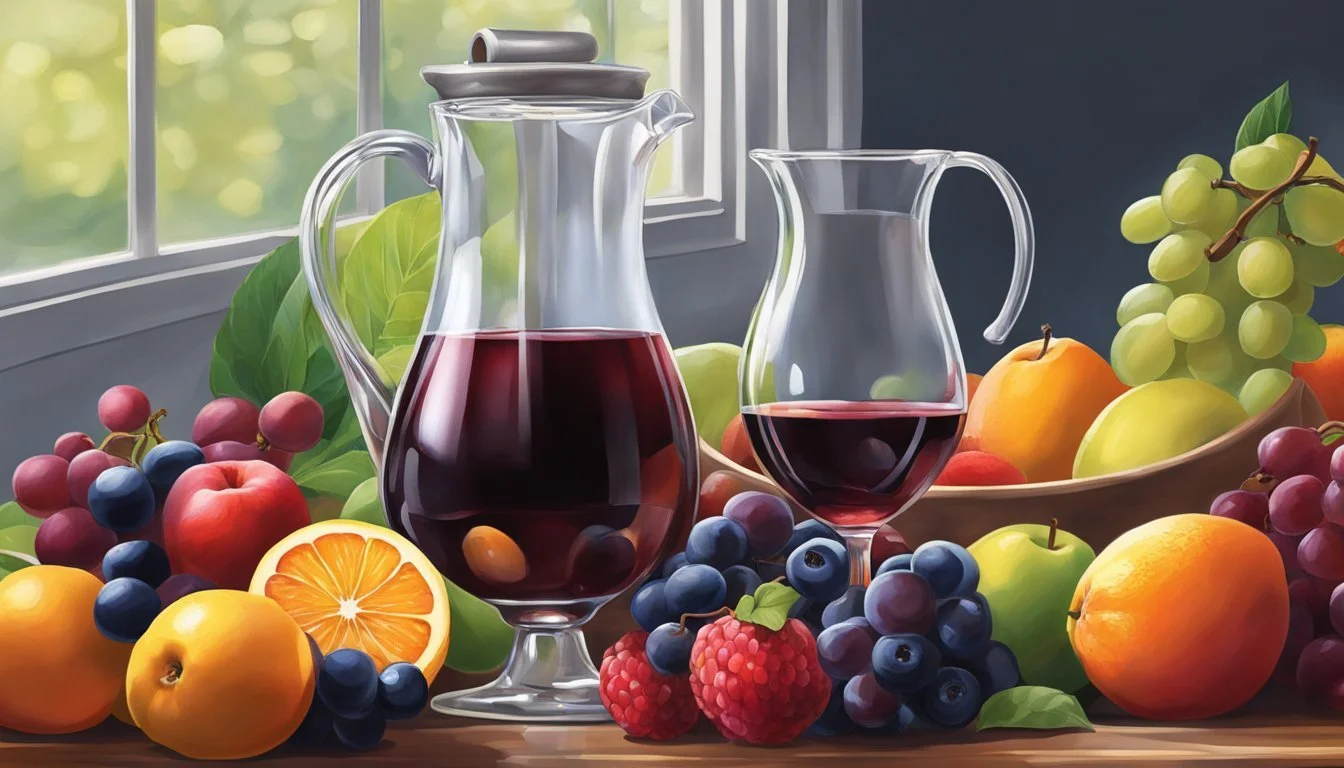
When serving Boxed Wine Sangria, the attention to glassware and garnishes not only complements the beverage but also enhances the overall drinking experience. Specific techniques can elevate the sangria from a simple drink to an elegant and refreshing cocktail.
Proper Glassware and Serving Tips
For the best serving experience, stemmed wine glasses offer both elegance and functional benefits, keeping the sangria at a consistent temperature as it is enjoyed. The sangria should be served chilled to maintain its refreshing quality. When serving, fill the glasses to the three-quarter mark to allow room for fruit and ice, which will keep the drink cool without diluting the balanced blend of wine and citrus.
Serving Temperature: Chilled
Glassware: Stemmed Wine Glasses
Pour: To the three-quarter mark
Care should be taken to evenly distribute the fruit in each glass, as it contributes to the full-bodied fruity flavor that is a signature of the beverage. Despite its casual origins, Boxed Wine Sangria can be served with a sense of occasion.
Garnishing for Impact
Garnishes serve a dual purpose—they add a punch of flavor and provide a visually appealing element to the drink. A thinly sliced lemon offers a visual contrast and a hint of tartness that complements the sweetness of the sangria, while a sprig of mint lends a refreshing aroma.
Caloric consideration: Add garnishes like fresh berries or citrus slices without significantly increasing the caloric content, striking a balance between indulgent and health-conscious.
Flavorful Garnishes:
Lemon slices
Mint sprigs
Visual Appeal:
Colorful berries
Citrus segments
The garnish should not overwhelm the drink but should be used to enhance the naturally fruity and balanced flavors of the sangria. With their vibrant colors and enticing flavors, garnishes are the final touch that turns the serving of this beverage into a small celebration of taste and visual pleasure.
Scaling for Gatherings

When preparing boxed wine sangria for gatherings, one must consider the number of guests and the mode of serving that maintains both convenience and an eco-friendly approach.
Adjusting Quantity for Parties
For small gatherings of up to 10 guests, a single box of red wine should suffice, as most boxed wines contain the equivalent of approximately 4 bottles. Create a guideline of 1/2 cup to 1 cup of sangria per serving to calculate your needs.
10-20 Guests: 2 boxes
20-40 Guests: 4 boxes
40-60 Guests: 6 boxes
To enhance the sangria, add 1 cup of brandy and 1 cup of orange liqueur for every box of wine used. Proportionally increase the amount of sliced oranges, apples, or other fruits, planning for 1 orange and 1 apple per box. This ensures a fruit-infused flavor in every serving.
Storage and Portability
For an eco-friendly approach, consider using reusable containers made of glass or BPA-free plastic to store and transport the sangria. These containers should be sealable to prevent spills and maintain freshness.
An effective storage strategy involves:
Pre-Slicing Fruits: Store in a separate container to be added just before serving.
Mixing Liquid Ingredients: Combine in a large container and refrigerate.
Transport: Use coolers if the venue is outdoors or lacks refrigeration facilities.
The key to successful storage and portability lies in the ability to keep the sangria well-chilled and to mix it evenly once at the event, just before serving to ensure a robust and flavorful beverage experience.
Exploring Seasonal Sangrias
Seasonal sangrias offer a palette of flavors that highlight the fruits and moods of each season, turning the simple act of enjoying a sangria into a year-round tasting journey.
Summer Refreshers
During summer, sangrias should embody the essence of refreshment. Ingredients that are abundant in this season can infuse sangrias with light and energizing flavors. A Summer Sangria typically features:
Oranges: Sliced thinly to release their sweet, citrusy juices.
Lemons: They add a zesty tang, balancing the sweetness.
Seasonal Fruit: Including peaches and strawberries, providing a fresh, vibrant taste.
For an added twist, using a Garnacha wine can impart a fruit-forward base that complements the medley of summer fruits.
Cozy Fall Variations
When autumn arrives, sangrias transform to include richer, warmer notes. Fall Sangrias become more robust with:
Apples: Chopped or sliced, these are a staple for adding a crisp sweetness.
Cranberries: The tartness of cranberries enhances the complexity of fall sangrias.
Incorporating apple cider as a base instead of the traditional brandy or orange juice can create a more seasonally appropriate drink. Cinnamon sticks may also be added for a spiced, aromatic quality. This captures the cozy essence of fall in a glass.
Enhancements and Variations
Crafting Boxed Wine Sangria allows for a creative journey through flavors and aromas. This section explores how the inclusion of exotic fruits and select herbs and spices can elevate the sangria experience beyond traditional recipes.
Exotic Fruit Combinations
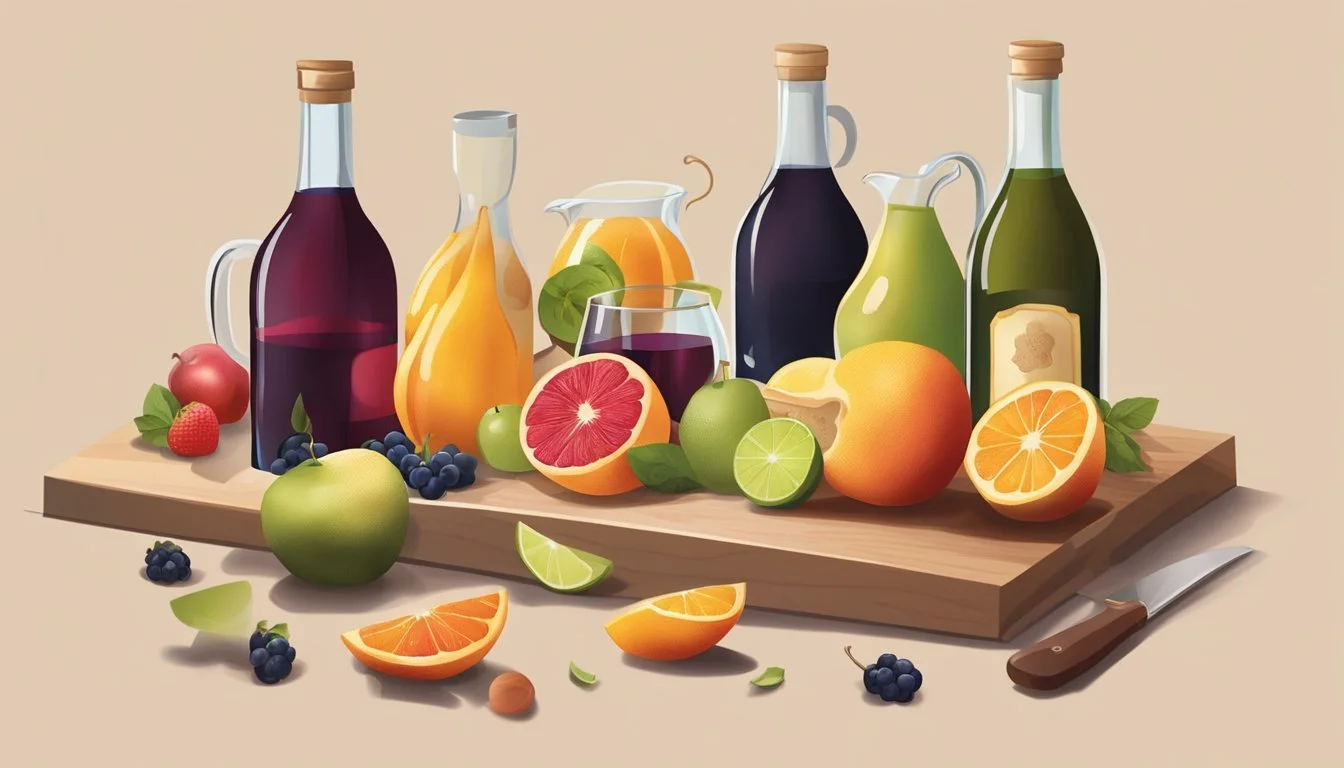
When selecting fruits for sangria, one can experiment with combinations that break away from the classic citrus medley. Using fruits like pear and raspberries adds a delicate sweetness and vibrant color to the mixture. Granny Smith apples provide a tart contrast that can enhance the sangria's depth. Additionally, incorporating blueberries can introduce subtle complexities and antioxidant-rich hues. Here are some combinations to consider:
Pear & Blueberry: A balance of sweet and earthy flavors.
Raspberry & Granny Smith Apple: A mix that offers a tart and tangy profile.
Herbs and Spices for Depth
Beyond fruit, herbs and spices are pivotal in layering additional flavor dimensions. A cinnamon stick can infuse a warming spice note, ideal for cooler months, while a hint of ginger might offer a spicy kick. Here's a concise take on using these flavor enhancers:
Cinnamon Stick: Adds warmth and is perfect for a fall variation.
Ginger: Brings a zesty punch that can invigorate the senses.
Integrating herbs such as mint or rosemary can provide a fresh aromatic quality that beautifully complements the sweet fruitiness of the sangria. Their use should be considered and balanced to prevent overshadowing the drink's core flavors.
Health and Nutrition
Boxed wine sangria offers a refreshing option for those looking to enjoy a fruity beverage, yet it is essential to be aware of its nutritional aspects, particularly the caloric content and sugar levels. Understanding this can help individuals make informed choices about their consumption.
Caloric Content and Considerations
Boxed wine sangria typically contains a mixture of wine, fruit juices, and sometimes added sugars or sweeteners. The caloric contribution from each element is as follows:
Wine: One glass of red wine generally has about 125 calories.
Fruit juice: Depending on the type, it can add 15-30 calories per ounce.
Added sugars/sweeteners: These can significantly increase the calorie count, sometimes adding up to 50-100 calories per serving.
The specific calorie count can vary based on the type and amount of fruit and sweeteners used in the sangria. Here is a simple comparative table illustrating potential caloric content:
Ingredient Approximate Calories (per serving) Boxed red wine 125 Fruit juice (4 oz) 60-120 Sweeteners (1 tbsp) 50-100
Choices of fruit used in sangria can alter the nutrition profile. Fresh fruit adds fiber and vitamins with fewer calories than fruit juice or sugary additions.
Benefits of Moderate Consumption
Moderate consumption of red wine sangria can deliver certain health benefits, primarily attributed to the antioxidants present in red wine and the vitamins from fresh fruit. Red wine contains resveratrol, which has been associated with heart health, although no health claim related to sangria can be broadly applied.
It's crucial to balance the refreshment of sangria with the health considerations of its sugar and calorie content. A mindful approach to portions and an emphasis on more fruit than added sweeteners can skew sangria towards a healthier option on the beverage spectrum.
Tips for First-Time Makers
When crafting your first batch of Boxed Wine Sangria, the creative process should be as enjoyable as the drinking experience. Ease and balance are the cornerstones of a successful sangria. The following tips offer guidance to first-time makers seeking to merge simplicity with taste.
Troubleshooting Common Issues
For those encountering challenges, here are straightforward solutions:
Fruit not infusing well: Ensure the fruits are cut into small, manageable pieces to maximize surface area for better infusion.
Sangria too sweet: Balance the sweetness by cautiously adding a touch of acid, like lemon juice, or diluting with soda water.
Sangria too weak: Boost the flavor by incorporating a splash of brandy or opting for a fruitier wine variety.
Ensuring Balance and Flavor
Wine Selection: Choose a base wine that is light and not overly sweet. Bold choices for red wine sangria can include a dry Tempranillo or a versatile Rioja.
Fruit Choices: Aim for a mix of citrus and berries for a well-rounded profile. Oranges and limes offer zestiness, while apples and pears provide a crisp sweetness.
Sweetness Level: If additional sweetness is desired, a controlled amount of sugar or a sweetener can be introduced. Start with a small amount and taste as you go, remembering that fruit also adds natural sugars.
Additional Spirits: A modest measure of brandy or Cointreau can enhance depth.
Serving: Always taste before serving to ensure the flavor is balanced, and make adjustments as necessary. Serve chilled for the best experience.
Remember, the secret to an impressive Boxed Wine Sangria lies in the harmony of ingredients and one's personal taste preference.