
How to Substitute to Avoid Blood Sugar Spikes
Smart Swaps for Better Glucose Control
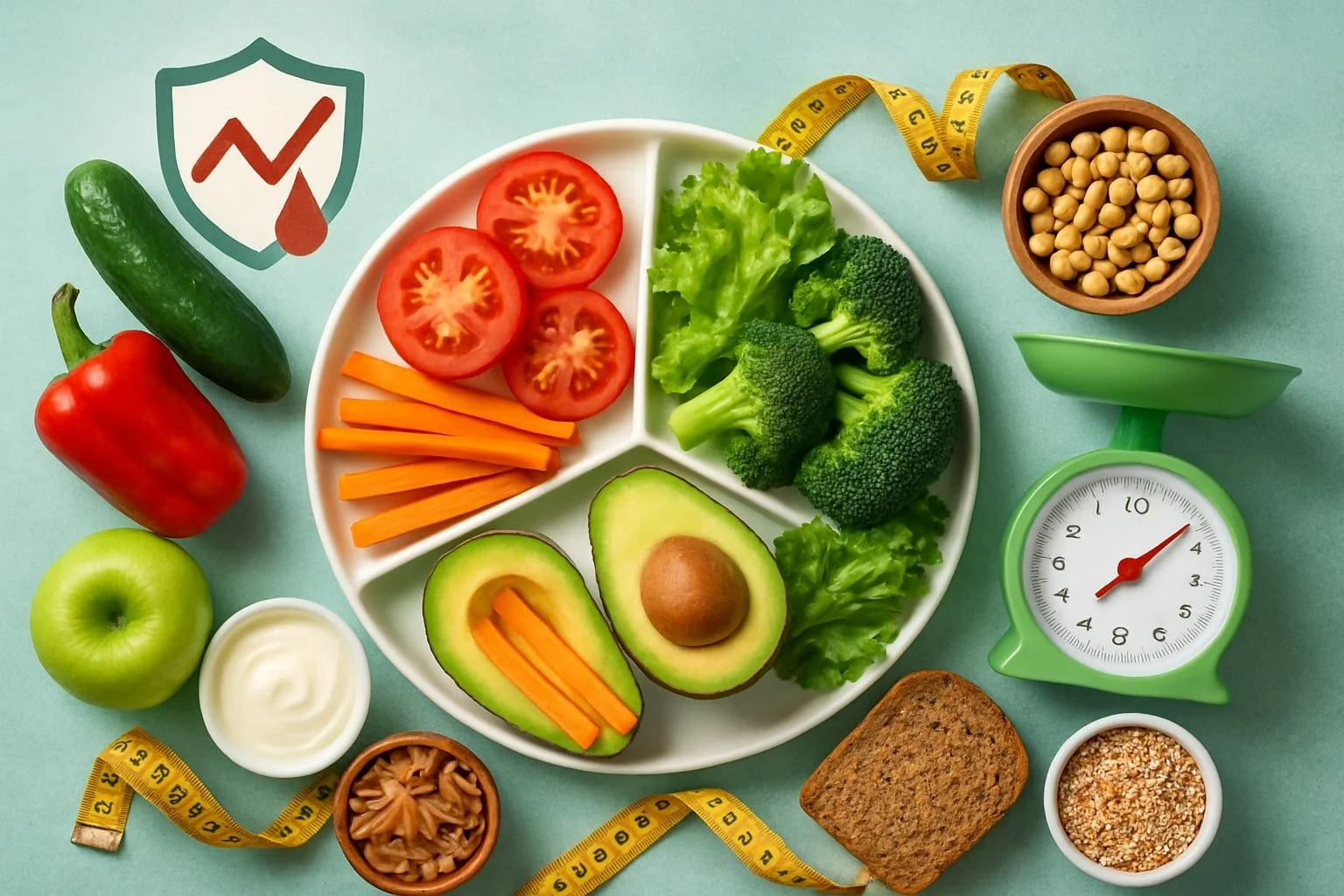
Choosing the right substitutes for common ingredients is one of the most effective ways to help keep blood sugar levels steady and prevent spikes after meals. Many popular foods contain simple carbohydrates and sugars that can cause rapid increases in blood glucose, which over time may lead to health issues such as heart or kidney disease and nerve damage. Swapping out these items for healthier alternatives can make a noticeable difference in your daily energy and overall well-being.
Learning how to make smart substitutions doesn’t mean giving up flavor or satisfaction. By understanding which ingredients to replace and what to use instead, anyone can enjoy their favorite dishes while managing their blood sugar more effectively. This approach is useful for people with diabetes, prediabetes, or anyone interested in supporting long-term health through diet.
Understanding Blood Sugar Spikes
Blood sugar spikes occur when glucose levels in the bloodstream rise rapidly after eating, especially after consuming certain foods or drinks. These fluctuations are particularly significant for people managing diabetes or those wanting to maintain stable energy and long-term health.
What Causes Blood Sugar Spikes
Blood sugar spikes are mainly triggered by the quick absorption of carbohydrates, particularly refined sugars and starches. Foods like white bread, sugary cereals, pastries, soda, and candy are common culprits because they break down quickly, entering the bloodstream almost immediately.
Limited insulin—or insulin resistance, as seen in type 2 diabetes—prevents efficient uptake of glucose from the blood. Certain factors can make spikes more likely, such as eating large portions, skipping meals and then overeating, or engaging in limited physical activity.
Stress and illness can also raise blood sugar, as stress hormones interfere with insulin function. Some medications, like steroids, may cause temporary increases in blood sugar, while dehydration can concentrate glucose in the blood.
Short- and Long-Term Impacts
After a spike, symptoms might include increased thirst, fatigue, and frequent urination. For some, high blood sugar can cause headaches and blurred vision. If left unchecked, repeated spikes—also called hyperglycemia—lead to excess stress on the body.
Long-term, chronic high blood sugar increases the risk of complications such as cardiovascular disease, nerve damage, kidney impairment, and eye problems. For those with type 2 diabetes, poorly managed blood sugar can worsen insulin resistance and make glucose control even harder.
Even in people without diabetes, regular spikes can impact energy stability, mood, and overall metabolic health. Preventing these spikes is essential for reducing the risk of long-term complications and preserving health.
The Role of Diet in Blood Sugar Regulation
Diet directly influences blood glucose levels through the kinds of carbohydrates consumed, the presence of added sugars, and how quickly foods are digested and absorbed. Choosing foods that release glucose slowly and limiting sources of rapid blood sugar spikes are key to managing insulin response.
Glycemic Index and Glycemic Load
The glycemic index (GI) measures how quickly a carbohydrate-containing food raises blood glucose after it is eaten. Foods with a low GI, such as oats, whole grain bread, and most non-starchy vegetables, break down more slowly and cause a gradual increase in blood sugar. High GI foods like white bread and sugary cereals are digested rapidly, leading to sharp spikes.
Glycemic load (GL) considers both the GI of the food and the amount of carbohydrate in a serving. This provides a more accurate reflection of a food’s impact on blood glucose levels. For example, watermelon has a high GI but a low GL due to its low carbohydrate content per serving.
Consuming primarily low GI and low GL foods can help stabilize blood glucose and reduce the risk of insulin resistance. The use of tables or apps to check the GI and GL of foods can be valuable tools for daily meal planning.
Foods That Spike Blood Sugar
Certain foods are much more likely to cause spikes in blood sugar due to their high content of rapidly absorbed carbohydrates or sugar. Examples include:
White bread
White rice
Sugary cereals
Pastries
Candy and sweetened beverages
These foods are often highly processed and low in fiber, which further accelerates digestion and absorption. The absence of fiber means glucose enters the bloodstream quickly, increasing demands on insulin production.
Choosing whole grains, legumes, and non-starchy vegetables can slow down absorption and help keep blood glucose within a healthier range. Simple swaps like replacing white rice with brown rice or sweetened drinks with water can make a notable difference.
Influence of Added Sugar
Added sugars refer to sugars or syrups added during food processing or preparation. Common sources include soft drinks, fruit juices, flavored yogurts, cookies, cakes, and many processed snacks. Unlike naturally occurring sugars found in fruits and milk, added sugars provide calories with little nutritional benefit and contribute to rapid rises in blood glucose.
High intake of added sugar can increase the risk of insulin resistance and make blood sugar control more difficult. The American Heart Association recommends keeping added sugar intake low—ideally under 25 grams per day for women and 36 grams for men.
To reduce added sugar, read nutrition labels, choose unsweetened or low-sugar options, and substitute desserts with fresh fruit. Reducing added sugar is an important step in maintaining stable blood glucose levels and supporting long-term metabolic health.
Healthy Food Substitutions to Avoid Spikes
Making targeted food substitutions can help maintain steadier blood sugar levels and reduce the risk of high glycemic responses. Paying close attention to the type of grains, fruits, and beverages consumed is especially important for individuals concerned about type 2 diabetes or managing existing blood sugar issues.
Whole Grains Versus Refined Carbohydrates
Switching from refined grains to whole grains is a key strategy for lowering the glycemic index of meals. Whole grains like oatmeal, quinoa, brown rice, and whole wheat bread digest more slowly compared to white rice, white bread, and regular pasta. This slower digestion helps prevent rapid increases in blood sugar.
Below is a simple comparison:
Refined Grain Whole Grain Substitute White bread 100% whole wheat bread White rice Brown rice or wild rice Regular pasta Whole grain or lentil pasta Instant oats Steel-cut or rolled oats
Whole grains also provide more fiber, which helps with blood sugar management and overall digestive health.
Choosing Low-Glycemic Fruits
Fruits can vary widely in how they impact blood sugar. Choosing low-glycemic index (GI) fruits can help keep blood sugar steadier. Berries such as strawberries, blueberries, and raspberries are excellent options. Apples, pears, cherries, and oranges also have relatively low GI scores.
High-GI fruits like watermelon, pineapple, and ripe bananas can lead to higher spikes. It is better to select whole fruits instead of fruit juices, as juices are rapidly absorbed and can raise blood sugar quickly.
A quick guide for fruit choices:
Best options: Strawberries, blackberries, apples, pears, cherries
Limit: Grapes, watermelon, pineapple, mango
Always prefer: Whole fruit over juice
Smart Beverage Swaps
Beverages play a significant role in daily sugar intake and can affect blood sugar control. Regular soda, sweetened teas, and fruit juices often result in quick spikes due to high sugar content and little fiber. Replacing these with unsweetened or low-sugar drinks benefits glycemic management.
Consider these alternatives:
Switch from sugary sodas → to sparkling water with lemon or lime
Switch from sweetened tea → to plain herbal or green tea
Switch from fruit juice → to water infused with fresh fruit slices
Plain water remains the best beverage for blood sugar control. Unsweetened alternatives are most effective at helping to stabilize blood sugar, especially for those at risk for type 2 diabetes.
Sugar Substitutes: Benefits and Drawbacks
Sugar substitutes offer a way to enjoy sweet flavors without causing dramatic blood glucose spikes. Choosing the right type and using it appropriately is essential to limit unwanted effects, such as digestive issues or low blood sugar.
Natural Versus Artificial Sweeteners
Natural sweeteners include products like stevia, monk fruit extract, and sugar alcohols such as xylitol or erythritol. These options often have a lower glycemic index compared to added sugar, making them less likely to cause sharp changes in blood glucose levels. However, sugar alcohols can sometimes cause bloating, gas, or diarrhea, especially when consumed in larger amounts.
Artificial sweeteners, such as aspartame, sucralose, and saccharin, contain little or no calories. Most do not raise blood sugar and do not contribute to weight gain. Some studies are exploring their impacts on gut health and appetite, but current evidence shows they are generally safe when used within recommended limits. Both natural and artificial substitutes are widely used in foods and beverages.
Best Practices for Use
Individuals should limit both the frequency and portion size of sugar substitutes to avoid potential side effects. Introducing new sweeteners gradually can help prevent digestive discomfort, especially with sugar alcohols. Not all substitutes are appropriate for everyone—people with certain health conditions, such as phenylketonuria, should avoid aspartame.
Reading ingredient labels is important because many processed foods may contain a mix of added sugar and sugar substitutes. Using these products as part of an overall healthy diet supports better blood glucose control. A balance between sweetener type and amount helps minimize blood sugar spikes and avoid low blood sugar events.
Lifestyle Factors Affecting Blood Sugar
Daily habits such as activity level, emotional wellbeing, and water intake make a significant difference in blood glucose management. Adjusting certain routines can help keep blood sugar stable and prevent unwanted spikes.
The Role of Exercise
Physical activity directly impacts blood glucose by increasing the body’s sensitivity to insulin. When muscles work during exercise, they use glucose for energy, which lowers blood sugar levels. Moderate to vigorous aerobic activity, such as brisk walking, cycling, or swimming, is particularly effective.
Strength training also helps by building muscle mass, further improving the body’s ability to control glucose. Regular movement throughout the day—like short walks after meals—can reduce post-meal spikes. It’s important to monitor glucose before and after activity, especially for those using insulin or medications.
Consistency is key. Scheduling exercise at similar times each day may help with more predictable blood sugar responses.
Managing Stress and Sleep
Chronic stress affects hormones in the body, including those that regulate glucose. During stressful periods, the body releases cortisol and adrenaline, which can increase blood sugar. Simple daily habits such as deep breathing, mindfulness meditation, or yoga can lower stress and support glucose stability.
Sleep is equally important for blood sugar control. Poor or irregular sleep raises insulin resistance, making glucose control harder. Aim for 7-9 hours of uninterrupted sleep per night.
Tips for managing stress and improving sleep include:
Set a regular bedtime
Limit caffeine late in the day
Keep a calming evening routine
Hydration and Dehydration
Proper hydration helps keep blood glucose in check. When dehydrated, the concentration of glucose in the blood can rise, since there is less fluid to dilute the sugar. This concentrates blood sugar and may worsen hyperglycemia.
Adults should aim for adequate daily water intake, adjusting for physical activity, heat, or illness. Choosing water or unsweetened drinks over sugary beverages can prevent unnecessary spikes.
Pay attention to signs of dehydration, such as thirst, dark urine, or dry mouth. Staying hydrated supports healthy kidney function, helping the body regulate glucose more efficiently.
Special Considerations for Individuals with Diabetes
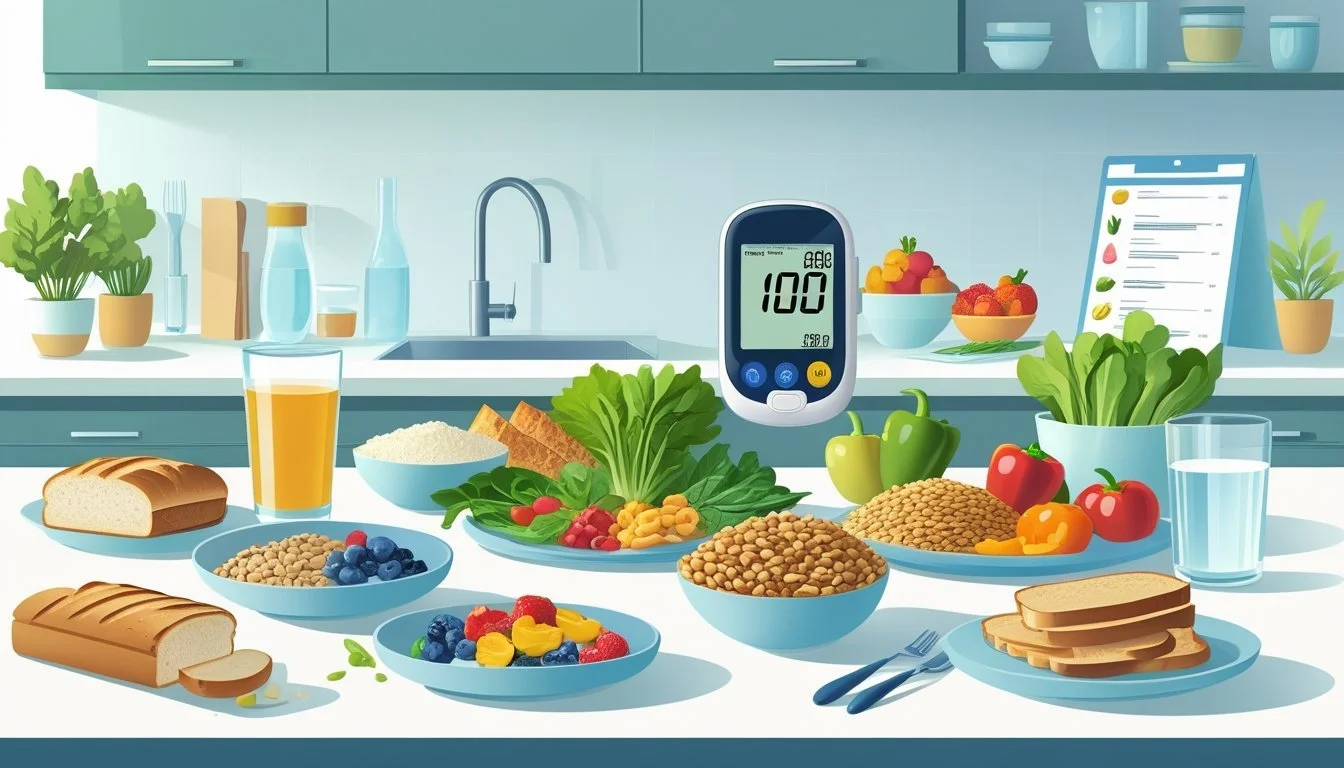
Effective management for people with diabetes includes actively monitoring blood glucose and responding to any unusual changes. Recognizing both high and low blood sugar symptoms is key to daily safety and long-term health.
Monitoring Blood Glucose
Monitoring blood glucose helps individuals understand how different foods and sugar substitutes affect their bodies. Regular tracking with a glucometer or continuous glucose monitor (CGM) allows for rapid adjustments to diet or medication. Patterns from daily checks help in fine-tuning meals, exercise, and insulin or oral medications.
People with diabetes should check their blood sugar as advised by their healthcare provider. It’s often recommended to test before and after meals and at bedtime. Keeping a log of readings can reveal trends related to specific foods, including various sugar substitutes. Many find it helpful to use smartphone apps or written diaries.
Consistent monitoring lowers the risk of dangerous highs and lows. When introducing a new sweetener, extra checks can show if there is any unexpected effect on glucose levels. Each person’s response can be different, so personal tracking matters.
Recognizing Symptoms of High and Low Blood Sugar
Understanding symptoms is critical for prompt action. Signs of high blood sugar (hyperglycemia) may include frequent urination, increased thirst, headache, and blurred vision. If these occur, checking blood glucose and correcting with insulin or medication as directed is vital.
Low blood sugar (hypoglycemia) can happen quickly and may lead to sweating, shakiness, confusion, or dizziness. In severe cases, it may progress to fainting or seizures. Immediate steps include consuming fast-acting carbohydrates such as glucose tablets or juice.
People with diabetes should educate close contacts about these symptoms. Carrying emergency glucose and wearing a medical ID bracelet is beneficial. Early recognition and response can prevent complications and help maintain stable glucose levels.
Common Mistakes and How to Avoid Them
Many people make errors that seem minor but can cause unexpected blood sugar spikes. Being aware of these pitfalls helps with more effective management and reduces unwanted fluctuations.
Overreliance on Sugar-Free Products
Sugar-free products often seem like a logical choice for blood sugar control. However, many contain sugar alcohols or artificial sweeteners such as sorbitol, maltitol, or aspartame. While these don't cause the same spikes as regular sugar, some can still impact blood glucose—especially in large amounts.
Sugar alcohols like maltitol can raise blood sugar more than other sugar substitutes. Additionally, using too many processed sugar-free snacks means less focus on whole foods, which offer more fiber and nutrients.
To minimize risks:
Check ingredient labels for hidden carbohydrates.
Try to limit processed sugar-free items.
Prioritize whole foods and snacks that are low in carbohydrates but high in fiber or protein.
Misjudging Coffee and Caffeine
Drinking coffee, even without added sugar, can impact blood sugar responses. Caffeine is known to temporarily increase blood sugar levels in some individuals, especially people with diabetes or insulin resistance. The effect varies, depending on factors like the amount of coffee, tolerance, and overall diet.
Blended or specialty drinks often contain extra sugar, syrups, or creamers that add carbohydrates and hidden sugars. Even black coffee can cause a mild rise in blood sugar for some people.
Recommendations:
Opt for plain or black coffee when possible.
Avoid high-sugar add-ins.
Monitor blood sugar after consuming caffeinated drinks to assess personal response.
Ignoring Hidden Added Sugars
Added sugars are found in many foods that do not taste overly sweet. Salad dressings, tomato sauces, yogurts, and even breads often contain added sugar, which can contribute to blood sugar spikes if overlooked. Reading nutrition labels is crucial, as "sugar," "high-fructose corn syrup," "honey," and "molasses" may all be listed under different names.
To avoid hidden added sugars:
Scrutinize ingredient lists and nutrition facts for total and added sugar content.
Prepare meals at home when possible, allowing for better control.
Swap high-sugar condiments for low-sugar or homemade versions.
Paying close attention to these sources enables better blood sugar management.
Conclusion and Sustainable Substitution Strategies
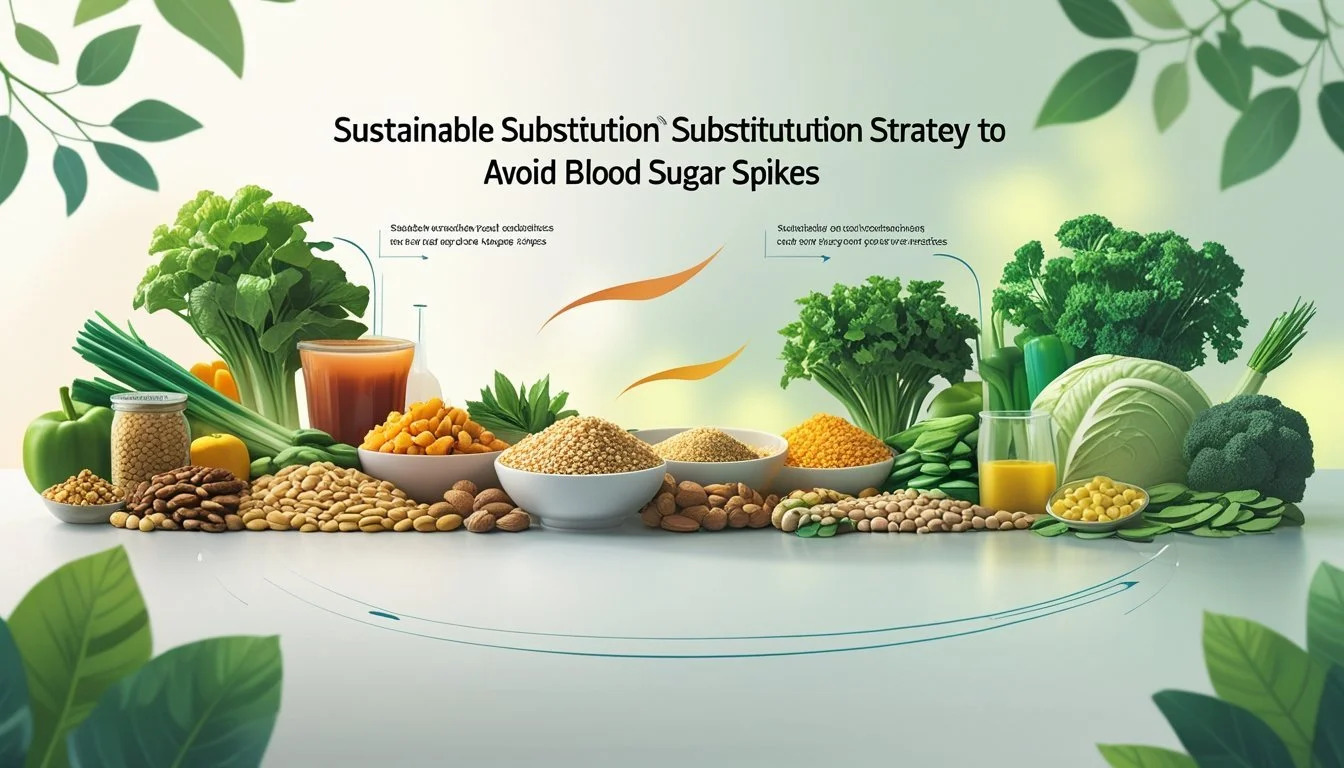
Small, practical changes make it easier to reduce blood sugar spikes in daily life. Choosing sustainable substitutions supports long-term health.
Simple swaps such as replacing sugar-sweetened beverages with water or drinks made with low- or no-calorie sweeteners can significantly lower sugar intake. Beans, lentils, and cauliflower rice are effective alternatives to potatoes as side dishes.
Choose whole grains like quinoa, oats, or brown rice instead of refined grains. Non-starchy vegetables, avocados, and nuts offer balanced nutrition and help stabilize insulin levels.
A handy table for sustainable swaps:
Instead of Try Soda Sparkling or still water White bread 100% whole grain bread Potatoes Beans or cauliflower rice Candy or pastries Fresh fruit Ice cream Unsweetened yogurt, berries
Consistency is essential. Incorporate swaps gradually, focusing on what the person enjoys to maintain habits.
Reading food labels and monitoring portion sizes can further reduce added sugar intake. Substitutions are most effective when matched to individual tastes and lifestyles.

