
Pairing Substitutes for Optimal Flavor Harmony
Expert Tips for Balanced Dishes

Balancing flavors in cooking can be challenging, especially when a key ingredient is missing or unavailable. Choosing the right substitute can maintain or even enhance optimal flavor harmony, ensuring that the final dish still tastes balanced and satisfying. By understanding which flavors work well together and why, anyone can make confident substitutions without compromising the integrity of a recipe.
Many cooks have faced moments where an ingredient just isn’t on hand. Instead of simply omitting it, learning how to pair proper substitutes based on compatibility and shared flavor profiles can make a significant difference. This approach not only saves recipes but can also lead to new and enjoyable flavor combinations that might become favorites for future meals.
The Foundations of Flavor Harmony
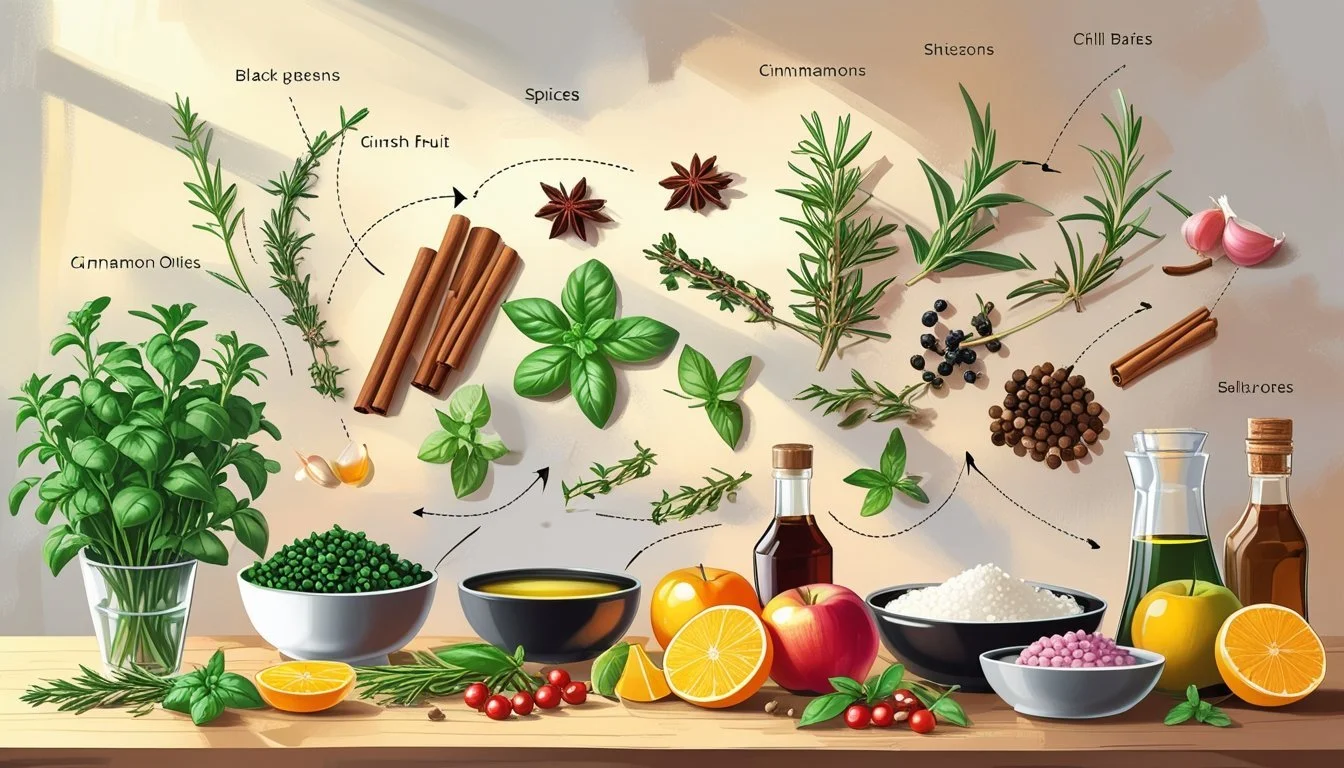
Successful flavor pairing depends on understanding how ingredients interact through taste, aroma, and texture. Each technical aspect contributes to creating blends that feel balanced and appealing to the palate.
Understanding Flavor Profiles
Flavor profiles describe the distinct combination of tastes, aromas, and sensations an ingredient offers. For any pairing—especially using substitutes—it is essential to analyze these profiles for both similarities and contrasts.
A typical flavor profile breaks down into several attributes:
Attribute Example Descriptors Taste Sweet, sour, bitter Aroma Floral, earthy, herbal Texture Creamy, crunchy, chewy Aftertaste Lingering, clean, bold
Matching substitutes requires more than just swapping one sweet for another. For example, maple syrup and honey share sweetness but differ in aroma and undertones. The closer the match in overall profile, the more seamless the pairing.
The Role of Basic Tastes in Pairing
The five basic tastes—sweet, salty, sour, bitter, and umami—are detected by taste buds and form the structural base of every dish. Balancing these tastes ensures no single element overpowers the others.
When substituting, selecting an ingredient with a similar basic taste prevents disrupting the flavor balance. For example, swapping lemon juice for vinegar works in many cases due to comparable sourness, though their flavor nuances differ.
Sometimes, deliberate contrast can elevate a dish. A salty substitute might highlight sweetness in another ingredient, or a touch of bitterness can offset rich fats. Recognizing how these basic tastes interact is fundamental for thoughtful pairings and substitutions.
Aroma and Mouthfeel Considerations
Aroma, perceived through the sense of smell, plays a major role in flavor harmony. Even if two ingredients share the same basic taste, their aromatic profiles can make one substitution feel more authentic than another.
Mouthfeel describes the physical sensation and texture created by an ingredient in the mouth, such as creaminess, crispness, or granularity. When considering substitutes, matching texture is often as critical as taste. Replacing heavy cream with coconut cream preserves a similar mouthfeel, while low-fat milk would not.
Sensory balance involves layering both aroma and texture so that substitutes create a final experience closely resembling the original pairing. This careful alignment affects how flavors are perceived and appreciated with each bite.
Pairing Principles and Substitution Strategies
Pairing ingredients for optimal flavor harmony involves understanding how different taste elements interact. Effective substitution also requires aligning flavors, intensities, and temperatures to create a cohesive taste experience.
Complementary and Contrasting Flavors
Complementary flavors are those that share similar chemical compounds or sensory notes, such as tomato and basil or chocolate and coffee. These combinations work well because the flavors reinforce each other and create a sense of unity.
Contrasting flavors, like sweet paired with salty or spicy with cool dairy, provide interest by playing opposites off each other. This contrast can cut through richness or highlight a particular taste element. For example, adding a dash of lemon to a fatty dish lifts the flavor and prevents it from feeling heavy.
When substituting, it is helpful to identify whether the original ingredient is part of a complementary or contrasting pair, and choose a substitute that maintains that relationship.
Examples:
Original Pair Complementary Substitute Contrasting Substitute Peanut Butter & Jelly Nut Butter & Jam Nut Butter & Tart Fruit Tomato & Basil Tomato & Oregano Tomato & Feta
Balancing Acidity, Sweetness, and Umami
Acidity, sweetness, and umami are key elements in flavor harmony. Acidity, like lemon juice or vinegar, brightens foods and can balance richness or fatty elements. Sweetness soothes bitterness and can temper spice, while umami enhances savoriness.
When choosing substitutes, it is important to assess what balance each ingredient brings. For instance, if lemon is replaced with rice vinegar, the acidity remains, but the flavor profile shifts slightly. If sugar is substituted with honey, there is both sweetness and an additional aromatic component.
Sophisticated dishes often rely on layering these elements for complexity. For balance:
Acid balances fat.
Sweetness tames bitterness.
Umami deepens savory notes.
Maintaining these balances when substituting preserves the taste experience.
Matching Intensity and Temperature
Matching intensity ensures that flavors are neither overwhelming nor lost. For example, replacing a bold blue cheese with a mild cream cheese will result in a less pronounced flavor. Conversely, swapping in a stronger ingredient could overpower the dish.
Temperature affects how flavors are perceived—cold can dull sweetness and aroma, while heat can enhance or soften sharp notes. If a hot sauce is swapped for a mild salsa, the dish’s flavor intensity and temperature profile both shift.
In substitution, consider:
The strength (intensity level) of the original ingredient.
Whether it is served hot, cold, or at room temperature.
The overall effect on other flavors in the dish.
Retaining similar intensity and temperature helps ensure compatibility in taste experiences.
Adapting Recipes with Substitutes
Recipe adaptation often requires more than a simple one-for-one ingredient swap. Understanding the role of each element—whether it provides saltiness, bitterness, umami, or aroma—guides the selection of effective substitutes.
For example, substituting anchovies (rich in umami and salt) with miso paste or soy sauce preserves the umami character. If replacing dairy in a creamy soup, options like coconut milk or cashew cream can mimic both texture and mild sweetness.
A systematic approach uses these strategies:
Identify the primary taste element (sweet, salty, umami, bitter, sour).
Match its intensity and flavor profile as closely as possible.
Ensure temperature compatibility to maintain the intended taste experience.
Thoughtful substitution helps maintain flavor harmony and satisfies the intended sensory qualities of the dish.
Classic Food Pairings and Their Substitutes
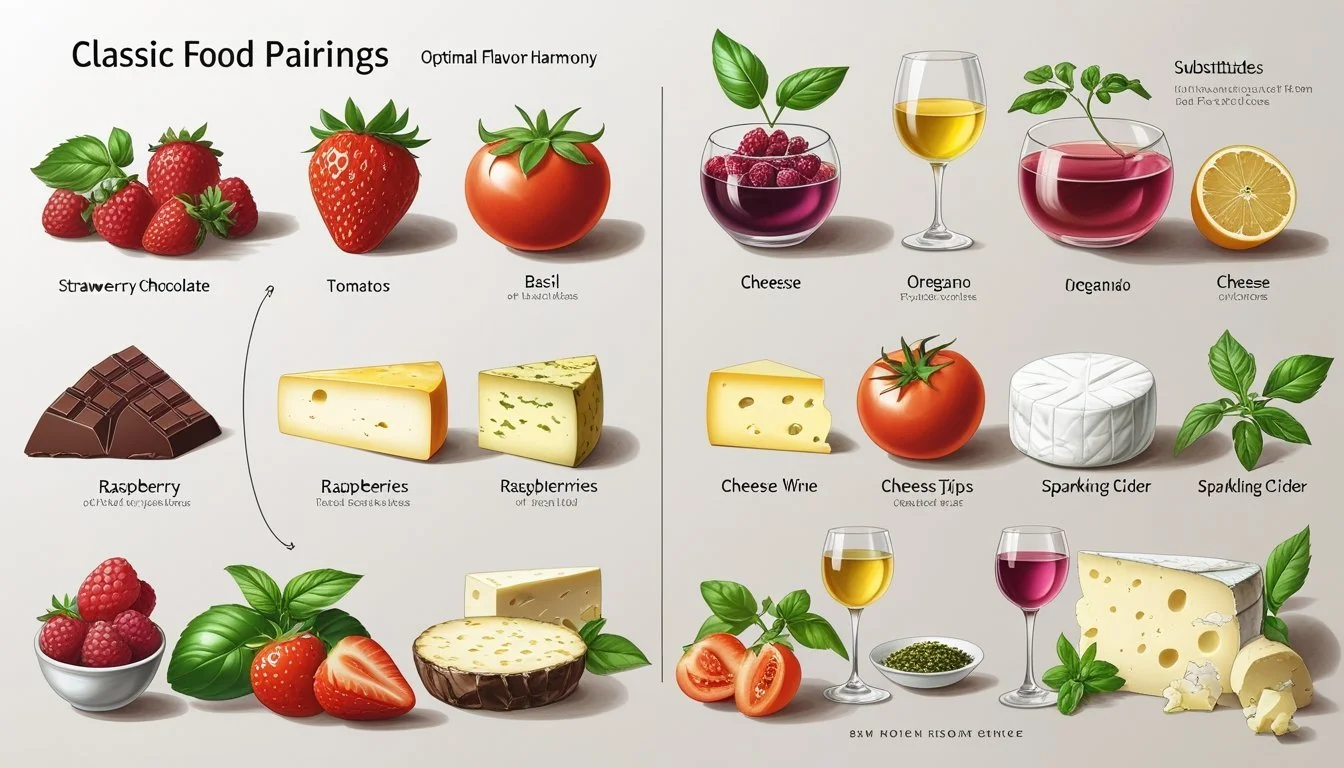
Traditional food pairings rely on compatible ingredients, often balancing contrasts like sweet and sour or spicy and sweet. Substituting within classic combinations allows for new flavors while maintaining the harmony that makes these dishes popular.
Tomato and Basil Alternatives
Tomato and basil’s popularity comes from their synergy: tomato offers acidity and sweetness, while basil brings fresh, peppery notes. Those seeking substitutions might use roasted red bell peppers with fresh oregano. This delivers a sweet earthiness with herbal brightness.
For recipes where tomato is too acidic, sun-dried tomatoes can be paired with parsley. The sun-dried tomato’s concentrated umami pairs well with the milder herb, providing a softer alternative.
Some also try heirloom tomatoes with cilantro for a sweeter flavor and a citrusy finish. Adjust seasoning to taste, and use a drizzle of olive oil to enhance the blend in salads or sandwiches.
Original Pairing Substitute Pair Key Flavor Note Tomato & Basil Bell Pepper & Oregano Sweet & Herbal Tomato & Basil Sun-dried Tomato & Parsley Umami & Mild Tomato & Basil Heirloom Tomato & Cilantro Sweet & Citrusy
Peanut Butter and Jelly Variations
Peanut butter and jelly is a staple in many households, loved for its balance of salty, sweet, and sometimes tangy flavors. Almond butter with fig jam offers a more complex, slightly earthy variation for those wanting to depart from the original.
For nut-free or allergy-friendly options, sunflower seed butter with apple butter works well. It delivers a rich texture and natural sweetness without nuts or common allergens.
People looking for less sugar often choose peanut butter and mashed fresh raspberries. This provides a tart, fruity layer that’s lower in processed sugars but keeps the complementary profiles of traditional food pairings.
List of alternatives:
Almond butter + Fig jam
Sunflower seed butter + Apple butter
Peanut butter + Fresh raspberries
Curry Combinations and Swaps
Curry is known for its blend of spicy, sweet, and savory flavors. In traditional curry recipes, pairing is often about finding harmonious spices and bases.
For a coconut milk substitute, cashew cream offers a creamy texture and subtle sweetness. If a recipe calls for potatoes, sweet potatoes can be used instead, adding deeper sweetness and a softer bite.
For those avoiding meat, chickpeas offer a hearty texture and mild earthiness that pairs well with most curry spices. Cauliflower can also take the place of chicken or paneer, providing a neutral palette that absorbs flavors.
Ingredient Replaced Substitute Flavor Profile Coconut Milk Cashew Cream Creamy, Subtle Potato Sweet Potato Sweet, Soft Chicken/Paneer Cauliflower Mild, Absorbs Spice Chicken/Meat Chickpeas Hearty, Earthy
Bacon and Maple Syrup Replacements
Bacon and maple syrup exemplify the classic pairing of salty and sweet. For vegetarians, smoked tempeh or mushroom bacon with real maple syrup can replicate the original’s flavor combination.
For a twist, prosciutto with honey provides saltiness and sweetness, though it lacks the smokiness of bacon.
Vegan options include coconut bacon with maple syrup or crispy eggplant strips with agave nectar for a comparable texture and flavor experience.
Smoked tempeh + Maple syrup
Prosciutto + Honey
Coconut bacon + Maple syrup
Eggplant strips + Agave nectar
These alternatives maintain the interplay of sweet, salty, and sometimes smoky notes that make bacon and maple syrup a traditional favorite in food pairings.
Innovative Pairings and Unexpected Substitutes

Unexpected pairings can transform ordinary ingredients into standout dishes. Flavor exploration relies on understanding the unique properties of each component and how aromatic compounds interact for optimal harmony.
Raspberry in Savory Dishes
Raspberry’s bright acidity and subtle sweetness provide a clever contrast to savory foods. It pairs well with game meats such as duck, bringing vibrancy to rich, earthy flavors.
Through culinary experimentation, chefs have found that raspberry also enhances vinaigrettes, lending both color and a fresh, fruity note to salads containing goat cheese, arugula, or nuts. An innovative combination to try is raspberry mixed with cracked black pepper as a glaze for pork or chicken.
For added complexity, raspberry can be paired with aromatic herbs like rosemary or thyme, balancing tartness with herbal notes. These unexpected combinations introduce a memorable twist to plates often dominated by more predictable flavors.
Dish Substitute/Pairing Result Duck breast Raspberry reduction Tangy counterpoint Arugula salad Raspberry vinaigrette Bright, fruity acidity Roasted pork Raspberry glaze Sweet-savory depth
Chili and Chocolate Twists
Chili and chocolate is a classic example of unexpected pairings that highlight the interplay of heat and richness. The capsaicin in chili activates warmth, while chocolate delivers bitterness and velvety texture.
This combination appears in both desserts, such as spiced chocolate mousse, and in mains, where chili-spiked mole sauce exemplifies flavor harmony. The key is to match the intensity of the chili to the cocoa content for balanced complexity.
Substituting different chilies—such as using smoky chipotle instead of traditional dried chili—can alter the profile, deepening savory notes or highlighting fruitiness. Chili and chocolate open new avenues for innovative combinations, particularly when experimenting with desserts and sauces.
Ideas:
Chipotle chocolate truffles
Dark chocolate chili brownies
Mole poblano with clove and cinnamon
Creative Uses of Vanilla and Cinnamon
Vanilla and cinnamon, though often used in desserts, work as unexpected flavor enhancers in savory dishes. Vanilla’s floral aromatic compounds soften the acidity in tomato sauces or brighten seafood, while cinnamon brings subtle warmth to meats and stews.
Replacing nutmeg or clove with vanilla or cinnamon can shift a dish’s profile without overpowering other flavors. For example, a vanilla-infused olive oil can dress roasted vegetables, adding complexity with minimal effort.
Combining both vanilla and cinnamon in spice blends for rubs or marinades introduces a surprising depth, especially with lamb or poultry. These innovative pairings showcase the versatility of classic spices beyond sweet applications.
The Science Behind Pairing Substitutes
Successful substitute pairings rely on understanding the chemistry that shapes taste, aroma, and overall flavor harmony. By considering the relationships between flavor compounds, chemistry-driven culinary techniques, and the role of aroma, it becomes possible to select substitutes that align with—or even enhance—the sensory profile of a dish.
Flavor Compounds and Chemical Compatibility
Flavor compatibility depends on the chemical makeup of ingredients, particularly flavor compounds that are structurally similar or complementary. For example, vanillin in vanilla and eugenol in cloves share aromatic characteristics, allowing them to pair smoothly with similar substitutes.
Gas chromatography is often used to analyze the chemical compounds present in foods. This technique maps out flavor wheels, which categorize a food’s dominant and secondary flavor notes. When seeking substitutes, referencing these wheels helps identify ingredients that provide related chemical signatures, ensuring the new pairing will integrate seamlessly without clashing.
When considering chemical compatibility, it is important to know if the intended substitute mimics both the primary and supporting molecules that drive the original ingredient’s flavor. Substitutes sharing core chemical structures are more likely to maintain the original balance of a dish.
Molecular Gastronomy Applications
Molecular gastronomy leverages scientific principles to create ideal pairings and substitutes by understanding how molecular compounds interact during cooking. Chefs and food scientists use this field to break down ingredients into their essential flavor and aroma compounds for better matching.
For instance, spherification allows the encapsulation of liquid flavors, making it possible to replicate a runny egg yolk using alternative ingredients. Techniques like emulsion science also help replace dairy fats with plant-based options while preserving creamy mouthfeel.
Through experimentation with texture, temperature, and encapsulation, molecular gastronomy extends the possible palette of substitutes. This scientific method delivers substitutes that mimic not just the taste, but also the physical experience of the original ingredient, such as viscosity and aromatic release.
Aroma Compounds and Flavor Perception
Aroma compounds drive roughly 80% of what people perceive as flavor. When choosing substitutes, it is crucial to match volatile aromatic compounds, since these profoundly influence flavor perception via olfactory pathways.
Analysis of aroma components using instruments like gas chromatography can pinpoint which aromatic molecules dominate an ingredient’s profile. For instance, citral is a major aromatic compound in both lemons and lemongrass, making them compatible substitutes for one another.
Creating a chart or list of key aromatic compounds before selecting a substitute can be helpful. Focusing on matching these aromatic fingerprints ensures that the swapped ingredient maintains expected sensory cues and flavor impact.
Practical Guidance for Home Cooks and Chefs
Pairing high-quality substitutes requires attention to ingredient freshness, understanding of flavor profiles, and a willingness to adjust based on availability. Thoughtful selection, the right seasoning, and helpful digital tools can elevate both home and professional culinary experiences.
Seasonal and Local Ingredients
Using seasonal and local ingredients leads to better-tasting results and often enhances the natural harmony between substitutes and recipes. Fruits and vegetables harvested at their peak tend to be sweeter or more flavorful, allowing substitutions to shine. For example, swapping imported tomatoes for ripe, local heirloom varieties provides deeper umami and brightness in salads or sauces.
Supporting local markets also introduces cooks to unique herbs, greens, or cheeses that can replace more common ingredients. Since availability can vary, flexibility and curiosity are essential. Here is a quick guide for simple swaps with seasonal produce:
Original Ingredient Suggested Seasonal Substitute Flavor Notes Spinach Local baby kale Earthier, robust Strawberries Raspberries (peak summer) Tart, juicy Zucchini Pattypan squash Slightly sweeter
Herbs and Spices for Flavor Balance
A well-chosen herb or spice can bring substitutes into balance, creating new flavor dimensions in a dish. For instance, if substituting Greek yogurt for sour cream, adding a little cumin or smoked paprika introduces warmth and depth. This helps bridge gaps in tanginess or creaminess when ingredients are swapped.
Understanding the essential properties of herbs and spices leads to smarter substitutions and more satisfying results. Balancing sweet, salty, sour, bitter, and umami components through seasoning enhances the overall profile. Examples include:
Basil to freshen mild cheeses
Coriander to brighten root vegetables
Rosemary to intensify roasted meats
Chefs and home cooks alike benefit from keeping a compact "flavor toolkit" of dried staples and fresh herbs.
Experimentation and the Flavor Pairing Generator
Culinary experimentation drives discovery, especially when using substitute ingredients. Trying out new pairings—like using miso in place of anchovies for umami—expands both technique and palate. Not every attempt will be a success, but documenting each trial builds confidence and insight.
Digital tools like a flavor pairing generator offer personalized suggestions based on ingredient inputs. By identifying aromatic compounds and complementary tastes, these generators help cooks select logical and sometimes surprising pairings. For efficient experimentation:
Enter available or substitute ingredients into a flavor pairing tool.
Review suggested matches and test in small-batch recipes.
Note outcomes and adjust for future meals.
Home cooks and professionals who use these tools routinely develop a sharper and more intuitive sense for successful ingredient combinations.
Cultural and Regional Influences on Pairing Substitutes

Cultural traditions and regional gastronomy shape how different cuisines select and accept substitutes for classic pairings. Understanding these influences can help maintain authentic flavor harmony and enhance the dining experience even when ingredients are changed.
Traditional Pairings Across Cuisines
Many traditional pairings stem from historical availability of ingredients and local palate preferences. For example, French cuisine often balances fat and acid, pairing butter-rich sauces with citrus or vinegar-based reductions. Indian gastronomy favors negative food pairing patterns, where spices offer contrast rather than similarity, as seen in combinations like cumin with yogurt or fenugreek with lentils.
When substituting ingredients, it’s important to consider the role of the original component in the flavor structure. If a citrus element can’t be used, regional substitutes like sumac (in Middle Eastern dishes) or tamarind (in South Asian cuisine) can provide similar acidity. Successful substitutes often respect the core flavor principles of the cuisine, ensuring the dining experience feels authentic and harmonious.
Influence of Italian Cuisine
Italian cuisine relies on ingredient synergy, often combining fresh herbs, cheeses, and regional vegetables for balance. Traditional pairings such as tomato and basil or parmesan with prosciutto work due to complementary flavor profiles and textural contrasts. Tables like the one below highlight possible Italian pairings and their suggested substitutes:
Classic Pairing Substitute(s) Parmesan & Prosciutto Aged Manchego & Speck Burrata & Tomatoes Fresh Mozzarella & Roasted Peppers Basil & Tomato Oregano & Roasted Eggplant
When substituting, maintaining the foundational taste—herbaceousness, umami, or sweetness—is critical. This approach ensures the substitute does not disrupt the overall flavor balance found in classic Italian gastronomy.
Fusion and Global Flavor Trends
Contemporary food trends embrace fusion, blending ingredients from different regions to create new, successful flavor combinations. Dishes now often feature unconventional pairings like yuzu with chocolate or kimchi with cheese, influenced by global dining preferences and exposure to diverse cuisines.
Successful fusion relies on identifying shared components—such as umami in both Asian and Mediterranean foods—that naturally bring harmony when substituting or blending ingredients. Chefs often look to both science and tradition, considering how flavor networks and cultural backgrounds can guide the choice of compatible substitutes. This scientific yet culturally informed approach helps ensure bold new combinations retain gastronomic balance.

