
Kitchen Chemistry: Why Some Substitutes Fail and How to Avoid Common Mistakes
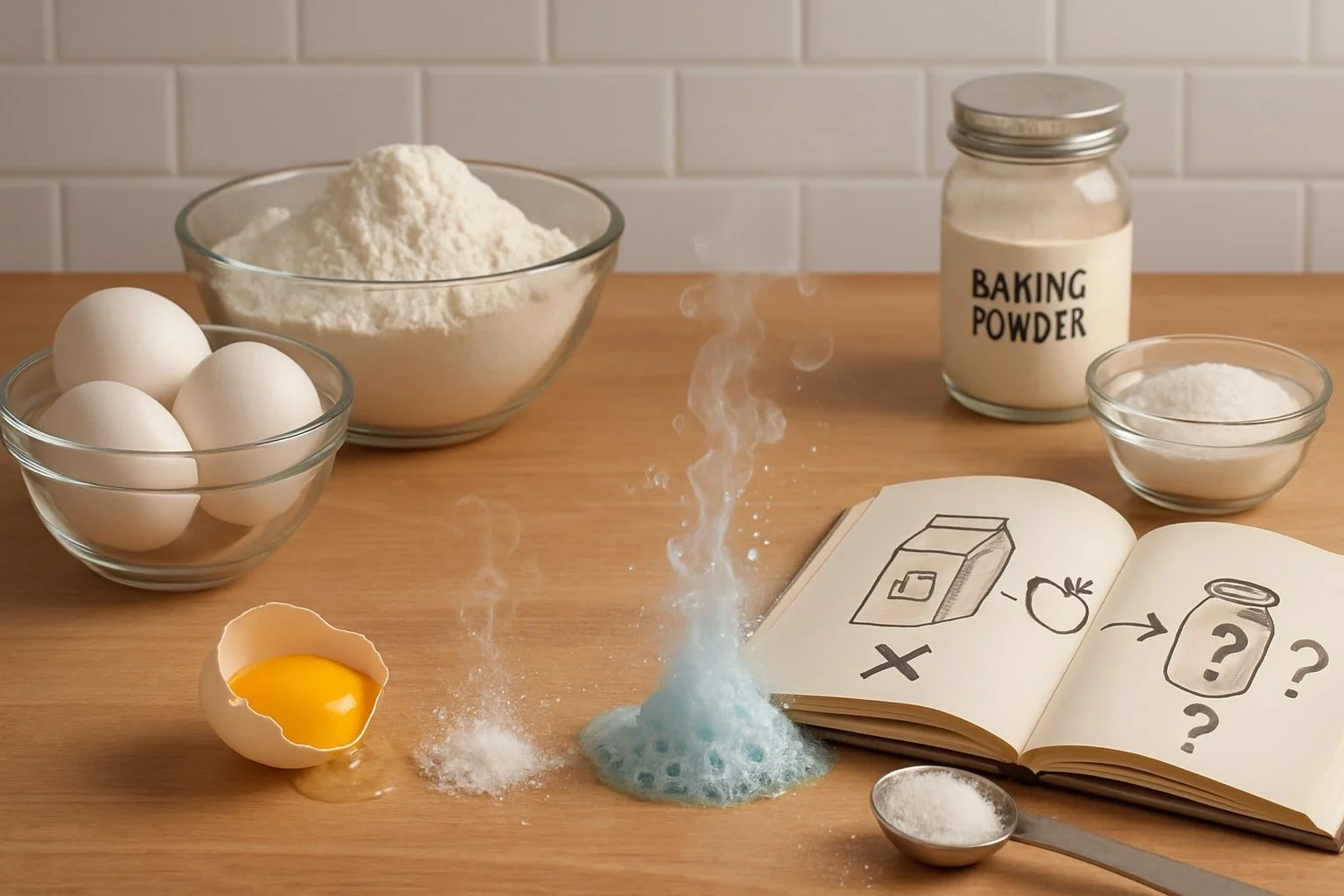
Many common kitchen substitutes fail because their chemical properties do not match those of the original ingredients, leading to unexpected results in texture, flavor, or structure. Even a small change—like swapping baking soda for baking powder—can make a cake fall flat or a dish taste off, as these ingredients behave differently in recipes due to how they interact with other components.
Kitchen chemistry is central to understanding why some swaps work and others don't. When cooks replace ingredients, they're not just changing flavors—they're altering the chemical reactions that help food rise, set, bind, or brown. This is why environmental factors, gaps in the recipe, and even slight deviations can have bigger consequences than anticipated.
Exploring the science behind these substitutions reveals both the risks and rewards of experimenting in the kitchen. Readers will discover not just why some substitutions fail, but how a better grasp of cooking chemistry can help create more consistent, successful dishes.
The Science Behind Ingredient Substitutions
Ingredient substitutions often depend on the underlying chemical reactions that occur during cooking and baking. Understanding why some swaps work while others fail requires a close look at how leavening, binding, and thickening agents function in different recipes.
Understanding Chemical Reactions
Cooking and baking rely on precise chemical reactions. For example, the Maillard reaction produces browning and flavor in baked goods, while acid-base reactions between baking soda and acidic ingredients release carbon dioxide.
If a substitute cannot create the same reaction, the texture, rise, or flavor may be affected. For example, swapping baking soda for baking powder without adjusting acidity may result in dense cakes.
Different ingredients also have varying moisture, pH, and protein levels. These differences can interfere with structure formation or flavor development.
Role of Leavening Agents
Leavening agents such as baking soda, baking powder, and yeast introduce gases that make dough rise. Their behavior depends on their specific chemistry.
Baking Soda: Requires an acid (like vinegar or buttermilk) for an acid-base reaction, producing CO₂ quickly.
Baking Powder: Contains both acid and base, releasing gas in two stages if double-acting.
Yeast: Ferments sugars, generating CO₂ more slowly and adding flavor.
Improper substitutions can prevent proper gas production. For instance, using baking powder instead of baking soda without removing another acid can make baked goods taste too sour or dense.
The Function of Binding and Thickening Agents
Binders and thickeners hold ingredients together and affect the final texture. Eggs, gelatin, and starches like flour or cornstarch serve these roles.
Eggs: Provide structure by coagulating proteins when heated.
Starch (e.g., cornstarch, flour): Absorbs water and swells, increasing viscosity.
Gelatin: Sets up as a gel when cooled, essential in some desserts.
Substitutes like flaxseed gel or agar-agar can mimic some functions, but differences in water-binding abilities and gelling strength may change the outcome. Choosing an inappropriate substitute can cause structures to crumble or sauces to remain thin.
The success of a substitution depends on matching the chemical and physical properties crucial to the original ingredient's function. This ensures the desired result in both taste and texture.
Common Reasons Substitutes Fail
Ingredient substitutes can change the outcome of recipes in unexpected ways. Variations in moisture, flavor, and structural properties often lead to unsatisfactory results.
Imbalanced Moisture Content
Moisture plays a critical role in baking and cooking. When substitutes have different water content than the original ingredient, the balance of the dish can be thrown off. For example, using oil instead of butter adds more fat but less water, which can result in drier baked goods.
Common Missteps:
Replacing eggs with bananas increases overall moisture.
Using skim milk instead of whole milk reduces fat and liquid content.
The finished product may be either too dry or overly dense, depending on the swap. Bakers often see sunken cakes or tough textures due to excess or insufficient moisture. Paying attention to the water and fat ratios in recipes is essential for consistent results.
Mismatch in Flavor Profiles
Flavor profiles depend on more than just one element; substitutes often alter the intended taste of a dish. Swapping sugar for honey, for instance, doesn’t just change sweetness—it affects acidity and depth.
Typical Issues:
Replacing herbs with others that have different intensity or aroma.
Using strong-tasting oils, such as coconut oil, can dominate more subtle flavors.
Substituting dairy with plant-based products sometimes adds nutty or grassy notes.
A mismatch in flavor can overpower the main ingredients or clash with the intended balance. Chefs need to consider not only sweetness and saltiness but also subtle notes like acidity, bitterness, and umami.
Differences in Texture and Structure
Proteins and starches in ingredients control the structure and texture of foods. When a substitute changes this balance, the final product may not rise correctly or could become crumbly.
Key Examples:
Replacing wheat flour with gluten-free flour mixes can eliminate the gluten network needed for chewy, elastic textures.
Swapping heavy cream with Greek yogurt might make desserts dense instead of light and airy.
Often, substitutions lacking proteins or with altered starch content disrupt the overall build of a dish. The result can be fragile cookies, collapsed cakes, or sauces that break rather than emulgate. Understanding the science behind structure is crucial for successful substitutions.
Leavening Agent Substitutions: Kitchen Chemistry at Work
Leavening agents are crucial for baked goods’ rise and texture. Successful substitutions depend on understanding the chemical reactions that create carbon dioxide, especially how acids and bases interact in a recipe.
Baking Soda vs. Baking Powder
Baking soda is a pure base (sodium bicarbonate) that requires an acidic ingredient to produce carbon dioxide. Without something acidic, such as buttermilk or lemon juice, it won't leaven properly, and the product may taste bitter or soapy.
Baking powder contains both an acid and a base, allowing it to work when mixed with liquid and heat, even if no extra acidic ingredients are present. There are two main types: single-acting and double-acting, with the latter being standard in most kitchens.
When substituting one for the other, it’s important to remember their chemical makeup. Replacing baking powder with baking soda requires adding an acid, like vinegar or yogurt, and adjusting the quantity, since baking powder is less concentrated. A typical substitution rule is 1 teaspoon baking powder equals roughly 1/4 teaspoon baking soda plus 1/2 teaspoon acid, but results vary by recipe.
The Importance of Acidic Components
Acidic ingredients activate baking soda, triggering the acid-base reaction that forms carbon dioxide bubbles. Common acids include lemon juice, vinegar, yogurt, and buttermilk. Their role is not just to react but also to influence flavor and texture.
Without enough acid, baking soda won’t fully react, leaving baked goods flat and with a strong alkaline taste. On the other hand, too much acid can lead to excess tang or a gummy crumb.
Selecting and measuring the proper acid is essential. For example, swapping sour cream for buttermilk alters both moisture and acidity, requiring adjustments elsewhere in the recipe. Substitutes must match the acidity of the original ingredient for the leavening process to succeed.
Dairy and Egg Substitutes: Beyond the Basics
Not all swap-ins work the same way when baking or cooking. Texture, flavor, and chemical reactions often change when common ingredients like milk, yogurt, sour cream, or eggs are switched out for alternatives.
Milk Alternatives
Milk is more than just a liquid in recipes—it adds protein, sugar (lactose), and fat, all contributing to browning, moisture, and structure. Unsweetened soy milk is the closest substitute in baking because its protein level is similar to cow's milk and it behaves similarly during heat exposure.
Almond and oat milk work in some baked goods, but lower protein may result in a denser texture or less appealing browning. Coconut milk changes flavor and adds extra fat, which may make products oily or heavy.
When replacing milk, note differences in sweetness and viscosity. Sweetened milk alternatives can alter final taste, and thinner milks might need thickening agents. The chart below summarizes key properties:
Substitute Protein (per cup) Fat (per cup) Sweetness/Flavor Soy milk 6–8 g 4–5 g Mild, closest to milk Almond milk 1 g 2–4 g Nutty, often sweetened Oat milk 2–4 g 2–5 g Mild, slightly sweet Coconut milk 0–2 g 4–45 g Strong coconut flavor
When Yogurt and Sour Cream Fall Short
Yogurt and sour cream add tang, fat, and structure to recipes like cakes, muffins, and dips. They help moisten batters and contribute to tender crumbs due to their acidity reacting with leavening agents.
Non-dairy substitutes such as coconut or almond yogurt are available, but differences in protein and fat content can alter moisture and crumb. For example, coconut yogurts may be much higher in fat but lack the same protein structure as dairy, leading to a different texture.
Plain soy yogurt is often the best analog for thickness and protein, but still might not react identically. Commercial vegan sour creams may have stabilizers to thicken, which can affect the consistency of dips or sauces. If a substitute is too runny, thickening with chia seeds or draining liquid may help.
Recipe performance may change when swapping these ingredients, so adjustments to other recipe elements—like flour or liquid—are sometimes necessary. Taste and mouthfeel may also shift depending on the specific substitute used.
Sweeteners and Fats: Balancing Chemistry and Taste
The chemistry behind food substitutes impacts both flavor and texture. Success often depends on how closely substitutes replicate not just the taste, but also the structural and chemical roles of sugar or fat in recipes.
Honey as a Sugar Substitute
Honey contains fructose, glucose, and water, along with small amounts of minerals and enzymes. Its chemical makeup differs from table sugar (sucrose), affecting both sweetness level and moisture content in baked goods.
When swapped for sugar, honey’s hygroscopic nature means it attracts and retains more moisture. This can result in softer textures but may cause rapid browning due to Maillard reactions. Bake times and temperatures often need adjustment.
Practical Differences:
Sweetness: Honey is sweeter than sugar; less is needed per recipe.
Structure: Can make cookies spread more and cakes become denser.
Flavor: Adds a distinct floral or earthy note that may not suit all dishes.
Because honey is acidic, it can also interact with baking soda, affecting rise and texture. Careful balancing is required to maintain taste and structure.
Mayonnaise and Emulsification
Mayonnaise serves as a classic example of emulsification—a process where two immiscible liquids, oil and water (vinegar or lemon juice), are stably combined. Egg yolks provide lecithin, which acts as an emulsifier.
Substituting mayonnaise or trying to replicate its creamy mouthfeel without real egg yolk or oil can be challenging. Stability and texture are often compromised when using plant-based or low-fat versions, since alternative emulsifiers may not work as effectively.
Key Points:
Emulsifiers: Lecithin in egg yolks crucial for stability.
Texture: True mayonnaise is smooth and thick due to the stable emulsion.
Substitutes: May yield separation or a less creamy feel if not carefully formulated.
Successful mayonnaise substitutes usually rely on modified starches, plant proteins, or additional stabilizers to mimic the original emulsion. The chemistry behind emulsification is critical to maintaining the spread’s thick, luxurious consistency.
Unexpected Effects of Substitutions
Changes in ingredients can impact taste, texture, color, and even the chemistry of recipes. Certain swaps, especially with baked goods, herbs, and nuts, often result in noticeable differences or unintended culinary problems.
Altered Structure in Baked Goods
Baking relies heavily on specific ingredient interactions. Swapping all-purpose flour for almond flour, for instance, can lead to denser or crumbly cakes because almond flour lacks gluten. Gluten is key for structure and elasticity, so substitutes with different protein or starch content change the final result.
Another common example is replacing butter with oil. While both are fats, solid butter provides lift and structure in cookies and pastries. Using oil may cause products to spread more or become greasy.
Egg substitutes like flaxseed "eggs" or commercial replacers affect rise and binding, leading to flatter or less cohesive items.
The chemical role of leaveners is easily disrupted by substitutions. Baking soda and baking powder are not interchangeable; changing one for the other without adjusting acidity can cause poor rise or bitter flavors. Even water content matters—swapping fresh fruit for dried can create dry or dense textures.
Problems with Herbs and Nuts
Herbs are not just about flavor—they also differ in potency and moisture. Replacing fresh basil with dried basil requires measuring adjustments, since dried herbs are more concentrated. Using equal amounts can overwhelm a dish or make it bitter.
Swapping nuts may seem simple, but allergies, textures, and flavors matter. Walnuts and pecans, for example, have different oil contents that affect the crumb and taste of baked goods. Roasted nuts give a more pronounced flavor, while raw nuts can be softer and less assertive in finished recipes.
Cross-substituting seeds for nuts can change both the structure and mouthfeel, especially in pestos or baked items. Some seeds are higher in oils, which may make a dish unexpectedly oily or rich. Always consider both flavor strength and textural differences when substituting herbs and nuts.
Best Practices for Kitchen Success
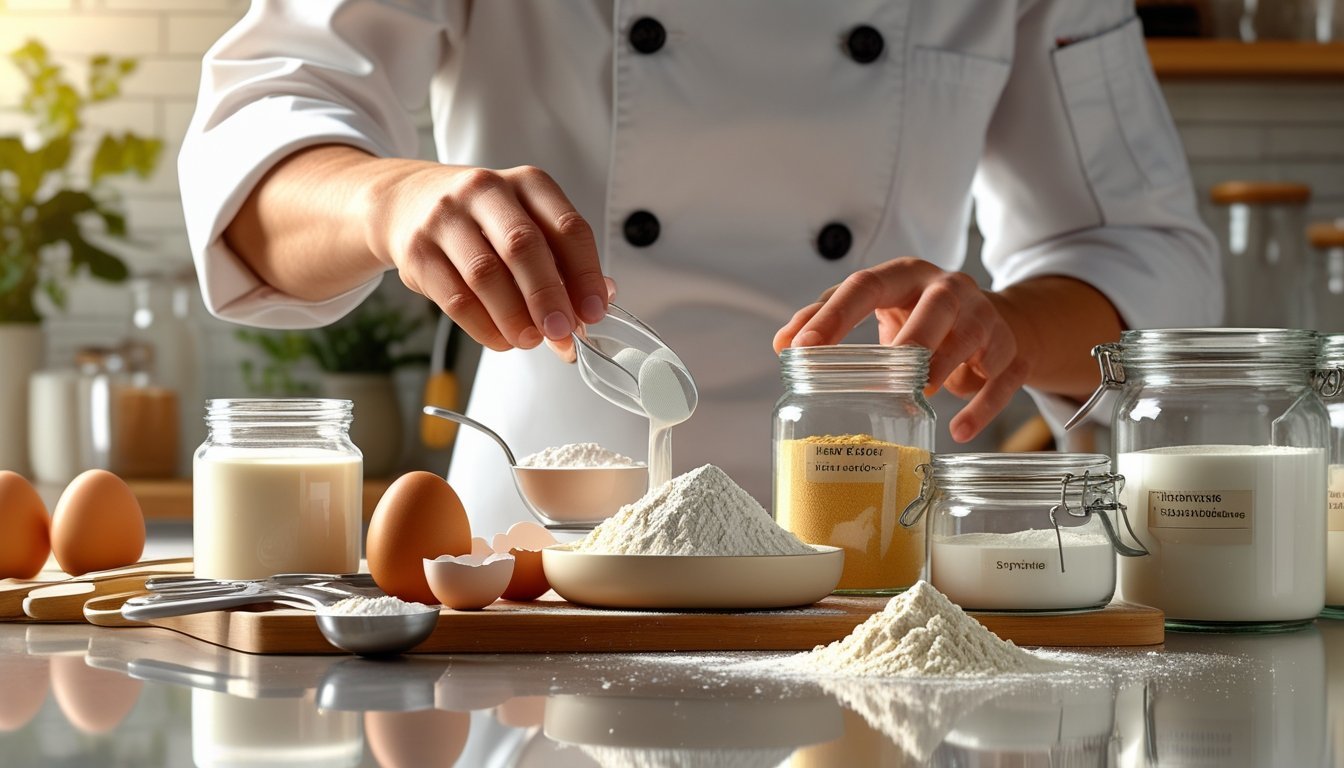
Careful substitutions and thoughtful observation can often prevent common kitchen failures. Understanding how key ingredients contribute to the chemical reactions in cooking will help ensure better outcomes, even when experimenting or making necessary changes.
Guidelines for Ingredient Substitutions
Not all ingredients react equally in recipes. For example, swapping baking powder for baking soda changes leavening results due to differences in acidity and chemical makeup. Dairy substitutions, such as using almond milk for whole milk, also impact texture and flavor because of different fat contents and proteins.
Consider the role of an ingredient before replacing it. Starches like flour, cornstarch, and arrowroot thicken differently and in varying quantities. Eggs provide structure and moisture; replacing egg in baked goods requires compensating for both its binding ability and liquid content.
Use reliable resources or charts for common ingredient substitutions. Always measure precisely and adjust for changes in moisture or fat. When in doubt, make small test batches to observe effects before final preparation.
Learning from Failed Experiments
Every failed kitchen experiment is an opportunity to understand chemical reactions in cooking. If bread fails to rise, for instance, assess whether the right type and amount of yeast was used, and if the dough's environment supported fermentation.
Keep notes for each recipe, especially when trying substitutions. Recording amounts, brands, and outcomes helps pinpoint what went wrong. Taste and texture failures often result from overlooked details: oven temperature, ingredient freshness, or improper mixing can all be culprits.
Successful cooking relies on learning from both predictable results and unexpected issues. Using a systematic approach—one change at a time—makes it easier to isolate problem factors and refine techniques for future attempts.

