
Teaching Kids to Substitute in Recipes Easy Ways to Boost Kitchen Confidence

Learning how to substitute ingredients in recipes helps kids become flexible, confident cooks who can adapt to any kitchen situation. Teaching children this skill not only builds their independence but also encourages healthy eating by making it easy to swap less nutritious ingredients for healthier options. This practical approach can lead to more creativity and success in the kitchen, even with limited ingredients.
Kids gain valuable problem-solving skills by experimenting with simple swaps, such as using rolled oats instead of bread crumbs or choosing fruit-based alternatives to sweet treats. Understanding substitutions also helps them accommodate allergies, dietary restrictions, and family preferences without stress.
By making ingredient substitutions a normal part of cooking, families can make mealtime more inclusive and enjoyable for everyone, while children build a foundation for lifelong healthy habits and kitchen confidence.
Why Teaching Kids to Substitute in Recipes Matters

Children benefit from learning to adapt recipes, as it develops essential cooking skills and practical kitchen decision-making. This experience also nurtures greater food independence and problem-solving from a young age.
Building Cooking Confidence
Cooking with substitutions allows kids to try new approaches when they don’t have every ingredient. For example, if a recipe calls for butter and only oil is available, they learn to make the swap themselves. This hands-on process shows that recipes can be flexible rather than fixed instructions.
By teaching children common substitutions—like using applesauce instead of eggs in baking or yogurt for sour cream—they gain practical knowledge. Table: Basic Ingredient Substitutions for Kids
Original Ingredient Easy Substitution Eggs Unsweetened applesauce Butter Canola or olive oil Sour Cream Plain yogurt Milk Plant-based milk
Small successes with substitutions help kids grow confident in the kitchen. They realize that mistakes can lead to learning instead of failure, which builds a positive attitude toward cooking and experimentation.
Empowering Independence
Learning how to substitute in recipes gives children the tools to solve problems on their own. If an ingredient is missing, they can think critically about what alternatives would work, which strengthens their decision-making skills.
This independence reduces reliance on adults or exact ingredients, enabling kids to participate more in family meal preparation. Over time, making substitutions allows them to adapt recipes for dietary needs, such as allergies or vegetarian choices.
Empowered by these experiences, children are less likely to give up on cooking when they encounter obstacles. They approach recipes as guidelines rather than strict rules, which leads to greater creativity and resilience in the kitchen.
Basics of Recipe Substitution for Kids
Kids benefit from learning how and why ingredients are used in recipes, since it helps them know what to substitute when an item is missing. Recognizing suitable swaps also supports healthier eating and builds important cooking skills.
Understanding Ingredient Functions
Every ingredient in a recipe has a specific job. Flour provides structure in baked goods, eggs help bind and add moisture, and fats like butter add richness and texture. Kids should know these roles so substitutions work as intended.
When an ingredient is missing, understanding its main purpose helps young cooks choose the best alternative. For example, if a recipe calls for oil, using applesauce instead can reduce fat while keeping baked goods moist. If a recipe needs milk, plant-based options can usually be substituted in equal amounts. Knowing the basics—such as what makes mixtures rise, hold shape, or taste creamy—allows for smarter swaps.
Identifying Common Substitutes
Some ingredients can be swapped out easily with items found in most kitchens. The table below shows common substitutions:
Ingredient Substitute(s) Butter Margarine, oil, applesauce Milk Soy, almond, or oat milk Eggs Flaxseed meal + water, applesauce Sugar Honey, maple syrup, mashed banana Flour Oat flour, almond flour, whole wheat
Kids should also look for ways to make recipes healthier, such as using unsaturated fats instead of butter, or choosing fruit for sweetness instead of sugar. Swapping proteins such as chicken for beef, or rice for pasta, ensures flexibility in meal planning. Developing these substitution habits helps kids gain practical, lifelong cooking skills.
Essential Cooking Skills for Safe Substitution

Children need specific cooking skills to substitute ingredients safely and successfully. Precise handling of tools and careful measurement are essential, as mistakes can affect taste, texture, and safety.
Developing Knife Skills
Proper knife skills are necessary when preparing substitute ingredients, especially when changing fruits, vegetables, or proteins. Kids should start by learning how to hold a knife correctly—using a claw grip for the guiding hand and anchoring the cutting hand on the handle. Safety rules, such as always cutting away from themselves and using a stable cutting board, must be taught early.
Supervision is critical for young children, who should begin with plastic or child-safe knives before graduating to sharper blades. They must practice slicing, dicing, and mincing different foods, focusing on even cuts. Consistent sizes help substitute ingredients cook uniformly, which is vital for most recipes.
Teach children to keep knives clean, wipe blades away from themselves, and store knives securely when not in use. Visual aids, such as diagrams or in-person demonstrations, can reinforce these habits.
Measuring and Portioning
Accurate measuring and portioning are fundamental for successful substitutions, as incorrect quantities may alter a dish. Children should understand the difference between dry and liquid measurements and use the right tools like liquid measuring cups, dry measuring cups, and measuring spoons. Always level off dry ingredients with a straight edge for precision.
Use hands-on activities to practice measuring flours, sugars, and spices. Discuss the concept of equivalents—such as 1 tablespoon equals 3 teaspoons—so kids know how to adjust recipes. Encourage them to double-check amounts before adding substitutes, and verify whether an ingredient should be packed or loosely filled.
Using a kitchen scale for certain substitutions or when recipes require weight instead of volume can further improve accuracy. Incorporating charts and conversion tables in the kitchen can help children make safe, informed decisions when substituting.
Substitution Strategies for Food Allergies
Substituting ingredients for kids with food allergies requires careful selection to avoid allergens while maintaining recipe quality. Suitable dairy-free and egg-free alternatives can help create safe and delicious meals.
Dairy-Free Alternatives
Coconut milk is a common substitute for cow’s milk in baking and cooking, offering a creamy texture and mild coconut flavor. It can replace evaporated milk in most recipes at a 1:1 ratio. For those who need a different taste, oat, soy, and rice milks work well in a variety of dishes.
When a recipe calls for cream cheese or yogurt, dairy-free versions made from almond, soy, or coconut bases are widely available. In sauces or baking, soft silken tofu can mimic the texture of cream or cheese, making it a practical choice for creating creamy textures. For butter, use margarine labeled as dairy-free or olive oil depending on the recipe's needs.
Table: Common Dairy Substitutes
Original Substitute Notes Cow's Milk Coconut, oat, soy, or rice milk Adjust flavors as needed Evaporated Milk Coconut milk (1:1) Adds coconut flavor—choose according to dish Cream Cheese/Yogurt Plant-based or silken tofu Check for allergens in premade products Butter Dairy-free margarine, olive oil Taste and texture will vary
Egg-Free Options
Egg allergies are common, especially in children. Many egg substitutes exist for baking and cooking. Commercial egg replacers are often potato or tapioca starch-based and are allergy-friendly.
Flaxseed meal and chia seeds mixed with water create a gel that acts as a binder in recipes. Use 1 tablespoon flaxseed or chia seed meal with 3 tablespoons water per egg. Fruit purees, like applesauce or mashed banana, add moisture to cakes and muffins but may change the flavor.
Table: Popular Egg Substitutes
Purpose Substitute Amount Binding (baking) Flax/chia + water 1 Tbsp meal + 3 Tbsp water/egg Moisture (baking) Applesauce, banana 1/4 cup per egg Structure (savory) Silken tofu, pureed 1/4 cup per egg
In savory dishes or custards, pureed silken tofu blends smoothly and holds shape well. Choosing the right substitute ensures the dish is both safe and appealing for everyone at the table.
Boosting Nutrition Through Substitution
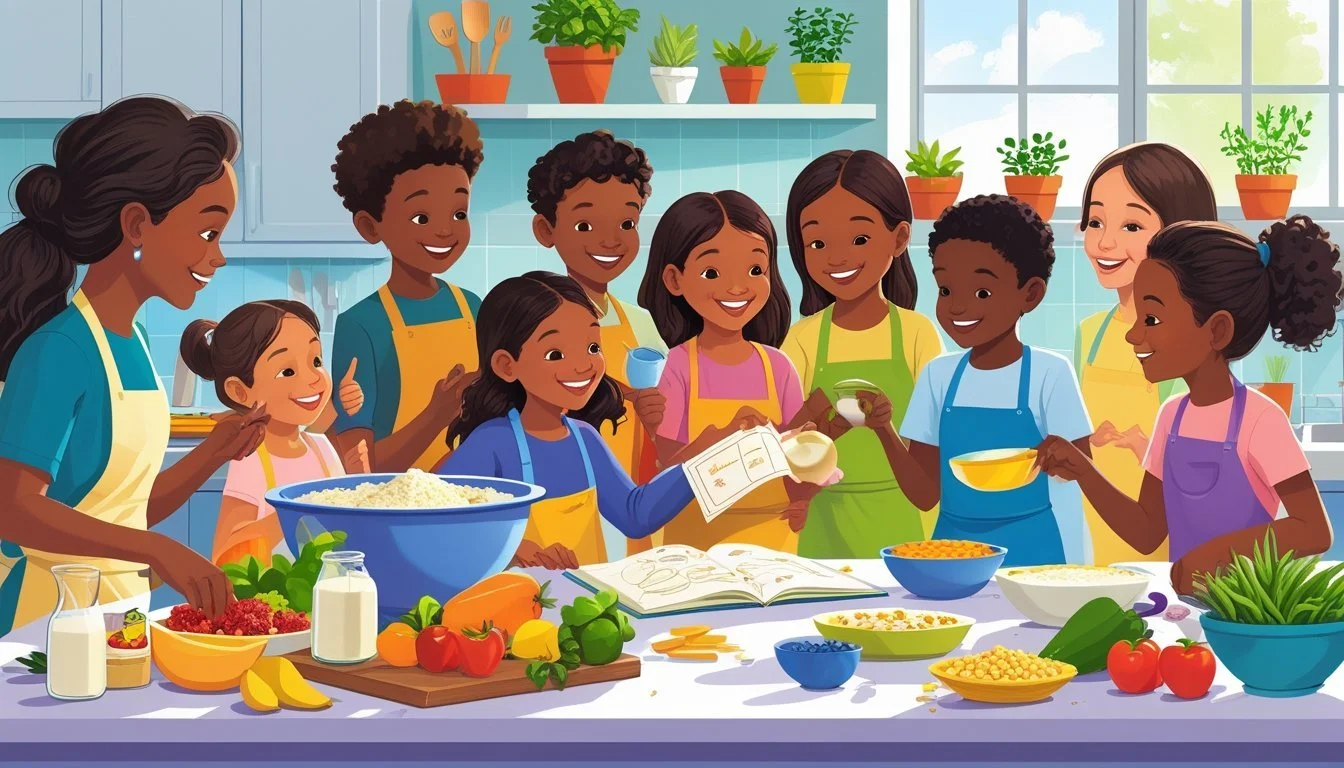
Simple ingredient swaps make a direct impact on the nutritional quality of children’s meals. Swapping ingredients can help raise protein levels or lower added sugars without sacrificing taste.
Increasing Protein Content
Adding more protein to meals supports healthy growth and helps keep kids full longer. Swapping in high-protein options can be easy with just a few changes. For example, Greek yogurt can replace regular yogurt in smoothies, dips, and parfaits, offering nearly twice the protein content.
Shredded chicken, canned tuna, or tofu can enhance pasta, salads, or rice dishes. Tofu is especially versatile—it takes on flavors well and can be diced into soups or blended into sauces for added protein without altering texture.
In baked goods, substituting part of the flour with powdered milk or nut flour (like almond flour) increases protein, while scrambled eggs can be added to fried rice or stir-fries for a simple boost. Using cheese or beans as a pizza topping instead of just vegetables raises protein and keeps meals satiating.
Reducing Sugar with Smart Swaps
Lowering added sugars in kid-friendly recipes supports balanced energy and healthier teeth. One approach is to use unsweetened applesauce, mashed bananas, or pureed dates as sweeteners when baking muffins or brownies. These swaps not only reduce table sugar but add fiber and nutrients.
Instead of sweetened condensed milk, try using Greek yogurt or blended cottage cheese in recipes like frozen treats or no-bake bars. These offer creaminess and a protein boost without extra sugar. For drinks, opt for fruit-infused water over sweetened beverages, or mix 100% fruit juice with sparkling water for a lower-sugar option.
Selecting cereals or snacks with less added sugar and more whole grains also helps. Reading ingredient labels together can teach kids how to identify sugar content and become more aware of their choices.
Creative and Fun Ingredient Swaps for Kids
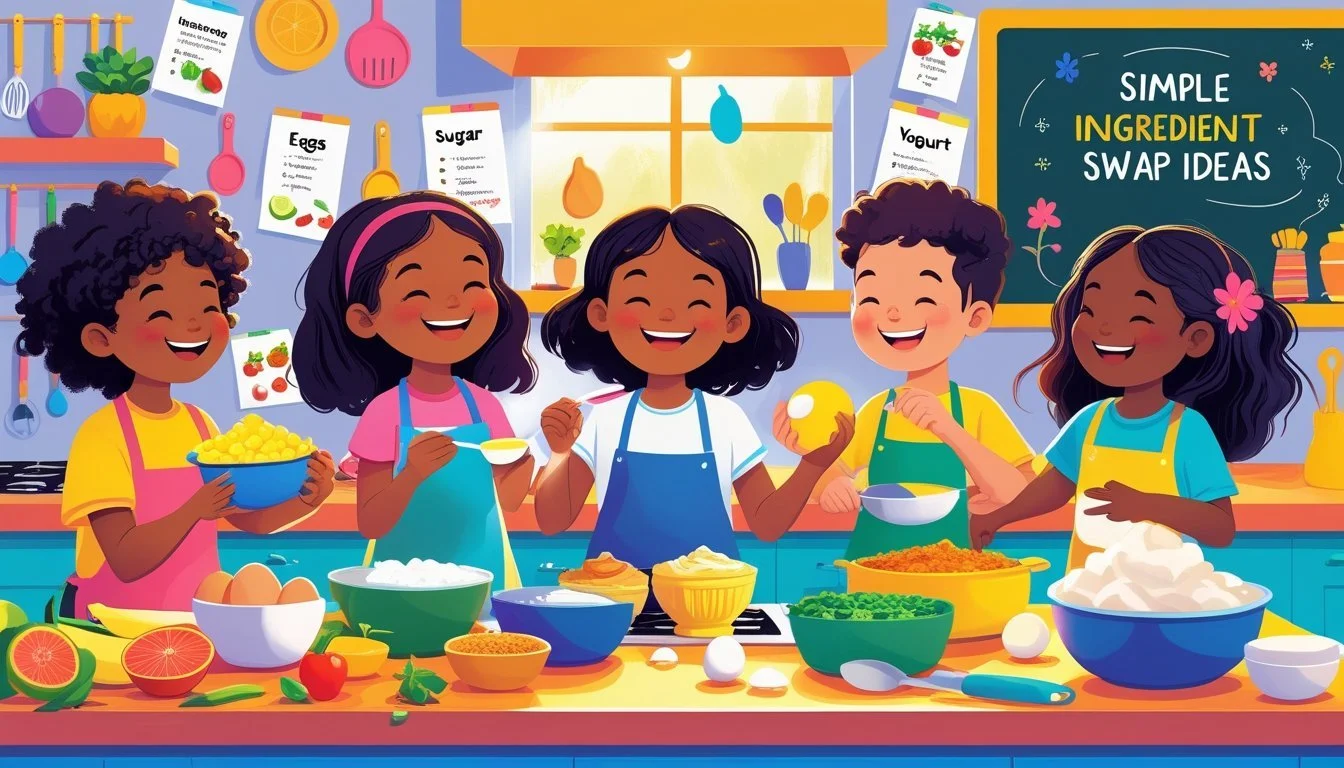
Learning to swap ingredients helps kids adapt recipes to fit what’s available and introduces them to new flavors and skills. Ingredient substitution builds flexibility in the kitchen and encourages creative problem-solving.
Making Recipes with What’s On Hand
Young cooks often discover that some ingredients are missing, especially during last-minute meal prep. Teaching them how to substitute builds resourcefulness and reduces food waste. For example, if a recipe calls for buttermilk, they can combine regular milk with a little lemon juice as an alternative.
Common Swaps Table:
Original Ingredient Kid-Friendly Substitute Eggs Unsweetened applesauce or mashed banana Butter Coconut oil or plain yogurt Pasta Spiralized zucchini or whole-wheat pasta White bread Whole grain bread
Kids can also try swapping different cheeses, flours, or vegetables based on what’s on hand. Safe experimentation gives them confidence and a sense of ownership over the meal.
Exploring Global Flavors by Swapping Ingredients
Encouraging kids to try international ingredient swaps helps expand their palates. For example, instead of white rice, they might use quinoa or couscous to add texture and nutrition. Switching out ground beef for lentils in tacos introduces plant-based alternatives.
Parents and teachers can use the following strategies:
Replace marinara sauce with salsa for a Mexican-inspired twist.
Use Greek yogurt instead of sour cream in dips.
Add curry spices to roasted vegetables for an Indian flavor.
Youth learn about different cultures and cooking traditions while practicing substitution. This approach makes meals more interesting and exposes kids to a wider range of healthy foods.
Tips for Successfully Teaching Kids Recipe Substitution
Teaching kids to substitute ingredients in recipes involves building their confidence, encouraging critical thinking, and helping them see the value in experimentation and learning from errors. Focusing on these practical skills ensures kids will be able to adapt to changes and become more independent in the kitchen.
Encouraging Experimentation
Kids learn best when given the freedom to explore and try new things. Allowing them to choose substitute ingredients—like swapping applesauce for oil or yogurt for sour cream—makes them active participants in the process. Present options visually with simple lists or charts so they can quickly see possibilities.
For example, try displaying common substitutions:
Original Ingredient Possible Substitutes Eggs Mashed banana, applesauce Milk Oat milk, almond milk Sugar Honey*, maple syrup* Butter Margarine, coconut oil
*Honey or maple syrup should be used in smaller amounts due to increased sweetness and moisture.
Encourage them to think about why a substitute might or might not work. Discuss texture, taste, and the role of the ingredient in the recipe. Let them predict what will happen, turning substitution into a small science experiment.
Making Mistakes a Learning Opportunity
Mistakes are part of learning, especially when developing new cooking skills. When a recipe doesn't turn out as planned, discuss what happened rather than focusing on the failure. Help kids analyze the outcome: Did the muffins come out flat because there was no baking powder? Did the taste change with the milk alternative?
Use each experience as a chance to reinforce problem-solving. Guide them to consider what they might do differently next time, such as adjusting amounts or choosing another substitute. This process encourages resilience and adaptability.
Frame mistakes as valuable data for future attempts. Kids gain confidence when they see that setbacks are expected and useful for growth. This mindset helps them remain curious and persistent in their approach to cooking and substitutions.

