
Lessons from Wartime Rationing on Food Replacement Strategies for Modern Food Security

Wartime rationing forced people on the home front to find creative solutions for food shortages and adapt to limited resources. Governments encouraged the public to replace scarce foods like meat, sugar, and fats with alternatives, bringing about noticeable changes in eating habits and recipes. Wartime rationing teaches that food replacement—using substitutes and stretching ingredients—can help communities cope with supply disruptions and scarcity.
Campaigns like Meatless Mondays and other conservation efforts reduced overall consumption, prompting families to rely on locally available foods and adjust their diets. These efforts not only supported soldiers but also reshaped national eating patterns in lasting ways.
The strategies and substitutions developed during these challenging times highlight the resilience and adaptability of communities under pressure. The lessons learned continue to offer practical insight for anyone interested in resourcefulness and sustainable cooking today.
The Fundamentals of Wartime Rationing
Wartime rationing emerged as a structured method to address scarcity and ensure food access during major conflicts. Focused policies, direct government involvement, and equitable systems for distribution shaped the efficiency and impact of these measures.
Principles of Food Rationing
Food rationing during war was driven by the need to conserve limited supplies and guarantee everyone received basic nutrition. Core principles included limitation, substitution, and encouragement of efficient resource use. Rations usually covered essentials like meat, sugar, butter, and eggs.
Authorities emphasized creative cooking to make small quantities stretch further. Citizens learned to substitute scarce items with more plentiful or locally available alternatives. This culture of adaptability helped maintain health standards despite shortages.
Rationing also focused on minimizing waste. Households were encouraged to plan meals, preserve foods, and use every part of available ingredients. The goal was not only to address scarcity but also to instill lasting habits of resourcefulness.
Government Intervention and Policy
Governments played a central role in implementing and enforcing rationing policies. Agencies like the U.S. Food Administration managed the allocation, conservation, and distribution of food supplies during conflict.
They issued ration books or coupons that determined how much of each item a person or family could purchase weekly or monthly. Strict rules discouraged hoarding and black-market activity. Penalties and inspections ensured compliance and order.
Policies were shaped by regular assessments of food availability and nutritional needs. Authorities adjusted quotas as conditions changed. They also launched campaigns to communicate the purpose of rationing and to build public cooperation through patriotism.
Fair Distribution Strategies
Ensuring fair distribution was critical to the effectiveness of rationing systems. Governments sought to prevent social inequalities, especially when resources were limited.
Centralized distribution points, such as public markets and designated stores, helped regulate access to scarce items. Ration books provided a record for each household’s entitlements, reducing the risk of unfair advantage.
Special attention was given to vulnerable groups, including children and the elderly, to make sure their dietary needs were met. Outreach and community involvement were common, and the use of public messaging reinforced the importance of fairness in tough times.
Key Methods Purpose Ration books and coupons Track and limit purchases Special quotas for vulnerable groups Maintain health standards Centralized distribution points Orderly, fair food access
Rationing in Global Context: WWI and WWII
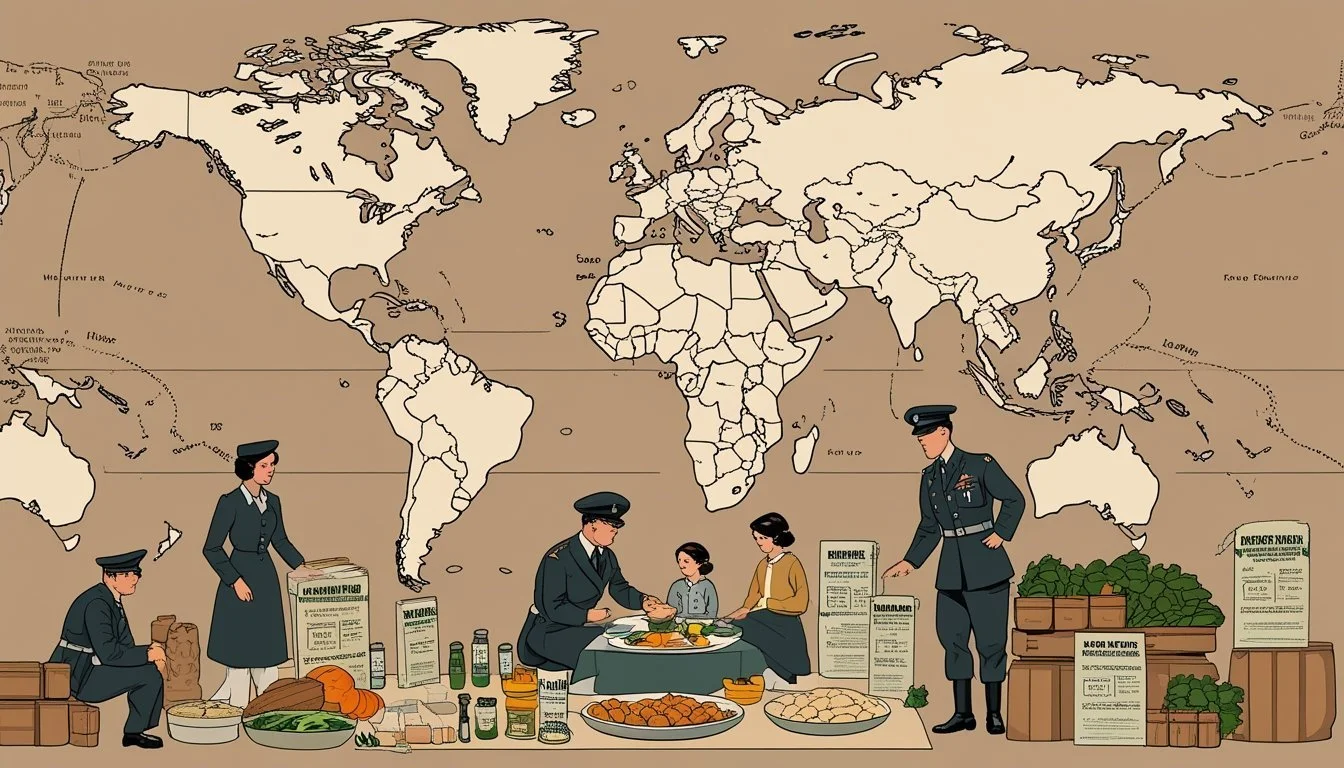
Food rationing during the world wars shaped daily life, influenced government policy, and changed the way people viewed resources. Each region implemented distinctive methods, regulations, and cultural responses, reflecting their unique needs and constraints.
UK Rationing Regulations
The United Kingdom introduced formal food rationing during both WWI and WWII, aiming for fairness amid limited imports. The Ministry of Food distributed ration books to households, controlling access to essentials like meat, sugar, butter, and eggs.
Consumers registered with local shops, and strict point systems dictated purchases each week. Propaganda campaigns urged citizens to “Dig for Victory,” encouraging the cultivation of home gardens to supplement limited rations.
Rationing continued well after WWII ended, with some items like meat not fully available until 1954. These measures helped ensure basic nutrition but made variety difficult. British households adapted by using substitute ingredients and following government-issued recipes.
American Culture and Adaptations
The United States began rationing later than the UK, primarily during WWII. The Office of Price Administration (OPA) organized the system, issuing ration books and tokens for products like gasoline, meat, cheese, sugar, and canned goods.
Americans responded with community-oriented behaviors, such as organizing victory gardens and participating in food drives. K-rations and C-rations were supplied to troops, influencing the development of processed foods in the postwar period.
Cultural adaptation included substituting ingredients, holding meatless Tuesdays, and embracing propaganda messages like “Food is Ammunition—Don’t Waste It.” These efforts balanced military needs with domestic supply, while helping to promote solidarity and conservation.
Experiences in Italy, Germany, and Africa
Italy and Germany faced more acute shortages and stricter rationing due to blockades and damaged supply chains. Bread, fats, and coffee became scarce, leading to the widespread use of ersatz (substitute) products such as chicory for coffee. Citizens endured long lines and black markets as official rations seldom met caloric needs.
In parts of Africa controlled by European powers, rationing was affected by colonial policies. While European settlers often received preferential treatment, local populations sometimes faced severe rationing or were compelled to supply food to occupying forces.
Propaganda varied widely: in Germany, it encouraged perseverance and sacrifice, while in Italy and African colonies, state control over food supplies reinforced existing power structures and highlighted inequalities.
Food Replacement Solutions During Scarcity
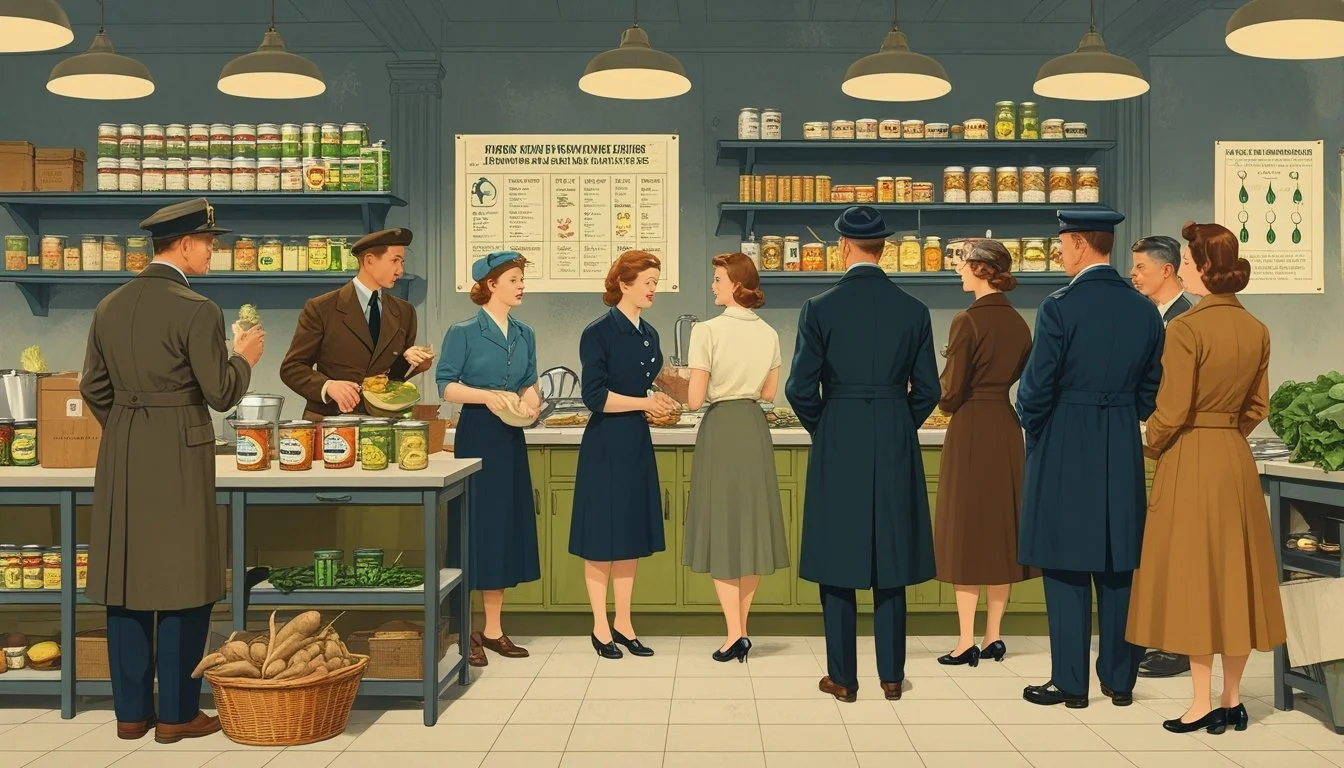
Food shortages during wartime led to a wave of new strategies for extending supplies and replacing scarce ingredients. Households adopted practical methods to stretch resources, preserve food, and ensure nutritional needs were met as best as possible.
Wartime Recipes and Substitutions
Wartime recipes often called for alternative ingredients when staples were missing. Sugar shortages pushed bakers to use honey, molasses, or even mashed carrots as sweeteners. Eggless and milkless cakes became common, using vinegar or baking soda as leaveners.
Home cooks replaced fats like butter with margarine or rendered animal fats. Breads and baked goods relied more on whole grains and oats, as white flour was limited. Vegetable oil sometimes stood in for lard or shortening in recipes.
Tables like the one below show typical ingredient swaps:
Original Ingredient Wartime Replacement Butter Margarine, bacon fat Sugar Honey, corn syrup Eggs Vinegar & baking soda White Flour Whole wheat, oats
These adaptations helped families make meals despite rationing.
Meatless Mondays and Meatless Tuesdays
Programs like Meatless Mondays and Meatless Tuesdays encouraged the public to voluntarily avoid meat, so more could be sent to troops. These campaigns were widely promoted in the U.S. and the U.K., and often accompanied by simple recipes for filling, meat-free meals.
Staples included beans, lentils, and peas, which provided protein in place of meat. Nuts and cheese sometimes supplemented these dishes when available.
Meals shifted toward hearty vegetable stews, pasta bakes, and egg-based casseroles. Leaflet guides and radio shows shared recipes such as vegetable pies or bean soups, which became central to many families’ routines.
Rise of Canned Food and Preserving
Limited access to fresh produce and protein led to a significant rise in the use of canned foods and preservation techniques. Home canning became a key activity, with government campaigns teaching people how to safely preserve fruits, vegetables, and even meats.
Canned beans, tomatoes, and fruit helped support balanced diets when supplies ran low. People also dried and pickled vegetables from home gardens as another way to extend their food supply.
The table below highlights common preserved foods:
Preserved Item Method Green Beans Canning or pickling Apples Drying, canning Fish Canning, salting Tomatoes Canning, drying
These methods kept pantries stocked even during harsh periods of scarcity.
Adaptations and Innovation in Meals
Scarcity encouraged resourcefulness and creative problem-solving in meal planning. Households reused leftovers in new dishes, such as making stew from soup, casseroles from yesterday’s roast, or bread puddings from stale loaves.
Recipe booklets and government advice circulated ideas for getting the most from every ingredient. Cooks learned to stretch animal proteins, for example, by adding grains or vegetables to bulk up meatloaf or extending stews with dumplings.
Ingenuity led to the development of new flavor combinations and favorite dishes that persisted after the war. Wartime need drove innovation, showing that simple substitutions and efficient use of resources could produce satisfying, nutritious meals in difficult times.
Growing Food and Community Engagement
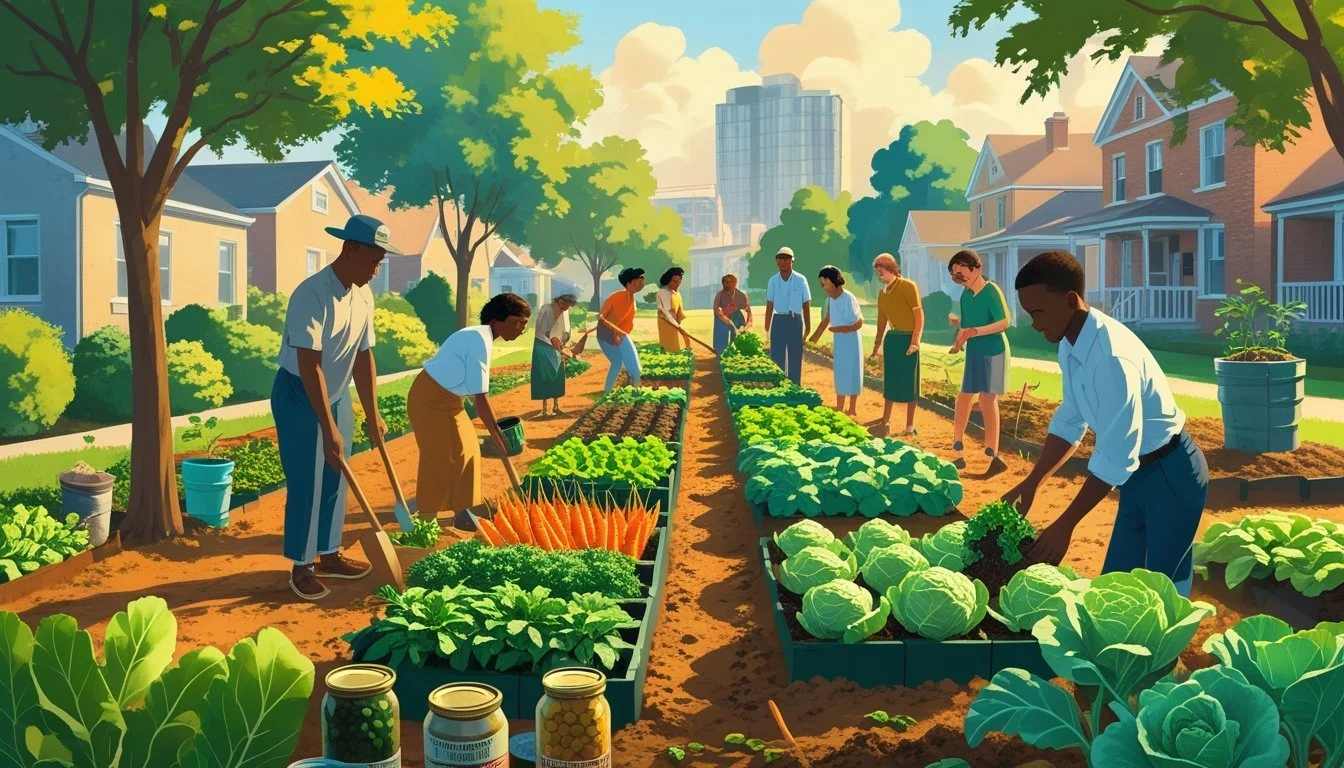
During the war effort, communities responded to shortages by growing their own food and coming together through shared responsibilities. Collaboration and local action directly addressed food insecurity while also strengthening social bonds and resilience.
Victory Gardens and Community Gardens
Victory gardens emerged as a widespread solution for food scarcity during the world wars. Individuals, families, and groups converted yards, empty lots, and public spaces into productive gardens. These efforts produced significant amounts of vegetables, helping to supplement national food supplies and relieve pressure on strained agricultural systems.
Community gardens took shape in both urban and rural environments. Diverse groups of people participated, reflecting the culture and demographics of their neighborhoods. These gardens allowed for direct access to fresh produce and reduced reliance on food rations or ration books.
Participation in such efforts encouraged skills development in planting, harvesting, and storing crops. Shared knowledge became a valuable resource, fostering a sense of empowerment and practical self-sufficiency across generations. Victory gardens and community gardens remain a testament to the power of local action during times of widespread need.
Volunteerism and Collective Action
Volunteerism played a central role in the wartime food replacement effort. Neighbors organized seed exchanges, communal planting days, and harvest sharing events. Individuals with experience guided others, and support networks for both new and established gardeners grew rapidly.
Collective action built a culture of collaboration. List of key benefits:
Pooling of manual labor reduced individual workload
Diverse planting strategies mitigated risks of crop failure
Shared resources, such as tools or water access, were used more efficiently
Engagement in these efforts was not limited to direct gardening. People contributed through education, outreach, transportation, and preservation work. This broad and inclusive approach showed that everyone could play a part in supporting food security and resilience during crisis.
Conserving and Reducing Food Waste
Wartime rationing required society to use what was available, reduce unnecessary waste, and rely on practical systems for conserving food and resources. Techniques developed during this era emphasized efficiency and fairness, shaping the way people approached limited supplies.
Food Conservation Techniques
During periods of rationing, households used a range of methods to extend the life of food and prevent waste. Preserving foods by canning, pickling, and drying became common practices. People saved bacon drippings for cooking, reused leftovers, and adopted “meatless” or “wheatless” days to stretch key ingredients.
Educational campaigns, such as cooking classes and recipe booklets, instructed citizens on how to make the most of every ingredient. Portion control and careful meal planning were encouraged to ensure that meals were nutritious while also minimizing excess. Food scraps that could not be reused were often composted or fed to livestock, helping to close the food loop and limit discard.
Resource Conservation and Sustainable Practices
With many goods in short supply, resource conservation became essential. The rationing system promoted equitable distribution, so everyone received a fair share, reducing pressure on supply chains. This often meant shifting to locally produced or seasonal foods, cutting down food miles and emphasizing sustainable practices through necessity.
Communities established “Victory Gardens” in backyards and vacant lots to supplement limited rations. These gardens provided vegetables and herbs, decreasing dependence on imported goods. Reusing packaging materials, repairing utensils, and sharing resources among neighbors further reduced waste and supported a culture of conservation.
Handling Hoarding and Black Markets
To maintain food security and fairness, authorities implemented strict controls against hoarding and black markets. Hoarding limited the availability of essentials and created inequalities in access. Ration books and coupons were introduced to regulate purchases and prevent stockpiling.
Black markets emerged as an illegal workaround, but governments pursued enforcement policies to curb these activities. Public messaging campaigns labeled hoarding as unpatriotic and encouraged communities to monitor for suspicious behavior. Reporting systems were set up, and penalties for violations helped deter both hoarders and those participating in black market exchanges.
Lessons for Modern Challenges
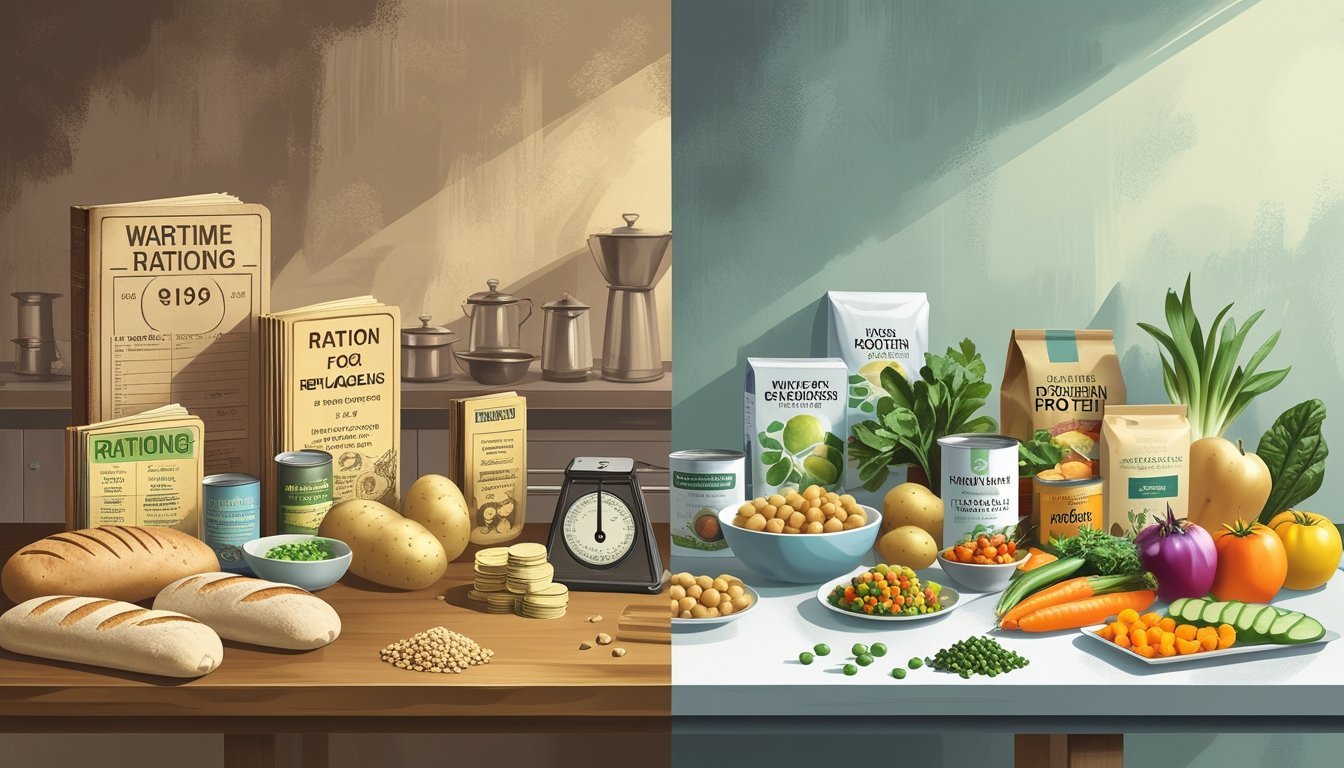
Food rationing during wartime forced people to adapt daily eating habits, find substitutions for scarce products, and work together to ensure food security. The strategies developed for nutrition, local food production, and social cohesion continue to offer practical guidance for addressing present-day challenges.
Impacts on Nutrition and Health
Wartime rationing required careful attention to nutrition. People learned to adjust their diets by using available foods and substituting less common ingredients. This encouraged balanced meals centered on staple items like grains, legumes, and seasonal vegetables.
Nutritional adaptation led to a decline in diseases related to unhealthy diets, such as obesity and heart problems. These experiences highlight the value of meal planning and modest portions.
Current challenges like climate change and fluctuating food supplies can benefit from these lessons. A diet focused on local, in-season foods improves nutrition and supports sustainable agriculture.
Common Rationing Substitutes Table
Scarce Food Wartime Substitute Meat Lentils, beans, tofu Butter Vegetable oils, margarine Sugar Honey, syrup White flour Whole grains, potatoes
Securing Food in Contemporary Society
Rationing showed that planning ahead and diversifying food sources increase stability. Stockpiling essentials, even in small amounts, helps households withstand sudden disruptions. Victory gardens and community plots during WWII boosted local food independence.
Modern food systems face threats from climate change and supply chain interruptions. Small-scale urban agriculture, such as balcony gardens or local cooperatives, expands food production and reduces reliance on external sources.
Households that plan meals, minimize waste, and preserve surplus food enhance their resilience. Food security today also depends on promoting sustainable practices in both small and large-scale agriculture.
Building Community Resilience to Scarcity
Wartime rationing brought people together, strengthening social bonds through shared kitchens, food drives, and neighborhood cooperation. This sense of solidarity helped communities overcome periods of scarcity.
Building resilience today means encouraging collaboration during shortages. Community food banks, shared gardens, and cooking groups foster support networks that can distribute resources fairly.
Social cohesion reduces stress and isolation in challenging times. When communities understand the value of pooling skills and supplies, they become stronger in the face of crises. The lessons of cooperation and mutual aid remain crucial for navigating uncertain food supplies.

