
Ingredient Substitution in Zero-Waste Cooking
Smart Alternatives for Sustainable Meals
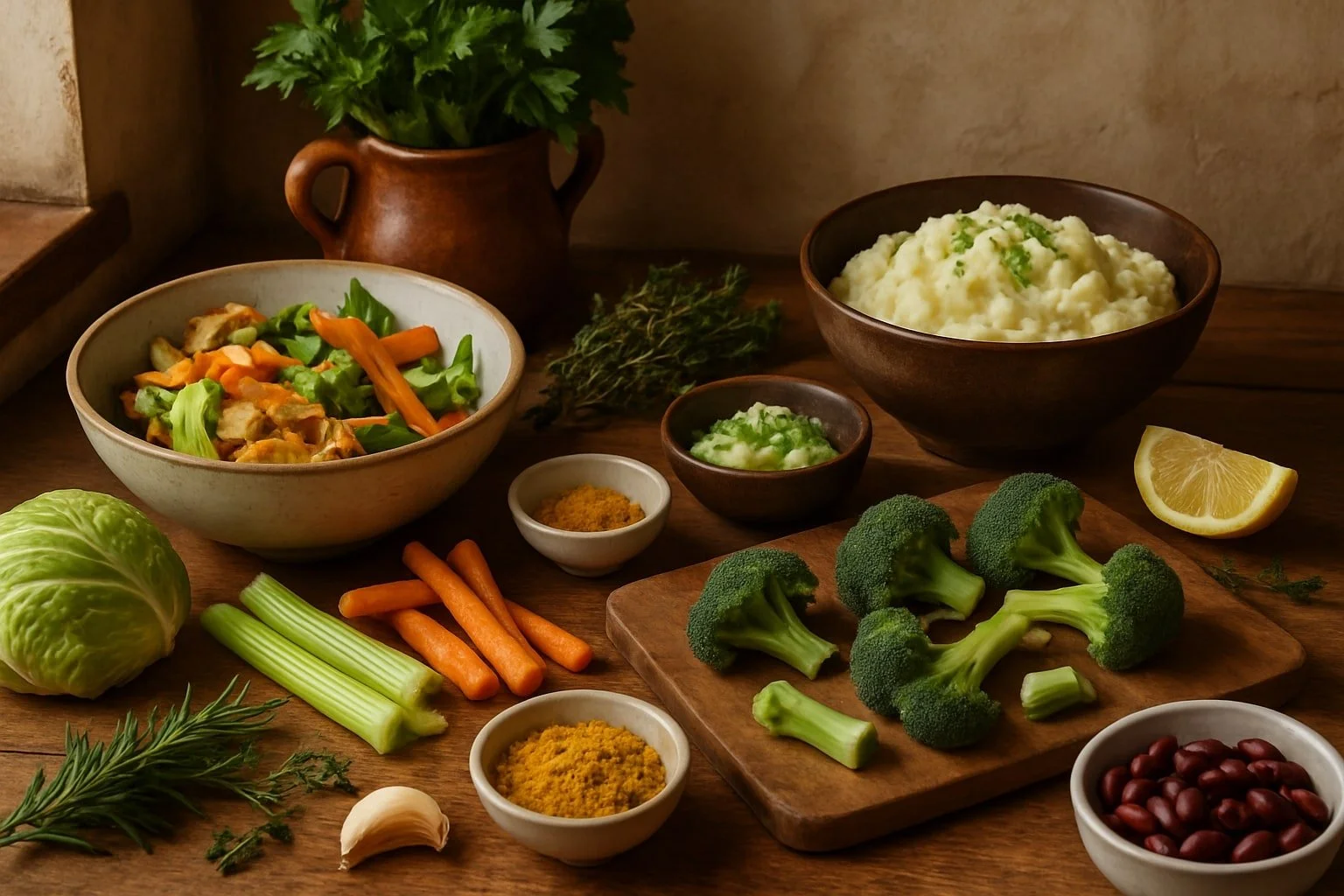
Ingredient substitution is a powerful tool in zero-waste cooking, allowing cooks to reduce food waste and save money by making the most of what they already have. With flexible substitutions, leftover or unexpected ingredients can easily find a place in everyday meals, minimizing what gets thrown away and maximizing value in the kitchen.
Zero-waste cooking is more than a trend—it directly addresses the environmental impact of food waste, which accounts for significant loss each year. By learning how to creatively swap or repurpose ingredients, people can contribute to a more sustainable food system without sacrificing taste or nutrition.
Ingredient substitutions not only help prevent waste but also give home cooks the confidence to experiment and adapt recipes on the fly. This approach makes it easier to use up surplus produce or pantry staples, ensuring fewer resources are wasted, and supports a cleaner, less wasteful lifestyle.
Principles Of Zero-Waste Cooking

Zero-waste cooking centers on reducing food waste through careful ingredient use and creative culinary approaches. By focusing on whole ingredient utilization, thoughtful meal planning, and adaptable cooking techniques, anyone can build a more sustainable kitchen while maximizing nutrition and reducing environmental impact.
Understanding Food Waste
Food waste occurs at many stages in the kitchen, from overbuying groceries to discarding edible peels, leaves, or stems. In many households, poor storage and lack of planning lead to spoiled ingredients and unnecessary disposal.
A key strategy is planning meals in advance and shopping with specific recipes in mind. This reduces the chance of ingredients spoiling before they can be used. Consistent inventory checks help cooks use what they already have before buying more.
Tracking food waste can help identify frequent problem areas. For example, using a simple table to record what goes uneaten each week can reveal patterns and help target solutions.
Common Food Waste Sources Prevention Tip Spoiled vegetables Store properly, use soon Leftover cooked food Repurpose into new meals Trimmed produce parts Incorporate into broths, sauces
Maximizing Nutritional Value
Zero-waste cooking seeks to capture as much nutrition as possible from every ingredient. Instead of peeling carrots or discarding broccoli stems, these parts can be cleaned and included in recipes. Leafy tops from beets or radishes are nutrient-rich and can be used in soups or sautéed dishes.
Using the whole ingredient not only reduces waste but also adds micronutrients that are often found in skins, stems, and leaves. For example, potato skins are a good source of fiber and vitamin C, while citrus peels contain antioxidants.
A sustainable kitchen often relies on bulk storage and reusable containers to keep ingredients fresh. Proper storage preserves taste and nutritional content, making it easier to use produce before it loses quality. Labeling leftovers with dates helps cooks track freshness and maintain food safety.
Creative Cooking Techniques
Creativity in the kitchen is essential for zero-waste recipes. Home cooks can substitute ingredients based on what is available, turning aging vegetables or fruit into soups, stews, or baked goods instead of letting them go to waste.
Flexible recipes encourage substitution. For instance, wilting greens can replace spinach in quiches, or stale bread can be used for croutons. Vegetable scraps and bones can be boiled to make homemade broths, extending ingredient use and adding flavor.
By embracing creative cooking, individuals can adapt recipes to minimize waste, use seasonal ingredients, and try new combinations. This approach leads to more variety on the plate and supports efforts to reduce the environmental impact of food preparation.
Essential Ingredient Substitution Strategies
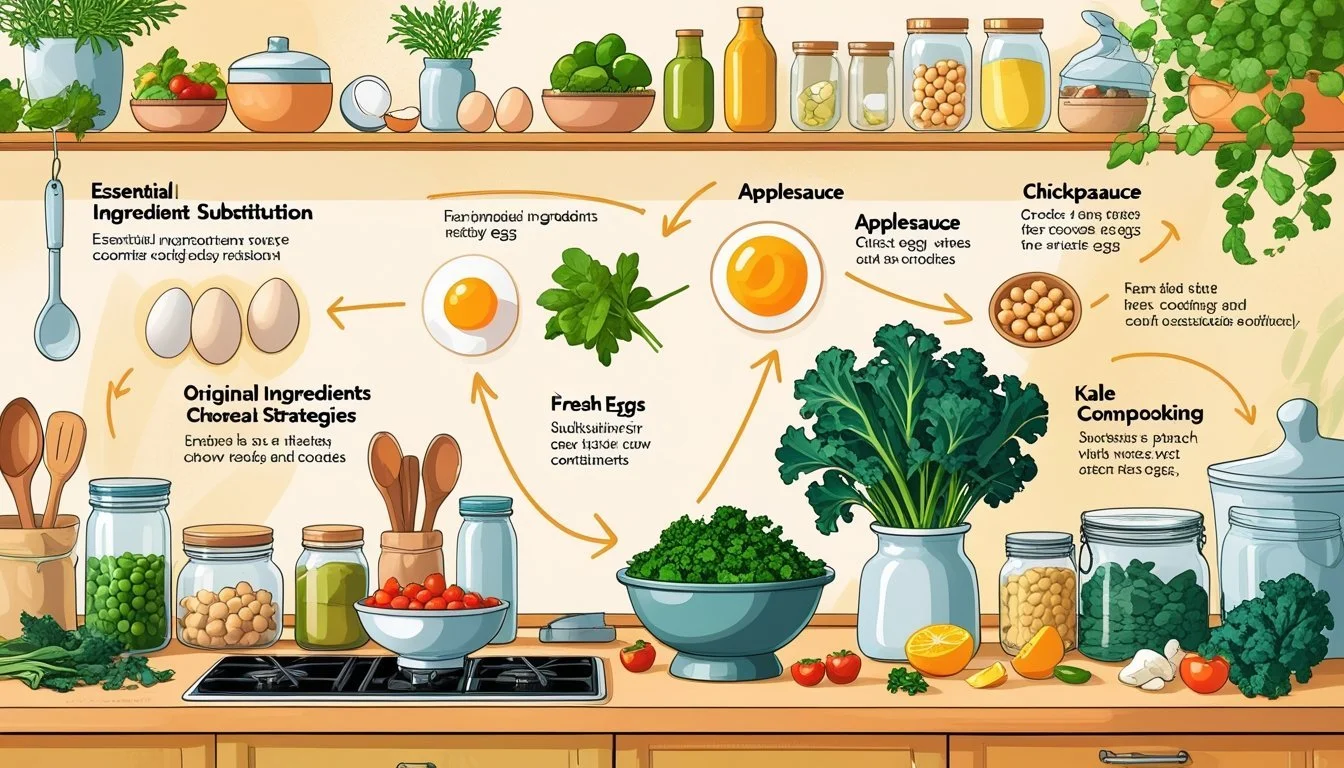
Food waste can be drastically reduced by approaching cooking with flexibility and a willingness to adapt ingredients. Resourceful use of leftovers, vegetable scraps, and overripe fruit not only minimizes waste but also introduces creative solutions to everyday meals.
Using Leftovers As Key Ingredients
Leftovers from previous meals can act as foundational ingredients for new dishes. For example, cooked rice easily becomes the base for fried rice, casseroles, or rice pudding. Roasted vegetables or uneaten proteins are ideal for frittatas, stews, or grain bowls.
Batch cooking often results in small amounts of unused side dishes or proteins, which can be repurposed in wraps, soups, or salads. Transforming leftovers helps keep flavor fresh while avoiding repetition. Using a simple table can help plan these substitutions:
Leftover Substitute usage Roast chicken Soup, salad, sandwich filler Cooked pasta Pasta bake, pasta salad Grilled veggies Omelets, grain bowls, tacos
Prioritizing leftovers extends food’s lifespan and maximizes resources on hand.
Transforming Vegetable Scraps
Vegetable peels, stems, and tops are often discarded, but many are perfectly edible and can enhance other recipes. Carrot tops can be made into a pesto. Broccoli stems can be shredded for slaws or fried rice.
Scraps like onion skins, celery tops, or herb stems are excellent for homemade stock. After simmering, the broth adds deep flavor to soups, risottos, and sauces. When sautéed or roasted, parts like beet greens or cauliflower leaves provide nutrition and variety.
Using vegetable scraps supports zero-waste goals, increasing kitchen efficiency while adding depth to meals.
Substituting Overripe Fruit
Overripe fruits, such as bananas, apples, or berries, can be easily substituted for fresh fruit in many recipes. Bananas that are too soft for fresh eating are ideal for banana bread, smoothies, or pancakes. Apples with soft spots can be diced for compotes or baked desserts.
Mashed or pureed overripe fruit works as a natural sweetener in muffins or oatmeal. Slightly fermented fruit can be cooked down into sauces or jams. This approach provides an alternative to discarding fruit while reducing the need for additional sugars in recipes.
When cooking in batches, overripe fruit is often more flavorful and aromatic, adding distinctive taste to baked goods and preserves.
Replacing Proteins And Dairy In Zero-Waste Recipes
Swapping out traditional proteins and dairy can make zero-waste cooking more accessible and sustainable. Using pantry staples like aquafaba and leftover egg whites reduces food waste, saves money, and supports resourceful meal planning.
Aquafaba And Plant-Based Replacements
Aquafaba, the liquid from canned chickpeas, is a reliable substitute for eggs in many recipes. It can be whipped, frothed, or used as a binder in baked goods, mayonnaise, and even meringues.
Plant-based milks—such as oat, almond, or soy—are suitable dairy alternatives. They work well in sauces, baking, and drinks. Unsweetened varieties offer a neutral flavor, making them adaptable.
For cheese or yogurt, use blended nuts or seeds mixed with lemon juice and nutritional yeast for a tangy effect. Tofu and tempeh, both protein-rich and versatile, can stand in for meats, especially when marinated or seasoned.
A simple table outlines common plant-based swaps:
Protein/Dairy Zero-Waste Substitute Eggs Aquafaba, flaxseed gel Milk Oat, soy, almond milk Cheese Nut-based cheese Meat Tofu, tempeh
These options help keep cooking sustainable and flexible, especially when using what is already on hand.
Utilizing Leftover Egg Whites
Leftover egg whites often go unused after separating eggs. They are highly versatile and reduce waste when incorporated into various dishes.
They can be whipped and folded into cakes, pavlova, angel food cake, or soufflés. This boosts volume and creates a light, airy texture. Add to savory recipes like frittatas, omelets, or even stir into soups for an added protein boost.
Egg whites can also be stored in the fridge for a few days or frozen for longer periods, making them a practical option in zero-waste kitchens. Using them well saves money and keeps cooking sustainable.
Reusing egg whites highlights a resourceful approach to everyday cooking, turning leftovers into valuable ingredients rather than discards.
Utilizing Bread And Grain Byproducts
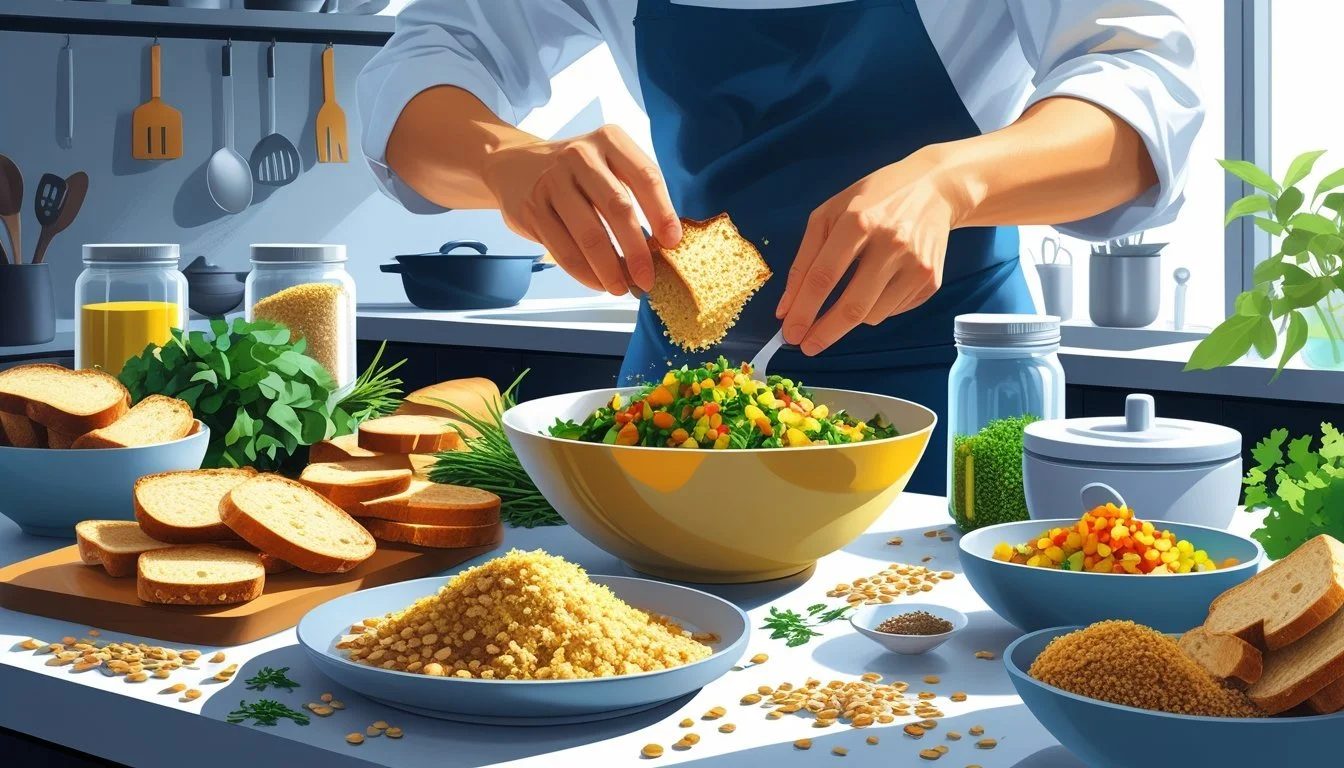
Leftover bread and grain byproducts present practical opportunities to reduce waste while saving money. By transforming these items into useful ingredients, cooks can extend the life of pantry staples.
Croutons And Breadcrumbs From Stale Bread
Stale bread is often discarded even though it remains safe and useful. Instead of throwing it away, it can be transformed into croutons or breadcrumbs, both of which are essential elements in various recipes.
To make croutons, slice or cube the bread, toss it with a little oil and seasoning, and bake until crisp. This process revives the bread's texture, making it perfect for salads and soups. Making homemade breadcrumbs is simple—dry the bread out, then pulse it in a food processor.
Breadcrumbs can be stored for weeks and used for breading, binding, or thickening dishes. Utilizing stale bread in these ways cuts food waste and offers a cost-effective solution. Homemade versions are free from preservatives found in store-bought options.
Bread Byproduct Common Uses Shelf Life Croutons Salads, Soups 1–2 weeks Breadcrumbs Breading, Meatballs 2–4 weeks
Repurposing Grains
Spent grains, leftover from brewing or other processes, contain significant amounts of fiber and protein. Instead of discarding these byproducts, they can be upcycled into flours or added to baked goods.
Brewer’s spent grains, for example, can be dried and ground to produce a coarse flour. This flour can replace a portion of wheat flour in recipes for breads, muffins, and crackers. The resulting baked goods have improved nutritional profiles and a subtle, nutty flavor.
Some companies have commercialized this process, offering spent grain flour to bakeries and restaurants. By repurposing grains in this way, kitchens lower waste output and maximize ingredients. This approach is effective for anyone aiming to adopt more sustainable, zero-waste cooking habits.
Creative Uses For Peels And Stems

Potato and citrus peels often end up in the trash, yet both offer real value in the kitchen. Transforming these common scraps into snacks or treats maximizes ingredient use and reduces unnecessary waste.
Potato Peel Chips And Snacks
Potato peels can be cleaned thoroughly, dried, and turned into crispy chips. Toss the peels with a small amount of oil, salt, and any preferred seasonings—such as smoked paprika or garlic powder. Spread them on a baking sheet and bake at 400°F (200°C) for about 15 minutes, flipping halfway through for even crisping.
These chips can serve as a crunchy snack or a topping for soups and salads. For variety, try different spice blends or sprinkle with fresh herbs after baking. This method not only uses what would be discarded but also preserves the natural nutrients found just under the potato skin.
Tip: Thin peels work best. Thicker peels may need an extra minute or two in the oven to crisp properly.
Citrus Peels And Candied Treats
Citrus peels from oranges, lemons, or grapefruits are full of flavor. To make candied peels, slice the skins into thin strips and simmer them in water to remove bitterness. Next, simmer the strips in a simple syrup (equal parts water and sugar) until translucent, then let dry on a rack.
Candied citrus peels can be enjoyed as a sweet snack, dipped in dark chocolate, or chopped and added to baked goods. The zest, before candying, can be grated and used to enhance sauces, vinaigrettes, or teas. Reusing citrus peels in this way cuts down on food waste and provides a homemade, preservative-free treat.
Innovative Ways To Use Vegetable Greens And Leaves
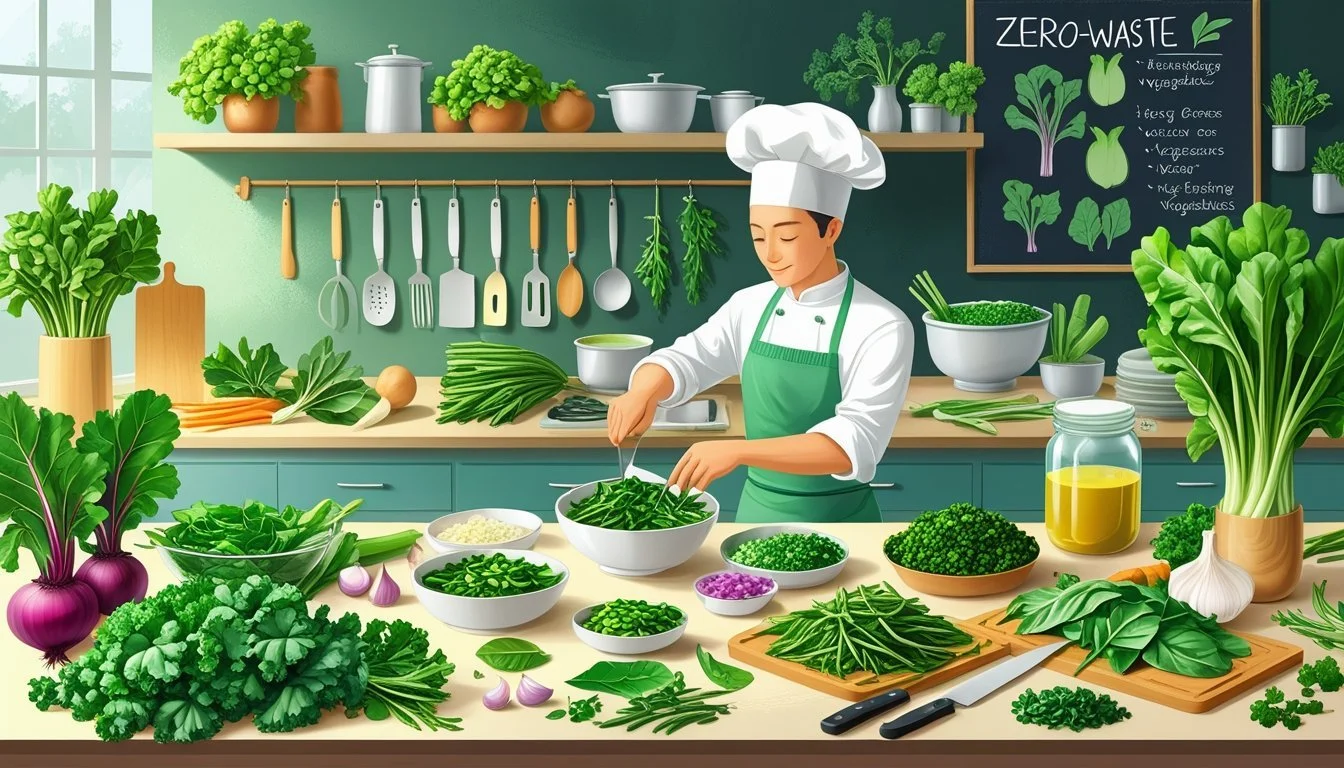
Many vegetable greens that are often discarded can be cooked in creative ways to add new flavors and nutrition to meals. These parts, like carrot tops, beet leaves, and cauliflower greens, offer versatility and help reduce kitchen waste.
Cooking With Carrot Tops
Carrot tops are flavorful and nutritious, often compared to parsley in taste and texture. They blend well in sauces, pestos, and salads, lending a slightly earthy, herbal note. For example, they can be finely chopped and added to vinaigrettes or mixed with nuts, garlic, and olive oil for a quick carrot top pesto.
Some cooks use carrot tops as a garnish or stir them into soups for added green. When sautéed briefly with olive oil and garlic, they lose any bitter edge and provide a vibrant finish to grain dishes. Avoid using older, woody carrot tops, as they can be tough.
Carrot Top Ideas:
Carrot top chimichurri
Green omelet filling
Mixed-herb butter
Beet Greens In Everyday Dishes
Beet greens are tender and cook down quickly, making them easy to add to many recipes. They work well sautéed with olive oil, garlic, and lemon, or tossed into pasta at the end of cooking. Their slightly sweet flavor complements other greens like Swiss chard or spinach.
Adding beet greens to quiches, frittatas, or stir-fries provides color and a mild earthy taste. They also fit well in smoothies or blended soups for a nutritional boost. Beet stems can be chopped and cooked with the leaves to avoid any waste.
Simple Uses for Beet Greens:
Beet green and feta omelet
Sautéed beet greens with balsamic vinegar
Beet greens and potato soup
Cauliflower Leaves As Flavor Boosters
Cauliflower leaves are substantial and can serve as a flavorful ingredient in both cooked and raw dishes. When roasted, they become crisp and slightly sweet, adding a new texture to salads or grain bowls. Chopped leaves are also suitable in stews, soups, or vegetable broths.
The thickest parts of the leaves can be sliced and stir-fried, delivering a mild cabbage-like flavor. Cauliflower greens can replace collard greens in wraps or be layered in casseroles for added moisture and taste.
Ways to Use Cauliflower Leaves:
Method Description Roasting Toss with olive oil and roast at 400°F Soup base Add chopped to simmering soups Stir-fry Slice and cook quickly with aromatics
Flavor Enhancers From Everyday Kitchen Scraps
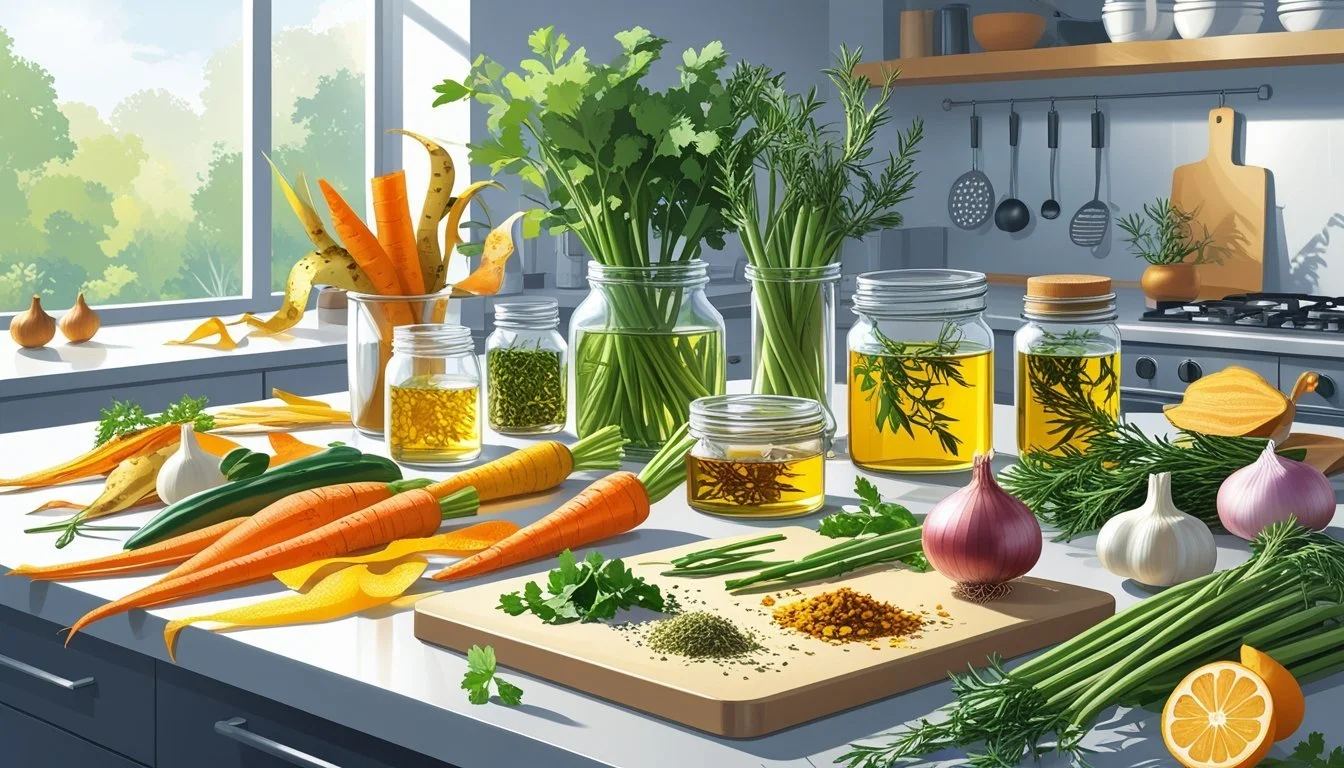
Kitchen scraps like vegetable trimmings, herb stems, and onion skins are packed with flavor compounds that can elevate homemade dishes. When used thoughtfully, these often-discarded parts not only reduce waste but also bring depth and complexity to daily meals.
Homemade Stock From Veggie Scraps
Homemade vegetable stock is one of the simplest ways to extract flavor from scraps. Basic ingredients include carrot peels, celery ends, mushroom stems, and parsley stalks. Gather these bits in a freezer bag as you cook throughout the week.
Once filled, simmer the mixture with water and optional bay leaves or peppercorns. Strain after about an hour for a clear, aromatic broth.
This stock can be the base for soups, sauces, risotto, or even for cooking grains. Making stock at home helps control sodium content and avoids preservatives found in store-bought versions. It also stretches grocery budgets by using what would otherwise be discarded.
Flavor tip: Avoid adding strongly flavored scraps like cabbage cores or cruciferous stems, as these can dominate the broth.
Herb Stems In Cooking
Herb stems from parsley, cilantro, basil, and dill contain strong aromatic oils. Instead of throwing them out, they can be finely chopped and stirred into soups, stews, and marinades for added flavor.
For maximum impact, tie woody stems (such as thyme or rosemary) into a small bundle—known as a bouquet garni—and let them simmer in broths or sauces. Remove the bundle before serving.
For softer stems, blend them into salad dressings, pestos, or dips. This method boosts both taste and nutritional content without added cost.
Uses:
Chopped into salsa or tabbouleh
Blended into herb butters
Simmered with stocks
Onion Skins For Added Depth
Onion skins are an underrated resource for deepening color and adding savory notes to dishes. When making homemade stock, toss in a clean layer or two of onion skins—yellow, white, or red are all suitable.
These papery layers contain antioxidants and natural pigments that enhance the broth’s golden hue. For best results, avoid using skins that are dirty or moldy.
Besides stock, onion skins can infuse pickling brines with extra complexity. Some cooks also add a small amount when boiling rice or grains for a subtle flavor upgrade.
Dispose of the skins after cooking, as their texture remains tough. Use sparingly to prevent bitterness from overpowering the stock.
Repurposing Fruit And Vegetable Scraps In Recipes
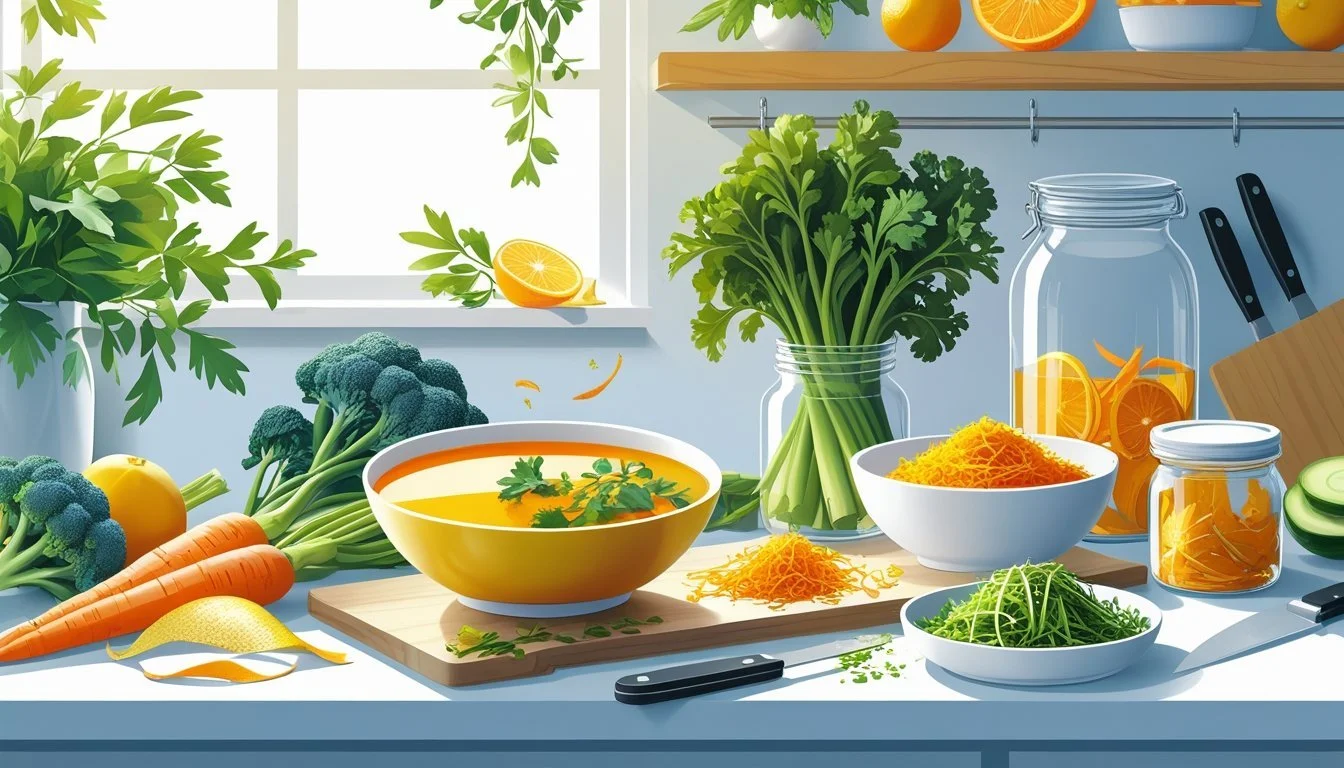
Transforming kitchen scraps into new dishes reduces food waste and stretches ingredients further. Creative reuse of fruit scraps, leftover vegetables, and preservation methods like pickling can add variety and nutrition to home cooking.
Smoothies With Fruit Scraps
Fruit scraps such as apple peels, strawberry tops, and pineapple cores can be blended into smoothies to capture extra nutrients and flavor. Instead of discarding these parts, they can be washed, chopped, and added with other ingredients like leafy greens, yogurt, or a splash of juice.
Freezing fruit scraps before use prevents spoilage and makes smoothies cold and thick. Including the skins and cores boosts fiber content and uses parts of the fruit that are commonly wasted. For best results, balance strong flavors with mild ones and avoid pits or seeds that are too hard or bitter.
Sample Fruit Scrap Smoothie Combinations:
Fruit Scrap Pair With Benefits Strawberry tops Banana, spinach Mild sweetness Pineapple core Mango, orange Extra fiber Apple peels Berries, oats Antioxidants
Frittatas With Leftover Vegetables
Frittatas are well-suited for using leftover vegetables, including stems, wilted greens, and small amounts of cooked or raw scraps. Beaten eggs help hold together a mix of ingredients such as broccoli stems, carrot tops, potato peels, or even small florets left in the fridge.
Cut scraps into small, uniform sizes for even cooking. Briefly sauté any firmer pieces to soften before adding eggs. Cheese or herbs can enhance flavor if available, but aren't required.
Tips for Successful Frittatas:
Use an oven-safe skillet to finish under a broiler if needed
Season generously; vegetable scraps can be milder than full pieces
Combine cooked and raw pieces for varied texture
Pickling For Preserving Food
Pickling offers a way to preserve food scraps like carrot tops, radish greens, cucumber ends, or even watermelon rinds. A simple brine of vinegar, salt, and sugar helps extend the life of these otherwise discarded parts.
Chop scraps into bite-size pieces and pack them into clean jars. Pour the hot brine over the scraps and let them sit at room temperature or refrigerate for quick pickles. Flavors develop over several days and can add tangy crunch to salads, sandwiches, or grain bowls.
Some tough peels might need a quick blanch before pickling, especially if they're thick or fibrous. Herbs, garlic, or spices can be added to customize the taste.
Substitution Tips For Spices And Dressings
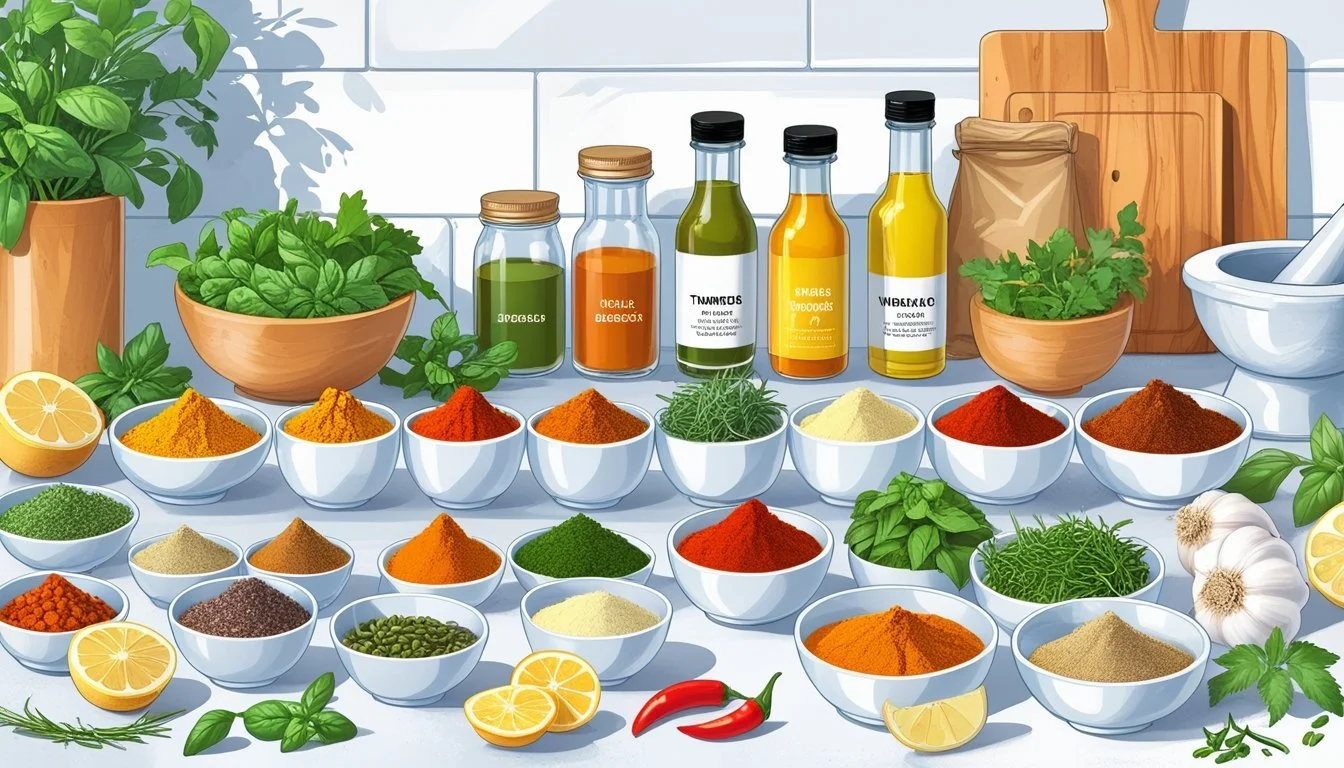
Choosing the right substitutes for spices and dressings can minimize waste and add freshness to meals. Using local ingredients when possible also supports local farmers and brings unique flavors to the kitchen.
Homemade Salad Dressing Variations
Homemade salad dressings offer an easy way to use what is already in the pantry. Common bases like olive oil or vinegar can be swapped for alternatives such as sunflower oil, lemon juice, or even pickle brine. This flexibility helps reduce the need for single-purpose bottles.
For flavor, fresh herbs from local markets, leftover citrus zest, or even a spoonful of jam can be added in place of specialty ingredients. A simple vinaigrette can become creamy with a little yogurt or blended avocado if mustard or mayonnaise is unavailable.
Key alternatives:
Vinegar → Lemon juice, pickle brine, or apple cider
Mustard → Yogurt, avocado, or honey
Fresh herbs → Local greens or microgreens
By using bits and pieces already on hand, dressings stay fresh and zero-waste.
Substituting Spices With Local Ingredients
Spice shortages can be solved by relying on locally grown herbs or alternatives. For instance, fresh rosemary or basil often matches the depth of dried oregano or thyme in many recipes. Farmers’ markets provide seasonal options that work well in place of commercial blends.
Consider replacing imported spices with foraged ingredients like wild garlic or ramps in spring. Ground seeds, such as coriander or dill, can substitute for pepper or stronger spices. Since potency varies, starting with half the amount and tasting before adding more prevents overpowering the dish.
Supporting local farmers by purchasing their herbs and spices encourages sustainable agricultural practices and reduces packaging waste. Using adaptable seasonings not only preserves flavor but also fits into a zero-waste cooking approach.
Practical Storage And Preservation Techniques
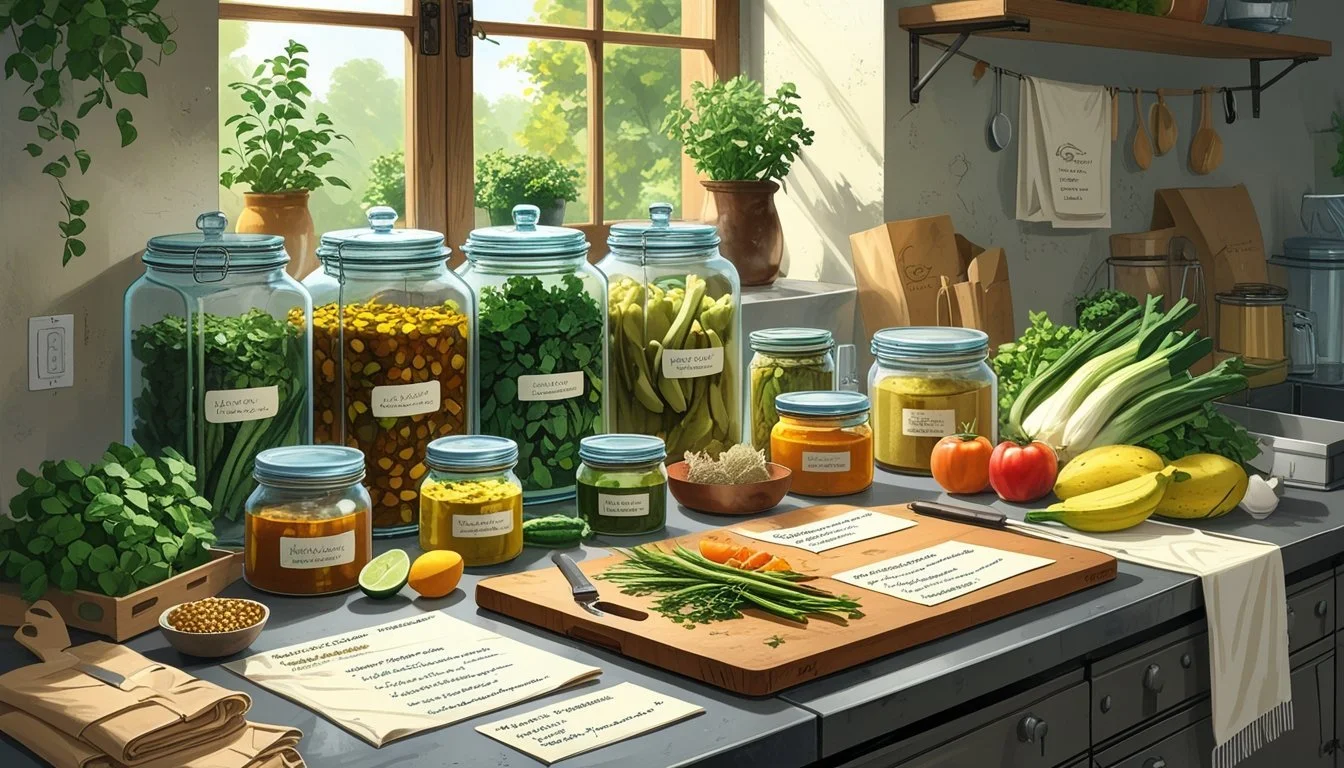
Managing food intelligently helps minimize waste and get the most from every ingredient. Key tactics like proper freezing methods and effective composting safeguard both edible and inedible parts of food.
Freezing As A Zero-Waste Strategy
Freezing is a highly effective way to extend the shelf life of fruits, vegetables, and leftover ingredients. Most produce should be washed, chopped, and sometimes blanched before freezing to preserve texture and flavor. Items like bread, grated cheese, and herbs freeze well and can be portioned for easy use.
Food Type Preparation Tip Storage Time Vegetables Blanch, dry, store in bags 8-12 months Fruits Slice, use airtight containers 8-12 months Bread Slice, wrap, freeze 2-3 months Herbs Chop, freeze in oil or water 3-6 months
Containers should be airtight to prevent freezer burn and maintain quality. Labeling each package with the date helps prioritize use and further reduces food waste in home kitchens. Freezing extra portions prevents spoilage and eliminates the need to discard surplus ingredients.
Composting Non-Edible Scraps
Composting diverts inedible food scraps from the landfill and transforms them into nutrient-rich material. Key items suitable for composting include vegetable peels, fruit cores, coffee grounds, tea leaves, and eggshells. Meat, dairy, and oily foods should be avoided as they can attract pests and slow decomposition.
Compostable Items:
Carrot tops and potato skins
Apple cores and citrus peels
Coffee filters and grounds
Maintaining an effective compost bin requires balancing "greens" (nitrogen-rich scraps) and "browns" (carbon-rich material, such as dry leaves or cardboard). Regular turning and adequate moisture create the ideal conditions for decomposition. This process supports a circular kitchen—waste is reduced, and gardens benefit from homemade compost.
Shopping And Planning For Zero-Waste Ingredient Substitution
Selecting ingredients thoughtfully allows for reduced packaging, minimized food waste, and more flexible substitutions. Focusing on where and how to shop can make zero-waste cooking both practical and affordable.
Buying In Bulk
Buying in bulk reduces single-use packaging and lets shoppers purchase precise quantities. This is especially helpful for ingredient substitution, as cooks can buy exactly what they need for new or alternate recipes.
Stores with bulk bins often offer a range of items such as grains, legumes, spices, and baking ingredients. Shoppers should bring their own reusable containers or bags to further cut down on waste.
Bulk shopping can also help limit food waste when only small amounts are required for a recipe. For example, a cook needing just a cup of lentils can buy only that amount, avoiding leftovers that might spoil.
A bulk shopping checklist could include:
Grains (rice, quinoa, oats)
Flours and baking mixes
Dried beans and lentils
Spices and herbs
Nuts and seeds
Local co-ops or markets may have knowledgeable staff to guide customers in making substitutions as well.
Choosing Local And Seasonal Produce
Local and seasonal produce is fresher and often comes with less packaging, making it an excellent option for zero-waste ingredient substitution. By visiting farmers' markets or joining a local Community Supported Agriculture (CSA) program, buyers can support local farmers and access a rotating variety of fruits and vegetables.
Cooking with what is in season encourages flexibility and creativity in the kitchen. For instance, if a recipe calls for spinach but only kale is available at the market, substituting is not only simple but also cuts down on transportation-related waste.
Produce sourced locally is less likely to be wrapped in plastic and more likely to be sold loose. A reusable produce bag works well when shopping at these markets. Farmers can also provide advice on the best ways to store or prepare items to reduce spoilage.
This approach helps home cooks adapt to available options and form connections within their community, both of which are central to zero-waste cooking.
Conclusion
Ingredient substitution plays a key role in sustainable cooking and can significantly help reduce food waste. By using what is already available in the kitchen, cooks make practical choices that extend pantry life and minimize discarded ingredients.
Many parts of foods often considered scraps, such as broccoli stems or beet greens, are fully edible and can be incorporated creatively into meals. This practice leads to more varied and interesting dishes.
A few effective strategies for ingredient substitution include:
Swapping animal proteins with plant-based options like beans or tofu
Using vegetable stems, peels, or tops in soups, pestos, or stir-fries
Replacing processed products with fresh, whole-food alternatives
Original Ingredient Possible Substitute Notes Ham Chicken, soy meat Similar texture, less waste Broccoli florets Broccoli stems Slice thin for stir-fries Bread crumbs Crushed oats, seeds Adds fiber, less spoilage
Flexibility in recipes encourages creative cooking, as people discover new combinations and flavors. Even simple changes make a meaningful impact on household waste.
Adopting ingredient substitution turns cooking into an opportunity for resourcefulness. It supports both the environment and a more mindful approach in the kitchen, shaping habits for a lower-waste lifestyle.

