
Creating Vegan Versions of Meat-Heavy Dishes
Practical Tips and Flavorful Alternatives
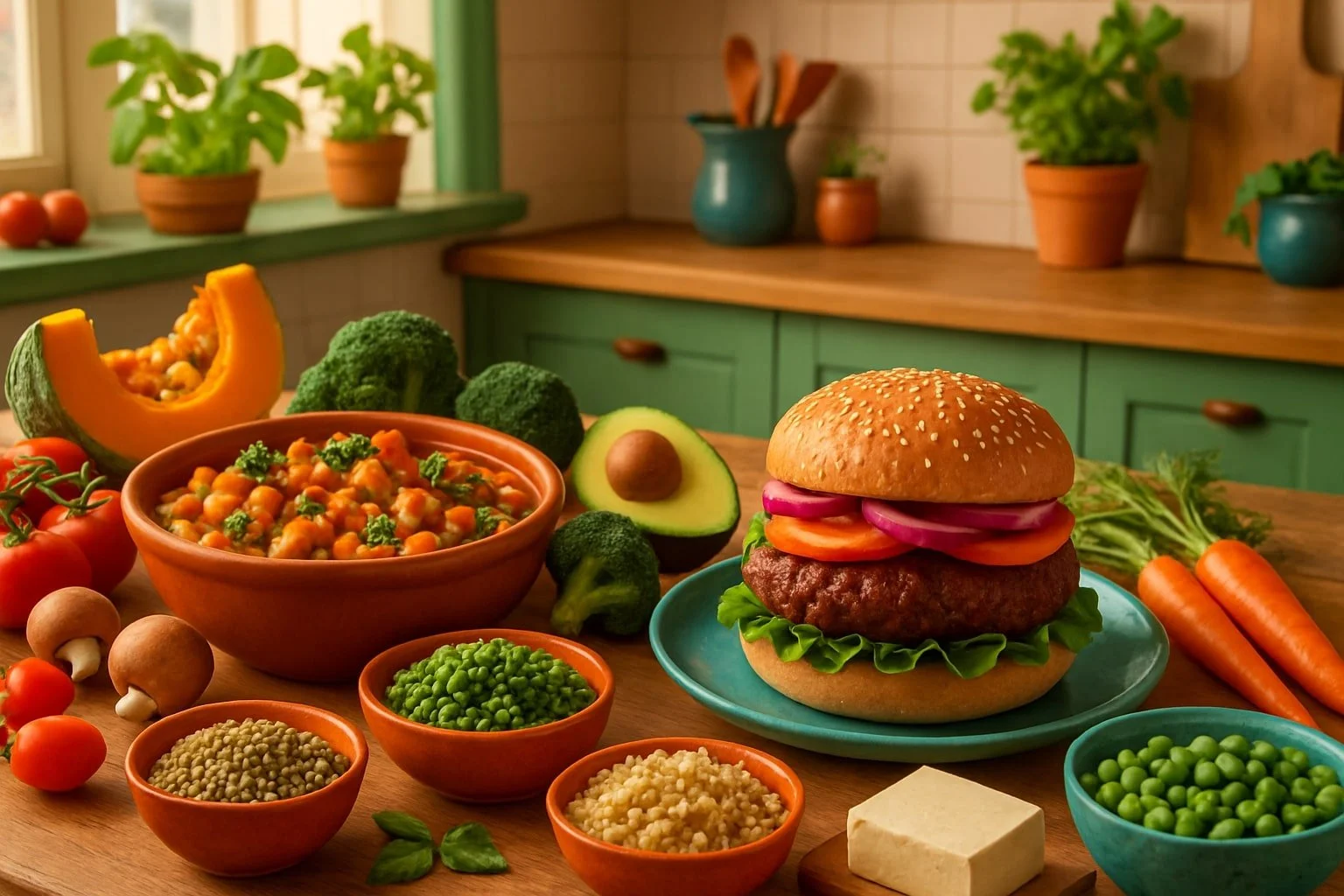
Creating vegan versions of meat-heavy dishes allows people to enjoy familiar flavors and textures while following a plant-based or meatless diet. Many classic recipes, such as shepherd's pie, sausages, and even roast “beef,” can be made with ingredients like lentils, tofu, chickpeas, and seitan instead of animal products. These alternatives not only satisfy cravings, but also make it possible to share meals with friends and family who follow different diets.
For those exploring veganism or simply wanting to eat less meat, there is no need to rely solely on processed substitutes. Home cooks can craft their own savory vegan meals by using whole-food ingredients and creative seasonings to resemble traditional meat dishes in taste and appearance. This approach helps bridge the gap for meat lovers transitioning to a more plant-based lifestyle and adds variety to any diet.
Understanding the Foundations of Vegan Cooking

Vegan cooking centers on replacing animal products with plant-based alternatives, while maintaining flavor, texture, and nutritional value. Creating familiar comfort food classics in vegan form relies on understanding core techniques, ingredient functions, and nutritional planning.
The Core Principles of Veganizing Meals
Veganizing meat-heavy dishes involves replacing animal products with plant-based substitutes that replicate taste, texture, and appearance. Chefs often use ingredients like legumes, tofu, tempeh, jackfruit, mushrooms, and seitan to mimic the texture and protein content of meat.
A key principle is developing umami and depth, traditionally provided by meat, through plant-based sources. Techniques such as roasting, smoking, and using fermented foods help amplify savory notes. Combining multiple sources of protein and incorporating healthy fats from nuts or seeds can create richness usually delivered by dairy or meat.
Spices, herbs, and flavor layering are emphasized for complexity. For example, smoked paprika or nutritional yeast can enhance flavor profiles in meat-free comfort food.
Key Differences Between Vegan and Vegetarian Approaches
The distinction between vegan and vegetarian cooking lies in the complete exclusion of animal-derived ingredients in vegan dishes. While vegetarian meals may include dairy, eggs, and honey, vegan meals eliminate these entirely, relying solely on plants and fungi.
This affects recipe adaptation. For instance, traditional vegetarian soups might use cheese or butter for depth, but vegan versions substitute with olive oil, coconut milk, or plant-based cheeses. The exclusion of dairy and eggs in vegan recipes leads to more creative use of binding agents and fat sources, such as chia seeds, flaxseed meal, or avocado.
The table below outlines these differences:
Aspect Vegetarian Vegan Dairy Allowed Yes No Eggs Allowed Yes No Plant-Based Sometimes Always Typical Fats Butter, cream, cheese Oils, nut butters, non-dairy
Nutritional Considerations for Meatless Dishes
Nutritional balance is crucial when substituting meat in meals. Vegan dishes should provide adequate protein, iron, calcium, vitamin B12, and omega-3 fatty acids, nutrients commonly found in animal products.
Protein can be obtained from lentils, beans, tofu, tempeh, and quinoa. Iron absorption is improved by pairing plant-based sources with vitamin C-rich foods, such as adding bell peppers to bean dishes. Since vitamin B12 and omega-3s are less available in plant foods, fortified products or supplements are sometimes necessary.
Including a variety of whole grains, seeds, nuts, and leafy greens helps avoid deficiencies while preserving the authentic, satisfying experience of traditional comfort food. Thoughtful ingredient selection ensures that vegan versions remain both delicious and nourishing.
Essential Plant-Based Ingredients for Meat-Heavy Dishes
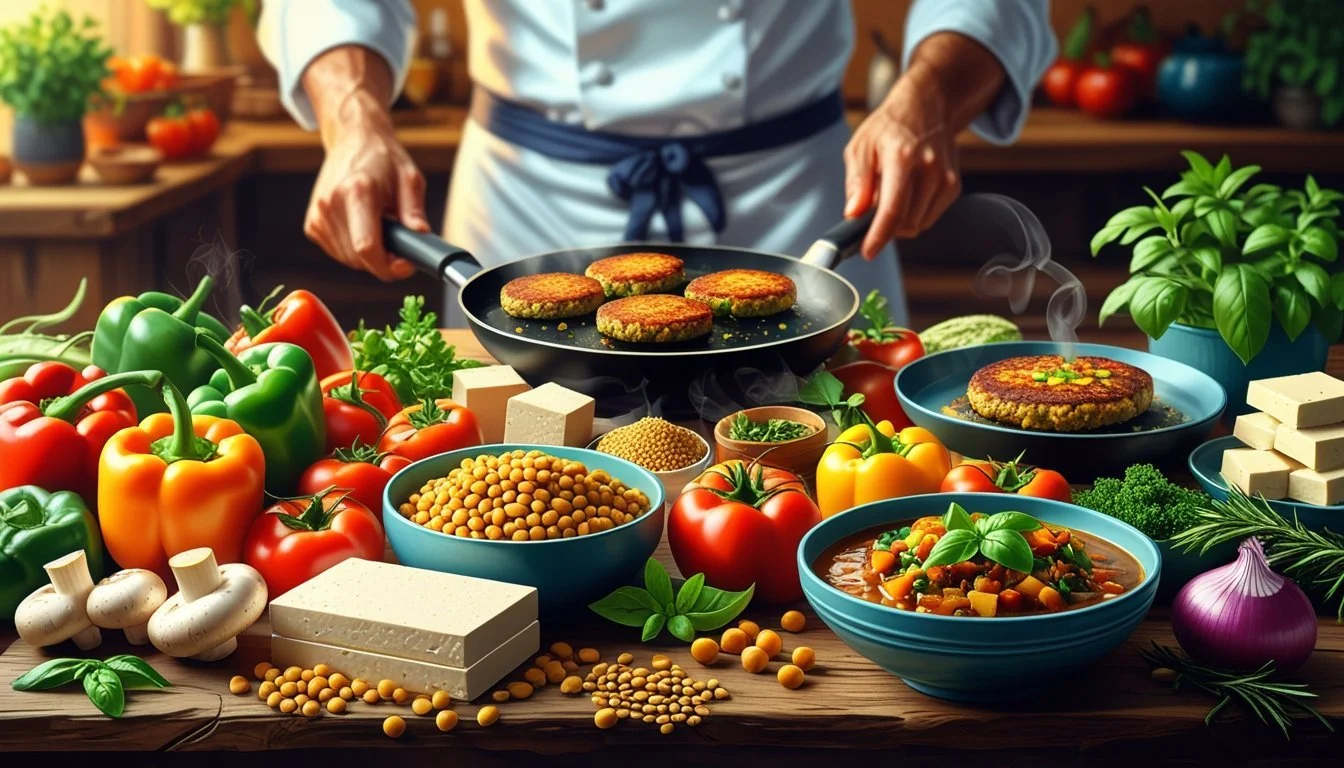
Plant-based cooking offers a diverse toolkit for replicating the texture, protein, and flavor of traditional meat-heavy dishes. Selecting the right combination of ingredients allows chefs to build structure, depth, and satisfaction in vegan meals.
Beans and Legumes
Beans and legumes, such as black beans, kidney beans, chickpeas, and lentils, provide dense sources of plant protein and a hearty texture. These ingredients are widely available, budget-friendly, and form the base of many classic vegan meat substitutes.
Chickpeas are popular for making vegan "chicken" salads, patties, or even meatless meatballs. Lentils often stand in for ground beef in tacos, shepherd’s pie, and Bolognese.
Beans are also high in fiber, making them filling. Red kidney beans and black beans blend well with spices for burger patties or loafs. Combining different legumes can create a more complex, robust texture.
Tofu, Tempeh, and Seitan
Tofu is made from soybeans and offers a neutral base that absorbs marinades, making it ideal for stir-fries, curries, or grills. It comes in several forms: silken, firm, and extra-firm, each suited to different dishes. Tempeh is fermented, giving it a nutty taste and a denser bite, often used in sandwiches and stir-fried dishes.
Seitan is crafted from vital wheat gluten and stands out for its remarkably meat-like chew. It is commonly shaped into cutlets, steak strips, or sausage and has a high protein content.
Vital wheat gluten lets cooks create custom seitan blends at home, controlling seasoning and texture for recipes like vegan “ribs” or “roasts.” These three ingredients are cornerstone meat substitutes in plant-based cuisine.
Mushrooms and Jackfruit
Mushrooms, especially portobello and shiitake, provide umami depth and a satisfying chew. Their earthy flavor and juicy texture make them popular choices for grillable burger patties, “steaks,” or as a filling in tacos. Sliced thin, mushrooms can mimic strips of beef or pork in various recipes.
Jackfruit is notable for its ability to replicate shredded meat due to its fibrous, stringy texture when cooked. It works well in dishes such as pulled “pork” sandwiches, tacos, or curries where a tender, shreddable consistency is needed.
Both mushrooms and jackfruit are low in fat and calories while contributing to the overall mouthfeel and structure of meat alternatives.
Grains and Whole Foods
Quinoa, brown rice, bulgur, and other grains boost both the nutrition and texture of vegan dishes. Quinoa, in particular, is high in protein and essential amino acids, making it valuable for those seeking a complete meat substitute.
Blending grains with beans or legumes can form the base for burgers, loaves, or stuffing. These combinations hold together with plant-based binders, such as flaxseed or oats.
Whole foods such as nuts, seeds, and vegetables provide additional vitamins and texture contrasts. Chopped walnuts or sunflower seeds can mimic ground meat in tacos or pasta sauces when combined with grains.
This category rounds out the nutritional profile and ensures vegan dishes feel just as filling and satisfying as their meat-heavy inspirations.
Techniques for Creating Hearty and Savory Flavors
Creating vegan versions of classic meat-heavy dishes relies on harnessing new sources of umami, making rich plant-based bases, and layering flavors with spices. Balanced combinations of specific ingredients and techniques yield bold, satisfying results.
Building Umami Without Meat
Umami, a taste often linked to meats, can be developed with plant-based ingredients such as mushrooms, tomatoes, soy sauce, and miso. Mushrooms like shiitake or cremini, when roasted or sautéed, contribute a savory depth ideal for vegan stews and gravies.
Adding nutritional yeast, fermented foods like kimchi or sauerkraut, and sun-dried tomatoes helps build complexity. Smoked paprika, tamari, and seaweed also boost the umami profile without animal products.
To deepen flavor, cooks often combine two or more of these ingredients, allowing their savoriness to blend. A simple table listing common vegan umami sources can clarify ingredient options:
Ingredient Umami Type Mushrooms Earthy, meaty Miso Fermented, salty Soy sauce/tamari Salty, tangy Nutritional yeast Cheesy, savory Sun-dried tomato Sweet, intense Seaweed Oceanic, rich
Utilizing Vegetable Stock and Coconut Milk
A hearty vegan dish often starts with vegetable stock made from slow-simmered root vegetables, onions, and aromatics. This foundation delivers body and a gently sweet, rounded flavor.
Roasting root vegetables before adding them to stock intensifies their natural sweetness and produces a richer, more robust base. Including dried mushrooms or miso in the simmering broth enhances the savory, umami qualities.
Coconut milk is frequently used to add creaminess and subtle sweetness. Its fat content offers a luscious mouthfeel important in dishes like vegan curries, chowders, or stroganoff.
Combining stock and coconut milk creates a well-rounded, savory-sweet balance. Use full-fat coconut milk for richer results, especially in sauces or soups.
Incorporating Spices for Depth
Spices are vital for simulating the complexity of meat-based flavors. Smoked paprika and cumin add smokiness; coriander and black pepper provide a backbone of warmth. Whole spices, when toasted and ground fresh, release intense aromatics.
Layering spices at different stages of cooking—adding some early for background notes and finishing with fresh herbs and ground spices just before serving—yields dimension and depth.
Example combinations for hearty flavor:
Smoked paprika + cumin + black pepper for vegan chili.
Coriander + fennel seed in vegetable broths.
Cinnamon + clove + bay leaf in coconut-based stews.
Careful use of salt enhances all the other spices, while acid from lemon juice or vinegar optional brightens savory dishes without overwhelming them.
Transforming Traditional Favorites Into Vegan Comfort Food
Vegan comfort food reimagines classic meat-heavy dishes using plant-based ingredients and creative techniques. Many meatless versions now closely match the savory flavors and hearty textures people expect from their traditional favorites.
Plant-Based Versions of Classic Family Dinners
Common family dinners like casseroles, meatloaf, and shepherd’s pie adapt well to plant-based meals. Vegan ground meat alternatives made from lentils, beans, or store-bought products can replace traditional ground beef. For stews or pot pies, chunks of jackfruit, seitan, or marinated tofu bring a satisfying bite and soak up flavors from rich gravies.
A simple way to veganize casseroles is to layer cooked rice, vegan meat pieces, and mixed vegetables in a baking dish. Pouring over a mix of vegetable broth and soy sauce adds flavor and moisture. The table below shows examples of substitutions:
Traditional Meat Dish Vegan Substitute Ingredient Beef Casserole Lentils or Seitan Chicken Pot Pie Jackfruit or Tofu Shepherd’s Pie Lentils, Mushrooms, or TVP
Reimagining Italian Dishes
Italian comfort foods like lasagna, pasta bakes, and pizza are easy to adapt. Vegan versions use ingredients such as cashew cream, almond ricotta, and store-bought or homemade vegan mozzarella for creamy and melty textures.
Popular plant-based meat alternatives for Bolognese or meatballs include tempeh, mushrooms, or textured vegetable protein (TVP). Pizza toppings now range from marinated tofu and seitan Italian sausage to a medley of roasted veggies. Pasta sauces thickened with blended nuts or silken tofu provide richness without dairy.
A vegan lasagna, for instance, can be layered with spinach, vegan cheese, and a mushroom-lentil “meat” sauce for a hearty result.
Innovative Vegan Takes on BBQ and Grilled Foods
Barbecue flavors can be achieved with clever meatless substitutes. Jackfruit mimics shredded meats like pulled pork thanks to its stringy texture. For burgers and sausages, options such as black bean patties, seitan, or commercial vegan sausages deliver satisfying grill marks and smoky seasoning.
Skewered vegetables, seasoned seitan, and marinated tofu can all be cooked on a barbecue, replicating traditional grilling techniques. A list of common vegan BBQ swaps includes:
Jackfruit for pulled “pork” sandwiches
Seitan for grilled “steak”
Vegan sausages for hot dogs
Mushroom caps for burger alternatives
Spice rubs, marinades, and low-sugar barbecue sauces complete the transformation for authentic comfort food flavor.
Global Inspirations for Meatless Cuisines
Plant-based versions of traditional meat dishes are gaining popularity around the world. Many cuisines already offer vegan staples or are easily adapted using spices, legumes, and creative ingredient swaps.
Mexican-Style Vegan Specialties
Mexican cuisine features many dishes that can be made without meat while keeping rich flavors intact. Black beans, pinto beans, and lentils serve as hearty protein sources in favorites like tacos and enchiladas. Guacamole, a staple dip made from avocados, remains naturally plant-based and pairs well with fresh salsa.
Popular vegan swaps include using jackfruit or mushrooms to recreate the texture of carnitas or barbacoa. Elote can be prepared vegan by omitting cheese and butter, using plant-based alternatives instead. For breakfast, scrambled tofu with pico de gallo offers a flavorful substitute for eggs.
Dish Vegan Protein Key Ingredients Tacos Jackfruit, beans Corn tortillas, salsa Enchiladas Lentils, black beans Tomato sauce, peppers Quesadillas Vegan cheese, beans Tortillas, guacamole
Middle Eastern Flavors and Dishes
Middle Eastern cuisine is well-known for plant-based options that are satisfying and flavorful. Falafel, a deep-fried ball made from ground chickpeas or fava beans, is both filling and simple to prepare without any animal products. Hummus—a blend of chickpeas, tahini, garlic, and lemon—offers protein and creamy texture to meals or as a dip.
Tabbouleh, made with bulgur, parsley, tomato, and mint, delivers freshness without the need for meat. Baba ganoush, a smoky eggplant dip, and stuffed grape leaves (dolmas), often filled only with rice and herbs, round out a table of vegan dishes.
Many Middle Eastern restaurants offer mezze platters, combining hummus, falafel, and assorted vegetables. These naturally vegan foods make it easy to avoid animal products without sacrificing flavor or authenticity.
Asian-Inspired Vegan Recipes
Many Asian cuisines feature plant-based meals or can be adapted to vegan tastes using tofu, tempeh, or seitan. Thai stir-fries and curries are easily cooked with vegetables and coconut milk. Vegetarian versions of pad thai substitute meat or egg with tofu and extra vegetables.
In Ethiopian cuisine, wat—a type of stew—can be made vegan by focusing on lentils or split peas as the base. Indian cuisine provides a wide range of naturally vegan curries, dals, and vegetable-based dishes like chana masala. Soy sauce, miso, and fresh ginger add complexity to simple ingredients.
Buddhist culinary traditions in China and Japan have developed mock meats made from wheat gluten or soy. These are commonly used to recreate the flavors and textures of traditional meat recipes, filling dumplings, buns, and noodle soups with plant-based proteins.
Creative Vegan Meat Substitutes and Mock Meats
Vegan cooking today offers a wide range of options that closely mimic both the taste and texture of traditional meats. These substitutes appeal to those seeking familiar flavors or aiming to reduce animal products in their diet.
Homemade Seitan and Vital Wheat Gluten Creations
Seitan, made from wheat gluten, is known for its dense, chewy texture that replicates many types of meat. Home cooks often mix vital wheat gluten with vegetable broth and seasonings, then knead and steam the dough for a protein-rich base.
Flavor profiles can be adjusted using ingredients like soy sauce, smoked paprika, garlic, and even maple syrup. Seitan can be formed into vegan roasts, sausage-style links, or sliced for stir-fries and stews. Its high protein content and versatility make it a foundational ingredient in many plant-based dishes.
A basic seitan recipe is outlined below:
Ingredient Quantity Function Vital wheat gluten 1 cup Main protein Water or broth 3/4 cup Hydration, flavor Soy sauce 2 tbsp Umami, color Spices/seasonings To taste Flavor
Experimenting with different shapes, cooking methods, and seasonings allows for a range of textures, from tender strips to dense, roast-style loaves.
Store-Bought Vegan Chicken and Vegan Beef
Many brands now offer vegan chicken and vegan beef products that are easy to prepare and widely available. These products use ingredients like soy, pea protein, or even mycoprotein to create realistic textures.
Pre-formed vegan chicken pieces are suitable for grilling, sautéing, or adding to salads and pasta. Vegan beef-style strips and crumbles are used for tacos, casseroles, or stir-fry dishes. Common examples include Gardein, Beyond Meat, and MorningStar Farms, which focus on non-GMO, cholesterol-free options.
Shoppers should check for protein content, allergen information, and whether products are fortified with additional nutrients. Most store-bought mock meats can be cooked directly from frozen or reheated in minutes, making them ideal for quick meals without compromising on familiar flavors or satisfaction.
Recipe Development and Meal Prep Tips
Vegan cooking can be simple and efficient with the right strategies. Using ingredient swaps and planning meals ahead of time can help anyone enjoy plant-based versions of their favorite meat-heavy dishes without sacrificing taste or texture.
Easy Recipe Swaps for Beginners
For those new to plant-based cooking, identifying common animal-based ingredients and their substitutes is essential. Ground beef can be replaced by lentils, textured vegetable protein, or crumbled tofu in dishes like tacos or chili. Seitan, jackfruit, or soy curls work well for recipes calling for shredded or sliced meats, offering a meaty texture and protein boost.
Eggs in baking are often swapped with flaxseed “eggs” (1 tbsp ground flaxseed + 3 tbsp water per egg) or unsweetened applesauce. Dairy milk can be matched with oat, soy, or almond milk. For cheese, nutritional yeast, store-bought vegan cheese, or homemade cashew-based spreads work as alternatives.
A simple substitution table might help:
Animal-Based Plant-Based Swap Use Example Beef Lentils, Tofu, TVP Chili, Lasagna Chicken Soy curls, Jackfruit Stir-fry, Wraps Eggs Flaxseed egg, Applesauce Baking, Pancakes Cheese Nutritional yeast, Cashew Pizza, Casseroles
Batch Cooking and Freezing Vegan Meals
Batch cooking helps save time and ensure healthy meals are always available. Choose easy recipes like stews, curries, and casseroles that reheat well and maintain texture. Cook large quantities at once, dividing finished dishes into individual portions for quick lunches or dinners.
Most plant-based meals, especially those featuring beans, grains, and vegetables, freeze well. Label containers with the contents and date prepared, so leftovers are easy to identify. Cool cooked food fully before freezing to preserve taste and prevent freezer burn.
Consider these batch-cooking tips:
Cook a double batch of grains like quinoa or brown rice for future meals.
Prepare veggie burgers, store between parchment, and freeze.
Freeze sauces such as vegan chili, pesto, and curry for quick flavor boosters.
Portioning and Storing Plant-Based Dishes
Proper portioning helps maintain freshness and reduce food waste. Use airtight glass or BPA-free plastic containers for meal prep. Portion out meals into single servings for easy grab-and-go lunches and to extend shelf life in the fridge.
Store leafy salads and dressings separately to prevent sogginess. If prepping roasted vegetables, allow them to cool before sealing to avoid excess moisture, which can shorten shelf life. Most cooked plant-based meals last 3–5 days refrigerated or 2–3 months in the freezer.
Label all containers with the preparation date and contents. Use stackable containers to maximize fridge space and keep meal prep organized. Rotate meals so older portions are eaten first.
Elevating Vegan Meals With Texture and Taste
Achieving satisfying texture and bold flavor in vegan meals involves careful ingredient selection and layering of tastes. By focusing on structure, warmth, and complementary finishes, plant-based dishes can appeal to both vegans and those accustomed to meat-heavy cooking.
Enhancing Texture With Grains and Whole Wheat Flour
Texture is a critical component for making vegan versions of classic meat-based dishes appealing. Grains like quinoa, barley, and farro can add a firm bite and chewiness, mimicking the mouthfeel of ground meats in burgers, meatloaves, and stews.
Whole wheat flour is a versatile ingredient for enriching the texture of vegan cutlets, patties, and loaves. It adds body and structure, helping mixtures hold together while providing a hearty, satisfying mouthfeel. In recipes like vegan “meatballs” or seitan roasts, whole wheat flour creates dense, meaty textures.
Blending grains with legumes—such as lentils and chickpeas—amplifies protein content and chewiness. For extra variety, textured vegetable protein or jackfruit can create chunks or shreds that further enhance the eating experience.
Crafting Filling and Cozy Dishes
Cozy, filling meals are often what people seek from traditional meat dishes. Vegan cooking can achieve this by layering flavors, using root vegetables, and including umami-rich ingredients like mushrooms, miso, and soy sauce.
Adding mashed beans or lentils to stews and casseroles makes them dense and hearty. Pairing with grains such as brown rice or bulgur boosts the sense of fullness. Seasonal root vegetables, when roasted or stewed, provide comfort and a subtle sweetness.
For added richness, cooks can use coconut milk or cashew cream, which lend creaminess and depth. Slow-cooked vegan chilis and shepherd’s pies demonstrate how plant-based ingredients create the warmth and satisfaction traditionally delivered by meat.
Finishing Touches: Vegan Cheese and Condiments
Finishing a vegan dish with bold toppings can elevate both flavor and appeal. Vegan cheese, made from cashews, soy, or coconut oil, provides creaminess and umami notes similar to dairy-based cheese in pasta bakes, pizzas, or gratins.
Condiments are essential for final flavor balance. Homemade vegan mayonnaise, mustards, and hot sauces introduce acidity, spice, and creaminess. For sweetness and complexity, a drizzle of maple syrup over roasted vegetables or baked tofu adds depth.
Combining vegan cheese and tangy, spicy condiments helps to complete each bite, ensuring that plant-based dishes deliver the same bold, rounded flavors expected from traditional meat-heavy recipes.
Conclusion: The Future of Plant-Based Comfort Food
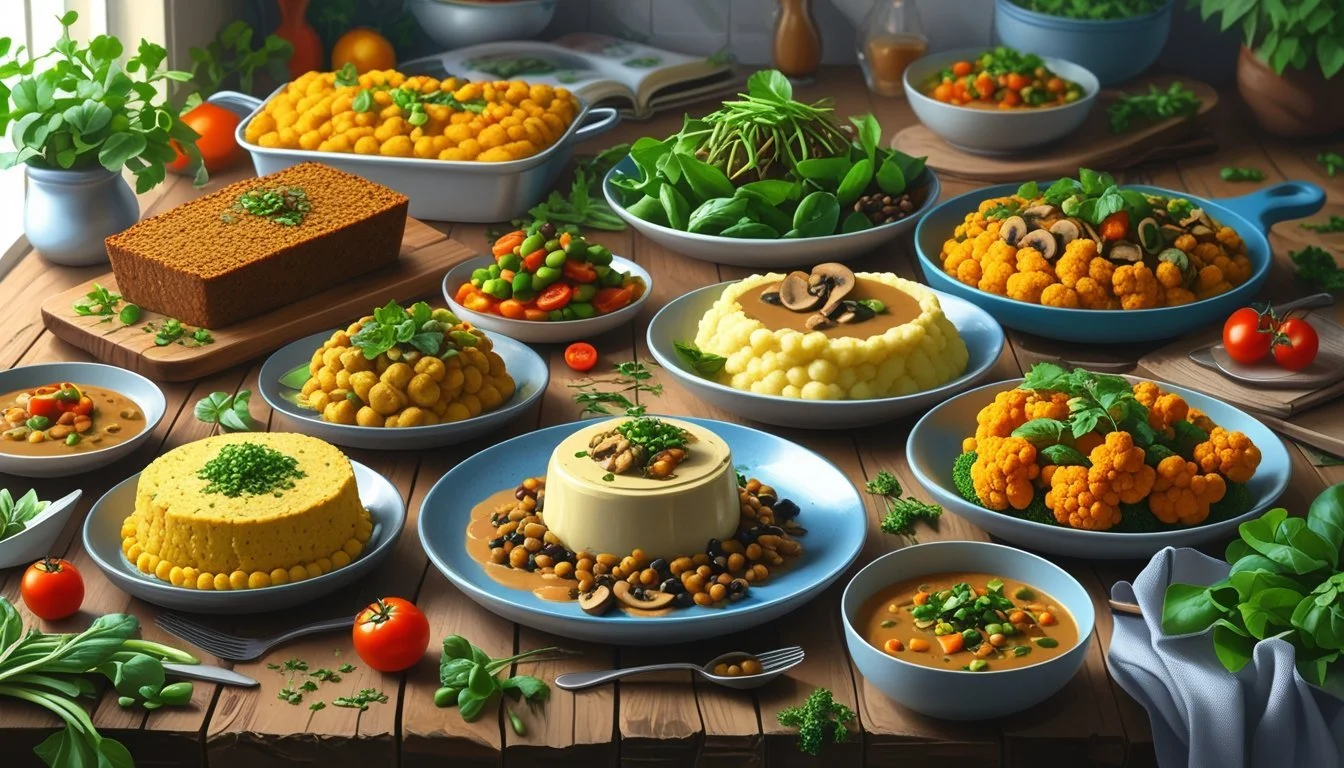
Plant-based comfort food is increasingly available in both restaurants and supermarkets. Companies use ingredients like soy protein, wheat gluten, and legumes to create familiar textures and flavors.
Consumers are drawn to vegan versions of classic dishes because they offer recognizable tastes with fewer animal-based ingredients. Many now see these foods as better for the environment and health.
Key trends shaping plant-based comfort food:
Innovation: Advances in food technology mimic the texture and mouthfeel of meat.
Accessibility: Lower prices and broader distribution are making vegan options easier to find.
Diversity: More global dishes are being recreated with plant-based ingredients.
Factor Impact on Comfort Food Sustainability Lower environmental footprint Nutrition Often lower in saturated fat, can be fortified with nutrients Familiarity Delivers similar flavors to traditional meat-heavy favorites
Future developments are likely to further close the gap between plant-based and traditional comfort foods. As more people adopt flexitarian and vegan diets, demand for innovative yet familiar plant-based options is expected to grow.
Collaboration between chefs, food scientists, and manufacturers will continue to drive progress. This ensures that the evolving landscape of vegan comfort food meets diverse consumer preferences without sacrificing taste or enjoyment.

