
Replacing Silent Ingredients: Thickeners, Starches, Emulsifiers and Clean Label Innovations

Ultra-processed foods are everywhere, relying on thickeners, starches, and emulsifiers to improve texture, prolong shelf life, and stabilize products. These "silent" ingredients, including substances like carrageenan, mono- and diglycerides, polysorbate, and soy lecithin, are added to a wide range of foods but often go unnoticed by consumers.
Replacing thickeners, starches, and emulsifiers with simpler, recognizable alternatives can help reduce the intake of additives linked to potential health concerns. Food manufacturers, home cooks, and shoppers alike are beginning to pay closer attention to these ingredients, seeking ways to minimize their use without sacrificing quality.
Understanding where these additives show up, how they work, and what can take their place empowers consumers to make more informed food choices. Exploring viable replacements opens the door to cleaner labels and meals made with straightforward ingredients.
Understanding “Silent” Food Ingredients

Many processed and ultra-processed foods contain additives like thickeners, starches, and emulsifiers. While these ingredients are often not directly noticed by consumers, they play essential roles in shaping food texture, stability, and shelf life.
What Are Thickeners, Starches, and Emulsifiers?
Thickeners are substances added to foods to increase viscosity and create a desired texture or mouthfeel. Starches are carbohydrates, often used both as a dietary component and as a thickening agent. Emulsifiers help mix ingredients that typically do not combine well, such as oil and water, ensuring a uniform product.
These additives are usually derived from plants, animal sources, or synthesized in a lab. Examples include xanthan gum (thickener), cornstarch (starch), and lecithin or polysorbate 80 (emulsifiers). They are considered “silent” because their primary purpose is functional rather than nutritional or flavorful, and they rarely appear in homemade recipes.
Food manufacturers rely on these ingredients to standardize products and improve consistency, especially in mass-produced foods.
Role in Processed and Ultra-Processed Foods
The NOVA classification system categorizes foods based on their level of processing, with ultra-processed foods often containing multiple additives. Thickeners, starches, and emulsifiers are core components in this category, making up a significant portion of ingredients lists for packaged snacks, ready meals, and beverages.
Their main roles include prolonging shelf life, enhancing appearance, preventing separation, and ensuring the desired texture. For example, carboxymethylcellulose (CMC) is used to keep ice cream smooth, while modified starches stabilize soups and sauces. Emulsifiers like soy lecithin prevent chocolate from separating.
According to recent reports, such additives are present in nearly 70% of children’s highly processed food intake. Their widespread use means many people regularly consume these substances without realizing it.
Common Types and Functions
Below is a table listing widely used thickeners, starches, and emulsifiers, their sources, and common uses:
Ingredient Class Typical Use Xanthan gum Thickener Salad dressings, sauces Cornstarch Starch Gravies, baked goods Carrageenan Thickener Dairy products, plant-based milks Soy lecithin Emulsifier Chocolate, margarine Polysorbate 80 Emulsifier Ice cream, processed foods Modified food starch Starch Processed meats, instant noodles
Each additive serves a specific technological function, such as maintaining moisture, preventing clumping, or achieving smooth textures. Emulsifiers keep ingredients evenly distributed, while thickeners and starches alter viscosity and texture to create a consistent, stable product.
Health Impacts of “Silent” Ingredients
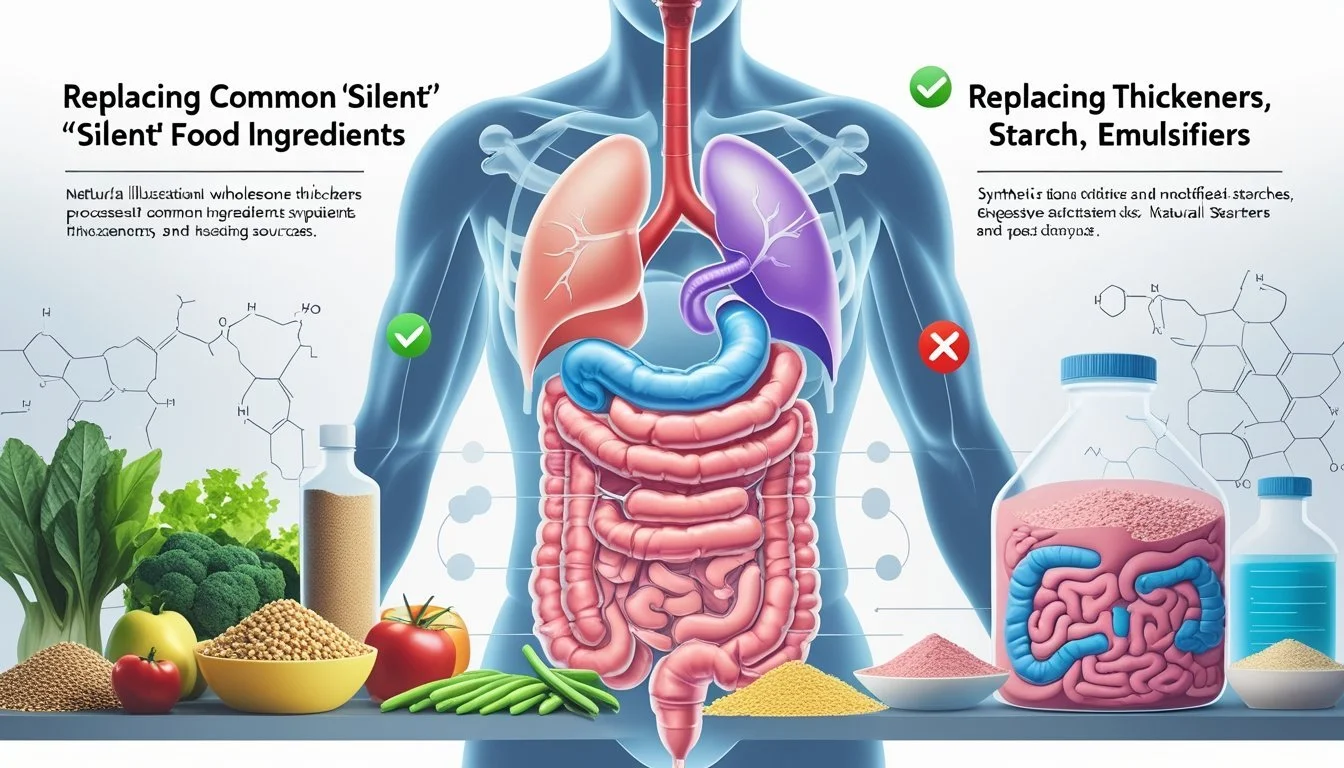
Many food thickeners, starches, and emulsifiers are found in processed foods to boost texture and shelf life. Evidence shows they can affect digestion, disrupt the gut microbiome, and contribute to chronic non-communicable diseases.
Effects on Digestion and the Gastrointestinal Tract
Emulsifiers and thickeners like carboxymethylcellulose, polysorbate 80, and modified starches may interfere with normal digestive processes. These additives can alter the mucus layer that protects the intestinal lining, making the gut more vulnerable to irritation.
Some studies have found links to increased intestinal permeability, often called “leaky gut,” which means potentially harmful substances may pass more freely into the bloodstream. This can prompt inflammatory responses and discomfort.
People with inflammatory bowel diseases, such as Crohn’s disease or ulcerative colitis, might experience worsened symptoms when exposed to these additives. Removing emulsifiers from the diet has been associated with improved remission rates and reduced inflammatory markers in some cases.
Impact on Gut Microbiome
Many silent ingredients can influence the gut microbiome, the diverse community of bacteria and microbes living in the digestive tract. Emulsifiers and certain starches may decrease beneficial bacteria such as Lactobacillus and Bifidobacterium while promoting the growth of less desirable, pro-inflammatory species.
This imbalance, known as a dysbiotic microbiome, can reduce the gut’s resilience and immune function. Animal studies have shown that commonly used emulsifiers can trigger microbiota-driven inflammation.
Changes in the gut microbiome may impact how the body absorbs nutrients and digests food. Persistent dysbiosis can contribute to various metabolic and immune system disturbances.
Connections to Chronic Diseases
Consumption of ultra-processed foods high in thickeners, starches, and emulsifiers has been linked with greater risk of obesity, heart disease, and certain cancers. These ingredients may contribute to chronic inflammation and metabolic syndrome.
Long-term changes in the gut microbiome, chronic low-grade inflammation, and impaired gut barrier function have all been associated with non-communicable diseases. Studies have highlighted heightened rates of colorectal cancer in populations consuming more ultra-processed foods.
Additives that disrupt the gut barrier and promote inflammation may elevate the risk for not just gastrointestinal disorders but also systemic health conditions over time.
Specific Ingredients of Concern

Food manufacturers often use various thickeners, starches, and emulsifiers to improve texture and shelf life. Some of these compounds can affect digestion, blood sugar, and nutrient absorption.
Maltodextrin, Dextrin, and Dextrose
Maltodextrin is a highly processed carbohydrate derived from corn, rice, or potato starch. It is commonly used to thicken foods, enhance texture, and preserve shelf life. Maltodextrin has a high glycemic index, which means it can raise blood sugar levels quickly after consumption.
Dextrin is another starch-based additive that acts as both a thickener and a stabilizer. Food producers add dextrin to sauces, baked goods, and snacks to improve mouthfeel and prevent separation.
Dextrose is a form of glucose often used as a sweetener or bulking agent. It is absorbed rapidly and can influence blood glucose levels, posing concerns for people with insulin resistance or diabetes.
Products containing these ingredients may also deliver extra calories without significant nutritional value. Regular consumption can make it more challenging to manage blood sugar, especially for those who rely on processed foods.
Other Additives Used as Thickeners and Emulsifiers
A range of additional thickeners and emulsifiers appear frequently in ingredient lists. These include carrageenan, mono- and diglycerides, carboxymethylcellulose, polysorbate, and soy lecithin.
Carrageenan: Derived from seaweed, carrageenan is used to thicken and stabilize dairy substitutes and processed meats. Some research has linked it to digestive discomfort in sensitive individuals.
Carboxymethylcellulose and Polysorbate: These synthetic additives keep sauces smooth and prevent separation in foods like ice cream and salad dressing. There is growing interest in researching their effects on gut health.
Mono- and Diglycerides, Soy Lecithin: Both function as emulsifiers in baked goods, chocolate, and margarine. While generally recognized as safe, they may sometimes contain trace amounts of trans fats.
Artificial sweeteners, while not thickeners or emulsifiers themselves, are often used alongside these additives in ultra-processed foods. Consumers with allergies or sensitivities need to read labels carefully, as these compounds can trigger reactions in some cases.
Risks Associated With Regular Consumption
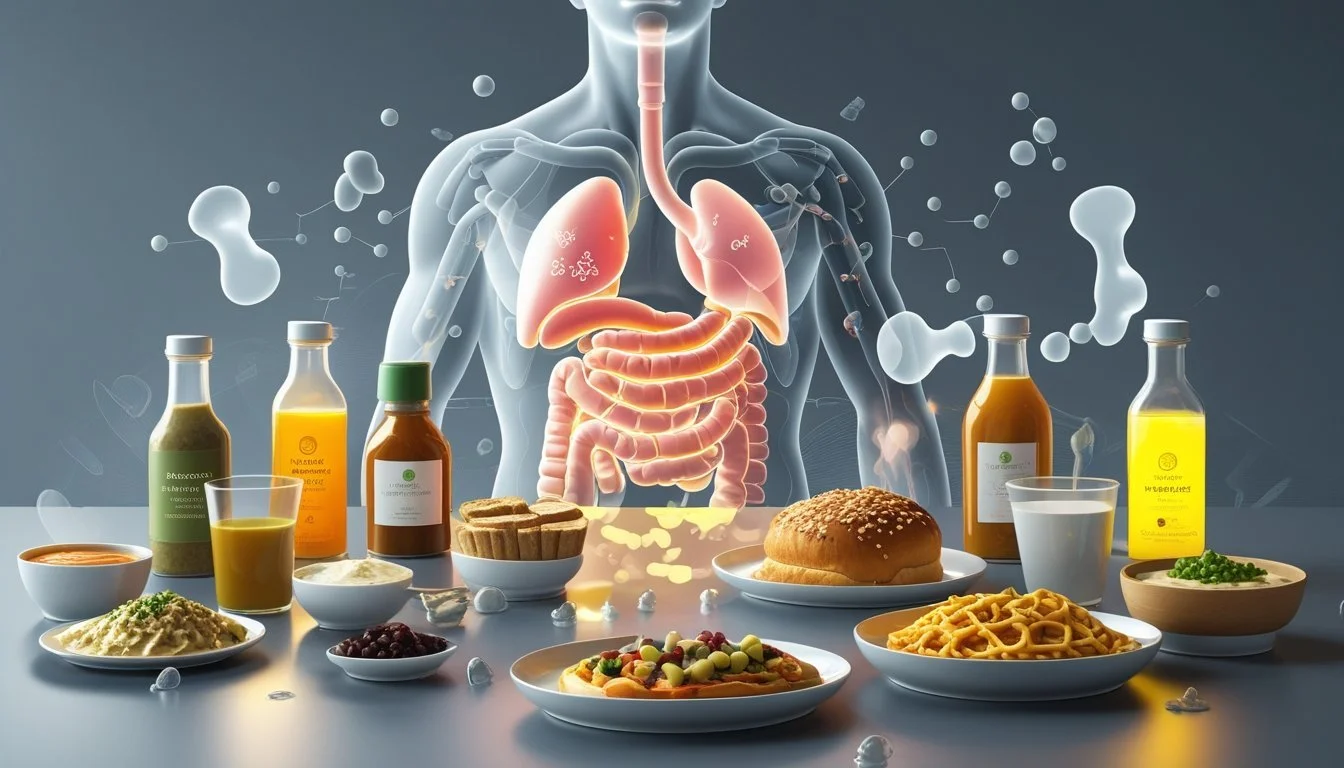
Regular intake of food additives like thickeners, modified starches, and emulsifiers may affect multiple systems in the body. Research suggests connections to metabolic issues, inflammatory responses, and changes in health outcomes at the population level.
Blood Sugar Regulation and Diabetes
Thickeners and modified starches added to processed foods can quickly elevate blood glucose. Unlike whole foods, many processed starches have high glycemic indexes, causing rapid spikes in blood sugar and increasing the load on insulin production. This pattern can raise the risk of insulin resistance and type 2 diabetes over time.
Emulsifiers such as polysorbate 80 and carboxymethylcellulose impact gut microbiota, potentially undermining the gut barrier and contributing to metabolic dysfunction. Studies indicate that diets high in ultra-processed foods, which often contain these ingredients, are associated with higher prevalence of diabetes in various populations.
For people with preexisting metabolic conditions or at risk for diabetes, replacing these additives with less processed alternatives may help stabilize post-meal blood sugar and lower long-term risk.
Potential for Inflammatory Conditions
Many common emulsifiers and food thickeners can alter gut health, potentially increasing chronic, low-grade inflammation. Carrageenan and mono- and diglycerides, for example, have been studied for their links to increased pro-inflammatory markers and disruptions in the gut barrier.
Chronic inflammation is a risk factor for conditions such as atherosclerotic plaque formation, stroke, high blood pressure, and some mental health disorders. Altered gut bacteria due to these additives may also exacerbate immune responses.
A seven-year French cohort study involving 92,000 adults found that high intake of mono- and diglycerides may raise cancer risk, including a 24% increase in breast cancer. Such findings support concerns about regular consumption of these ingredients and chronic inflammatory diseases.
Effects on Life Expectancy and Public Health
Widespread use of thickeners, emulsifiers, and modified starches in processed foods has public health implications. High consumption correlates with increased risks for diabetes, cardiovascular disease, and cancer, all of which affect life expectancy.
Medical groups note rising rates of chronic diseases in populations consuming large amounts of ultra-processed foods. These foods typically have lower nutritional value and contribute to excess calorie intake, high blood pressure, and metabolic dysfunction.
Combined, these risk factors strain healthcare systems and increase the societal burden of preventable diseases. Reducing reliance on processed additives may improve life expectancy and quality of life for large segments of the population.
Evaluating and Identifying “Silent” Ingredients in Foods

A careful approach is needed to spot hidden thickeners, starches, and emulsifiers that are often added to processed and ultra-processed foods. Consumers benefit from understanding how to read food labels and using classification tools to make informed choices about processed options.
Reading Food Labels Effectively
Food labels are key for identifying ingredients that may not be apparent from the product’s appearance or marketing. Ingredients are listed in descending order by weight. Additives such as carrageenan, carboxymethylcellulose, mono- and diglycerides, polysorbate, and soy lecithin are indicators of thickeners or emulsifiers.
Tips for identifying “silent” ingredients:
Look for complex or unfamiliar chemical names.
Watch for terms like “modified starch,” “stabilizer,” or “emulsifier.”
Check for multiple additives close to the start of the list.
Choose products with shorter ingredient lists and fewer additives for minimally processed options. Comparing similar products is helpful; a plain yogurt without thickeners or stabilizers is less processed than a flavored one with added emulsifiers.
Nova Classification System and Minimally Processed Foods
The Nova classification system segments foods into four groups according to their level of processing: unprocessed or minimally processed, processed culinary ingredients, processed foods, and ultra-processed foods.
Key features:
Nova Group Description Examples Group 1 Unprocessed/minimally processed Fresh fruits, plain rice, milk Group 2 Processed culinary ingredients Oils, salt, sugar Group 3 Processed foods Canned veggies, cheese, fresh bread Group 4 Ultra-processed foods Chips, sodas, packaged snacks, instant soup
Ultra-processed foods often rely on ingredients like thickeners and emulsifiers to enhance texture, taste, and shelf life. Minimally processed foods, by contrast, retain natural structures and contain few, if any, “silent” additives. The Nova system can help consumers make practical choices by prioritizing less processed options in their diets.
Replacing “Silent” Ingredients for Better Health
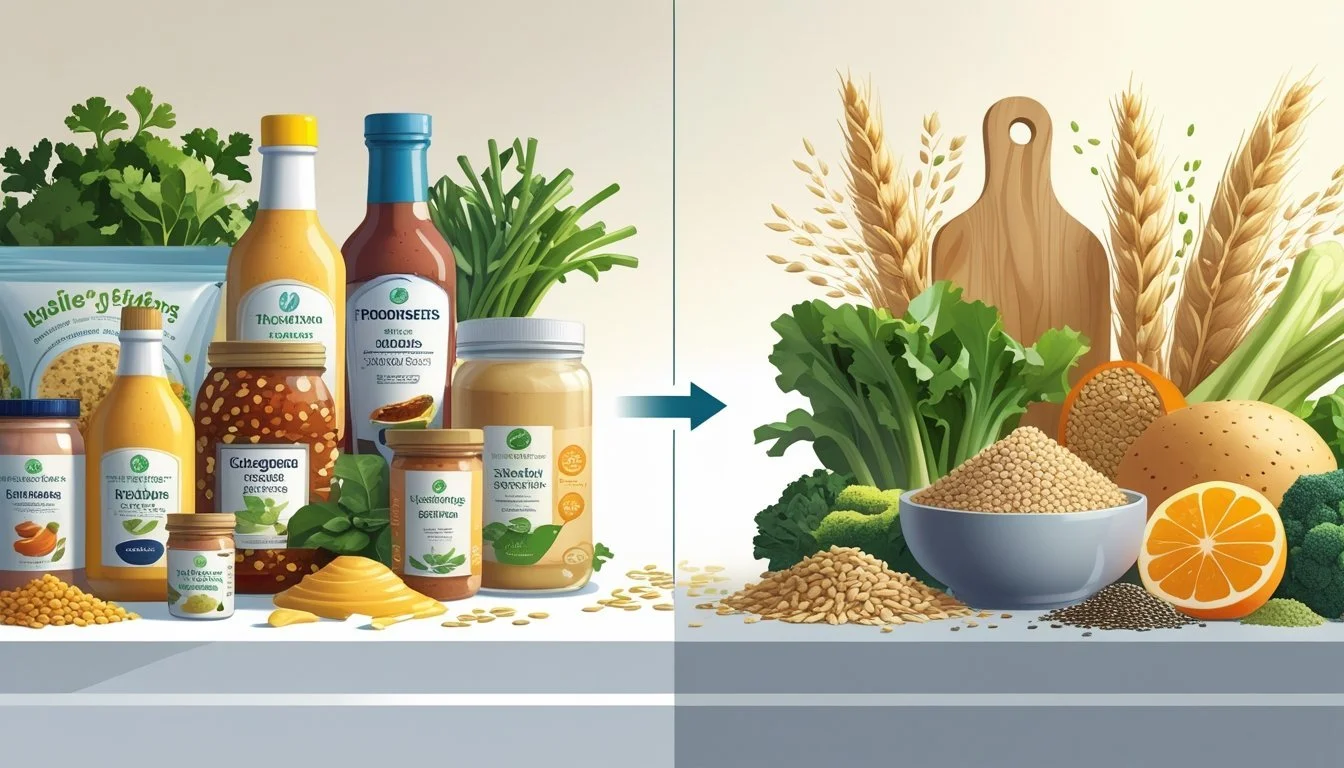
Removing thickeners, starches, and emulsifiers from the diet involves practical shifts in food choices. Using less processed options and adding a variety of plant-based foods provides clear health benefits, especially for gut and metabolic health.
Whole Foods as Healthier Alternatives
Whole foods such as unprocessed grains, legumes, and fresh dairy do not require artificial thickeners or emulsifiers. For example, old-fashioned oatmeal or cooked brown rice can provide the desired texture in dishes instead of modified starches.
Natural yogurt, made only from milk and cultures, avoids added gums and stabilizers. Unprocessed cheeses and whole milk also offer nutrients without chemical additives.
Comparison Table:
Food With Additives Whole Food Alternative Pudding mix w/ starch Chia seed pudding Flavored yogurt Plain Greek yogurt + fruit Processed cheese spread Sliced aged cheese
Swapping these foods helps reduce unnecessary additives while increasing the nutrient quality of each meal.
Incorporating Fruits, Vegetables, Nuts, and Seeds
Fruits and vegetables naturally add fiber, body, and flavor to recipes without the need for industrial thickening agents. Mashed bananas or avocados, for example, can thicken smoothies or baked goods while improving their nutrition profile.
Nuts and seeds—such as almonds, walnuts, flaxseeds, and chia seeds—offer both texture and healthy fats. Crushed nuts can add crunch to salads or yogurt, while ground flaxseed acts as a binder in baking.
A mix of these plant-based ingredients can replace several ultra-processed foods. They also align with dietary guidelines that recommend frequent consumption of fruits, vegetables, and healthy plant-based fats.
Supporting the Gut Microbiome With Healthy Nutrients
Many synthetic emulsifiers and thickeners are linked in studies to changes in gut microbiota and can increase inflammatory markers. Replacing them with foods high in prebiotic fiber and phytonutrients can support gut health.
Examples include onions, garlic, leeks, and asparagus—all recognized for their ability to feed beneficial gut bacteria. Fermented vegetables, like sauerkraut and kimchi, introduce probiotic cultures to a meal plan.
Increasing intake of whole grains, beans, nuts, and seeds—along with plenty of fruits and vegetables—encourages diversity in the microbial population of the gut, which may contribute to better digestion and immune balance.
Public Health Response and Dietary Guidance

Public health authorities and medical experts have responded to growing concerns about thickeners, starches, and emulsifiers in processed food. Recommendations focus on reducing intake of ultra-processed foods containing these additives and guiding consumers toward whole, minimally processed options.
Guidelines From Public Health Organizations
Public health organizations such as the World Health Organization (WHO), the U.S. Department of Agriculture (USDA), and others increasingly reference the NOVA classification. This system groups foods according to processing level, singling out ultra-processed foods for special caution.
Many national dietary guidelines now recommend limiting foods high in thickeners, modified starches, and emulsifiers, especially those found in snacks, processed dairy, and ready-to-eat meals. They encourage choosing whole foods—fruits, vegetables, unprocessed grains, meats, and dairy—as primary diet staples.
Some authorities also warn about the cumulative impact of these additives, which may disrupt gut health and contribute to metabolic issues. For children, the high proportion of ultra-processed foods in their diets has led to updated recommendations to minimize exposure whenever possible.
Role of Health Care Professionals
Health care professionals, including dietitians and primary care providers, are essential for translating public health guidance into personal dietary advice. They evaluate patient diets for sources of added thickeners, starches, and emulsifiers and advise on practical substitutions.
Patient education often includes reading ingredient labels, distinguishing processed and ultra-processed foods, and adopting evidence-based habits to improve nutrient quality. Professionals may use structured tools or checklists to identify problematic food choices and set achievable goals for patients.
In some clinical settings, providers target at-risk populations, such as those with digestive disorders or metabolic syndrome, to reduce emulsifier and thickener intake. They may coordinate with other caregivers or offer group education sessions to amplify the impact of public health recommendations.
Lifestyle Factors Complementary to Dietary Changes

Addressing dietary modifications is important, but several other lifestyle factors affect the management of ingredients like thickeners, starches, and emulsifiers in the diet. Focusing on daily habits can further promote digestive comfort and support overall human health.
Physical Activity and Disease Prevention
Regular physical activity helps regulate digestion and may reduce gastrointestinal symptoms. Moderate exercise, such as brisk walking or cycling for at least 30 minutes most days, supports healthy weight management, which can reduce pressure on the digestive system and lower the risk of complications related to processed dietary ingredients.
Studies suggest that active individuals often experience less bloating and faster transit of food through the gut. Being physically active is also associated with a decreased risk of chronic diseases—including cardiovascular disease and metabolic syndrome—which are sometimes linked to excess consumption of certain food additives.
Key practices include:
Consistency: Aim for moderate activity throughout the week
Variety: Combine aerobic activities with strength training
Routine: Incorporate movement into daily tasks, such as taking stairs or stretching
Adjusting physical activity levels can enhance the positive effects of dietary changes and may help in managing inflammation and discomfort often associated with food additives.

