
Role of Moisture Control in Replacing Creams and Sauces for Healthier Recipe Alternatives
Effective moisture control is essential when replacing traditional creams and sauces to maintain desired texture, taste, and shelf life in food products. Managing water activity and moisture migration between food components ensures that alternatives remain stable and do not compromise quality.
In multi-component foods, improper moisture control can lead to sogginess, separation, or undesirable changes in flavor and appearance. Ingredient selection and process adjustments play a significant role in replicating the sensory qualities typically provided by creams and sauces.
Understanding how water interacts with each component allows for better texture and consistency in cream and sauce replacements. This approach not only maintains quality but also supports the development of healthier or allergen-friendly options.
Foundations of Moisture Control in Food
Accurate moisture management in food products shapes texture, taste, safety, and shelf life. Key technical factors include the measurement of moisture content, regulation of water activity, and control of moisture migration between ingredients.
Understanding Moisture Content
Moisture content refers to the amount of water present within a food product, expressed as a percentage of the total mass. This measurement is critical when reformulating foods, especially when replacing traditional creams and sauces with lower-moisture alternatives.
Testing methods include oven drying, Karl Fischer titration, and near-infrared spectroscopy. Each method offers varying precision levels for different food matrices.
Moisture content directly links to food texture and quality. For example, products imitating cream need enough bound water to provide smoothness without excess free water that could make them runny. High moisture foods are more prone to microbial spoilage, making moisture measurement essential for safety and stability.
Water Activity and Its Role
Water activity (aw) measures the availability of water for chemical reactions and microbial growth, not just the total water present. It is a function of how tightly water is bound within the food matrix.
Aw values range from 0 (completely dry) to 1 (pure water). Most spoilage microorganisms require aw above 0.90, while mold can grow at lower levels, often around 0.70. Ultra-low water activity can denature enzymes, reducing spoilage risk.
In cream and sauce replacements, adjusting aw is crucial. Lowering aw through ingredients like gums, sugars, or salts inhibits growth of bacteria and molds while still maintaining desirable texture and mouthfeel.
Moisture Migration Dynamics
Moisture migration describes water movement between different components in multi-domain foods. This process is governed by moisture gradients, differences in water activity, and the permeability of food barriers such as fat layers or edible films.
Uncontrolled migration can lead to textural breakdown, such as soggy crusts or separation in layered products. Factors that slow migration include using barriers (e.g., starches, hydrophobic coatings), selecting compatible ingredients, and optimizing packaging conditions.
Managing moisture migration is essential when formulating cream or sauce alternatives. Without proper controls, moisture imbalance can cause separation, syneresis, or premature staling, directly impacting quality and consumer acceptance.
Importance of Moisture Control in Replacing Creams and Sauces
Effective moisture control impacts the physical and sensory qualities of sauces and cream substitutes. It directly affects how these alternatives perform in cooking, storage, and presentation.
Achieving Desired Texture and Mouthfeel
Manipulating moisture levels is essential to replicate the creamy, smooth consistency found in dairy-based creams and sauces. Too much water can lead to a thin, runny result. In contrast, insufficient moisture creates a mixture that feels pasty or grainy.
Starch, gums, and protein isolates are often introduced to bind and retain water within a sauce or cream substitute. This careful balance preserves the sought-after mouthfeel, helping plant-based or reduced-fat recipes mimic the richness of traditional options.
Fine-tuning moisture content also prevents unwanted separation and ensures the substitute coats the palate similarly to real cream. The result is a more convincing alternative that aligns with consumer expectations and functional cooking requirements.
Ensuring Stability and Viscosity
Stability and viscosity are crucial for sauces and cream replacements. Uncontrolled moisture can cause products to break, separate, or become unappealing during storage and cooking.
Maintaining the right water content helps preserve the intended viscosity—whether the goal is a pourable sauce or a thick, spreadable cream. Manufacturers often use hydrocolloids, thickeners, or emulsifiers to control moisture migration. These ingredients stabilize water within the matrix, preventing syneresis (water leakage) and extending shelf life.
Proper moisture management also influences packaging and distribution, as excessive water can shorten shelf life and lead to spoilage. Consistent results support product safety, quality, and customer satisfaction.
Enhancing Sensory Perception
Sensory attributes such as flavor release, aroma, and appearance are directly affected by moisture management. The water content determines how flavor compounds are distributed and perceived throughout a sauce or cream substitute.
Bold, balanced flavors depend on having just enough moisture to dissolve and carry flavors while avoiding dilution. Good moisture control helps prevent dull, bland results. It also supports visual appeal, as well-managed moisture prevents surface drying or film formation, ensuring a glossy finish often associated with creams and sauces.
Appropriate water content can improve adherence to foods, allowing sauces to cling to ingredients and delivering a more enjoyable eating experience.
Food Safety and Shelf Life Considerations
Effective moisture control is critical in replacing creams and sauces, directly impacting microbial growth, spoilage rates, and the period products remain safe and appealing. By managing water activity, manufacturers can improve food safety and maintain desirable texture and flavor without the need for perishable dairy-based components.
Inhibiting Microbial Growth
Moisture is a key factor in bacterial, mold, and yeast growth. High water activity supports the rapid reproduction of these organisms, which can cause foodborne illness and spoilage. Lowering moisture content restricts microbial metabolism and limits their ability to thrive.
Removing or binding water in foods—such as by using thickening agents, stabilizers, or controlled drying—helps inhibit the growth of pathogenic bacteria. This is especially important when replacing creams, which typically provide an ideal environment for microbes due to their high moisture and nutrient content.
Processed plant-based alternatives often use lower water activity formulations to maintain safety without refrigeration. For ready-to-eat or shelf-stable sauces, maintaining moisture below levels that support Staphylococcus aureus or Salmonella is essential for food safety.
Preventing Spoilage and Quality Degradation
Excess moisture can contribute to spoilage by facilitating enzymatic reactions and supporting spoilage organisms. These undesirable processes can result in changes in taste, odor, and texture. In products designed to mimic creams and sauces, water control prevents separation, rancidity, and microbial decay.
Maintaining an appropriate balance of moisture helps protect against quality degradation, such as soggy texture or off-flavors caused by yeast or mold activity. Foods meant to sit on shelves or remain stable at room temperature especially benefit from protective measures like vacuum sealing or moisture barriers.
Using containers with proper seals and including desiccants or humectants can further protect shelf-stable products. This reduces the risk of spoilage, even in environments with variable humidity.
Extending Shelf Life Through Moisture Control
Shelf life is tightly linked to water activity and the ability to keep foods safe and palatable. By adjusting moisture levels, manufacturers can delay staling, mold development, and other forms of breakdown.
Table: Moisture Control Methods and Effects
Method Impact on Shelf Life Example Applications Controlled Drying Lowers water activity; reduces microbial growth Plant-based sauces, powdered mixes Use of Emulsifiers Stabilizes water-fat interface; prevents separation Dairy-free creams Vacuum Packaging Limits oxygen and moisture ingress; slows spoilage Shelf-stable meal packs
These strategies enable foods that replace creams and sauces to remain safe, appealing, and usable for longer periods. Adjusting and monitoring moisture ensures compliance with food safety standards and meets consumer expectations for freshness.
Functional Ingredients for Moisture Control
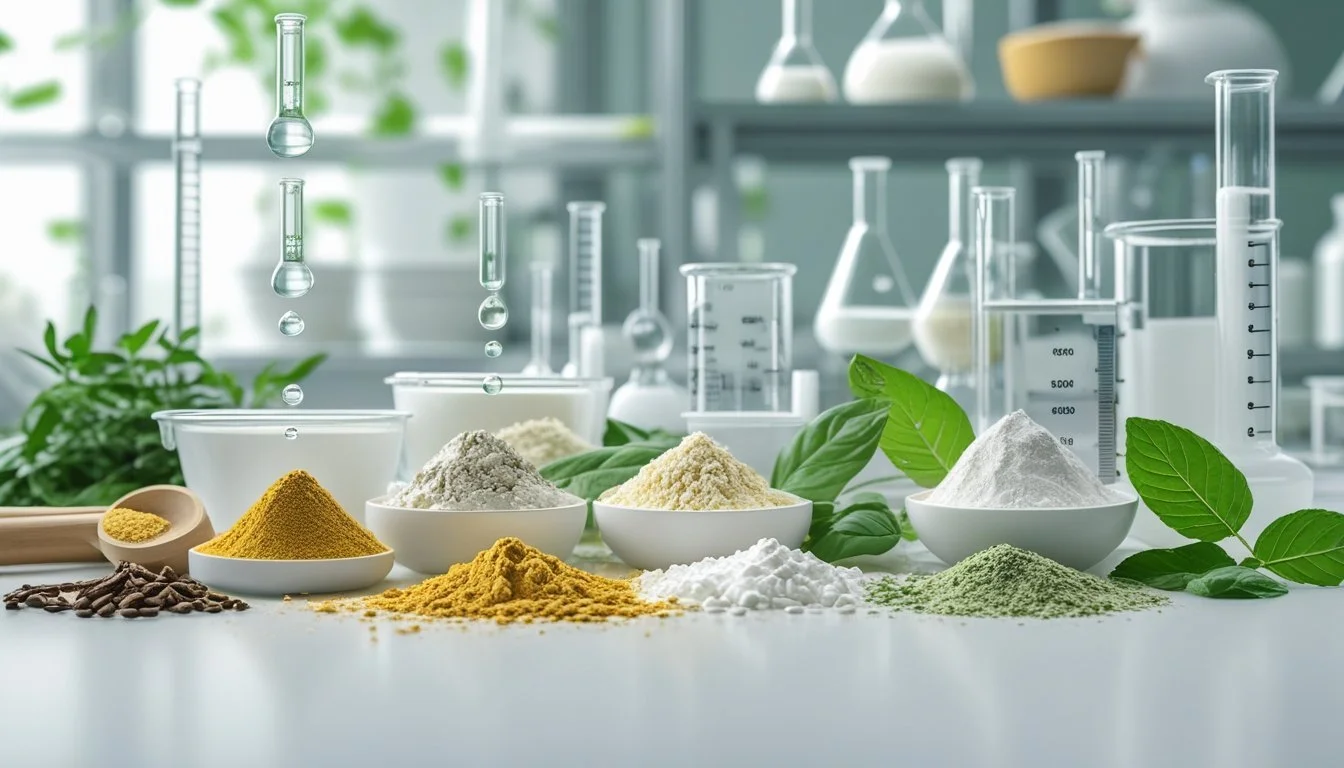
Precise moisture management is crucial in recreating the texture and mouthfeel of creams and sauces. Selecting the right functional ingredients allows food developers to balance water retention, viscosity, and stability in replacement formulations.
Role of Hydrocolloids and Polysaccharides
Hydrocolloids are essential for controlling water movement and retention in food systems. Examples include xanthan gum, guar gum, carrageenan, and pectin. These ingredients bind with water, forming gels or viscous solutions that mimic creamy textures.
Polysaccharides, such as starches and modified cellulose, also play a key role. They help structure water and impact flow properties, allowing for creaminess without dairy fats. Their effects depend on concentration, temperature, and the presence of other ingredients.
Hydrocolloids and polysaccharides not only influence texture but also affect mouthfeel, stability, and shelf life. Their combined use can be tailored to replace dairy-based sauces with plant-based or lower-fat options.
Application of Gelling and Thickening Agents
Gelling and thickening agents alter the viscosity and consistency of sauces and creams. Agents such as gelatin, agar, and locust bean gum create gels that trap moisture, preventing separation or syneresis in the final product.
Thickening agents like maltodextrins, cornstarch, and arrowroot provide a body similar to traditional sauces. They improve flow and help with stability during storage and reheating.
Choosing the right ratio and combination is crucial. A balance is needed to deliver desirable thickness without becoming too gelatinous or pasty. These agents also interact with other ingredients, so formulation must account for the overall food matrix.
Impact of Emulsifiers and Solutes
Emulsifiers, such as lecithin and mono- and diglycerides, stabilize mixtures of water and fat. They help create smooth, homogenous textures, preventing separation in sauces without traditional dairy or egg components. This is especially important in plant-based or lower-fat alternatives.
Solutes like salts, sugars, and polyols modify water activity and enhance moisture retention. These ingredients can impact freezing point, shelf life, and microbial stability.
Key emulsifiers and solutes are often used in combination with hydrocolloids for optimal creaminess and texture. The interplay among these components allows formulators to precisely manage the moisture properties of cream and sauce replacements.
Processing Techniques for Moisture Management
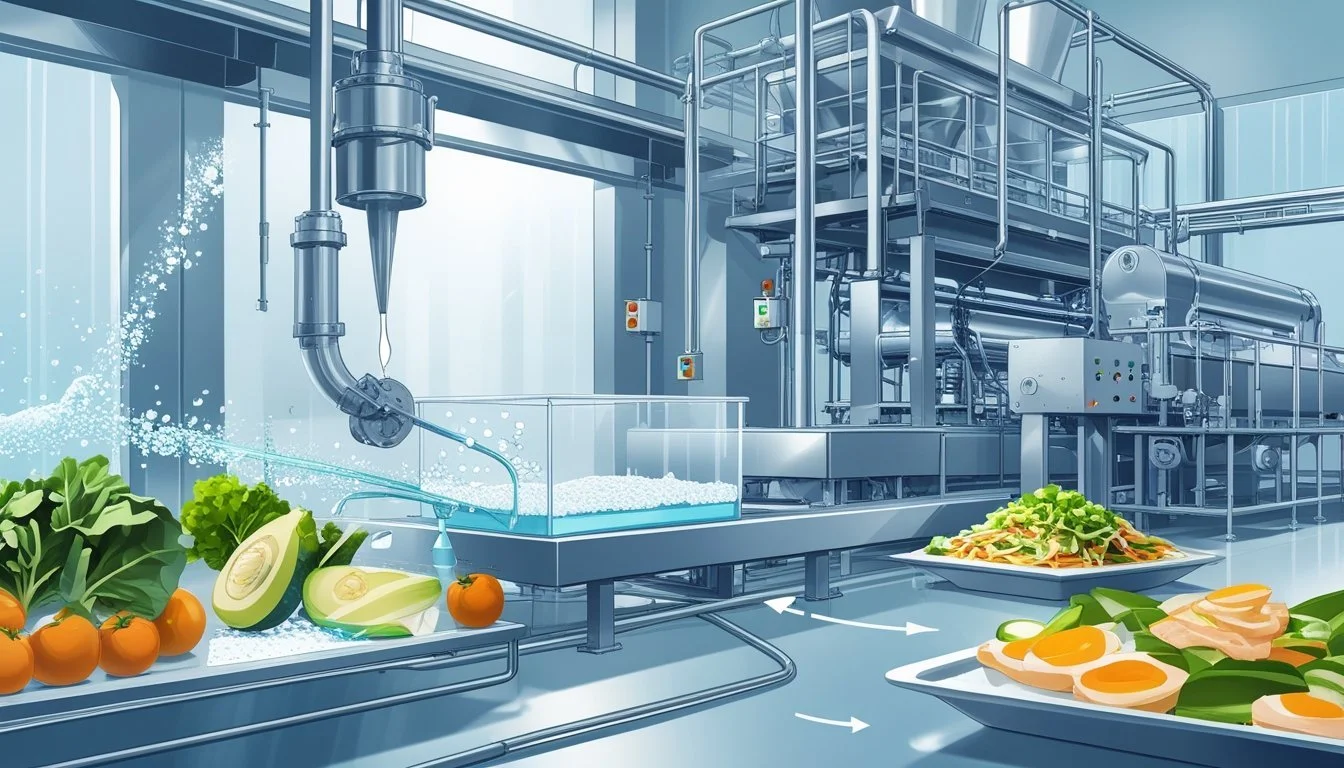
Effective moisture control is key to extending shelf life, preserving texture, and replicating the consistency found in creams and sauces. Selecting the right processing method impacts safety, flavor stability, and the overall behavior of food formulations.
Dehydration and Drying Methods
Drying and dehydration are among the most established moisture management strategies. Dehydration involves exposing foods to controlled heat and airflow to reduce water content. This inhibits microbial growth and preserves the product.
Common techniques include:
Hot air drying, often used for fruits, vegetables, and powders.
Spray drying, which produces fine dry particles ideal for blending.
Oven drying, applicable to grains and baked goods.
As moisture is removed, texture changes and concentration of flavors can occur. In replacing creams and sauces, controlling the dehydration process is essential for creating stable powders or flakes that rehydrate easily during use, mimicking the mouthfeel and consistency of traditional dairy-based items.
Freeze-Drying and Vacuum-Sealed Bags
Freeze-drying uses rapid freezing followed by sublimation under low pressure, minimizing heat exposure and retaining nutrients and flavors. The resulting product is porous and lightweight.
Key benefits include:
Minimal loss of aroma and flavor compared to traditional drying.
Rapid rehydration, enabling applications as a thickening base or sauce substitute.
Vacuum-sealed bags are often used alongside freeze-drying or to protect dehydrated goods from ambient moisture and oxygen. This packaging method slows spoilage, preserves texture, and prevents clumping. In formulations meant to replace creams and sauces, freeze-dried and vacuum-packed ingredients are valued for their stability, rapid mixing, and ease of transportation.
Refrigeration and Canning
Refrigeration provides low-temperature storage to slow microbial growth and moisture loss. It is essential for foods with intermediate moisture or high water activity that are formulated to mimic fresh creams or sauces.
Canning combines heat processing with sealed containers to prevent contamination and extend shelf life. The product is cooked inside the container, capturing moisture at optimal levels needed for creaminess or sauce-like textures.
Proper canning maintains desired viscosity and consistency, especially when producing plant-based or dairy-free alternatives. Both methods limit spoilage while retaining the qualities required for cream and sauce replacements.
Physical and Chemical Factors Affecting Moisture

Moisture levels in food are shaped by tightly linked physical and chemical processes. Heat, chemical interactions, humidity, and water distribution all play a critical part in determining texture and stability when replacing creams and sauces.
Heat Transfer in Cooking Methods
Heat transfer influences how water is retained or lost during cooking. Techniques such as simmering, steaming, or baking control the rate at which moisture evaporates, condenses, or diffuses within foods.
Conduction, convection, and radiation each affect how heat is applied. For example:
Method Typical Heat Transfer Impact on Moisture Steaming Convection Increases retention Sautéing Conduction Causes surface evaporation Baking Radiation & convection Can lead to moisture loss
Controlling temperature and method allows for adjustments in the food’s final moisture content. This makes it possible to mimic creamy consistencies without dairy or fat-based products.
Enzymatic and Chemical Reactions
Enzymatic and chemical reactions shape moisture retention by changing molecular structures. Enzymes in foods like fruits, vegetables, and grains can break down cell walls, causing water release or absorption.
During cooking, chemical processes—such as gelatinization of starch or denaturation of proteins—alter how water is bound inside food. Starches swell and trap water, leading to thickened textures similar to creams.
Acidic or alkaline ingredients also modify these reactions, impacting both texture and moisture control. Understanding these mechanisms is crucial for replacing traditional sauces with plant-based or starch-thickened alternatives.
Influence of Humidity and Moisture Levels
Ambient humidity and internal moisture levels directly affect the behavior of food. High humidity can slow surface moisture evaporation during cooking, preserving juiciness and softness.
Conversely, low humidity environments accelerate water loss, making sauces and alternative mixtures more likely to dry out. Packaging and covering foods, such as with lids or wraps, helps retain moisture by creating barriers against humidity fluctuations.
Moisture migration—water moving between different components—must also be monitored. Balancing water content in each ingredient ensures consistent mouthfeel and stability in finished dishes.
Culinary Applications of Moisture Control
Effective moisture control directly influences the texture, stability, and final quality of foods, especially when replacing traditional creams and sauces. Managing water content can help achieve desired mouthfeel, prevent ingredient separation, and enhance flavor delivery.
Techniques in Baking, Roasting, and Grilling
Baking relies on precise moisture management to produce consistent crumb structures and prevent dryness, particularly when substituting creams or sauces with alternative thickeners or emulsions. Ingredients such as hydrocolloids, like xanthan gum or pectin, help retain water in doughs and batters, reducing the need for heavy cream-based mixtures.
Roasting and grilling often lead to moisture loss at high temperatures. Salt and quick searing help lock in moisture by forming a protective crust, keeping foods juicy even without cream-based bastes. In some recipes, solutions such as marinades or brines are used to increase water-binding capacity before cooking, which is crucial for lean meats.
Table: Moisture Control Methods
Method Purpose Ingredient Examples Hydrocolloids Water retention and texture control Xanthan gum, guar gum Brining Increases internal moisture Salt solution, herbs Searing Reduces surface moisture loss Dry heat application
Steaming and Oil-in-Water Emulsions
Steaming is valued for its ability to cook food gently while limiting moisture loss, making it an effective way to keep foods moist in place of rich sauces. This method helps vegetables, fish, and dumplings maintain texture and juiciness without heavy dairy or cream coatings.
Oil-in-water emulsions provide creaminess and viscosity by dispersing oil droplets in water, stabilized by emulsifiers like lecithin or mustard. These emulsions can mimic the mouthfeel of cream sauces but with controlled fat and water content. Applications include lighter salad dressings, sauces, and non-dairy substitutes for classic preparations. Maintaining the balance between oil and water phases is essential for both stability and sensory quality.
Role of Encapsulation in Flavor and Moisture
Encapsulation protects sensitive flavors and locks in moisture, preventing unwanted evaporation or flavor loss during cooking. This technique involves surrounding ingredients with edible coatings—such as starches, proteins, or lipids—which act as barriers to water migration.
When replacing creams or sauces, encapsulated flavor or moisture droplets can be integrated into dishes for targeted release and better texture control. For example, encapsulated butter or oils within doughs release moisture gradually in the oven, improving shelf-life and palatability without additional cream.
List: Common Encapsulation Materials
Modified starches
Gelatin
Alginate
Lipids and waxes
This approach supports shelf-life, flavor delivery, and moisture retention, especially in products like baked goods, ready meals, and sauces with reduced dairy content.
Evaluating Moisture Control Success
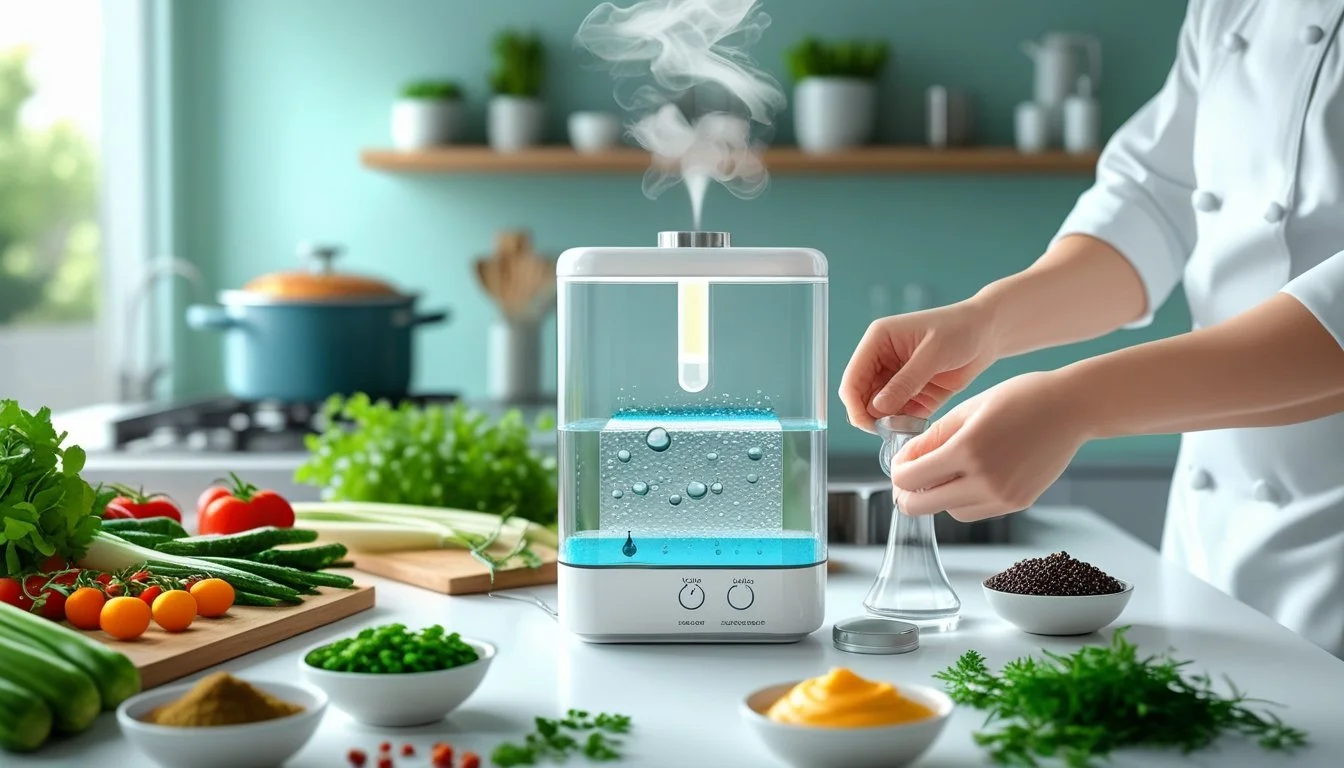
Assessing moisture control in cream and sauce replacements requires a focus on the product’s visual appeal, mouthfeel, texture, and the physical structure of the emulsion or mixture. Success depends on precise evaluation of key properties that influence how the product performs and is perceived by consumers.
Appearance and Sensory Attributes
Appearance plays a central role in consumer acceptance. Products must have a smooth and glossy surface, without visible separation or clumping, to mimic traditional creams and sauces. Color uniformity is also necessary, as uneven shades can indicate poor moisture distribution or instability.
Sensory evaluation involves assessing texture and mouthfeel. Moisture control must deliver a product that feels creamy, not watery or gritty. Sensory panels often compare alternatives side-by-side to ensure the substitute delivers matching sensory qualities including viscosity, spreadability, and aftertaste.
Typical sensory attributes assessed include:
Creaminess
Homogeneity
Aftertaste
Slickness
Attention to these attributes ensures the product is indistinguishable in its intended culinary application.
Rheological and Physicochemical Properties
Rheological properties focus on flow and deformation behavior, which are directly influenced by moisture content. Viscosity measurements determine how easily a cream or sauce flows, whether during pouring, mixing, or spreading. Texture analyzers and rheometers provide quantitative data on yield stress, thixotropy, and stability under shear.
Physicochemical properties, such as water activity and pH, are also critical. Proper control of these factors helps maintain emulsion stability and shelf-life. Incorrect moisture can lead to phase separation, syneresis, or microbial growth, all of which compromise product quality.
A table comparing the impact of moisture on key properties might look like this:
Moisture Level Viscosity Stability Water Activity Low High Lower Low Optimal Balanced High Controlled High Low Low High
Droplet Size Distribution
Droplet size distribution refers to how uniformly fat and water droplets are dispersed within the product. Consistent, small droplets are vital for replicating the creaminess and appearance of traditional products.
Measurement techniques such as laser diffraction or microscopy allow for precise analysis of droplet sizes. If the distribution skews towards larger droplets, the product may display visible separation, reduced stability, or a grainy mouthfeel.
Maintaining control over moisture ensures the emulsion remains stable over time. A tight distribution limits coalescence and prevents phase separation, supporting both appearance and texture objectives. Accurate droplet size management underpins smoothness, shelf-life, and consumer satisfaction.
Challenges and Innovations in Industry

Moisture control plays a direct role in the development and use of alternatives to creams and sauces by influencing texture, shelf life, and mouthfeel. Effective strategies depend on both the characteristics of the ingredients and the processing environments involved.
Managing Hydrophilicity and Hydrophobicity
A major challenge in replacing creams and sauces is managing the balance between hydrophilic (water-attracting) and hydrophobic (water-repelling) components. Hydrophilic ingredients, such as modified starches or certain plant proteins, absorb water and can create thicker or more stable systems. However, too much water retention may cause undesirable gelation or syneresis.
Hydrophobic ingredients, like certain plant-based waxes or oils, repel water and assist in emulsion stability. This balance affects key functional properties, including viscosity and mouthfeel. Innovations such as microencapsulation and advanced emulsifiers are being used to fine-tune moisture interactions, allowing for improved texture and better control over separation.
Careful selection and combination of these components enable manufacturers to simulate the creamy consistency associated with traditional sauces, even when using non-dairy or low-fat bases.
Moisture Control in Food Industry Applications
In food processing, precise moisture management is necessary to achieve targeted consistency and prevent spoilage. For example, controlling water activity in plant-based and low-fat formulations prevents microbial growth and maintains texture.
Key factors affecting moisture control include:
Ingredient properties (absorption, release)
Equipment design (mixers, homogenizers)
Process settings (temperature, time)
Recent innovations involve real-time humidity monitoring and the use of custom blends that adjust their water-binding ability based on changing environmental conditions. Smart ingredient systems, which respond to both hydrophilic and hydrophobic shifts, support the development of stable, shelf-ready products.
These advances are essential in allowing food producers to deliver consistent, high-quality replacements for creams and sauces without sacrificing safety or sensory appeal.

