
Enzymatic Spoilage: The Invisible Shelf Life Enemy in Food Preservation and Quality Control
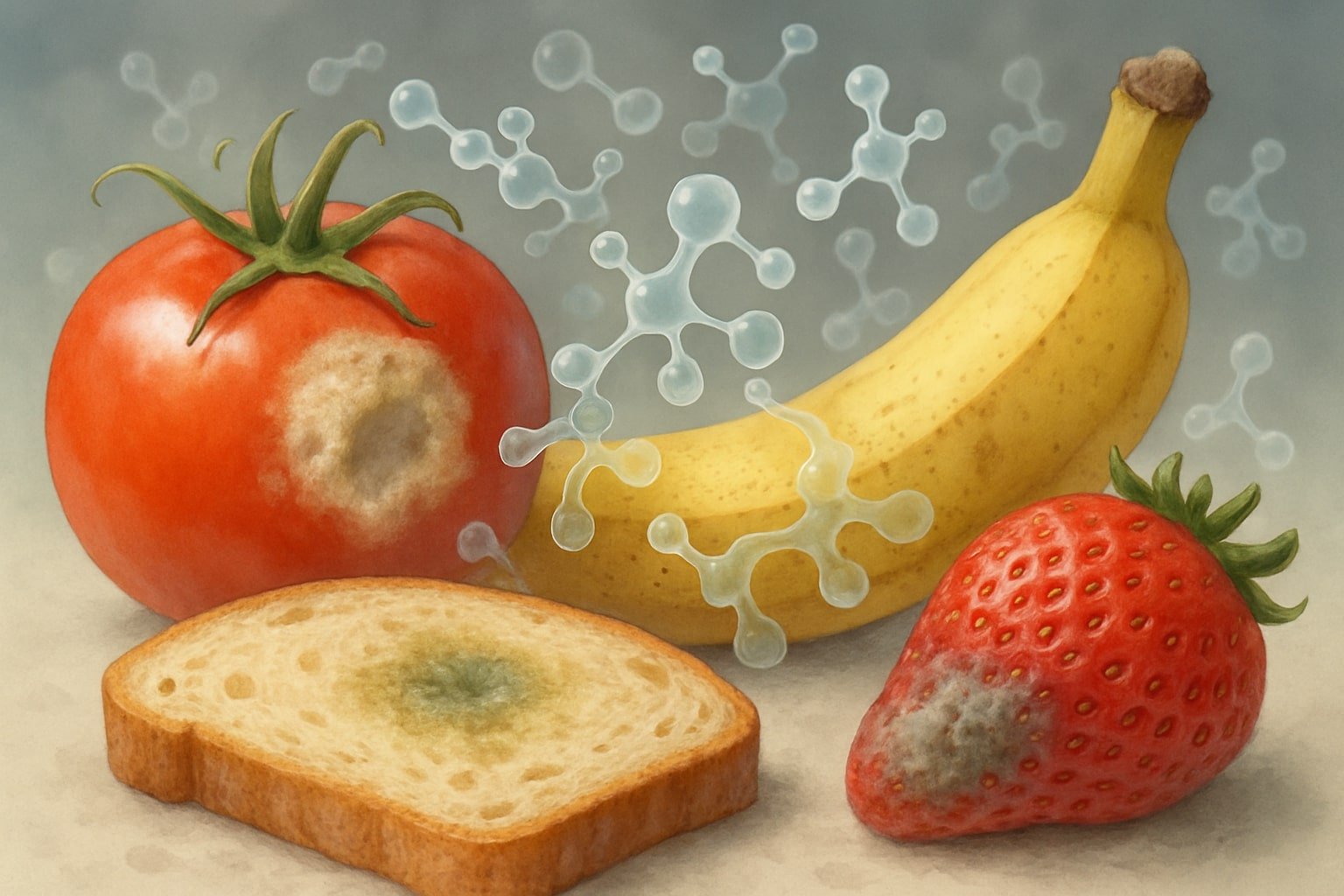
Many foods spoil faster than expected, even with proper storage, and one of the main culprits is often invisible to the naked eye: enzymes. Enzymatic spoilage reduces shelf life by triggering natural chemical reactions within food, such as browning in fruits and vegetables or texture changes in dairy products. Unlike bacteria or mold, enzymes are present in fresh food from the start and can quietly cause significant quality loss before any visible signs of decay appear.
Understanding how enzymes work helps explain why certain foods turn brown or lose their texture shortly after harvest. These natural proteins accelerate specific reactions that break down food components, directly affecting freshness and nutritional value. Controlling enzymatic activity is crucial for maintaining shelf life and preserving food quality.
What Is Enzymatic Spoilage?
Enzymatic spoilage involves chemical changes in food caused by enzymes, separate from the effects of bacteria, molds, or yeasts. It accelerates the deterioration of color, texture, and flavor even before obvious signs of decay are visible to consumers.
Defining Enzymatic Spoilage
Enzymatic spoilage occurs when natural or microbial enzymes within food trigger chemical reactions that lead to quality loss. Enzymes are proteins that act as biological catalysts, speeding up processes such as oxidation, hydrolysis, and browning. These changes can make food unattractive or unpalatable but are not the same as foodborne illness risks caused by pathogens.
Food such as fruit can turn brown due to polyphenol oxidase, while lipases break down fats in products like butter, leading to rancidity. Enzymatic reactions continue after harvest or slaughter unless halted by processing methods like blanching or pasteurization.
Enzyme Action in Food Degradation
Specific enzymes target food components, causing distinct spoilage effects. For example:
Proteases: Break down proteins, affecting texture and taste, especially in meat and dairy.
Lipases: Degrade fats, producing off-flavors and odors.
Carbohydrases: Change the structure of sugars and starches, leading to texture changes.
These reactions are often temperature-sensitive. Refrigeration slows enzyme activity but does not stop it completely. Heat treatments, like blanching vegetables before freezing, are used specifically to inactivate enzymes and extend shelf life.
Some enzymes originate from the food itself, while others are produced by spoilage organisms, especially psychrotrophic bacteria. In dairy, heat-stable enzymes from these bacteria can cause spoilage even after pasteurization.
Comparison With Microbial Spoilage
While enzymatic spoilage involves the food's own enzymes or those produced by non-pathogenic microbes, microbial spoilage is the result of growth of bacteria, yeasts, or molds. The two types often happen together but have different implications.
Enzymatic spoilage changes food quality: flavor loss, color changes, and texture breakdown. Microbial spoilage, however, can also lead to foodborne illness if pathogens are involved. Unlike enzymes, spoilage organisms multiply, producing visible colonies, gas, or slime.
Enzymatic changes can occur even in the absence of visible microbial activity. Control methods such as refrigeration, drying, and preservatives address both issues but may target them in different ways depending on the principal concern.
Key Enzymes Involved in Food Spoilage
Enzymes break down food components, leading to changes in flavor, texture, and color. Some originate from food tissues, while others are introduced by microbes, each contributing uniquely to spoilage processes.
Types of Spoilage Enzymes
Several classes of enzymes are central to food spoilage:
Lipases break down fats, causing rancidity in products like butter, cream, and meats. This often results in unpleasant flavors and odors.
Proteinases target proteins in foods such as meat, fish, and dairy, leading to texture defects and off-flavors.
Polyphenol oxidases cause browning in fruits and vegetables—most notably in apples and avocados—by reacting with oxygen.
Amylases degrade starches, impacting the texture and shelf life of starchy foods.
Many spoilage enzymes originate from psychrotrophic bacteria, including species of Pseudomonas and Aeromonas. Yeasts like Saccharomyces, Candida, and Pichia can also produce enzymes that contribute to fermentation-linked spoilage, especially in stored or processed foods.
Enzyme Sources: Endogenous vs. Exogenous
Spoilage enzymes are classified by their source:
Endogenous enzymes are present within the cells of intact foods. They become active after harvest or slaughter, accelerating deterioration. For instance, polyphenol oxidases in plant organelles drive browning as soon as tissues are damaged.
Exogenous enzymes are introduced by external microorganisms. Microbiota, such as bacteria or fungi growing during storage, produce proteinases, lipases, and other enzymes. These exogenous enzymes often persist even after bacterial cells die, continuing to degrade food quality.
Microbial enzymes from sources like koji fermentation or spoilage yeasts (Saccharomyces, Candida, Pichia) play a critical role in food spoilage, especially in humid or nutrient-rich environments. Monitoring both enzyme sources is important for managing shelf life.
Mechanisms and Factors Influencing Enzymatic Spoilage
Enzymatic spoilage in foods is directly affected by conditions such as pH, moisture, temperature, oxygen availability, and the presence of additives. Each factor can hasten or slow down deterioration, impacting both microbiology and shelf life.
Role of pH, Temperature, and Moisture Content
The activity of spoilage enzymes depends strongly on pH. Most enzymes have an optimal pH range, often between 4.5 and 7.0. Outside this range, enzymes may be less active or denatured, slowing spoilage rates.
Temperature is equally important. High temperatures (above 40°C) can denature enzymes, halting activity, while low temperatures (below 4°C) significantly reduce their rate. This is why refrigeration is effective for many foods.
Moisture content influences water availability for enzymatic reactions. Foods with high moisture content, such as fresh fruits and vegetables, are more prone to rapid enzymatic spoilage. Dehydration and moisture control help prolong shelf life by limiting enzyme activity.
Oxygen, Anaerobic Conditions, and Water Activity
Oxygen drives many enzymatic spoilage pathways, including oxidation and browning reactions. For example, polyphenol oxidase in fruit causes enzymatic browning only in the presence of oxygen.
Anaerobic conditions can limit oxidative spoilage but may promote the activity of anaerobic bacteria and other enzymes. This can lead to a different set of spoilage issues, such as fermentation or off-flavors, especially in vacuum-packed foods.
Water activity (_a_w) is key in both enzymatic and microbial spoilage. Lowering a_w—by drying foods or adding salts—reduces enzymatic function. Table:
Water Activity (a_w) Enzyme Activity Microbial Growth >0.90 High High 0.70–0.90 Moderate Limited <0.70 Low Very Low
Susceptibility of Different Foods
Some foods are naturally more susceptible to enzymatic spoilage. Fresh produce, such as apples, potatoes, and avocados, are highly sensitive to enzymatic browning and softening due to high enzyme levels and moisture.
Meat and seafood are also vulnerable. Endogenous proteases and lipases break down proteins and fats, leading to texture loss and off-odors. Processed foods with lower moisture or acidic pH tend to spoil slower due to reduced enzyme activity and less favorable microbial environments.
Dairy products can experience both proteolytic and lipolytic spoilage. The nature and severity depend on storage conditions, substrate composition, and the presence of residual enzymes or contaminants.
Influence of Additives and Preservatives
Additives such as sodium chloride (NaCl) and calcium chloride serve multiple functions. They lower water activity, disrupt microbial and enzymatic activity, and increase osmotic pressure.
Preservatives including sulfites, ascorbic acid, and benzoates can inhibit specific enzymes or act as antioxidants, preventing undesirable reactions like enzymatic browning. For instance, ascorbic acid reduces oxidation by acting as a reducing agent.
Quality assurance programs often focus on the careful use of food additives to maintain shelf life and safety. Selecting the proper additive and concentration can drastically affect a product's vulnerability to enzymatic spoilage and extend its marketability.
Economic and Food Safety Impacts
Enzymatic spoilage contributes to lost revenue, increased food waste, and presents challenges for maintaining safe, high-quality products. This issue also complicates regulatory compliance and the ability to quickly trace sources of contamination or inconsistency.
Hidden Costs of Enzymatic Spoilage
Enzymatic spoilage leads to depreciation of product value before items even reach consumers. Discoloration, off-odors, and texture changes often make foods unsellable, even if they are technically safe. Retailers and manufacturers face direct economic losses through product withdrawal, disposal, and diminished shelf appeal.
Table: Main Economic Losses Due to Enzymatic Spoilage
Type of Cost Examples Direct product losses Disposal of affected fruits, vegetables, dairy Processing adjustments Extra sorting, trimming, or reformulation steps Lost sales Reduced consumer confidence, unsellable stock
Although not contagious, enzymatic spoilage increases food waste, affecting the whole supply chain. Production cost per unit rises when higher rates of spoilage reduce yields.
Food Poisoning and Foodborne Illness
While enzymatic activity does not itself cause disease, it often signals the start of deterioration that can allow pathogens to thrive. Spoiled food with visible or sensory changes may mask microbial contamination, causing lapses in hazard analysis and disease control.
Foods that become soft, brown, or otherwise compromised by enzyme action provide an easier environment for bacteria and molds. Consumers may risk foodborne illness, especially if products are consumed despite partial spoilage or when visual cues are missed. Traditional food safety measures, such as HACCP, must account for enzymatic changes to minimize unintentional exposures.
Implications for Traceability and Product Consistency
Spoilage caused by enzymes complicates traceability efforts in food systems. Variability in enzyme activity—due to temperature, processing, or storage—can lead to unpredictable spoilage events across batches. This compromises product consistency, as visual and textural differences appear even within the same lot.
Traceability relies on precise records to pinpoint contamination or spoilage sources. Enzymatic action can create ambiguous spoilage patterns, making it harder to determine root causes. Inconsistent product quality can also lead to recalls, investigation delays, and compliance challenges with food safety standards. Brands may face reputational risk if consumers distrust product uniformity.
Major Spoilage Organisms and Pathogenic Threats
Microbial life is a primary driver of food spoilage, with both spoilage and pathogenic organisms impacting food safety and shelf life. Their activity, along with compounds such as mycotoxins and certain parasites, leads to quality loss and health risks in diverse food products.
Bacteria and Fungal Pathogens
Spoilage bacteria such as Pseudomonas, Enterobacteriaceae, and lactic acid bacteria are common culprits in the deterioration of meats, dairy, and produce. These microorganisms use enzymes to break down proteins, carbohydrates, and fats, resulting in off-odors, discoloration, and texture changes.
Fungal pathogens, especially molds and yeasts, colonize moist foods and can outcompete bacteria under low-temperature or acidic conditions. Molds, including Penicillium, Aspergillus, and Fusarium species, grow on grains, dairy, fruits, and vegetables. Their growth often produces visible spoilage before toxins are even detected.
Spoilage is distinct from foodborne illness, but both are linked. Many spoilage organisms are not harmful, but pathogenic bacteria and toxin-producing fungi share similar growth niches, raising concern for food safety.
Key Pathogens: Escherichia coli, Salmonella Typhimurium, and Listeria Monocytogenes
Certain bacteria present not just spoilage concerns but also clear health risks. Escherichia coli is found in contaminated meat and unpasteurized products. Some strains cause severe illness, particularly in young children and the elderly.
Salmonella Typhimurium is a widespread pathogen in raw poultry, eggs, and dairy. It tolerates a variety of environments and can survive mild processing steps, leading to foodborne outbreaks if not controlled.
Listeria monocytogenes stands out for its ability to grow at refrigeration temperatures. It contaminates ready-to-eat foods, soft cheeses, and deli meats, with a high risk to pregnant women, newborns, and immune-compromised individuals. A table below summarizes key traits:
Pathogen Typical Foods Growth Temp. Health Risk Escherichia coli Meat, unpasteurized 7–50°C Gastrointestinal illness Salmonella Typhimurium Poultry, eggs, dairy 7–45°C Fever, diarrhea Listeria monocytogenes RTE foods, soft cheese 0–45°C Severe, high-risk groups
Mycotoxins and Parasites
Molds can produce mycotoxins—secondary metabolites that remain in food even after the fungi are removed. Notable mycotoxins include aflatoxins, ochratoxins, and fumonisins, primarily generated by Aspergillus and Fusarium species.
Mycotoxins are chemically stable and resist standard processing, so they pose a chronic exposure risk when contaminated grains, nuts, or spices are consumed.
Parasites such as Trichinella in meat or Cryptosporidium in produce are less common than bacteria or fungi but still significant. They can survive traditional preservation methods and require proper cooking or treatment to eliminate.
Routine screening of at-risk foods for mycotoxins and parasite contamination is critical. Proper storage and food handling reduce the chance of toxin formation and parasitic infection.
Chemical Changes and Byproducts
Chemical changes during enzymatic spoilage produce specific byproducts that shape the aroma, texture, and safety of food. These changes result in organic acids, bioactive peptides, antioxidants, and sometimes compounds with toxicological significance.
Organic Acids: Lactic, Acetic, Propionic, and Butyric
Microbial activity can convert carbohydrates into organic acids such as lactic acid, acetic acid, propionic acid, and butyric acid. Each acid contributes distinctive flavors and odors; for example, lactic acid imparts sourness in dairy, while butyric acid is linked to rancid smells.
A summary table highlights the impact:
Acid Typical Source Effects Sensory Note Lactic Fermentation, dairy Lowers pH, sour taste Tangy, sour Acetic Vinegar, pickled foods Preservative, sharpness Pungent, acidic Propionic Cheese, grains Mold inhibition Nutty, bitter Butyric Spoiled butter, cheese Off-flavor, rancidity Rancid, pungent
High concentrations of these acids can accelerate spoilage and mark the end of shelf life by altering food palatability.
Bioactive Peptides and Antioxidants
Enzymatic reactions can liberate bioactive peptides from food proteins. Some peptides can have antimicrobial effects, help inhibit spoilage, or contribute to flavor development.
In addition, antioxidant compounds may be generated or released during spoilage. These antioxidants can slow down oxidative degradation and alter both the color and nutritional quality of food.
Key points:
Bioactive peptides can change taste and extend shelf life.
Some antioxidants, such as ascorbic acid, may help maintain appearance but are rarely enough to prevent spoilage alone.
The presence and effectiveness of these compounds depend on food type and enzymatic activity.
Toxicological Concerns
Byproducts of enzymatic spoilage can include toxic compounds. These pose food safety risks if left unchecked.
Amplification of enzymatic activity may increase the formation of harmful substances such as biogenic amines (e.g., histamine), nitrosamines, or secondary oxidation products. Exposure to elevated levels of these compounds can cause adverse health effects ranging from gastrointestinal distress to allergic reactions.
Regular monitoring and effective preservation methods are necessary to minimize toxic risks and prevent unsafe food consumption.
Detection and Analytical Techniques
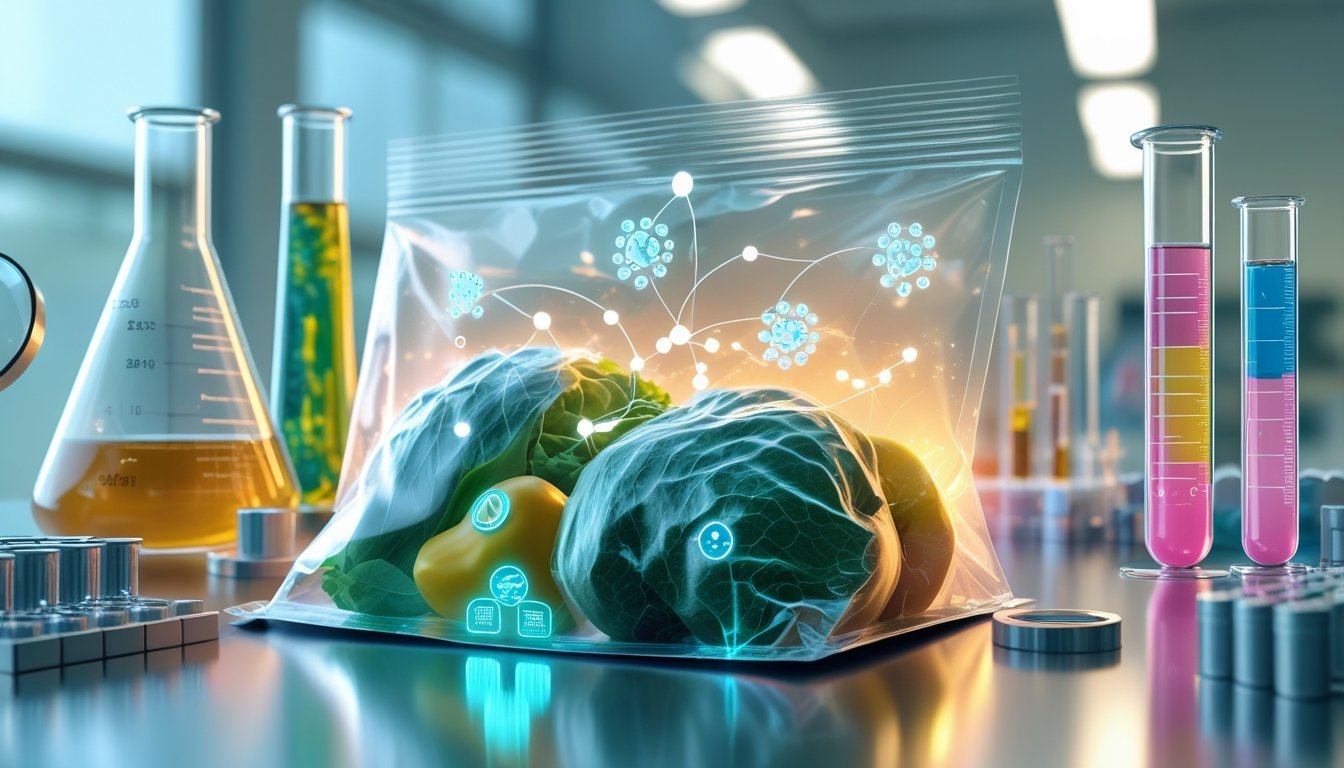
Accurate detection of enzymatic spoilage in foods depends on a range of analytical tools, each targeting different aspects of spoilage activity. Methods include chemical analysis, microbiological and sensory testing, and advances in biosensor technologies.
Classical Chemical Analysis
Classical chemical analysis remains a fundamental approach to detecting spoilage caused by enzymatic activity. Methods such as chromatography and spectrophotometry allow measurement of specific analytes including breakdown products, volatile compounds, or enzyme substrates.
Food scientists often use these techniques to quantify markers like aldehydes, alcohols, or organic acids produced during spoilage. The data guide shelf-life predictions.
A typical workflow can include:
Sample extraction
Separation of analytes (using HPLC or GC)
Identification and quantification by detectors
This approach is valued for its accuracy, though it can be time-consuming and requires specialized equipment.
Microbiological Testing and Sensory Evaluation
Microbiological testing focuses on estimating populations of spoilage organisms that may be generating enzymatic activity. Serial dilution and plating methods reveal counts of bacteria or fungi.
Sensory evaluation is also crucial. Panelists assess appearance, odor, taste, and texture to subjectively identify early spoilage. Experienced assessors can detect changes before major chemical alterations occur.
However, some enzymatic reactions may continue after microbial growth stops. Combining these tests helps to provide a more reliable evaluation of food quality and potential shelf life.
Biosensors and Electrochemical Biosensors
Recent advances have introduced biosensors as fast, on-site analytical tools for spoilage detection. These devices typically use a recognition element, such as an enzyme or antibody, paired with a transducer to detect target analytes produced during spoilage.
Electrochemical biosensors are especially promising for their sensitivity and speed. They convert the chemical interaction between the analyte and the recognition element directly into an electrical signal.
Biosensors allow for continuous, real-time monitoring and are being developed for use across a range of food products. Their application enhances early detection, reduces laboratory time, and supports rapid decision-making in food processing and storage environments.
Prevention and Control Strategies
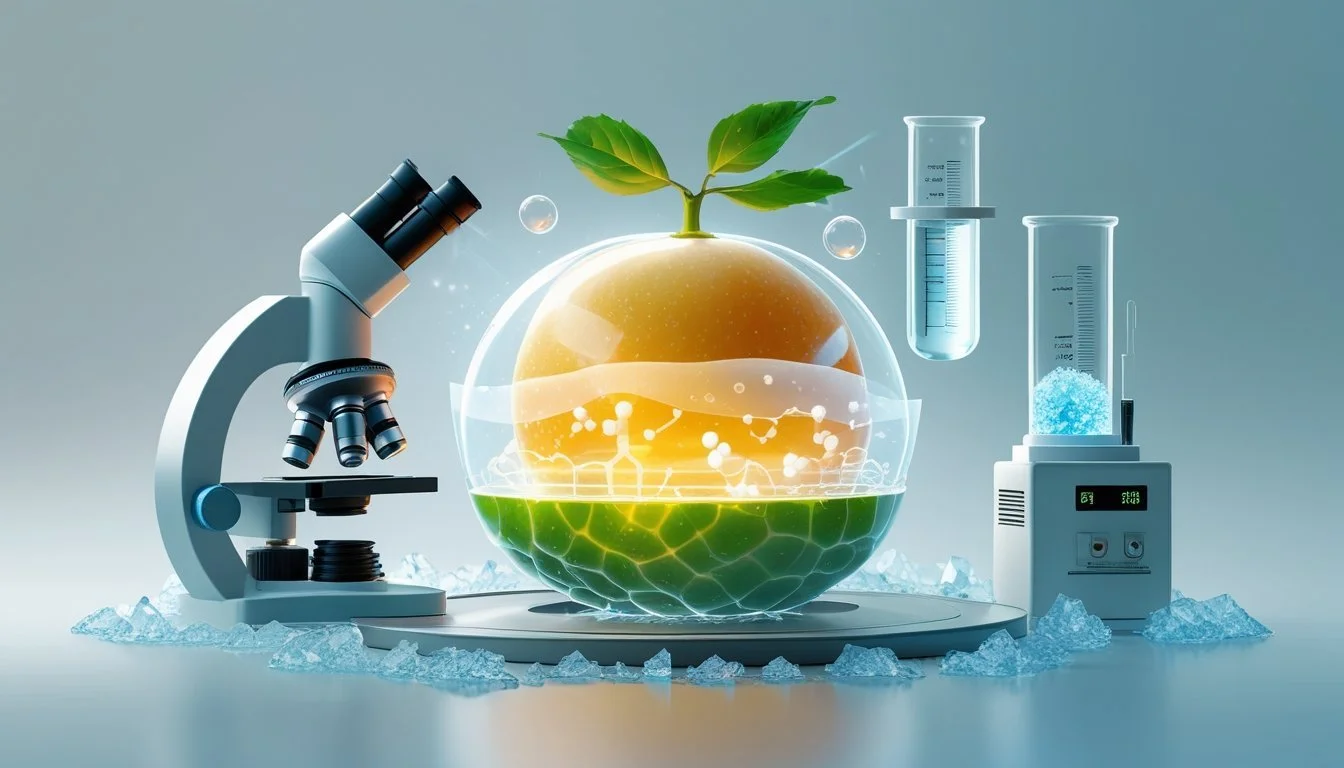
Combating enzymatic spoilage requires a targeted approach because enzymes remain active under typical storage conditions and can quickly degrade food quality. Certain methods are more effective at slowing or stopping these reactions, using both environmental and technological innovations.
Cold Storage and Temperature Control
Lowering storage temperatures is among the most effective ways to limit enzyme activity in foods. Most enzymes slow dramatically at temperatures below 5°C (41°F), making refrigeration a standard preventive measure. Freezing at −18°C (0°F) or colder can halt enzymatic reactions almost completely, extending shelf life for months.
Cold storage not only slows down enzymes but also discourages microbial growth, which can indirectly reduce spoilage. Quick freezing and maintaining consistent low temperatures are important for preserving food texture and flavor by preventing ice crystal damage. The use of stainless steel in cold storage equipment helps resist corrosion and makes cleaning easier, reducing contamination risk.
Use of Antimicrobials and Inhibitors
Applying food-safe antimicrobials and enzyme inhibitors can slow or prevent enzymatic spoilage. Substances such as ascorbic acid and citric acid lower the pH, creating conditions where many enzymes cannot function effectively. These inhibitors are commonly used in fresh-cut fruit and vegetable products to delay browning and loss of quality.
Some antimicrobials also fight resistant strains of bacteria and molds that produce spoilage enzymes. For instance, calcium propionate can inhibit mold growth in breads, while sodium benzoate is often used in acidic foods. Selecting appropriate antimicrobial agents helps reduce both microbial and enzymatic spoilage while remaining safe for consumers.
Packaging Innovations
Modern packaging plays a critical role in controlling the environment around food to minimize enzymatic spoilage. Modified atmosphere packaging (MAP) reduces oxygen levels and can incorporate gases like nitrogen or carbon dioxide to hinder both enzyme action and microbial spoilage. Vacuum-sealing is another effective method, limiting oxygen and moisture that are necessary for many enzymatic processes.
Emerging innovations include packaging materials coated with antimicrobials or enzyme inhibitors for a dual-action effect. These materials may be used on stainless steel trays or inside containers to extend the effectiveness of traditional preservation methods. The integration of sensor technology in smart packaging also allows real-time monitoring of changes that signal early spoilage, offering a proactive approach to food safety.
Industry Applications and Quality Assurance
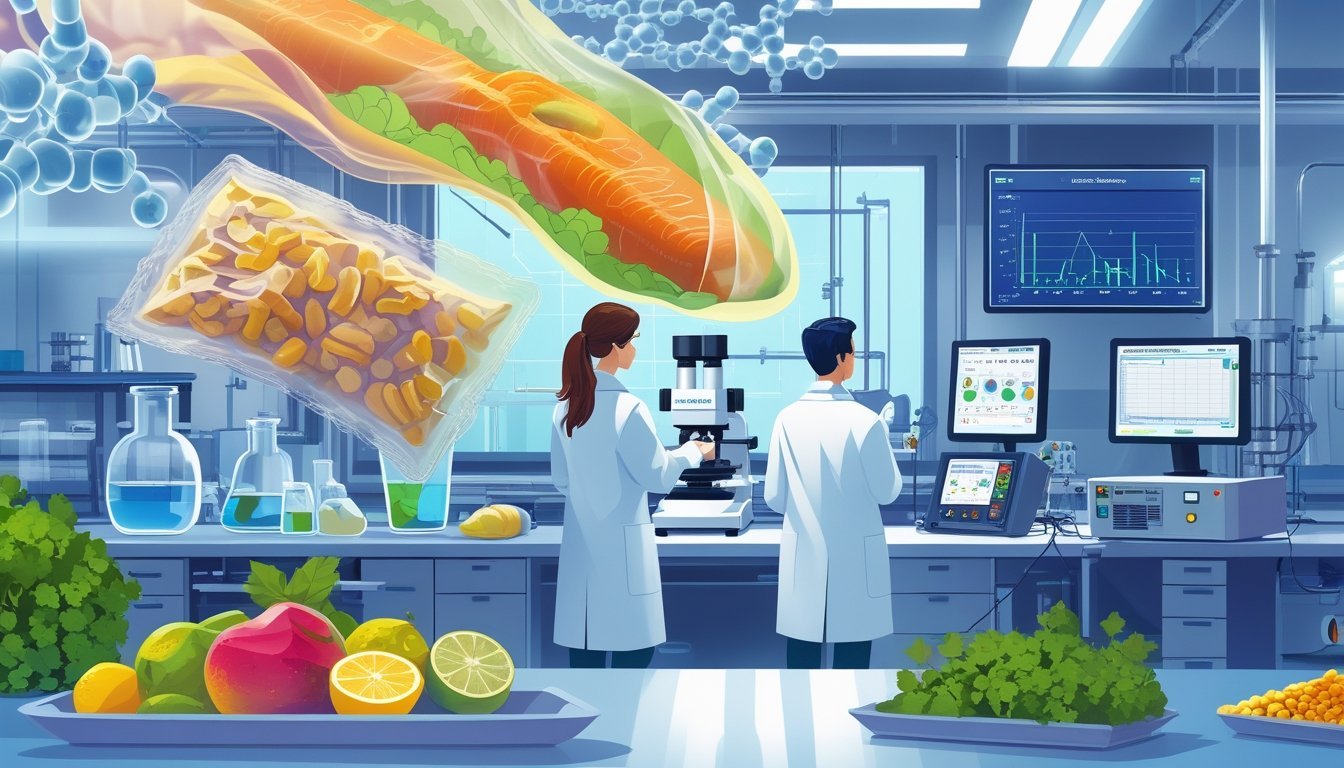
Enzymatic spoilage challenges the food industry by reducing shelf life and compromising product quality. Effective management integrates quality assurance programs, disease control measures, and traceability systems to ensure both food safety and consumer trust.
Role of Quality Assurance in Food Processing
Quality assurance in food processing targets enzyme activity monitoring to prevent spoilage, especially in products like dairy and ground beef. Facilities deploy protocols such as routine enzymatic assays and enzyme-inhibiting treatments to ensure that spoilage enzymes, like lipases and proteinases, are controlled.
Enzymatic cleaning agents have been applied to improve hygiene levels in processing environments. These agents break down contaminants, reducing microbial and enzymatic spoilage risks. Regular quality audits and adherence to standards, such as HACCP, minimize risks from heat-stable enzymes and optimize the shelf life of sensitive foods.
Maintaining quality assurance also helps limit environmental pollution. Proper enzyme management prevents waste, as less spoiled product is discarded, supporting both economic and sustainability goals.
Synergies With Disease Control and Clinical Diagnosis
Effective enzyme monitoring helps limit the growth of spoilage microorganisms, some of which can cause foodborne illnesses. Rapid detection of enzyme activity supports early intervention, lowering the risk of contamination in vulnerable foods like ground beef.
In clinical diagnosis, similar detection systems identify disease markers, demonstrating methodological overlap between food safety labs and clinical laboratories. Technologies such as biosensors and rapid enzymatic assays benefit both food processors and healthcare providers by enabling faster, more accurate detection.
These shared strategies not only boost food safety but also aid in limiting the spread of pathogens, supporting public health beyond the food sector.
Product Traceability and Trust
Traceability systems document each stage of food production and distribution, crucial for managing enzymatic spoilage incidents. Detailed records ensure that if a quality breach occurs, affected batches—such as ground beef possibly exposed to spoilage enzymes—are accurately identified and removed from the supply chain.
Providing transparent records bolsters consumer trust. When food producers can verify that quality assurance measures are followed and contamination is swiftly addressed, retailers and consumers have increased confidence in product safety.
Key tracking data may include:
Data Type Example Batch ID 2025GB027A Enzyme Activity Level Lipase: 0.2 U/mL Processing Facility ID Plant 14, Chicago Quality Audit Date 2025-06-10
Access to such information facilitates accountability, supports regulatory compliance, and reassures the public about both food integrity and responsible industry practices.
Future Perspectives in Managing Enzymatic Spoilage
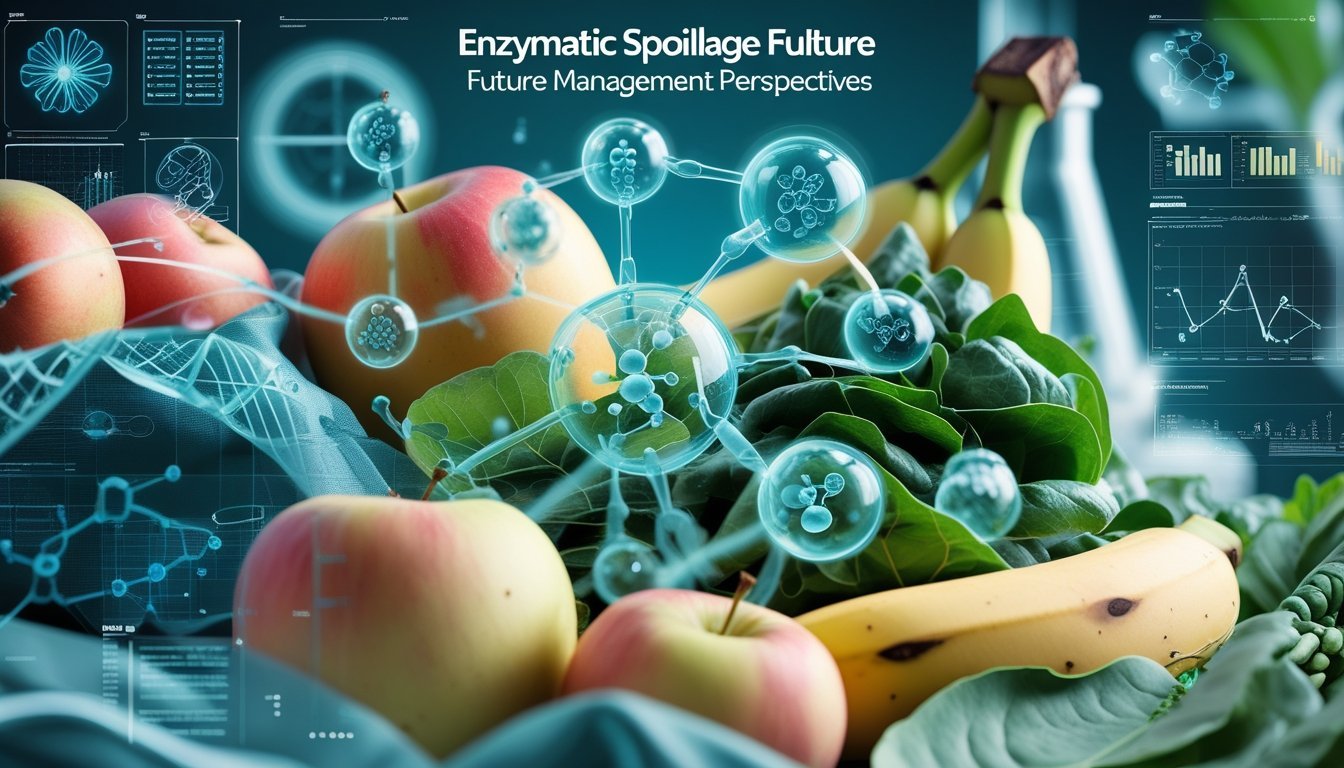
Innovations in biotechnology and material science are leading to new tools aimed at minimizing enzymatic spoilage. Focused approaches target enzyme-resistant strains, improved detection, and reduced environmental impact through sustainable practices.
Emerging Technologies
New enzyme inhibitors, biosensors, and nano-structured packaging are transforming enzymatic spoilage management. Advanced biosensor arrays allow real-time detection of enzymatic activity, enabling prompt intervention before significant degradation occurs.
Smart packaging technologies use indicator dyes or electronic tags to monitor spoilage and optimize shelf life. Enzyme immobilization methods are being developed to restrict natural enzymatic reactions in food and pharmaceutical storage while increasing efficiency in energy conversion processes. Researchers are also investigating how 1,3-dichloropropene and other molecules influence enzyme activity, although concerns about toxicity and environmental pollution require balanced assessments.
Polymorphism and Resistant Strains
The rise of enzyme polymorphism within microbial populations creates challenges for spoilage control. Strains exhibiting structural diversity in their enzymes may resist standard inhibitors or adapt more quickly to preservation methods.
Table: Challenges from Polymorphism
Issue Impact Enzyme variation Varying inhibitor sensitivity Mutation frequency Faster resistance evolution Detection difficulty Delayed spoilage response
Genomic sequencing and targeted inhibitor design aim to counteract these resistant strains. Monitoring for anti-inflammatory enzyme variants is relevant in certain fermented foods and pharmaceuticals, as some polymorphisms can alter product safety or functional properties.
Sustainable Solutions
Reducing environmental impact drives the development of green solutions for spoilage management. Biodegradable coatings infused with natural enzyme inhibitors derived from plant extracts are gaining popularity in both food and pharmaceutical packaging. These coatings slow spoilage without introducing harmful chemicals.
Energy-efficient refrigeration and storage practices limit enzymatic activity while minimizing carbon emissions. Recycling packaging materials and phasing out compounds such as 1,3-dichloropropene lower environmental pollution risks. Emphasis is placed on lifecycle assessment of new technologies to ensure sustainability at every step.

