
Role of Preservatives in Shelf Life Extension
Mechanisms and Industry Applications
Preservatives play a critical role in extending the shelf life of foods by slowing or preventing the growth of harmful microorganisms and spoilage agents. By using substances such as natural salts, sugars, or approved chemicals, the food industry can maintain the quality, safety, and freshness of everyday products for longer periods.
Consumers and manufacturers rely on preservatives not only to reduce waste and improve convenience but also to maintain food safety as products travel from production facilities to homes and stores. Recognizing how different preservatives work can help people make informed decisions about the foods they choose and understand the science behind their preservation.
Understanding Shelf Life and Food Spoilage
Food products experience changes over time due to a range of factors, including their composition and exposure to the environment. Preserving food quality and safety requires knowledge of why spoilage occurs and how shelf life is determined.
Definition of Shelf Life
Shelf life refers to the length of time a food product remains safe to eat and retains its intended sensory, chemical, and nutritional qualities. It depends on properties like moisture, fat content, and acidity, as well as storage conditions.
Manufacturers often label products with a "best before" or "use by" date based on controlled tests. These dates help consumers understand when food may no longer be at peak quality.
Key factors influencing shelf life:
Type of food and its composition
Packaging materials and technology
Temperature, humidity, and light exposure during storage
Shelf life can vary from days for fresh produce to years for canned items, depending on measures taken to prevent spoilage.
Causes of Food Spoilage
Food spoilage is primarily caused by the growth of microorganisms, chemical changes, and physical damage. Microbial spoilage results from bacteria, yeasts, and molds that break down food components, leading to off-flavors, odors, and textures.
Chemical spoilage includes oxidation of fats, which leads to rancidity, or enzymatic reactions that alter color and taste. Physical spoilage occurs through mechanical damage or improper handling, which can accelerate decay.
Common spoilage factors:
Aerobic bacteria requiring oxygen to grow
Water activity that supports microorganism growth
Contamination from surfaces, air, or handling
Spoilage reduces food quality and can make products unsafe for consumption.
Impact of Microorganisms on Food Quality
Microorganisms such as bacteria, molds, and yeasts play a central role in food spoilage and the loss of product quality. They can cause food-borne illnesses if pathogenic strains are present, posing health risks to consumers.
Microbial contamination may result from inadequate storage, improper handling, or cross-contamination with other foods. Aerobic bacteria thrive in oxygen-rich environments, while some bacteria and molds prefer low-oxygen conditions.
The presence of microorganisms affects taste, smell, appearance, and texture. Effective storage and the use of preservatives help control microbial growth, extending the storage life and ensuring safer, higher-quality food.
Principles of Preservation and Preservatives
Preserving food is essential to maintain safety, reduce waste, and deliver consistent quality to consumers. The food industry uses targeted methods and compounds to slow or prevent spoilage, relying on both technological strategies and the action of specific preservatives.
Food Preservation Methods
Food preservation methods are designed to control factors that cause spoilage, such as microbial growth, enzymatic reactions, and oxidation.
Common techniques include refrigeration, freezing, and drying, which reduce microbial activity by limiting moisture or lowering temperature. Heat treatments, such as pasteurization and sterilization, effectively eliminate bacteria and enzymes responsible for spoilage.
Vacuum packaging and modified atmosphere packaging slow down oxidative and microbial processes by reducing oxygen levels. Chemical preservatives are often used alongside these methods to further inhibit spoilage organisms and extend shelf life.
Table: Major Food Preservation Methods
Method Key Function Refrigeration/Freezing Slows or halts microbial growth Drying Reduces water activity Pasteurization/Sterilization Eliminates pathogenic microorganisms Vacuum Packaging Reduces oxygen and microbial growth Chemical Preservatives Inhibits bacteria, yeasts, molds
Role of Preservatives
Preservatives are substances specifically added to foods to prevent or delay spoilage and quality loss.
Their primary role is to inhibit the growth of bacteria, yeasts, and molds that could compromise food safety or shorten shelf life. Common preservatives include sorbates, benzoates, nitrites, and certain natural extracts like rosemary or vinegar.
Preservatives work by interfering with microbial metabolism and cellular structures, effectively reducing the risk of foodborne illness. In the food industry, their use helps maintain product consistency, prolongs distribution periods, and reduces dependency on more extreme preservation methods.
Accurate labeling and adherence to regulatory limits are critical to ensure both efficacy and consumer safety.
Antimicrobial Properties in Preservation
Antimicrobial properties are central to the function of many food preservatives and preservation strategies.
Antimicrobial compounds—both natural and synthetic—target the vital processes of bacteria, fungi, and other spoilage organisms. Examples include organic acids (such as lactic acid and acetic acid), nitrates, and plant-derived substances like essential oils.
Antibacterial agents block the replication or survival of dangerous microbes while minimizing impact on the food’s sensory qualities. The selection of specific agents often depends on the type of food and its intended shelf life.
Effective antimicrobial activity helps control the risks of contamination and supports the overarching goal of food safety, particularly in high-risk foods like meats, dairy, and prepared meals. Most preservation systems combine multiple barriers, ensuring stronger protection against spoilage.
Types of Preservatives Used in Shelf Life Extension
Food manufacturers use a variety of preservatives to extend product shelf life, protect flavor, and maintain safety. These can be broadly grouped as either natural or synthetic and chemical preservatives, each with their own characteristics and preferred uses.
Natural Preservatives
Natural preservatives are substances found in nature and often used in minimal processing. Common examples include salt, sugar, vinegar, and lemon juice. These ingredients help limit moisture, alter pH, or create environments in which bacteria and mold cannot thrive.
Natural antimicrobial agents, such as extracts from herbs (rosemary, thyme) or spices (cloves, cinnamon), are also used. Some bio-preservatives, like lactic acid bacteria, produce compounds that inhibit spoilage organisms.
Natural alternatives are increasingly popular due to consumer demand for clean-label products. They are typically viewed as safe, though their effectiveness can be influenced by storage conditions, food type, and dosage.
Table: Examples of Natural Preservatives
Preservative Main Use Salt Meat, seafood Vinegar Pickled foods Sugar Jams, jellies Garlic Sausages, meats Lactic acid bacteria Dairy, meats
Synthetic and Chemical Preservatives
Synthetic and chemical preservatives are man-made or chemically processed compounds. Key examples include sodium benzoate, potassium sorbate, and nitrites. These substances are valued for their reliability, potency, and consistent effects across various food types.
Chemical preservatives can work as antimicrobials, antioxidants, or enzyme blockers. For instance, sorbates inhibit yeast and mold, while nitrites are used in processed meats to prevent bacterial growth and preserve color.
Some products use synthetic preservatives due to longer shelf life requirements or because natural alternatives are not effective enough. However, their use is regulated to ensure safety and must comply with national and international food standards.
Proper labeling and adherence to acceptable daily intake (ADI) limits are required when using chemical preservatives. They remain an essential tool in large-scale food production and distribution.
Key Preservatives and Their Mechanisms
Preservatives extend food shelf life by targeting spoilage pathways including microbial growth and chemical degradation. Several types—including minerals, sugars, and organic acids—act through specific and well-documented mechanisms.
Salt and Sugar
Salt (sodium chloride) is one of the oldest and most widely used preservatives. It preserves food by reducing water activity, making it difficult for bacteria, yeasts, and molds to grow. This dehydration effect helps prevent spoilage in products like cured meats, pickles, and cheeses.
Sugar works similarly to salt by lowering water activity, especially in jams, jellies, syrups, and candied fruits. High concentrations of sugar inhibit microbial growth by creating a hypertonic environment that draws out moisture from microorganisms.
Both salt and sugar are effective for not only microbial control but also stabilizing flavors and textures. Their usage can be combined with other preservation methods for added effectiveness and safety.
Preservative Main Action Common Uses Salt Reduces water activity Meats, cheeses, pickles Sugar Lowers water activity Jams, preserves, syrups
Acids: Citric, Acetic, Benzoic, and Sorbic
Citric acid naturally occurs in citrus fruits and is used to acidify products, lowering pH to levels that inhibit spoilage bacteria and molds. It is common in beverages and canned foods.
Acetic acid, found in vinegar, is effective against a broad range of microbes. It is frequently used in pickling vegetables and in condiments to ensure safety and extend shelf life.
Benzoic acid and its salt, sodium benzoate, act as antimicrobial agents by interfering with microbial metabolism, especially in acidic foods like soft drinks and fruit juices.
Sorbic acid is another organic acid preservative, commonly used in bakery items, cheese, and dried fruits. It inhibits the growth of molds and yeasts.
These acids often work better with other methods. For example, combining them with salt or sugar can provide broad-spectrum microbial control. Their safety and effectiveness make them essential for maintaining the shelf life of both natural and processed foods.
Natural Antimicrobials and Bioactive Compounds
Natural antimicrobials and bioactive molecules are increasingly adopted in food preservation due to their effectiveness against spoilage and pathogenic microbes. Compounds derived from various plant and animal sources can not only extend shelf life but may also provide added health benefits.
Plant Extracts and Essential Oils
Plant extracts and essential oils are valued for their antimicrobial and antioxidant properties. Substances obtained from plants like holy basil (Ocimum basilicum), garlic, and lemon have demonstrated efficacy in reducing bacterial and fungal growth.
Many essential oils, such as those from basil, contain high levels of eugenol and other phenolic compounds. These components disrupt microbial cell membranes and can inhibit several foodborne pathogens, including Staphylococcus aureus and Escherichia coli O157.
Aromatic plant extracts are applied in various forms, including direct addition to foods, incorporation in packaging materials, or as components of edible films. Their broad-spectrum activity makes them suitable for both meat and plant-based foods.
Plant Source Key Compounds Activities Holy Basil Eugenol, linalool Antibacterial, antioxidant Garlic Allicin Antimicrobial Lemon Citral, limonene Antibacterial, antifungal
Edible Coatings and Films
Edible coatings and films serve as barriers against external contaminants and moisture loss. When enriched with natural antimicrobials, these coatings enhance the microbiological safety of perishable foods.
Common materials for edible films include polysaccharides, proteins, and lipids. Bioactive ingredients, such as essential oils or plant extracts, can be incorporated directly into these edible layers.
These systems are applied on products like fruits, vegetables, cheese, and meats, providing both physical protection and microbial inhibition. Coatings infused with compounds from holy basil or citrus oils have shown reduced fungal spoilage in studies.
Edible films can be tailored to maintain the sensory properties of the food while extending shelf life. They offer a versatile platform for combining various bioactive compounds.
Secondary Metabolites and Bioactive Components
Secondary metabolites are molecules produced by plants and microorganisms that have no direct role in growth but exhibit strong biological activity. Important classes include phenolics, terpenoids, alkaloids, and flavonoids.
These bioactive components are responsible for the antioxidant and antifungal activities of many natural preservatives. For example, holy basil produces a range of phenolic acids and flavonoids that scavenge free radicals and suppress microbial proliferation.
Such metabolites can be harnessed in multiple ways, including direct addition to food, integration into packaging, and formulation as food-safe sprays or washes. Their effectiveness depends on concentration, food matrix, and the target organisms.
Natural antimicrobials based on these secondary metabolites offer an alternative to synthetic preservatives, meeting consumer demand for safer and more health-conscious food preservation solutions.
Preservatives and Foodborne Pathogen Control
Preservatives play a direct role in reducing the risks posed by foodborne pathogens by targeting specific microbes and limiting their ability to multiply. This function is essential for maintaining food safety and meeting the requirements set by food safety authorities.
Inhibition of Clostridium Botulinum, Salmonella, and E. coli
Preservatives like nitrites, sorbates, and benzoates are used to inhibit dangerous bacteria such as Clostridium botulinum, Salmonella, and E. coli. Clostridium botulinum, responsible for botulism, is particularly sensitive to nitrites often added to cured meats. Nitrites prevent the germination and outgrowth of spores, reducing the risk of toxin production.
Salmonella and E. coli are major causes of foodborne illness, commonly found in meats, eggs, dairy, and produce. Preservatives disrupt their cell membranes, interfere with enzyme function, or alter pH to inhibit growth. Regulatory bodies such as the FDA and EFSA set maximum permitted levels to ensure these preservatives are effective while remaining safe for human consumption.
Routine testing and monitoring are performed to confirm that pathogens are controlled within safe limits. The selection of preservatives is often based on the type of food and the risk of specific bacteria.
Reducing Microbial Growth and Contamination
Microbial growth is a leading factor in food spoilage and safety concerns. Preservatives slow or halt the reproduction of bacteria, molds, and yeasts by creating unfavorable conditions like low water activity or acidic environments.
Chemical preservatives, including propionates and nitrates, and natural compounds such as plant extracts, serve to inhibit spoilage organisms. The following table shows examples of common preservatives and their main targets:
Preservative Target Organisms Sorbates Mold, yeast, some bacteria Benzoates Yeasts, molds Nitrites/Nitrates Clostridium botulinum Propionates Molds, some bacteria
Controlling microbial contamination extends shelf life and reduces the risk of outbreaks. It also helps prevent microbial resistance by limiting the frequency and severity of pathogen exposure in foods. Food safety authorities require manufacturers to validate the effectiveness of preservatives in controlling microbial hazards during storage and distribution.
Applications in the Food Industry

Preservatives play a key role across various stages of the food supply chain. Their functions include maintaining food quality, improving safety, and supporting the longevity of diverse products.
Processed Foods and Fresh Produce
In the processed food sector, preservatives are added to extend shelf life and inhibit the growth of spoilage organisms such as bacteria, yeasts, and molds. Sodium nitrite in cured meats and benzoic acid in soft drinks are common examples. The complex food matrix of processed products often requires a tailored approach, balancing preservative type and concentration.
Fresh produce like berries and leafy greens is prone to rapid spoilage after harvest. Natural preservatives such as edible coatings, as well as mild antimicrobials, can slow microbial growth and reduce moisture loss. This not only helps retain sensory attributes but also minimizes food waste in distribution.
Key preservative applications:
Chemical preservatives: Used in ready-to-eat meals, sauces, and canned foods.
Natural alternatives: Include plant-based antimicrobials and organic acids in minimally processed fruits.
Specific Food Products: Sugarcane Juice and Apple Juice
Juices are highly perishable due to their high water activity and nutrient content.
For sugarcane juice, rapid fermentation and browning are common challenges. Addition of preservatives like potassium metabisulfite can delay microbial spoilage, making it possible to distribute and store the juice beyond just a few hours post-extraction.
In apple juice, sulfites and ascorbic acid help retain flavor, color, and safety by inhibiting the growth of spoilage microbes and slowing oxidation. The choice of preservative depends on the desired shelf life and regulatory limits.
Juice Type Main Preservative Primary Function Sugarcane Juice Potassium Metabisulfite Antimicrobial Apple Juice Sulfites, Ascorbic Acid Antioxidant, Antimicrobial
Postharvest Quality and Food Processing
Preservatives are critical in maintaining the postharvest quality of fresh fruits and vegetables. Dipping or spraying produce with approved antimicrobials can reduce microbial load and delay spoilage. This step is especially relevant for berries, oranges, and apples.
In food processing, preservatives facilitate the development of shelf-stable products by preventing changes in flavor, texture, and appearance. For example, calcium propionate in bakery products inhibits mold, while antioxidants help keep oils and snacks fresh.
Food product development often involves optimizing preservative systems to address the unique challenges of each food matrix, maximize shelf life, and comply with food safety regulations.
Preservation Techniques Beyond Chemical Additives
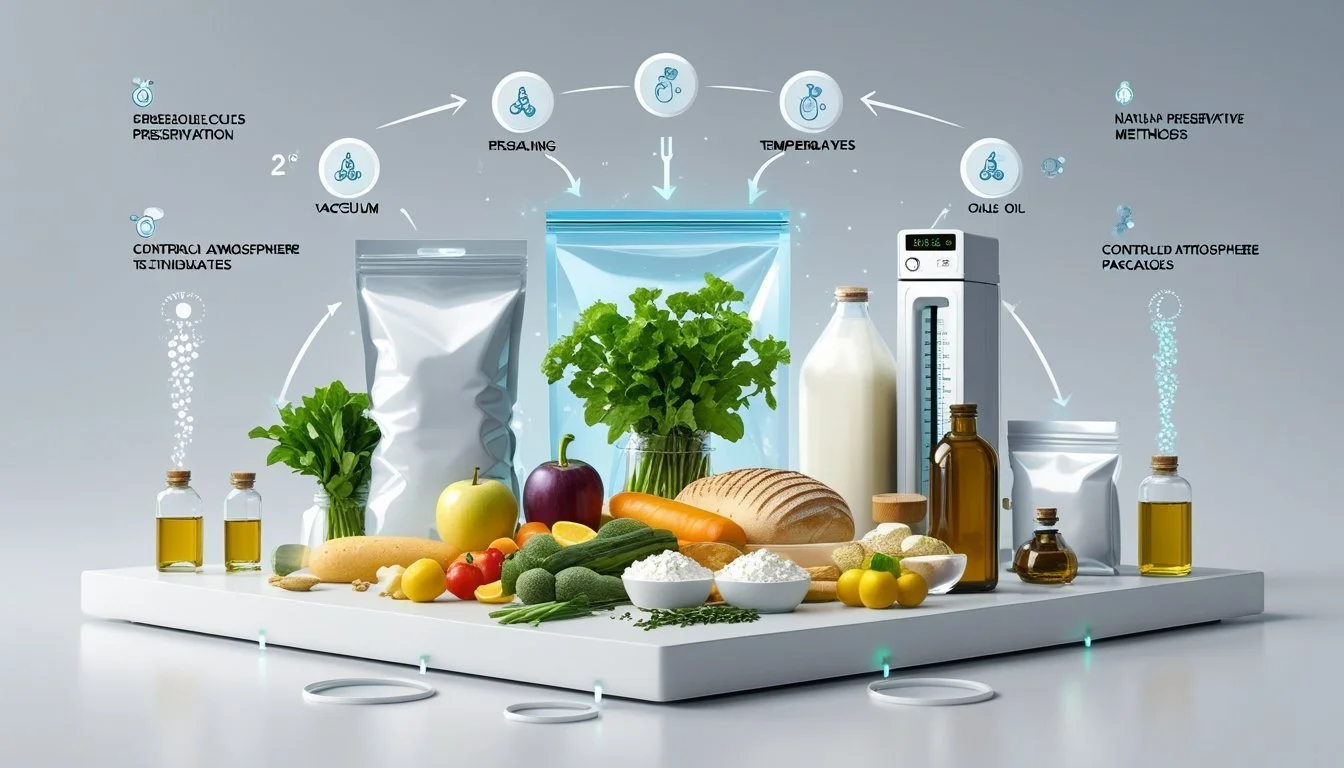
Many preservation methods focus on physical processes or technology instead of direct chemical additives. These approaches help slow spoilage, maintain product quality, and reduce reliance on synthetic preservatives.
Drying, Smoking, and Refrigeration
Drying removes water from foods, making it difficult for bacteria, yeast, and molds to grow. This ancient technique is commonly used for fruits, meats, and grains. Typical methods include air-drying, sun-drying, and freeze-drying. The process is effective, though it can change texture and taste.
Smoking preserves proteins by exposing foods to smoke from burning wood. The smoke contains chemicals that act as antimicrobials and antioxidants, helping inhibit spoilage. Smoked meats and fish also benefit from reduced moisture, further slowing microbial growth.
Refrigeration keeps foods at low temperatures, limiting the activity of spoilage microorganisms. While it does not kill most microbes outright, refrigeration significantly delays the spoilage process. This method is widely used for perishable foods, dairy products, and leftovers.
Advanced Packaging Technologies
Modern packaging extends shelf life by protecting food from external factors like oxygen, moisture, and microbes. One common approach is modified atmosphere packaging (MAP), which replaces air inside packaging with gases that slow food decay.
Vacuum packing removes air from containers or bags, reducing oxygen levels and slowing down microbial growth. For products like cheese or meat, this helps preserve freshness longer.
Active packaging uses materials with embedded antimicrobials or oxygen scavengers. These can absorb unwanted gases or release agents that inhibit spoilage organisms.
Emulsifiers, though often considered additives, are sometimes integrated into packaging films to improve product stability and resistance to spoilage. This combination of barriers and active protection has become common in processed and ready-to-eat foods.
Consumer Perspectives and Regulatory Aspects
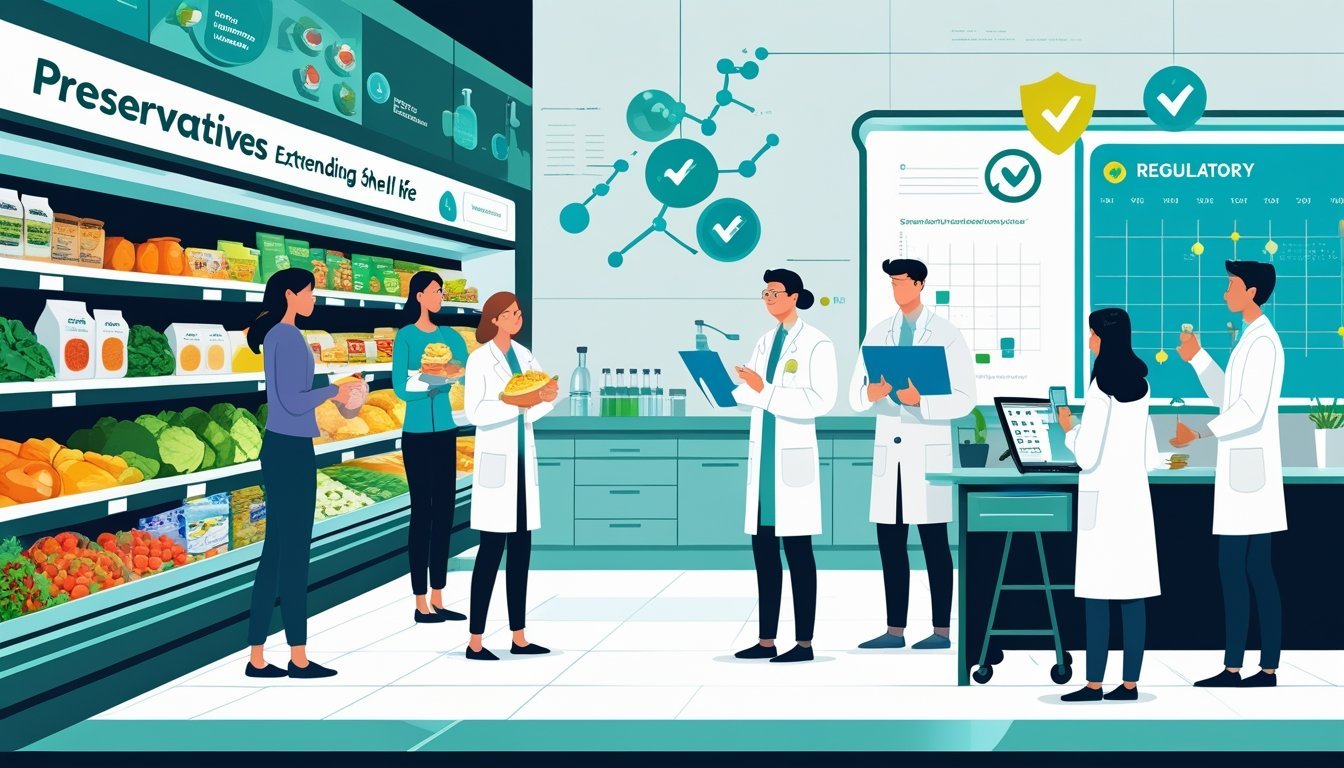
The inclusion of preservatives in foods directly impacts consumer purchasing decisions and product formulation. Regulatory approval and oversight are essential in addressing both health risks and public concerns related to additives.
Consumer Preferences and Demand for Natural Solutions
Consumers are increasingly aware of food additives and preservatives, particularly in products like fresh fruit and packaged foods. Many express a clear preference for natural solutions over synthetic preservatives, driven by concerns about potential health risks and allergic reactions.
Survey data show high levels of consumer knowledge about ingredient lists, prompting brands to prioritize clear labeling and transparency. Claims such as "no artificial preservatives" or "contains only natural ingredients" are often highlighted to build trust and cater to these preferences.
Key consumer demands include:
Minimized use of synthetic chemicals
Transparency in ingredient sourcing
Improved product quality without compromising safety
As consumer demand influences market trends, manufacturers increasingly research natural preservatives like plant extracts and organic acids. These options are promoted not just for perceived safety but also for their ability to maintain shelf life and product integrity.
FDA Regulations and Safety Assessments
The FDA regulates all food additives and preservatives used in the United States. Before a preservative can be added to foods, it must undergo a rigorous safety assessment to determine its toxicological profile, acceptable daily intake, and potential for causing allergic reactions.
Manufacturers are required to prove that preservatives do not endanger consumer health when used as intended. The FDA reviews scientific evidence, evaluates exposure risks, and sets maximum allowable concentrations for each approved substance.
Ongoing monitoring helps ensure continued compliance and safety. Products containing allergens or certain additives must also carry clear labeling to inform consumers with sensitivities.
Regulation thus serves as a safeguard, helping balance product quality, consumer confidence, and health protection in the marketplace.
Innovations and Future Trends in Food Preservation
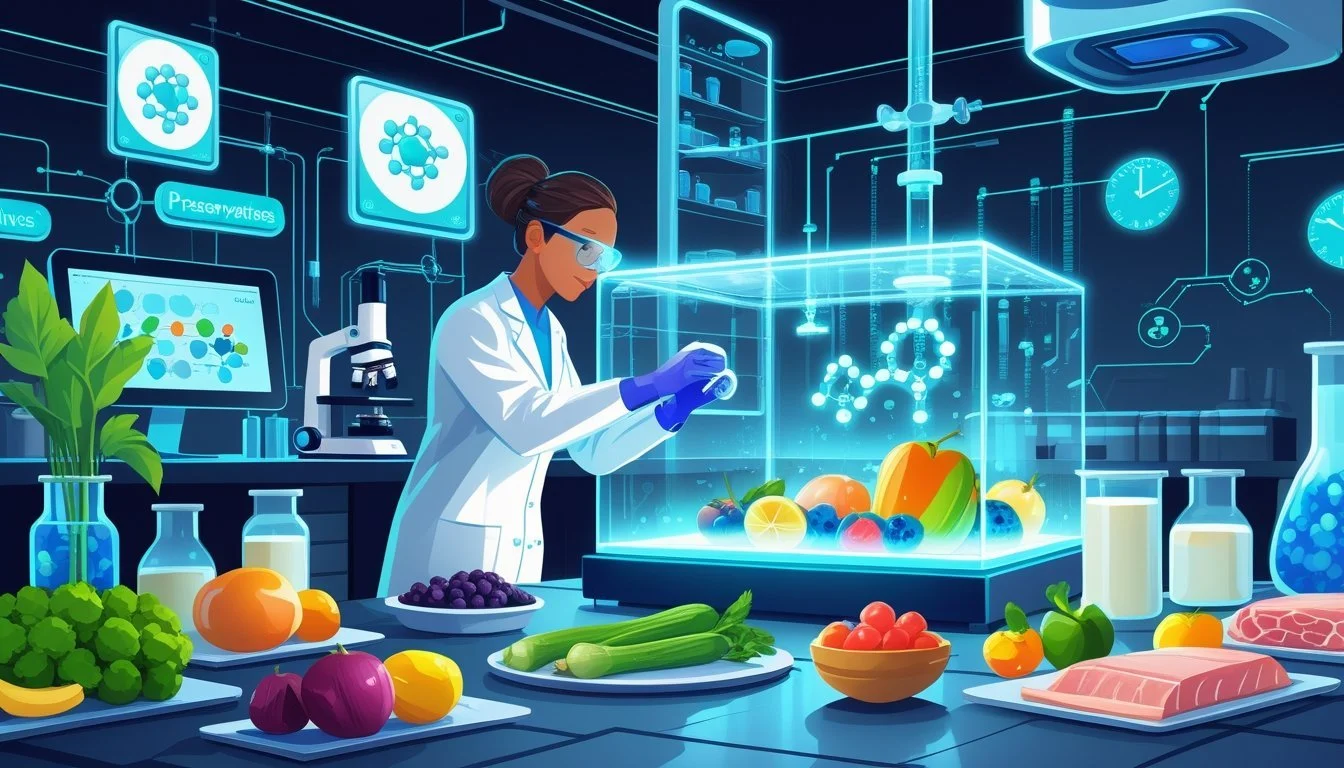
Recent developments in food preservation focus on safer ingredients, environmental impact, and improved food quality. These changes are driven by both consumer demand and advances in science.
Emerging Natural Alternatives
Traditional synthetic preservatives are increasingly replaced with natural alternatives sourced from plants, microorganisms, and edible extracts. Common examples include rosemary extract, essential oils, and fermented ingredients, each offering unique benefits in extending shelf life.
Plant-based compounds often possess both antimicrobial and antioxidant properties, which help keep foods safe and slow down spoilage. Consumer interest in clean labels and minimal processing is accelerating industry adoption of these solutions.
Researchers are also exploring fermentation-derived compounds and bacteriocins to inhibit pathogens without negatively impacting taste or texture. Natural preservatives tend to be more environmentally sustainable and align with efforts to reduce the use of synthetic chemicals in foods.
Research on Antimicrobial and Antioxidant Advances
Cutting-edge research is leading to the discovery of more effective antimicrobial and antioxidant agents. For example, advances in nanotechnology enable controlled release of preservation compounds, improving safety and reducing the total amount needed in foods.
Newly identified peptides and polysaccharides show promise in combating a wider range of microbes. Combining different antioxidant molecules, such as tocopherols with polyphenols, often results in better stability and longer shelf life for perishable products.
Additionally, researchers evaluate how these advanced agents interact within different food matrices to ensure efficacy and safety. This focus ensures that preservation methods maintain nutritional quality and meet modern food safety standards.
Challenges and Limitations of Preservatives
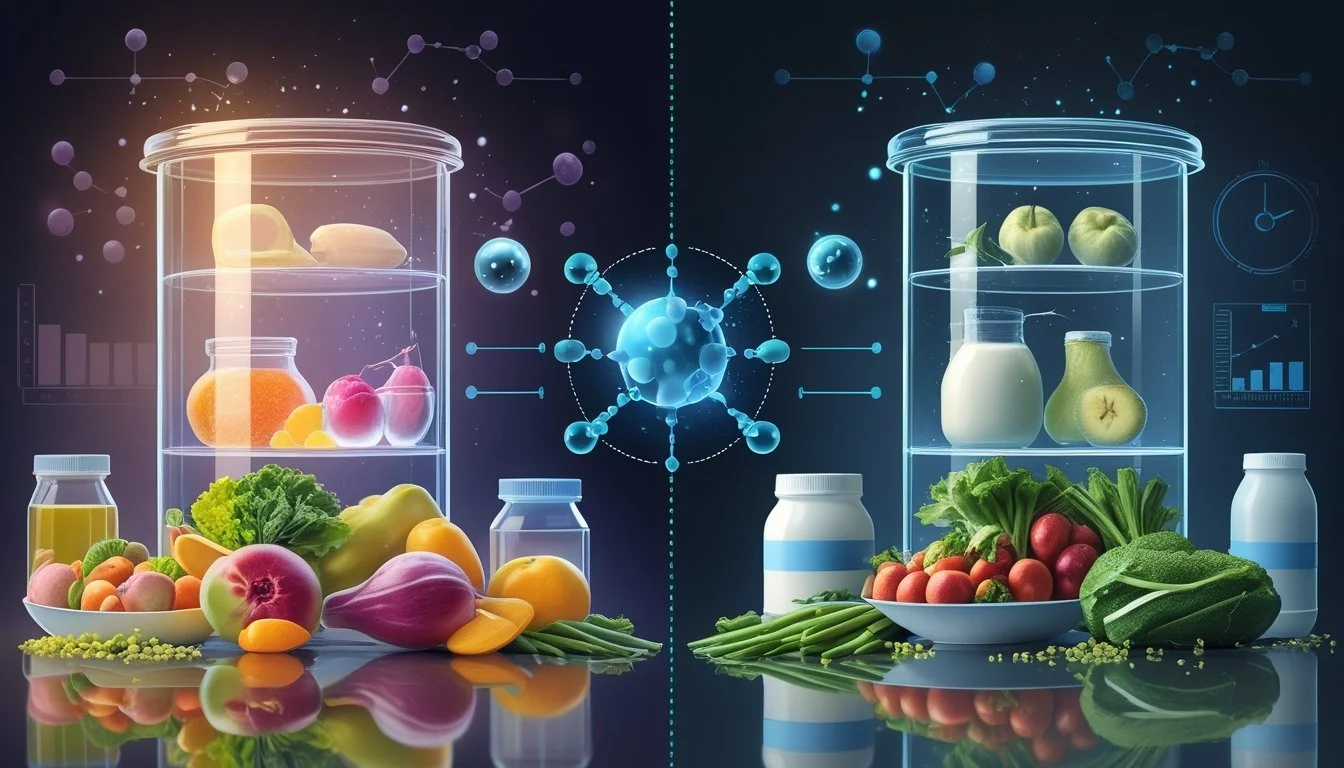
Preservatives play an essential role in extending food shelf life, but they also present a range of challenges. These include potential risks to human health, effects on the physical and sensory qualities of food, and emerging issues such as microbial resistance.
Potential Health Concerns
Some chemical preservatives, such as nitrates and benzoic acid, have raised health concerns among consumers and regulatory authorities. Certain preservatives may trigger allergic reactions, intolerance, or sensitivities in specific populations. For example, sulfites can cause asthma symptoms in sensitive individuals.
Long-term exposure to high levels of certain synthetic additives has been linked with possible health risks, including headaches or, in rare cases, more severe effects. Emerging research is evaluating correlations between some preservatives and chronic health conditions, but findings remain mixed. Regulatory agencies, including the FDA and EFSA, have set maximum allowable limits to help mitigate these risks.
Natural preservatives like salt and sugar are generally considered safer, but excessive consumption also has adverse health effects, including increased risk of hypertension, obesity, and diabetes. It is important to evaluate both the type and quantity of preservative used in any food product.
Impact on Food Deterioration and Rancidity
While preservatives are intended to slow spoilage, they are not always equally effective against all forms of food deterioration. Some natural preservatives may not inhibit yeast, molds, or certain bacteria as robustly as synthetic options. This can lead to limited shelf life extension, especially in perishable products.
Oxidative rancidity, caused by fat oxidation in foods such as nuts and oils, can sometimes occur even when traditional preservatives are used. Not all preservatives have antioxidant functions, and those that do, such as tocopherols, vary in effectiveness depending on the food matrix.
Physical changes, like discoloration or texture loss, can also occur during storage despite the presence of preservatives. This can negatively affect consumer acceptance even if the food remains safe to eat.
Microbial Resistance and Effect on Product Quality
Continuous exposure to preservatives may allow certain microorganisms to adapt, leading to microbial resistance. Resistant strains can survive standard preservative concentrations and pose new safety risks if they proliferate.
To combat resistance, manufacturers may need to increase preservative doses or combine different types. However, higher concentrations can alter the taste, odor, or texture of food. This can impact overall product quality and marketability.
Relying solely on one type of preservative increases the risk of resistance. A combination of preservation methods—hurdle technology—is often employed, but this can complicate formulation and processing. Monitoring for emerging resistance patterns is now a necessary part of food safety assurance.

