
How Transport Conditions Affect Product Longevity
Key Factors for Optimal Shelf Life

Transport conditions have a direct impact on how long products—especially perishable goods—maintain their freshness, safety, and quality. Factors such as temperature, humidity, and handling during shipment play key roles in determining whether items reach their destination in optimal condition or begin to deteriorate en route.
Even small variations in temperature and relative humidity inside transport vehicles can significantly influence product lifespan. Many food items, pharmaceuticals, and other sensitive products require controlled environments to prevent spoilage or loss of potency, emphasizing the importance of proper logistics management.
Producers and logistics providers must prioritize monitoring and control at every stage, as improper conditions can accelerate spoilage, reduce shelf life, and increase the likelihood of product loss. For anyone handling goods in transit, understanding these crucial links between transport conditions and product longevity is essential for maintaining value throughout the supply chain.
The Importance Of Transport Conditions For Product Longevity

Transport conditions play a direct role in maintaining product quality, decreasing losses, and supporting longer shelf life. Careful management of temperature, handling, and storage can prevent premature deterioration and help products reach customers in optimal condition.
Impact On Product Quality
Product quality is highly sensitive to fluctuations in temperature, humidity, and vibration during transport. Perishable goods like fresh produce can lose freshness or suffer spoilage if exposed to heat or poor ventilation. Electronics and chemicals may degrade when kept outside recommended temperature ranges.
Incorrect handling, such as excessive shock or stacking pressure, can contribute to physical damage. Inadequate control of transport conditions can also introduce contaminants or cause packaging failures. These risks mean that supply chain managers must prioritize monitoring and maintaining suitable environments throughout transit.
Transport standards and protocols, such as real-time temperature tracking and proper loading techniques, are essential for preserving product integrity. Consistent quality throughout transport supports consumer satisfaction and minimizes returns or waste.
Critical Role Of Storage Conditions
Storage during transport—whether in vehicles, shipping containers, or distribution centers—has a significant effect on how long a product lasts. Controlled environments with regulated temperature and humidity are critical for extending shelf life, especially for sensitive products such as pharmaceuticals, food, and cosmetics.
Key factors influencing product longevity during storage include:
Temperature consistency
Relative humidity control
Cleanliness and pest management
Short-term failures, such as a refrigeration malfunction, can drastically reduce shelf life and cause financial losses. Correct storage also prevents exposure to harmful chemicals and cross-contamination, further protecting the product from quality decline.
Overview Of Distribution Challenges
Distribution networks often involve multiple transfers, intermediate storage, and unpredictable transit times. Each handoff increases the risk of exposure to suboptimal transport conditions. For example, delays at distribution centers can subject goods to unfavorable environments.
Logistical complexity, such as coordinating between carriers and storage facilities, can make it difficult to maintain consistent conditions. Common challenges include limited access to refrigerated vehicles, inconsistent handling practices, and variable storage standards across regions.
To reduce these risks, companies often implement tracking technologies, staff training, and standardized protocols. By addressing distribution challenges, organizations can better ensure that products maintain their quality and longevity from origin to final destination.
Temperature Control In Transit
Temperature regulation is a key aspect of transporting perishable and sensitive goods. The conditions maintained during shipment can greatly influence product lifespan, quality, and safety.
Optimal Temperature Parameters
Each type of product has a defined temperature range that must be maintained throughout transit to ensure safety and preserve efficacy. For example, fresh produce generally requires temperatures between 0°C to 7°C, while frozen foods must stay at or below -18°C. Pharmaceuticals and certain chemicals may have their own narrow thresholds, often defined by strict temperature control regulations.
Table: Common Product Temperature Ranges
Product Type Temperature Range Fresh Produce 0°C to 7°C Dairy 1°C to 4°C Frozen Foods ≤ -18°C Vaccines 2°C to 8°C
Exceeding these ranges can result in spoilage, efficacy loss, or safety hazards. Industry regulations, such as the Temperature Control Regulations (TCR), provide clear best practices for cold chain management and compliance.
Managing Temperature Excursions
A temperature excursion occurs when goods are exposed to conditions outside their recommended range, even temporarily. The main risks from excursions include reduced shelf life, safety issues, and legal non-compliance.
Mitigation requires both proactive and reactive strategies. Insulated packaging, temperature-controlled storage, and optimized routing minimize risks during adverse events. When excursions happen, companies may use in-transit temperature-controlled storage or transfer to backup units to stabilize conditions quickly.
Rapid response protocols are essential. Actions include quarantining affected products, assessing the impact using set criteria, and deciding if goods remain fit for distribution. Documentation of these events is critical for audits and safety investigations.
Temperature Monitoring Solutions
Continuous monitoring from origin to destination is vital for cold chain integrity. Modern solutions use real-time, sensor-based systems that log data and issue alerts if conditions deviate from set thresholds. Technologies such as RFID tags, data loggers, and cloud-based platforms help provide reliable oversight.
Some systems—like SenseAware—can track environmental factors including temperature, humidity, and light, and also record events like container openings or sudden movements.
Automatic alerts enable logistics teams to take immediate corrective action. Detailed tracking records assist with quality assurance, compliance, and demonstrate due diligence in the event of disputes or product claims.
Managing Humidity During Transportation

Humidity is a significant factor influencing product quality and shelf life during transport. Appropriate storage conditions help minimize the risk of spoilage, corrosion, mold growth, and changes in texture or flavor.
Effects Of High And Low Humidity
High humidity in transportation environments can cause several problems. For metals, relative humidity levels above 60% sharply raise the risk of corrosion and rust formation. This is common in ocean freight or transport through tropical climates.
Organic products such as food and agricultural goods are vulnerable to the growth of mold and bacteria when exposed to moist conditions. Mold can lead to unpleasant odors, altered taste, and shorter shelf life. For products like paper and textiles, excessive humidity may cause warping, stickiness, or degradation.
Low humidity, while less often discussed, can also cause damage. Dry environments may accelerate desiccation in fresh produce, reduce the moisture content in pharmaceuticals, or lead to static buildup in electronics. Maintaining optimal humidity levels is key to transporting sensitive cargo safely.
Humidity Control Technologies
Various technologies are used to regulate humidity in transit. Modern refrigerated trailers and containers often employ sensors to monitor and log humidity and temperature in real-time, allowing for proactive adjustments.
Desiccant packs and humidity-absorbing liners are widely used for dry goods or electronics shipments. Active dehumidification systems can maintain stable relative humidity, especially in climate-sensitive cargo. In some cases, ventilation and air exchange systems help manage moisture without over-drying contents.
Data collection tools help track the effectiveness of these solutions. Many logistics providers use wireless monitoring devices to ensure that storage conditions remain within safe limits throughout the journey. Combining multiple approaches provides better protection against both high and low humidity during transport.
Packaging Strategies For Enhanced Longevity

Packaging decisions are crucial for maintaining product quality throughout transport. Material choice, specialized designs, and strict temperature management each play a role in preventing damage and extending shelf life.
Selecting Appropriate Packaging Materials
Choosing the right packaging materials is the first line of defense against damage during transit. Factors such as moisture resistance, impact absorption, and barrier protection must be considered based on the product type.
Corrugated cardboard is widely used because it combines light weight with structural strength, helping to prevent crushing and deformation. For products sensitive to oxygen or humidity, multi-layer films or foil laminates create protective barriers, reducing spoilage and contamination risk.
Rigid plastics and molded pulp inserts provide extra cushioning for fragile items like electronics and glassware. Properly selected materials minimize exposure to shocks, vibrations, and environmental hazards, directly influencing product longevity.
Material Type Main Benefit Example Uses Corrugated Cardboard Structural strength Boxes, shippers Foil Laminates Barrier to moisture/oxygen Food, pharmaceuticals Rigid Plastics Impact cushioning Electronics, glass
Innovative Packaging For Sensitive Products
Products such as pharmaceuticals, perishables, and electronics require specialized solutions beyond standard packaging. Active packaging features—such as oxygen scavengers or humidity absorbers—help maintain optimal conditions inside the package.
Smart sensors can be integrated to monitor temperature, humidity, and shocks, providing real-time tracking to ensure product safety. Vacuum sealing and modified atmosphere packaging limit exposure to air, which slows spoilage for fresh or delicate goods.
Tamper-evident designs and improved sealing methods secure integrity, reducing risk of contamination or theft. Each strategy is tailored to the specific vulnerabilities of the product, improving the chance it reaches its destination intact.
Role Of Packaging In Cold Chain Logistics
Cold chain logistics relies on packaging that maintains stable temperatures from origin to end user. Insulated containers, gel packs, and phase-change materials are essential for temperature-sensitive goods such as vaccines, fresh foods, and biologics.
Packaging is chosen for its ability to minimize thermal exchange, protecting contents from external fluctuations. Proper design reduces the risk of condensation, which can lead to spoilage or damage.
Temperature-monitoring indicators are often included so that any breaks in the cold chain are visible. Failure to use effective cold chain packaging can shorten product shelf life and increase waste, making rigorous packaging selection and management critical.
Cold Chain Logistics And Its Influence On Shelf Life
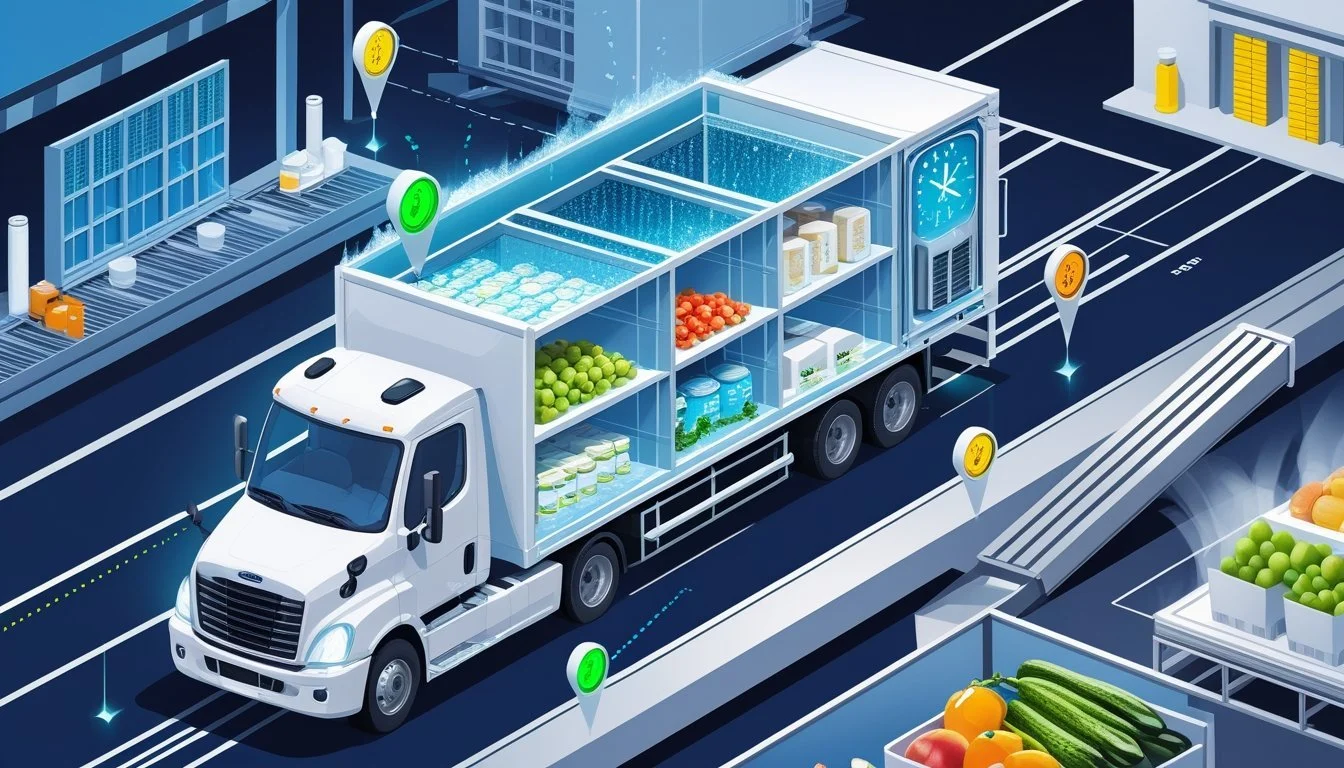
Cold chain systems are essential for maintaining product integrity and extending shelf life. Strict environmental control helps prevent spoilage and ensures products like fresh produce and pharmaceuticals remain safe and effective during transport and storage.
Key Components Of The Cold Chain
A cold chain involves a network of temperature-controlled steps from production to end-user. This typically includes refrigerated transport, specialized storage facilities, and continuous monitoring systems.
Key steps in the cold chain include:
Refrigerated vehicles: These use electronic controls to maintain required temperatures during transit.
Cold storage warehouses: Centralized facilities provide consistent low temperatures, allowing for bulk storage and longer shelf life.
Monitoring and alarms: Sensors track temperature and humidity. Alerts notify operators of deviations to prevent quality loss.
Consistent management prevents microbial growth, maintains nutritional value, and reduces waste. Strong cold chain logistics are closely linked with higher product quality and consumer trust.
Cold Chain For Pharmaceutical Products
Pharmaceutical products, such as vaccines and biologics, are especially sensitive to temperature changes. Exposure to heat or freezing can degrade their effectiveness or render them unsafe.
Cold chain logistics in pharmaceuticals require strict compliance with regulatory standards. Temperature loggers document conditions throughout transit. Any deviation from specified ranges can result in costly product recalls or loss of efficacy.
For many medications, including insulin and certain antibiotics, storage conditions directly impact safety and shelf life. Maintaining an unbroken cold chain is not just a quality consideration but a regulatory and public health requirement.
Manufacturing Considerations Linked To Transport
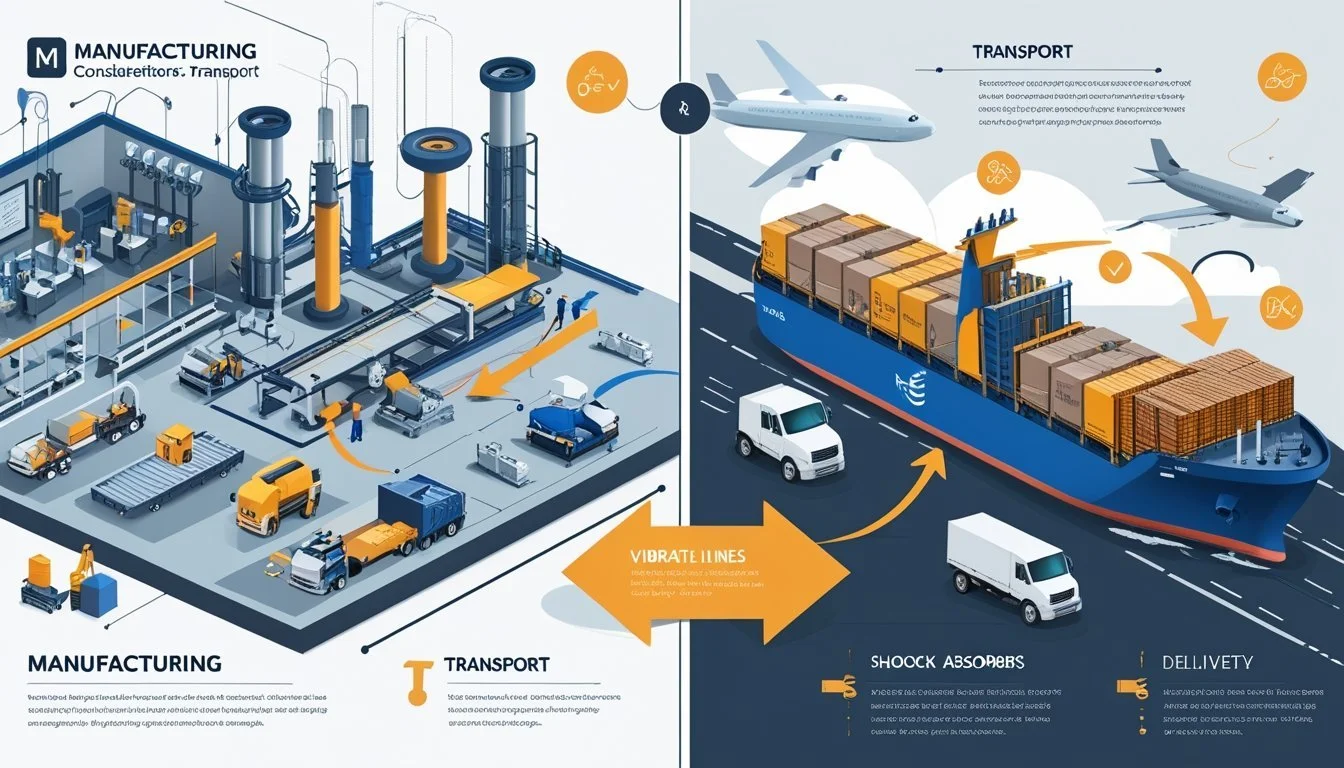
Transport conditions have a direct impact on how well products retain quality, performance, and safety after leaving the manufacturing site. Careful attention to manufacturing and distribution processes helps minimize damage, spoilage, or unnecessary loss during transit.
Pre-Transport Preparation
Manufacturers must evaluate how products will be handled, stored, and moved throughout the entire distribution chain. Key preparations include selecting robust packaging materials suited to the nature and fragility of the item. Items with temperature sensitivity may require insulated containers or cold chain logistics.
Handling instructions, such as guidelines for stacking or orientation, are detailed to prevent deformation or contamination. Manufacturers often apply labels that indicate specific requirements, including “fragile,” “this side up,” or thermal limits.
In some sectors, especially pharmaceuticals and food, shelf-life information and temperature parameters are communicated to freight operators. This coordination reduces risks related to delays, misrouting, or unsuitable storage environments. Pre-transport checks and documentation, including inspection reports and compliance certificates, further safeguard product longevity during distribution.
Manufacturing Standards For Distribution
Products built for distribution must meet standards designed to withstand the stresses of transport. Manufacturers enforce quality controls: they may simulate vibration, impact, or compression conditions during testing to ensure products do not degrade prematurely.
Regulatory and industry-specific guidelines often dictate requirements for packaging, sealing, and containment. In industries with long product life cycles—such as aerospace, medical equipment, or automotive—manufacturers may design for extended durability, anticipating years of storage and shipping before end use.
Standardization in packaging size and form can help streamline handling, reduce excess movement, and lower transport costs. Proper documentation about product specifications, environmental thresholds, and recommended storage conditions is typically included to support safe transit across complex distribution networks.
Regulatory Compliance In Product Transportation

Transporting pharmaceutical products requires strict adherence to regulatory requirements to safeguard product quality and patient safety. Failure to comply can lead to product recalls, legal penalties, and risks to end users.
Meeting Regulatory Requirements
Authorities such as the FDA and EMA mandate that pharmaceutical products be transported under monitored and controlled conditions. Regulations require companies to document and validate the entire supply chain process to ensure product quality is not compromised during storage or transport.
Temperature, humidity, and security controls must be maintained and verified using calibrated equipment. Keeping detailed records of transport conditions is essential for audits and regulatory inspections.
Non-compliance can result in the product being considered adulterated, which may impact market authorizations. Companies must regularly review regulatory guidelines to stay compliant as standards and requirements evolve.
Adopting Good Distribution Practices (GDP)
Good Distribution Practices (GDP) are a set of internationally recognized guidelines designed to ensure pharmaceutical products remain safe and effective throughout the distribution chain. GDP emphasizes quality management, staff training, traceability, and the maintenance of proper storage conditions during transportation.
Warehouses, vehicles, and containers should be temperature-mapped, and critical parameters such as temperature and humidity must be monitored continuously. Deviations must be investigated and corrective actions documented.
Key elements of GDP also include the use of tamper-evident packaging, proper labeling, and a reliable documentation system to track goods at every stage. Adherence to GDP helps prevent contamination, counterfeiting, and product degradation, supporting compliance with regulatory expectations.
Supply Chain Integration To Protect Product Longevity

Supply chain integration plays a critical role in ensuring products are protected from damage, spoilage, or obsolescence during transport and distribution. Effective integration allows organizations to control risks, maintain quality, and support long product lifecycles by coordinating activities across all supply chain stages.
End-To-End Supply Chain Visibility
End-to-end supply chain visibility enables organizations to monitor products as they move from suppliers through distributors and eventually to end customers. Real-time tracking of shipments, environmental conditions (such as temperature, humidity, and shock), and handling practices helps quickly detect and address risks to product longevity.
For long-lifecycle products or those sensitive to transport conditions, monitoring systems can trigger immediate interventions if parameters exceed set limits. This reduces exposure to factors that may degrade product quality, such as temperature excursions for pharmaceuticals or mechanical shocks for electronics.
Capturing and analyzing visibility data also supports compliance with quality standards. It provides detailed records that can be audited to verify products were handled according to requirements, offering customers confidence about product condition upon delivery.
Collaboration Among Supply Chain Partners
Close collaboration among supply chain partners—such as manufacturers, logistics providers, and distributors—aligns efforts to protect products throughout transit and storage. Sharing forecasts, inventory data, and product specifications helps partners anticipate potential risks and coordinate mitigation strategies.
For example, partners can jointly plan shipment routes that minimize transit time or reduce exposure to harsh conditions. They may adopt standardized packaging, handling procedures, or transport monitoring technologies across the distribution network to ensure consistency.
Regular communication and feedback loops promote quick resolution of issues. This approach supports continuous improvement, as partners learn from incidents and adapt processes to better protect product longevity in future shipments.

