
How Food Packaging Materials Affect Shelf Life and Product Freshness
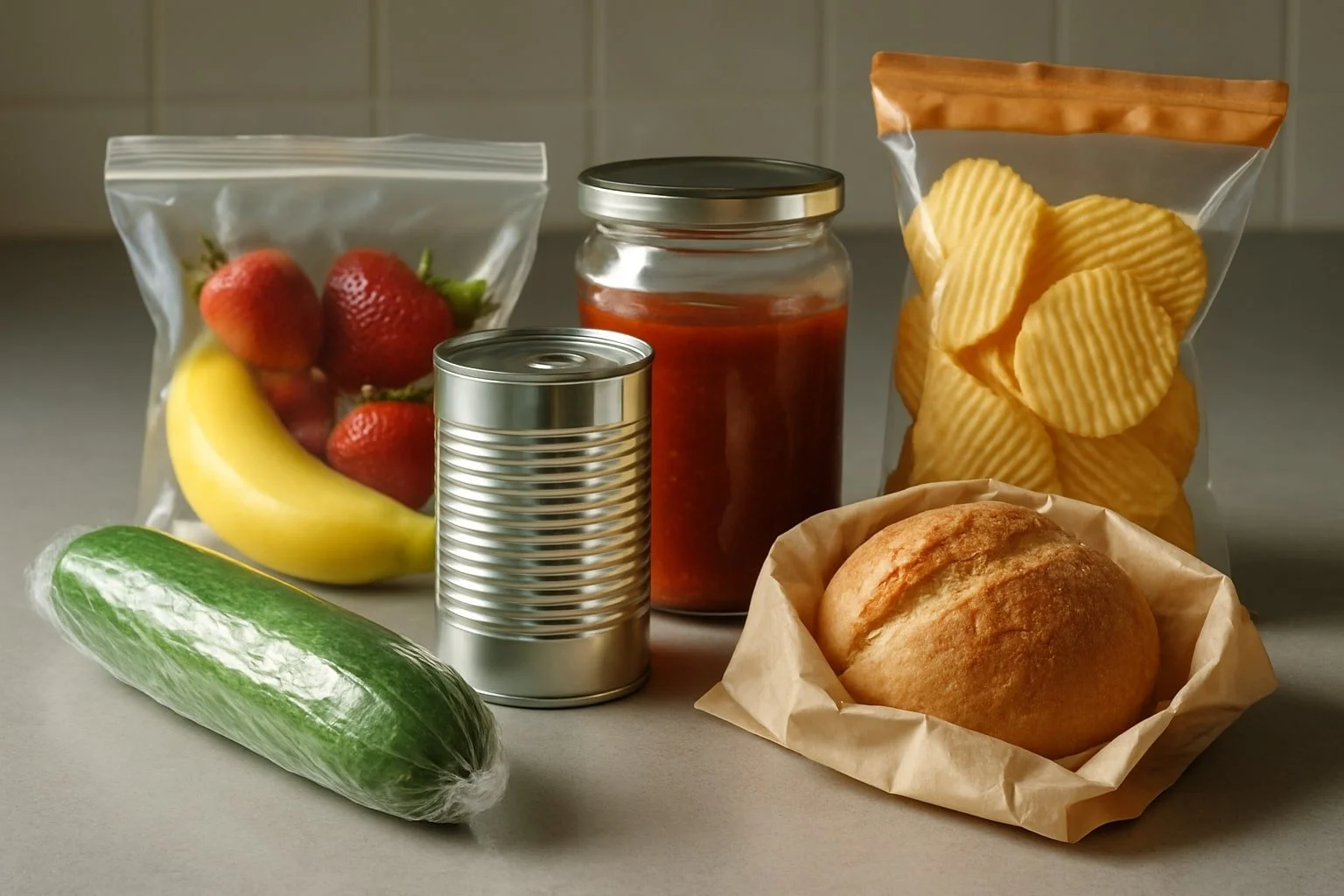
Food packaging plays a direct role in determining how long products stay safe and fresh. Materials like glass, metal, plastic, and paper each offer different levels of protection against moisture, oxygen, light, and contaminants. The choice of packaging material significantly affects a food’s shelf life by controlling exposure to factors that cause spoilage.
By utilizing packaging technologies that reduce exposure to air, limit microbial growth, or block light, manufacturers can extend the period during which food remains consumable. The package’s barrier properties, closure integrity, and surface area to volume ratio all contribute to how well it preserves quality and delays deterioration.
Understanding how packaging materials interact with food and environmental conditions allows companies to reduce food waste and deliver safer, longer-lasting products. This connection between shelf life and packaging is central to both product quality and consumer trust.
Understanding Shelf Life and Its Importance
Shelf life determines how long food stays safe and of good quality. Its length impacts factors such as freshness, waste, and the need for proper packaging to slow spoilage.
Definition of Shelf Life
Shelf life refers to the period a food product remains suitable for consumption under specified storage conditions. During this time, the food maintains its expected safety, flavor, texture, and nutritional value.
After the marked shelf life, foods may lose desirable qualities or become unsafe to eat. Shelf life is often determined by both chemical and physical changes, including staleness, discoloration, and loss of nutrients.
Manufacturers typically assign a "best before" or "use by" date to communicate shelf life. These labels help consumers judge when a product will maintain its intended quality.
Factors Influencing Shelf Life
Several factors determine the shelf life of food products. These include:
Microbial activity: Bacteria, mold, and yeast can grow if conditions allow, leading to spoilage or foodborne illness.
Moisture and water activity: Excess moisture promotes microbial growth and chemical reactions.
Exposure to air and light: Oxygen can cause rancidity in fats and vitamin loss, while light may degrade color and flavor.
Temperature: Warm conditions speed up spoilage and decrease food quality faster.
Packaging materials: Barrier qualities against air and moisture directly impact how long food stays fresh.
The composition and formulation of food—such as pH, salt content, and preservatives—also shape shelf life. Proper packaging can mitigate many of these risks, helping preserve quality.
Impact of Shelf Life on Food Waste
Shorter shelf life often leads to increased food waste as products spoil before use. Retailers and consumers may discard items after the expiration date regardless of actual edibility.
Longer shelf life allows more time for sale and consumption, reducing waste. This is vital because a significant portion of global food waste happens at the consumer and retail level due to expired products.
Table: Key Shelf Life Impacts
Shelf Life Duration Likely Outcome Short More frequent waste Extended Lower waste, longer freshness
By improving shelf life, food producers can help minimize losses and ensure food stays fresh and safe for a longer period, directly influencing sustainability and efficiency in the food industry.
Role of Packaging Materials in Shelf Life Extension
The selection of packaging materials directly determines how effectively food quality and freshness are preserved. Key factors include the material's ability to protect against moisture, oxygen, and contaminants, which all impact shelf life and product quality.
Common Food Packaging Materials
Food packaging materials commonly used include glass, metals (such as aluminum and tinplate), paper, cardboard, and a wide range of plastics like PET, polyethylene, and polypropylene. Each material has strengths in terms of barrier properties and durability.
Glass is inert and provides an excellent barrier to gases and moisture.
Metals offer complete protection from light, oxygen, and moisture, making them suitable for canned goods.
Plastics are used for their flexibility, lightweight properties, and low cost, though they vary in their ability to block gases or moisture.
Paper and cardboard are mainly used for dry foods but often need coatings or treatments to improve barrier function.
The choice often depends on the intended shelf life, the nature of the food—such as fresh produce versus processed goods—and physical handling requirements.
Barrier Properties and Permeability
Barrier properties of packaging materials are essential for shelf life extension. They control the passage of gases (oxygen, carbon dioxide), water vapor, and light, which affect food spoilage rates.
A summary of common packaging barriers:
Material Moisture Barrier Oxygen Barrier Light Protection Glass Excellent Excellent Excellent Metal Excellent Excellent Excellent Plastic Varies Varies Poor to Good Paper/Card Poor Poor Poor
Plastics like PET provide good barriers to moisture and moderate oxygen barrier capability, while polyethylene is more porous. Metalized films and laminates can be used to enhance plastic packaging. Proper matching of these properties with food sensitivity is essential for quality assurance.
Effect on Product Quality
Packaging materials have a direct effect on food quality during storage and distribution. A suitable package prevents loss of texture, flavor, and nutrients by minimizing exposure to air and moisture.
For fresh produce, high moisture and gas permeability can cause spoilage or drying out, while airtight barriers may promote undesirable anaerobic conditions. Active or modified atmosphere packaging can optimize these parameters, extending shelf life and maintaining product quality.
Contaminant protection is another important factor. Packaging must prevent physical, chemical, and biological contamination, supporting quality assurance throughout the supply chain. The right combination of material and design plays a key role in reducing waste and delivering food in optimal condition.
Technological Innovations in Food Packaging
Recent advances in packaging technologies directly address issues such as microbial contamination, oxygen exposure, and UV light degradation in packaged foods. These innovations are designed to extend shelf life, maintain food quality, and improve safety by integrating new materials and intelligent systems into packaging.
Active and Intelligent Packaging
Active and intelligent packaging represents a significant leap in packaging innovation. Active packaging uses materials or components that control conditions inside the package, such as humidity or chemical composition, to delay spoilage.
Typical examples include antimicrobial coatings that reduce bacterial growth or materials that emit antioxidants to preserve freshness. Intelligent packaging goes further by providing visible indicators—such as time-temperature sensors or color-changing freshness labels—that inform consumers and suppliers about the product’s condition.
These features help prevent unintentional consumption of spoiled foods and support better inventory management. By integrating such technologies, manufacturers address both the safety and efficiency of the food supply chain.
Oxygen Scavengers in Packaging
Oxygen scavengers are widely used in modern food packaging as an effective way to slow down spoilage. They are applied as sachets, films, or coatings containing iron powder, ascorbic acid, or enzymes that absorb or react with oxygen inside the packaging.
By actively removing residual oxygen, these scavengers decrease the risk of oxidation—a leading cause of flavor loss, nutrient degradation, and microbial contamination. Their application is especially important for products sensitive to oxygen, such as baked goods, coffee, and certain meats.
The use of oxygen scavengers allows for extended shelf life without the need for chemical preservatives, making packaged foods safer and maintaining better sensory attributes for consumers.
UV Light and Microbial Control
Ultraviolet (UV) light technology is increasingly integrated into food packaging to address microbial contamination. Packaging materials can be enhanced with UV-blocking agents or designed with UV-transmitting properties to activate embedded antimicrobial coatings.
UV treatments help reduce the survival of bacteria, molds, and yeasts on the surfaces of packaged foods or inside containers. By limiting microbial growth, shelf life is extended and the risk of foodborne illness is reduced.
Implementation of UV-based systems is common in dairy, ready-to-eat meals, and beverages. Below is a summary table of UV functions in packaging:
Function Effect on Food Typical Application UV Blocking Reduces spoilage Juices, dairy, oils UV Activation Enhances coatings Fresh produce, meats Surface Decontamination Lowers pathogens Ready meals, baked goods
Sustainability and Environmental Impact of Packaging
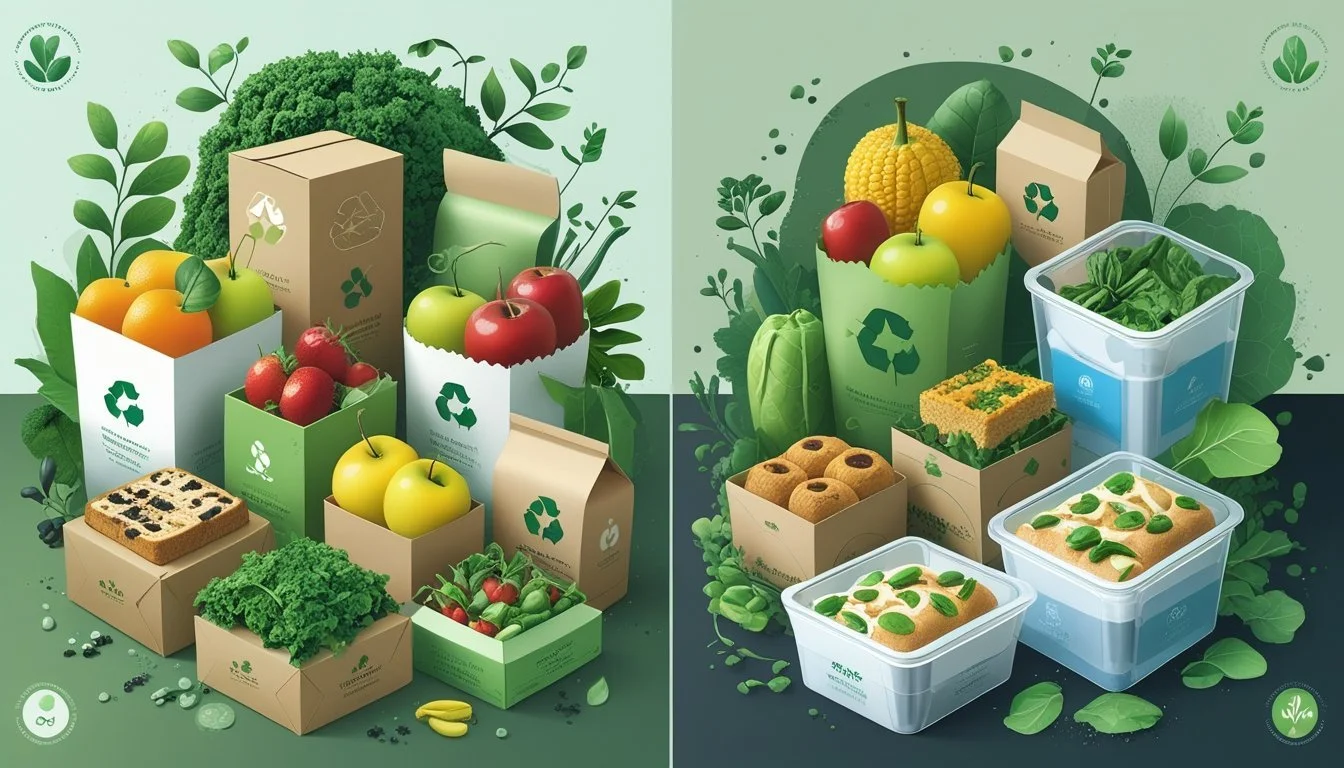
Food packaging plays a significant role in both the preservation of shelf life and the impact on the environment. The materials and practices used in packaging directly affect waste generation, resource consumption, and greenhouse gas emissions.
Sustainable Packaging Materials
Sustainable packaging materials are designed to minimize environmental harm while still protecting the product. Materials such as paper, glass, and certain bioplastics are more sustainable options compared to traditional plastics and foils.
Biodegradable and recyclable materials are gaining popularity due to growing regulatory pressure and consumer demand. For example, recyclable PET, PLA bioplastics, and cardboard are being used to reduce packaging waste and facilitate circular economy practices.
These materials limit the accumulation of non-degradable waste in landfills. However, their effectiveness depends on the availability of local recycling and composting facilities, as well as appropriate collection and sorting systems.
Compostable and Flexible Packaging
Compostable packaging, made from plant-based materials, breaks down into natural components under proper composting conditions. Common compostable materials include starch blends, polylactic acid (PLA), and certain cellulose films.
Flexible packaging, such as pouches and wraps, uses less material per unit compared to rigid containers. This reduces both material consumption and transportation costs, lowering the environmental impact.
Table: Comparison of Compostable vs. Conventional Packaging
Feature Compostable Packaging Conventional Plastic Breaks Down Yes (with conditions) No Source Material Plant-based Petroleum-based Circularity Supports composting Rarely recyclable
Actual compostability depends on access to industrial composting. Flexible designs also pose recycling challenges, making end-of-life considerations crucial for true sustainability.
Reducing Carbon Footprint
Reducing the carbon footprint of packaging involves changes in both material selection and supply chain practices. Lightweight materials and compact designs mean less fuel usage during transport, directly decreasing greenhouse gas emissions.
Using renewable or recycled content helps to further cut emissions and resource extraction. Companies are adopting life cycle assessments to measure and improve the sustainability of their packaging.
Sustainable practices also include optimizing packaging for reuse and designing for recyclability. Partnerships within the supply chain and investment in new technologies are helping to close the loop in packaging life cycles, supporting circular economy goals.
Food Safety and Quality Preservation
Food packaging materials play a decisive role in maintaining the safety of food products and preserving their quality throughout their shelf life. Effective packaging can reduce health risks, limit spoilage, and provide consistent quality assurance from production to consumption.
Preventing Foodborne Illness
A primary function of food packaging is to create a barrier between food and external contaminants. This limits exposure to bacteria, viruses, and other pathogens that can lead to foodborne illness. Using materials that are impermeable to water, oxygen, and other substances—such as specific plastics, glass, or metals—helps keep hazardous agents out.
Incorporating advanced lining and sealing technologies can further reduce the chance of contamination. Active packaging systems, like antimicrobial films or oxygen scavengers, are increasingly used to neutralize threats inside the package. Consistent quality assurance protocols during packaging help detect faults that might otherwise go unnoticed.
Labeling and tamper-evident features also play a role by alerting consumers to potential compromise. All these factors work together to reduce the incidence of foodborne illness associated with packaged foods.
Minimizing Microbial Contamination
Microbial contamination is a major concern for food manufacturers and consumers alike. Packaging materials designed to minimize contact with airborne and surface microorganisms can significantly extend product shelf life. For example, vacuum-sealed and modified atmosphere packaging limit the oxygen available for microbial growth.
Material selection is critical. Non-porous and food-grade surfaces, such as polyethylene or polypropylene, inhibit the transfer or survival of microbes. Some packaging even incorporates antimicrobial agents directly into the material to suppress microbial activity during storage and transit.
Proper sealing and storage conditions, like cooling and humidity control, further reduce microbial risk. Together, these processes help ensure that packaged food maintains its safety, texture, and flavor until it reaches the consumer.
Regulatory Compliance and Industry Standards
Packaging materials in the food industry must meet strict safety and quality standards across the globe. Regulatory agencies and industry guidelines help minimize contamination risks and ensure that packaging supports product shelf life.
Global Packaging Regulations
Different regions have specific regulations for food packaging materials. For instance, in the United States, the Food and Drug Administration (FDA) oversees food contact substances, requiring that packaging does not release harmful chemicals or compromise food quality.
The European Union enforces similar standards through regulations like (EC) No 1935/2004, which restricts materials that could endanger human health. Countries such as Japan and Canada also maintain their own legislation, often referencing international standards like those from the Codex Alimentarius.
Packages must comply with migration limits, cleanliness requirements, and labeling standards. Failure to meet these regulations can result in product recalls, import bans, and legal penalties.
Food manufacturers often consult regulatory experts to ensure global compliance when distributing products internationally.
Quality Control in the Food Industry
Quality control in the food industry centers on rigorous testing of both packaging materials and finished packaged goods. Companies regularly test for physical defects, chemical migration, and seal integrity to prevent contamination and spoilage.
Common quality assurance measures include:
Migration testing for chemicals and additives
Visual inspections for leaks and structural integrity
Microbiological testing for contamination prevention
Certification schemes, such as ISO 22000 and the BRC Global Standard for Packaging, guide manufacturers in developing safe food packaging solutions. These standards help document compliance and reassure retailers and consumers about the safety of packaged products.
Effective quality control measures are essential for maintaining shelf life and meeting legal requirements in every target market.
Design and Consumer Perspectives in Packaging Solutions
Packaging design choices have a direct impact on the shelf life and safety of food products. Consumer understanding and innovation in packaging play key roles in shaping both perception and real-world performance.
Packaging Design for Extended Shelf Life
An effective packaging design uses materials that provide a barrier to moisture, oxygen, and light, all of which can degrade food quality.
Options such as multi-layer plastics, glass, and metals are often chosen for their ability to slow down spoilage. Engineers evaluate the needs of each food type and select packaging that maintains freshness, flavor, and texture.
Modified atmosphere packaging and vacuum sealing are common techniques used to delay oxidation and microbial growth. By extending shelf life, these methods also contribute to reduced food waste and improved sustainability.
Consumer Education and Perceptions
Consumers often rely on packaging to guide their purchase decisions and assess product safety. Clear labeling, including storage instructions and best-before dates, is essential for building trust and helping consumers make informed choices.
Misconceptions exist regarding some packaging materials, such as plastics, which are sometimes perceived as unsafe despite their effectiveness in preservation. Consumer education can address these concerns by providing transparent information about material safety and performance.
Retailers and manufacturers benefit from providing educational resources, such as infographics or QR codes, explaining the protective functions of packaging and the importance of following storage guidelines.
Innovative Packaging Solutions
Recent innovations in food packaging solutions include active and intelligent packaging. Active packaging incorporates substances that absorb oxygen or moisture, extending shelf life without the need for preservatives.
Intelligent packaging features, such as time-temperature indicators or freshness sensors, provide real-time information about product condition. This technology can alert supply chain managers and consumers if storage temperatures fluctuate, reducing risk for spoilage.
Bioplastics and recyclable materials are being developed in response to sustainability concerns. These solutions balance shelf life extension with a reduced environmental footprint, supporting both industry and consumer expectations.

