
How Temperature Fluctuations Shorten Shelf Life and Impact Product Quality
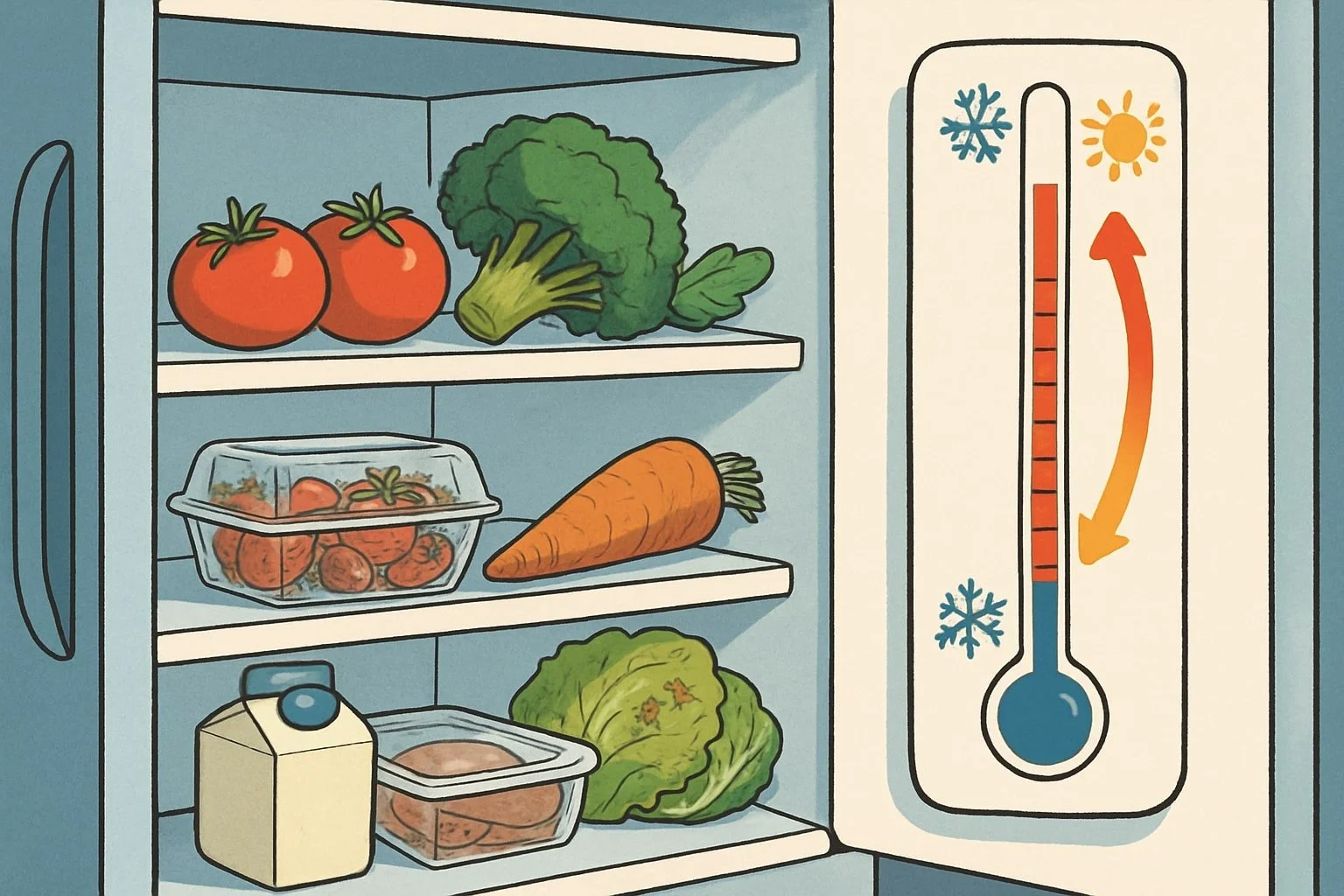
Temperature plays a critical role in how long foods, medications, and other sensitive products remain safe and effective. Frequent or extreme temperature fluctuations speed up spoilage, reduce quality, and shorten shelf life by encouraging microbial growth and chemical changes. Even a short period outside of recommended storage temperatures can trigger reactions that are difficult to reverse.
People often overlook how daily temperature changes in storage environments—such as home refrigerators, transport vehicles, or warehouses—directly affect the integrity and lifespan of what they store. Maintaining a stable, appropriate temperature is one of the simplest and most effective ways to preserve product freshness and safety. Readers will find it valuable to understand exactly how and why fluctuating temperatures undermine shelf life, and what practical steps can be taken to minimize these effects.
The Science of Temperature Fluctuations and Shelf Life
Temperature changes affect the rate at which foods and other perishable goods break down. Keeping products in stable, optimal temperature conditions is crucial for maximizing shelf life and reducing spoilage.
How Temperature Influences Product Degradation
Temperature directly impacts the chemical, physical, and microbial processes responsible for degradation.
As temperature rises, microbial activity and enzyme reactions speed up, leading to faster spoilage. For example, common foods like milk and beef experience an increase in bacteria growth rates when exposed to warmer temperatures, which shortens shelf life.
Repeated temperature fluctuations—such as moving products in and out of cold storage—can damage food structure and create condensation. Moisture from condensation supports microbial growth, which makes the product deteriorate faster.
Key Factors Affected by Temperature:
Enzyme activity
Microbial proliferation
Rate of oxidation
Quantitative studies confirm that temperature abuse or irregular storage can significantly reduce shelf life compared to stable, appropriate storage.
The Role of Thermal Stress on Perishable Goods
Thermal stress occurs when products are subjected to frequent or abrupt temperature changes. This stress weakens the physical structure of foods, especially those high in moisture or fat content.
Seafood, dairy, and meat are particularly sensitive. For instance, cycles of warming and cooling can cause drip loss in meat or texture breakdown in seafood, which not only impacts appearance but also accelerates spoilage.
Thermal stress also causes ice crystals to form and melt repeatedly in frozen goods. This damages cell walls and can produce undesirable textures and increased liquid release upon thawing.
Manufacturers monitor temperature stability throughout distribution because even short-term deviations can create long-term quality issues in perishable goods.
Optimal Temperature Ranges for Preserving Food
Maintaining products within strict temperature limits is essential for shelf life. Refrigeration (0–4°C) slows microbial and enzymatic activity in most perishable items, while freezing (below -18°C) can halt most spoilage reactions.
Each product type has its own optimal temperature:
Milk and dairy: 0–4°C
Fresh meat: just above freezing (0–2°C)
Seafood: 0–2°C or kept superchilled
Frozen products: ≤ -18°C
Table: Typical Shelf Life at Different Temperatures
Product Optimal Temp Shelf Life (Stable) Shelf Life (Fluctuating) Milk 2°C 7 days 3–5 days Fresh Beef 1°C 10–14 days 3–7 days Seafood 0°C 5–7 days 2–4 days
Strict adherence to these temperature ranges preserves quality and helps meet food safety standards. Even slight deviations from optimal storage conditions can drastically reduce the usable life of a product.
Impact of Storage Temperature on Food Quality
Storage temperature plays a direct role in maintaining food quality, as even minor fluctuations can negatively affect both shelf life and product freshness. Instability in temperature conditions speeds up chemical and physical changes that quickly degrade the food.
Changes in Food Freshness and Texture
Temperature changes can rapidly diminish product freshness. For fresh fruits and vegetables, unstable storage temperatures often lead to increased ripening, wilting, and spoilage. Texture changes can be observed as fruits may soften unevenly or become mushy, while leafy greens exhibit wilting and browning.
Dairy and meat products are similarly sensitive. Fluctuations allow the growth of spoilage microorganisms that affect not only safety but also the appearance and mouthfeel. Bread and baked goods may go stale faster when exposed to inconsistent conditions, as moisture migration alters both softness and crust texture.
A table below outlines some common foods and how temperature shifts impact their freshness and texture:
Food Type Change due to Temp Fluctuation Leafy Greens Wilting, browning Fresh Fruit Soft spots, mushiness Dairy Separation, curdling, off-flavors Meats Drip loss, slimy texture
Chemical and Physical Reactions Accelerated by Instability
Variable storage temperature significantly speeds up reactions such as oxidation, enzymatic browning, and degradation of nutrients. Fats and oils in foods may oxidize more quickly, causing rancid flavors and smells. Enzymes in fruits and vegetables promote browning and softening when not kept within a stable cold environment.
Water activity and microbial growth are both influenced by fluctuating temperatures. Higher temperatures or rapid shifts can increase water activity and enable faster bacterial or mold growth. This leads to a marked decline in overall product quality, safety, and expected shelf life.
Packaging can slow some of these reactions but cannot fully prevent them if temperature stability is not maintained. The combination of accelerated chemical changes and increased microbial risk emphasizes the importance of consistent storage temperature for preserved food quality.
Microbial Growth and Food Spoilage
Temperature plays a central role in controlling microbial activity in food. Shifts in temperature can change how quickly spoilage organisms multiply, which directly impacts food safety and shelf life.
Temperature Effects on Microbial Activity
Microbial growth is strongly influenced by storage temperature. At temperatures above 40°F (4°C), bacteria and molds are able to multiply more rapidly, particularly in perishable foods. This accelerates the breakdown of food quality and can lead to dangerous levels of contamination.
When foods experience temperature fluctuations, moisture levels can increase. This extra moisture creates an environment where bacteria, yeasts, and molds thrive. Even brief rises into the "danger zone" (between 40°F and 140°F / 4°C and 60°C) give microbes a chance to grow quickly.
Proper refrigeration keeps microbial activity in check. However, inconsistent temperatures reduce these protective effects and allow for increased spoilage and the possibility of foodborne illness.
Relationship Between Growth Rate and Spoilage
The speed at which microbes reproduce—referred to as the growth rate—directly determines how fast food deteriorates. Most food spoilage bacteria experience their fastest growth in the 70°F to 125°F (21°C to 52°C) range. Within this window, doubling times for microbial populations can be less than 30 minutes.
As the growth rate increases, visible signs of spoilage such as off-odors, discoloration, and gas production can appear within hours. Notably, a higher growth rate also raises the amount of metabolic byproducts, which further contributes to the breakdown of food textures and flavors.
The following table displays the correlation between temperature and typical bacterial growth rates:
Temperature (°F/°C) Growth Rate Spoilage Risk 32°F (0°C) Minimal Low 40°F (4°C) Slow Moderate 70°F (21°C) Rapid High 100°F (38°C) Very Rapid Very High
Pseudomonas and Other Common Spoilage Microbes
Pseudomonas species are among the most common spoilage bacteria found on refrigerated foods, especially meat and dairy products. These organisms thrive under aerobic conditions and can dominate the microbial population as the food approaches the end of its shelf life.
Other frequent spoilage microbes include Lactobacillus, Brochothrix thermosphacta, molds, and various yeasts. The presence of Pseudomonads often indicates advanced spoilage, as they are capable of degrading proteins and lipids, resulting in foul odors and slime formation.
Monitoring for spoilage organisms such as Pseudomonas is essential for food producers. Their rapid growth at slightly elevated temperatures makes them reliable indicators of storage failures or contamination events.
Food Safety Risks Associated With Temperature Abuse
Temperature abuse poses direct risks to both the safety and shelf life of perishable foods. Improper temperature management is a key contributor to microbial growth, spoilage, and contamination in food handling systems.
Link Between Temperature Conditions and Foodborne Illnesses
Bacteria such as Salmonella, E. coli, and Listeria multiply fastest between 40°F (4°C) and 140°F (60°C). This temperature range is often called the "danger zone." If food remains in this range for more than two hours, bacteria may multiply to harmful levels.
When products move through the danger zone, pathogens do not just grow faster—they can reach levels that pose a significant risk of foodborne illness. For ready-to-eat products, even a short period of improper temperature can result in unsafe food, as heating may not be applied again.
Key points:
Temperature abuse occurs when food is stored, transported, or displayed outside recommended temperature ranges.
Once food has been contaminated, reheating or cooking may not always destroy all toxins or bacteria.
The rate of microbial growth increases exponentially with temperature, shortening shelf life and increasing the risk of illness.
Critical Points of Contamination in the Cold Chain
The cold chain refers to the controlled temperature environment foods pass through from production to consumption. Any break in this chain can become a critical point for contamination and rapid spoilage.
Examples of critical points include:
Loading and unloading during transport
Temporary storage in unrefrigerated areas
Improperly set refrigerators or display cases
Research has shown temperature fluctuations are common during distribution and retail display. These variations can compromise product safety even if the cold chain is maintained for most of the journey. Inaccurate or inconsistent temperature control can allow bacteria to become dormant, then multiply quickly once favorable conditions return.
Maintaining precise temperatures at each stage of the cold chain is essential to prevent both quality loss and the development of foodborne pathogens. Regular monitoring and staff training are necessary to reduce these risks in any food handling operation.
Effects on Specific Food Categories
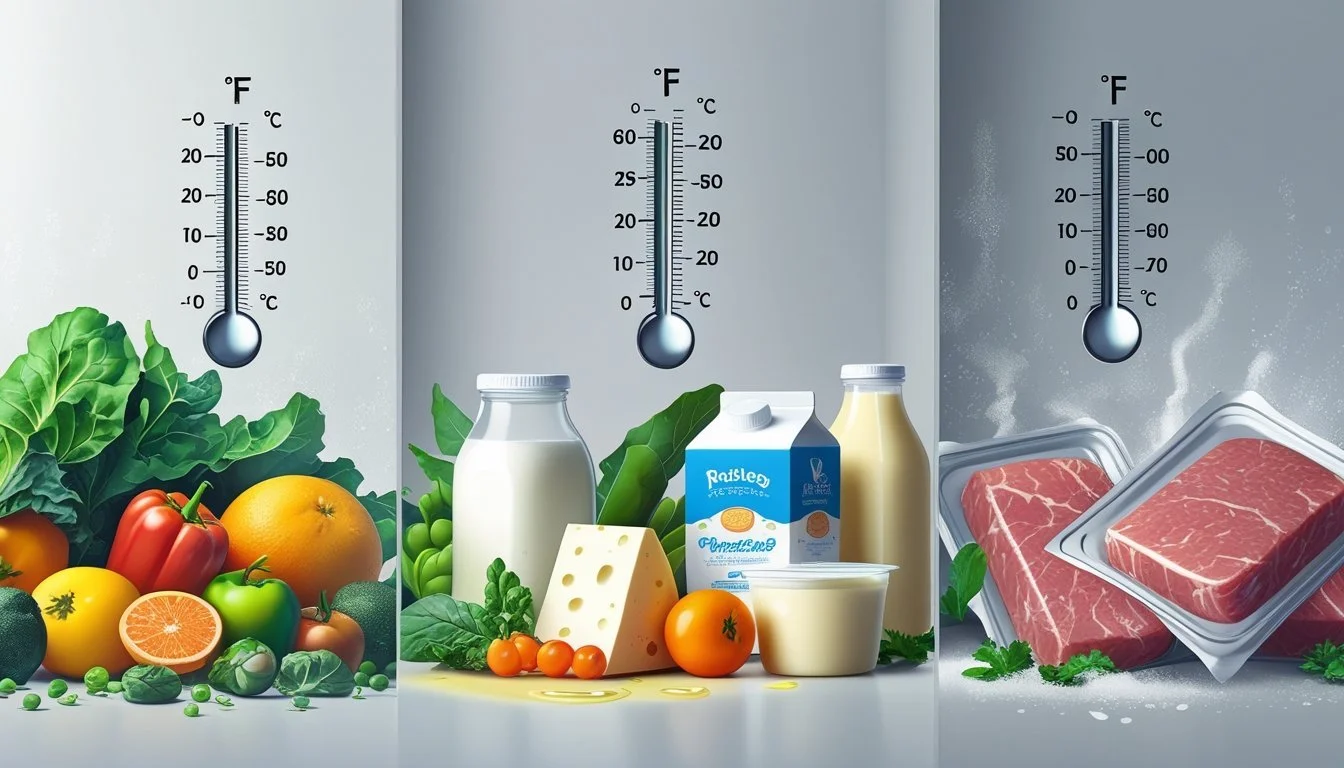
Temperature fluctuations degrade food quality by speeding up spoilage and enabling faster growth of harmful microorganisms. The shelf life of dairy products and other perishable goods is highly dependent on stable, cold storage conditions.
Dairy Products and Temperature Sensitivity
Dairy products such as milk, yogurt, and soft cheeses are especially vulnerable to temperature changes during storage and transport. When temperatures rise above recommended levels, bacteria like Listeria and Salmonella can proliferate rapidly.
Repeated warming and cooling cycles also cause spoilage bacteria to multiply quicker. This often leads to souring, off-flavors, and unwanted changes in texture. Once spoiled, dairy is unsafe for consumption and must be discarded.
For example:
Milk exposed to fluctuating temperatures develops sour odors and curdles faster.
Cheese softens or develops mold more quickly.
Shelf life of yogurt drops by several days if storage is not consistent below 5°C.
Accurate refrigeration and strict temperature monitoring are essential for keeping dairy products safe and preserving taste and texture.
Challenges With Other Perishable Foods
Fresh meats, fish, leafy greens, and cut fruits also face shortened shelf life when exposed to inconsistent temperatures. Dips in cold storage allow for faster microbial growth and increased risk of spoilage.
Meat and seafood experience discoloration, off-odors, and sliminess when ideal storage temperatures are not maintained. Fluctuations promote the growth of pathogens such as E. coli, increasing the risk of foodborne illness.
For fruits and vegetables, temperature abuse results in faster wilting, browning, and textural breakdown. Leafy greens can lose crispness, while delicate fruits spoil within hours if not kept at proper chill.
A table summarizing the effects:
Food Category Impact of Temp Fluctuations Meats & Seafood Spoilage, odor, pathogen growth Leafy Greens Wilting, browning, loss of crispness Cut Fruit Rapid breakdown, off-flavors
Maintaining stable temperatures in storage and along the supply chain is critical to maximize the safe shelf life of perishable goods.
Strategies for Extending Shelf Life Through Temperature Control
Maintaining strict temperature control limits microbial activity, slows enzymatic reactions, and delays spoilage. Specific approaches to refrigeration, freezing, and minimizing fluctuations are crucial for preserving food quality and safety.
Refrigeration and Freezing Best Practices
Proper refrigeration involves keeping perishable foods at or below 4°C (40°F). This slows bacterial growth and extends product freshness. For items intended for long-term storage, freezing at -18°C (0°F) or lower is recommended.
Foods should be cooled rapidly before refrigeration or freezing. Quick cooling prevents time spent in the “danger zone” (5°C–60°C/41°F–140°F), where bacteria multiply fastest. Air circulation around stored items is important. Overcrowded shelves can block airflow and create uneven temperatures.
Packaging is also key. Use moisture-proof, airtight containers or wraps to minimize freezer burn and dehydration. Label all packages with dates to practice a first-in, first-out rotation system. Avoid frequent opening of cold storage units, which can cause temperature spikes and compromise shelf life.
Minimizing Temperature Fluctuations During Storage
Consistent temperature is vital for keeping food fresh. Fluctuating temperatures can allow brief periods of microbial growth, even in otherwise cold environments.
Use remote monitoring systems or temperature loggers to track conditions in storage areas. Equip refrigerators and freezers with reliable thermometers, and check them regularly. Never store hot food in refrigeration units, as this can temporarily raise internal temperatures and affect surrounding food.
Store high-risk items, such as dairy, meat, and seafood, in the coldest parts of the unit—usually near the back. Insulate storage areas and ensure seals on doors remain intact to reduce external heat gain. Limit door openings and load adjustments to keep internal temperatures steady.
Following these steps helps maintain optimal conditions and reduces loss due to spoilage.
Temperature Monitoring and Data-Driven Solutions
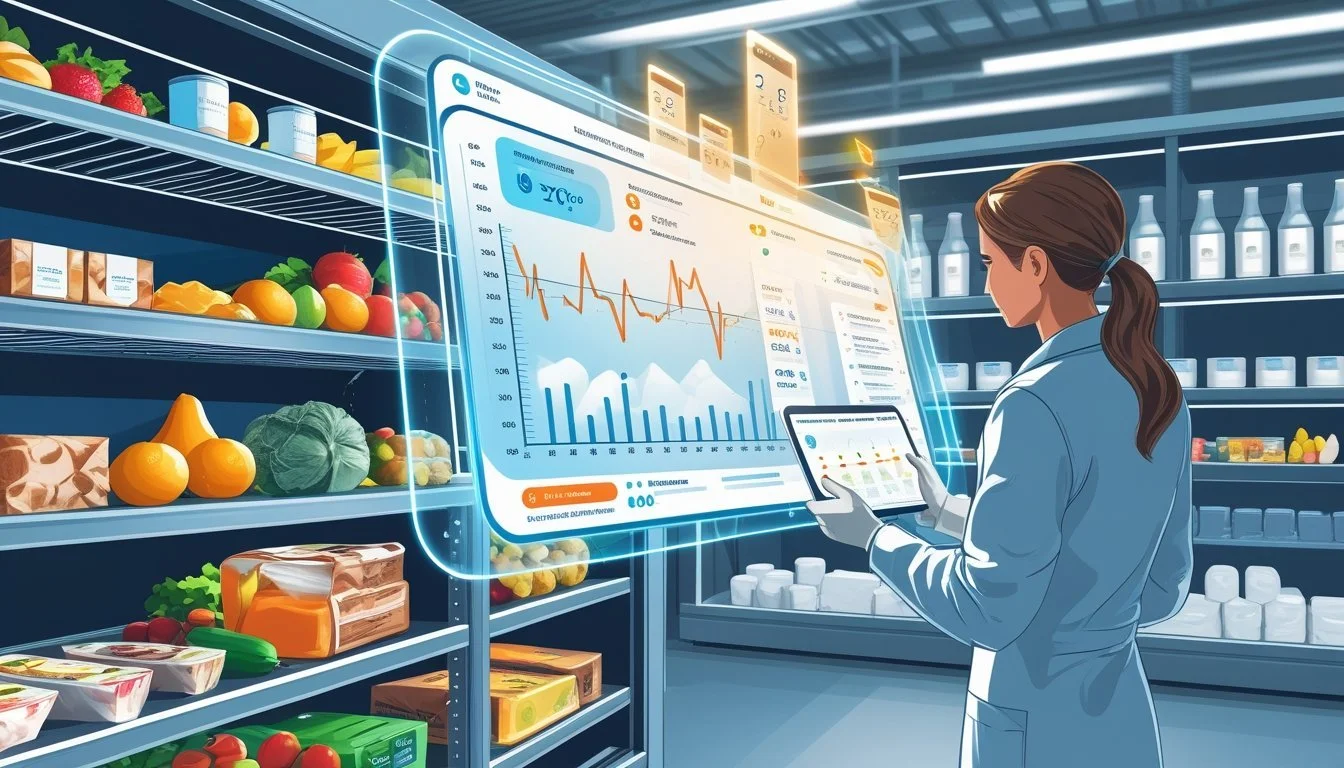
Temperature monitoring plays a crucial role in maintaining product quality and maximizing shelf life. Reliable data from these systems enable businesses to react quickly to fluctuations that can speed up spoilage.
Effective Temperature Monitoring Systems
Accurate temperature monitoring systems are designed to record and report changes in real time. These systems use sensors placed throughout storage and transportation areas to continuously track temperature levels.
Most setups rely on digital data loggers, which provide detailed, time-stamped records. Wireless connectivity allows managers to receive instant alerts about temperature deviations, so they can act before products are compromised.
Systems are often configurable to match the needs of different goods, whether sensitive pharmaceuticals or perishable foods. Key features include automated reporting, remote access, and user-set thresholds for alarms. These elements help ensure compliance with regulations and support regular quality audits.
Using Temperature Data for Decision Making
Collected temperature data becomes actionable through analysis, supporting targeted decisions that protect product shelf life. By reviewing this historical data, businesses can pinpoint recurring issues—such as frequent or prolonged exposure outside the ideal range.
Actions based on these insights may include adjusting storage layouts, upgrading cooling equipment, or modifying delivery schedules. Data can also drive preventative maintenance, reducing the risk of system failure.
Companies can implement predictive models using temperature records to estimate shelf life more accurately under fluctuating conditions. Some industries use this information to enhance inventory rotation, reduce waste, and provide customers with safer, fresher products.

