
Why Use By Doesn’t Always Mean Unsafe After: Understanding Food Date Labels
Understanding Food Date Labels

Many people see a "use by" date and assume food is automatically unsafe once that day passes. In reality, a "use by" date usually signals the period of peak quality, not a strict deadline for safety. These dates are set by manufacturers to help consumers enjoy products at their freshest, but the food doesn't necessarily spoil or become harmful immediately after.
Food safety depends on storage conditions, packaging, and the type of product. Yogurt or cheese, for example, can often be safe to eat past their "use by" dates if they've been kept refrigerated and show no signs of spoilage like off smells or mold. Understanding what "use by" actually means helps prevent unnecessary food waste and confusion for shoppers.
Understanding 'Use By' Dates
'Use by' dates play a key role in how consumers interpret food safety, yet they are often misunderstood. Knowing what these dates mean and how they differ from other expiration dates can help individuals make informed decisions about food consumption.
What 'Use By' Means
A 'use by' date is assigned by food manufacturers to indicate the last day the product is expected to be at its safest for consumption. After this date, there is a higher risk that the food may not meet safety standards, especially for perishable products like dairy, meat, and prepared meals.
Importantly, the 'use by' date is not a guarantee that food suddenly becomes harmful at midnight. For many items, especially those kept properly refrigerated, there may be a short grace period where the risk remains low. However, for safety-critical foods (like ready-to-eat salads or fresh juices), strict adherence to the 'use by' date helps avoid possible foodborne illnesses.
'Use by' dates focus on safety, not just quality. This is distinct from dates that address taste, freshness, or appearance. Always follow any specific storage instructions listed on the packaging to maximize both safety and shelf life.
Differences Between 'Use By', 'Sell By', and 'Best Before'
Food labels often include several types of expiration dates, each serving a different purpose. The main types include:
Label Main Purpose Applies To Use By Food safety Perishables (milk, meat) Sell By Retail stock management Grocery stores Best Before Peak quality/taste Packaged goods, snacks
A 'sell by' date is a tool for retailers and signals when a store should remove the product from shelves. It is not meant for consumers and does not indicate the food's condition.
'Best before' dates mark when a product will be at its best quality. Foods can often be safely eaten after this date, though texture and flavor might not be optimal.
Recognizing these differences allows shoppers to make choices based on food safety, quality, and minimizing waste. Not all expiration dates reflect spoilage or risk—understanding which date to prioritize depends on the type of food and how it is stored.
Why 'Use By' Doesn’t Always Indicate Unsafe Food
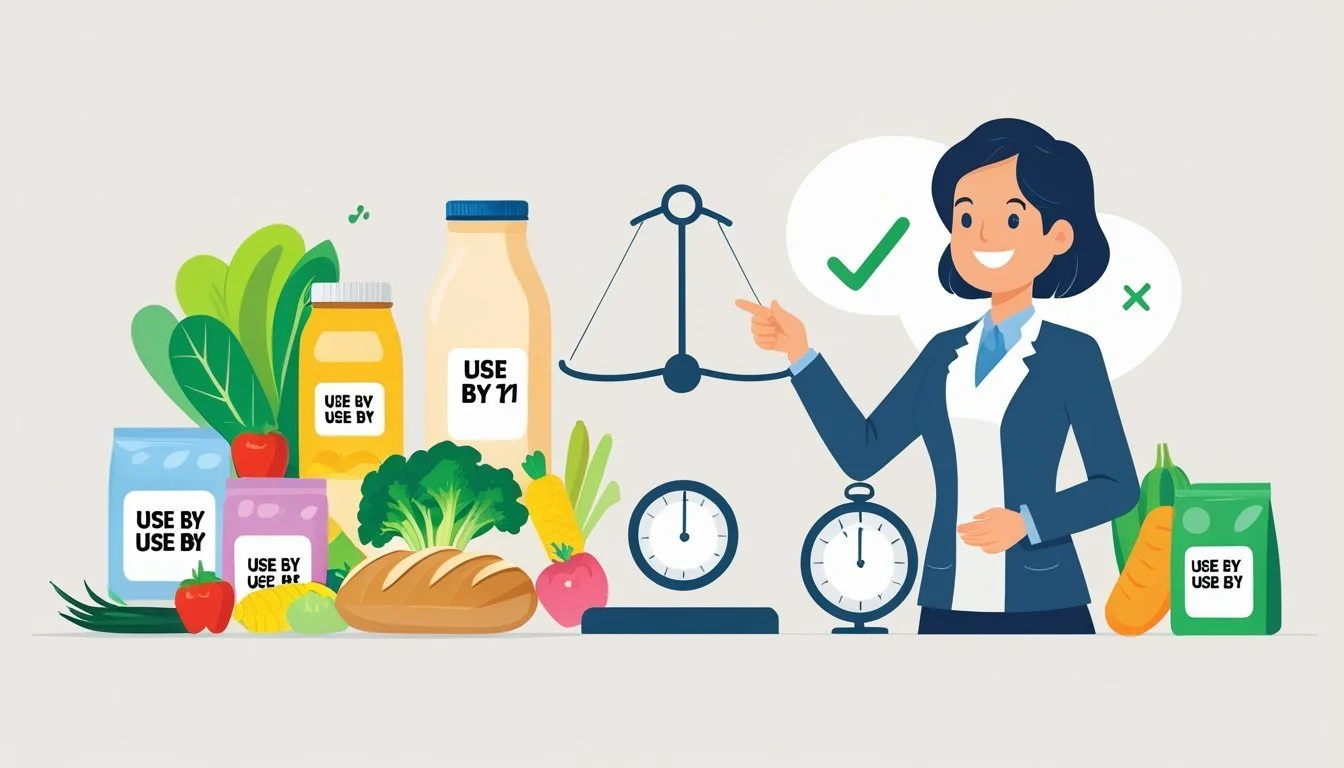
Food labeled with a "use by" date may not always spoil or become unsafe immediately after the printed deadline. Understanding how these dates are set and what really causes food to become unsafe helps prevent unnecessary waste and promotes safer decisions.
How 'Use By' Dates Are Determined
"Use by" dates are set by manufacturers based on their assessment of peak quality, not strict food safety. Food producers test for flavor, texture, color, and overall freshness to decide when their product is at its best.
Unlike an official expiration date, which is usually reserved for supplements or certain medicines, a "use by" date does not mean food becomes dangerous at midnight following the date. Regulations often require these dates for certain perishable foods, like meats and dairy, to guide stores and consumers.
However, the date is usually based on conservative laboratory testing and manufacturer preferences. Some foods, especially processed or shelf-stable items, often remain good past their printed date if they’ve been stored properly.
Factors That Affect Food Safety Beyond Dates
Several conditions impact food safety after the "use by" date. Storage temperature is one of the most important factors—foods kept consistently cold or frozen can last longer than foods exposed to temperature fluctuations.
Packages that remain sealed and undamaged help prevent contamination from bacteria or molds, increasing the chance the food is still safe after the date. Visual signs like mold, off smells, or changes in texture should always be checked before consumption.
Moisture levels, light exposure, and handling practices also play a role. Items left open or handled frequently can spoil faster, regardless of the printed date. Using senses—sight, smell, and taste—along with checking for physical integrity helps make safer decisions about consuming foods past their "use by" date.
Shelf Life and Peak Quality Considerations
Products marked with a “use by” date do not automatically become unsafe after this time, but their quality and characteristics may change. It’s important to distinguish between the date showing peak freshness and the point at which a product could pose a health risk.
Understanding Shelf Life
Shelf life describes the amount of time a product maintains its expected quality and safety when stored under recommended conditions. Factors that influence shelf life include temperature, humidity, packaging, and handling during transportation or storage.
Manufacturers set “use by” or “best before” dates referencing when foods are at their best in terms of taste, texture, and nutritional value. For example, milk kept slightly past its date may still be safe if it has been properly refrigerated and shows no signs of spoilage such as sour smell, curdling, or discoloration.
Some common shelf life considerations are:
Food Type Typical Shelf Life Signs of Spoilage Dairy 1–2 weeks Sour smell, curdling Bread 5–7 days Mold, dryness Canned foods 1–5 years Bulging, rust, leaks, odor
Peak Quality vs. Food Safety
Peak quality refers to the time frame during which a product’s flavor, texture, appearance, and nutrients are at their highest levels. After this period, these qualities can gradually decline even if the food remains safe to eat.
Food safety is only compromised when foods are contaminated or spoil, such as through the growth of harmful bacteria. Foods may lose some palatability after the peak quality date, but many remain edible for days or weeks depending on storage and the type of food.
Consumers should rely on both the printed date and sensory cues such as smell, texture, and appearance. While quality declines steadily, safety usually depends on signs of spoilage rather than the printed date alone.
The Role of Proper Storage
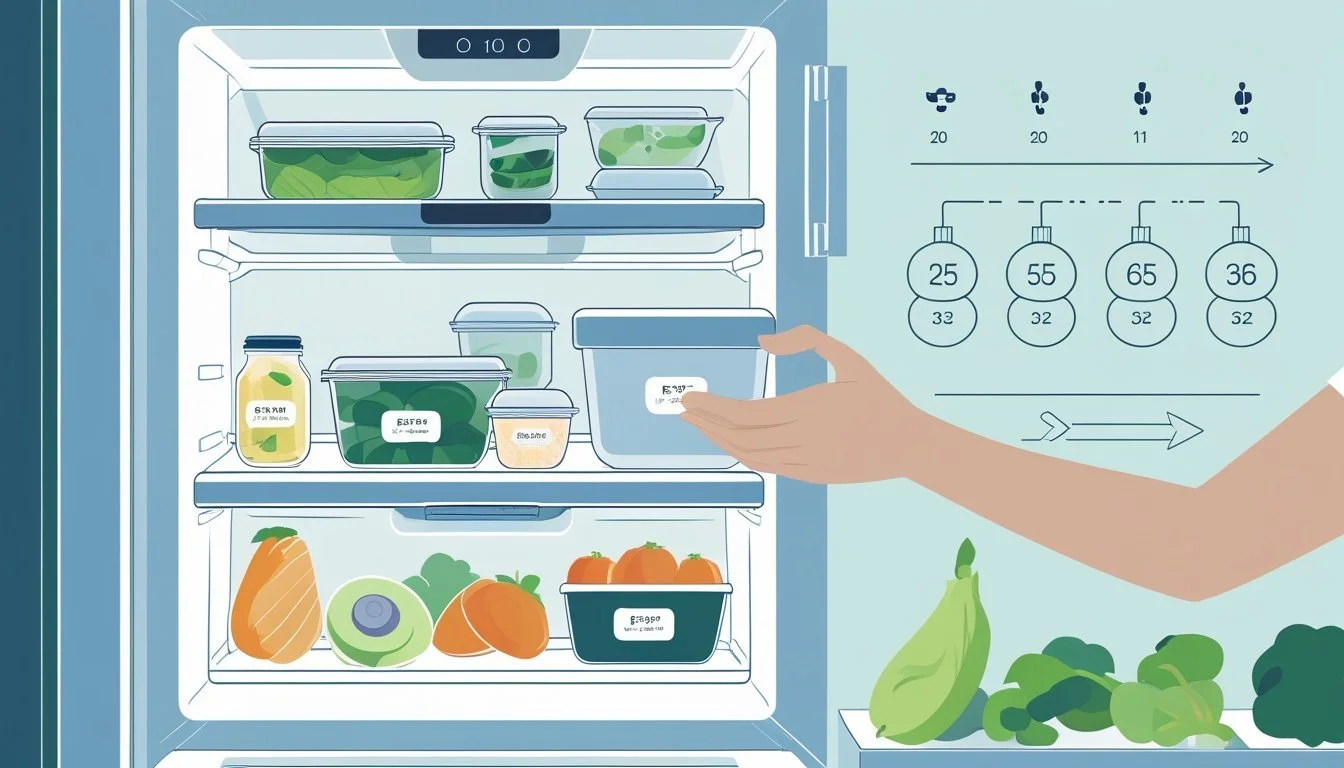
Correct storage practices are essential for ensuring food safety and maintaining shelf life. Storage conditions directly influence whether a product remains safe and enjoyable even after its "use by" date.
Food Safety Guidelines for Storage
Storing food at the right temperature slows down the growth of harmful bacteria. Refrigerated foods like dairy, meat, and some ready-to-eat items should be kept at or below 4°C (39°F). Frozen foods are safest when stored consistently at -18°C (0°F) or colder.
Properly sealing containers prevents cross-contamination. Use airtight containers for leftovers, and always separate raw meats from ready-to-eat products. Items with a "use by" date should be checked for visible spoilage, strange odors, or changes in texture before being consumed.
Some foods, such as eggs and dairy, can deteriorate quickly if not stored according to manufacturer instructions. Always follow package guidelines, and rotate stock so older items are used first.
Extending Shelf Life With Correct Storage
By managing factors like temperature, humidity, and packaging, shelf life can sometimes be extended safely. For example, vacuum sealing and using moisture-proof packaging help reduce spoilage by limiting oxygen exposure and mold growth.
Keep dry goods—such as grains, crackers, and flours—in cool, dry locations away from direct light. For perishable items, maintain the cold chain: transfer groceries quickly and avoid leaving items out at room temperature.
Labeling with purchase dates helps track how long an item has been stored. In many cases, following storage best practices means food may remain safe for a short time past its "use by" date if there are no signs of spoilage.
Assessing Food Safety After the 'Use By' Date
Food can sometimes remain edible and safe after its use by date, but this depends on the type of food and observable characteristics. Relying only on printed expiration dates or shelf life estimates may not provide enough information to ensure safety.
Signs of Spoilage to Watch For
Key indicators of spoilage include changes in appearance, smell, or texture. Mold, unusual discoloration, or a slimy surface strongly suggest a food item is unsafe.
A sour or rancid odor is another common sign that a product has gone bad. Foods like milk will curdle and emit a sour smell, while meat may take on a gray color and sticky texture.
Taste should not be used as the first method of checking safety since harmful bacteria may not always change flavor. It is best to rely on visible and olfactory cues first.
Manufacturers set shelf life guidelines, but proper storage can influence how long food remains safe. Items stored at consistent refrigeration temperatures generally last longer, while those left at room temperature spoil faster.
When to Discard Even if the Date Hasn’t Passed
Use by dates indicate the last recommended day for safe consumption, especially for perishable items like meat, dairy, and ready-to-eat meals. Foods that have been left out at unsafe temperatures should be discarded, even if their expiration date has not arrived.
If packaging is damaged, such as bulging cans or broken seals, the food may be unsafe due to possible contamination. Swollen or leaking containers suggest bacterial growth or spoilage.
Discard any product that looks or smells questionable regardless of the stated use by date. For infants, pregnant individuals, elderly, or immunocompromised people, it is especially important to avoid any risk and follow shelf life instructions strictly.
A quick-check list for discarding:
Damaged or swollen packaging
Off odors
Visible mold or change in color
Unusual texture (slimy, sticky, etc.)
Key Takeaways on Reading and Using Food Dates
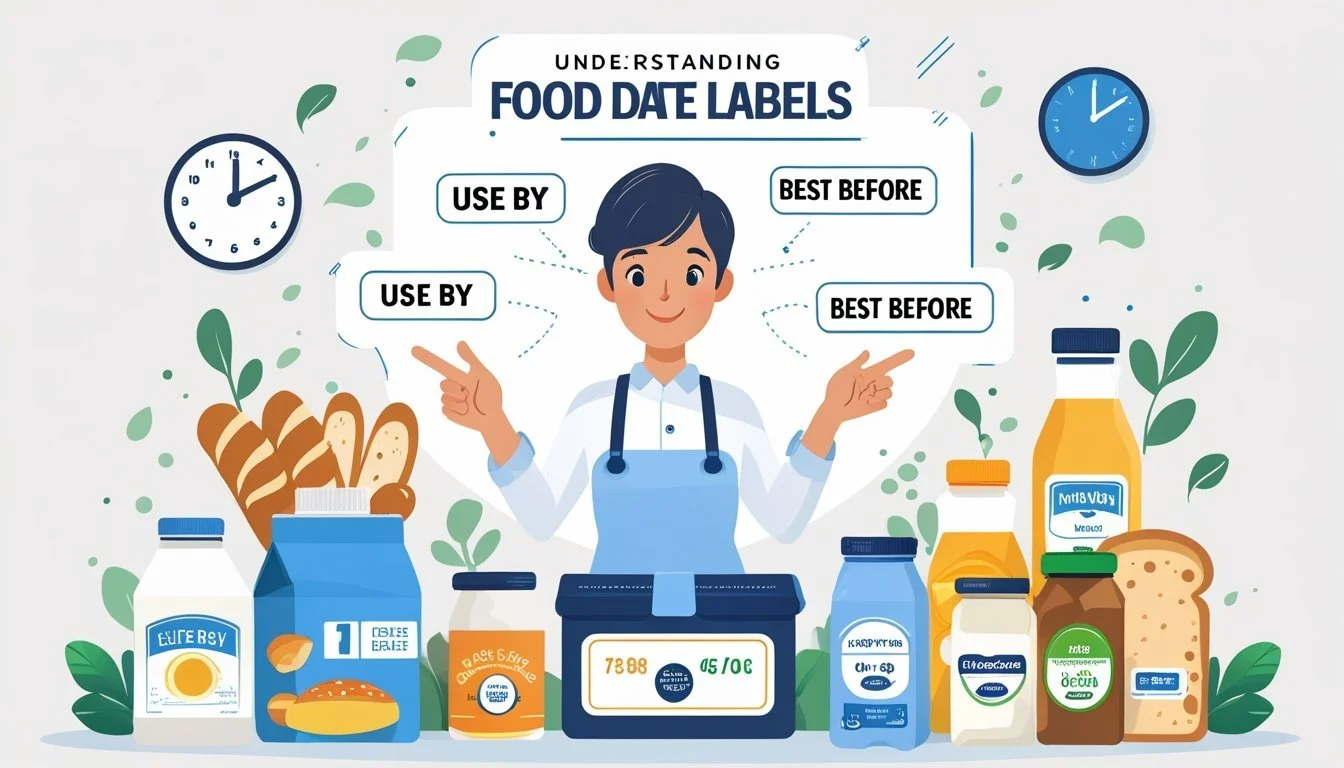
Food date labels, such as "use by" and "expiration date," often create confusion. Understanding these terms and practicing proper storage can help reduce waste and ensure safety.
Making Informed Decisions as a Consumer
Consumers should know that a "use by" date is typically set by manufacturers based on peak quality, not safety. Many foods remain safe to eat after this date if stored correctly, especially items like dry goods, canned foods, or unopened dairy.
Proper storage is crucial. Keeping items refrigerated at or below 40°F, using airtight containers, and monitoring humidity levels can prolong food safety past labeled dates. Routine checks for spoilage—such as changes in smell, texture, or color—are more reliable safety indicators than the printed date.
Key tip: Perishable foods like meat or seafood should be discarded if there are any signs of spoilage, regardless of the date. Always read labels, but use your senses and best judgment to decide if something is still good to eat.

