
How to Replace Luxury Ingredients on a Budget
Smart Swaps for Affordable Gourmet Cooking

Cooking with luxury ingredients like truffles, saffron, and pine nuts can quickly push grocery bills beyond reach for many home cooks. Replacing expensive items with smart, budget-friendly alternatives allows anyone to enjoy sophisticated flavors without overspending. By learning what swaps provide similar taste or texture, it’s possible to achieve impressive results that fit a modest budget.
Readers will discover how ingredient substitutions such as truffle oil for fresh truffles or mushrooms for a similar umami boost can transform recipes. With the right knowledge, recreating gourmet dishes at home becomes accessible, practical, and enjoyable for every budget.
Understanding Ingredient Substitution
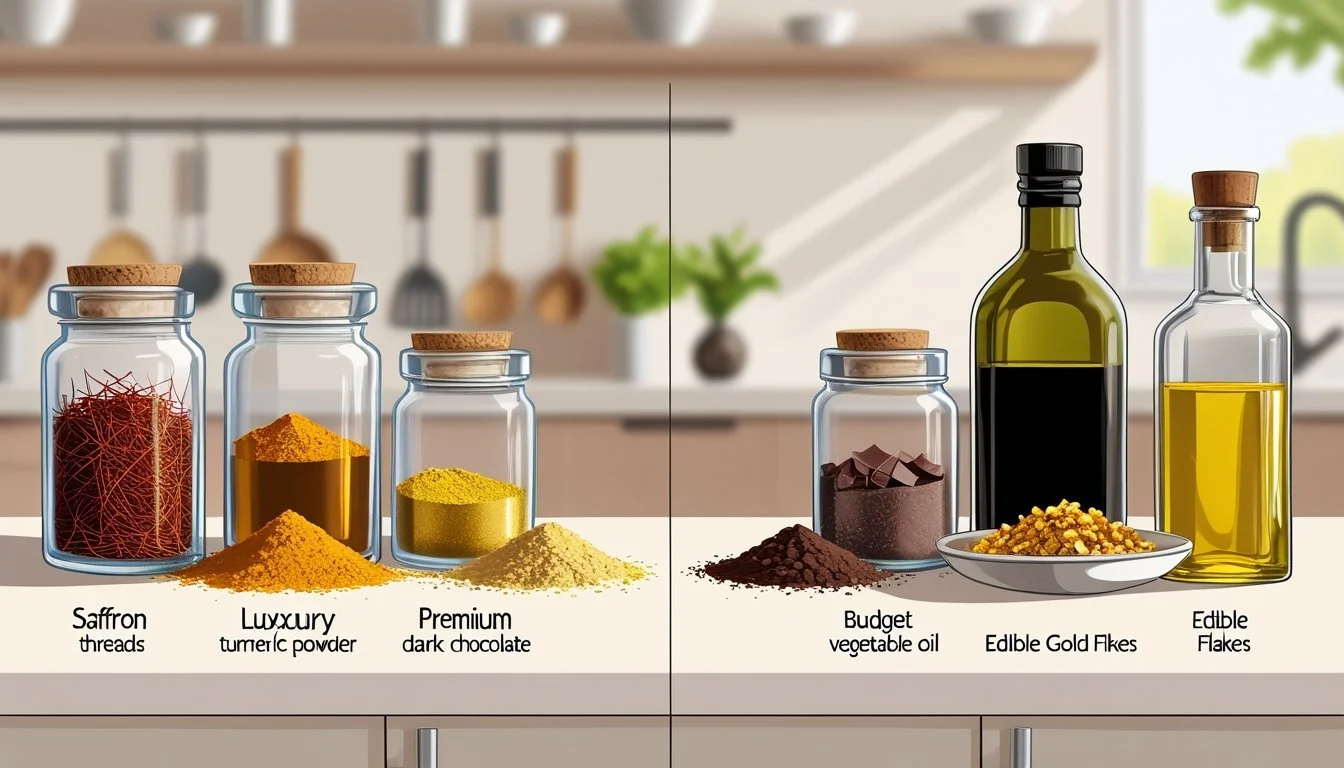
Ingredient substitutions allow cooks to swap expensive ingredients for those that are affordable, easy to find, or already available in the pantry. Choosing the right alternative can keep grocery costs down while still preserving the taste, texture, and quality of recipes.
What Are Ingredient Substitutions?
Ingredient substitutions involve using a different item in place of an ingredient originally called for in a recipe. This is most often done to replace expensive ingredients, handle shortages, or adapt recipes to specific dietary needs.
Common examples include replacing saffron with turmeric for color, or using bottled lemon juice instead of fresh lemons. These swaps help keep meal costs in check but require some attention to flavor, texture, and cooking behavior.
Not all substitutions are direct one-to-one ratios. For example, the acidity levels in bottled lemon juice differ from fresh lemon, so quantities may need adjustment. Knowing why a recipe uses an ingredient helps in making smarter substitution choices.
When to Replace Luxury Ingredients
Luxury or expensive ingredients often include items like truffles, saffron, pine nuts, and certain specialty cheeses. Substituting these is most effective when a recipe only requires small amounts or when their flavor profile can be closely matched by a more affordable product.
Groceries can become costly when specialty ingredients are only used once. For recipes that do not rely heavily on the unique qualities of these ingredients, substitutions usually work well. For example:
Swap white wine with apple juice or chicken broth in sauces.
Use ground turkey instead of ground beef for a less expensive protein.
Replace pine nuts with sunflower seeds for a similar crunch at a lower price.
However, replacing a luxury ingredient might not be ideal if its flavor or function is central to the dish, such as using truffle oil in a truffle-forward pasta. The cook should consider the role of the ingredient before choosing a substitute.
How to Choose the Right Alternatives
Choosing the right substitute means considering flavor, texture, and how the ingredient behaves during cooking. A small table can help clarify common swaps:
Expensive Ingredient Budget Substitute Notes Saffron Turmeric or paprika For color; flavor differs Truffles Truffle oil or mushrooms Truffle oil offers aroma, not exact taste Pine nuts Sunflower seeds Similar crunch; taste differs slightly White wine Apple juice/chicken broth Works in sauces, not as a beverage Parmesan cheese Grana Padano Similar texture and flavor
It’s also useful to taste-test as you cook. Adjust quantities based on the strength or weakness of flavor in the substitute. If the recipe relies on acidity or color, select an alternative that replicates those qualities rather than just matching ingredient type.
Keep in mind food allergies and dietary preferences—some substitutes may not suit all needs. Smart ingredient substitution comes from understanding both the recipe’s requirements and the options available at the grocery store.
Common Luxury Ingredients and Budget Alternatives

Luxury ingredients like truffles, saffron, pine nuts, and shallots can elevate dishes but often come at a steep cost. Choosing practical substitutes helps maintain flavor and texture without overspending.
Truffles and Affordable Substitutes
Truffles add earthy complexity to dishes but are rarely an option for budget-conscious cooks. An accessible alternative is truffle oil, which imparts some of the signature aroma, though it is typically flavored with synthetic compounds rather than real truffles.
For a mushroom-rich taste, use cremini or porcini mushrooms. Sautéed finely, they offer umami depth and richness at a fraction of the cost.
Comparing Truffles vs. Substitutes:
Ingredient Flavor Profile Price Fresh Truffles Earthy, intense Very High Truffle Oil Aromatic, subtle Moderate Porcini Mushrooms Savory, woody Low
These swaps capture some essence of truffles and work well in pasta, risotto, or egg dishes.
Saffron Replacement Strategies
Saffron is valued for its unique color and delicate flavor, but its high price tag can be a barrier. Turmeric is the most common substitute, lending a yellow hue and mild earthiness, although it lacks saffron’s signature aroma.
Another approach is to use a mix of turmeric and paprika for both color and a hint of depth. For floral notes, chefs sometimes add a small amount of safflower or use a tiny pinch of saffron mixed with other spices to stretch a small batch further.
Tip: Begin with a small amount of substitute and adjust as needed to match the desired look and flavor of the dish.
Substituting Pine Nuts
Pine nuts bring richness and a buttery taste to sauces, salads, and pestos, but their cost can be prohibitive. Sunflower seeds and pumpkin seeds (pepitas) are affordable stand-ins that mimic the texture and work well when ground or chopped.
Budget-Friendly Pine Nut Alternatives:
Sunflower seeds: Mild flavor, similar crunch, lowest cost.
Pumpkin seeds: Nutty, subtle sweetness, easy to toast.
Walnuts or cashews: For pestos, they offer creamy body and pleasant flavor.
Roasting seeds or nuts before using them can heighten flavor and better match the profile of pine nuts in recipes.
Shallots and Cost-Effective Alternatives
Shallots offer a mild onion flavor with subtle sweetness but are often more expensive than standard onions. Substitute yellow onions or red onions in equal amounts for similar results.
To achieve shallots’ gentle bite, cooks can use a mix of onion and a touch of garlic. Another trick is to choose scallions (green onions), which cost less and provide a lighter, fresher taste.
Chop substitutes finely to mimic the delicate texture of shallots, especially in vinaigrettes and pan sauces.
Smart Dairy Swaps for Gourmet Recipes
Small ingredient swaps can help keep recipes affordable without sacrificing taste or texture. Budget-friendly dairy replacements, such as DIY buttermilk, plant-based milks, and creative options for sour cream, allow home cooks to replicate the creamy quality of gourmet dishes.
Buttermilk and DIY Buttermilk Ideas
Buttermilk adds tang and tenderness to pancakes, cakes, and marinades. When buttermilk is unavailable, a simple homemade version is effective in most recipes.
DIY Buttermilk Ratio:
1 cup milk (dairy or plant-based)
1 tablespoon white vinegar or lemon juice
Stir, let sit for 5–10 minutes until slightly thickened.
This mixture matches the acidity of traditional buttermilk, activating baking soda and giving baked goods a soft crumb. For best results, use unsweetened plant-based milk in savory dishes.
Using Milk and Evaporated Milk as Alternatives
For recipes calling for cream or whole milk, standard milk or evaporated milk often performs well at a lower price. Evaporated milk has about 60% of its water removed, creating a thicker consistency ideal for sauces and custards.
Quick Comparison Table:
Ingredient Substitute Notes Cream Evaporated milk, whole milk Add 1 tbsp butter/cup Milk Unsweetened plant milk Almond, oat, or soy Half-and-half Evaporated milk + water Mix 1:1 ratio
These swaps are especially useful for pasta sauces, soups, and gratins where dairy richness is key but cost savings matter.
Cottage Cheese and Sour Cream Replacements
Cottage cheese and sour cream often appear in dips, baked goods, and dessert recipes. For a lower-cost or lighter swap, blend cottage cheese until smooth to mimic the tang and texture of sour cream.
Replacement Methods:
Blend cottage cheese with a splash of lemon juice for a mild sour note.
Plain Greek yogurt can substitute for sour cream at a 1:1 ratio in most applications.
For vegan or dairy-free options, look for plain unsweetened plant-based yogurt.
Each of these alternatives maintains creamy texture and acidity, whether used in cheesecakes or as a topping for baked potatoes.
Flavorful Spices: Budget-Friendly Options

High-end spices like cardamom, saffron, and vanilla add distinctive tastes to recipes but can be expensive. Affordable alternatives and strategic substitutions allow home cooks to enjoy complex flavors without overspending.
Cardamom and Affordable Flavorings
Cardamom is valued for its warm, slightly sweet flavor, especially in baking and South Asian cuisine. Buying whole pods is usually more cost-effective than the ground version, as the latter loses flavor quickly and costs more per use.
For an economical substitute, blend equal parts cinnamon and nutmeg or cinnamon and ground cloves. This mixture mimics cardamom’s aromatic warmth in recipes like muffins or spiced teas. Ground ginger can add a touch of heat in place of cardamom, though it changes the flavor profile slightly.
Lemon or orange zest can also provide a fresh, uplifting note reminiscent of green cardamom pods in sweet dishes. Consider the following table for easy ratios:
Substitute Cardamom Equivalent 1/2 tsp cinnamon + pinch nutmeg 1 tsp cardamom 1/4 tsp ground cloves 1 tsp cardamom Lemon/orange zest (1/2 tsp) 1 tsp cardamom (in sweets)
Adjust quantities based on personal preference and recipe type.
Turmeric as a Saffron Alternative
Saffron provides a vivid color and subtle floral flavor but is among the costliest spices. Turmeric, significantly less expensive, delivers similar golden coloring, making it a practical swap in rice dishes, curries, and soups.
While turmeric’s earthy taste differs from saffron’s delicate aroma, adding a pinch of paprika or a dash of lemon zest alongside turmeric helps create a closer balance of flavor and hue.
To use as a substitute for saffron:
For 1/4 tsp saffron, combine 1/2 tsp turmeric + small pinch of paprika.
Add after other spices are toasted to preserve both color and layered flavor.
For dishes that call for saffron’s luxurious appearance more than flavor—like yellow rice or some baked goods—turmeric alone is often sufficient and affordable.
Vanilla and Budget Substitutes
Vanilla beans are prized for their rich, complex flavor but can be prohibitively expensive. Pure vanilla extract, while more affordable, still represents a major cost in baking.
Imitation vanilla extract, made from synthetic vanillin, is widely available and budget-friendly. While it lacks some depth, it performs well in cookies, cakes, and frostings where other strong flavors are present.
For a homemade alternative, use vanilla-flavored sugar (sugar stored with a split vanilla bean) or steep used vanilla pods in vodka to make extract over time. In recipes that rely heavily on vanilla, such as custards, a small amount of almond extract or maple syrup offers a different but pleasant nuance on a budget.
A quick list of vanilla replacements:
Imitation vanilla extract
Vanilla sugar
Sweetened condensed milk (for caramel notes)
Almond or maple extract (in moderation)
When substituting, start with half the usual amount and adjust to taste.
Replacing Meat and Broth Ingredients on a Budget

Swapping out luxury meats and broths can significantly reduce meal costs while still delivering satisfying flavors. Affordable alternatives, careful substitutions, and a few pantry staples help keep recipes practical without sacrificing nutritional value or taste.
Veal Alternatives and Savings
Veal is prized for its tenderness but comes at a high price. Lean pork, chicken, or turkey cutlets can closely match veal’s texture in many recipes for a fraction of the cost.
Pork loin is a particularly good substitute in dishes like scaloppine or schnitzel. It cooks quickly and absorbs sauces well, just like veal. For recipes that call for ground veal, ground chicken or turkey offer a lighter alternative that works well in meatballs, burgers, and sauces.
Depending on local prices, pork, chicken, or turkey can cost between one-half to one-third as much as veal per pound. Proper seasoning and careful cooking are key to keeping the substitute juicy and flavorful.
Ground Turkey as a Budget Protein
Ground turkey is a lean, versatile, and affordable option that can replace more expensive proteins, including ground beef, pork, or veal.
It is ideal for everyday meals such as tacos, stuffed peppers, lasagna, or casserole. Cook ground turkey with onion, garlic, and spices to fill in any flavor gaps and prevent dishes from tasting bland. Turkey also mixes easily with vegetables or beans to stretch recipes further.
Price Comparison Table:
Protein Typical Cost per Pound (USD) Ground Veal $6–$10 Ground Beef $4–$8 Ground Turkey $2–$4
These savings add up, especially for families or frequent meal preppers.
Substituting Chicken Broth with Cheaper Options
Chicken broth is common in soups, risottos, and sauces, but store-bought versions can raise grocery bills. Making homemade chicken broth from leftover bones and vegetable scraps is almost free and reduces food waste.
For recipes that require broth but don’t rely on it for main flavor, water with a tablespoon of soy sauce or a bouillon cube makes a handy alternative. Vegetable broth or even water with added herbs, garlic, and a pinch of salt also work well for most recipes.
Store-bought broth costs around $1.50 per quart, but with homemade or substitutions, this cost drops to pennies per serving. This approach keeps meals economical while still delivering a well-rounded taste.
Herbs: Fresh vs. Dried and Cost-Effective Uses
Dried herbs are shelf stable, easy to find, and typically less expensive per use than fresh herbs. Fresh herbs can deliver vibrant flavor, but spoil quickly and may be costly, so careful usage helps stretch their value.
Maximizing Flavor with Dried Herbs
Dried herbs such as oregano, thyme, and rosemary offer intense, concentrated flavors. Since drying removes water, the taste becomes stronger—typically, use one-third the amount of dried herb compared to fresh. For example, 1 teaspoon dried basil replaces 1 tablespoon fresh basil.
Dried herbs work best during cooking where they have time to rehydrate. Soups, stews, sauces, and slow-cooked dishes benefit from the robust taste that dried herbs provide. Storing dried herbs in airtight containers away from light helps retain their potency.
A small jar of dried herbs can last for months and is significantly cheaper per serving than repeated fresh herb purchases. Basic dried herb blends, like Italian seasoning, can replace several fresh herbs at once and simplify meal prep.
Stretching Fresh Herbs on a Budget
When opting for fresh herbs, shoppers can reduce waste and stretch their purchase in several ways. First, choose sturdy herbs like parsley or cilantro, which tend to last longer in the refrigerator. Storing fresh herbs upright in a glass of water and covering loosely with a bag slows spoilage.
Fresh herbs deliver brightness when added at the end of cooking or used as garnish. For budget efficiency, use stems along with leaves—cilantro stems and parsley stems add flavor to stocks, soups, and braises.
Buying fresh herbs in bunches often results in leftovers. To avoid waste, chop and freeze extras in ice cube trays with olive oil or water for easy future use. Sharing or swapping extra herbs with friends or neighbors is another way to maximize value.
Wine and Vinegar: Swapping for Savings
Replacing wine and specialty vinegars with more affordable options can make a big difference in your grocery budget. Several pantry staples can easily stand in for these luxury ingredients while still delivering flavor and acidity.
Using Cooking Wine Substitutes
Wine often adds depth to recipes, but many alternatives work well and cost less. For white wine, suitable swaps include apple juice, white grape juice, chicken broth, or white wine vinegar. These maintain the acidity and some fruitiness that wine imparts to sauces, risottos, and marinades.
Red wine can be replaced with cranberry juice, red grape juice, beef broth, or red wine vinegar. Each substitute mimics some of the tannins or color sought in braises and gravies. Small adjustments in quantity or acidity level may be needed to match the original wine's flavor.
Quick Reference Table:
Recipe Calls For Substitute Options White Wine Apple juice, chicken broth, white wine vinegar, white grape juice Red Wine Cranberry juice, beef broth, red grape juice, red wine vinegar
Most recipes only require 1 or 2 tablespoons, so use what matches the dish’s flavor best. For baking or delicate sauces, always choose unsweetened juices to avoid extra sugar.
Red Wine Vinegar Alternatives
Red wine vinegar provides sharpness and a hint of fruitiness to dressings, sauces, and pickles. When it is unavailable or costly, several types of vinegar can fill the gap. Popular substitutes include apple cider vinegar, white wine vinegar, rice vinegar, or balsamic vinegar in a pinch.
Rice vinegar is milder and often needs a slightly larger quantity—try an extra ¼ teaspoon per tablespoon used. Apple cider vinegar has a fruity tartness similar to red wine vinegar. Adjusting the acid or sweetness balance in your recipe may be necessary, especially if using balsamic vinegar, which is sweeter and darker.
For a more neutral taste, distilled white vinegar works but may lack a depth of flavor. Taste and tweak with a splash of juice or a pinch of sugar if needed to balance the dish. Brands and styles differ, so adjust seasonings to maintain your recipe’s intended profile.
Baking on a Budget: Sweet and Savory Ingredient Swaps

Smart swaps let home bakers achieve great results without expensive specialty items. Some common kitchen staples can efficiently replace pricier ingredients while still maintaining taste and texture.
Powdered Sugar Replacements
When a recipe calls for powdered sugar, all-purpose flour and granulated sugar are likely already in the pantry. Powdered sugar, also called confectioners’ sugar, can be made at home by blending 1 cup granulated sugar with 1 tablespoon cornstarch in a high-powered blender or food processor until it forms a fine powder.
This simple DIY substitute works well for icing, glazes, and dusting baked goods. The added cornstarch helps prevent clumping, just like in store-bought varieties.
For those who avoid cornstarch, alternatives like arrowroot powder or tapioca starch will still provide the same anti-caking benefits. The texture might be slightly different, but it is still suitable for most recipes.
Original Ingredient Budget-Friendly Substitute Powdered Sugar Blended sugar + cornstarch (or similar)
Lemon Juice in Baking and Cooking
Fresh lemon juice can add cost, especially out of season. Bottled lemon juice is a convenient, typically less expensive alternative, though it may taste slightly less vibrant. Mixing 1 tablespoon white vinegar or apple cider vinegar with a bit of water can replace lemon juice in many baking recipes, especially where acidity is needed for leavening.
For flavor, some use citric acid dissolved in water as a direct lemon juice substitute. Lime juice is another affordable swap, providing a similar acidic profile. In savory dishes, vinegar works especially well in salad dressings and marinades as a stand-in for lemon due to its sharp, bright acidity.
Always check if the recipe relies more on lemon’s acidity or its distinctive citrus flavor to choose the right substitute. Some baked desserts may need a little zest or a splash of another citrus juice to balance the flavor if skipping fresh lemon.

