
The Role of Humidity in Food Preservation
Key Factors and Best Practices
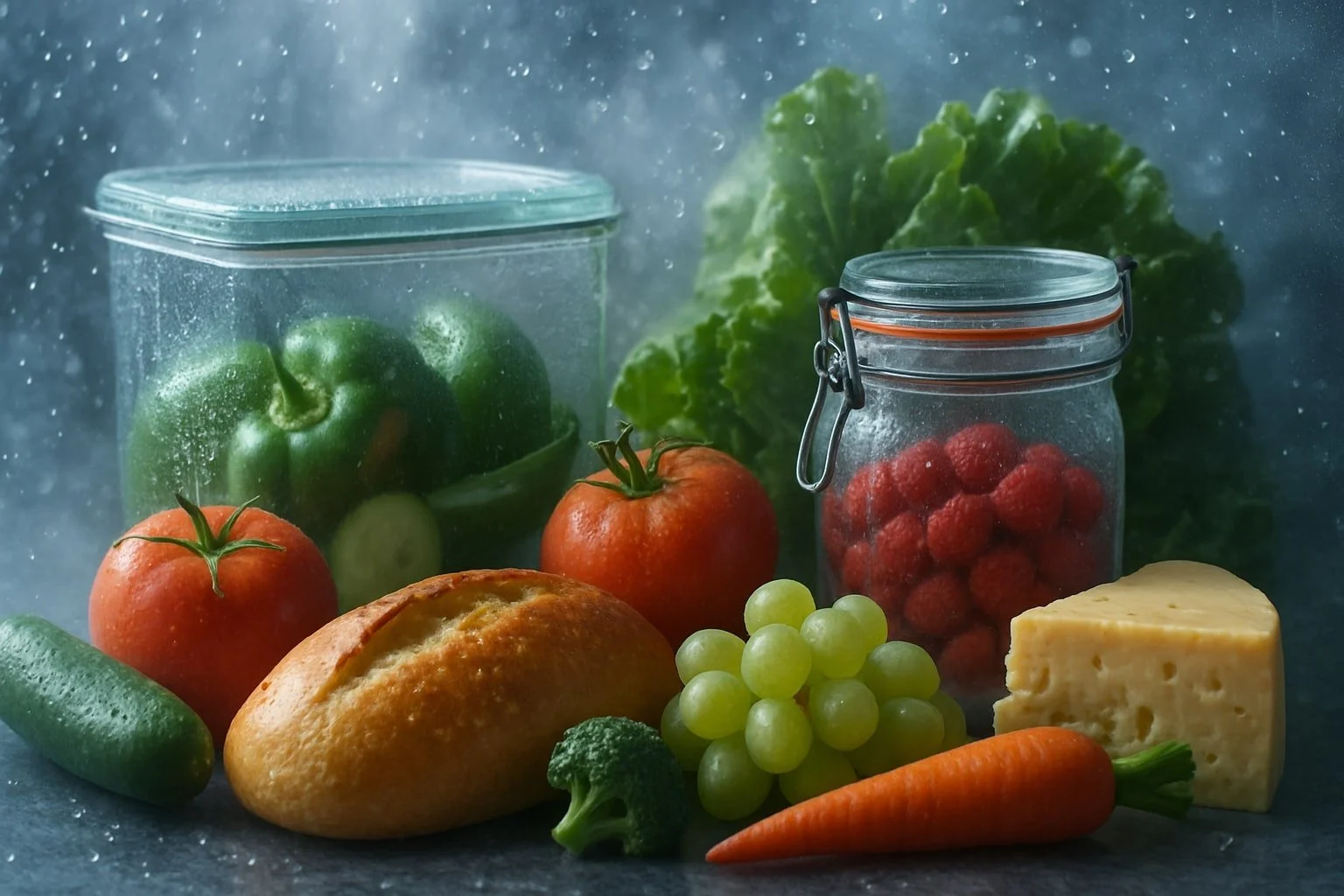
Humidity plays a crucial part in determining how long food stays safe and fresh. Controlling humidity levels can prevent spoilage, mold growth, and preserve the texture and quality of food products. Both high and low humidity present challenges—too much moisture leads to bacteria and mold, while too little can cause foods like fruits and vegetables to shrivel or lose flavor.
Understanding how humidity affects different types of foods helps avoid unnecessary waste and enhances shelf life. Whether storing fresh produce or packaged goods, proper humidity management is an essential, often overlooked factor in effective food preservation.
Readers interested in maintaining food quality and reducing spoilage will find that knowing how to manage humidity can make a significant difference in day-to-day food storage strategies.
Understanding Humidity and Food Preservation
Humidity plays a crucial role in food preservation by regulating moisture exchange between food and its environment. The right moisture levels slow spoilage, minimize weight loss, and reduce unwanted chemical reactions.
Defining Humidity and Its Types
Humidity refers to the amount of water vapor present in the air. It is commonly measured as relative humidity, which represents the percentage of water vapor in the air compared to the maximum amount possible at a given temperature.
There are two main types:
Absolute humidity: The actual amount of water vapor per unit volume of air.
Relative humidity (RH): Expressed as a percentage, showing current vapor relative to air saturation.
Relative humidity is most relevant to food storage. High RH slows dehydration of foods, while low RH encourages drying. Monitoring and controlling relative humidity helps maintain the desired moisture content in various food types.
Principles of Food Preservation
Food preservation relies on managing factors like moisture, temperature, and microbial growth. Maintaining proper humidity helps prevent moisture gain in dry foods and moisture loss in fresh produce.
Common preservation methods influenced by humidity include:
Drying: Reducing moisture content to slow microbial activity.
Canning: Sealing food and controlling internal moisture levels.
Refrigeration: Slowing down spoilage by stabilizing moisture and temperature.
Excess humidity can promote mold, bacteria, and yeast growth, leading to spoilage. Conversely, too little moisture causes foods like fruits and vegetables to lose texture and flavor.
The Science of Moisture in Foods
Moisture content directly affects food preservation outcomes. The difference between a food's internal moisture and the surrounding air’s relative humidity drives water movement.
High-moisture foods, such as leafy greens, lose water in low-humidity environments, leading to wilting. Dry goods—like grains—can absorb moisture from high-humidity air, resulting in spoilage or clumping.
Chemical reactions, including enzymatic browning and lipid oxidation, are also influenced by humidity. Managing relative humidity helps minimize these reactions and preserves food quality. Monitoring with hygrometers and using storage methods such as humidity-controlled containers optimizes shelf life and reduces waste.
How Humidity Affects Food Quality and Shelf Life
Humidity significantly determines how well food maintains its quality and longevity. Different levels of moisture in the storage environment can either help keep food fresh or accelerate spoilage by affecting texture, taste, and visual appeal.
Impact on Spoilage and Freshness
High humidity environments generally speed up food spoilage, especially for items like bread, fruits, and vegetables. Bacteria, molds, and yeasts thrive when excess moisture is present, leading to faster decomposition and unsafe conditions. Conversely, low humidity can cause foods such as bread and produce to dry out or lose their crispness.
Controlling moisture levels helps keep foods in optimal condition. For example, leafy greens benefit from higher humidity, which reduces wilting, while dry goods like grains need less humidity to prevent mold. Poor humidity control often shows up as visible mold, wilting, or overall loss of freshness.
Correct humidity can slow the microbial activity that causes spoilage, keeping food fresher longer and maintaining safety. In commercial and home storage, strategies may include using dehumidifiers or proper packaging to balance moisture.
Effects on Texture, Appearance, and Taste
Humidity plays a direct role in the sensory qualities of food. High moisture may result in soggy textures in baked goods and loss of crispness in snacks like chips or crackers. Low humidity can make certain foods tough, brittle, or stale.
Food appearance changes when exposed to improper humidity. Vegetables may wilt or shrivel in dry conditions, while high moisture can produce unwanted condensation or spoilage marks. Meat products, cheeses, and bakery items each have optimal humidity ranges to maintain their ideal look and mouthfeel.
Taste degradation is also linked to humidity. Stale bread or limp lettuce are common outcomes when moisture levels are off. Maintaining the right humidity helps foods retain their intended flavors and prevents the mustiness associated with excess dampness.
Role in Extending or Reducing Shelf Life
Shelf life is heavily dependent on humidity control. Proper levels can extend longevity by minimizing spoilage and preserving nutrients. For example, storing root vegetables at moderate humidity prevents both shriveling and rot, helping them last for weeks.
Too much humidity, especially in closed containers, fosters mold and bacteria growth, quickly shortening shelf life. Conversely, excessively dry conditions strip foods of moisture, leading to premature quality loss. Balancing these factors protects both appearance and edibility.
Temperature and humidity must often be considered together. Both influence the rate of food degradation. Using controlled storage—like refrigerators with humidity drawers—gives users the tools to adjust settings for different foods, preserving their quality and maximizing usable shelf life.
Microbial Activity and Food Safety
Humidity has a direct impact on the presence and activity of microorganisms in food. The balance of water in a food environment can determine the potential for bacterial growth, spoilage, enzymatic reactions, and the development of foodborne health risks.
Growth of Bacteria, Molds, and Yeasts
Most bacteria require a water activity (aw) above 0.91 to grow, whereas molds and yeasts can survive at lower water activities, sometimes below 0.80. High humidity environments support the rapid reproduction of bacteria such as Salmonella, E. coli, and Listeria in foods like meat, dairy, and produce.
Molds tend to be more tolerant of drier conditions compared to bacteria. They can cause visible spoilage as well as the production of mycotoxins, which are harmful secondary metabolites affecting food safety. Yeasts, while less dangerous than some bacteria and molds, are still responsible for spoilage and fermentation in high-sugar, moist foods.
The following table summarizes minimum water activity requirements for common spoilage organisms:
Microorganism Minimum Water Activity (aw) Bacteria 0.91 Yeasts 0.88 Molds 0.80
Health Risks and Foodborne Illnesses
Microbial growth in foods with uncontrolled humidity significantly increases the risk of foodborne illnesses. Pathogenic bacteria thrive in moist environments, leading to outbreaks of diseases such as salmonellosis, listeriosis, and E. coli infections. These illnesses can cause symptoms like vomiting, diarrhea, fever, and even severe complications in vulnerable populations.
Mold contamination, particularly from species producing mycotoxins (such as aflatoxins), represents a more chronic risk. Long-term exposure, even at low levels, may result in liver damage or cancer. While yeasts rarely cause direct health threats, their activity can indicate other underlying microbial issues.
Maintaining lower humidity or water activity in food storage and processing is an essential preventive measure to reduce these risks. Regular monitoring of both microbial presence and environmental conditions forms a critical part of modern food safety standards.
Enzymatic Activity and Rancidity
Enzymes are proteins that drive chemical changes in food, and their activity is closely tied to the presence of water. Elevated humidity enables enzymes to accelerate processes like browning, texture breakdown, or flavor loss. This has a particular impact on fruit, vegetables, and dairy products.
Rancidity, especially in fats and oils, is often caused by both oxidative and enzymatic reactions. High moisture can facilitate lipase activity, leading to the breakdown of fats into free fatty acids and resulting in off-flavors or spoilage. In nuts, seeds, and processed snacks, controlling humidity is crucial to limiting rancidity.
Regulation of moisture and rapid reduction of water activity after processing prevent unnecessary enzymatic reactions and preserve the sensory and nutritional qualities of food. Effective packaging solutions, such as moisture barriers and desiccants, are commonly employed to minimize exposure to humidity and maintain shelf life.
Humidity Levels and Food Categories
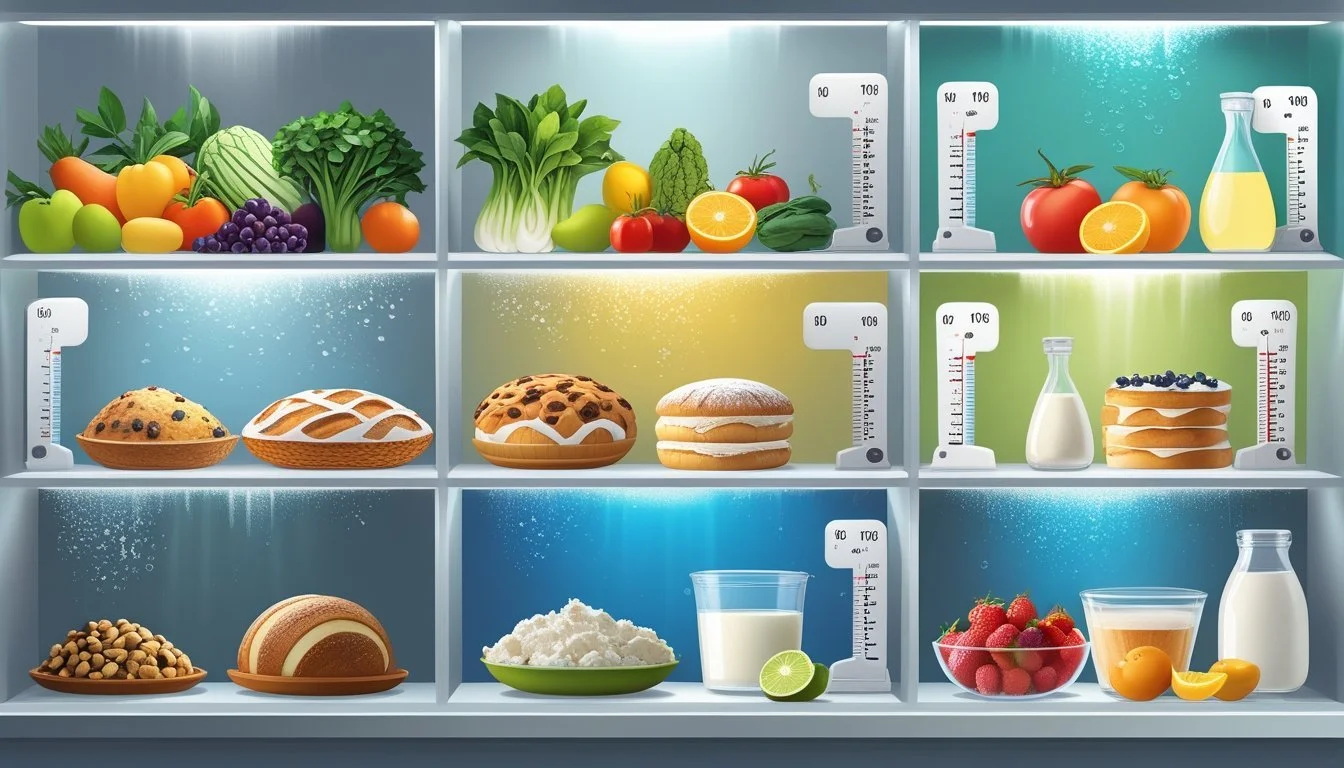
Different foods require specific humidity levels to maximize shelf life and maintain quality. Matching storage moisture to the characteristics of each food type is key to slowing spoilage and preserving texture, flavor, and freshness.
High Humidity Needs: Fresh Produce and Leafy Greens
Fresh fruits, leafy greens, and many vegetables are highly perishable. They require storage in areas with high humidity, typically between 85% and 95%. This helps prevent dehydration, wilting, and shriveling.
Leafy greens such as spinach and lettuce lose crispness rapidly in low humidity environments. Keeping them in a high humidity setting retains moisture, delays browning, and slows cellular breakdown. Refrigerators often have high humidity crisper drawers designed specifically for this purpose.
Table: Ideal Humidity Levels for Common Produce
Food Type Ideal Humidity (%) Lettuce, Spinach 95 Berries 90–95 Broccoli 95 Carrots 90–95
Root vegetables, while less sensitive than greens, also benefit from higher humidity to maintain weight and structure. Proper humidity control can extend shelf life and maintain eating quality for fresh produce.
Low Humidity Requirements: Dry Foods, Grains, and Legumes
Dry foods, including rice, flour, grains, and legumes, require low humidity conditions. Storing these foods at humidity levels below 60% is recommended to prevent moisture absorption, clumping, and mold growth.
Moist environments promote microbial and fungal spoilage in dry foods. Keeping grains and legumes in airtight containers in cool, dry storage areas stops condensation that can cause spoilage.
Low humidity not only preserves the appearance and texture of these products but also prevents pests like insects and mites. For bulk storage, using silica gel packs or other desiccants can further reduce moisture risk.
List: Common Foods Needing Low Humidity Storage
Rice and wheat
Beans and lentils
Crackers and cereals
Dried spices
Special Considerations for Dairy Products
Dairy products present unique challenges. Items like milk, cheese, and yogurt benefit from moderate humidity, generally ranging from 70% to 85%. Too little humidity leads to surface drying and cracks, while too much supports mold and off-flavors.
Aged cheeses often require specific humidity for proper ripening. Soft cheeses, such as brie or ricotta, can spoil quickly if exposed to excess moisture or dryness. Milk and yogurt need controlled environments to prevent curdling or separation.
Storing dairy at proper humidity extends shelf life and preserves taste and safety. Refrigerators with humidity-adjustable compartments help maintain this balance for different dairy products.
Optimal Humidity Levels for Different Foods
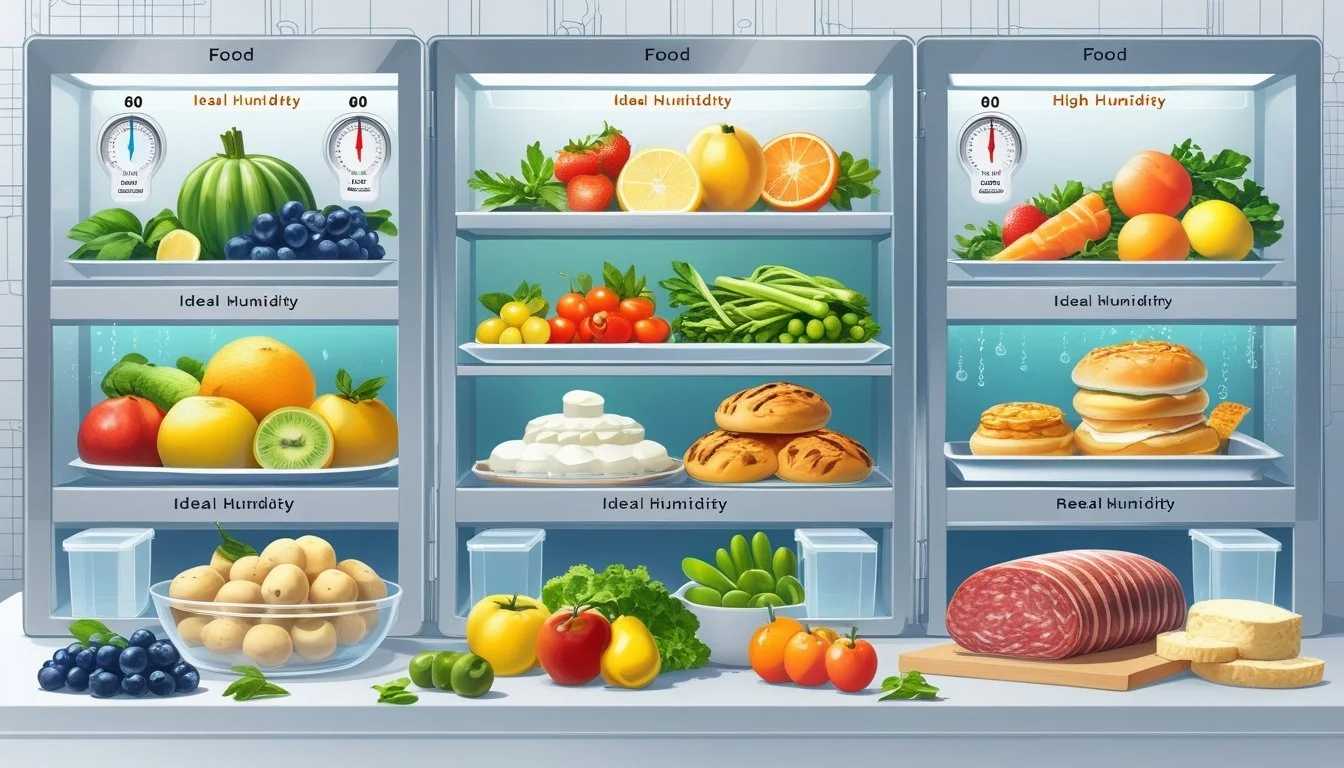
Different foods require precise humidity control to remain fresh and extend their shelf life. Factors like optimal humidity levels, moisture absorption, and dehydration can vary greatly between food types and storage methods.
Maintaining Crispness and Moisture Balance
Fresh fruits and vegetables often benefit from elevated relative humidity, generally in the range of 85%–95%. This high humidity helps prevent produce like leafy greens, carrots, and broccoli from losing water and becoming limp or rubbery.
On the other hand, some fruits, such as onions and garlic, are best kept in lower humidity to avoid sprouting or decay. Refrigerators often provide adjustable crisper drawers to manage humidity more accurately for different items. Consistently maintaining the proper moisture balance helps keep produce crisp without causing spoilage from excess water.
Preventing Moisture Absorption and Dehydration
Dry foods, including grains, cereals, flour, and spices, require a much lower relative humidity. These products should typically be stored at 30%–50% humidity to prevent absorbing excess moisture, which could lead to mold growth, clumping, or spoilage.
Moisture absorption can compromise food safety and shelf life for dry goods. Airtight containers and dehumidifiers are practical tools in pantries and storage rooms. Regularly checking environmental humidity and using desiccant packs or silica gel can also help keep dry foods fresh and safe.
Humidity Standards and Guidelines
Professional food storage guidelines recommend specific humidity ranges depending on the commodity being preserved. For reference:
Food Type Optimal Humidity (%) Leafy Greens 90–95 Root Vegetables 90–95 Apples/Pears 90–95 Onions/Garlic 65–70 Dry Grains/Beans 30–50
Storage environments such as refrigerators and commercial pantries are often equipped with humidity controls to maintain these standards. Following these guidelines reduces spoilage, slows food degradation, and helps ensure safety and quality throughout storage.
Humidity Control Methods in Food Storage
Maintaining optimal humidity is crucial in food storage to prevent spoilage and keep food fresh. Different foods require specific moisture levels, and several practical solutions can help manage humidity for better preservation.
Air Circulation and Dehumidifiers
Proper air circulation plays a major role in preventing moisture from accumulating in food storage areas. Good airflow helps avoid mold growth, condensation, and uneven moisture distribution, especially in pantries and commercial storage rooms.
Dehumidifiers extract excess water vapor from the air. By reducing relative humidity, they slow spoilage and inhibit the growth of bacteria and mold. These devices are especially valuable in humid climates where controlling humidity is more challenging.
The table below summarizes key benefits:
Method Benefit Use Case Air Circulation Prevents moisture buildup Pantries, storage rooms Dehumidifiers Reduces humidity Basements, commercial storage
An air circulation fan combined with a dehumidifier can address both air stagnation and high moisture levels, creating a balanced storage environment.
Humidification Systems and Crisper Drawers
Some foods, such as leafy greens and fresh herbs, require higher humidity to retain moisture and avoid wilting. Humidification systems, used in display cases or storage units, release controlled amounts of moisture to keep these perishable items fresh.
Crisper drawers in refrigerators are specifically designed for moisture control. Many feature adjustable vents or humidity sliders. These allow users to set higher humidity for vegetables or lower for fruits that are prone to decay in moist environments.
For best results, it is important to separate produce by type and set drawer humidity accordingly. Monitoring the condition of stored produce helps fine-tune the settings for different storage needs.
Airtight Containers and Packaging Solutions
Airtight containers and specialized packaging serve as effective barriers for moisture control. By sealing food away from ambient air, they reduce dehydration for items that need to stay moist and prevent excess moisture for foods prone to spoilage.
Vacuum-sealed bags, plastic containers with locking lids, and moisture-absorbing packets are common options. Many packaging solutions now include built-in humidity-regulating features like desiccant packs or humidity control membranes.
The effectiveness of airtight packaging depends on both the type of food and the storage environment. Regularly checking seals and replacing worn containers ensures continued protection against excess or deficient humidity.
Monitoring and Measuring Humidity in Food Environments
Controlling humidity is critical in food environments to maintain food safety, prolong shelf life, and reduce spoilage. Appropriate technology and practices ensure that storage and production conditions are consistently within required ranges.
Role of Hygrometers and Humidity Sensors
Hygrometers and humidity sensors are essential devices for measuring and managing moisture levels in food storage and processing areas. They detect changes in relative humidity and provide quantitative data for precise control.
There are several types of hygrometers, including digital, mechanical, and psychrometric instruments. Digital hygrometers and electronic humidity sensors offer higher accuracy and often include data logging features.
Routine calibration is important to maintain accuracy. Food producers rely on these instruments to meet industry standards and avoid quality degradation due to excessive or insufficient moisture in the environment.
Real-Time Monitoring Solutions
Modern food environments increasingly use real-time monitoring systems to track humidity levels continuously. These systems connect sensors to cloud platforms or control centers, enabling instant alerts if readings drift outside preset thresholds.
Real-time data allows for quick response to issues, such as equipment failures or unexpected humidity spikes. Many solutions also support automated adjustments, like activating dehumidifiers or humidifiers based on sensor input.
Features like remote access, historical data trends, and integration with facility management systems enhance both operational efficiency and compliance efforts. Systems such as the WS1-Pro by Ubibot provide practical examples of real-time monitoring in action, allowing for proactive humidity management.
Ensuring Proper Storage Conditions
Proper storage conditions involve not only maintaining optimal humidity, but also ensuring consistent environmental controls across storage spaces. For example, relative humidity for fresh produce is typically kept between 90-95% to minimize water loss and preserve quality.
Regular monitoring verifies that storage meets the needed specifications. Adjustments are made based on accurate readings to prevent mold growth, texture changes, and flavor loss.
Effective humidity management requires protocols for both short-term corrections and long-term stability. Combining frequent measurements, automated digital controls, and clear procedures helps protect food products throughout storage and distribution.
Storage Techniques for Humidity Optimization
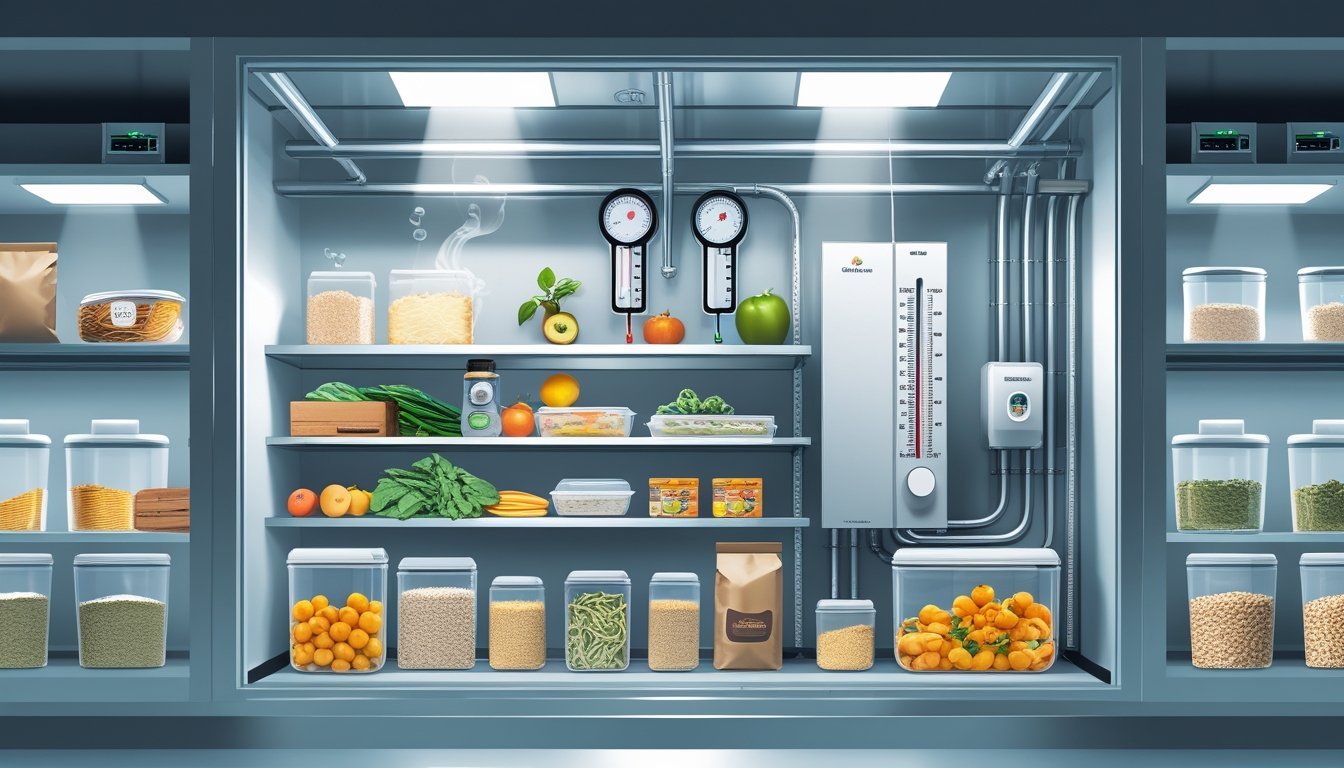
Humidity plays a crucial role in food storage, directly affecting shelf life and quality. Specific strategies like refrigeration, controlled drying, and careful container use can help maintain moisture at safe levels and slow spoilage.
Refrigeration and Freezing Methods
Refrigeration lowers the temperature and slows microbial growth, but it is the control of humidity that prevents excessive water loss or condensation. High humidity in refrigerators helps keep produce hydrated, preventing wilting, while low humidity chambers are better for certain fruits or onions to avoid mold.
Freezing stops most bacterial activity but can lead to freezer burn if foods are exposed to dry air. Packaging food items in airtight containers or wraps reduces moisture loss, preserving texture and taste. Some modern refrigerators offer customizable humidity-controlled drawers, letting users set the ideal environment for different foods.
Regular monitoring of relative humidity, typically between 85%-95% for vegetables and 65%-75% for fruit, is essential. By combining temperature and humidity control, spoilage is minimized and shelf life is extended.
Drying and Dehydration Techniques
Drying is a traditional method for extending shelf life by reducing water activity. Controlled dehydration removes enough moisture to prevent microbial growth, making foods like dried fruits, grains, and jerky shelf-stable.
Methods include air drying, sun drying, and the use of food dehydrators with adjustable settings for temperature and airflow. Optimal dehydration techniques maintain product quality while reducing the risk of spoilage. Uniform slicing, pre-treatment (such as blanching), and storage in moisture-proof containers are key practices.
Table: Common Foods and Ideal Final Moisture Content
Food Type Final Moisture % Fruits 15-20% Vegetables 6-8% Meats (Jerky) 20-25%
Reducing storage humidity after drying is crucial, as reabsorption of moisture can lead to mold.
Proper Storage Techniques for Shelf Life Extension
Proper storage techniques combine environmental controls and container selection. Biodegradable liners or paper towels can help maintain consistent humidity in produce drawers. Use of sealed containers, vacuum sealing, and desiccants helps protect dry goods from moisture in the air.
Labeling containers with dates and rotating stock ensures older items are used first, minimizing waste. Avoid placing hot foods in closed containers right away, as this can trap condensation and raise relative humidity, increasing the risk of spoilage.
Root cellaring is another option where temperature and humidity are naturally regulated. Regular inspection of stored items for visible moisture or mold can help identify issues before they spread, ensuring longer and safer food storage.
Humidity Considerations in Food Transportation and Retail
Managing humidity levels is essential for maintaining food quality and safety throughout transportation and at retail locations. The control of moisture in these environments can directly affect product shelf life, visual appeal, and the bottom line for both suppliers and retailers.
Challenges During Transportation
Humidity fluctuations during transport are a leading cause of spoilage and degradation. Perishable foods like fruits, vegetables, and dairy are especially vulnerable, as excess moisture can encourage rapid mold and bacterial growth. Too little humidity, on the other hand, dries out fresh produce and bakery items, causing them to lose weight and degrade in texture.
Temperature and humidity often interact inside shipping containers and trucks. When ambient humidity rises, condensation can form on packaging and food surfaces, increasing the risk of both contamination and quality loss. Using proper insulation, desiccants, and dehumidification technology is essential for shipments covering long distances or moving through different climate zones.
Careful monitoring and controls, such as real-time sensors, are now standard for many carriers, especially in international cold chains. This vigilance protects against not just spoilage but also potential financial losses from rejected or downgraded shipments.
Retail Storage and Grocery Store Practices
Humidity levels in grocery store stockrooms and display areas play a direct role in preserving the appearance and freshness of foods. Produce departments use misting systems and controlled airflow to maintain crispness and prevent dehydration, while dry goods require drier environments to avoid clumping and microbial growth.
Refrigerated sections, for foods like meat and dairy, must balance humidity to avoid both surface drying and condensation. Uneven humidity can lead to unattractive surfaces, lower product appeal, and increased shrink rates due to discarded spoiled goods.
Regular calibration of in-store HVAC and humidification systems is critical. Staff training on optimal storage and rotation practices helps prevent the build-up of excess moisture and ensures consistent shelf quality for customers.
Economic Impact: Product Weight and Profitability
Humidity affects product weight, which directly influences pricing and profitability, especially for items sold by weight such as fresh produce, fish, and meat. Excess humidity can artificially increase product weight through water absorption, leading to short-term gains but also causing spoilage and customer dissatisfaction. Low humidity, conversely, causes moisture loss, resulting in decreased weight and financial loss for both sellers and producers.
Uncontrolled humidity may also contribute to increased shrink, with retailers discarding items that fail to meet quality standards. This not only impacts revenues but introduces hidden costs linked to waste management and unsellable stock.
Retailers invest in monitoring and climate control technology to stabilize humidity. Consistent environmental control supports accurate pricing, reduces shrink, and helps protect long-term profitability in a highly competitive sector.
Reducing Food Waste and Enhancing Longevity
Managing humidity levels directly impacts how long foods remain safe and appealing to eat. Attention to moisture control helps preserve both the sensory qualities and physical integrity of stored foods, reducing unnecessary food waste.
Minimizing Spoilage Through Humidity Management
Spoilage is often accelerated by excess moisture, which can promote the growth of mold, bacteria, and yeast. Effective humidity control in storage and packaging slows these processes, maintaining the safety and edibility of food for longer periods. Technologies such as moisture scavengers and specialized climate-controlled environments regulate humidity to optimal levels for specific products.
For example, fresh produce benefits from controlled humidity to remain crisp without promoting rot, while dry goods must avoid moisture to prevent clumping or spoilage. By reducing the conditions that lead to degradation, humidity management extends shelf life and can significantly decrease food waste across the supply chain.
Preserving Flavors and Appearance
Flavors and the physical appearance of food products are highly sensitive to changes in moisture content. Exposure to high humidity can lead to loss of crispness in snacks and baked goods, diminished aromas in spices, and discoloration or wilting in fruits and vegetables. In addition, improper humidity can cause packages to become soggy or stick together, making products less appealing to consumers.
Preservation techniques that maintain stable humidity protect vibrant colors, fresh textures, and original flavors. This not only reduces the likelihood of products being discarded for quality reasons but also increases consumer satisfaction and the perceived value of preserved food items.

