
Substituting Dairy in Cultured and Fermented Products
Effective Alternatives and Considerations
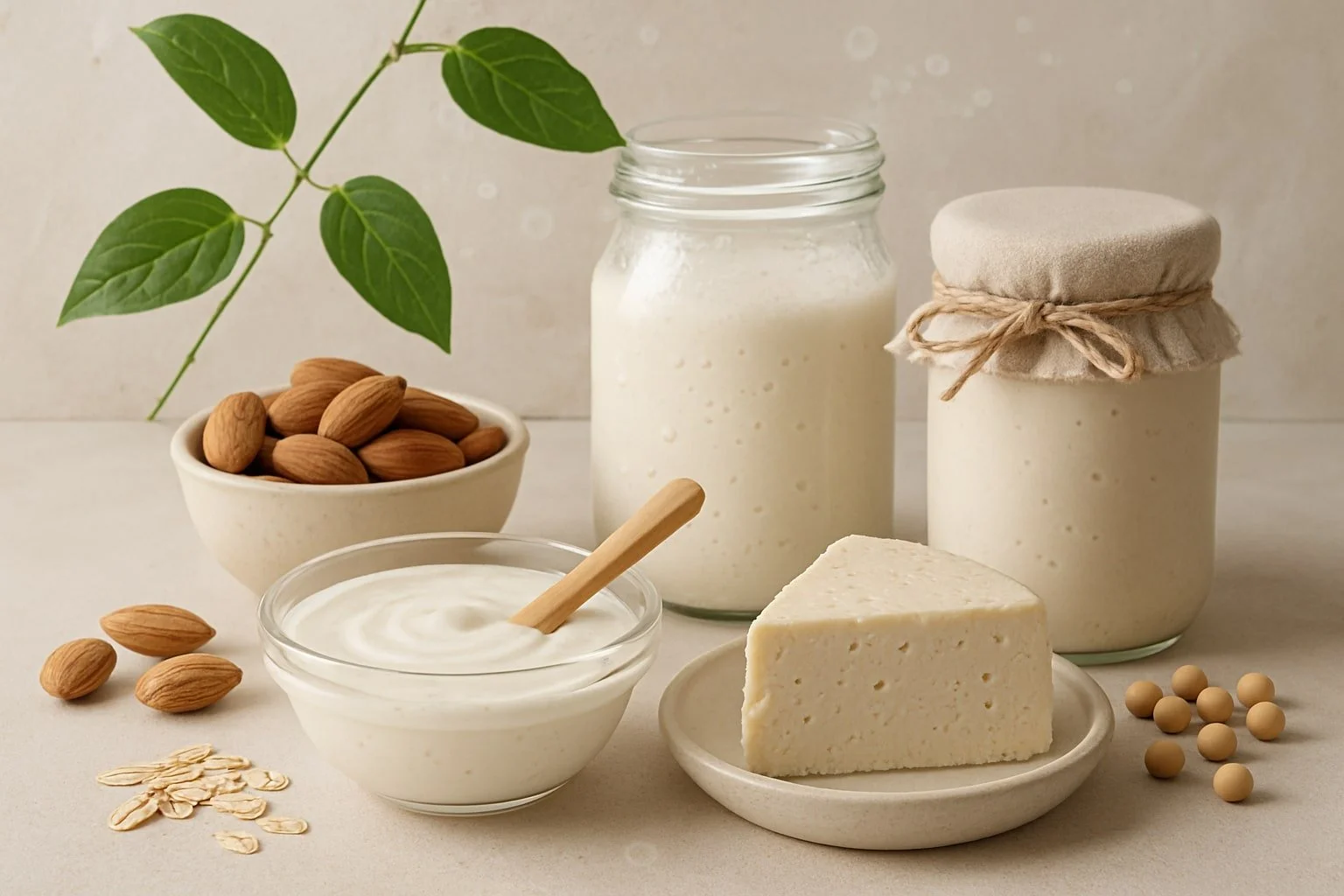
Many popular cultured and fermented foods, such as yogurt, kefir, and cheese, have dairy-free alternatives that aim to mimic the taste, texture, and health benefits of traditional dairy-based versions. With rising interest in plant-based diets and the growing need to accommodate allergies and intolerances, consumers are exploring new ways to substitute dairy in their favorite fermented products.
Plant-based milks made from ingredients like almonds, soy, coconut, and cashews serve as common bases for non-dairy yogurts, kefirs, and cheeses. Food producers and home cooks use specific cultures and fermentation techniques to replicate the “tang” and creaminess of dairy-based items, although texture and flavor can vary depending on the base ingredients and bacteria used.
Understanding the differences between cultured and fermented foods, and knowing how to choose or make suitable substitutes, allows people to enjoy these foods regardless of dietary restrictions or preferences.
The Role of Dairy in Cultured and Fermented Products
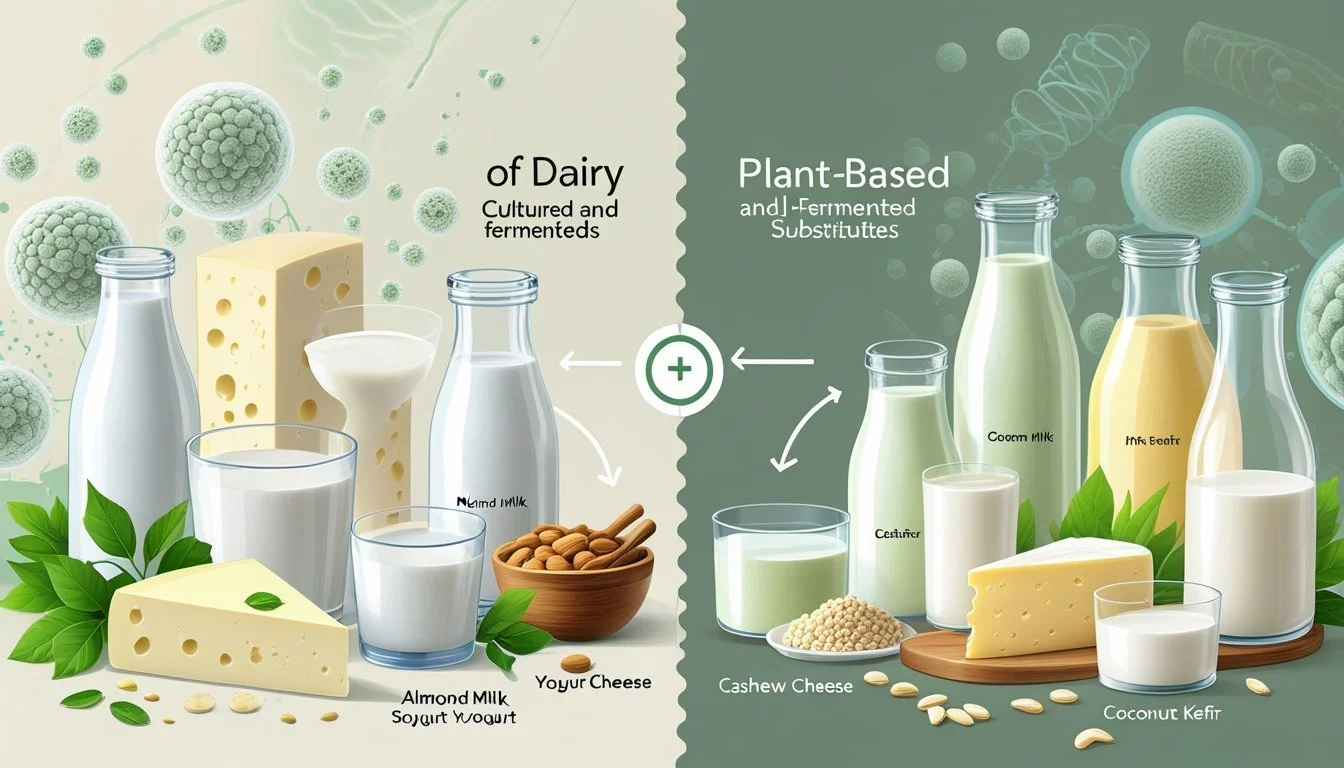
Dairy serves as the foundation for many cultured and fermented foods. Its composition allows specific microorganisms to thrive, resulting in unique flavors, textures, and potential health benefits.
Dairy-Based Fermented Foods
Dairy-based fermented foods include yogurt, kefir, cheese, cultured buttermilk, cultured cream, and other fermented milk products. These foods are produced by inoculating milk with particular dairy cultures that metabolize lactose, the primary sugar in milk.
Some of the most common examples are:
Product Key Microorganisms Main Features Yogurt Streptococcus thermophilus, Lactobacillus bulgaricus Thick texture, tangy taste Kefir Mixed kefir grains (lactic acid bacteria & yeasts) Slightly effervescent, tart flavor Cheese Various lactic acid bacteria, yeasts Wide range of textures and flavors Cultured Cream Lactic acid bacteria Creamy, mildly tangy
Through fermentation, these products develop distinct profiles depending on the milk source, the selected cultures, and processing methods.
Microorganisms and Fermentation Processes
The fermentation process relies on specific microorganisms, notably lactic acid bacteria like Streptococcus thermophilus and Lactobacillus bulgaricus. These bacteria convert lactose into lactic acid, lowering the pH of milk, which causes proteins to coagulate and form various textures.
In yogurt production, S. thermophilus initiates rapid acidification, while L. bulgaricus contributes to flavor development and further acidifies the medium. Kefir is produced using a broader mix of bacteria and yeasts, forming a complex microflora that generates subtle carbonation and a mix of acids.
Fermented products require controlled conditions, as temperature and strain selection impact texture, acidity, and flavor. The careful balance of live cultures (often called probiotics when they confer health benefits) is crucial for successful fermentation.
Health Benefits of Traditional Dairy Ferments
Fermented dairy foods have been linked to a range of health effects, primarily due to their live cultures and the breakdown of milk components during fermentation. Probiotics present in these foods may support gut microbiota balance and digestive health.
Fermentation with lactic acid bacteria can increase the bioavailability of certain nutrients, such as B vitamins and peptides. Consumption of yogurt and kefir is associated with improved lactose tolerance, especially in those sensitive to lactose, since much of it is converted to lactic acid.
Some studies suggest regular intake of cultured dairy products may be associated with improved metabolic outcomes and cardiovascular health markers. Live cultures are sensitive to processing, so fresh, unpasteurized products often offer the most active microflora.
Drivers for Substituting Dairy in Cultured and Fermented Products
Many people are moving away from traditional dairy foods and choosing alternatives for health, dietary, and environmental reasons. Specific factors like lactose intolerance, allergies, and increased awareness of nutrition and sustainability are playing a significant role in these choices.
Lactose Intolerance and Allergenicity
Lactose intolerance affects an estimated 75% of the global population, leading to discomfort such as bloating, gas, and diarrhea after consuming dairy. This high prevalence drives consumers to look for dairy substitutes in cultured products like yogurt and kefir.
Allergenicity is another factor, as cow’s milk allergy is one of the most common food allergies in children. Both conditions restrict access to fermented dairy foods that are traditional sources of beneficial bacteria and key nutrients. Plant-based alternatives, including options made from soy, almond, and oats, help fill this gap by offering similar textures and probiotic profiles without the dairy-associated risks.
Plant-Based Diets and Sustainability
Plant-based diets continue to rise in popularity for ethical, environmental, and health reasons. Producing dairy alternatives from legumes, grains, or nuts generally requires less land, water, and results in lower greenhouse gas emissions compared to dairy farming.
Sustainability concerns include the carbon footprint of dairy production and its impact on land and water resources. Consumers who prioritize environmental stewardship choose fermented plant-based milk products, such as yogurt made from oats or cashews, over their dairy-based counterparts. These choices align with recent dietary guidelines and values found in diets like the Mediterranean diet, which emphasizes plant-based foods.
Dietary and Health Considerations
Health outcomes linked to dairy consumption are actively researched, especially regarding cardiovascular health and metabolic health. Some cohort studies indicate certain dairy foods, like yogurt and cheese, may have neutral or beneficial effects on cardiovascular risk. Other studies associate high saturated fat intake from dairy with increased risk of hypercholesterolemia and cardiovascular diseases in some populations.
For people with diabetes or those at risk, dairy alternatives with reduced sugar and saturated fat may be preferred. Fortified plant-based substitutes can provide calcium and protein levels comparable to dairy, helping maintain adequate dietary intake for bone and overall health. Lists of nutrients to consider include vitamin D, calcium, and high-quality protein, all of which may vary widely among plant-based cultured products.
Types of Dairy Substitutes Used for Cultured and Fermented Products
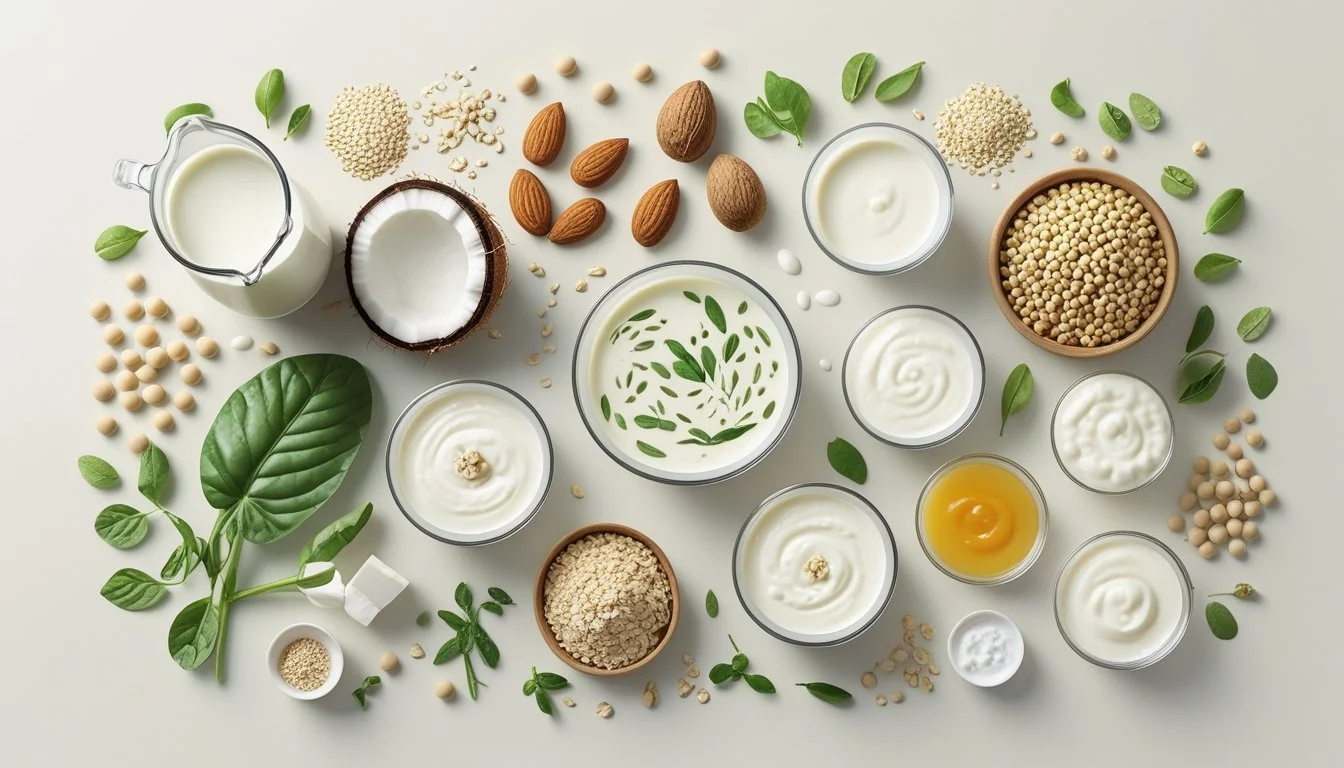
A wide range of dairy substitutes is available for use in cultured and fermented foods. These alternatives replicate the texture, taste, and nutritional properties of traditional dairy to varying degrees and are usually selected based on dietary needs, functionality, and consumer preferences.
Plant-Based Milk Alternatives
Soy milk is the most established dairy substitute for cultured products due to its high protein content and ability to ferment well with traditional starter cultures. It is commonly used for making soy yogurt, kefir, and cultured cheeses.
Almond milk offers a milder flavor and lighter texture. While lower in protein than soy, it produces smooth products like almond-based yogurts and spreads. Coconut milk is valued for its richness and natural fat, lending a creamy consistency to yogurts, cream cheeses, and kefir.
Oat milk has gained popularity as a base for yogurt and sour creams because of its naturally sweet flavor and balanced texture. Rice milk, while less commonly cultured, can serve as a mild, hypoallergenic option for those avoiding nuts and soy.
These plant-based options often need thickeners like pectin or agar to mimic dairy’s structure in final fermented products.
Grain- and Seed-Based Substitutes
Oat and rice milks are the primary grain-based choices for fermentation, finding use in oat-based yogurts and cultured beverages. Oat milk, in particular, is favored for its natural sweetness and smoothness, making it suitable for creamy, tangy cultured products.
Quinoa milk, while less common, provides an earthy taste and improved nutrition, particularly for fermented drinks or puddings. Hemp milk brings a distinct flavor profile and contains more protein than many other plant-based milks, supporting fermentation for products like hemp yogurt or cheeses.
Seed-based options often appeal to those with nut or soy allergies and can be blended with other bases to improve texture and flavor during fermentation.
Blended Bases and Novel Sources
Producers often combine different plant, seed, or grain milks to balance flavor, texture, and nutritional content in cultured products. For example, a blend of almond and coconut milk may yield a yogurt with a creamy mouthfeel and enhanced taste.
Cashew milk is sometimes combined with other bases for use in cultured cheeses due to its smoothness. Fermented products made from pea protein or chickpea milk are also emerging, offering higher protein to support traditional culturing processes.
Innovative sources like lupin, flax, or even tiger nut milks are being explored in specialty markets. These alternatives allow for unique flavor profiles and increased dietary diversity in fermented dairy-free foods.
Fermentation Process Adaptations for Non-Dairy Substitutes
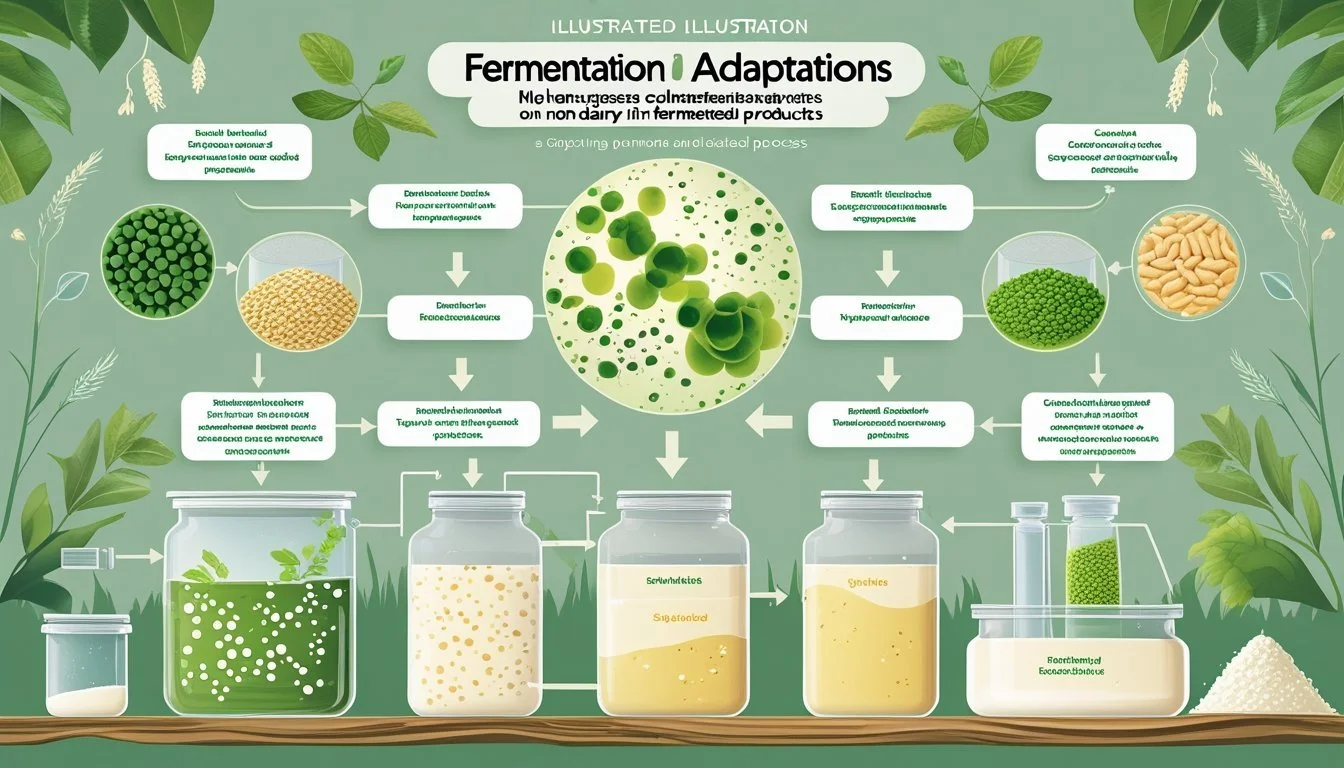
Developing fermented non-dairy products requires a careful approach to both the selection of cultures and adaptations in the overall production method. Plant-based matrices differ significantly from dairy in nutrient composition, impacting the choice of microorganisms and fermentation outcomes.
Starter Cultures and Microflora Selection
The effectiveness of fermentation processes in non-dairy alternatives depends heavily on the compatibility of the starter cultures with plant-based substrates. Traditional dairy fermentation uses species such as Lactobacillus delbrueckii subsp. bulgaricus and Streptococcus thermophilus. In non-dairy environments, strains must tolerate and metabolize unique carbohydrates, proteins, and lower amounts of available lactose.
Selecting strains that efficiently ferment plant sugars—such as glucose, sucrose, or fructooligosaccharides—is vital. The suitability of plant-based substrates as probiotic carriers is influenced by the ability of live cultures to survive and remain active in mediums like soy, almond, or oat milk. Bifidobacteria, commonly used in dairy products, can also be employed if the environment is supportive.
Microbial adaptation to plant anti-nutritional factors, such as phytates and tannins, is necessary. Culture blends are often adjusted to enhance both flavor and shelf life, as some plant milks may support rapid or slow growth of desired microorganisms.
Process Modifications and Challenges
Non-dairy fermentation often requires modification of standard processing steps. Many plant-based substrates have lower protein content and variable buffering capacity, affecting pH control and fermentation speed.
Common adaptations include:
Fortification with protein isolates or stabilizers (like agar-agar for soy-based gels)
Use of baking soda to adjust pH and manage acidity
Supplementing with nutrients to support microorganism growth
Unlike cow’s milk, plant-based substrates can present inconsistent texture, water-holding capacity, and flavor profiles. The absence of casein and lactose changes product viscosity and acidity development.
Fermentation times may be extended, and end products tend to have different sensory characteristics. Consistency in product quality often depends on refining heat treatments, homogenization, and culture dosing. Testing and adjusting parameters for each plant base is essential, as microbial growth and probiotic viability can vary widely between formulations.
Nutritional Comparison of Dairy and Non-Dairy Cultured Products
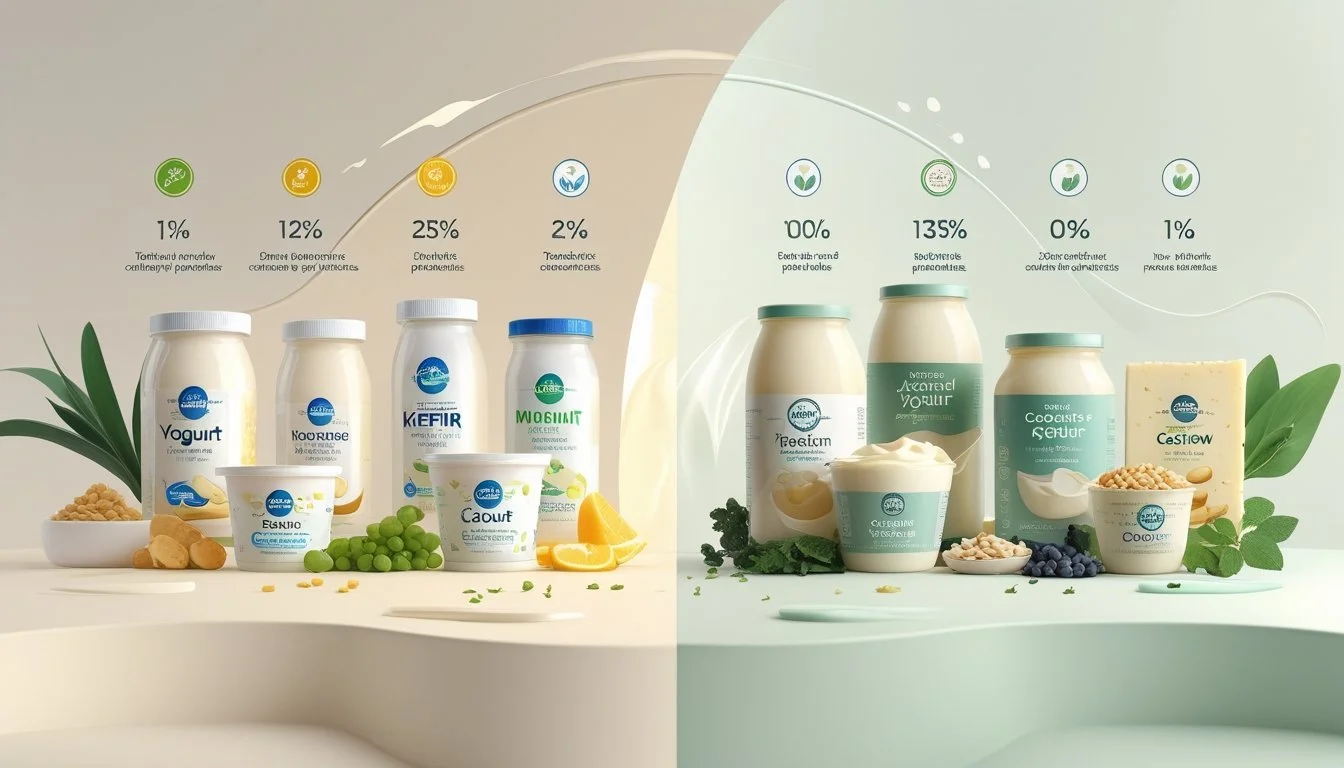
Dairy and non-dairy cultured products differ in key nutrients such as protein, calcium, and fat. These differences are influenced by the food source, production methods, and fortification practices, all of which impact nutritional value and potential health benefits.
Macronutrient and Micronutrient Profiles
Dairy cultured products like yogurt and kefir are typically higher in natural calcium, vitamin B12, and riboflavin. They also provide saturated fat and cholesterol, while offering no dietary fiber. Non-dairy versions, such as soy or almond yogurts, often require fortification to match calcium and vitamin B12 levels found in dairy.
Plant-based cultured products usually have less saturated fat and no cholesterol. Calcium content can vary widely depending on the plant source and whether brands fortify their offerings. Some options, like coconut-based yogurts, contain more fat but little protein or calcium unless fortified.
Sugar content may be higher in flavored versions of both dairy and non-dairy cultured products. Many plant-based options are sweetened to improve taste, often resulting in products with more carbohydrates and calories.
Protein Content and Digestibility
Dairy cultured products are known for providing 3 to 5 grams of complete protein per 100 grams, with all essential amino acids present and high digestibility. This protein supports muscle health, bone structure, and satiety. The quality and digestibility of dairy protein are higher compared to most plant proteins.
Non-dairy cultured products show significant variation in protein content. Soy-based options can approach dairy in both total protein (about 3–4 grams per 100 grams) and digestibility. However, almond, coconut, and oat-based alternatives are generally lower in protein, sometimes under 1 gram per 100 grams, and often lack certain essential amino acids.
Digestive health can also be supported by probiotics in both dairy and some non-dairy cultured products. However, plant-based yogurts do not always provide the same live cultures unless specifically added during production.
Functional Components and Health Effects
Dairy cultured products naturally contain bioavailable calcium and may have probiotic bacteria that support gut health and lactose digestion. Regular intake has been linked in some studies to improved bone health, especially in children and older adults.
Non-dairy cultured products depend on fortification to supply calcium, vitamin D, or B12. The effectiveness of plant-based calcium absorption varies and may be inferior to that found in dairy, due to differences in chemical form and presence of oxalates or phytates. Most plant-based yogurts are free of cholesterol and can be lower in saturated fat, which may benefit cholesterol levels and cardiovascular health.
For those with lactose intolerance or milk allergies, non-dairy options offer an accessible alternative. Careful label reading is recommended to ensure the presence of key nutrients and live cultures, especially in products substituting for traditional dairy.
Sensory Features and Consumer Acceptance
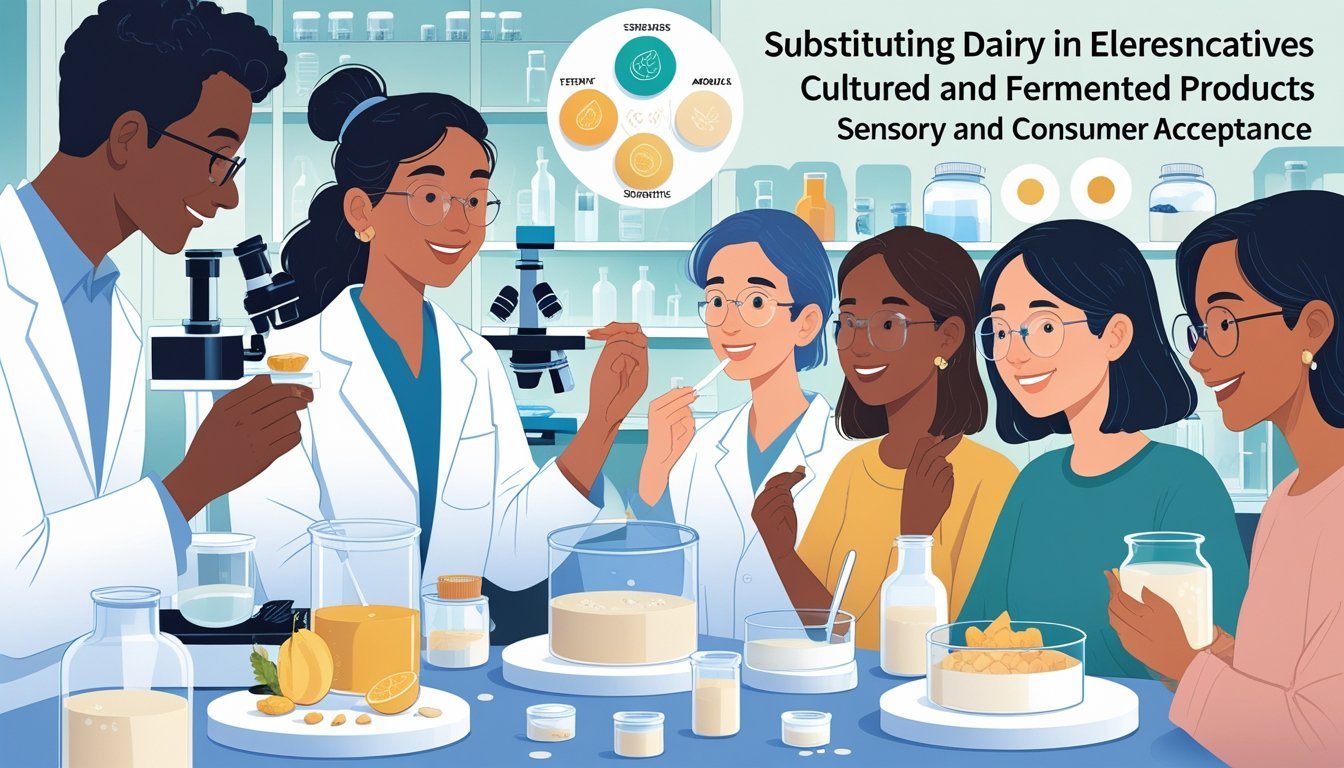
The success of dairy substitutes in cultured and fermented products depends on replicating appealing sensory features that drive consumer preference. Key aspects include flavor and aroma, texture and consistency, and visual appeal, each directly impacting acceptance and market growth.
Flavor and Aroma Profile
Flavor and aroma are central to the appeal of fermented and cultured dairy products. Traditional items like yogurt, kefir, and cheese owe much of their character to lactic acid fermentation, which produces a tangy flavor and subtle sour but creamy notes. Dairy substitutes must reproduce these complex sensory signatures.
Plant-based alternatives often have a “beany” or earthy aftertaste, especially those made from soy or peas. These flavors are less familiar to consumers used to milk-based products and can lower overall acceptability.
Fermentation with tailored starter cultures, use of natural flavors, and careful selection of base ingredients are common strategies to reduce off-notes and emphasize the desired tangy or savory flavor. Masking techniques and post-processing treatments can further refine the aroma profile for better consumer acceptance.
Texture and Consistency Enhancement
Texture is a major determinant of satisfaction with cultured and fermented foods. The protein network found in dairy provides viscosity, creaminess, and a characteristic mouthfeel. Non-dairy substitutes must recreate these qualities using alternative proteins and stabilizers.
For example, hydrocolloids such as pectin, carrageenan, or guar gum are frequently added to plant-based yogurts and cheeses to boost creaminess and suspension. Protein sources like soy and oat can be processed to form a gel network mimicking dairy.
A comparison of commercial products shows that consistency and smoothness can vary widely between brands and formulations:
Product Type Typical Texture Challenge Common Solution Soy-based yogurt Grainy or thin Blending, hydrocolloids Almond-based yogurt Watery or fragile Emulsifiers, thickeners Oat-based yogurt Slime or stickiness Heat treatment, stabilizers
Achieving an appealing, uniform texture remains vital for consumer repeat purchases.
Appearance and Shelf Life
Visual cues, such as color and product separation, strongly influence initial perceptions. Dairy alternatives frequently encounter issues like sedimentation, fading color, or formation of syneresis (liquid separation). Consumers expect a uniform, creamy appearance similar to traditional dairy products.
Improved processing—such as homogenization, stabilization, and addition of natural colorants—helps sustain a visually attractive product throughout its shelf life. Product shelf stability must also be addressed, as the absence of casein and other dairy proteins can reduce preservation.
Formulation adjustments, protective packaging, and specific starter cultures support shelf life extension by managing microbial activity without compromising appearance. Maintaining sensory features during storage continues to be a central challenge for plant-based cultured and fermented products.
Dairy Substitutes in Baking and Culinary Applications
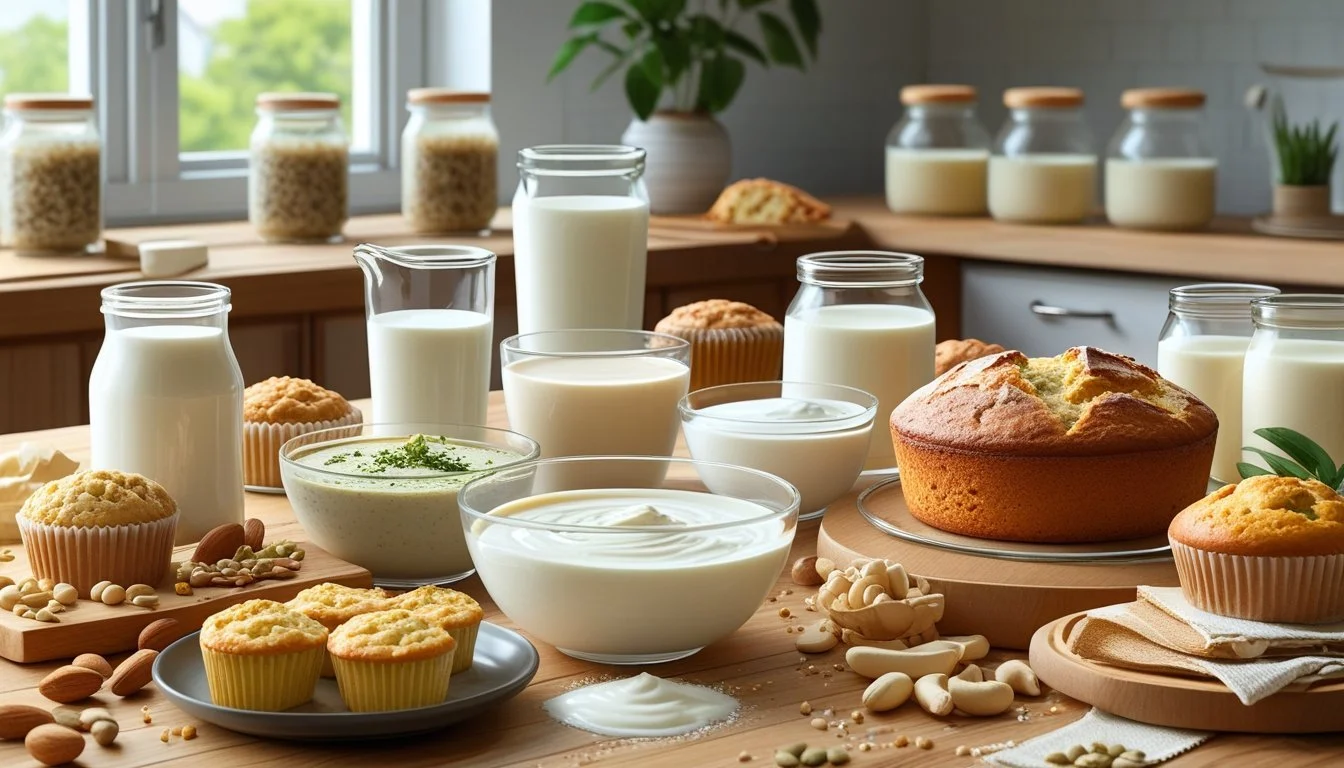
Bakery recipes often rely on dairy ingredients not just for taste but also for texture, moisture, and chemical reactions. Choosing the right substitutes ensures reliable results whether making muffins, pancakes, or cakes.
Non-Dairy Yogurts in Baked Goods
Non-dairy yogurts, such as those made from soy, coconut, or almond milk, can replace dairy-based yogurts in muffins, cakes, and quick breads. These alternatives provide moisture and structure similar to plain yogurt.
To use them, substitute one-to-one by volume. Soy yogurt tends to have the most neutral flavor and similar thickness to dairy yogurt, making it a frequent choice for baking. Coconut yogurt works well in recipes where a mild coconut flavor is welcome, such as in certain cakes or muffins.
When choosing a non-dairy yogurt, select an unsweetened and plain variety to avoid adding extra sweetness or flavor. If a recipe calls for yogurt to activate baking soda or powder, ensure the yogurt is cultured (contains live active cultures) for the acidity needed.
Cultured Substitutes for Pancakes, Biscuits, and Cakes
Cultured dairy like buttermilk and sour milk add tenderness and help leaven baked goods such as pancakes, biscuits, and cakes through acidic reactions with baking soda.
A straightforward replacement for one cup of buttermilk is to mix 1 cup plant milk (such as oat, soy, or almond) with 1 tablespoon of lemon juice or white vinegar. Stir and let stand for 5–10 minutes until it thickens and curdles slightly. This DIY cultured milk mimics both the texture and acidity of traditional buttermilk.
Kefir, whether dairy-free or dairy-based, can also substitute for buttermilk at a 1:1 ratio, though higher protein versions may brown baked goods more quickly. Always check for live cultures, as these encourage the same chemical reactions needed in recipes for optimal fluffiness and crumb.
Functional Properties in Cooking
The function of dairy in baking goes beyond taste; it impacts dough structure, moisture retention, and browning. Non-dairy options must be chosen carefully to obtain similar results in biscuits, cakes, and muffins.
Yogurts and cultured milks provide acidity, which reacts with leavening agents to produce carbon dioxide and help rise quick breads and pancakes. Their proteins add tenderness and moisture, critical for soft crumb.
A brief table highlights suitable matches:
Dairy Ingredient Non-Dairy Substitute Notes Buttermilk Plant milk + lemon juice Good acid source for pancakes and cakes Plain yogurt Soy/coconut/almond yogurt Watch thickness, acidity, and flavor Sour milk Plant milk + vinegar Helps with tenderness in baked goods
Testing is essential, as brands differ in culture content and consistency, affecting baked and cooked results. Matching thickness and acidity closely is key to consistent outcomes.
Health Implications and Outcomes of Dairy Alternatives
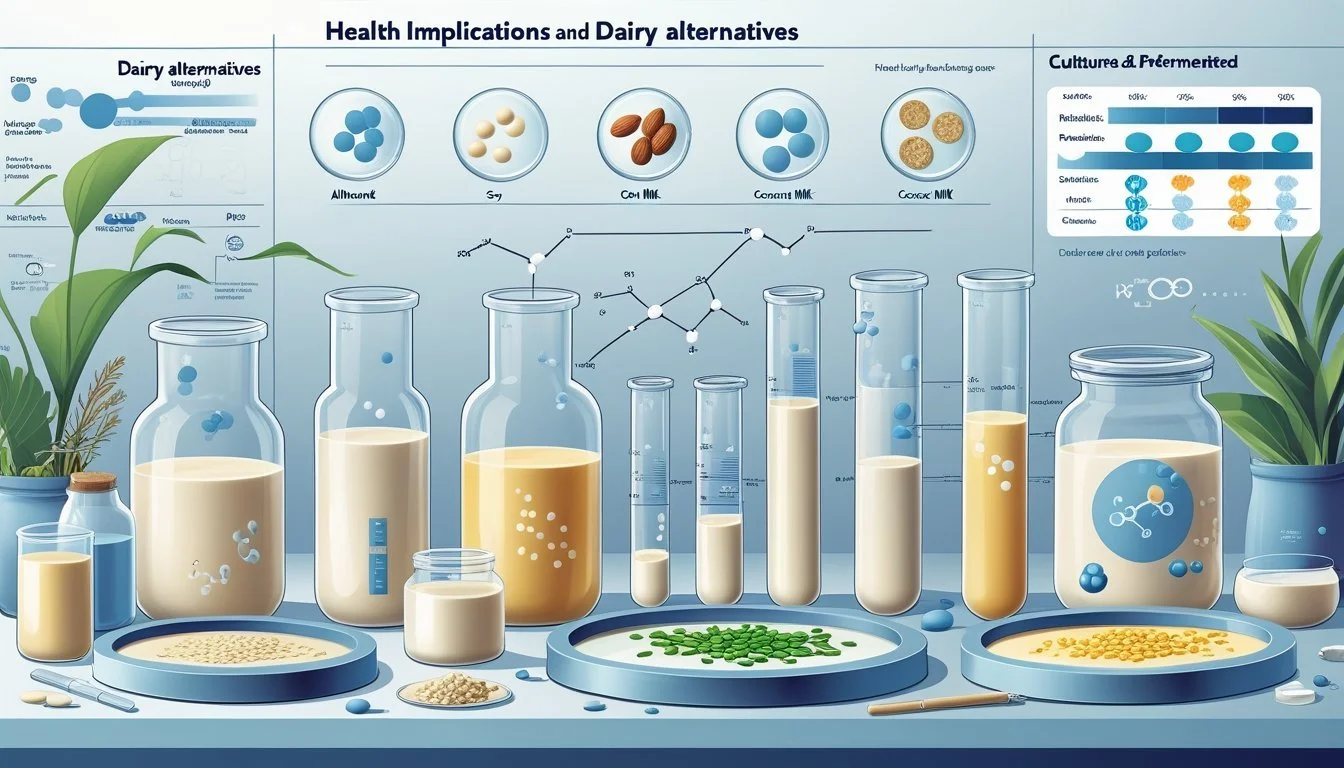
Substituting dairy with plant-based alternatives has notable impacts on several health indicators. The nutrient content, probiotic potential, and effects on metabolism and digestion differ based on the type of alternative chosen and how it is processed.
Cardiovascular Disease and Metabolic Health
Consuming plant-based dairy alternatives—especially those with low saturated fat—has been linked to reduced levels of LDL cholesterol. Unlike many traditional dairy products, these substitutes often contain less saturated fat and more unsaturated fatty acids, which are believed to support heart health.
Research suggests that replacing full-fat cow’s milk with unsweetened plant-based milks such as soy or almond can contribute to managing blood pressure and maintaining healthier lipid profiles. However, the risk of nutrient deficiencies such as calcium, vitamin B12, and iodine may increase if fortified versions are not selected.
Some fermented plant-based products also possess anti-inflammatory properties. This can be beneficial in reducing risk factors for myocardial infarction and cardiovascular disease. Yet, there is variation in these benefits depending on the fortification and ingredient composition of the product.
Digestive and Immune Health
Lactose intolerance affects a significant portion of the population. Plant-based dairy alternatives provide an option without lactose, preventing digestive discomfort in these individuals.
Many plant-based ferments incorporate lactic acid bacteria or probiotics, which may help support a balanced gut microbiota. This balance is important for immune health and may lower the risk of certain infections or gut-related issues.
However, not all alternatives provide live cultures or adequate protein content. Fermented versions, especially those with added probiotics, may offer advantages for digestion and immune response. Consistency in nutrient content is less predictable in unfortified options, which can influence overall health benefits.

