
Substituting When Batch Cooking: Smart Ingredient Swaps for Easy Meal Prep
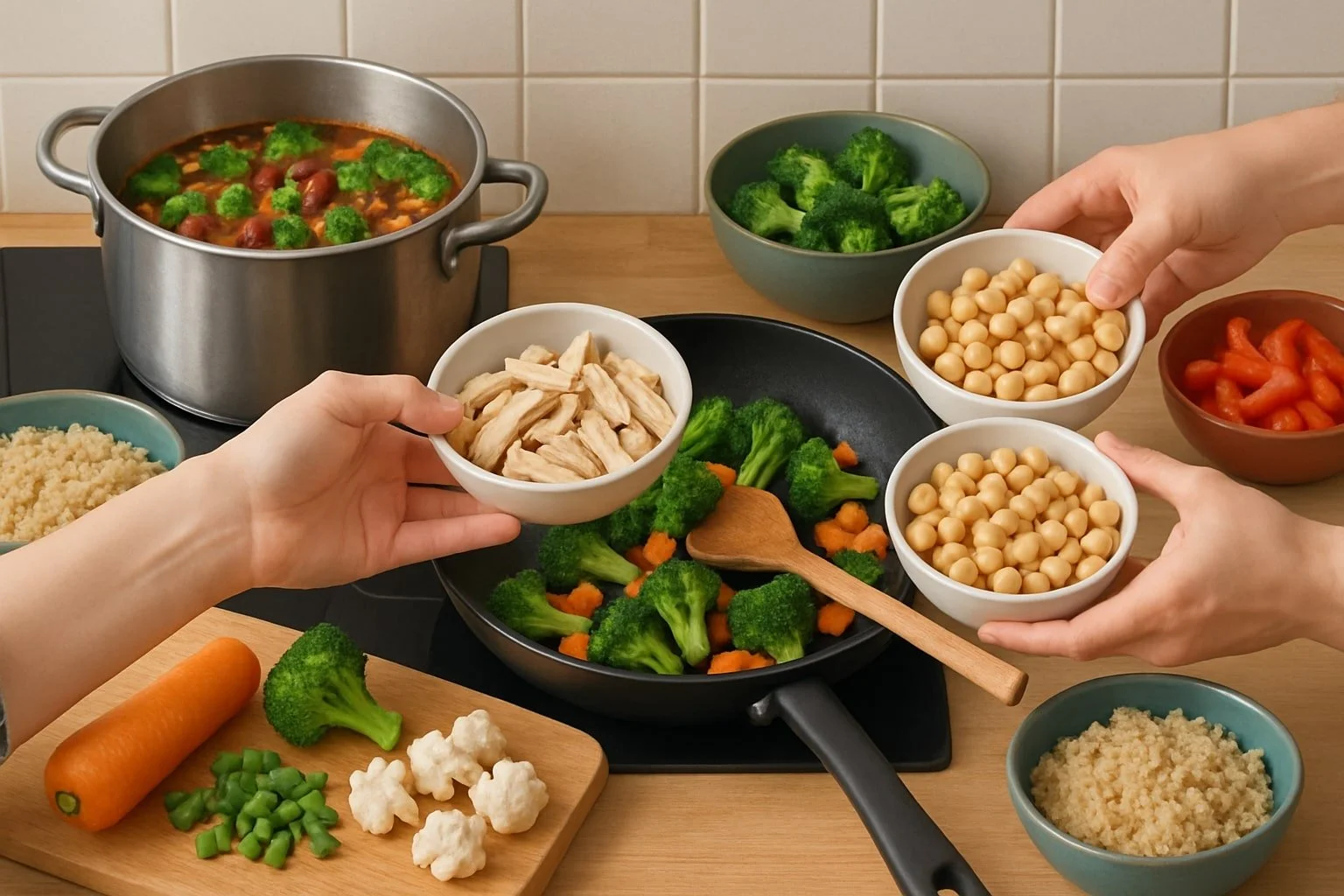
Batch cooking helps save time and ensures there are always healthy meals ready to go, but sometimes not every ingredient is available. Knowing how to substitute ingredients effectively allows cooks to stick with their plans without sacrificing flavor or texture. Making smart swaps can make large-scale meal prep less stressful and more flexible.
Whether someone is doubling up on soup, sauces, or casseroles, ingredient substitutions can keep the process smooth even when ingredients run out or dietary needs change. Reliable substitutions also help make use of what’s already in the pantry, reducing waste and extra trips to the store. Readers will find practical ideas and simple solutions to keep batch cooking straightforward and successful.
Understanding Ingredient Substitutions In Batch Cooking
When preparing large quantities of food, ingredient substitutions can help manage dietary restrictions, support personal preferences, and prevent waste. Knowing when and how to swap ingredients ensures the final dish is both practical and enjoyable for everyone.
Why Substitute Ingredients When Batch Cooking
Batch cooking often involves scaling up recipes, which can magnify the impact of specific ingredients. Sometimes, certain items are unavailable at the store or bulk-buying makes more sense for cost and efficiency. Swapping ingredients can help accommodate food allergies, such as using a dairy-free milk instead of cow’s milk for those who are lactose intolerant.
Ingredient substitutions play a significant role in reducing food waste. Using what’s on hand, like substituting spinach for kale, can prevent spoilage of perishable items. Adjustments can also address personal preferences—swapping brown rice for white or beans for meat enables customization without requiring multiple separate meals.
Dietary needs are easier to manage when ingredients are changed to suit low-sodium, gluten-free, or vegan diets. Substitutions make it possible to cook one large batch that meets everyone’s needs while keeping the process efficient.
Common Scenarios For Ingredient Swaps
A common scenario is running out of a primary ingredient, such as eggs in baked goods. In this case, flaxseed meal mixed with water or commercial egg replacers serve as effective alternatives. Allergies are another major concern—nut milks can replace cow’s milk for those with dairy intolerance, and sunflower seeds can stand in for nuts.
Cost and availability may also prompt substitutions. Bulk recipes often call for large quantities, so switching to more affordable or readily available items is practical. Spices and herbs are frequently swapped to reflect what is in the pantry, for example using oregano in place of thyme.
Personal tastes matter especially when cooking for groups. Some people prefer less spicy food or avoid certain meats, so adjusting seasonings or the protein source ensures broad appeal. Substitutions keep recipes flexible and prevent the need for duplicate preparations.
Assessing Recipe Flexibility
Not all recipes respond well to substitutions. In baking, ingredients often play specific chemical roles. For example, swapping baking powder for baking soda without adding acid can result in dense baked goods. Recipes like soups, stews, and casseroles are typically more forgiving; vegetables, grains, and proteins can be changed with minimal risk.
For batch cooking, it’s important to know which swaps maintain texture and taste. Grains such as quinoa, rice, or bulgur can usually replace each other, but dairy alternatives may alter the outcome of sauces or baked goods. Testing substitutions in smaller quantities before scaling up is recommended.
A table can help assess flexibility:
Recipe Type Flexible Substitutions Less Flexible Substitutions Soups/Stews Vegetables, Proteins, Grains Thickeners or leavening agents Baked Goods Fruits, Nuts Flour, Eggs, Leaveners Casseroles Vegetables, Proteins Binding ingredients
Understanding which ingredients serve which functions helps ensure that substitutions are successful, especially when cooking in large batches.
Best Practices For Successful Substitutions

When substituting ingredients in batch cooking, it is critical to consider both the structural and sensory impact. Careful selection of alternatives can maintain desired flavors, textures, and overall consistency while reducing food waste and ensuring proper portion control.
Matching Flavor Profiles And Textures
Matching flavors closely helps keep the final dish familiar and balanced. A substitute should be chosen based on similarity in taste, aroma, and intensity. For example, swapping honey for white sugar not only changes sweetness but also adds floral notes and affects browning.
Textures must also be considered. In baked goods, applesauce can replace oil for moisture, but the end result will be softer and denser. Careful attention to the moisture content and structure of substitutes like coconut milk for dairy or different flours for wheat is important to avoid undesirable changes.
It may help to taste as you go, especially when experimenting with spices, herbs, or acidic ingredients. Keeping a chart of commonly swapped pairs, like these, is useful:
Original Substitute Notes Brown Sugar White Sugar + Molasses Mix for similar flavor Heavy Cream Coconut Cream Thicker, coconut flavor Buttermilk Milk + Lemon Juice Comparable acidity
Portion Adjustments In Large Batches
Scaling substitutions for large quantities requires careful measurement. Small changes are amplified in batch cooking, which can affect consistency and flavor. When substituting, ensure replacements are adjusted by weight or volume to closely match the original quantities.
For potent flavors—like garlic or chili—reduce the amount when scaling up; flavors intensify as they increase. Consistency can be checked by dividing the batch and testing a portion with the substitute first.
It is also helpful to document your ratios and results for future reference. This minimizes errors and helps maintain consistency across multiple batches, which is especially important in settings like cafeterias or meal prep businesses.
Considering Cooking Times
Substitution can impact cooking times, especially when the substitute has different moisture or fat content. For example, using Greek yogurt instead of sour cream thickens sauces more quickly, while swapping dried beans for canned changes cooking duration significantly.
Keep an eye on temperature-sensitive substitutes. Nut-based milks might curdle at high heat, so gentle simmering is preferred.
When substituting proteins or starches, such as lentils for ground meat or quinoa for rice, adjust simmering or baking times based on the absorbency or density of the new ingredient. Using a checklist for timing adjustments helps avoid undercooking or overcooking, preserving texture and avoiding food waste.
Substitution Charts For Staple Ingredients
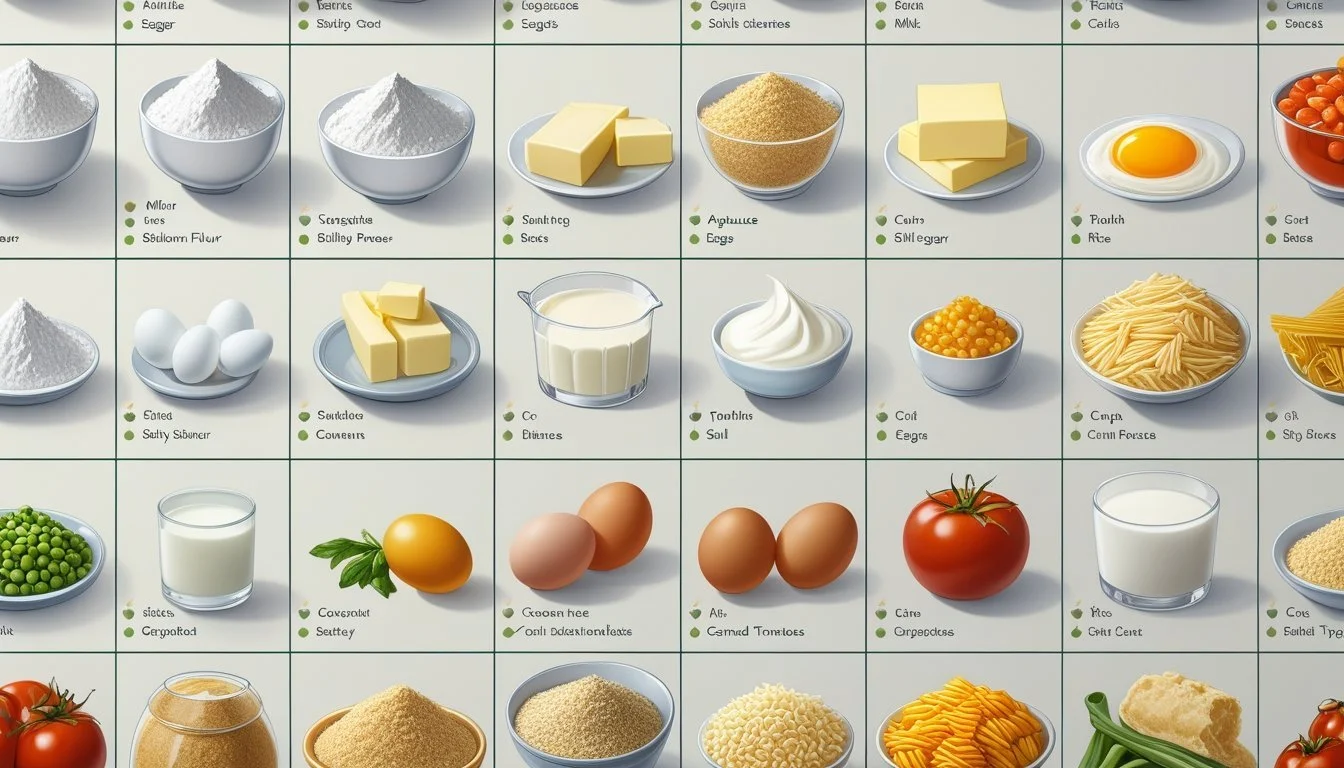
When batch cooking, ingredient shortages or dietary needs often make substitutions necessary. Reliable alternative options exist for most staple ingredients, so knowing these allows cooks to adapt recipes without sacrificing texture or flavor.
Dairy And Non-Dairy Alternatives
Cooking in bulk often requires large amounts of butter, milk, and cream. If dairy is unavailable or must be avoided, there are effective swaps for most uses.
Butter can be replaced in baking with equal amounts of vegan butter, margarine, or a blend of ¾ cup vegetable oil and ¼ cup water per cup of butter. For sautéing, olive oil or coconut oil can stand in.
For milk, use unsweetened plant milks such as soy, almond, or oat, substituting cup for cup. Evaporated milk may be replaced with a blend of half non-dairy milk and half plant-based cream or coconut milk.
Sour cream and yogurt can be swapped for plain Greek yogurt, non-dairy yogurt, or a mixture of silken tofu and lemon juice. Buttermilk can be made by adding 1 tablespoon of lemon juice or vinegar to 1 cup of plant milk or regular milk, letting it sit for 5 minutes.
Common Dairy Substitutes Table
Ingredient Substitute Butter Margarine, vegan butter, oil + water Sour Cream Greek yogurt, non-dairy yogurt, tofu blend Cream Coconut cream, cashew cream, soy cream Buttermilk Plant milk + vinegar/lemon juice Evaporated Milk Plant milk + plant cream, coconut milk
Egg Substitutes
Eggs serve as binders, leaveners, and moisture sources in many recipes. A single egg can be replaced in different ways depending on the dish.
For cakes and muffins: use 3 tablespoons of unsweetened applesauce or half a mashed banana with ½ teaspoon baking powder per egg.
Commercial powdered egg replacers (e.g., Ener-G) work well, following package instructions.
For savory dishes: blend 1 tablespoon ground flaxseed or chia seed with 3 tablespoons water until gelled.
Aquafaba (liquid from canned chickpeas) can be used as 3 tablespoons per egg, especially in meringues or baking.
Egg yolks can be mimicked with 1 tablespoon of mayonnaise per yolk, or a mix of silken tofu and a pinch of turmeric for color.
Common Egg Substitutes Table
Function Substitute Binding Flaxseed or chia egg, applesauce Leavening Baking powder with banana Enriching Silken tofu, mayonnaise
Flour Variations
Flour is a staple, but not all flours work the same way. It’s important to choose alternatives that maintain the structure and flavor of the original recipe.
All-purpose flour can be replaced with equal amounts of whole wheat flour for added fiber, though it may produce a denser result.
For gluten-free needs, blend rice flour, potato starch, and tapioca starch (in roughly 2:1:1 ratio) as an all-purpose replacement.
Oat flour or almond flour can substitute up to half of the wheat flour in cookies, pancakes, or muffins, adding flavor but requiring slightly less liquid.
Self-rising flour is easily made by combining 1 cup all-purpose flour, 1½ teaspoons baking powder, and ½ teaspoon salt.
Common Flour Substitutes List
1 cup all-purpose flour = 1 cup whole wheat flour
Self-rising: 1 cup all-purpose + 1½ tsp baking powder + ½ tsp salt
1 cup GF blend (rice/potato/tapioca) = 1 cup all-purpose
Sweetener Swaps
Sweeteners can be replaced to accommodate dietary needs or ingredient shortages without significantly changing the recipe’s outcome.
White sugar can be swapped with equal parts coconut sugar, light brown sugar, or raw cane sugar.
For liquid sweeteners, use honey, maple syrup, or agave at ¾ cup per 1 cup sugar, but reduce other liquids by 1–2 tablespoons to compensate.
Stevia and monk fruit are calorie-free alternatives but are much sweeter; follow package directions carefully.
Molasses can replace brown sugar at 1 tablespoon molasses + scant 1 cup white sugar for each cup of brown sugar needed.
Common Sweetener Swaps Table
Original Substitute Adjustment White sugar Brown sugar, coconut sugar 1:1 exchange White sugar Maple syrup, honey, agave ¾ cup per 1 cup; reduce liquids Brown sugar White sugar + molasses 1 cup + 1 tbsp molasses Sugar Stevia, monk fruit Follow label; reduce quantity
Baking-Specific Ingredient Swaps
Adapting to missing ingredients during batch baking can be simple with reliable substitutions. Understanding how common swaps impact structure, flavor, and texture helps avoid mistakes.
Leavening Agent Alternatives
Baking powder and baking soda are essential for rise and tenderness. If out of baking powder, use ¼ teaspoon baking soda and ½ teaspoon cream of tartar per teaspoon needed. For recipes requiring baking soda, 1 teaspoon baking soda can be replaced with 4 teaspoons baking powder, though results will be less pronounced.
For those without cream of tartar, lemon juice or white vinegar can activate baking soda. Substitute ½ tablespoon acidic liquid plus ¼ teaspoon baking soda for each teaspoon baking powder. Arrowroot and cornstarch are not leaveners but can be used to lighten texture or as thickeners in fillings.
Chocolate And Cocoa Substitutions
If baking chocolate or unsweetened chocolate runs out, substitute 3 tablespoons unsweetened cocoa powder plus 1 tablespoon of a neutral oil or melted butter for every ounce of baking chocolate. This combination maintains fat content and chocolate intensity.
Should only sweetened chocolate be available, reduce the sugar in the recipe to adjust for added sweetness. When out of cocoa powder, melted chocolate can be used: substitute 1 ounce melted unsweetened chocolate for 3 tablespoons cocoa, and reduce fat by 1 tablespoon to maintain consistency.
All-purpose flour can sometimes replace small amounts of cocoa for color in a pinch, but this will dilute chocolate flavor. A table might help:
Ingredient Out Substitute Adjustments 1 oz baking chocolate 3 tbsp cocoa + 1 tbsp fat N/A 3 tbsp cocoa 1 oz melted chocolate -1 tbsp fat from recipe
Binders And Moisture Adjustments
Eggs add structure, bind, and help retain moisture. Substitute 1 egg with ¼ cup unsweetened applesauce, ½ mashed banana, or ¼ cup Greek yogurt in cakes and muffins for similar binding. Commercial replacers or a “flax egg” (1 tbsp ground flaxseed + 3 tbsp water) work for most quick breads, though some texture changes may occur.
For recipes needing egg whites (meringues), use aquafaba (liquid from canned chickpeas); 3 tablespoons equals 1 egg white. For richness, yolks might be replaced with extra butter or a tablespoon of oil.
To replace buttermilk in items like buttermilk biscuits, mix 1 tablespoon lemon juice or vinegar with enough milk to make 1 cup, let stand for five minutes, and use as directed. For a non-dairy option, blend plant milk with a little acid. Cornstarch can add tenderness to cookies or cakes when eggs are missing, though in moderation.
Spice, Herb, And Flavor Additions

Efficient batch cooking often means reaching for substitute ingredients. Knowing how to properly swap spices, herbs, or liquid flavorings keeps dishes consistent, even when the pantry is running low.
Herb And Spice Substitutions
Not all spice swaps have the same impact. Some, like allspice for cinnamon (using ½ teaspoon allspice for 1 teaspoon cinnamon), are stronger and should be added gradually. When replacing ginger, ground ginger can stand in for fresh, but use only about a quarter of the quantity.
Common dried herb substitutions include:
Fresh Herb Substitute Options Dill Fennel fronds or tarragon Chives Green onions or shallots Garlic Garlic powder or garlic salt*
*For garlic salt, decrease added salt in the recipe.
Blends like pumpkin pie spice and apple pie spice can replace individual spices in desserts. Start with a small amount, then adjust to taste to avoid overpowering the dish.
Vanilla, Syrups, And Other Flavorings
Regular vanilla extract can be swapped for imitation vanilla in equal amounts, but check labels for any allergens. When out of maple syrup, corn syrup or honey may work, but corn syrup is less sweet and lacks the distinct maple flavor.
For sweet and savory sauces, chili sauce substitutes include sriracha or a mix of ketchup with a pinch of cayenne. Syrups can be interchanged based on thickness and sweetness—molasses, for example, brings a deeper flavor but is more robust than corn syrup.
Measure syrup substitutes carefully to maintain the desired consistency. For recipes with multiple liquid sweeteners, adjust the other sweet ingredients to keep balance.
Swapping Out Grains, Breads, And Thickeners

Batch cooking often requires flexibility with ingredients, especially when catering to dietary needs or managing pantry supplies. Swapping grains, breads, or thickeners can help maintain texture, flavor, and structure in large recipes while addressing food preferences or allergies.
Alternative Flours And Corn Products
All-purpose flour is common in many batch recipes, but substitutions such as whole wheat flour, oat flour, or almond flour can boost fiber or protein. When swapping, use a one-to-one ratio for most wheat-based flours, but note that moisture and density may differ.
Cornmeal and masa harina are useful substitutes for flour in some batters, muffins, and breading. They bring a distinct flavor and work well in recipes like cornbread or tortillas.
Corn products like cornstarch are often used for thickening, but can also replace small amounts of flour in sauces or puddings. Blending flours, such as mixing cornmeal with wheat flour, balances flavor and texture in large amounts.
Bread And Crumb Options
Fresh bread, panko, and cracker crumbs all act as binders or toppings in batch dishes like casseroles and meatloaf. For a crisp texture, use panko crumbs or crushed crackers. Cracker crumbs, including saltines or matzo, offer a neutral taste that absorbs moisture well.
When breadcrumbs are unavailable, rolled oats or crushed cereal can substitute in meat mixtures or toppings. Swap equal amounts by weight, though flavor and texture may change slightly. For gluten-free needs, use gluten-free bread crumbs or crushed gluten-free crackers.
Homemade bread crumbs can be made by toasting and pulsing bread slices. Choose whole grain or white bread to suit recipe requirements.
Thickening Agents
Common thickeners include cornstarch, arrowroot, and all-purpose flour. Each provides a different texture and clarity to sauces and soups.
Cornstarch: Thickens quickly and results in a glossy finish. Stir with cold liquid before adding to hot mixtures to prevent lumps. Use about 1 tablespoon per cup of liquid.
Arrowroot: A good substitute for cornstarch, especially in acidic or frozen dishes. It creates a clear gel and leaves no taste. Use in the same quantity as cornstarch.
All-purpose flour: Thickens more gradually and yields a cloudy appearance. For each cup of liquid, use 2 tablespoons flour mixed into a roux or slurry.
For gluten-free dishes, choose cornstarch or arrowroot over wheat flour. Adjust amounts based on desired thickness.
Broths, Liquids, And Dairy Cream Substitutions
Ingredient swaps are often necessary when batch cooking, especially for broths, creams, and various dairy products. Knowing reliable alternatives saves time and helps maintain flavor and texture without sacrificing dietary needs or personal preferences.
Using Broths And Stocks For Flavor
Broth and stock are key for building base flavors in soups, stews, and sauces. When out of broth, water can be used, but the end result will be milder unless extra seasoning is added.
A simple substitution chart is helpful:
If out of... Substitute with... Broth Water + bouillon cube or a tsp of miso Stock Water + added herbs, vegetables, or spices
For vegetarian or vegan needs, vegetable broth replaces chicken or beef broth without dramatically altering most recipes. Always taste and adjust salt, as broths can vary in sodium.
Coconut Milk And Cream Swaps
Coconut milk and coconut cream are common non-dairy options for creamy dishes. They vary in richness and sweetness—coconut cream has more fat and is less watery, while coconut milk is lighter but can add a slight coconut flavor.
If coconut milk is unavailable, consider the following simple swaps:
For coconut milk: Use soy or oat milk with a splash of neutral oil for added body.
For coconut cream: Blend cashews with water until smooth or use non-dairy creamer for a similar texture.
Be mindful of sweetness—use unsweetened alternatives to avoid unwanted flavors in savory dishes.
Evaporated, Heavy, And Sour Cream Alternatives
Heavy cream can be swapped with a mixture of 3/4 cup milk and 1/4 cup melted butter to mimic the richness. For a thicker, non-dairy result, blend soaked cashews with water or use silken tofu blended until smooth.
Evaporated milk is replaced by simmering regular milk to reduce and concentrate flavors. Plant-based evaporated milk substitutes include simmered soy or oat milk.
Sour cream is easily replaced with plain Greek yogurt or blended silken tofu mixed with lemon juice for acidity. Dairy-free versions can be made from soaked cashews, blended with lemon juice and a splash of vinegar for tang. Always adjust acidity levels to taste.
Addressing Dietary Restrictions And Food Allergies
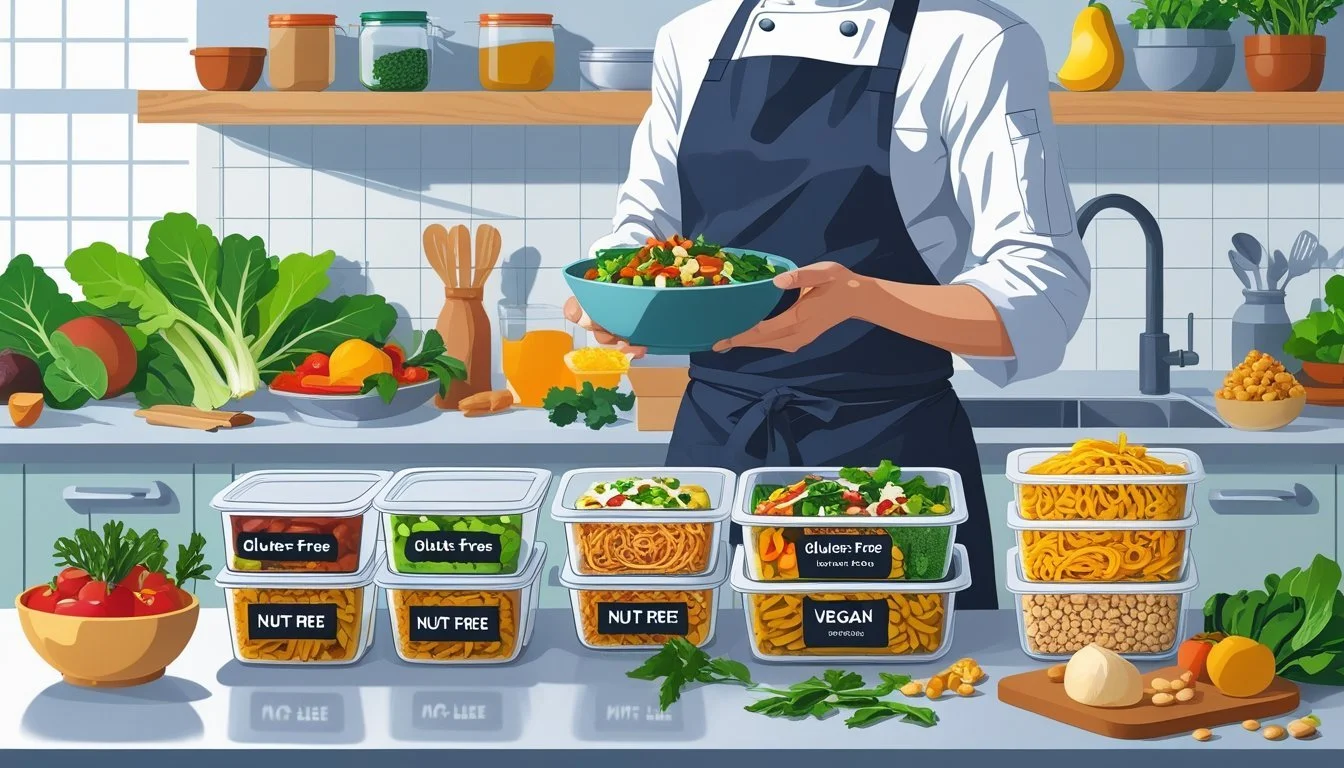
Batch cooking for groups often involves accommodating dietary restrictions and food allergies. Choosing safe, reliable substitutes can ensure that every dish is inclusive and palatable.
Gluten-Free And Allergy-Friendly Swaps
Food allergies and gluten intolerance require careful ingredient selection and label checking. When replacing wheat flour, options such as rice flour, almond flour, or certified gluten-free oat flour can work well in baked recipes and batters. For thickening sauces, cornstarch or arrowroot are often safe alternatives.
Dairy allergies call for replacing milk or cream with non-dairy beverages like oat milk or soy milk. Cheese can be substituted with products made from coconut oil or cashews. For nut allergies, use seeds such as sunflower seed butter rather than peanut or almond butters.
Below is a quick reference table for common substitutions:
Ingredient Substitute Best For Wheat flour Rice flour Baking, breading Milk Oat or soy milk Cooking, baking, sauces Butter Olive or canola oil Sautéing, baking Cheese Plant-based cheese Pizza, casseroles, sauces Peanuts/Nuts Sunflower seed butter Spreads, desserts
Always check labels for possible cross-contamination and consider individual allergy needs before preparing food.
Plant-Based And Vegan Alternatives
Plant-based and vegan cooking eliminates animal-derived ingredients, relying on a variety of plant-based alternatives for protein and texture. For meat, popular swaps include tofu, tempeh, legumes, or pre-made meat alternatives like lentil loaf or chickpea patties.
Non-dairy alternatives for milk include almond, soy, coconut, and oat milks. Vegan cheeses made from cashews, potatoes, or nutritional yeast can replace traditional cheese in many dishes.
Baking without eggs often uses chia or flaxseed “eggs” (1 tbsp flaxseed meal or chia seeds + 2.5 tbsp water per egg), mashed banana, or applesauce—each helping to bind or add moisture. For creamy sauces, blended cashews or silken tofu offer texture without dairy.
These swaps help maintain taste and structure in batch recipes while meeting plant-based dietary preferences.

