
Using Freeze-Dried Ingredients to Replace Fresh Ones
Benefits and Practical Tips
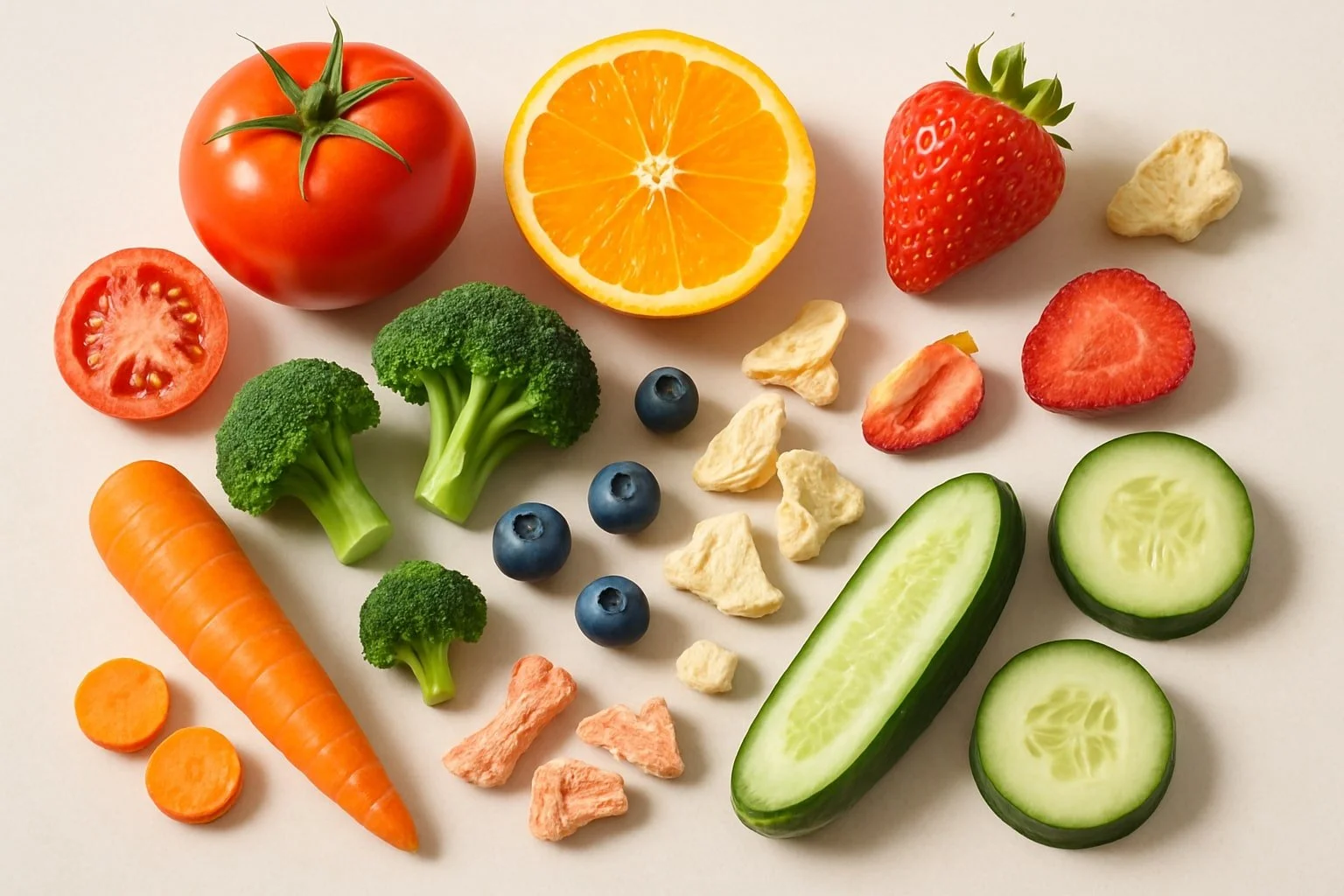
Freeze-dried ingredients can be used as direct replacements for many fresh foods in everyday cooking, offering long shelf life and convenience without major sacrifices in flavor or nutrition. From fruits and vegetables to cheese and herbs, these pantry staples rehydrate quickly and blend seamlessly into recipes when moisture is added.
For those looking to stretch their grocery budget, reduce food waste, or plan for emergencies, freeze-dried foods are practical solutions. They’re easy to measure and store, making meal prep or last-minute dinners simple. Whether tossed into baked goods, stirred into hot dishes, or rehydrated as toppings, freeze-dried ingredients bring flexibility and reliability to the kitchen.
What Are Freeze-Dried Ingredients?
Freeze-dried ingredients are foods that have gone through a process that removes almost all moisture while preserving texture, shape, and nutrition. These foods are lightweight, have a long shelf life, and rehydrate quickly, making them practical substitutes for fresh or other preserved foods.
Understanding Freeze-Drying
Freeze-drying, also called lyophilization, uses low temperatures and a vacuum to eliminate water from food. The process begins by freezing the ingredients and then gradually reducing the surrounding pressure. This allows ice within the food to turn directly to vapor through a process called sublimation.
Unlike heat-based methods, freeze-drying preserves taste, aroma, structure, and nutrients. The resulting freeze-dried foods remain shelf-stable and can be stored in airtight packaging for years. Because most of the cell structure is left intact, freeze-dried ingredients rehydrate fast and retain qualities close to their original state.
Common examples of freeze-dried foods include fruits like strawberries and bananas, vegetables, dairy, meats, and even entire meals. Their conveniences make them popular in camping, emergency preparedness, and home kitchens.
Difference Between Freeze-Dried and Dehydrated Ingredients
Freeze-dried and dehydrated ingredients both remove water but use different methods and yield different results. Dehydration uses heat and airflow to evaporate moisture from food, often shrinking or toughening it. Nutrient and flavor loss is more common in dehydrated items due to exposure to heat.
Below is a comparison table:
Feature Freeze-Dried Dehydrated Process Sublimation (low temp., vacuum) Evaporation (heat, airflow) Texture After Drying Light, airy, maintains shape Chewy, dense, may shrink Nutrient retention High Moderate to low Rehydration Quick and complete Slower, often partial
While both methods offer extended shelf life, freeze-dried ingredients tend to taste fresher, look more appealing, and retain more nutrients compared to their dehydrated counterparts. These factors make freeze-dried foods a favored substitute when replacing fresh ingredients.
Comparing Freeze-Dried and Fresh Ingredients
Freeze-dried and fresh ingredients each offer practical advantages in the kitchen. Their differences in nutrition, flavor, and storage impact how they perform in recipes.
Nutritional Value and Potency
Freeze-dried ingredients retain nearly all their original nutrients because the process removes water but leaves most vitamins and minerals intact. Compared to dehydrated or canned options, freeze-drying preserves up to 97% of the food’s nutritional content. This means that freeze-dried vegetables and fruits often have similar vitamin and mineral levels compared to their fresh counterparts.
Fresh ingredients may lose nutrients faster in storage due to oxidation and spoilage. In contrast, freeze-dried items remain shelf-stable for months or even years without refrigeration. For herbs, the potency of dried varieties—especially freeze-dried—can sometimes surpass fresh, since flavors and nutrients are concentrated once water is removed.
For home cooks who want convenience and reduced waste, freeze-dried options provide a reliable way to maintain nutrient intake even when fresh produce is unavailable or out of season.
Flavor Profiles
The flavor of freeze-dried ingredients is generally intense since removing water concentrates natural flavors. When rehydrated, many freeze-dried foods retain a taste and aroma remarkably close to fresh. This makes freeze-dried herbs and spices effective substitutes for fresh, offering a longer-lasting option with minimal compromise on taste.
However, certain textures, such as crispness or juiciness, are difficult to replicate. For garnishes or recipes where texture is crucial, fresh ingredients could be preferable. Freeze-dried herbs, for example, can deliver pronounced flavor in soups and sauces, but may not offer the same vibrancy in salads.
For best results, cooks often use a conversion rule: use about one-third as much freeze-dried herb as fresh, since potency is higher once moisture is removed. This helps prevent over-seasoning and achieves balanced flavor in recipes.
How to Substitute Freeze-Dried for Fresh Ingredients
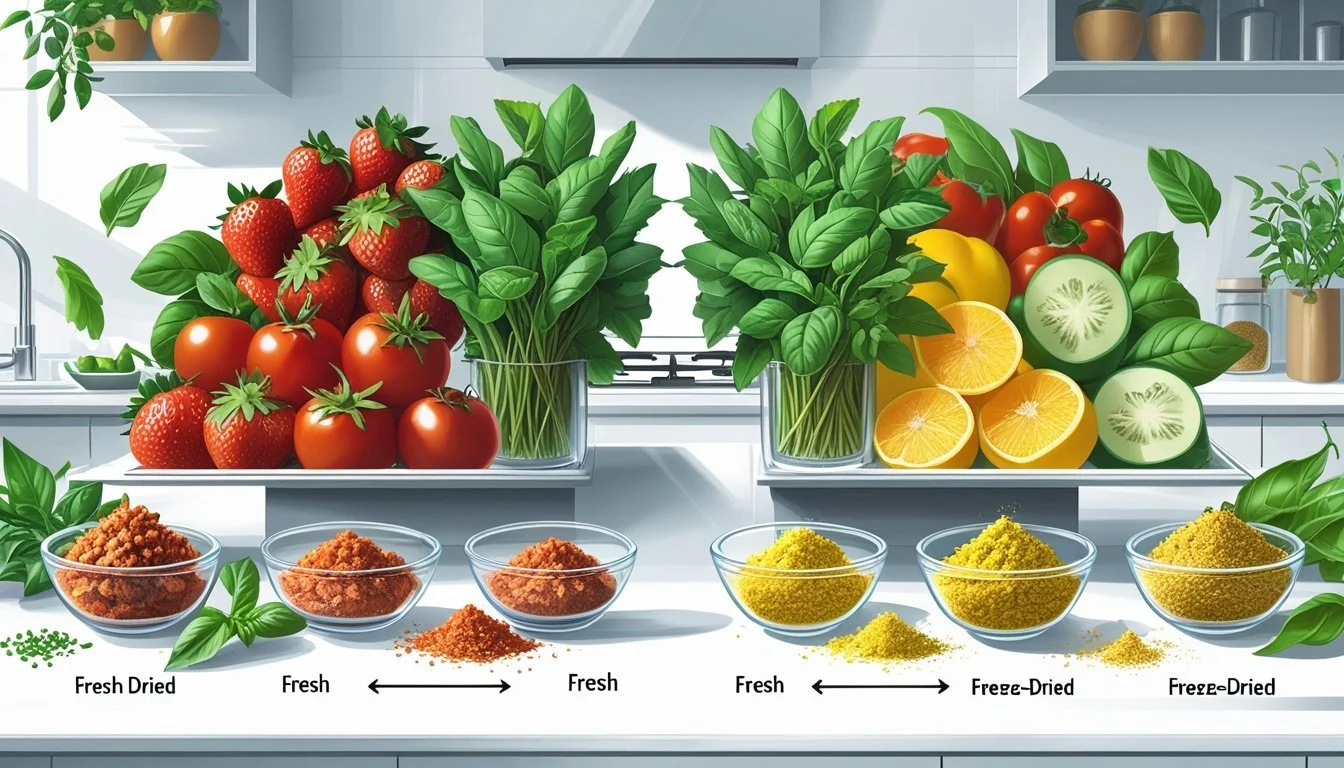
Replacing fresh ingredients with freeze-dried ones requires understanding proper ratios and knowing how best to rehydrate each item. The process is straightforward but depends on the type of ingredient, such as herbs, fruits, or vegetables.
General Guidelines for Substitution
When using freeze-dried ingredients as substitutes, pay attention to conversion ratios. For herbs, a common rule is:
Fresh Freeze-Dried 1 tablespoon 1 tablespoon For most freeze-dried herbs, use the same volume as fresh, but check packaging for any variations.
With vegetables and fruits, freeze-dried items typically weigh less and are more concentrated in flavor. Substitute by weight if possible, or start with half the amount of freeze-dried and adjust to taste.
Freeze-dried ingredients can often be added directly to soups or stews. For toppings or standalone use, rehydrating is best to achieve a fresher texture.
Rehydration Tips and Methods
For most freeze-dried ingredients, add just enough water to cover them and let sit for 5–10 minutes. Drain excess water before use.
To rehydrate freeze-dried herbs, use a small amount of warm water and allow them to absorb for a few minutes. Whole vegetables or fruits may need more water and time.
When incorporating into dishes like sauces or scrambled eggs, add freeze-dried ingredients directly; they will rehydrate during cooking.
Always follow package directions if available, as some brands may require different amounts of water.
If the texture is critical, such as for salads or toppings, rehydrate thoroughly and pat dry. For flavoring or mixing, partial hydration or no hydration is sometimes sufficient.
Freeze-Dried Fruits: Uses and Benefits
Freeze-dried fruits are versatile substitutes for fresh and dried fruit in both cooking and baking. They provide concentrated flavor, long shelf life, and convenience without added sugars or preservatives.
Best Freeze-Dried Fruits for Cooking and Baking
Freeze-dried strawberries stand out for their vibrant color and intense taste. Other popular options include raspberries, blueberries, apples, peaches, and bananas. These fruits maintain much of their original shape and flavor when freeze-dried, making them ideal for recipes where texture matters.
A key advantage is that freeze-dried fruits contain almost no water. This means they will not alter the consistency of batters or doughs, unlike fresh or even traditional dried fruits. They can be ground into a fine powder for flavoring frostings, whipped cream, or icings.
Because they are shelf-stable and lightweight, freeze-dried fruits are easy to store and measure. Most varieties do not include added sugars, so recipes remain balanced in taste. Their consistency makes them useful in baked goods, confections, and snacks.
Popular Recipes Featuring Freeze-Dried Fruit
Freeze-dried fruits are commonly used in granola bars, trail mix, and chocolate bark. Their crisp texture and tartness add contrast and flavor, especially when mixed with nuts or dark chocolate.
Bakers often fold freeze-dried berries into muffins, scones, or cakes. Ground into powder, freeze-dried fruits give buttercream and yogurt bowls natural color and fruit flavor. For a decorative and tasty topping, freeze-dried strawberries or raspberries are sprinkled on oatmeal or smoothie bowls.
In savory applications, freeze-dried fruits can be rehydrated and added to salads for a sweet note. Trail mix often features pieces of freeze-dried apples or bananas paired with dried fruits and seeds.
Sample Uses:
Chocolate bark with mixed freeze-dried fruits
Homemade trail mix with nuts and freeze-dried bananas
Strawberry icing using powdered freeze-dried strawberries
Cooking with Freeze-Dried Vegetables and Herbs
Freeze-dried vegetables and herbs offer convenient options for replacing fresh ingredients in many dishes. Understanding how to use them maintains flavor and nutrition while simplifying preparation.
Incorporating Freeze-Dried Vegetables into Meals
Freeze-dried vegetables retain much of their original color, flavor, and nutrients. They can be rehydrated quickly with water or broth, making them suitable for soups, stews, casseroles, and pasta dishes.
A typical ratio is 1/2 to 1/3 cup of freeze-dried vegetables to equal 1 cup of fresh when rehydrated. Many freeze-dried vegetables work well in recipes that have some liquid for absorption, such as chili and risotto.
For salads and as toppings, vegetables like corn, peas, and bell peppers can be sprinkled directly without rehydrating. Stir freeze-dried veggies into omelets or grain bowls for added texture and nutrition.
Fresh Vegetable Amount Freeze-Dried Needed Use Without Rehydrating? Bell Pepper 1/3 cup Yes (topping, garnish) Green Peas 1/2 cup Yes (salad, snack) Spinach 1/3 cup No (rehydrate for best results)
Using Freeze-Dried Herbs Effectively
Dried herbs, including oregano, thyme, basil, and parsley, have a more concentrated flavor than their fresh counterparts. It is recommended to start with about one-third the quantity of freeze-dried herbs when a recipe calls for fresh.
Most freeze-dried herbs can be added directly to dishes during cooking, allowing their flavors to infuse. For cold applications like guacamole or as a salad topping, allowing the herbs to rehydrate slightly in the dish improves texture.
Cilantro, sage, dried oregano, and dried rosemary can all substitute for fresh in marinades, sauces, or rubs. Taste and adjust, as the strength can vary with each batch. Proper use enhances both flavor and aroma while providing shelf stability.
Freeze-Dried Meats and Proteins
Freeze-dried meats deliver real animal protein with long shelf life and easy storage. They can effectively replace fresh meat in many dishes, while plant-based proteins like beans and lentils remain popular alternatives for those seeking variety or specific dietary needs.
Rehydrating and Cooking with Freeze-Dried Meats
Freeze-dried meats, like ground beef, diced chicken, or pork sausage, need to be rehydrated before use in most recipes. The process is simple: add them to hot water for 5-10 minutes, or simmer in sauces and soups until the texture returns to normal.
Use the following as a general guideline:
Freeze-Dried Meat Water Needed Soak Time Ground Beef 1:1 8-10 min Diced Chicken 1:1 10-15 min Pork Sausage 1:1 8-10 min
Proper rehydration helps restore mouthfeel and moisture. For meals like tacos or pasta, rehydrated ground beef blends in seamlessly. Using freeze-dried meat directly in recipes with enough liquid—like chili or stew—lets it rehydrate during cooking for best results.
Protein Options and Meal Applications
Meal planners can choose from a variety of freeze-dried meat products, including beef, chicken, and pork sausage. These proteins can replace fresh meats in casseroles, stir-fries, and more. Their light weight and extended shelf life make them ideal for hiking, camping, or emergency pantries.
Freeze-dried meats work well alongside plant proteins such as dried beans or lentils. Combining ground beef with beans in chili improves both flavor and nutrition. Lentils and beans can also be paired with smaller amounts of freeze-dried meat to stretch servings and meet protein needs.
Convenient packaging sizes—from small pouches to bulk cans—allow users to portion out exactly what they need. This flexibility helps reduce waste and means meals can be tailored to family size or a single serving.
Creative Ways to Use Freeze-Dried Ingredients in Recipes
Freeze-dried foods are a practical way to improve the flexibility and convenience of meal preparation. They can add concentrated flavor, vibrant color, and long shelf life to many popular recipes.
Ideas for Pasta, Rice, and Bean Dishes
Freeze-dried vegetables, meats, and even cheeses are ideal for quick pasta, rice, and bean meals. They rehydrate rapidly when cooked, and they don’t require chopping or advance preparation.
Examples of use:
Add freeze-dried peas and carrots to a risotto or fried rice.
Toss freeze-dried bell peppers and chicken into a one-pot pasta for added protein and color.
For chili or bean soups, include freeze-dried corn, onions, and tomatoes.
Freeze-dried cheese is especially convenient in mac and cheese, risottos, and bean casseroles, offering creaminess without refrigeration. These ingredients are lightweight and easy to measure, helping streamline meal prep for busy weeknights or camping trips.
Flavorful Sauces, Toppings, and Mixes
Powdered freeze-dried foods can elevate sauces and toppings with intense flavor and color. Freeze-dried garlic, onions, and herbs are easily blended into pasta sauces or salad dressings.
Popular combinations include:
Grinding freeze-dried mushrooms into a powder for a rich, umami boost in pasta sauce.
Mixing crushed freeze-dried fruit into vinaigrettes or yogurt-based dips for sweetness and tang.
Sprinkling ground freeze-dried vegetables over casseroles and baked rice for extra flavor and crunch.
Freeze-dried powders also work well in homemade spice rubs for beans and grains. With long shelf stability, they make meal prep efficient while reducing waste from unused fresh ingredients.
Pantry Planning with Freeze-Dried Foods
Freeze-dried ingredients offer significant benefits for both everyday meal planning and emergency situations. Their extended shelf life, compact storage, and quick rehydration make them a practical addition to the pantry of any household.
Long-Term Storage and Shelf Life
Freeze-dried foods are valued for their long shelf life, often lasting up to 25 years when packaged and stored correctly. Proper storage involves airtight containers, such as mylar bags with oxygen absorbers, and keeping items in a cool, dark, and dry environment.
Airtight packaging prevents moisture and oxygen from degrading the food. This helps preserve both nutrients and flavor. Clearly labeling containers with dates and contents allows for easy rotation and inventory management.
Freeze-dried options include a wide variety of foods:
Category Examples Vegetables Peas, bell peppers, onions Fruits Strawberries, apples, bananas Proteins Chicken, beef, eggs Dairy Cheese, yogurt
Using these shelf-stable foods reduces waste and provides flexibility in meal planning.
Emergency Preparedness and Convenience
Freeze-dried foods play an important role in emergency preparedness. They require no refrigeration and only minimal water for rehydration. In power outages or natural disasters, these foods continue to deliver nutrition and variety.
Meal planning is also simplified with freeze-dried ingredients. With everything from full meals to individual items available, it’s possible to prepare balanced meals quickly just by adding water and basic seasonings.
For those in urban settings, freeze-dried foods offer a compact way to stockpile essentials. This approach ensures families are ready for disruptions, from supply chain issues to unplanned busy weeks, without relying on perishable food.
Seasonings and Spice Substitutions
Switching from fresh to freeze-dried or powdered seasonings can change cooking times and flavor intensity. Ratios, storage, and application methods also affect overall quality and taste in dishes.
How to Replace Fresh with Powdered Options
The potency of powdered seasonings is noticeably stronger than fresh. Usually, 1 tablespoon fresh equals 1 teaspoon dried or powdered. For garlic powder and onion powder, start with small amounts and adjust as needed—¼ teaspoon of powder can replace 1 clove of fresh garlic or 1 tablespoon of chopped onion.
Ground ginger is more concentrated than fresh. Use ¼ teaspoon ground ginger for every 1 tablespoon fresh ginger called for in a recipe. Always add powders earlier in the cooking process to allow flavors to develop fully and blend into the dish.
Proper mixing is key: whisk powders into liquids or sprinkle evenly to prevent clumping. For dressings, sauces, or soups, dissolve dry seasonings before adding to a recipe for best results.
Best Practices for Herbs and Spices
Store freeze-dried herbs and spices in cool, dark places to maintain potency. Label containers with purchase dates for freshness, and avoid exposing opened jars to moisture. The 3:1 ratio (fresh to dried) works for most herbs like basil, oregano, or dill, but taste and adjust, especially with delicate herbs.
For powdered garlic, onion, or ground ginger, avoid over-seasoning. Add gradually, tasting as you go. Keep a conversion chart on hand for quick reference:
Fresh (1 tbsp) Dried (1 tsp) Powdered (¼ tsp) Garlic Garlic flakes Garlic powder Onion Onion flakes Onion powder Ginger Ginger chips Ground ginger
Certain applications, like garnishes or cold dishes, may lose flavor or texture by substituting freeze-dried powders, so use fresh when brightness matters. Always blend dried seasonings early when simmering or baking to maximize their effectiveness.

