
Ingredient Availability and Global Substitution Networks
Navigating Supply Chain Adaptations

Ingredient availability directly shapes what people can cook and eat, but modern technology now enables creative solutions through global substitution networks. As supply chains face disruption or as dietary needs shift, the ability to find reliable ingredient alternatives ensures food remains accessible and adaptable. Researchers and developers are leveraging advanced methods, such as graph neural networks and ingredient mapping, to automatically suggest substitutes based on nutrition, flavor, and cultural context.
Connecting recipes and food products worldwide, these networks not only help address shortages but also empower cooks to accommodate allergies and dietary restrictions. As substitution systems expand, they are increasingly capable of recommending suitable replacements that maintain the desired taste and nutrition of dishes. This evolving landscape is changing how both home cooks and the food industry respond to shifting ingredient availability on a global scale.
Understanding Ingredient Availability
Ingredient availability is driven by global distribution routes, supply chain infrastructure, and a complex mix of economic and regional pressures. Fluctuations in supply, pricing, and food security depend heavily on these key factors.
Global Distribution Patterns
Global ingredient distribution follows established trade routes that connect raw materials from specific regions to processing centers and manufacturers. For instance, soybeans are concentrated in the Americas, while spices like cinnamon are heavily produced in South Asia. These geographic concentrations make certain ingredients vulnerable to disruption.
Trade agreements, tariffs, and transportation modes have a direct impact on availability. Delays at major ports or changes in export regulations can lead to sudden supply shortages or price spikes. Natural events such as droughts or floods often reduce yields at the source, further straining distribution.
Companies increasingly use alternative sourcing strategies, building networks that diversify supply across multiple regions. This reduces risk but requires careful monitoring of new supply chain links to maintain ingredient quality and regulatory compliance.
Supply Chain Dynamics
Ingredient supply chains are multi-layered and depend on reliable relationships between producers, suppliers, processors, and end brands. Unexpected disruptions—ranging from geopolitical tensions to transportation strikes—can break these links and halt ingredient flow.
Table: Typical Ingredient Supply Chain Stages
Stage Common Risks Impact on Availability Farming Weather, disease Shortages, price rises Processing Equipment failure, labor Delays, quality issues Transport Shipping, customs Delivery lags, losses Distribution Storage, logistics Spoilage, waste
Forecasting tools, strong supplier relationships, and ongoing risk assessments are used to anticipate and respond to such disruptions. Companies may also maintain safety stocks or engage in spot buying to address short-term shortages.
Economic and Regional Factors
Ingredient availability is highly sensitive to local economics and regional policies. Exchange rates impact import costs, while regional inflation and interest rates influence working capital for buyers and producers. Political stability and regulatory environments can alter access to certain ingredients almost overnight.
Pricing is also affected by demand shifts in growing economies. For example, rising middle-class populations in Asia have increased demand for dairy and protein, placing pressure on global supplies. In areas of conflict or sanctions, entire segments of the food and ingredient trade can be isolated, affecting global food security.
Some regions offer seasonal advantages or specialty crops unavailable elsewhere, but reliance on a few suppliers can introduce significant risk. Diversification and close monitoring of regional developments are essential to stabilize pricing and ensure steady ingredient flows.
Principles of Ingredient Substitution
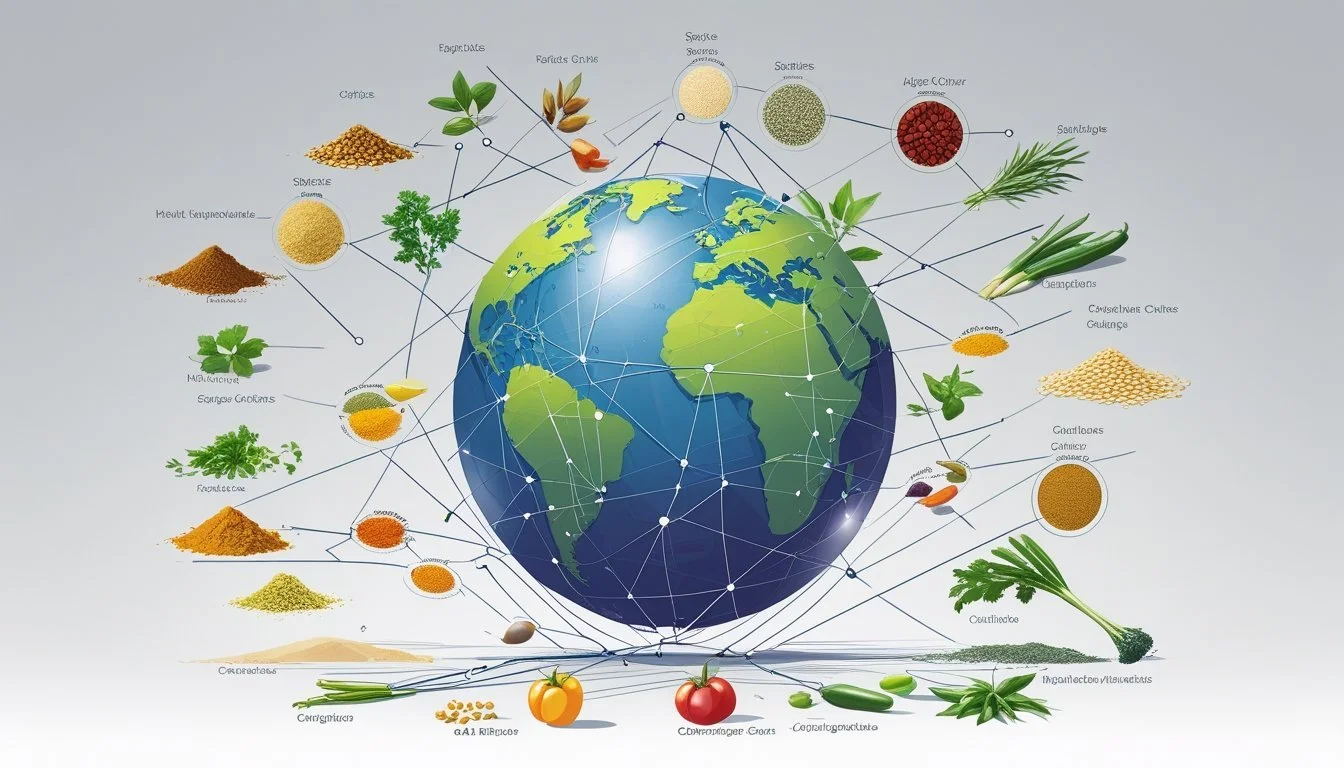
Ingredient substitution relies on finding suitable alternatives when ingredients are unavailable, costly, or restricted due to dietary needs. Effective substitution considers factors such as chemical properties, cooking function, sensory attributes, and compatibility with the overall recipe.
Ingredient Substitution Fundamentals
Ingredient substitution involves replacing a specific component in a recipe with another that fulfills a similar culinary function. Substitutions are often used to address availability issues, cost concerns, or health motivations.
For successful substitution, it is essential to understand the role an ingredient plays—whether as a thickener, leavening agent, binder, or source of flavor. Replacing wheat flour with almond flour, for example, presents differences in absorption and structure that must be accounted for during recipe modification.
A well-chosen substitution maintains the overall quality and integrity of the dish. Users often consult curated lists or substitution guides to identify reliable options, especially for common allergens or staple items.
Similarity Metrics and Substitutability Heuristics
Assessing substitutability requires measurable criteria. Similarity metrics are used to compare ingredients based on factors such as nutritional profile, chemical makeup, and culinary purpose.
Substitutability heuristics streamline decision-making by ranking possible replacements according to compatibility. Systems like knowledge graphs can analyze ingredient relationships and historical recipe data. For instance, datasets of verified substitutions and user reviews support the identification of proven alternatives.
A table can illustrate how metrics are applied:
Metric Example Use Nutrient similarity Swap whole milk with soy milk Functional equivalence Replace yeast with baking powder Allergen avoidance Use flaxseed instead of egg
Dietary Restrictions and Constraints
Dietary restrictions play a central role in ingredient substitution due to health, ethical, or cultural reasons. Common constraints include gluten-free, dairy-free, vegetarian, vegan, nut-free, and low-sodium diets.
Substitutions for allergens (e.g., peanuts, eggs, milk) require careful attention, as cross-reactivity and hidden sources can pose risks. Modifications also support religious diets and medical needs, such as diabetes.
Successful substitution respects both the restriction and the desired outcome. For example, oat milk can stand in for dairy milk in baking, while aquafaba, the brine from canned chickpeas, is frequently used as an egg substitute for vegans and individuals with egg allergies.
Flavor and Texture Matching
Flavor profile and texture are crucial for a satisfying substitution. Exact matches are rare, but replacements should approximate sweetness, acidity, bitterness, or umami, as well as mouthfeel and structure.
Texture can be affected by fat content, moisture, and elasticity. For example, substituting coconut cream for heavy cream preserves creaminess, while swapping zucchini for pasta in lasagna offers a different but compatible mouthfeel.
Flavor compatibility lists and sensory analysis tools help identify the closest matches. When substituting ingredients, it is important to consider both the immediate taste and how flavors develop during cooking or baking.
Global Ingredient Substitution Networks
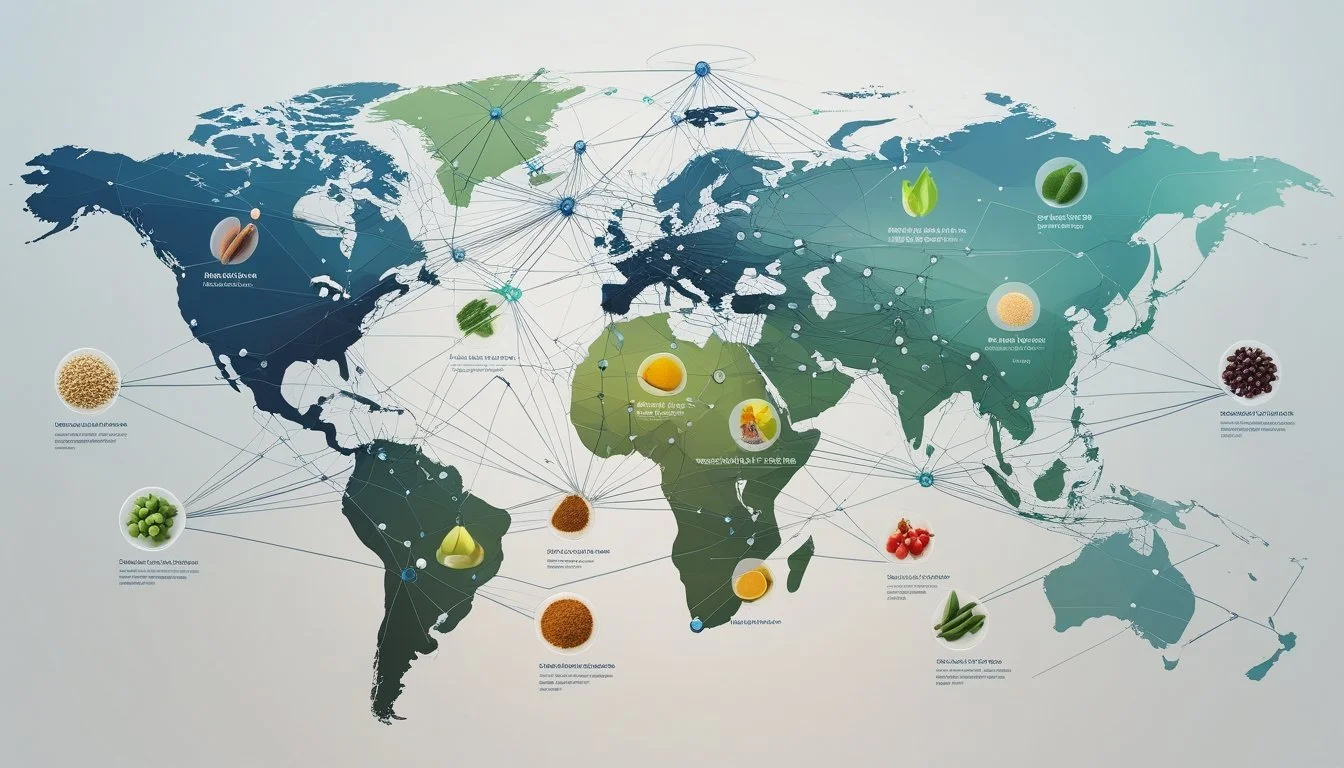
Ingredient substitution is influenced by advances in graph-based technology and machine learning. Key components include knowledge graphs, graph neural networks, and comprehensive data resources.
Knowledge Graphs in Food Substitution
Knowledge graphs organize ingredients and their relationships using structured nodes and edges. Projects like FoodKG and FlavorDB connect ingredients based on nutritional, chemical, and culinary properties. These graphs allow for quick lookup of substitutes based on similarity, dietary constraints, and compatibility.
For example, a user searching for a dairy-free substitute for milk can rely on a knowledge graph to recommend viable alternatives. These resources often include data such as allergens, nutrient profiles, and culinary uses. This approach makes substitutions both accurate and practical.
Graph Neural Networks for Ingredient Prediction
Graph neural networks (GNNs) process complex ingredient datasets by representing each ingredient as a node and modeling connections like flavor pairings or nutrient similarities as edges. They excel at predicting which ingredients are interchangeable or complementary in recipes.
A graph-based ingredient substitution module powered by GNNs can improve recommendations by using patterns learned from global cuisine data. Research has highlighted the use of machine learning to suggest healthier or more accessible ingredient options, advancing beyond simple rule-based substitution.
Major Datasets and Knowledge Bases
Datasets such as FoodKG, FlavorDB, FoodB, and the Global Ingredient Substitution Module (GISMO) serve as key resources. These databases provide structured information on ingredient properties, culinary usages, and substitution networks.
FoodKG integrates data from recipes, nutrition tables, and ingredient taxonomies. FlavorDB focuses on the molecular makeup and flavor compounds of foods, aiding substitution based on sensory profiles. GISMO compiles global ingredient pairings and substitutions, contributing to robust AI-driven systems.
Dataset Focus Usage Example FoodKG Ingredient relationships, nutrition Dietary restriction substitutions FlavorDB Molecular flavor profiles Substitute based on taste FoodB Ingredient and nutritional data Recipe adaptation GISMO Global substitution and pairing options Cross-cuisine ingredient swaps
Nutrition and Health Considerations

Ingredient substitution networks not only impact global supply but also have direct effects on nutritional content and individual health. Nutritional properties, personal dietary needs, and existing health conditions like diabetes or allergies all guide the choice of alternatives.
Nutritional Profile and Content
Ingredient substitution often alters the overall nutritional profile of foods. Swapping one ingredient for another can affect levels of essential nutrients such as protein, vitamins, fiber, and minerals. For example, replacing wheat flour with almond flour increases fat and protein but reduces carbohydrates.
A change in nutritional content may also influence calorie count, glycemic index, or micronutrient density. Consumers must review updated nutritional information after substitutions to ensure their meals still meet their dietary needs. The following table shows how substituting common baking ingredients can shift nutritional value:
Original Substitute Key Nutritional Changes Wheat Flour Almond Flour Less carbs, more fat/protein Butter Olive Oil Lower saturated fat, more vitamin E Sugar Stevia Zero calories, no impact on glucose
Personalized Nutrition and Dietitian Input
Personal health and nutrition goals, such as weight loss, improved heart health, or muscle gain, shape ingredient choices. Personalized nutrition takes into account genetic factors, lifestyle, and pre-existing medical conditions. This tailored approach makes it important to choose ingredient substitutes that align with individual health plans.
Dietitians offer evidence-based guidance by reviewing both the nutritional content and overall balance of recipes after substitutions. They may recommend portion adjustments or suggest alternatives that preserve important dietary characteristics. Collaboration with qualified professionals ensures that substitutes do not unintentionally create dietary imbalances.
Dietary Restrictions: Diabetes and Allergies
For people with diabetes, substituting high-glycemic ingredients with lower-glycemic options can help stabilize blood glucose levels. Common swaps include using whole grains or sugar alternatives, which do not spike insulin. Accurate nutritional information aids in calculating carbohydrate intake to manage diabetes effectively.
Allergy considerations require careful avoidance of specific ingredients such as nuts, dairy, or gluten. Substitutes for allergens must be selected with attention to cross-contamination risks and the nutritional properties of the replacement. Careful label reading and consultation with an allergist or dietitian are essential for maintaining safety and proper nutrition.
AI-Powered Recipe Adaptation
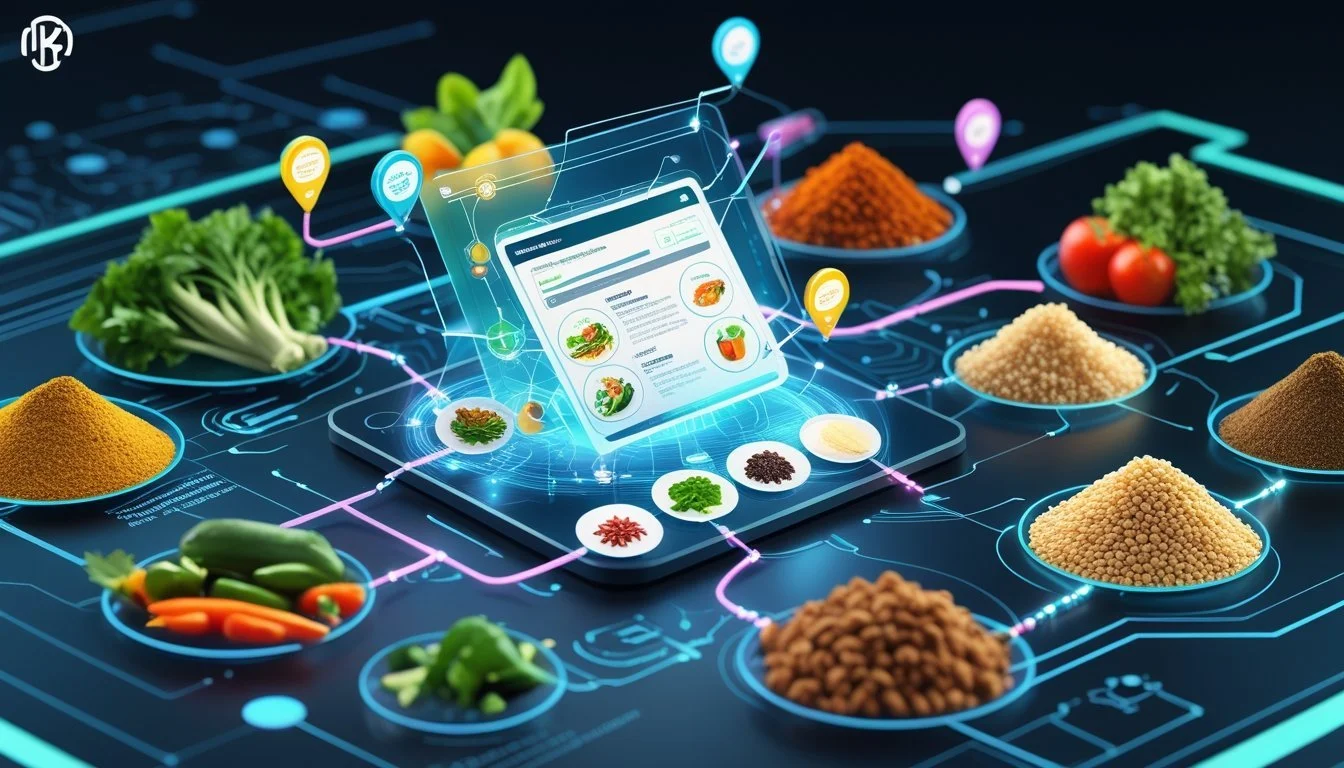
AI-driven tools now adapt recipes in real time to meet dietary needs, ingredient availability, and user preferences. Recent advances leverage machine learning models to generate, modify, and recommend recipes with increasing accuracy.
Recipe Recommendation and Personalization
Modern recipe recommendation systems use AI to suggest dishes tailored to individual tastes, dietary requirements, and available ingredients. By analyzing preferences and user feedback, these platforms refine recommendations over time.
Large language models and machine learning algorithms evaluate factors such as flavor compatibility, cooking complexity, and nutritional balance. Popular recipe websites employ interactive features, allowing users to input what they have in their pantry.
Notably, some systems use retrieval-augmented generation (RAG) to pull relevant information from wider databases, ensuring more accurate and relevant personalized recipes. This adaptation results in fewer wasted ingredients and a higher likelihood of cooking success at home.
Feature Benefit Ingredient-based search Customized suggestions Dietary filter integration Healthier options User feedback incorporation Improved accuracy and satisfaction
Image-to-Recipe Generation
Image-to-recipe generation uses computer vision and deep learning to analyze food photos and suggest matching or similar recipes. A user can upload or snap a photo of a meal, and the AI identifies ingredients and cooking methods.
Top platforms combine image recognition with recipe databases, matching visual cues to actual dishes. This approach assists those who want to recreate meals they’ve seen online or in restaurants.
Some systems integrate with search engines to provide nutritional information or locate similar recipes on popular websites. As the technology improves, the ability to handle complex dishes with multiple components is rapidly increasing, making this feature widely accessible.
Recipe Context and Modification Techniques
AI-powered systems now consider recipe context—such as cuisine type, required equipment, and user skill level—when making adaptations. By understanding why a particular ingredient or step is used, the software can suggest the most suitable substitutes.
Intelligent modification techniques offer users alternative ingredients based on flavor, texture, and cooking properties. For example, AI may recommend swapping out cream for coconut milk to accommodate lactose intolerance, while preserving intended taste and texture.
These tools present suggestions during each preparation step, often through real-time interfaces. This ensures users can adapt on the fly, accommodating dietary restrictions or ingredient availability without missing crucial elements of the original recipe.
Diet-Improvement Strategies and Constraints
Dietary improvement combines nutritional goals with practical ingredient choices in recipes. Substitution networks help adapt recipes to specific dietary needs but face limitations regarding taste, texture, and overall food experience.
Diet-Improvement Ingredient Substitutability Heuristic (DIISH)
The Diet-Improvement Ingredient Substitutability Heuristic (DIISH) is an approach that leverages structured data to identify substitute ingredients in recipes. This system uses a knowledge graph to suggest alternatives, allowing for adaptation based on specific dietary restrictions.
By analyzing a large catalog of recipes and substitution guides, DIISH can recommend ingredient swaps that address common dietary constraints, such as reducing carbohydrate intake or eliminating allergens. This reduces the time and effort it takes for individuals to make healthy substitutions that fit their needs.
DIISH enhances health empowerment by making dietary modification more accessible. It narrows the search space for valid replacements and suggests the most plausible options based on both nutritional content and functional similarities.
Low-Carb, Gluten-Free, and Vegetarian Substitutes
Adapting recipes for low-carb, gluten-free, or vegetarian diets requires careful selection of substitutes to maintain nutritional value and meal quality. Low-carb substitutes commonly include using almond flour or coconut flour instead of all-purpose flour, and cauliflower rice in place of white rice.
For gluten-free needs, ingredient networks recommend items like rice flour, oat flour, or certified gluten-free blends to completely avoid wheat-based products. Vegetarian diets often substitute beans, tofu, or tempeh for high-protein meat ingredients, maintaining protein levels while reducing animal-based components.
Each substitution is selected for compatibility with the specific dietary constraint, optimizing both nutrient profile and meal satisfaction. The process supports patient empowerment by giving individuals practical solutions that align with medical or lifestyle goals.
Challenges in Substitution: Taste, Texture, and Quality
Despite advances in ingredient substitution, challenges remain in achieving comparable taste, texture, and quality. Many gluten-free flours, for example, can result in denser baked goods with a distinct mouthfeel compared to those made with all-purpose flour.
Taste differences often emerge in vegetarian and low-carb substitutions. Plant-based proteins can introduce new flavors and alter familiar recipes. Texture issues are frequent—the crumb of gluten-free bread or the moisture of almond flour brownies rarely matches conventional versions.
Quality may also be impacted by ingredient swaps, affecting how dishes are perceived by consumers. Balancing nutritional needs with acceptable sensory attributes is crucial for successful recipe adaptation and long-term adherence to special diets.
Sustainability and Food Security Impacts
Ingredient availability and substitution networks directly affect sustainability and food security. These impacts depend on sourcing practices, classification standards, and the broader context of market or environmental events.
Sustainable Ingredient Choices
Sustainable ingredient choices are increasingly integral to food system resilience. Selection often involves ingredients with lower environmental footprints, such as plant-based proteins instead of animal-derived products, or ingredients produced with regenerative farming methods.
Producers and manufacturers evaluate supply chains for metrics like water use, land requirements, and greenhouse gas emissions. For example, substituting palm oil with locally sourced fats can reduce deforestation risk.
Key sustainability measures include:
Resource efficiency: Prioritizing ingredients that use fewer resources
Biodiversity: Favoring diverse crop rotations
Supply proximity: Opting for locally or regionally available substitutes
Efforts to implement such choices require transparent information-sharing networks and reliable data on ingredient origins and impacts.
Food Categorization and Classification
Accurate food categorization and classification are essential for both ingredient management and safety. Using common frameworks, ingredients can be grouped by type (e.g., grains, oils, proteins), nutritional content, and potential allergens.
Classification assists in quickly identifying substitution options in the context of shortages or sustainability requirements. For instance, allergen management relies on strict categorization to exclude or substitute ingredients containing dairy, eggs, wheat, soy, or nuts.
Classification also benefits:
Automated ingredient prediction by supply chain AI
Tracking regulatory compliance in global trade
Connecting nutritional adequacy to substitution patterns
Thorough classification improves overall traceability and supports rapid response when adjustments are warranted.
Events and Market Shifts
Events such as climate shocks, trade disruptions, or disease outbreaks can rapidly change ingredient availability. These events often lead to price volatility and trigger large-scale substitution, affecting both sustainability and food security.
For example, drought in wheat-producing regions can force shifts toward alternative grains like millet or sorghum. This rebalancing relies on well-developed substitution networks that have already evaluated the sustainability and nutritional trade-offs of available options.
A table tracking recent events and ingredient shifts may look like:
Event Type Affected Ingredient Common Substitution Key Implication Drought Wheat Millet/Sorghum Supply chain adaptation Trade restriction Palm Oil Canola/Sunflower Variation in GHG impact Disease outbreak Eggs Plant-based binders Allergen and nutrition
Ongoing monitoring of such shifts is essential to maintaining resilient, sustainable, and secure food systems.
Evaluating Substitution Effectiveness

Assessing ingredient substitutions involves understanding both quantitative metrics and the nuanced semantic relationships between ingredients. Accurate evaluation ensures that substitutions are practical and suited for recipe adaptation, nutritional needs, and user preferences.
Evaluation Metrics and Ranking Methods
Ingredient substitution systems use specific evaluation metrics to measure effectiveness. Common metrics include Precision, Recall, and Mean Average Precision (MAP). These metrics help determine if a system reliably suggests correct or acceptable substitutes.
Ranking methods play a central role, often scoring substitution pairs based on their historical usage, nutritional similarity, or flavor compatibility. For instance, graph neural networks can be used to assess likely presence and suitability of proposed substitutes in food products.
Substitution effectiveness benefits from combining automated rankings with human-reviewed substitution guides and user feedback. This hybrid approach addresses both technical accuracy and real-world acceptance.
Mean Reciprocal Rank in Ingredient Networks
Mean Reciprocal Rank (MRR) is a widely used metric for evaluating ranked lists of substitutions. In the context of ingredient networks, MRR measures how high the first correct or plausible substitute appears in the ranking.
An MRR score ranges from 0 to 1. A higher score means users see acceptable substitutes sooner in the recommendation list. Some recent research in food substitution achieved MRR values near 0.5, indicating moderate effectiveness in finding suitable ingredients.
MRR is especially valuable for user-facing systems, as it helps prioritize substitutions that are most likely to be adopted in practical recipe scenarios.
Semantic Substitution and Plausibility Checks
Semantic similarity methods analyze the relationships between ingredient pairs to determine how closely they match in taste, texture, or use. Knowledge graphs and embedding techniques are commonly used for this purpose.
Plausible substitutions are not determined by direct replacement alone. Systems use semantic substitution to ensure alternatives make sense in context, using both linguistic and food property data.
Plausibility checks may include automated semantic analysis alongside rule-based filters for diet, allergy, or cuisine constraints. This ensures that substitutions are not only available but also functionally and contextually appropriate for the intended dish.
Future Directions in Ingredient Substitution
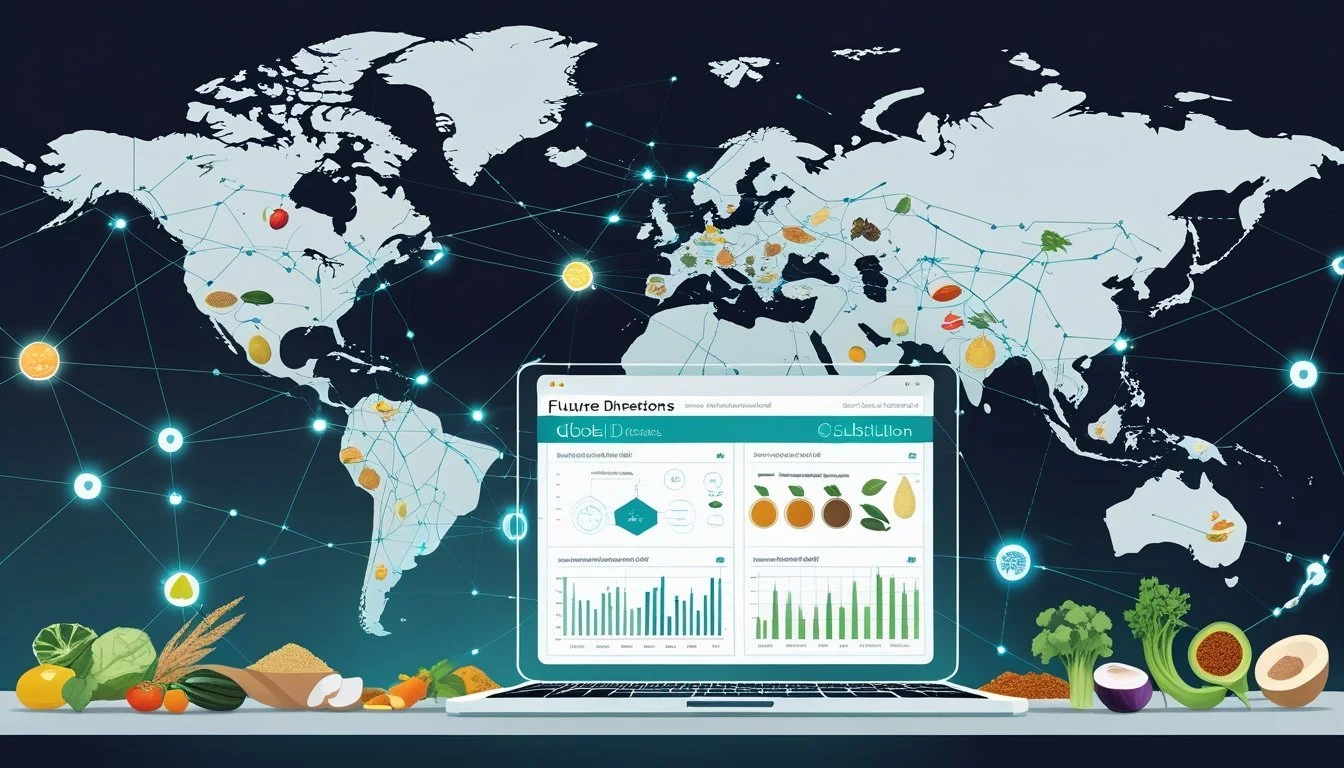
Ongoing developments in ingredient substitution rely heavily on technology, data analysis, and user engagement. Ensuring compatibility with health systems and dietary preferences is becoming more central as new tools emerge.
Advancements in Data-Driven Approaches
Modern ingredient substitution now increasingly leverages data-driven approaches. Machine learning models and knowledge graphs are used to map ingredient relationships and similarities, considering both explicit data (nutrition, availability) and implicit factors (taste compatibility).
Large language models help identify optimal substitutes by analyzing recipe semantics and ingredient profiles. Automated systems can process vast food datasets to suggest healthier or more accessible alternatives in real-time.
Innovations in semantic similarity and graph-based analyses support cross-cultural substitution, revealing global alternatives for local ingredients. This translates into broader options for personal health and adaptability in different markets.
Consumer Feedback and Personalization
Consumer feedback is crucial for refining ingredient substitution recommendations. Platforms increasingly employ user-generated input—such as reviews, ratings, and adjustments—to improve suggestion accuracy.
Personalization technologies adapt to individual preferences, allergies, and dietary restrictions. These systems collect and utilize:
Purchase history
Stated dietary needs
Taste feedback
This data allows substitution networks to recommend options tailored to each user’s specific profile. Personal health considerations, such as sodium levels or allergen avoidance, are prioritized in these personalized systems.
Integration with Nutri-Score and Health Systems
The integration of nutrient profiling frameworks, like Nutri-Score, ensures that ingredient substitutions support healthier eating. Automated tools assess substitutions against Nutri-Score ratings, guiding consumers toward more nutritious choices.
Such integrations can prompt users to replace ingredients with higher-scoring alternatives. Linking substitution platforms with electronic health records and dietary apps further aligns substitutions with individual health needs.
Healthcare providers and nutritionists may use these systems to create meal plans aligned with medical requirements, supporting a more data-driven and health-conscious substitution ecosystem.

