
Pantry Psychology: Why Substitution Increases Creativity in Home Cooking
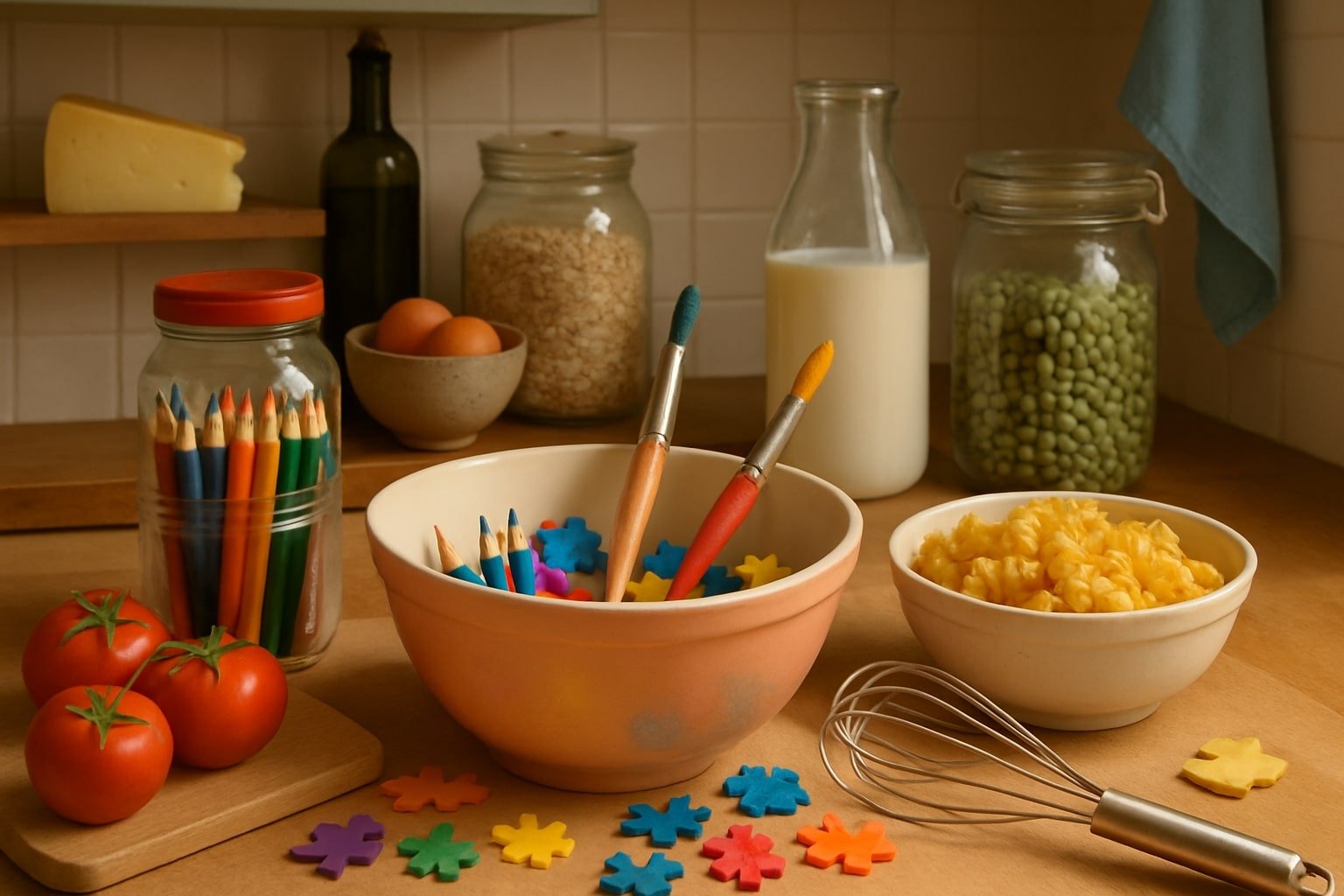
Substituting ingredients in the kitchen doesn’t just solve problems—it encourages people to think creatively and adaptively. Each time a home cook replaces one pantry item with another, they engage in a form of everyday creativity, reshaping both the recipe and their own problem-solving habits. This process challenges the mind to find new pathways and consider unconventional options.
Psychologists note that substitution leverages the brain’s natural ability to make connections between objects and ideas, leading to increased flexibility and innovation. Creativity is often sparked when familiar routines are disrupted, and the act of making do with what’s available can foster a sense of autonomy and inventiveness. What happens in the pantry is more than making a meal; it’s practicing the essential skill of creative thinking in daily life.
Understanding Pantry Psychology
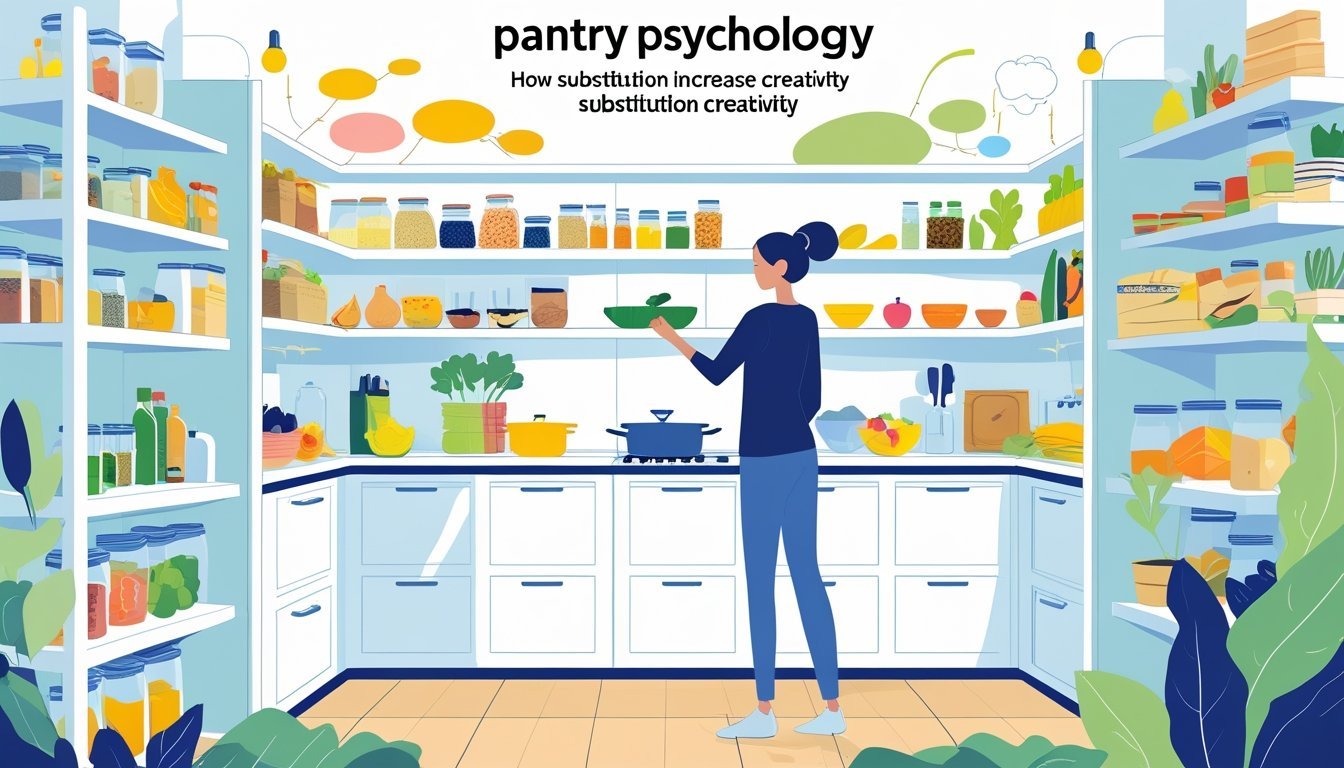
Pantry decisions often involve quick thinking and adaptability, especially when specific ingredients are missing. Exploring how substitution impacts cooking sheds light on both practical kitchen habits and the natural human drive for creativity.
The Concept of Ingredient Substitution
Ingredient substitution is the practice of replacing a missing or unavailable pantry item with something functionally similar. This might mean swapping olive oil for canola oil, or using chopped nuts in place of breadcrumbs for texture. The process relies on understanding flavor, texture, and how different components interact in recipes.
Home cooks regularly create informal tables or mental lists for common swaps:
Original Ingredient Possible Substitute Butter Margarine, coconut oil Milk Almond milk, soy milk Eggs Flaxseed, applesauce
Making substitutions is not only about necessity but also about experimenting within the boundaries of nature and available resources. This approach often results in reduced food waste and supports adaptable meal planning.
The Science of Creativity in the Kitchen
Creativity in the kitchen emerges when people transform limitations into new culinary solutions. Research shows that having to work with what is on hand can stimulate flexible problem-solving and divergent thinking, both key elements of creative behavior.
Novel situations, such as facing an empty fridge, force engagement with memory, knowledge, and intuition. This brain activity often mirrors that observed in other creative fields, such as art or music. The act of substitution connects cognitive flexibility with practical experience, fostering skills that have positive effects beyond cooking.
Creative cooking combines knowledge of ingredient nature, understanding how flavors work, and the willingness to adapt. Through these acts, individuals can refresh their minds and enrich their sense of agency in daily life.
How Substitution Fuels Creative Thinking

Substituting ingredients when cooking with limited pantry supplies can trigger fresh ideas and flexible thinking. The process leverages practical constraints and provides psychological benefits that can reshape how individuals approach both food and everyday problems.
Constraints as Catalysts for Innovation
When ingredients are missing, cooks must adapt recipes to fit what is available. This limitation—having fewer options than a traditional recipe allows—forces the brain to explore alternate paths, encouraging divergent thinking rather than fixed solutions.
Such constraints often lead to creative meals and new flavor combinations. In practice, choosing between ingredients like yogurt instead of sour cream or using herbs in place of spices demands quick problem-solving and experimentation. These actions utilize several brain networks linked to creative thinking and practical judgment.
A comparison table below illustrates how common constraints inspire substitutions:
Original Ingredient Possible Substitution Required Skill Butter Olive oil Texture adjustment Eggs Flaxseed meal Binding adaptation Milk Oat milk Flavor evaluation
By confronting these small barriers, individuals develop flexible, inventive habits in the kitchen and beyond.
Psychological Benefits of Substituting Ingredients
Making substitutions provides a sense of resourcefulness and control over one’s environment. Successfully altering a recipe can boost confidence and foster a willingness to take risks in future problems, both culinary and non-culinary.
This process also helps individuals manage disappointment or frustration when a key ingredient is missing. Instead of abandoning the recipe, they redirect their emotional response into a productive, creative solution. Such mental shifts support resilience, adaptability, and stress management.
Regularly practicing substitution in cooking can cultivate a mindset open to possibility and improvisation, traits that underpin creativity in a broader context. Experiences gained solving culinary challenges may transfer to other parts of life, encouraging greater flexibility and problem-solving abilities.
Examples of Creative Substitution in Practice
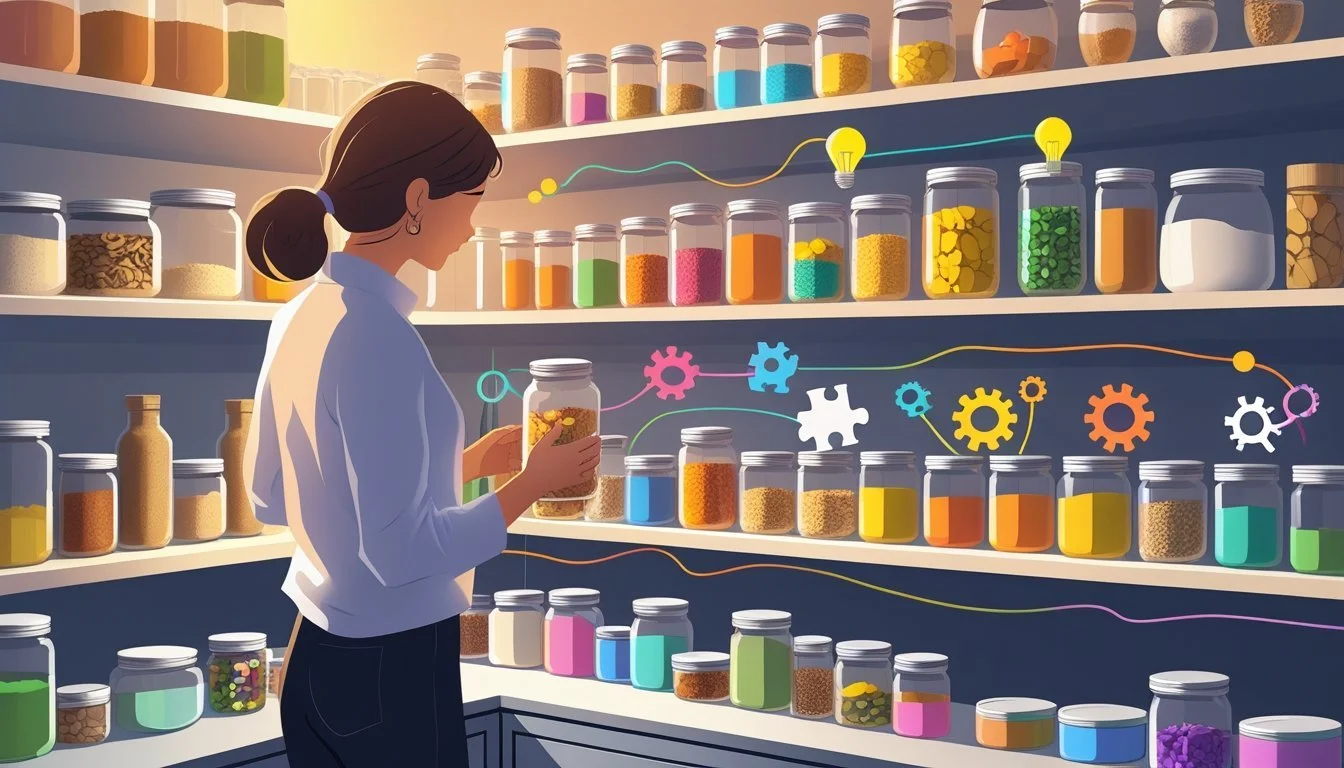
Creative substitution in the kitchen happens in many ways, often driven by ingredient shortages, dietary needs, or a desire to try new flavors. These practices foster adaptability and reveal how people solve everyday cooking challenges with available resources.
Common Pantry Replacements
Home cooks regularly replace missing ingredients with alternatives based on what they have on hand. For example, if a recipe calls for buttermilk, combining milk and vinegar or lemon juice offers a quick fix with similar acidity. Applesauce or mashed banana can replace eggs in baking to bind ingredients, especially for those avoiding animal products.
In savory dishes, Greek yogurt often stands in for sour cream to add creaminess without much change in flavor. Flavored sparkling water can substitute for soda, providing a different but enjoyable drinking experience.
A table of examples helps clarify common swaps:
Original Ingredient Common Substitute Reason for Swap Eggs Flaxseed meal + water Vegan or out of eggs Butter Olive oil Health or availability Soy sauce Tamari or coconut aminos Gluten-free option Heavy cream Coconut cream Dairy-free need
Small substitutions like these keep meals on track and often inspire new favorites.
Cultural Approaches to Ingredient Swapping
Different cultures have long relied on ingredient substitution, shaped by geography, climate, and economic conditions. In Italian cuisine, polenta is sometimes used instead of pasta when wheat is scarce, while in India, chickpea flour stands in for wheat flour in many regional recipes due to availability and dietary practices.
Japanese cooks may replace dashi (fish broth) with mushroom or seaweed-based broths to create vegetarian versions of traditional soups. In Latin American cooking, plantains and potatoes often substitute for each other in stews, guided by seasonal harvests and local preferences.
Substitution methods are not random; they often reflect deep knowledge of flavor, texture, and nutrition. These adaptive habits allow recipes to remain familiar while accommodating available ingredients or dietary beliefs, showing how tradition and creativity work together in daily cooking.
The Role of Nature in Flavor and Resourcefulness

The natural world shapes what ends up in the kitchen, especially when cooks rely on what is locally available. Resourcefulness is often necessary when recipes are adapted according to seasonal or fresh ingredients.
Inspiration from Seasonal and Local Ingredients
Nature determines the availability of many ingredients throughout the year. For example, in spring, greens like ramps and nettles offer unique flavors that are often missed in standard grocery aisles. During late summer, heirloom tomatoes and fresh herbs inspire different approaches to classic recipes.
Home cooks who source ingredients from gardens, farmers’ markets, or foraging tend to develop substitution skills. When a recipe calls for basil but only parsley is available, a direct swap becomes a practical solution. Using what is at hand encourages experimentation and creative thinking.
This need for adaptation is visible across cuisines and regions. It also helps reduce food waste and supports sustainable habits. By embracing what nature provides at any given time, individuals expand their cooking repertoire and deepen their understanding of flavors.
Developing a Mindset for Pantry Creativity
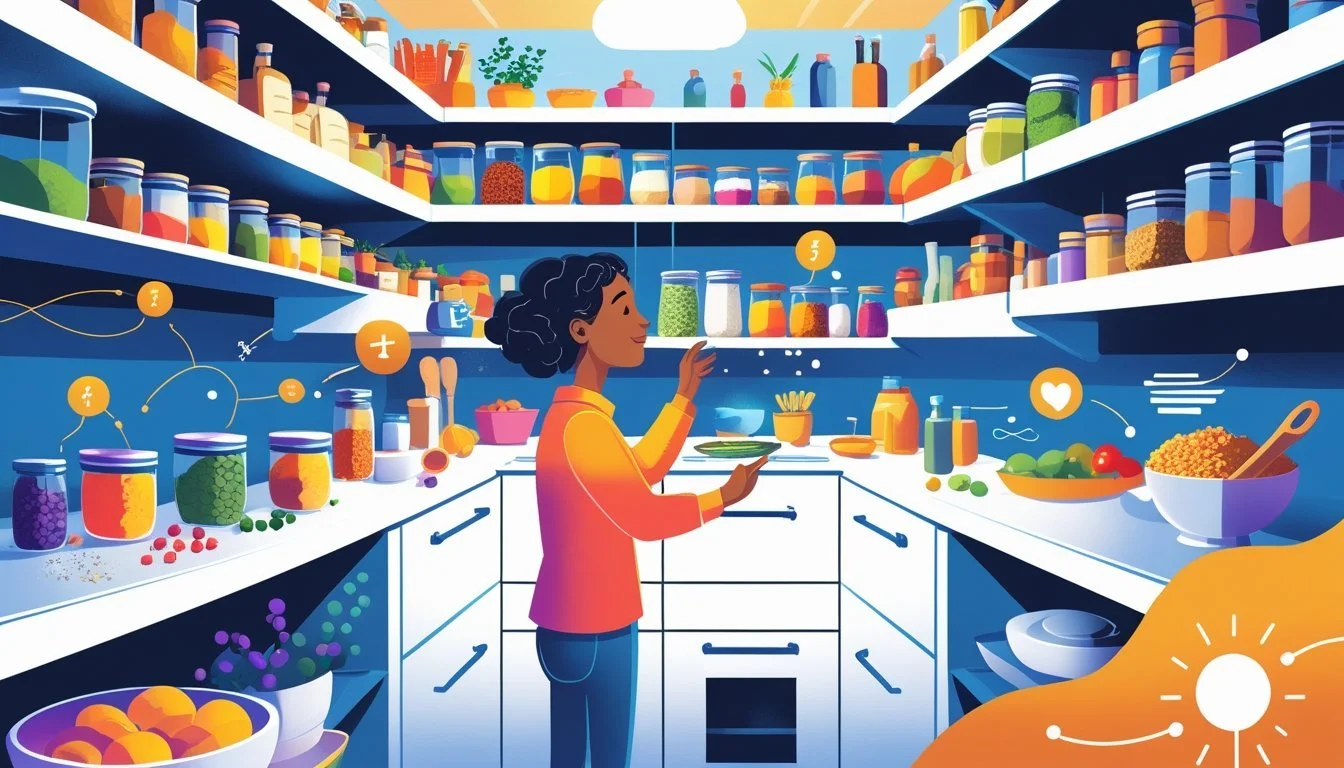
Substitution in the kitchen calls for a blend of openness, practical knowledge, and self-reflection. Skills to question assumptions and evaluate results make adaptation achievable, leading to lasting growth and better food outcomes.
Building Confidence in Making Substitutions
Confidence grows by understanding ingredient functions and being willing to try alternatives. Bakers and cooks often benefit from making a note of what pantry staples can fill multiple roles. For example, knowing that applesauce can replace eggs in some baking recipes lets them adapt when needed.
Small, low-risk substitutions—like swapping fresh herbs for dried—help develop trust in one’s judgment. Keeping a simple chart of common swaps (see below) can offer a quick boost:
Ingredient Typical Substitute Eggs Applesauce, flaxseed Milk Plant-based milk Butter Oil, margarine
Experiencing a few successful swaps builds self-assurance, so the next time a key ingredient is missing, the cook feels ready to improvise.
Learning from Mistakes and Successes
Mistakes are inevitable, but they provide valuable feedback for improvement. Reflecting on what went wrong—such as a cake that dried out after using an alternative flour—helps pinpoint why a substitution failed.
Successes are just as important to analyze. Taking note of what worked well and why turns single victories into repeatable skills. Some keep a kitchen journal to quickly record which swaps produced good or bad results.
By treating both positive and negative outcomes as information, cooks refine their substitution strategy and become more creative over time.
Practical Tips for Enhancing Creativity Through Pantry Substitution
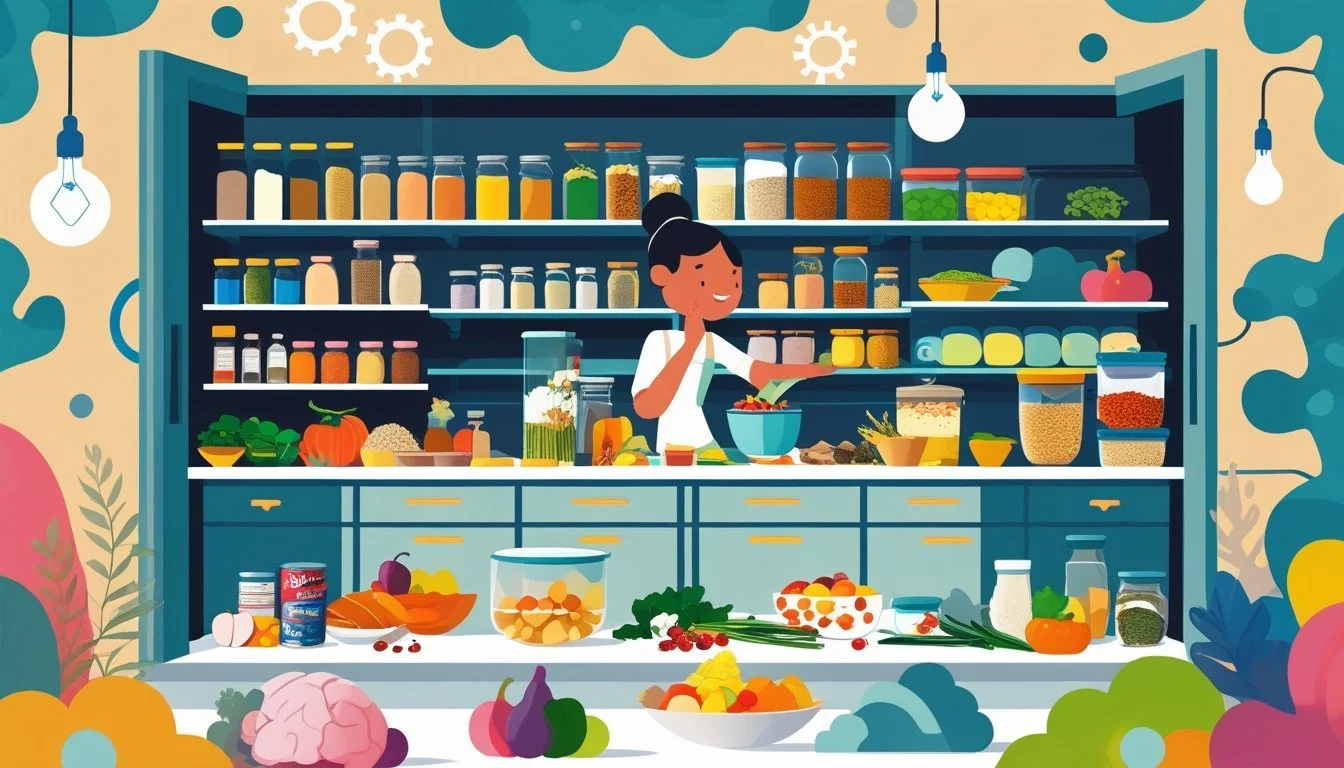
Success with pantry substitution starts by having the right ingredients available and using them with intention. Creative swaps are easier when cooks understand both the potential of what is on hand and how flavors and textures interact.
Stocking a Creative Pantry
Building a pantry for substitution means more than just filling shelves. Cooks should include a mix of essential items, such as grains, canned beans, spices, and a variety of oils and vinegars. Rotating new items in and keeping track of what gets used most helps keep options fresh and exciting.
Suggested Pantry Essentials Table:
Category Examples Grains Rice, quinoa, couscous, oats Proteins Canned beans, lentils, tuna Flavorings Soy sauce, vinegar, honey, spices Texture Nuts, seeds, breadcrumbs
A creative pantry also means having adaptable items. Shelf-stable tomato products, canned coconut milk, and dried herbs offer flexibility for many dishes. Choosing items that can serve multiple purposes, like chickpeas for both hummus and stew, helps maximize variety.
Experimenting with Flavors and Textures
Cooks become more creative by intentionally swapping ingredients to see how flavors and textures change. For example, using lentils instead of ground meat in sauces alters both mouthfeel and taste but can give surprising results.
Trying alternative spices or acids, like swapping lemon juice for vinegar, helps to build an understanding of depth and brightness in dishes. Keeping notes or a substitution chart makes it easier to remember successful combinations.
Small changes often lead to the discovery of favorite flavors. Toasted seeds instead of croutons, or smoked paprika instead of standard paprika, can alter both presentation and enjoyment. Experimentation builds a personal library of substitutions that boost both skill and confidence.
Expanding Beyond the Kitchen: Everyday Applications
Substitution skills practiced during cooking can translate to daily life challenges. Adapting strategies from the kitchen helps foster resilience, flexibility, and creativity when unexpected obstacles appear.
Creative Problem-Solving Inspired by Cooking
Cooking with limited ingredients encourages flexible thinking. When a home cook needs to replace a missing spice or alter a recipe for dietary needs, they develop the ability to think quickly and adapt plans. This skill can be directly applied to situations outside the kitchen, such as handling work problems when resources are limited or requirements change.
People familiar with ingredient swaps tend to be more open to alternative solutions when solving non-cooking challenges. This mindset allows for quick adjustments in plans at work, at home, or in social situations. Substitution fosters a trial-and-error approach, where mistakes are viewed as learning opportunities rather than failures, leading to steady improvement and growth.
Conclusion
When individuals face ingredient shortages in the kitchen, they often turn to substitution. This process prompts them to ask new questions, explore alternatives, and flex cognitive flexibility.
Research in psychology shows that substitution is more than a practical solution—it supports creativity by encouraging people to approach problems from different angles. This helps them break away from strict routines and try unique combinations.
Key benefits of substitution-driven creativity include:
Enhanced problem-solving: Adjusting recipes or supplies can reveal unexpected solutions.
Increased self-awareness: Becoming conscious of one’s habits and preferences.
Adaptability: Learning to cope with unexpected changes and limitations.
Benefit Description Problem-Solving Sparks new ways to complete familiar tasks Self-Awareness Highlights personal patterns and resources Adaptability Builds comfort with ambiguity and variation
By making substitutions, people often discover new flavors, methods, and approaches that might become lasting favorites. This reinforces the idea that restrictions in the pantry can foster a mindset ready for innovation beyond the kitchen.
Openness to substitution helps cultivate original thinking and flexible attitudes, both in daily routines and broader creative pursuits. The simple act of swapping ingredients can serve as practice for creative problem-solving in many other areas of life.

