
Using Smoked Ingredients to Compensate for Meat Omission
Enhance Depth and Flavor in Plant-Based Dishes
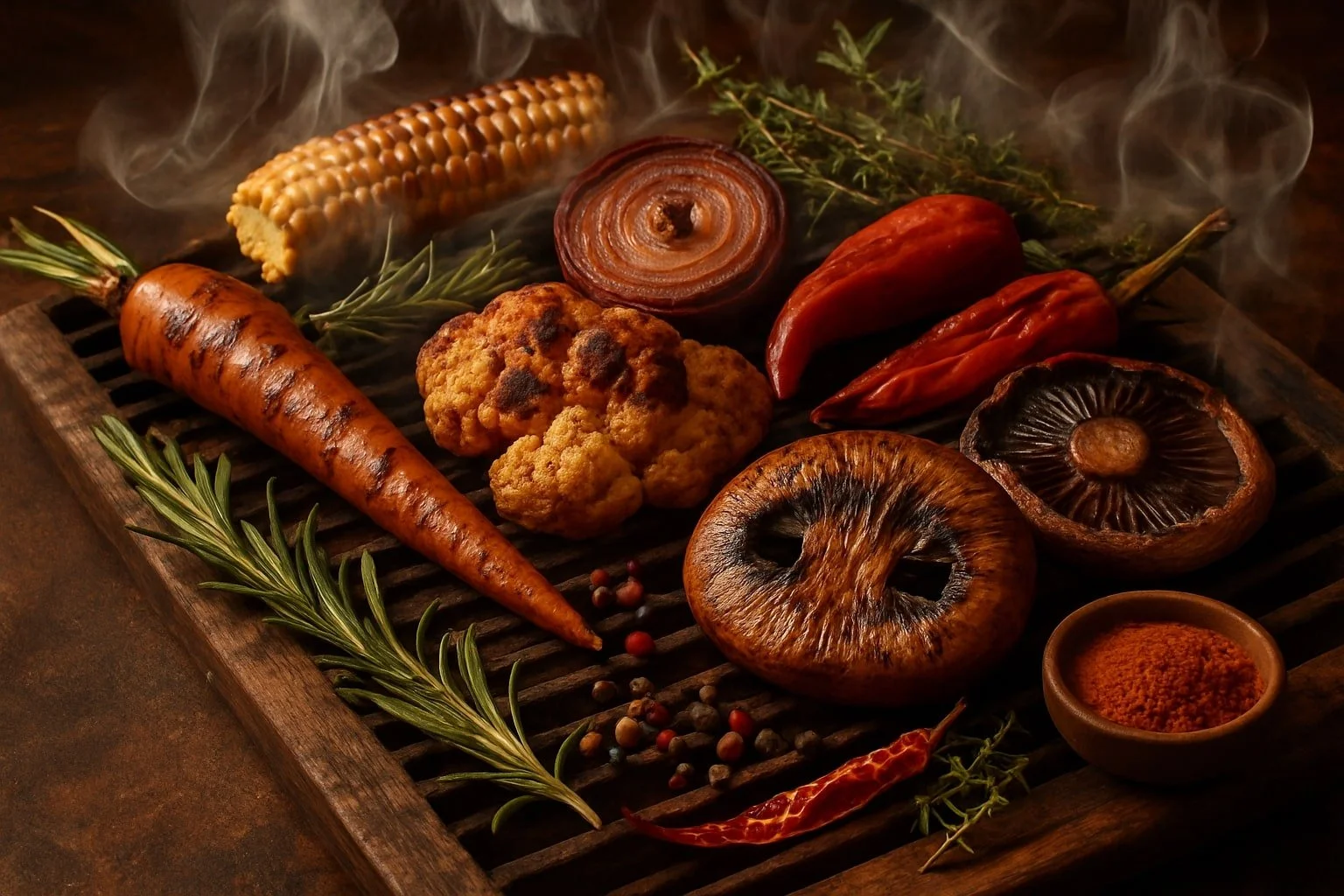
Smoked ingredients can offer complex, savory flavors that replicate some of the richness and depth usually brought by meat in a dish. They provide the familiar aroma, umami, and smoky undertones that many people associate with barbecued or grilled meats, allowing cooks to create satisfying plant-based or meatless meals without sacrificing taste.
Leveraging smoked spices, vegetables, and proteins can help bridge the gap for those adjusting to a diet with less or no meat. With the right choices, these ingredients not only enhance flavor but also add interesting textures, making the dining experience enjoyable and familiar.
The Role of Smoked Ingredients in Meatless Cooking
Smoked ingredients provide an effective way to boost the depth and complexity of vegetarian and vegan meals. Their bold flavors replicate some of the savory and umami qualities found in meat, enhancing a wide range of plant-based dishes.
Understanding Smoky Flavor
Smoky flavor comes from the process of exposing foods to burning wood or incorporating smoked seasonings. Products like smoked paprika, liquid smoke, and smoked salt add distinctive aroma and taste derived from natural smoke.
This flavor is recognized for its strong umami quality, which is often associated with grilled or roasted meats. Incorporating smoky elements helps bridge the gap in flavor left when meat is omitted.
The appeal of smoky notes in meatless dishes is not just their taste, but also their ability to evoke the sensory experience of traditional barbecue and smoked foods without requiring meat or a smoker.
Flavor Enhancement for Plant-Based Dishes
Smoked ingredients act as powerful flavor enhancers in vegetarian cuisine. Adding smoked paprika, chipotle peppers, or a dash of liquid smoke can transform simple beans, lentils, or vegetables into robust and satisfying meals.
For example, smoked salt provides a complex flavor that elevates roasted vegetables, while liquid smoke can lend depth to homemade vegan bacon, chilis, and stews. These ingredients give plant-based recipes a fuller, more satisfying taste profile.
By utilizing a range of smoked seasonings, cooks can create layered, savory flavors without relying on meat for richness or complexity.
Natural Flavors in Meat Alternatives
Many plant-based meat alternatives use smoked ingredients to replicate the familiar flavors of traditional meat products. Smoked paprika or hickory-smoked salt is often added to vegan sausages, burgers, and deli slices to mimic the taste of smoked meats.
This addition is especially important in products aiming to satisfy cravings for smoky barbecue or grilled flavors. Smoke-derived seasonings make plant-based foods more appealing to people accustomed to the taste of smoked meat.
Selecting the right combination and intensity of smoked ingredients ensures that meat alternatives deliver convincing and enjoyable natural flavors.
Types of Smoked Ingredients
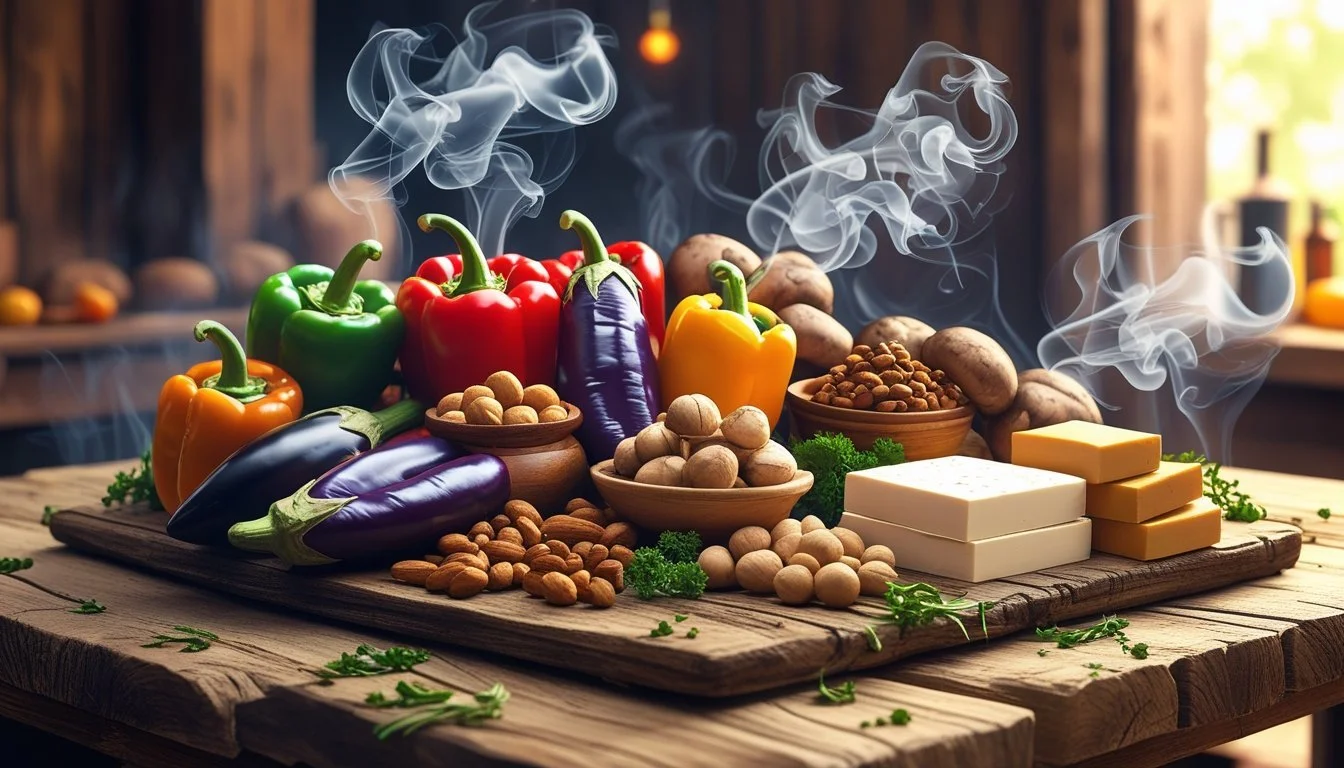
Smoked ingredients allow cooks to introduce savory, complex flavors in dishes without relying on meat. These options offer flexibility for a wide range of culinary applications, from seasoning to marinades and finished dishes.
Smoked Spices and Salts
Smoked spices and salts are among the most accessible ways to boost smoky flavor. Smoked paprika stands out for its deep color and distinct aroma, commonly used in stews, vegetables, and sauces. Other spices such as smoked black pepper, smoked chili powder, and smoked cumin deliver nuanced flavors that pair well with beans, grains, and roasted vegetables.
Smoked salt is a popular finishing ingredient. Sea salt or kosher salt is cold-smoked over wood chips—like hickory, applewood, or mesquite—to create a subtle yet pronounced smokiness. Sprinkling smoked salt over grilled corn, roasted potatoes, or even popcorn can enhance a dish without additional processing or preparation.
A quick reference table for common smoked spices and their uses:
Ingredient Flavor Notes Typical Uses Smoked Paprika Sweet, earthy Soups, stews, rubs Smoked Salt Savory, rich Finishing, marinades Smoked Pepper Spicy, smoky Grilled foods, vinaigrettes Smoked Chili Warm, robust Salsas, sauces, chili
Liquid Smoke and Other Extracts
Liquid smoke is a concentrated extract made by condensing actual smoke, usually from hickory or mesquite wood. It’s commonly added to sauces, marinades, or brines. Only a few drops are needed, as the flavor is potent and can become overpowering if used excessively.
Liquid smoke is water-soluble and blends well into dressings, vegan barbecue sauces, and bean-based patties. Some manufacturers also offer smoked oil and smoked vinegar, which deliver milder smoke notes and work well for drizzling or deglazing pans.
For best results, select pure liquid smoke without additives. Check ingredient lists to avoid artificial flavorings, which may deliver a harsh or chemical aftertaste.
Pre-Smoked Vegetables and Aromatics
Pre-smoked vegetables and aromatics can bring complexity to meatless dishes. Smoked garlic, roasted smoked onions, and cherrywood-smoked mushrooms impart deep flavor to pasta, risotto, or bean salads. These aromatics are available both fresh and jarred; jarred varieties are convenient for quick meal preparation.
Vegetables such as smoked tomatoes or bell peppers can be sliced and stirred into casseroles or grain salads. Smoked jalapeños, known as chipotles, provide both smoke and heat.
Aromatic herbs like thyme or rosemary can be lightly smoked and then mixed into compound butters or dressings to echo a barbecue aroma without the need for actual meat. Use these ingredients sparingly, as their intense flavor can easily dominate a dish.
Popular Smoking Techniques for Meat Replacements
Replicating the depth and aroma of smoked meats in plant-based dishes requires specific smoking processes. Hot and cold smoking, selection of wood chips, and use of various smoke-generating devices all influence the final flavor and texture of meat substitutes.
Hot Smoking Versus Cold Smoking
Hot smoking cooks and flavors food at the same time. Temperatures typically range from 160°F to 250°F (71°C to 121°C), suitable for items like tofu, tempeh, and seitan. This method infuses a distinct smoky taste while gently drying and firming the texture.
Cold smoking, by contrast, flavors without cooking, using lower temperatures—generally below 90°F (32°C). Foods such as vegan cheeses and delicate vegetables benefit as their original textures are preserved. Safety is essential with cold smoking; only products that don’t easily spoil should be chosen unless further cooked or refrigerated.
Both methods create a visible “smoke ring” on some products, but the major difference lies in the intensity and moisture of the finished replacement. Hot smoking produces a bolder flavor and firmer bite, while cold smoking emphasizes aroma with minimal texture change.
Smoking with Wood Chips
Wood choice is crucial for flavor development in meat alternatives. Alder, apple, cherry, hickory, and mesquite are common chip types, each lending unique notes:
Wood Type Flavor Notes Best For Apple Mild, slightly sweet Tofu, seitan, jackfruit Hickory Strong, hearty Tempeh, dense vegetables Cherry Mild, fruity Plant-based sausages Mesquite Bold, earthy Seitan, mushrooms
Soaking chips in water for 30 minutes prevents rapid burning and ensures a steady smoke. Smokers, grills, or oven smoker boxes can be used to apply smoke evenly. Small-batch smoking requires less wood; a handful per session often suffices for subtle flavor.
Using a Smoking Gun or Smoke Generator
A smoking gun or smoke generator offers flexibility for those without traditional smokers. These compact devices use a small chamber to burn wood chips and direct cool smoke through a hose.
Chefs simply place meat substitutes—such as vegan cheese, tofu, or nuts—under a cover and channel the smoke in. The process usually takes 2–10 minutes, depending on desired intensity. This technique allows for the quick addition of smoky notes after cooking, useful for heat-sensitive items.
Smoking guns accommodate a wide range of wood chip flavors, including specialty varieties like maple or pecan. Cleanup is straightforward, and the technique works with glass bowls, containers, or custom smoke boxes for various portion sizes.
Selecting the Best Woods and Flavors
Choosing the right wood is essential for developing complex, authentic smoke flavors in plant-based dishes. Each wood type contributes a distinct flavor profile, affecting the final taste and aroma of smoked ingredients.
Hickory, Mesquite, and Other Woods
Hickory and mesquite are two of the most popular woods for smoking, each offering unique characteristics. Hickory has a strong, hearty smoke that blends well with robust plant-based proteins. Its savory, bacon-like notes can help replicate the depth found in traditional barbecue.
Mesquite brings a bold, earthy intensity. It burns hot and fast, giving a powerful smoke favored in Southwest-style cooking. Because mesquite can overpower delicate ingredients, it is best used in moderation or blended with milder woods.
Other types of wood include oak (moderate strength, versatile), pecan (sweet, nutty), cherry (mild, fruity, red tint), and apple (soft, slightly sweet). Using a mix of wood chips allows for custom flavor blends tailored to each dish.
Wood Type Smoke Profile Suggested Uses Hickory Strong, savory Seitan, mushrooms Mesquite Bold, earthy Tempeh, lentil loaves Cherry Mild, fruity Tofu, vegetables Oak Medium, balanced Jackfruit, plant steaks
Pairing Woods with Plant-Based Dishes
Pairing the right type of burning wood chips with plant-based foods is crucial for a well-balanced flavor. Rich foods like seitan and hearty vegetables can handle stronger smoke from hickory or mesquite.
For more delicate foods such as tofu or mushrooms, lighter woods like apple, cherry, or pecan prevent bitterness. Mixing woods lets cooks fine-tune smoke intensity and bring out natural sweetness, nuttiness, or earthiness in ingredients.
Aromatic woods can be used for smoking legumes, nuts, and even vegan cheeses, enhancing complexity. Careful wood selection ensures plant-based dishes deliver satisfying smoky depth without overpowering subtler flavors.
Homemade Smoked Ingredients: Methods and Tools
Different smoking methods let cooks make flavorful smoked ingredients at home, regardless of their kitchen setup. Equipment like stovetop smokers, ovens, and modified grills can all infuse vegetables, cheeses, and other ingredients with smoky notes.
Stovetop Smokers and Ovens
Stovetop smokers are compact devices that fit over a burner and are well suited for apartments or kitchens without outdoor space. They use a small amount of wood chips, creating smoke that circulates around the food thanks to a tight-fitting lid. Many vegetables, tofu, or even nuts can be smoked this way with little mess.
Ovens can also be adapted for smoking by using a roasting pan and foil. Place soaked wood chips in the bottom of the pan, set a rack over it for the food, and tightly seal with foil. Oven temperature should be kept low—generally between 200–250°F—for the best results. This technique imparts a subtle, smoky flavor without needing specialized equipment.
Gas and Charcoal Grill Adaptations
Gas grills provide an accessible way to smoke ingredients using indirect heat. Add a smoker box or a foil pouch filled with wood chips over one burner while keeping the food on the opposite side. Close the lid to trap the smoke. To maintain even temperatures, only light half the burners and keep the other half off.
Charcoal grills offer more traditional flavor and let cooks control burn intensity by adjusting air vents and the amount of charcoal used. Arrange the coals on one side for indirect heat, and add soaked wood chunks or chips directly to the hot coals. A drip tray under the food can help prevent flare-ups and collect juices, making cleanup easier.
DIY Smoking Chambers
A DIY smoking chamber can be constructed using a large metal box, clay pot, or even a wooden crate. The food is placed on racks above a smoldering source of wood chips or chunks. Proper ventilation is key; add air holes or a vented lid to manage smoke flow and avoid excess heat.
Cold smoking chambers keep food separate from the direct heat source. Smoke is generated in a firebox and piped into the chamber, allowing delicate ingredients—such as cheese or fruit—to absorb flavor without cooking. This setup is ideal for experimenting with a wide range of smoked homemade ingredients, as it provides more control over temperature and smoke density.
Incorporating Smoked Ingredients in Recipes
Smoked ingredients add complexity and depth to dishes that lack the flavor typically contributed by meat. Using smoked spices, liquids, and seasonings can recreate a savory character in plant-based recipes.
Enhancing Meatless Stews and Sauces
Smoked paprika, smoked salt, and liquid smoke are commonly used to build a flavorful base in meatless stews and sauces. These ingredients deliver toasted, earthy notes that can make bean or vegetable dishes more robust.
Barbecue sauce featuring liquid smoke or smoked spices can be stirred into stews to lend a satisfying depth. When making tomato-based sauces, adding a small amount of smoked paprika or chipotle powder can replace some of the complexity lost by not using smoked meats.
For maximum impact, marinating vegetables or tofu in a mix of smoked spices and a splash of soy sauce before simmering helps infuse every bite. Layering different smoked elements prevents the final dish from tasting one-dimensional.
Boosting Plant-Based Proteins
To give foods like tofu, tempeh, or jackfruit a satisfying smoked flavor, try combining marinating and dry-rub methods. Marinate the protein in mixtures containing barbecue sauce, smoked salt, or a few drops of liquid smoke for at least 30 minutes.
After marinating, dry spices such as smoked cumin, black pepper, or chipotle can be dusted over the protein for added intensity. When grilling or roasting, the heat helps the smoked flavors penetrate further.
Slicing the protein thinly before cooking allows more surface area for smoked seasonings to adhere. Using plant-based proteins with a neutral taste works best, as they readily take on the flavors added.
Creating Smoky Snacks and Appetizers
Smoked almonds or sunflower seeds are simple snack options that provide a savory, meaty note. Sprinkling popcorn or crisp chickpeas with smoked paprika or smoked salt creates a flavorful, plant-based appetizer.
For spreads or dips, blending roasted vegetables like eggplant or red peppers with a teaspoon of liquid smoke yields a rich, smoky character. Smoked cheeses and olives can also elevate cheese boards or hors d’oeuvres.
Serving smoky snacks with a dipping sauce enhanced by barbecue sauce or smoked seasonings completes the flavor experience. Using a combination of smoked ingredients in appetizers can help replicate the taste complexity of charcuterie without animal products.
Health and Safety Considerations
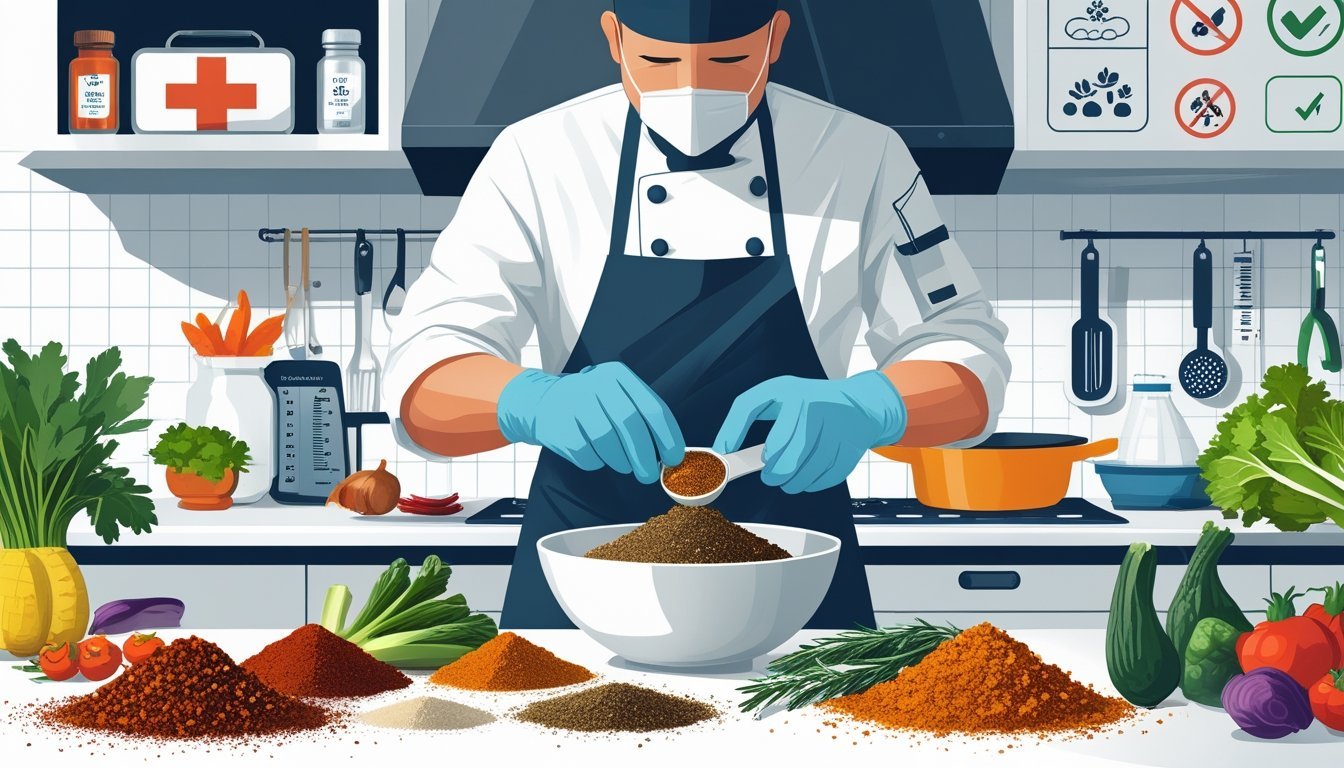
Using smoked ingredients in place of meat brings food safety issues that must be managed carefully. Proper handling, knowledge of preservatives, and an understanding of microbial risks are essential for safe consumption.
Food Safety with Smoked Ingredients
Smoked ingredients, such as smoked vegetables or cheeses, can still carry foodborne pathogens if not prepared and stored correctly. Cross-contamination can occur during preparation, especially if utensils or storage areas are shared with raw foods.
Temperature control is crucial. Smoked foods should be kept out of the "danger zone" (40–140°F / 4–60°C) to limit bacterial growth. Use a food thermometer to verify internal temperatures, even for plant-based products, since improper handling may enable Listeria, Salmonella, or other harmful bacteria to proliferate.
Smoked foods can also dry out during storage. If moisture is lost unevenly, spoilage organisms might grow in humid areas. Inspect regularly for off-odors, discoloration, or unusual textures.
Checklist for Safe Smoked Ingredients:
Store at recommended temperatures
Keep smoked and raw ingredients separate
Use clean, food-safe surfaces and tools
Monitor for signs of spoilage
Bacteria and Molds
Bacteria and molds pose a risk in both traditional and plant-based smoked products. Clostridium botulinum, a bacterium that causes botulism, can thrive in vacuum-sealed, moisture-rich smoked foods if not stored properly.
Molds may develop on smoked ingredients during storage, especially if humidity or temperature fluctuates. Some molds produce mycotoxins, which are harmful to human health. Visually check smoked foods before use and discard anything with signs of mold growth, regardless of consumption date.
High salt concentrations in some smoked foods help inhibit bacterial and mold growth. However, salt alone is not always sufficient, particularly for low-acid, plant-based items. Combining refrigeration, dryness, and, when necessary, preservatives greatly reduces the risk of foodborne illness.
Nitrates, Nitrites, and Preservatives
Nitrates and nitrites are common preservatives in smoked meats because they help prevent bacterial growth, particularly botulism. In smoked plant-based foods, these chemicals are less commonly used, but may appear in some commercial products.
While effective at reducing food poisoning risks, excess consumption of nitrites is linked to health concerns, including the formation of potentially carcinogenic nitrosamines when exposed to high heat. Check ingredient labels and choose products with minimal additives if possible.
Alternative preservation methods include vacuum sealing, refrigeration, and reduced water activity through drying or salting. Regardless of the method, always follow storage instructions and handle smoked ingredients with care to maintain food safety.
Preservation Benefits of Smoking
Smoking is a traditional food preservation technique that not only extends shelf life but also changes the way moisture and harmful microbes interact with food. Through a mix of dehydration and the creation of a protective surface, smoking plays a key role in keeping meat and other foods safer for longer without refrigeration.
Preservation Methods and Dehydration
The main preservation method in smoking relies on both heat and smoke. Exposure to smoke causes the surface of foods to dry, reducing moisture where bacteria can grow. Techniques like cold smoking keep temperatures low but increase smoking time, so water is drawn out slowly.
This gradual dehydration is essential for slowing spoilage. Less water content means a less favorable environment for microbes such as bacteria and molds. Fish, poultry, pork, beef, and even cheeses are commonly smoked using these methods.
The process acts similarly to other dehydration techniques but adds the benefit of smoke's chemical components. Phenols and other natural compounds in smoke not only dry the surface but create conditions that microorganisms struggle to survive in, making the smoked product hold up better over time.
Protective Barriers Against Spoilage
Smoke creates more than just dryness—it builds a barrier around the food. This outer surface is coated in antimicrobial and antioxidant compounds from the burning wood. These compounds, especially phenols, help prevent bacteria and mold growth.
In addition, the thin, smoky layer helps protect fats from oxidation, which can make food taste rancid and spoil faster. This natural shield reduces the chance of spoilage, even when the food is stored at room temperature for short periods.
Smoked foods do not require refrigeration right away because of this barrier, though modern safety standards often advise chilling them for longer storage. The combination of dehydration and a chemical shield is why smoked items have been trusted for centuries as a reliable way to extend shelf life and enhance safety.
Exploring Classic and Modern Smoked Dishes
Smoked ingredients can closely mimic both the flavor and aroma of smoked meat in dishes where meat is omitted. Methods such as smoking vegetables, tofu, and seitan allow for a robust profile in plant-based meals commonly associated with barbecue cuisine.
Vegan Barbecue and Grilling
Vegan barbecue uses classic smoking and grilling techniques to deliver deep, layered flavors without animal products. Typical bases include jackfruit, mushrooms, or hearty root vegetables, all of which absorb smoky notes well.
Preparation Examples:
Smoked jackfruit sliders
Barbecue mushroom skewers
Grilled and smoked eggplant steaks
Cooking these ingredients over wood chips or charcoal infuses them with flavors similar to traditional smoked meat. Hardwood chips like hickory or applewood are popular for imparting sweetness and complexity. Basting with plant-based sauces during grilling helps further enhance that signature smoked profile.
Meatless Ribs and Brisket Inspirations
Plant-based replacements for smoked ribs and brisket have grown more inventive, focusing on texture as much as flavor. Seitan, known for its fibrous, meat-like texture, is frequently used for vegan ribs due to its ability to hold up well to smoking and sauce application.
Popular Approaches:
Smoked seitan ribs with a dry rub
Marinated tempeh brisket, wood-smoked and sliced
Lentil and mushroom “brisket” loaves, smoked low-and-slow
These dishes rely on a combination of smoke, seasonings, and slow-cooking to produce a result that echoes the chewiness and taste depth of classic smoked brisket or ribs. Smoked paprika, liquid smoke, and rich spice blends are often added for authenticity.
Innovative Plant-Based Smoked Meats
Modern plant-based smoked meats use advances in food technology and creative recipes to push boundaries. Products such as smoked tofu "steaks" or smoke-infused plant-based sausages offer new options for those seeking robust flavor without meat.
Key Innovations:
Plant-based sausages made with pea or soy protein, naturally smoked
Smoked carrot “lox” as a seafood alternative
Cashew-based smoked cheese used for grilled sandwiches or toppings
Combining real smoking with flavor compounds like liquid smoke, these items deliver a complex taste often expected from traditional smoked food. They are crafted for grilling, smoking food, or even cold smoking, ensuring versatility and wide appeal.
Key Tips for Home Cooks
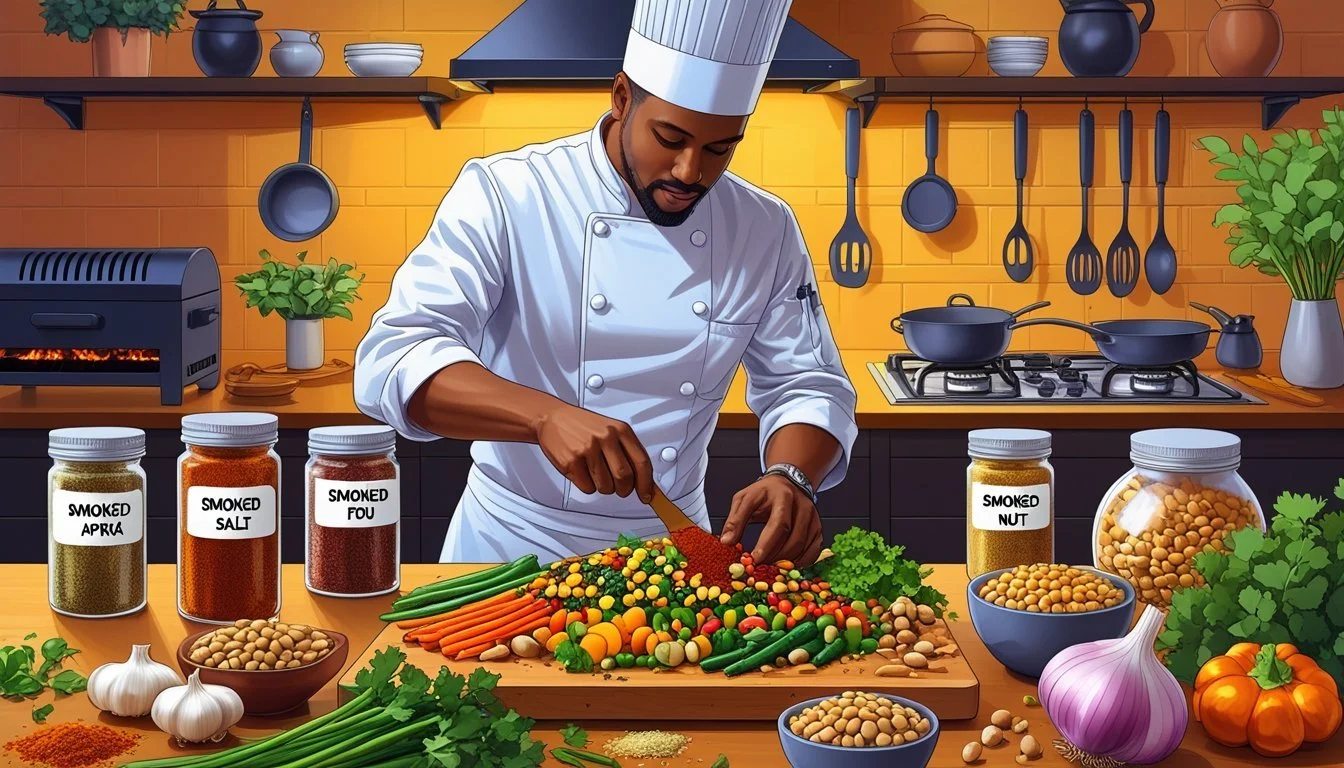
Using smoked ingredients in place of meat calls for precision, attention to smoking times and temperatures, and proper storage practices. Applying the same care and technique as with smoked meats helps maximize flavor and maintain food safety.
Balancing Smoke Flavor Without Overpowering
When smoking ingredients like tofu, mushrooms, or nuts, moderation is critical. Over-smoking can lead to a bitter, harsh taste that drowns out other flavors. It’s best to start with a short smoke—10 to 30 minutes—then taste and adjust in future batches.
For intense smoky flavor, use a blend of wood types, such as hickory for depth and fruitwoods for sweetness. Alder and applewood are gentle and pair well with vegetables and cheese. A simple table for guidance:
Ingredient Light smoke (min) Strong smoke (min) Tofu 10–15 20–30 Mushrooms 10–12 18–20 Cheese 5–10 10–15
Let smoked items rest before using. This helps temper potent flavors.
Optimizing Smoking Times and Temperatures
Maintaining proper smoking temperature is critical, especially with plant-based or delicate foods. Aim for cold to warm smoking between 68°F and 180°F (20°C–82°C), depending on the ingredient. Hotter temperatures can cook or dry out items too quickly.
Monitor the temperature with a reliable digital thermometer. Never allow perishable foods to remain in the temperature danger zone (between 40°F and 140°F, or 4°C–60°C) for more than two hours to avoid bacterial growth.
Smoking times differ by food thickness and moisture content. Thin slices smoke faster, while denser items require extra time. Adjust cooking time incrementally, tasting as needed.
Storage and Shelf Life of Smoked Ingredients
Proper storage extends the flavor and safety of smoked ingredients. Always cool items completely before packaging to prevent condensation and spoilage. Refrigerate smoked vegetables, tofu, and cheese promptly in airtight containers.
Smoked ingredients generally last up to one week in the refrigerator. For longer storage, vacuum-seal and freeze for up to three months. Label containers with the product name and smoking date.
Inspect for any signs of spoilage before use—slimy texture, off-odors, or discoloration indicate it’s best to discard. Smoked nuts, grains, and spices have a longer shelf life and can be stored in the pantry for several weeks if kept dry and cool.

