
How Food Substitutes Are Changing the Restaurant Industry
Innovations Reshaping Menus and Operations

Food substitutes like plant-based meats and alternative proteins are driving significant changes in the restaurant industry, influencing everything from menu development to customer expectations. As more consumers seek out dietary flexibility or healthier choices, restaurants are adapting quickly by adding these substitutes to attract a wider audience and meet evolving nutritional demands.
Technological innovation and novel ingredients are giving chefs and restaurateurs new ways to create familiar dishes without traditional animal products or allergens. This shift not only addresses dietary restrictions but also responds to sustainability and environmental concerns that are top of mind for many diners.
The rapid adoption of food substitutes is already impacting restaurant operations and shaping how industry leaders plan for the future. From fast food to fine dining, the effects are visible across all segments, prompting businesses to rethink sourcing, recipes, and marketing strategies.
The Rise of Food Substitutes in the Restaurant Industry

Food substitutes have quickly gained traction in restaurants, driven by customer demand for healthier and more sustainable options. These changes are noticeable in menu choices, ingredient sourcing, and overall dining experiences.
Meat Substitutes and Plant-Based Alternatives
Restaurants are increasingly integrating meat substitutes such as Impossible Foods and Beyond Meat into their menus. These products mimic the taste and texture of traditional meat but are made from plant-based ingredients like soy, peas, or mung bean protein.
The trend is most visible in fast-casual and quick-service chains. Many now offer plant-based burgers, sausages, and even meatballs as permanent menu items rather than just limited-time offerings. This shift makes plant-based eating widely accessible.
Operators adopt these substitutes to attract both vegetarians and flexitarians—consumers who want to reduce animal protein without giving up familiar flavors. Table 1 shows key differences between traditional meat and popular substitutes.
Product Main Ingredients Protein per Serving Fat per Serving Notable Brands Traditional Beef Animal protein 20-25g 15-20g N/A Plant-Based Burger Soy/pea protein 18-20g 14-18g Beyond Meat, Impossible Foods
Growth of Plant-Based Foods and Proteins
Plant-based foods and proteins are experiencing robust growth in restaurants worldwide. According to industry reports, roughly 10% of U.S. consumers bought plant-based meat alternatives at foodservice outlets in 2022, and product availability is steadily increasing.
Menus now include options like tofu bowls, lentil pastas, chickpea-based salads, and non-dairy cheese pizzas. Even fine dining establishments and hotel chains have introduced plant-forward dishes to cater to this growing interest.
This expansion is not just limited to imitation meat. Restaurants are expanding their vegetable, grain, and legume offerings to meet demand. Operators see plant-based proteins as versatile, cost-effective, and less susceptible to supply chain disruptions than animal proteins.
Health and Wellness Perspectives
Interest in plant-based diets is often tied to health and wellness concerns. Many restaurants market their plant-based and meat substitute offerings as lower in cholesterol and saturated fat than traditional meat dishes.
Health professionals point to potential benefits such as reduced risk of chronic diseases, including heart disease and type 2 diabetes, when diets are primarily plant-based. However, it is important to note that not all plant-based products are automatically healthier; some can contain processed ingredients and sodium.
Consumers are also seeking food substitutions free of allergens, artificial additives, and excessive calories. Restaurant operators have started labeling menus with nutrition information, allergen warnings, and “heart-healthy” identifiers to address these evolving concerns.
Business Innovation and Competitive Landscape
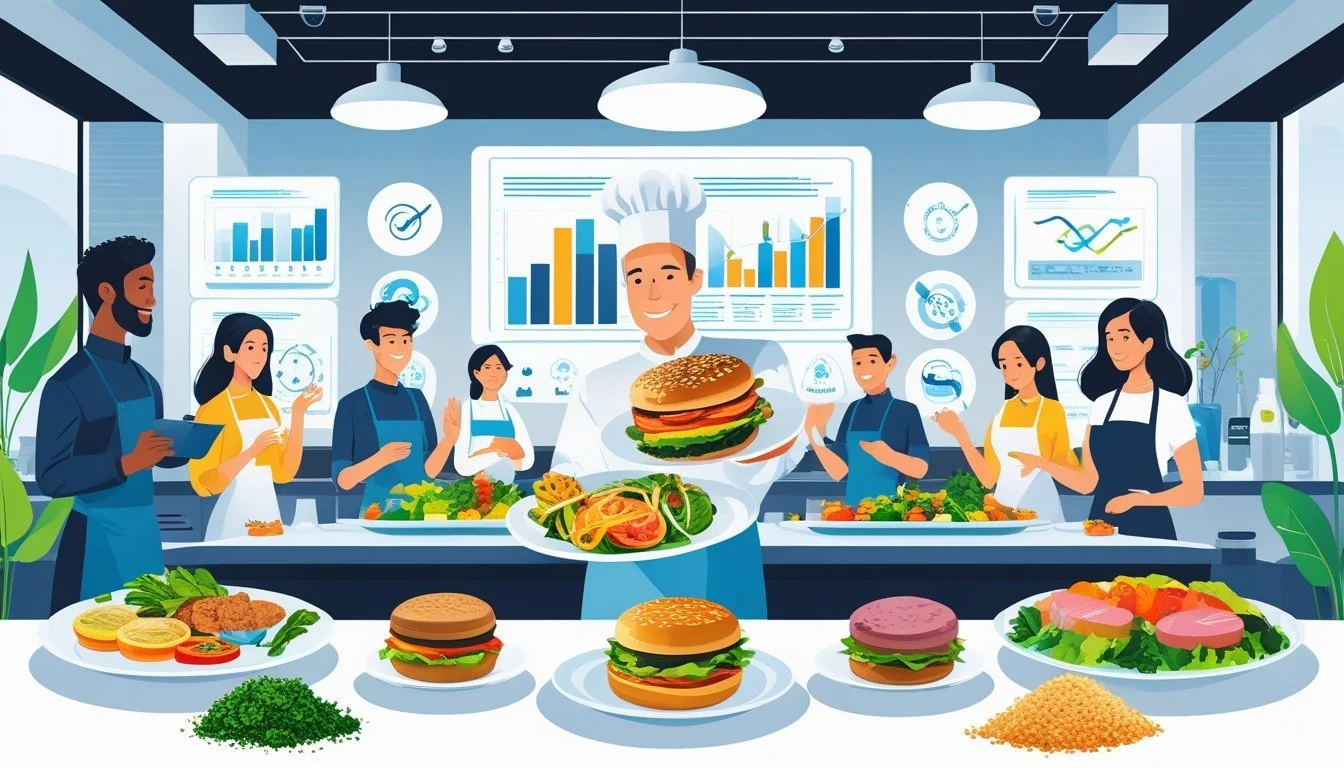
Businesses in the restaurant industry are adopting food substitutes due to strong investment activity, changing trends, and competitive pressure. Operators are focusing on innovative approaches, from investment in alternative protein companies to fresh strategies for adapting menus to new consumer preferences.
Investment and IPO Activity
Private equity and corporate venture capital are playing a critical role in scaling food substitutes such as plant-based meat and dairy alternatives. Companies like Impossible Foods and Beyond Meat have attracted substantial funding, accelerating their ability to innovate and expand into new markets.
Beyond Meat’s IPO and Oatly’s successful listing on the Nasdaq highlight investor interest in sustainable food substitutes. These moves signal growing confidence in the alternative protein sector. Investment isn’t limited to public companies; startups developing novel substitutes are also attracting attention, which is intensifying competition and accelerating the pace of new product launches.
Key points:
Surge in private and public capital
Greater focus on sustainability and innovation
High-profile IPOs setting standards for the sector
Emerging Trends Influencing Operators
Restaurant operators are continuously monitoring consumer preferences to remain competitive. Growing demand for health-conscious, sustainable, and allergen-friendly options is leading to rapid menu diversification. Technology has enabled easier integration of new food substitutes, making transitions quicker for many businesses.
The emergence of specialty menu design—such as vegan, vegetarian, and flexitarian options—reflects this shift. Operators are also considering supply chain adjustments as food substitutes require different sourcing, storage, and preparation protocols. These changes create new opportunities but also pose logistical challenges.
Emerging trends include:
Adoption of plant-based and cell-cultured proteins
Integration of global flavors and clean-label ingredients
Increased transparency in sourcing and nutritional information
Innovation in Menu Development
Innovation in menu development is centered around experimenting with alternative proteins and sustainable ingredients. Restaurants are working closely with companies like Impossible Foods and Beyond Meat to pilot new products that can replace traditional animal-based items.
These collaborations extend beyond burgers to include sauces, desserts, and beverages using plant-based or dairy-free substitutes. Menu engineering uses consumer feedback and analytics to refine offerings, ensuring that taste and culinary appeal are not compromised.
Innovative strategies include:
Rotational introduction of food substitutes to gauge demand
Use of ingredient swaps in familiar dishes (e.g., oat milk for dairy)
Testing and branding proprietary recipes featuring novel substitutes
Impact on Dining Experience and Consumer Preferences

Food substitutes are shaping how restaurants operate and how consumers interact with menus. Changes can be seen in how guests personalize meals, respond to brand messages, and align their choices with broader lifestyle and social trends.
Customization and Transparency
The growing adoption of food substitutes has led restaurants to expand menu options, giving diners the ability to customize meals more than ever. This includes plant-based proteins, dairy alternatives, and allergen-friendly ingredients that accommodate a wide range of dietary needs.
Transparency has become a priority. Diners increasingly expect clear information about ingredients, sourcing, and nutritional content. Many restaurants now display allergen charts, calorie counts, and sourcing details directly on menus, either in print or digitally. This information helps consumers make choices aligned with personal health, ethical views, or environmental concerns.
Establishments responding to this trend often see increased satisfaction and loyalty, especially among younger guests and those with dietary restrictions. Loyalty programs now sometimes incorporate special rewards for choosing sustainable or alternative options, further encouraging conscious consumer behaviors.
Influence of Social Media
Social media has amplified the visibility of food substitutes and how they affect dining experiences. Platforms like Instagram and TikTok showcase visually appealing alternative dishes, often prompting diners to try trending options.
Online reviews and influencer content can drive interest in restaurants that offer transparent ingredient lists or unique customization choices. Consumers are likely to share positive experiences with plant-based burgers or allergy-friendly desserts, increasing word-of-mouth marketing.
Restaurants monitor feedback on social channels and adjust offerings to meet shifting tastes. Limited-time promotions and visually striking dishes featuring food substitutes are often developed specifically with shareability in mind, further linking social media with menu innovation.
Shifting Consumer Trends
Consumer preferences around dining have shifted toward wellness, environmental sustainability, and convenience. Economic factors and rising urbanization, as noted in recent industry analyses, also affect the kind of restaurants people visit and the frequency of their visits.
Trends Impacting Choices:
Increased demand for plant-based, low-impact options
Attention to clean labels and ingredient sourcing
Growing influence of special dietary needs (e.g., gluten-free, vegan, allergen-aware)
Many diners now seek out restaurants that align with these values, influencing where they become repeat guests. Brands that adapt to these changes—offering greater customization and transparency along with clear communication—are positioned to attract and retain a broad customer base.
Operational Changes in the Foodservice Industry

Widespread adoption of food substitutes has prompted significant changes in how foodservice businesses operate. These shifts include new formats for food production, expanded off-premises dining options, and technology-driven strategies to maintain customer engagement and efficiency.
Dark Kitchens and Pop-Up Restaurants
Dark kitchens, also known as ghost kitchens, have become an essential part of the foodservice industry, enabling restaurants to prepare meals exclusively for delivery and takeaway without the overhead of a dine-in space. This model allows operators to test new menu items, including plant-based and alternative protein options, while minimizing risk.
Pop-up restaurants provide flexibility for concepts focused on food substitutes. They are often used to gauge customer reaction to new dishes or brands, letting operators quickly adapt. Both dark kitchens and pop-ups support rapid menu innovation and help businesses keep up with shifting dietary preferences and niche diets.
Key features:
Low overhead: No major investment in traditional front-of-house operations.
Increased reach: Can serve areas without the need for permanent locations.
Menu agility: Easily update offerings with the latest food substitute trends.
Role of Meal Kits and Delivery Services
Meal kits have changed the way consumers interact with restaurants by enabling people to recreate restaurant-quality meals at home, often featuring food substitutes as main components. Restaurants partner with meal kit brands to showcase alternative products like plant-based proteins, attracting a broader customer base.
Third-party delivery services are now crucial for expanding sales channels. They facilitate the distribution of food substitute-heavy menus well beyond physical storefronts. Accurate labeling, sustainable packaging, and reliable delivery are top priorities due to customer expectations around health, safety, and environmental concerns.
Example benefits:
Broader market access through app partnerships
Promotion of alternative protein dishes in meal kits
Direct relationships with health- and eco-conscious consumers
Mobile Apps and Loyalty Programs
Mobile apps streamline the ordering process and allow restaurants to collect data on consumer food preferences, including trends in food substitute orders. This information is valuable for menu planning and targeted promotions.
Loyalty programs integrated into these apps reward frequent purchases and can encourage trial of new food substitute items. Customizable rewards, such as discounts or exclusive access to limited-edition plant-based dishes, help retain customers and boost repeat business.
Functions:
Order tracking and personalization
Digital promotions based on purchase history
Enhanced customer engagement through gamified rewards
Technology, Automation, and Data Analytics
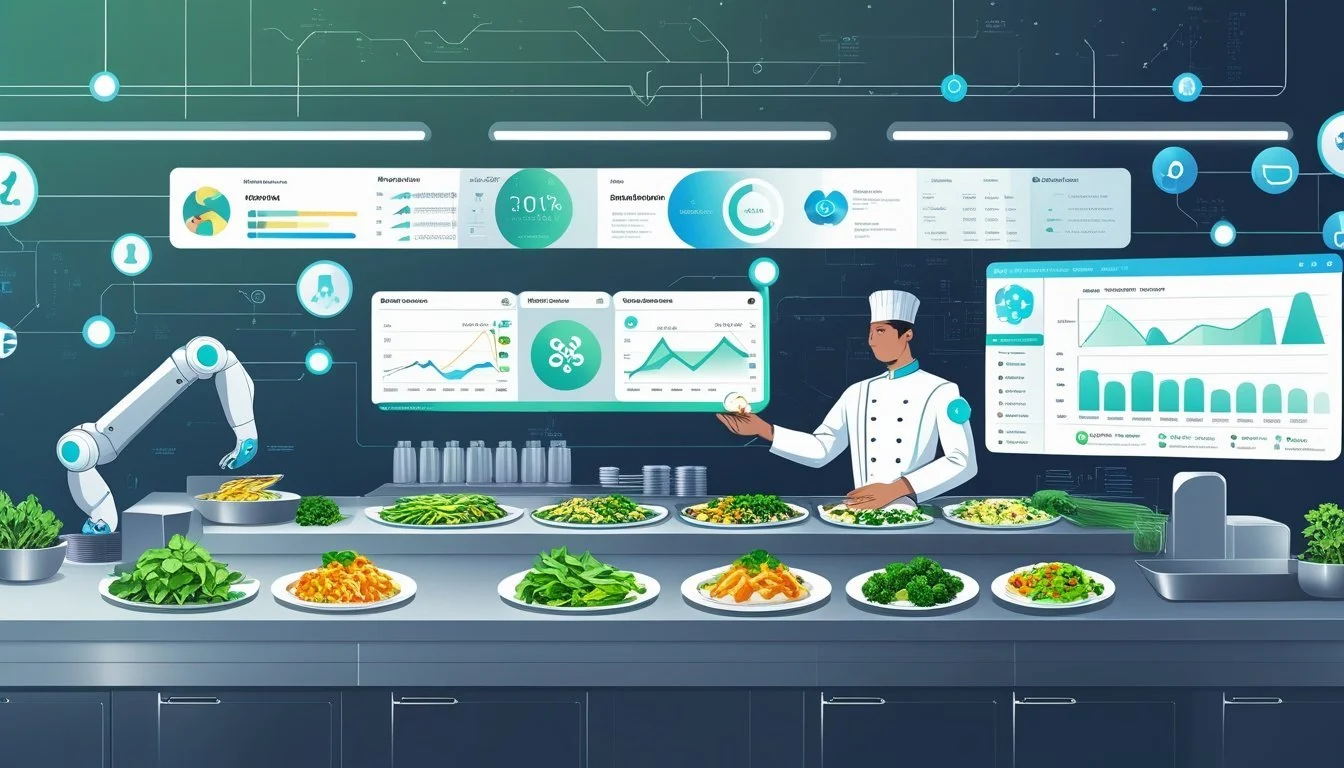
Restaurants are using new technologies to manage food substitutes efficiently. Artificial intelligence, automation, and data analytics are central to these changes, supporting more precise and profitable business decisions.
Artificial Intelligence in Restaurant Operations
Artificial intelligence (AI) is used to enhance both back-of-house and customer-facing operations. Kitchens now rely on AI-powered inventory systems to monitor stock levels of food substitutes and automatically reorder as needed. This helps prevent shortages and reduces waste.
Automation is present in food preparation, allowing restaurants to consistently mix or prepare substitute ingredients. With robotic kitchen equipment and AI-driven recipe management, staff are guided on proper portioning and cooking methods, ensuring consistent results.
Key benefits include:
Reduced labor costs
Improved accuracy in ingredient use
Fewer errors in order handling
AI is also integrated into digital ordering systems, where menu items containing food substitutes can be recommended based on customer profiles and preferences.
Utilizing Data Analytics
Data analytics gives restaurants detailed information on how food substitutes impact menu performance. Sales trends, ingredient costs, and customer satisfaction ratings are monitored in real time.
Management uses dashboards and reports to track:
Substitution uptake rates
Menu profitability by ingredient type
Waste and spoilage trends
For example, if plant-based substitutes are driving repeat visits, analytics will identify this pattern. Insights from these systems help restaurants optimize menus, adjust pricing, and tailor marketing campaigns.
Visualizations, such as bar charts and heat maps, allow teams to quickly spot shifts in customer preferences. This data-driven approach enables more responsive and efficient operations in adopting and managing food substitutes.
Sustainability and Environmental Impact

Food substitutes are influencing how restaurants operate by introducing sustainable options, reducing waste, and supporting environmentally-friendly food sources. Their adoption directly affects both the way meals are prepared and the environmental footprint of the restaurant industry.
Reducing Food Waste
Many food substitutes come in processed or preserved forms, resulting in longer shelf lives and greater portion control. This allows restaurants to cut down on spoilage, especially with perishable items like meat and dairy. Reducing food waste is critical since restaurants generate large amounts of both organic and packaging waste, which typically ends up in landfills.
Some plant-based ingredients, such as oat milk and tofu, can be stored for extended periods compared to animal-based products. Restaurants also gain more flexibility in menu planning, further minimizing excess inventory. Less waste means fewer resources needed for waste management and a smaller environmental footprint.
Adopting substitutes can also support upcycling, where ingredients that might have been discarded are transformed into new menu items. These approaches help lower the overall impact on local waste disposal systems.
Addressing Greenhouse Gas Emissions
Shifting to alternatives like plant-based foods and non-dairy milks can significantly lower greenhouse gas emissions associated with food production. Meat and dairy are among the main contributors to methane and carbon dioxide emissions in the food supply chain. When restaurants replace beef, cheese, or cream with ingredients such as oat milk or pea protein, their carbon footprint decreases.
Key strategies:
Substitute high-emission ingredients with plant-based options.
Source from suppliers using sustainable farming and production methods.
Design menus that encourage customers to choose low-impact dishes.
Using food substitutes helps reduce energy use, land demand, and emissions from transportation. This transition supports the restaurant industry’s efforts to align with broader climate goals and meet customers’ rising expectations for sustainable practices.
Promoting Eco-Friendly Ingredients
Restaurants are increasingly choosing food substitutes that are local, seasonal, and organic. This supports nearby farms and reduces transportation emissions. Ingredients like oat milk are often embraced for being both plant-based and less resource-intensive compared to cow's milk.
Eco-friendly criteria often include:
Ingredient Sourcing Production Impact Oat milk Local farms Low water use Pea protein Regional crops Reduced land needs Tofu Organic soybeans Fewer pesticides
Switching to these alternatives allows restaurants to lower their environmental impact while responding to consumer demand for sustainability. It encourages menus centered on planet-friendly choices, contributing to industry-wide changes in sourcing and supply chain management.
Expanding Plant-Based and Allergen-Friendly Options
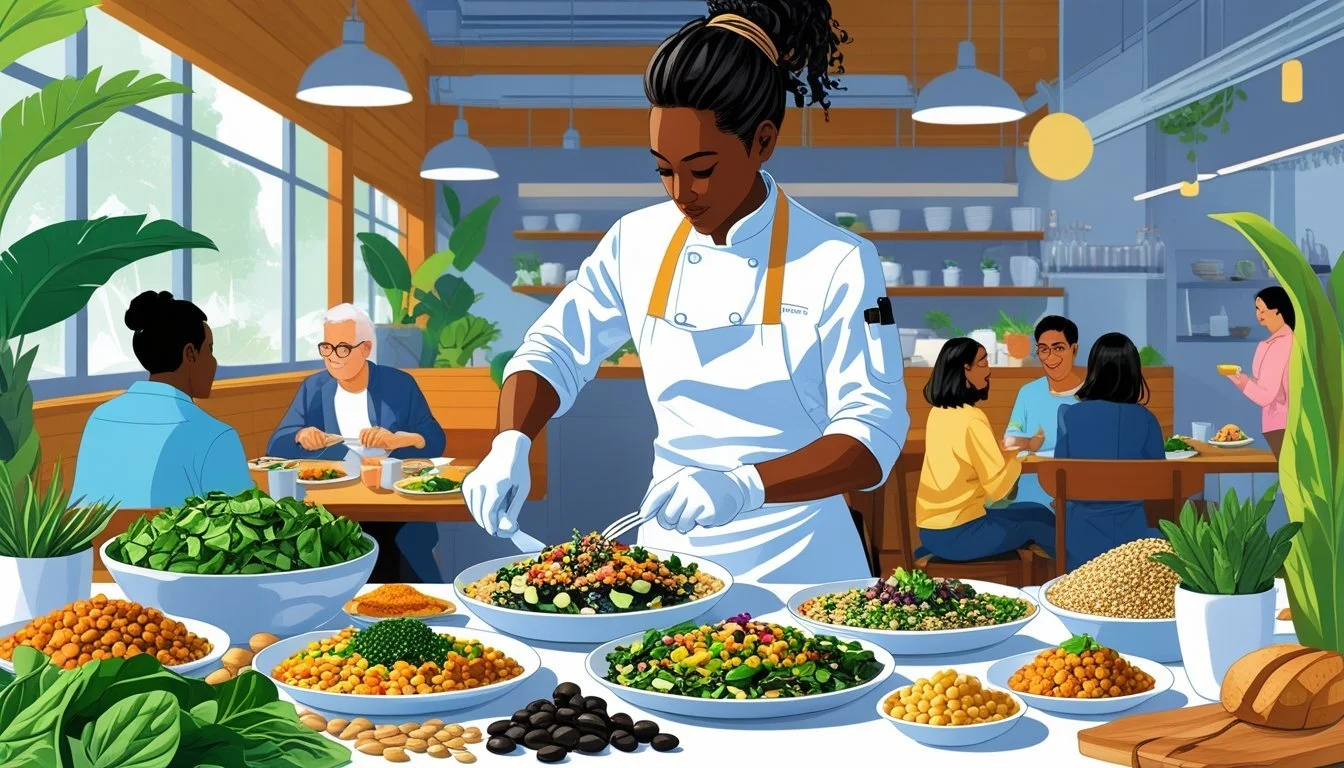
Restaurants are introducing new menu strategies to meet shifting consumer demands. The rise of plant-based alternatives and gluten-free choices is reshaping both product development and customer expectations across the industry.
Gluten-Free and Specialty Diets
Gluten-free offerings have expanded beyond basic substitutions. Many restaurants now include gluten-free breads, pastas, and desserts regularly on their menus. Demand for allergen-friendly foods is also driving changes—about one-quarter of Americans intentionally avoid food allergens when dining out.
Common specialty diet requests include dairy-free, nut-free, soy-free, and low-FODMAP options. Operators use clear labeling and dedicated preparation spaces to manage cross-contamination risks. Gluten-free and allergen-friendly menu items help businesses reach new customers, including those with celiac disease or other dietary restrictions.
Some chains are using icons, checklists, or dedicated menu sections to quickly identify gluten-free selections. Here is an example of menu labeling:
Symbol Meaning GF Gluten-Free DF Dairy-Free NF Nut-Free
Increasing Availability of Plant-Based Menu Items
Plant-based options have moved from niche to mainstream in many restaurant segments. Businesses are responding by introducing more dishes featuring plant-based proteins such as pea, soy, or lentil-based alternatives. Major chains now regularly feature plant-based burgers, sausages, and chicken alternatives.
Data shows that ground meat substitutes, particularly beef and veal alternatives, are the most produced items in the plant-based sector. Plant-based milks—including oat, almond, and soy—now represent about 35% of the total plant-based food market, according to recent industry analysis.
Popularity extends beyond protein. Plant-based yogurts, cheeses, and creamers have seen double-digit growth in sales. By diversifying plant-based offerings across product categories, restaurants can cater to both vegans and flexitarians seeking healthier or more sustainable choices.

