
Spices as Functional Substitutes: Enhancing Health Beyond Flavor
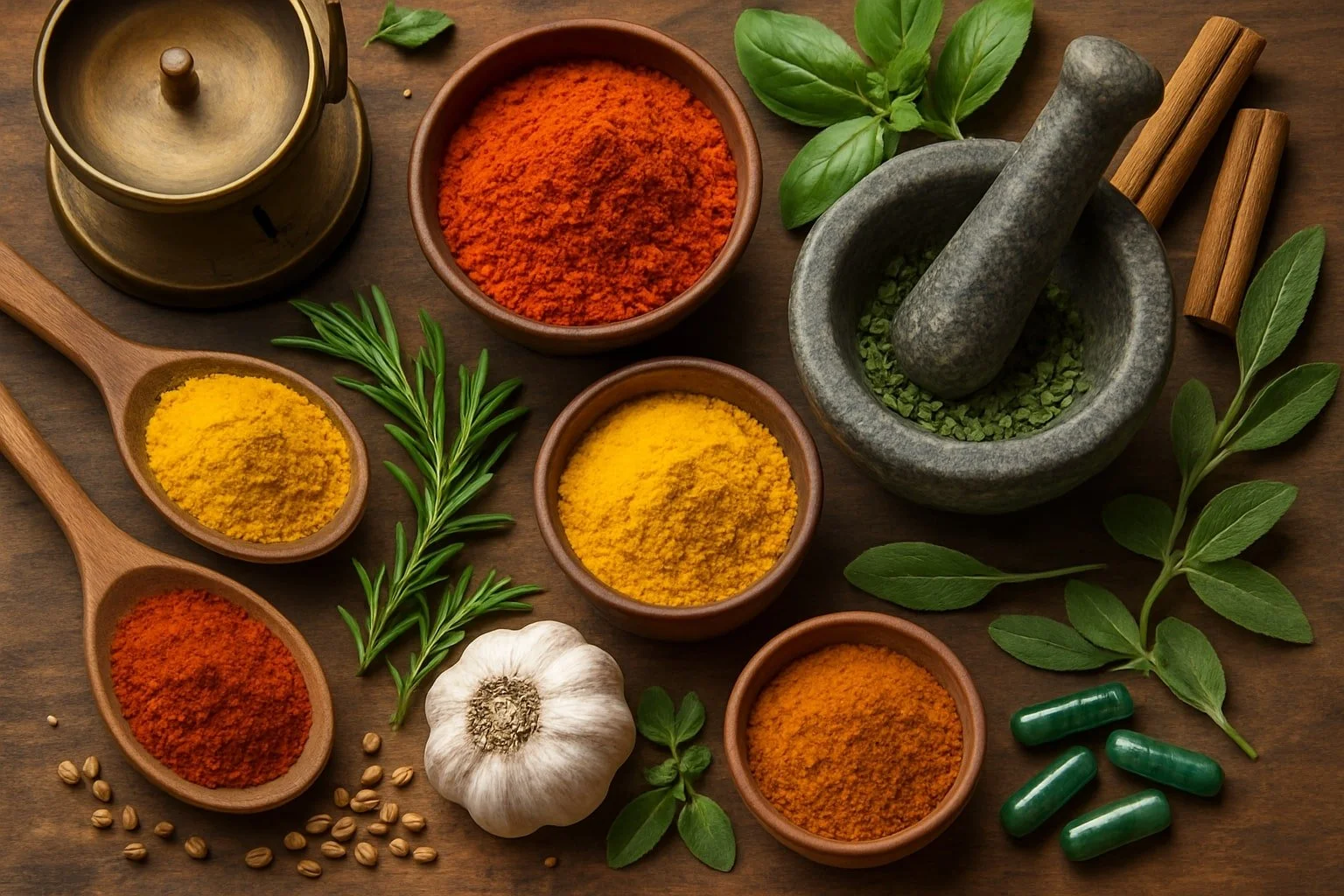
Spices are increasingly recognized not only for their ability to enhance flavor but also for their role as functional substitutes in everyday food. Used widely around the world, spices like turmeric, ginger, cinnamon, and garlic offer more than just taste—they can serve unique functions in a meal, from acting as natural preservatives to providing health-related benefits.
Many of these spices are classified as functional foods due to their potential to positively impact well-being. For example, cumin and black pepper can support digestion, while cloves have been valued for their antioxidant properties. By choosing the right spices, it is possible to add depth to recipes and, at the same time, address specific dietary needs or preferences.
This shift toward functional seasonings reflects a broader demand for foods that go beyond taste, helping people make more deliberate choices in their daily cooking. Readers who are curious about how to get more from their ingredients will find practical ideas in exploring spices as multifunctional tools, not just simple flavorings.
Understanding Spices as Functional Substitutes
Spices are valued not only for enhancing taste and aroma but also for their health-promoting properties, unique bioactive compounds, and roles in global culinary traditions. Their expanding use as functional substitutes in food is driven by research, tradition, and practical applications across cultures.
Defining Functional Spices
Functional spices are those that go beyond merely adding flavor or aroma to food. These spices contain natural compounds that may impact health, such as antioxidants, anti-inflammatory agents, or other bioactive substances. For example, turmeric is often used for its curcumin content, which has anti-inflammatory effects.
Unlike conventional spices used solely for seasoning, functional spices may serve as substitutes for salt, sugar, or artificial additives. They offer a way to boost nutritional value while maintaining taste. Cinnamon and ginger, for example, are frequently used to enhance both flavor profiles and wellness characteristics of dishes.
Their growing use in nutraceuticals and functional foods reflects increased consumer awareness and demand for healthier alternatives. The role of herbs and spices as rich sources of antioxidants is widely recognized, especially in comparison to many other plant foods.
Beyond Flavor: The Evolving Role of Spices
Traditionally, spices were added to improve the sensory qualities of food. However, scientific research now reveals that many spices contribute more than flavor. They can help preserve food, replace less healthy ingredients, and provide potential health benefits.
Spices such as garlic and cinnamon are increasingly used to reduce sodium or sugar content in recipes. Dried herbs and spices, like oregano and rosemary, provide concentrated antioxidants. These properties have made them valuable as both functional food ingredients and as part of modern health-focused culinary trends.
Consumers and food manufacturers are incorporating spices not just for taste but as strategic substitutes for preservatives, colorants, and chemical additives. This trend also reflects ongoing innovations in global culinary traditions.
Historical and Cultural Perspectives
Spices have long influenced culinary traditions and trade across continents. The history of the spice trade highlights how valuable spices were for their preservative and medicinal properties, not just their taste or aroma. Ancient cultures, including those in Asia and the Mediterranean, integrated functional spices into daily diets and traditional medicine.
Many herbs and spices were used to treat a range of ailments or maintain well-being. For example, clove and cinnamon were prized both as preservative agents and for their therapeutic effects. The trade in these commodities shaped economies and introduced new flavor profiles to various regions.
Today, these practices continue as cultures build on traditional uses of spices, adapting them as functional substitutes in contemporary cooking and health applications. This historical continuity supports their ongoing role in both culinary and wellness contexts.
Key Health Benefits of Functional Spices
Spices offer more than taste enhancement. They contribute particular compounds with antioxidant, anti-inflammatory, and antimicrobial effects, help regulate blood sugar and cholesterol, and support digestive health through their influence on gut microbiota.
Antioxidant Properties
Many spices such as turmeric, cinnamon, cloves, and oregano contain significant levels of antioxidants. These compounds help reduce oxidative stress by neutralizing free radicals, which may lower the risk of cellular damage and some chronic diseases. Regular consumption of antioxidant-rich spices can support cellular wellness and may contribute to healthier aging.
Clinical studies have identified specific antioxidant compounds like curcumin in turmeric and eugenol in cloves. These are linked to protective effects against certain degenerative conditions. When spices are used in everyday cooking, they add both flavor and essential nutritional benefits.
Antioxidant spices are often used alongside fruits and vegetables to increase total antioxidant intake. Studies suggest that integrating a variety of these spices into the diet may help strengthen the immune system and reduce low-level inflammation linked to chronic illness.
Examples of antioxidant-rich spices:
Spice Key Compound Antioxidant Activity Turmeric Curcumin High Cloves Eugenol Very high Oregano Rosmarinic acid High Cinnamon Cinnamaldehyde Moderate-high
Anti-Inflammatory and Antimicrobial Effects
Common kitchen spices are recognized for their anti-inflammatory and antimicrobial properties. Turmeric, ginger, and garlic are frequently cited in clinical trials for their ability to reduce inflammation markers in the body. Curcumin in turmeric, in particular, is studied for its effect on inflammatory pathways.
Spices like cinnamon, thyme, and black pepper possess natural antimicrobials that inhibit the growth of certain bacteria and fungi. Their use in both traditional medicine and food preservation stems from this benefit.
Including these spices in the diet can support immune defense. They are also used in some cases as natural alternatives to synthetic preservatives due to their antibacterial properties, providing functional roles beyond just taste.
Support for Blood Sugar and Cholesterol
Several spices are known to aid in the regulation of blood sugar and cholesterol levels. Cinnamon is a prominent example, with research suggesting it may help lower fasting blood glucose in people with diabetes or metabolic syndrome.
Fenugreek, garlic, and ginger have been shown to influence cholesterol metabolism. Consumption of these spices, especially in combination with healthy dietary habits, may contribute to improved lipid profiles and better glycemic control in some individuals.
Regular inclusion of these health-boosting spices in meals can provide nutritional benefits for those managing cardiovascular or metabolic health. Their mechanism often involves modulation of insulin sensitivity and enzyme activity related to cholesterol synthesis.
Impact on Gut Health and Probiotics
Certain spices support gut health by promoting beneficial bacteria and discouraging the growth of harmful microbes. Spices such as ginger, cumin, coriander, and fennel contain compounds that work as mild prebiotics, helping the proliferation of healthy gut flora.
Turmeric and black pepper have also been studied for their effects on gut inflammation and digestion. Some research shows they may enhance the effects of probiotics by creating a more favorable environment for their growth.
Integrating these spices into daily meals can contribute to a more balanced gut microbiome. This may aid digestion, strengthen immune function, and support overall wellness linked to gastrointestinal health.
Bioactive Compounds and Mechanisms of Action
Spices provide more than just flavor; they contain a range of bioactive compounds that interact with the body in several ways. Specific compounds found in commonly used spices can support health through antioxidant, anti-inflammatory, and other physiological effects.
Types of Bioactive Compounds in Spices
Many spices are rich in polyphenols, terpenoids, flavonoids, and various essential oils. For example:
Turmeric: Contains curcumin, known for its anti-inflammatory and antioxidant properties.
Ginger: Contains gingerol and shogaol, studied for digestive and anti-nausea effects.
Black pepper: Piperine in black pepper can enhance nutrient absorption and provide antioxidant effects.
Cinnamon: Rich in cinnamaldehyde, believed to support metabolic health.
Garlic: Contains allicin, which may help support cardiovascular health.
Other spices, such as cloves (eugenol), cardamom, coriander, mustard seeds, saffron (crocin), paprika, nutmeg, star anise, fenugreek, cayenne, and fennel seeds also provide unique blends of bioactive substances. Each compound serves specific roles based on its structure and concentration.
Spice Primary Bioactive Compound Potential Role Turmeric Curcumin Anti-inflammatory Ginger Gingerol, Shogaol Digestive support Cumin Cuminaldehyde Antioxidant, antimicrobial Black Pepper Piperine Enhances absorption Cinnamon Cinnamaldehyde Metabolic health Cloves Eugenol Antioxidant Garlic Allicin Cardiovascular support
Mechanisms Behind Health Effects
Bioactive compounds in spices exert their effects through several biological pathways. Antioxidant activity is common; compounds like curcumin and eugenol neutralize reactive oxygen species, reducing oxidative stress in tissues.
Many of these compounds exhibit anti-inflammatory properties, helping to regulate cytokine production and block inflammatory signaling pathways. Piperine increases the bioavailability of other nutrients and phytochemicals by affecting gut absorption and enzyme activity.
Some substances, such as allicin in garlic or cuminaldehyde in cumin, have been found to demonstrate antimicrobial and antifungal activity by disrupting microbial membranes or inhibiting bacterial enzymes.
Finally, certain spices, such as cinnamon and fenugreek, may help modulate blood glucose levels by affecting insulin sensitivity or enzyme activity involved in carbohydrate metabolism. These combined mechanisms illustrate how spices can contribute to health beyond taste.
Spices as Natural Preservatives and Shelf Life Extenders
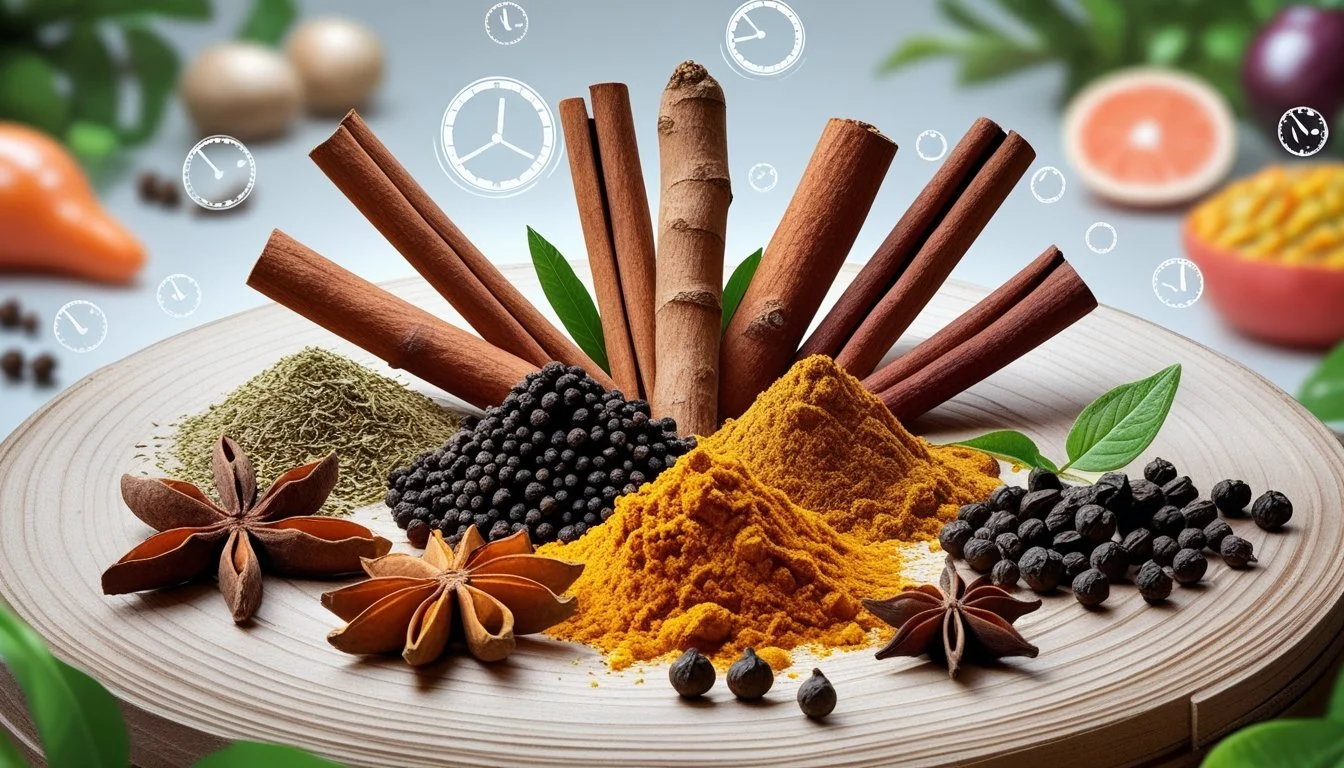
Many spices are used for more than flavor—they can preserve food through natural antimicrobial and antibacterial actions. By adding these spices, foods can last longer without relying on artificial additives.
Replacing Synthetic Preservatives
Increasing attention is being given to replacing synthetic preservatives with plant-based alternatives. Spices such as cloves, cinnamon, and mustard are used as natural preservatives in various food products.
This shift is seen in commercial food production and home storage. Manufacturers and home cooks seek clean-label foods with fewer artificial ingredients, making spice-based preservation attractive. The table below shows some examples:
Spice Main Use Preservative Action Clove Meats, pickles, sauces Inhibits mold, bacteria Cinnamon Baked goods, preserves Slows spoilage Mustard Canned foods, dressings Inhibits harmful bacteria
Removing synthetic additives can reduce concerns about chemical residues while still extending shelf life. This approach supports consumer demand for safer, more natural food preservation options.
Antimicrobial and Antibacterial Preservation
Spices like thyme, garlic, and turmeric are valued specifically for their antimicrobial and antibacterial capabilities. These properties work by inhibiting the growth of bacteria, molds, and yeasts that contribute to food spoilage.
For example, research has shown that thyme and clove oils contain compounds effective against common foodborne pathogens. Garlic has been studied for its allicin content, which can prevent bacterial growth in cooked and raw preparations.
These spices not only help maintain food safety but also preserve nutrients and flavors. Using such natural preservatives allows for longer storage periods and can lower the risk of foodborne illnesses without relying on synthetic chemicals.
Culinary Approaches to Using Functional Spices
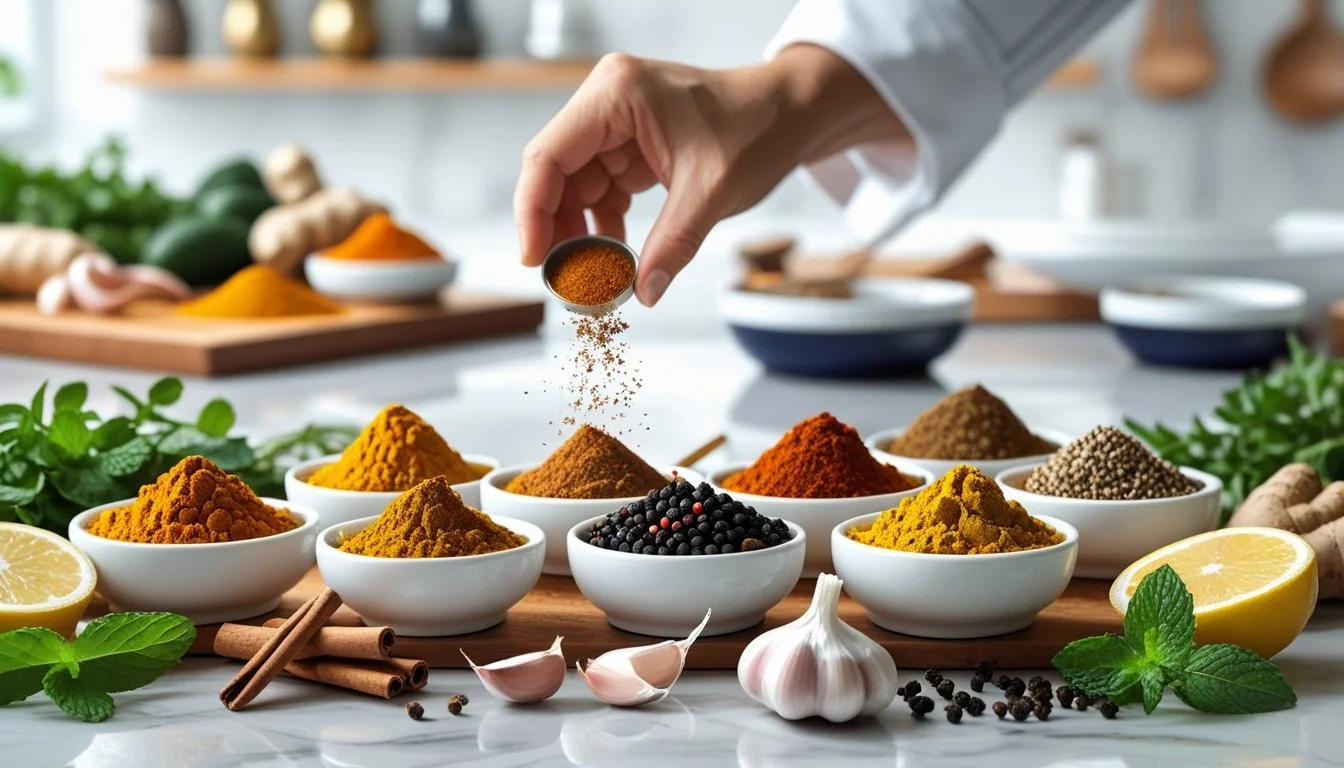
Functional spices can be used purposefully in cooking to add both flavor and health benefits. Understanding the difference between flavor enhancement and functional use is key for making effective choices in the kitchen.
Flavor Enhancers Versus Functional Ingredients
Traditionally, spices like black pepper, cumin, and paprika have been valued as seasonings to enhance flavor and aroma in recipes. However, many of these spices also contain bioactive compounds with documented health benefits, such as antioxidants or anti-inflammatory agents. For example, turmeric includes curcumin, and cinnamon contains cinnamaldehyde, both linked to physiological advantages beyond taste.
When selecting functional spices, it is important to consider their concentration and stability during cooking. Some spices retain more beneficial properties when added toward the end of the cooking process, preserving volatile compounds. Using dried herbs can sometimes increase antioxidant intake compared to fresh versions, according to research.
Creating Spice Blends and Mixes
Combining spices into blends or mixes allows for a more complex sensory experience while maximizing their potential health effects. Traditional blends such as garam masala, herbes de Provence, and Chinese five-spice typically offer diverse nutrients and phytochemicals. Creating customized blends at home gives cooks control over flavor balance and functional benefits.
The table below shows examples of common blends and their typical functional roles:
Spice Blend Possible Benefits Za’atar Antioxidant, digestive aid Curry powder Anti-inflammatory Italian seasoning Antimicrobial, antioxidant
Using pre-made mixes can be convenient, but homemade blends allow for less salt or artificial additives, focusing on pure spices for both flavor and function.
Enhancing Sensory Experience in Recipes
Functional spices can greatly influence the texture, aroma, color, and taste of foods. Incorporating spices like star anise, cardamom, or smoked paprika can deepen the sensory experience in both sweet and savory recipes. Layering spices at different stages of cooking helps develop flavor complexity without overwhelming the original dish.
Culinary practices such as toasting whole spices before grinding or blooming them in oil release essential oils and enhance their impact on the palate. Experimenting with pairings—such as chili with dark chocolate or cinnamon with roasted vegetables—brings both familiar and novel experiences. Simple adjustments in spice use can transform everyday meals into dishes with enhanced appeal and added health value.
Applications in Beverages, Dairy Products, and More
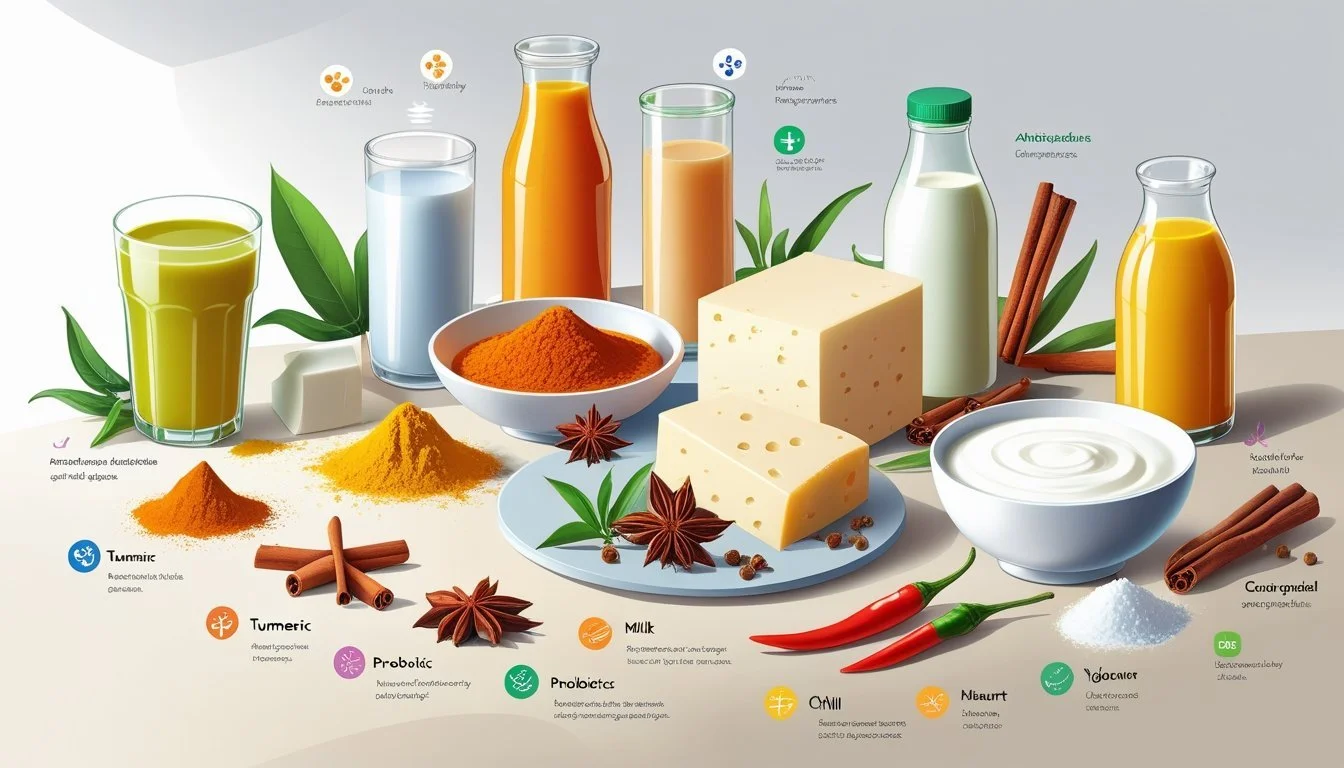
Spices are increasingly used in foods and drinks not only for taste but for their health-supporting properties. Functional benefits such as supporting immunity, improving energy, and delivering antioxidants are driving interest, especially in beverages and dairy products.
Infusing Beverages with Functional Spices
Many modern beverages now include spices for their nutritional qualities. Drinks like chai, golden milk, and infused teas feature turmeric, ginger, cinnamon, and cardamom. These spices provide flavor but are also sources of compounds such as curcumin and polyphenols, which have been studied for their potential anti-inflammatory and antioxidant effects.
Manufacturers add spices to juices, kombucha, and even cold brew coffee. The aim is to offer drinks that might help with digestion or boost energy, without artificial additives. Popular combinations include:
Turmeric and black pepper: Improved absorption of curcumin
Ginger and lemon: Digestive support
Cinnamon and cocoa: Antioxidant enhancement
The trend extends to functional waters and sports beverages, replacing synthetic ingredients with natural spice extracts.
Spices in Dairy and Plant-Based Foods
Dairy products, including yogurts and kefir, are often fortified with herbs and spices to increase their value. Common additions such as cinnamon or nutmeg can improve flavor and add bioactive components like cinnamaldehyde. This approach is used both in traditional dairy and modern plant-based alternatives using almond, coconut, or oat bases.
Spices may provide added shelf-life benefits by acting as natural preservatives. For instance, clove and cardamom possess antimicrobial properties that help preserve freshness.
A quick comparison of spice use:
Food Type Common Spices Potential Functional Benefit Yogurt Cinnamon Glycemic control, antioxidants Plant-based milk Turmeric Anti-inflammatory Cheese Paprika Color, antioxidants
The functional use of spices is often supported by consumer demand for clean labels and reduced reliance on artificial ingredients.
Functional Spices in Traditional and Modern Medicine
Spices have long played roles far beyond flavoring in global cultures, with uses that range from disease prevention to supporting general wellness. Their bioactive compounds are now receiving growing scientific attention for functional health benefits.
Spices in Traditional Medicine
Traditional medicine systems, such as Ayurveda, Traditional Chinese Medicine (TCM), and Unani, have utilized spices for centuries as remedies for a variety of ailments. Common examples include turmeric for inflammation, ginger for nausea and digestive issues, and black pepper for respiratory conditions.
Preparation methods in these traditions often involved teas, powders, or tonics. For instance, turmeric is used as a paste or decoction for wounds and as a tonic for arthritis. Black pepper is valued as a "bioenhancer," boosting the absorption of other herbal medicines.
Key spices in traditional medicine:
Spice Traditional Use System Turmeric Anti-inflammatory Ayurveda, TCM Ginger Digestive aid, antiemetic Ayurveda, TCM Black Pepper Respiratory, enhancer Ayurveda Cinnamon Blood sugar regulation TCM, Western Folk
Current Research and Clinical Trials
Recent years have seen increased interest in scientifically validating the health benefits of spices, moving them from traditional practice to evidence-based applications. Several clinical trials have investigated the effects of curcumin (from turmeric) on inflammation, with results showing potential for reducing symptoms in conditions like arthritis and metabolic syndrome.
Ginger studies have focused on its anti-nausea properties, especially in patients undergoing chemotherapy or pregnancy. Similarly, cinnamon has been tested for its effects on blood glucose levels in individuals with type 2 diabetes.
Modern research also examines the antioxidant potential of spices. Reviews consistently report that herbs and dried spices are among the richest sources of dietary antioxidants, helping to minimize oxidative stress and promote wellness. While some findings are promising, ongoing research and well-structured clinical trials are necessary to confirm these health claims.
Sourcing and Sustainability of Functional Spices
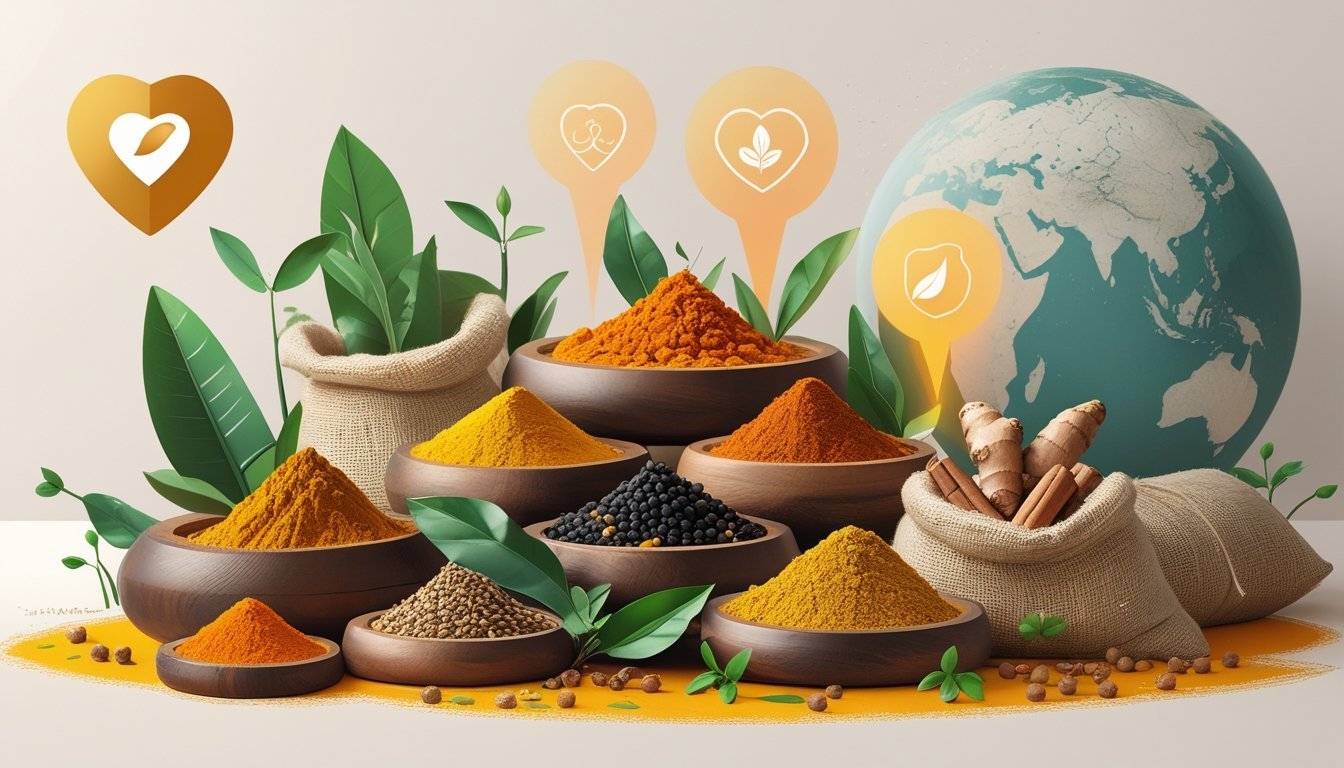
Supply chains and retail habits are changing as demand for functional spices increases. Reliable sourcing, specialty retailers, and sustainability all play key roles in bringing quality functional spices to everyday kitchens.
Sourcing Quality Spices
High-quality functional spices depend on careful sourcing from reputable producers. Provenance, freshness, and processing techniques are critical to maintaining the beneficial properties of spices such as turmeric, ginger, and garlic.
Buyers should check for origin labeling, certification (such as organic or fair-trade), and appropriate storage practices. Purity is also essential—look for products with minimal additives or fillers.
A table comparing key factors:
Factor Why It Matters Country of Origin Impacts flavor, potency, ethics Harvest Method Affects purity, sustainability Processing Influences nutrient content Certification Ensures ethical sourcing
Sourcing quality not only boosts flavor but supports the intended health benefits of functional seasonings.
Role of Specialty Spice Shops and Ethnic Grocery Stores
Specialty spice shops and ethnic grocery stores have become important sources for both rare and high-potency spices. These retailers often offer broader selection, fresher batches, and better labeling compared to mainstream supermarkets.
Staff at specialty shops can guide buyers toward specific functional properties, such as spices with higher curcumin content or unique varietals. Ethnic grocery stores provide access to authentic spices used in traditional health practices, often at a lower cost.
Shopping tips:
Ask about sourcing details and batch freshness.
Look for turnover rates—faster turnover often means fresher spices.
Inquire about direct import relationships that support ethical sourcing.
These retailers fill important gaps in availability and education for consumers seeking more than just flavor.
Sustainability and Ethical Practices
Sustainable and ethical spice sourcing has become a priority among both consumers and producers. Practices include organic farming, fair-trade certification, and minimizing environmental impact during cultivation and transportation.
For example, companies are using every part of a spice, like the vanilla bean, to reduce waste. Traceability systems and third-party audits help ensure that labor is fair and ecosystems are protected during spice cultivation.
Certifications to look for:
Fair Trade
Rainforest Alliance
USDA Organic
By choosing sustainably sourced functional spices, buyers support better working conditions, biodiversity, and long-term resource availability.

