
When Color Substitution Matters More Than Taste
Deciding Factors in Food and Design Choices

Color can influence how people perceive flavor even more than the actual taste itself. Research shows that when consumers see food or drink, their expectations based on color often shape their experience more strongly than the actual flavor profile. For example, a beverage colored to look like orange is typically expected to taste citrusy, even if the underlying taste does not match.
Manufacturers and chefs are aware of the strong link between appearance and perception, often using color to create or match expected flavors. When the color and taste do not align, it can significantly alter or even ruin the eating experience, regardless of the ingredient quality. The psychology of color in food highlights just how important visual cues are in shaping enjoyment and satisfaction.
The Power of Color in Food Perception
Color is a primary factor in how individuals interpret and judge food and drink. The appearance of food often drives instant impressions of taste, flavor quality, and even safety before any actual consumption takes place.
How Color Influences Sensory Expectations
When people see a specific food color, they form sensory expectations that can alter their tasting experience. For example, many expect red-colored drinks to taste sweet or fruity, while green may signal sour or fresh flavors.
Research shows that mismatches between food color and expected taste can cause confusion or even aversion. A classic study from 1980 demonstrated that changing the color of familiar foods could make it difficult for participants to correctly identify the actual flavor, even when the taste did not change.
These expectations can influence not only how a food is perceived but also how much a person enjoys it. Artificial or unexpected colors, such as blue ketchup, often reduce acceptance in consumers due to the clash with established sensory associations.
Visual Cues and Their Impact on Flavor
Visual cues play a vital role in shaping the total flavor experience. Because taste and smell can be ambiguous, people naturally rely on the visual appearance of food to interpret flavor.
The color of food can impact judgments about its flavor intensity, freshness, and quality. For instance, brighter and more saturated colors generally make flavors seem more intense. A dull or off-color appearance may lead consumers to believe the food is stale or spoiled, even if the taste is unaffected.
Chefs and food manufacturers use this knowledge to manipulate perception. Adjusting food color through additives often enhances the perceived flavor and overall product appeal, underlining the visual system’s strong influence over the palate.
Color-Flavor Associations in Food and Drink
Color-flavor associations are learned patterns that link specific colors to particular tastes or flavors. These associations develop from repeated experiences and cultural norms. For instance, yellow is commonly tied to lemon flavor, while purple often signals grape.
These mental shortcuts help consumers identify and categorize flavors quickly. However, when a food or drink’s color does not match its flavor—as with color-substituted beverages—people may rate the taste as less pleasant or struggle to identify it at all.
A table of common color-flavor associations:
Color Common Associated Flavor Red Strawberry, cherry, fruit punch Green Lime, apple, mint Yellow Lemon, banana Orange Orange, peach Purple Grape, berry
Such associations demonstrate how color guides flavor expectations, and why deviation from them can alter food perception dramatically.
When Color Substitution Matters More Than Taste
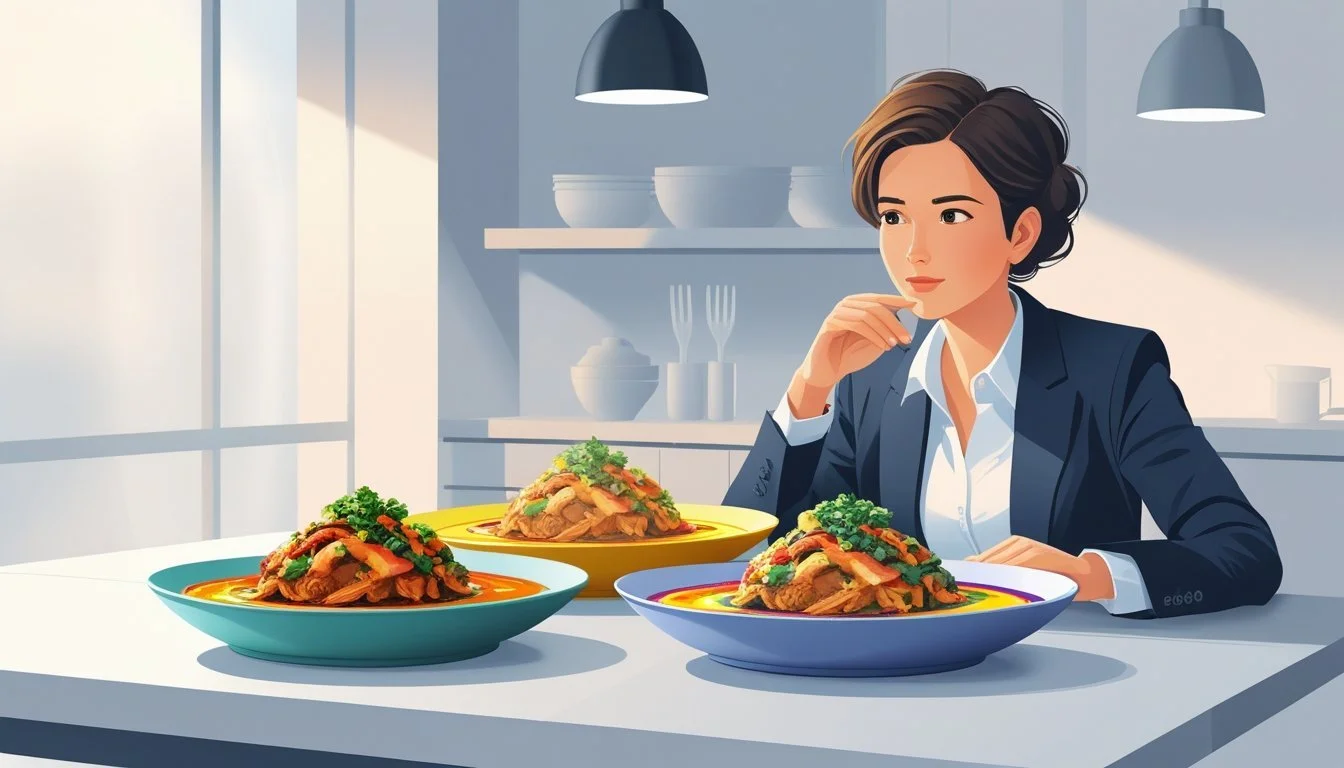
Color can significantly impact how people experience food, sometimes outweighing the importance of actual flavor. This effect is visible in both individual taste tests and industry practices, where visual cues often shape consumer expectations and responses.
Cases Where Color Overshadows Flavor Perception
Research indicates that individuals often judge the flavor of a food or beverage based on its color before tasting it. In controlled experiments, participants sometimes identify a drink’s apparent flavor from its color rather than its ingredients, such as perceiving a yellow drink as lemon-flavored, regardless of its true taste.
Common associations, such as red with strawberry or yellow with banana, can override flavor signals if the color does not match expectations. Mismatched colors, like a green-colored cola, can cause confusion or a reduction in enjoyment, even when the taste remains unchanged. This demonstrates that color intensity and hue are powerful drivers in flavor perception, sometimes leading to misidentification or altered preferences.
Food Industry Uses of Color Substitution
The food industry often relies on artificial colors or color substitutes to meet consumer expectations and maintain product consistency. Companies may enhance or adjust food color to align with established flavor associations, such as using vibrant orange in cheese or intense red in fruit drinks.
A practical example includes using caramel color in colas and other soft drinks. Color uniformity reinforces the expected taste, while deviations can impact perceived flavor quality. Some manufacturers also use color substitution to differentiate products in markets or encourage trial of new flavors, even when the taste profile remains unchanged.
Example Product Typical Color Associated Flavor Orange Soda Bright Orange Orange Lemonade Light Yellow Lemon Mint Candy Green Mint
Manipulating food colour or colour intensity is a strategic approach, helping food producers control flavor perception and improve product appeal without altering recipes.
Sensory Science Behind Color and Flavor Perception
Color plays a direct role in shaping how people interpret flavors before food is even tasted. The links between visual cues and taste are rooted in how the brain processes multisensory information and establishes expectations for flavor identity and intensity.
Multisensory Perception in Food
Multisensory perception refers to how the brain combines input from different senses to form a unified experience. In food, sight often acts as the first cue, with color influencing how a person anticipates taste, texture, and even freshness.
Studies in food science show that when a food’s color is manipulated, participants often report differences in flavor intensity—even when the actual recipe is unchanged. For example, a strawberry-flavored drink colored orange may be described as tasting of orange rather than strawberry. Such findings demonstrate that multisensory flavor perception is a complex process, where visual signals can alter the perceived qualities of taste and aroma, leading to mismatches if expectations are not met.
Crossmodal Correspondences and Flavor Identity
Crossmodal correspondences refer to the natural associations people make between sensory attributes, such as matching certain colors with specific flavors. For instance, red is typically linked with sweet flavors like cherry or raspberry, while green may suggest sourness or freshness.
These correspondences help people quickly identify a food’s flavor based on its appearance. When a product’s color does not align with its expected flavor identity—for instance, a blue-colored lemon-flavored candy—it can disrupt flavor perception and lead to confusion or disappointment.
Table: Common Crossmodal Color-Flavor Associations
Color Expected Flavor Red Strawberry, Cherry Green Lime, Apple, Mint Yellow Lemon, Banana Brown Chocolate, Coffee
The strength of these color-flavor connections highlights the importance of visual cues in flavor perception and acceptance within food science.
Consumer Behavior and Expectations
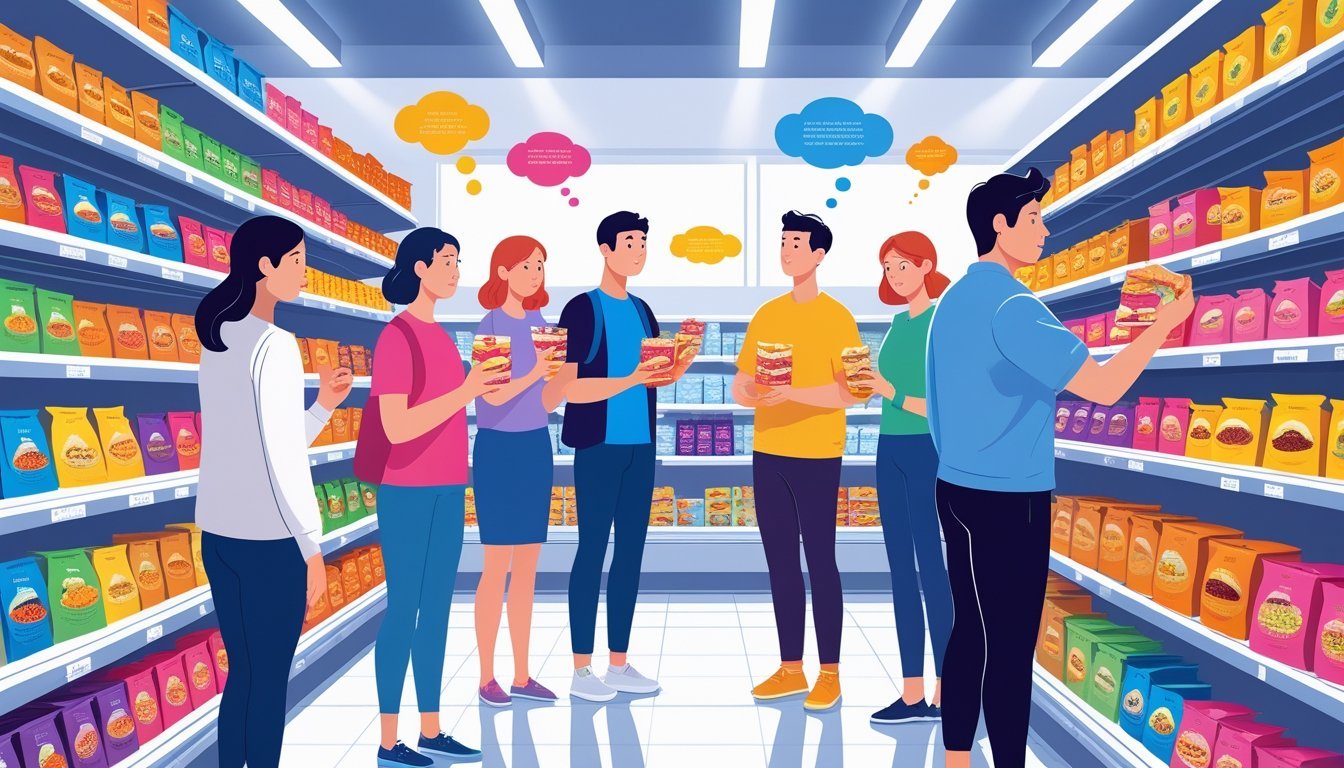
Consumers often make food choices based on visual cues, sometimes more than actual taste. Color and packaging prompt specific expectations, influencing not only perceptions but also purchasing decisions.
Hedonic Expectations and Taste Perception
Color strongly influences hedonic expectations—how pleasurable or appealing a food or drink is anticipated to be. When people see a familiar color, such as red for sweet flavors, they often expect the taste to match. If the food color is altered, even if the taste remains the same, people may believe the flavor has changed.
Studies have demonstrated that mismatches between expected and actual color can reduce enjoyment. For example, a strawberry-flavored drink colored green might be rated as less pleasant or even misidentified in taste tests. This process affects not only adults but also children, who rely heavily on visual input to predict flavor.
Key Effects:
Visual appearance sets taste and flavor expectations.
Disconfirmation between expected and actual color can result in disappointment or confusion.
Role of Branding and Packaging Design
Packaging design, particularly its color, is a crucial factor in consumer behavior at the point of sale. Brands use color to signal specific qualities or flavors, shaping buyers’ expectations before the product is even opened. A snack in a bright yellow bag may signal lemon flavor or a sense of freshness, regardless of the actual taste.
Research confirms that color on packaging and branding significantly influences whether a product is chosen or ignored. Even small changes, such as adjusting the hue of a logo or container, can alter consumer impressions. Clear visual consistency between packaging and the food inside helps reinforce trust and repeat purchases.
Notable Impacts:
Shoppers quickly associate colors with specific brands or product qualities.
Mismatch between packaging color and contents can erode brand credibility.
Color Attributes: Hue, Saturation, and Intensity
The color properties of food influence how people judge flavor, freshness, and quality before taking a bite. Differences in hue, saturation, and intensity are perceived quickly, impacting choices and expectations immediately.
Effects of Hue on Flavor Expectations
Hue refers to the basic type of color, such as red, yellow, or green. People use hue to predict taste, which can influence both preference and satisfaction. For example, red often signals sweetness in fruit-flavored foods, while green hints at sourness or freshness.
A mismatch between expected and actual hue can create confusion. If a strawberry yogurt is green, it might be perceived as lime or mint, even before tasting. These subconscious cues guide initial judgments and may determine whether people try a product at all.
Manufacturers frequently use targeted hues to align appearance with conventional taste expectations. This approach helps reduce cognitive dissonance and increases product acceptance during trials and tastings.
Importance of Saturation in Food Presentation
Saturation describes the purity or vividness of a color. High saturation means a color is pure and intense, while low saturation can make foods look dull or grayish.
Foods with greater color saturation often appear fresher and more flavorful. For example:
Bright, vivid orange in carrots suggests crispness.
Dull or desaturated peppers can look aged or unappealing.
Maintaining optimal saturation can be critical in processed foods where colors fade during production. Using natural or artificial coloring agents helps ensure that items meet consumer expectations and retain their visual appeal.
High saturation is often preferred in candies and drinks, where vibrant colors are equated with strong flavor and freshness.
How Color Intensity Changes Taste Perception
Color intensity, also called colour intensity, reflects how strong or weak a color appears. This trait influences judgments about strength of flavor, ripeness, or spoilage.
A more intense red in tomato sauce may suggest a richer, more robust taste, while pale colors can seem bland. Consumers often associate pale food with diluted or off flavors, even if the taste is unchanged.
Chefs and food manufacturers monitor color intensity closely to maintain consistency between batches. Adjustments are sometimes made post-production if an item’s perceived intensity does not match its intended market profile.
Below is a quick comparison:
Attribute High Value Suggests Low Value Suggests Hue (e.g., red) Sweetness, ripeness Sourness, underripeness Saturation Freshness, flavor intensity Age, blandness Color Intensity Rich flavor, quality Weak flavor, spoilage
Cultural Differences in Color-Flavor Interpretation
Color associations related to flavor differ widely between regions. Food companies must navigate these differences or risk products being misinterpreted by consumers.
Global Variations in Color Associations
Research highlights that some colors strongly influence taste expectations, but these influences change across cultures. For example, red is often linked with sweetness in Western countries but may signal spiciness or even warning in others.
A cross-cultural study found that Japanese, Taiwanese, and Russian respondents selected different colors to represent the same flavors, showing that color–taste relationships are not universal. In some Asian countries, green might signal matcha or herbal notes, while in the United States, it often indicates lime or mint.
Table: Color Associations by Region
Color US Flavor Association Japan Flavor Association Red Cherry, Strawberry Spicy, Azuki Bean Green Lime, Mint Matcha, Melon Yellow Lemon, Banana Yuzu, Banana
Examples from Multinational Food Brands
International brands frequently modify product colors to match local expectations. Kit Kat in Japan has hundreds of flavors and colors, often using green for matcha instead of mint, reflecting Japanese consumer associations.
Coca-Cola maintains its classic red branding, but has adapted can colors for diet varieties depending on the country’s color preferences. For instance, what is silver for Diet Coke in the U.S. might be light blue in parts of Europe.
These adaptations help brands avoid confusion and increase acceptance. Companies also conduct sensory research to ensure new colors send the intended taste message. Failure to account for local associations can lead to products underperforming or being misunderstood.
The Future of Color in Food Science
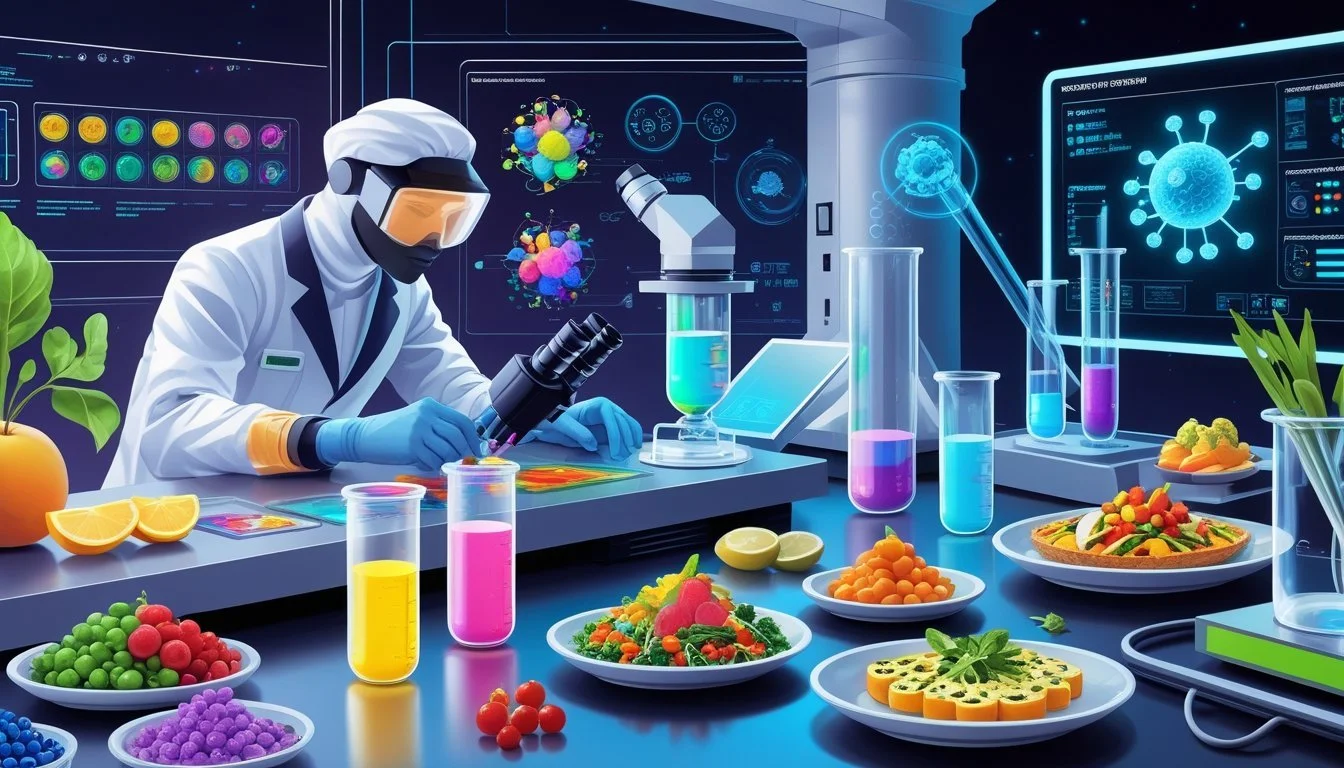
Food science is seeing new techniques for designing visual and sensory cues that directly influence perception and consumer choices. Advances linking color to sensory science are changing both product development and marketing strategies in the food industry.
Innovations in Visual Food Texture and Sensory Cue Design
Recent research highlights how visual food texture—such as perceived smoothness, glossiness, and grain detail—can shape expectations of flavor, freshness, and even mouthfeel. Food scientists are increasingly using color substitution to signal texture cues, especially in plant-based or reformulated products.
Table:
Visual Texture Commonly Used Colors Sensory Expectation Creamy/Smooth Off-white, Pastel Creaminess, Mild Richness Crunchy Golden, Brown Toastiness, Crispiness Juicy Bright Red, Pink Freshness, Sweetness
These visual cues work hand-in-hand with sensory design to guide choices at point-of-sale and in blind taste tests. By matching or substituting colors that align with consumer memory, developers can maintain product appeal even when taste profiles shift due to ingredient changes.
Impact of Olfactory Cues with Color Substitution
Olfactory cues, or scents, interact closely with color to shape food experience. Studies show that when familiar color cues are replaced—such as changing a beverage’s color while keeping the scent—consumers often misidentify the flavor, revealing the brain's strong reliance on visual signals.
Sensory science now explores how consistent color-olfactory pairings can reduce confusion in reformulated foods. For example, maintaining the expected color for strawberry-flavored foods even when using natural colors helps support the familiar aroma and reinforces correct flavor identification.
Proper color substitution combined with accurate olfactory cues sustains consumer confidence, aids acceptance of new formulations, and minimizes sensory dissonance. This approach is crucial as manufacturers reduce synthetic colorants or alter recipes to meet health and sustainability trends.

